Skip to content
  • Home
  • Writing Services
    • Ghost Writing
    • e-Book Writing
    • Fiction Writing Services
    • Non-Fiction Writing Services
    • Memoir Writing Services
    • Novel Writing Services
    • Biography Writing Services
    • Autobiography Writing Services
  • Publishing Services
    • E-Book Publishing
    • Amazon Publishing Services
  • Editing Services
    • Book Editing
    • Book Proofreading
    • Book Formatting
  • Other Services
    • Book Marketing
    • Audio Book
    • Book Formatting
    • Blog Writing
    • Website Content Writing
    • Book Cover Design
    • Book Video Trailer
    • Author Website Design
    • Article Writing
  • Resources
    • Blogs
    • Case Studies
    • Testimonials
    • FAQs
    • About Us
    • Contact Us
logo
  • Home
  • Writing Services
    • Ghost Writing
    • e-Book Writing
    • Fiction Writing
    • Non-Fiction Writing
    • Memoir Writing
    • Novel Writing
    • Biography Writing
    • Autobiography Writing
  • Publishing Services
    • E-Book Publishing
    • Amazon Publishing
  • Editing Services
    • Book Editing
    • Book Proofreading
    • Book Formatting
  • Other Services
    • Book Marketing
    • Audio Book
    • Blog Writing
    • Website Content Writing
    • Book Cover Design
    • Book Video Trailer
    • Author Website Design
    • Article Writing
  • Resources
    • Blogs
    • Case Studies
    • Testimonials
    • FAQS
    • Services Rate

    • About Us
    • Contact Us
  • +1 (855) 479-4213
  • Book a Call
  • Get a Quote
  • Live Chat

Author : Caroline Chartrand

26th May 2023

How To Write A Biography?

write a biography

Key Takeaways

  • A biography is a detailed account of a person’s life written by someone else, based on real facts.
  • The first step is to choose a subject with an interesting or meaningful life story.
  • Good biographies require proper research using interviews, books, and trusted sources.
  • Before writing, it is important to create a clear structure or outline of the person’s life.
  • A biography should be written in a storytelling style, not just factual reporting.
  • It usually covers early life, education, achievements, struggles, and major life events.
  • Including emotions and personal experiences makes the story more engaging and relatable.
  • A strong biography shows a balanced view of both success and challenges.
  • The writing should be clear, well-organized, and easy for readers to follow.
  • It is important to end with the person’s impact, legacy, or contribution.
  • After writing, the content should be edited and proofread for accuracy and flow.
  • A well-written biography helps inspire readers and preserve real-life stories.

From Memories to a Masterpiece

Struggling to write a biography that truly captures a life story? Our experts can help turn real-life journeys into well-structured books.

Hire Biography Writers

Have you ever wanted to write a biography? Or perhaps you have a story in mind that you want to bring to life through the power of words?

Writing a biography is an art. It allows us to preserve and celebrate the lives of remarkable people.

Whether it is a historical figure, a public figure, or even a family member, a well-crafted biography offers a glimpse into their accomplishments, struggles, and the legacies they leave behind. Today, we will discuss how to write a biography. It will help you bring fascinating stories to life.

Whether you plan to write and publish your book on your own or you acquire ghostwriting services, this guide will equip you with the knowledge to write a biography.

Let’s embark on an exciting journey to uncover the secrets of how to write a biography. From what is a biography to discovering effective writing techniques, we will provide you with the necessary tools and ideas for biography. So, let’s dive in and find your inner biography writer!

What is a Biography?

Before we delve into the world of biography writing, let’s first clarify what is a biography actually. In simple terms, a biography is a written account of a person’s real life. It captures the essence of their experiences, deeds, and challenges and presents them in a coherent and engaging manner. A well-crafted biography informs readers about the life of the subject. Also, it provides insights into their personality, goals, and impact on society.

Step 1. Biography Setup: The Base of the Success

To create a captivating biography, you should lay a solid foundation. Here are some essential steps to consider for biography setup:

Choose a Subject

Select a person whose life story resonates with you or captures your interest. It could be a historical figure, a current icon, or even someone you know. You can also consider people who have made major contributions or have charming life stories.

Ask Permission from the Subject

Before you start your research, ask the subject if you can write about them. If you get their consent, it will be easy for you to write about them as they can provide more details about them. However, you don’t need their permission if your subject is not alive.

Conduct Thorough Research

After you select the person whose life you want to convert into words, research their lives and assess their relevance to the intended audience. Collect info and data about your subject as much as possible. Read books, articles, and interviews about them. In addition, consult reliable sources and explore multiple perspectives to gain insights into their life.

Solid research is vital for an accurate and credible biography. Gather both primary and secondary sources, including:

  • Interviews
  • Personal accounts
  • Archival materials

Fact-check and verify all the resources. It will ensure the authenticity of your work. If you invest time in your research, you can paint a vivid and exact portrait of your subject.

Outline Your Biography

A well-structured outline acts as a roadmap for your writing. Therefore, organize your biography by creating an outline or storyboard. For example, divide the biography into sections such as:

  • Early life
  • Major milestones
  • Challenges faced
  • Achievements
  • Legacy

It will help you maintain a coherent flow and keeps the reader engaged.

You can also divide the content into chapters or sections that ensure a logical flow. It will help readers navigate through the subject’s life seamlessly. As a result, it will enhance their reading experience. Well-structured content creates a sense of coherence and clarity.

Structure the Biography

If you want to present the life of your subject logically, develop the structure of your biography.

  • First, decide whether to adopt a chronological or thematic approach.
  • Next, develop a narrative arc that engages readers and keeps them invested in the story.
  • Finally, highlight key events, achievements, and challenges. It will provide a complete view of your subject’s life.

Step 2. Writing a Biography: The Art of Storytelling

Now that you have a solid base, it is time to bring the story of your subject to life. Here is how you can write a biography and enhance your biography writing skills:

Writing Style and Tone

Choose the appropriate writing style and tone. It is crucial and helps you capture the essence of your subject and engage readers. Also, consider the target audience and tailor your language accordingly.

Balance objective and subjective writing. It allows you to present facts while you infuse the story with personal insights and emotions. Also, you can utilize vivid descriptions and engaging language to bring the story to life.

Craft the Opening

The opening of your biography sets the stage for what’s to come. Spark curiosity and engage your readers from the start. Establish the significance or relevance of your subject. It intrigues readers to delve deeper into the life story of your subject. Also, a captivating opening will make your biography hard to put down.

Begin your biography with a strong intro that hooks the attention of the readers. For example, you can start with:

  • An intriguing anecdote
  • A powerful quote
  • A significant event from the life of your subject

Develop the Body

The body of your biography is where the story unfolds.

  • Present the early life of the subject.
  • Provide context for their later achievements.
  • Describe their major contributions, accomplishments, and personal growth throughout their journey.
  • Delve into their challenges
  • Highlight their resilience and determination.

Highlight Key Moments and Influences

Identify and emphasize pivotal events or turning points that shaped the life of your subject. Explore the influences of key people, mentors, or cultural and historical factors. If you showcase the influences and circumstances that molded your subject, you can create a richer and more nuanced portrait.

Address Controversies and Criticisms

No biography is complete without controversies or criticisms surrounding the subject. Acknowledge differing viewpoints and present a fair assessment of criticisms. Offer supporting evidence or counterarguments to provide a balanced perspective. It allows readers to form their own opinions while they understand the complexities surrounding your subject.

Showcase the Subject’s Journey

Take your readers on a compelling narrative journey by illustrating the key moments and turning points in the subject’s life. Highlight their struggles, triumphs, and the lessons they learned along the way.

Include Personal Anecdotes and Insights

If you add personal anecdotes and insights, it will add depth to your biography. In addition, it offers readers a glimpse into the thoughts, emotions, and experiences of the subject. As a result, it fosters a link between the reader and the protagonist.

Conclude the Biography

Summarize the life of the subject and the impact they have had on the world in the conclusion. Reflect on their legacy and contributions. It will leave readers with a lasting impression. Craft a thought-provoking ending that invites readers to contemplate the subject’s significance and the lessons their life story imparts.

Step 3. Editing and Polishing

Before finalizing your biography, ensure you edit and polish it thoroughly. Review the content for the following:

  • Clarity
  • Coherence
  • Grammar

Then, make revisions and edits to refine your work until it shines with perfection.

Seek Feedback

You can ask beta readers, editors, or even your friends to read your work and review them. It will help you point out mistakes that you miss.

If you are going for a digital version of your work, you can leave it to the company from which you are getting eBook writing services.

Format it Properly

You should also format your work in a proper way. The goal of book formatting is to make your biography visually appealing and readable. It enhances the overall impact and facilitates the absorption of info.

Polish Your Story to Perfection

Get a pitch-perfect biography. Our editing team refines your manuscript for clarity, structure, and readability while preserving your original voice.

Hire Expert Editors

Step 4. Market Your Biography: Unleash Your Story’s Potential

Once you’ve completed writing a biography, market it effectively so that it reaches its full potential. Here are some book marketing strategies you can utilize to promote your biography and ensure its success:

Craft a Compelling Book Cover

The saying “Don’t judge a book by its cover” doesn’t hold true in the competitive world of publishing. Therefore, you should design an eye-catching and professional book cover. It should reflect the essence of your subject’s life and captures the attention of potential readers. A visually appealing cover will play the role of a powerful marketing tool for you.

Leverage Marketing Services

You can acquire book marketing services if you don’t know how to advertise your biography. They will help you promote your book effectively. As a result, it will reach the target audience.

Utilize Your Author’s Website

You should have an author website to showcase your work. If you don’t have an author website, then go for author website design services. They can help you create a website where you can not only display your work but also market yourself as an author.

Ideas for Biography: Fuel Creativity

Stuck on finding unique content or angle for your biography? Here are some creative ideas to help you:

Focus on a Specific Period

Instead of covering the entire life of the subject, zoom in on a specific era or phase that shaped their identity or marked a major transition. It allows you to delve deeper into the experiences of the subject during that time.

Explore Untold Stories

Unearth lesser-known aspects of the life of your subject that have the potential to surprise and captivate readers. It could involve highlighting the following:

  • Their struggles
  • Contributions to society
  • Uncovering long-held secrets

Biography vs Autobiography: The Distinction

You should know the difference between biography vs autobiography.

A biography is a written account of someone’s life by another person. On the other hand, an autobiography is a self-written account of one’s own life.

Each form has its unique perks and perspectives. For example, you rely on research and multiple sources when writing a biography. In contrast, an autobiography allows the subject to narrate their story in their own words.

Interested in writing an autobiography of your own? Read our blog: How to Write an Autobiography.

Conclusion

You’ve embarked on the journey of how to become a skilled biography writer. Writing a biography is a rewarding endeavor that allows us to preserve and share the extraordinary stories of remarkable individuals. You can create a unique and captivating biography by following the steps outlined in this guide.

So, start your journey today and uncover the amazing stories that deserve to be told and remembered for generations to come. However, if you need any kind of help relating to your writing journey, you can ask Authors Breeze. We are a top self-publishing company in the industry that plays a vital role in your success.

FAQs

How do you Start a Biography?

A biography usually starts with an intro to the person you are writing about.

What are the 5 Elements of a Biography?

The five basic elements of a biography are:

  1. Personal details of the subject.
  2. Personal life.
  3. Important life events.
  4. Areas of achievement.
  5. Significance in their field and impact on the world.

How do you Write a Biography about Yourself?

You can write a biography about yourself by including Info about your:

  • Education
  • Work experience
  • Hobbies
  • Interests
  • Other personal details.

You can also include your goals and aspirations, as well as your values and beliefs.

What Things Should a Biography Include?

A fascinating biography conveys the realities of the subject's real life. It should include what the subject did in his life and how they made an impact on this world.

End-to-End Biography Writing Made Easy

From research and writing to editing and publishing, our experts handle your entire biography creation process end-to-end.
Contact Us

Author : Caroline Chartrand

24th May 2023

What Is A Biography? (A Brief Guide 2026)

biography

Key Takeaways

  • A biography is the story of someone’s life written by another person.
  • It shares important details like background, life events, and achievements.
  • A biography is different from an autobiography, where people write their own story.
  • Good biographies include real facts, emotions, and storytelling.
  • Writing a biography needs research, planning, and clear structure.
  • Biographies help inspire readers and preserve real-life stories.
  • Professional help can make a biography more powerful and polished.

Turn Your Life Story into a Powerful Book

Let our expert biography writers transform your experiences into a compelling story that truly reflects your journey.

Hire Biography Writers

A great way to learn and grow as a person is to learn from others. You can read a biography if you want to read about another’s life. A biography is basically a narrative of a person’s life. It can give you insights into their background, achievements, and experiences.

Have you ever wondered how these are created? Today, we will explore what biographies are, where they came from in history, the different types of biographies, and how they help us understand the world better. It will be fun and easy to understand, just like reading a storybook!

Historical Background of Biography

A long time ago, before book marketing services existed, people were already talking about other people’s lives. Ancient civilizations like the Greeks and Romans started this kind of writing. They told stories about important people that made them famous forever. As time went on, these kinds of stories became a special kind of book that captured the most important parts of someone’s life.

Biography “Definition”

A biography is basically a story of a person’s real life. Biographies are like a special kind of art that brings the past back to life. It’s all about the lives of different people and what they went through. Writers do a lot of research to get all the facts right. When you read biographies, it is like going on an adventure to learn about a person’s personality, why they did things, and also what they accomplished. It can teach you things and make you feel inspired.

Types of Biography

Biographies are cool books that tell us about really important people. Also, we can learn about what they did, the problems they faced, and what made them want to do those things. Biographies can be written in different ways. Now let’s discover the different types of biographies.

Chronological Biography

One of the most common types of biography is the chronological biography. It tells the story of the life of a person from the beginning to the end. It follows a timeline and focuses on important events that happened during their lifetime. This type gives a complete picture of the person’s life.

Subject-Focused Biography

Subject-focused biographies concentrate on specific parts of the life of a person. They might talk about their work, achievements in a particular field, or a big event they were part of. Moreover, these biographies focus on a specific area and show why it is important.

Autobiography

An autobiography is a type of biography that is written about one’s self. They share their own story, thoughts, and experiences. In addition, an autobiography gives a personal and direct view of the life of a person.

Also Read: Biography vs Autobiography: Differences and Features

Memoir

A memoir is a type of autobiography that focuses on a specific period or theme in the life of a person. It is usually written by themselves. Moreover, it is like a personal account or a collection of memories that recount significant events, experiences, and emotions.

Also Read: Memoir vs Autobiography: A Tale of Two Genres

Authorized Biography

Authorized biographies are written with the permission and help of the person or their family. The subject gives access to personal documents, interviews, and other info. Also, authorized biographies provide more detailed and accurate info.

Unauthorized Biography

Unauthorized biographies are written without the permission of the person. The biographer relies on interviews with people who know the subject or on public records. In addition, these biographies offer a different perspective and may present different opinions.

Group Biography

Group biographies talk about the lives of multiple people who are connected or play important roles during the same time or event. It shows how these people interacted and influenced each other. A group biography gives a wider view of historical events.

Biographical Fiction

Biographical fiction mixes real-life events and characters with made-up stories. These books try to capture the essence of the life of a person. Moreover, they add creative elements to make the story more interesting.

Historical Biography

Historical biography is one of the types of biography that focuses on people who lived in the past and made major contributions to history. Also, it aims to provide insights into the lives of historical figures and their impact on society, culture, or specific events.

Digital Biography

Digital biographies, with the help of eBook writing services, use technology to create interactive and multimedia experiences. They include videos, audio, and links to other resources. Digital biographies offer a more engaging and immersive way to learn about the life of someone.

Every Story Deserves Expert Writing

From personal memoirs to professional biographies, our ghostwriting experts turn your story into a powerful, polished book.

Get Ghostwriting Services

Examples of Famous Biographies

Some of the famous biographies are:

1- A Beautiful Mind

It is a biography of the mathematician John Nash by Sylvia Nasar.

2- Alan Turing: The Engima

A biographical book that covers the life and work of the father of modern computer.

3- Alexander Hamilton

One of the best-seller biographies released in 2004 by Ron Chernow.

4- Barracoon: The Story of the “Last Black” Cargo

A biography based on interviews of Houston with Cudjo Lewis.

5- Into the Wild

A story of a young man who goes missing in the wild by Jon Krakauer.

The Art of Writing Biographies

A really awesome biography needs a writer who puts in a lot of effort. You can acquire ghostwriting services to find that kind of writer. Skilled authors are good at finding facts, being creative, and telling stories. Moreover, they make sure everything they write is true by checking different sources. The tricky part is making the story interesting for readers. They have to show the person’s life in a fun and easy way but still tell the truth. It is important for the writer to be fair and respectful and to think about what is right and wrong while they are writing. They have to be careful about privacy and honesty.

How to Write a Biography?

If you want to write a biography, you can follow these simple steps:

  • Pick someone interesting to write about.
  • Find out as much as you can about the person you’re writing about.
  • Begin the biography by introducing the person.
  • Wrap up the biography by summarizing the person’s life and their most important accomplishments.
  • After you finish writing, read through your biography and check for any mistakes or things that could be improved.

Influence and Impact of Biographies

Biographies are really important because they teach us about history, culture, and how people live together. We can learn a lot from the lives of those people and be inspired by them. Biographies help us talk about and understand different things in our world. They make us think about how other people feel and make us care about them. When we read biographies, we see that people are all different and special in their own ways.

Conclusion

As we conclude our journey through the world of biographies, we hope you have discovered the magic and power that lies within these remarkable literary works. The process of bringing biographies to readers involves a dedicated team working tirelessly to create unique content.

So, next time you pick up a biography, remember that you are embarking on a voyage into the depths of human experiences, where words have the power to shape our understanding of the world. Moreover, if you need help writing a biography, you can have Authors Breeze at your service. We provide the best services for authors, from ghostwriting to book formatting and marketing.

FAQs

What is on Biography?

A biographic consist of a person's life story. It gives simple information about someone's life, such as:

  • Where they were born.
  • What education they had.
  • What they like.

Is a Biography a Primary Source?

No, biography is not a primary resource. It is a secondary source. A primary source is an autobiography.

What are the Best Historical Biographies? Some of the best historical biographies are:

  1. "The Power Broker" by Robert A. Caro.
  2. "Team of Rivals" by Doris Kearns Goodwin.
  3. "Gandhi: An Autobiography" by Mahatma Gandhi.
  4. "Leonardo da Vinci" by Walter Isaacson.
  5. "The Diary of a Young Girl" by Anne Frank.

What are the 3 Types of Biographies?

The most common types of biography are:

  1. Autobiography
  2. Biography
  3. Memoir

Ready to Tell Your Story?

Our team of professional writers, editors, and publishers work together to turn your life story into a powerful, publish-ready biography.

Get a Quote

Author : Shirley Gibson

23rd May 2023

Why Authors Should Run Goodreads Giveaways & How to Maximize Results

Goodreads Giveaways

Key Takeaways

  • Running a Goodreads giveaway can significantly boost your book’s visibility by putting it in front of a large community of book lovers.
  • Giveaways help authors connect directly with readers, building a loyal fanbase and engagement even before readers buy the book.
  • Offering free copies through a giveaway often leads to valuable reviews and ratings, which influence future readers’ purchasing decisions.
  • A Goodreads giveaway can create anticipation and buzz, especially before a book launch, helping wi
  • th pre-orders and broader recognition.
  • Setting up a giveaway involves steps like creating an author account, choosing duration and copies, writing a compelling description, and targeting the right audience.
  • Maximizing results includes using eye-catching covers, promoting the giveaway on social media and your author platforms, engaging with participants, and collaborating with influencers.
  • Adding bonus content or incentives and tracking giveaway metrics can further improve results and help refine future marketing strategies.

Promote Your Book to the Right Audience

Maximize your book’s reach with professional marketing services. Let Authors Breeze handle promotions, giveaways, and campaigns.

Explore Book Marketing Services

If you give away a book, you do not just create awareness about your book. Indirectly, you promote it to a broad audience, especially the right audience. As a result, it can play a vital role in book marketing for you.

So, if you want to connect with readers and promote your books? Then, Goodreads is a fantastic platform designed specifically for book lovers, where authors can showcase their work, interact with readers, and build a loyal fanbase. With millions of users and an extensive database of books, Goodreads giveaways offer a valuable opportunity to reach a wide audience of enthusiastic readers.

Why Run a Goodreads Giveaway for Book Promotion?

You might wonder why authors should consider running a Goodreads giveaway as part of their book promotion strategy. Well, let me tell you, Goodreads giveaways can be a game-changer! They offer a host of benefits that can significantly boost your book’s visibility and help you connect with readers in a meaningful way.

Goodreads giveaways are a vital component of any author’s marketing arsenal. So, if you are an author and want to maximize your book promotion efforts, running a Goodreads giveaway is a strategy you should not overlook! It opens doors to exciting opportunities for your writing career.

1- Book Exposure

Imagine your book being discovered by hundreds, or even thousands, of avid readers. Goodreads giveaways can make that happen. If you run a Goodreads giveaway, you put your book in front of a wide audience. It increases its visibility and gets more people interested in it.

It is like shining a spotlight on your book and inviting readers to take notice. You offer free copies to eager readers. As a result, you capture their attention and generate curiosity about your work. Ultimately, it increases the exposure. This exposure can increase book sales, word-of-mouth, and broader recognition within the reading community.

2- Author-Reader Connections

Goodreads is a community of book enthusiasts. Therefore, a book giveaway on Goodreads will allow you to connect directly with readers who are passionate about your genre or topic. In addition, it can provide a unique chance to forge a strong author-reader connection.

When readers enter your giveaway, they show interest in your work. As a result, they become engaged with your book even before reading it. This engagement can result in genuine links, loyal readership, and a supportive fanbase that follows your ebook writing services journey.

3- Valuable Reviews

Reviews and ratings are essential for authors. Moreover, Goodreads can be a powerful tool for generating valuable book reviews and ratings. They provide social proof and influence purchasing decisions of potential readers.

When you offer free copies in exchange for an honest review, you encourage participants to share their thoughts and opinions about your book. These reviews can help you understand the perspectives of your readers, improve your writing, and attract more readers to give your book a chance.

4- Boost Anticipation

Launching a book can be an exciting yet nerve-wracking experience. If you run a Goodreads giveaway, it can create pre-release buzz and anticipation. You develop a sense of excitement and intrigue among readers. It positions your work for greater recognition.

You can provide a sneak peek into your book before its official launch. As a result, it will generate excitement among readers who eagerly await its release. This buzz can lead to increased pre-orders, heightened interest from literary influencers, and a solid foundation for a successful book launch.

In the vast sea of potential readers, the more individuals you connect with from your desired audience, the greater your chances of discovering that special someone:

“The one who can truly propel your endeavors to new heights”

It could be the CEO who eagerly invites you to speak at an important event or the podcast host who becomes your trusted ally in launching your brand into the world.

How to Set Up a Goodreads Giveaway?

Step 1. Create a Goodreads Author Account and Add Books

To get started with Goodreads giveaways, the first thing you need is a Goodreads author account. It is easy to create one by following the simple registration process.

Once you have your account, you can add your books to your Goodreads author profile. It allows readers to discover and explore your work.

Step 2. Choose the Giveaway Duration and Number of Copies

When you set up a Goodreads giveaway, choose the suitable duration and number of copies to offer. The duration determines how long your giveaway will run.

Therefore, it is essential to find a balance that gives participants enough time to enter while keeping the excitement alive. Similarly, the number of copies to give away depends on your budget and marketing goals.

If you offer multiple copies, it can increase the visibility of your book and reach more readers.

Step 3. Write a Giveaway Description

Suppose you want to capture the attention of the readers and entice them to enter your giveaway. In that case, you need to craft an enticing giveaway description.

Describe your book in a way that sparks curiosity and highlights its unique aspects. For example, share a compelling synopsis and mention any awards or accolades. Moreover, you can use engaging language to make readers eager to dive into your story.

Do not forget to include any special features, such as signed copies or bonus content, to which participants can look forward.

Step 4. Select Target Audience and Geographic Restrictions

Goodreads allows you to select your target audience for the giveaway. It is crucial to ensure that the participants are genuinely interested in your book.

You can choose specific genres, age groups, or even target readers who have added books similar to yours to their shelves.

In addition, you can set geographic restrictions if you want to limit the giveaway to certain countries or regions.

How to Maximize Results of Goodreads Book Giveaways?

A lot of writers do not just want to write a book but to write a bestseller. They become obsessed with the number of books they can sell and use that to measure their success.

However, a book giveaway on Goodreads is an excellent option to increase your book sales. Therefore, you should invest your time and effort to maximize its result.

Utilize Cover Images and Book Descriptions

When running a Goodreads giveaway, the first impression matters!

Use an eye-catching cover image that grabs the attention of the reader and makes them curious about your book.

In addition, craft an appealing book description that entices readers to explore more. Highlight the unique aspects of your story, create intrigue, and make them eager to get their hands on a copy.

Leverage Social Media and Author Platforms to Promote the Giveaway

Do not limit your giveaway promotion to Goodreads alone. Leverage the power of social media and your author website to spread the word.

Share engaging posts about your good reads giveaway on platforms like Facebook, Twitter, Instagram, or your personal blog.

Encourage your followers to participate and share the giveaway with their friends. This amplifies your reach and attracts more potential readers to enter.

Engage with Participants Through Comments and Updates

Engaging with participants throughout the giveaway period is crucial.

Respond to comments and messages from participants. Show genuine appreciation for their interest. Provide updates and reminders to keep the excitement alive.

If you actively participate in conversations, you will foster a sense of connection and build a positive rapport with readers.

Collaborate with Book Bloggers and Influencers

Tap into the power of book bloggers and influencers who have an established following in your genre or niche.

Reach out to them and offer them a copy of your book to review or promote during the giveaway. Their recommendations can greatly influence the decisions of the readers and attract more participants.

If you collaborate with influencers, it will expand the reach of your book and introduce it to new potential fans.

Offer Additional Incentives or Bonus Content

To make your giveaway even more enticing, you can consider offering additional incentives or bonus content.

This could include exclusive bookmarks, author-signed bookplates, character artwork, or even bonus short stories related to your book.

These extras make participants feel special and add value to their reading experience. As a result, it will increase their interest in your giveaway.

Track and Analyze Giveaway Metrics

After your giveaway ends, track and analyze the metrics to gain insights for future improvements.

Look at the number of participants, engagement levels, reviews generated, and any increase in book visibility or sales.

Identify patterns and trends to understand what worked well and what can be enhanced in your next giveaway. This data-driven approach helps you refine your strategies and optimize future giveaways for even better results.

FAQs

What Happens When You Win A Goodreads Giveaway?

When you win a giveaway on Goodreads, the book you win adds to your Want-to-Read shelf on Goodreads. The book will remain on your Want-to-Read shelf until the duration of the giveaway.

Is It Worth Doing A Goodreads Giveaway?

The potential return on investment of a giveaway is not in your hands. However, you can get a lot of benefits with a good reads giveaway. For example, with Goodread giveaways, you can:

  • Increase exposure of your book
  • Build author-reader connections
  • Generate valuable reviews
  • Create buzz and build anticipation

Goodreads book giveaways can help you market your book without a book advertisement.

How Do I Get To Goodreads Giveaway?

To enter print giveaways on Goodreads, follow the below steps:

  1. Go to the Giveaways page
  2. Filter by Print Giveaways
  3. Click on Enter Giveaway
  4. Enter your mailing address
  5. Agree to the giveaway entry terms and conditions
  6. Click on Enter Giveaway

To enter Kindle giveaways on Goodreads, follow the steps below:

  1. Link your Goodreads and Amazon accounts
  2. Then go to the Giveaways page
  3. Filter by Kindle Giveaways
  4. Click on Enter Giveaway
  5. Agree to the terms and conditions
  6. Click Enter Giveaway

How Long Should I Run A Goodreads Giveaway?

Goodreads suggest two (2) weeks to run giveaways. However, a short giveaway should be enough.

Conclusion

Running a Goodreads giveaway offers a multitude of benefits for authors. If you incorporate them into your marketing strategy, these giveaways can act as powerful tools. It will help you promote books, engage with readers, and generate valuable feedback.

By running giveaways, you can harness the potential of Goodreads’ vast community of book lovers. As a result, you can expand your reach and connect with your target audience. However, if you need help in your book-writing journey, you can ask Authors Breeze. We are pioneers in providing services for authors, whether ghostwriting services or publishing.

Need Expert Guidance?

Have questions about Goodreads giveaways or book marketing strategies? Our team is here to help.

Contact Authors Breeze

Author : Charles Maynes

19th May 2023

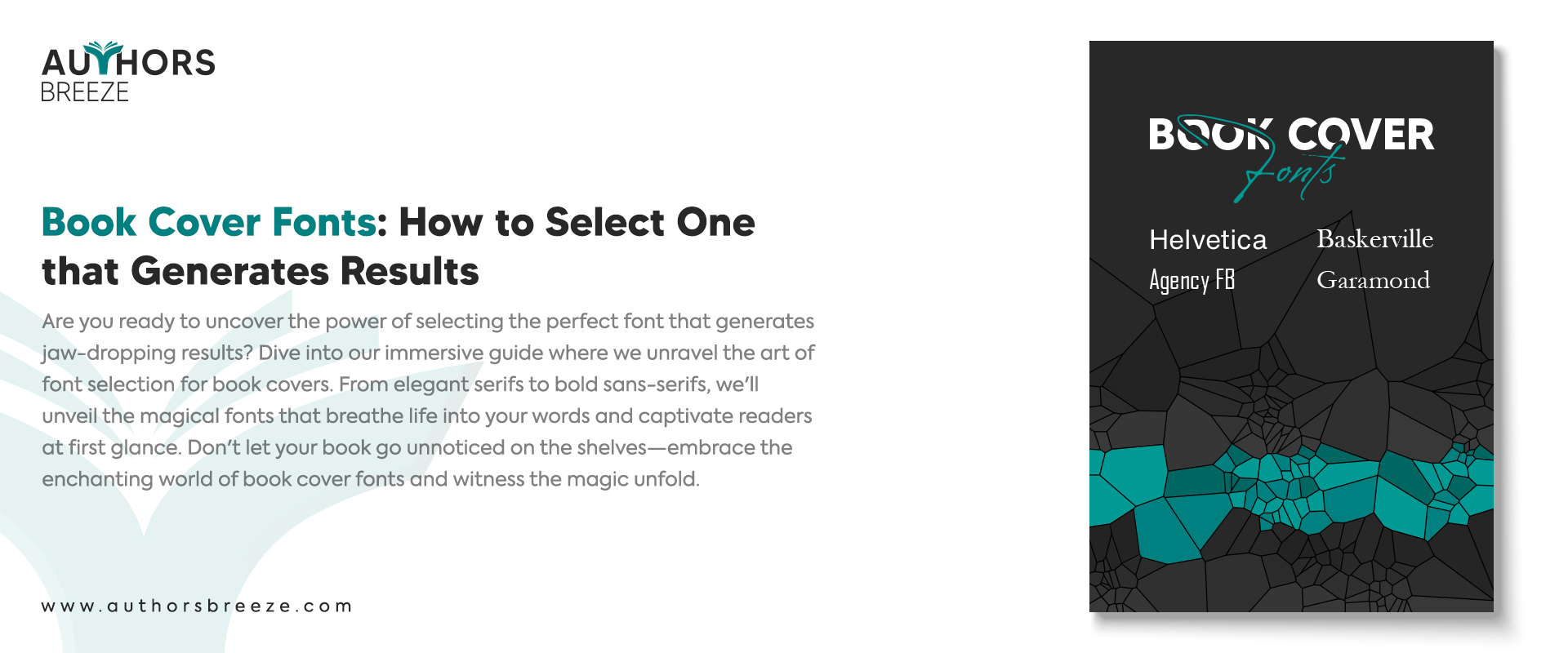
Book Cover Fonts: How to Select One that Generates Results

Book-Cover

Key Takeaways: Book Cover Fonts: How To Select One That Generates Results

  • Fonts Set The Tone – The right font conveys emotions and indicates genre before a reader even opens the book.
  • Readability Is Crucial – A book title should be clear and legible, even at a small size. It helps to attract potential readers.
  • Genre-Specific Fonts Matter – Different genres have established font styles. Therefore, choosing the right one helps set expectations and attract the right audience.
  • Typography Is Part of Branding – A strong, recognizable font choice can contribute to an author’s unique style and long-term brand identity.
  • DIY vs. Professional Design – DIY offers cost savings and creative freedom, but a professional designer ensures polished, high-quality results.
  • Trendy Fonts May Not Age Well – Choosing timeless fonts to make sure your book cover remains relevant for years to come.
  • Use Tools For Assistance – Resources like Google Fonts, Adobe Fonts, and Canva help authors explore and test different typography options.

First impressions matter!

Struggling to make your book cover professional? Let our experts design a high-quality, genre-appropriate cover that stands out in the market.

Get book cover design services.

Introduction

When it comes to creating a book cover, every single detail matters. From the colors to the images, each element plays a role in attracting readers. But one of the most important aspects of a book cover is the font.

Yes, you read it right! The font!

The way your book’s title and author’s name look can make or break your book’s first impression.

This is because a book cover is the first thing people notice about a book. Therefore, your book cover must incorporate the right fonts to:

  • look professional
  • attract the right readers
  • boost sales

But choosing the best font can also be a little tricky. Therefore, in this guide, we’ll explore how to select a book cover font that grabs attention and generates results.

So, let’s get started!

The Role Of Fonts In Book Cover Design

When you think about a book cover design, the first thing that probably comes to mind is the imagery; the colors or the illustrations.

But fonts? They might seem like a small detail, but they play a huge role in how your book is perceived. In fact, the right font can grab attention and make a strong first impression.

Therefore, let’s explore how fonts shape book cover design!

Fonts Create An Emotional Connection

Fonts are not just letters, they carry emotions and mood. The style, shape, and weight of a font can set a particular tone and evoke specific feelings in your audience. For example:

  • Bold, blocky fonts (Impact, Bebas Neue) feel strong and intense. They are perfect for thrillers or action-packed books.
  • Elegant script fonts (Great Vibes, Pacifico) feel romantic and artistic. They are ideal for poetry or memoir.

Fonts Communicate Your Genre

There is a famous saying “Don’t judge a book by its cover”. However, it’s true to some extent. But most of the time readers often judge a book by its cover, and fonts are a big part of that judgment.

Different genres have established visual languages, and fonts play a key role in signalling what kind of book you’re offering.

For example:

  • Sci-fi booksmight use sleek, innovative fonts with sharp edges to suggest technology and innovation.
  • Children’s booksoften use playful, rounded fonts to feel fun and approachable for young readers.

Fonts Influence Readability and Accessibility

A beautiful font might catch someone’s eye, but if it’s hard to read, it’s doing more harm than good. This is because readability is critical, especially for your book title. Also, it’s important for readers to understand what it says, even if it’s just a thumbnail on an online store.

However, to ensure optimum readability and legibility certain things need to be kept in mind, such as;

  • Avoid overly decorative fonts for the main title. While they might look pretty, they can be difficult to read, especially in smaller sizes.
  • Contrast is key. Make sure your font color stands out against the background. For example, white text on a light background will be hard to read.
  • Size matters. Your title should be large enough to be legible, even from a distance.
  • Font hierarchy matters. The book title should be the largest text, with the author’s name and subtitle smaller but clearly readable.

Fonts Build Brand Recognition

Your book cover is part of your author’s brand, and the fonts you choose can help establish that brand. If you’re writing a series, using consistent fonts across all your covers can create a cohesive look that readers will recognize.

For example:

J.K. Rowling’s Harry Potter series uses a distinctive, custom font for the titles, which has become iconic.

Fonts Differentiate Your Book

In a crowded marketplace, your book needs to stand out. The right font can help your book cover to grab attention and differentiate your book from others.

Understanding Font Styles For Book Covers

Different fonts create different feelings on a book cover. Therefore, before diving into font selection, let’s understand the basic categories of fonts. Some of the common styles include:

Serif Fonts:

These fonts have little “feet” or lines at the ends of the letters and are often seen as formal, and reliable. Serif fonts are great for historical fiction, academic, or serious books.

For Example; Times New Roman and Georgia.

Sans-Serif Fonts:

These fonts don’t have the little “feet.” They are modern and work well for contemporary, tech, or minimalist designs.

Examples include Arial and Helvetica.

Script Fonts:

These fonts mimic handwriting and can range from elegant and fancy to casual and playful. Script fonts are perfect for romance novel, poetry book, or any book that wants to convey a personal touch.

Examples; Brush Script and Pacifico.

Display Fonts:

These are decorative fonts that are designed to stand out. They can be bold, quirky, or artistic. Display fonts are ideal for genres like fantasy, sci-fi, or children’s books.

Examples include Impact and Lobster.

How To Choose The Right Font For Your Book Cover

Now that you know the basic font categories, let’s talk about how to pick the right font for your cover.

Match The Font To Your Genre

When it comes to fonts, remember that different genres have different expectations. Therefore, some general font recommendations for each genre are as follows:

  • Romance: Use elegant, flowing fonts, such as Playfair Display and Great Vibes to capture love and passion, creating a dreamy, emotional feel.
  • Mystery/Thriller: Incorporate bold, sharp fonts to add suspense and keep readers on edge. E.g. Bebas Neue, Impact etc.
  • Sci-Fi/Fantasy: Futuristic or decorative fonts like Cinzel enhance the sense of wonder and adventure.
  • Non-Fiction: Clean and modern sans-serif fonts such as Helvetica and Futura ensure clarity, credibility, and easy reading.

Consider Readability

No matter how beautiful a font is, if it’s hard to read, it’s not doing its job. Your book title needs to be clear and legible, even from a distance or when viewed as a thumbnail online.

Keep It Simple

Sometimes, less is more. A simple, clean font can be just as impactful as a fancy one. If your cover design is already busy with images or colors, a simple font can help balance it out. Remember, the goal is to make your title stand out, not to overwhelm the reader.

Pay Attention To Font Pairing

If you’re using more than one font on your cover, make sure they complement each other. This can make your book cover look more professional. A common approach is:

  • Serif + Sans-serif: A serif font for the title and a sans-serif for the subtitle or author name.
  • Bold + Light: A bold title font with a lighter secondary font creates contrast and balance.

Test Different Fonts

Don’t be afraid to experiment with different fonts. Create several versions of your book cover with different fonts and see which one resonates the most. You can also get feedback from friends, family, or professional beta readers to see which font they prefer.

Fonts Tell A Story—Make Sure Yours Speak Right!

Not sure which font suits your book? Our designers specialize in typography selection to match your genre, tone, and brand.

Contact us today!

Common Mistakes To Avoid

  • Using Too Many Fonts: Stick to one or two fonts at most. Using too many can make your cover look messy and unprofessional.
  • Ignoring Hierarchy: Make sure your title is the most prominent element on the cover. The author’s name and any subtitles should be smaller and less dominant.
  • Choosing Trends Over Timelessness: While it’s tempting to use the latest trendy font, remember that trends come and go. Choose a font that will still look good years from now.

DIY Vs. Hiring A Designer

When creating a professional book cover choosing between designing your book cover yourself or hiring a professional book cover designer can be a significant decision. Here’s a breakdown of the advantages of each option:

Benefits of Doing It Yourself (DIY)

  • Cost-Effective:

DIY projects are typically more budget-friendly since you’re not paying for professional services.

  • Creative Control:

You have complete control over the design process, allowing you to personalize every detail to your taste.

  • Learning Opportunity:

DIY projects allow you to develop new skills, such as design, crafting, or technical expertise.

  • Flexibility:

You can work at your own pace and schedule, without being tied to a designer’s timeline.

  • Personal Satisfaction:

Completing a project on your own can bring a sense of accomplishment and pride. It also provides you with a chance to express your creativity and individuality.

Benefits Of Hiring A Designer

  • Professional Expertise:

Designers bring specialized knowledge, training, and experience to the table, ensuring a high-quality result.

  • Time-Saving:

Hiring a designer saves you time and effort. They handle all the complexities of the process, allowing you to focus on other priorities.

  • Access To Resources:

Designers often have access to exclusive materials, tools, and industry connections that can elevate the project.

  • Tailored Solutions:

A designer can create a cohesive and functional design that aligns with your vision, lifestyle, and budget.

Which One Is Right For You?

  • Choose DIY if you’re creative, have time to learn, and want to save money.
  • Choose a Designer if you want a professional, eye-catching cover that stands out in the market.

Important: Book Cover Font Copyrights And Licensing

When designing a book cover, it’s important to remember that fonts are protected by copyrights, which means you’re allowed to use them for commercial purposes, like on a book cover. However, to use a font legally, you need to make sure you have the proper license.

Luckily, that’s easy to do but most great fonts for titles aren’t free to use. Yes! That’s how the book publishing world moves; You get what you pay for!

So, if you are working with a designer you are sorted. Professional designers have access to thousands of fonts and can help you choose the best one for your project.

Also, they are familiar with book marketing strategies and thus, make sure your title and author name stand out while fitting the overall design.

But if you’re planning to design your own book cover you can download fonts that you need but always check the licensing terms to ensure commercial use is allowed. Furthermore, if you already have a font in mind, search for it online but if you are still confused then seek help from tools offering free fonts with commercial use rights.

Tools To Help You Choose Fonts

There are plenty of tools available to help you find the perfect font for your book cover. Some of them are as follows:

  • Google Fonts: A free resource with a wide variety of fonts that you can easily download and use.
  • Adobe Fonts: Offers a vast library of high-quality fonts, many of which are included with Adobe Creative Cloud subscriptions.
  • Font Squirrel: A great place to find free, commercial-use fonts.
  • Canva: An online design tool that offers a range of fonts and templates for book covers.

Successful Book Covers and Best Book Cover Fonts Selections

Lastly, let’s take a look at some of the best book cover fonts, that made book covers a success;

  • Trajan – Used in many bestsellers, this classic serif font gives a timeless and elegant feel. Great for historical fiction and literary works.
    Example: The Da Vinci Code by Dan Brown
  • Gotham – A clean and modern sans-serif font that looks bold and professional. Often used in thrillers and non-fiction books.
    Example: Becoming by Michelle Obama
  • Baskerville – A refined serif font that feels sophisticated and trustworthy, ideal for classics and literary fiction.
    Example: To Kill a Mockingbird by Harper Lee
  • Futura – A sleek and minimal sans-serif font with a futuristic feel, commonly used in sci-fi and modern fiction.
    Example: 1984 by George Orwell
  • Mrs Eaves – An elegant serif font with a handwritten touch, perfect for romance and personal stories.
    Example: Eat, Pray, Love by Elizabeth Gilbert

Conclusion

Choosing the right font for your book cover is essential in making a strong first impression. Fonts help convey the book’s genre, set the tone, and enhance readability. Whether using a classic serif for a historical novel or a bold sans-serif for a thriller, selecting the right typography can significantly impact your book’s appeal and sales.

If you have the time and creativity, a DIY approach can save money, but hiring a professional from Authors Breeze can ensure a polished and market-ready design. No matter which route you take, focus on clarity, consistency, and genre alignment to create an eye-catching book cover.

Frequently Asked Questions

What Font is Best for a Book Cover?

Fonts like Helvetica or Futura are popular choices for their classic and timeless appeal. These serif fonts are often associated with modern design, advertising, and branding.

What Font is Used for Book Covers Romance?

Fonts that convey elegance, beauty, or a romantic atmosphere are commonly used in this genre. Some popular options include scripts like Twilight or Lavenda, as well as elegant serifs like Bentham or Day Roman.

What Font is Commonly Used in Books?

The most commonly used font in books for the main body text is typically a serif font like Times New Roman, Garamond, or Georgia. These fonts are chosen for their readability and legibility in long-form text.

What Font is Used in Sci-Fi Book Covers?

Fonts with a futuristic or technological feel are often used in science fiction. Some popular choices include fonts like Agency FB, Optimus, or Good Times. These fonts can give a sense of sleekness, modernity, and otherworldly themes.

What is the Classic Book Font Called?

One of the most well-known classic book fonts is Baskerville. It is a serif font known for its elegance, legibility, and readability, making it a popular choice for many classic novels.

A Great Cover Sells Books!

Whether you’re self-publishing or preparing for a bestseller, acquire our budget-friendly services and create a cover that sells!

Get a quote

Author : Shirley Gibson

17th May 2023

How To Make Book Advertisements (& Do You Really Need One?)

Book Advertisements

Thousands of books are published every day. Book advertisements play a crucial role in increasing awareness about those books. It captures the attention of the readers and helps you generate interest. Therefore, effective book advertisements can make a big difference if you want to reach your target audience and boost the visibility of your book.

The Role of Book Advertisements

Book advertisements serve multiple purposes in the publishing industry. For example they:

Increase Book Visibility and Reach

A book advertisement help increase the visibility and reach of your book. It ensures that your book doesn’t get lost in the sea of available titles. You can capture the attention of potential readers who may not have otherwise discovered your book by strategically placing ads in relevant mediums.

Target the Right Audience

A book ad allows you to target specific audiences. By carefully selecting advertising platforms and channels, you can reach readers more likely to be interested in your genre or subject matter. This targeted approach increases the chances of converting ad viewers into book buyers.

Build Author Brand and Credibility

Book advertisements contribute to building your author’s brand and establishing credibility. Consistent exposure to your book through ads creates brand recognition. It makes readers more likely to remember your name and seek out your work in the future. Positive reviews and endorsements displayed in ads also help build trust with potential readers. As a result, it encourages them to give your book a chance.

Types of Book Advertisements

Book advertisements can be broadly categorized into two types:

1- Traditional

Traditional advertising methods include print media, such as newspapers and magazines. You can place book advertisements there to capture the attention of print readers. Radio and TV ads are another avenue for reaching a broader audience. It allows you to convey the message of your book through audio and visual means. In addition, billboards and posters in strategic locations can generate local interest in your book.

2- Digital

Digital methods have gained popularity in recent years. Social media platforms like Facebook, Instagram, and Twitter enable you to target specific demographics and interests. It makes an effective way to reach potential readers. Online book promotions, such as discounted e-books or limited-time offers, can attract attention and encourage immediate purchases. You can also collaborate with book review websites and blogs. They can help promote your book to avid readers who rely on trusted recommendations.

If you utilize both traditional and digital methods, you can maximize the reach and impact of your book promotions.

How to Make Effective Book Advertisements?

If you want to convey your ideas to the world, it is the perfect time to begin your journey as an author. The icing on the cake is that you do not need book publishers to publish your book. You can now self-publish your book. However, publishing a book is just the first step. You need to promote it well to create awareness about it and sell it successfully. But how can you market it? It is where you need effective book advertisements.

Let’s brief you on how to create ads that work for you. Ads that can effectively target your audience and encourages them to buy your book.

Step 1: Write a Book

The first step, to begin with, is to write an excellent book. There is no way advertising can save a book that is poorly written. Therefore, you should write a book that can make an impact and attract readers.

If you want to craft a compelling book, the following are crucial elements to consider:

Objectives

Clearly define the outcomes that will deem your book a success. What specific results are you aiming for?

Target audience

Understand who you are trying to reach and the problems they seek solutions for. Identify their needs, desires, and challenges.

Message

Articulate what your book is about and why it will resonate with your audience. Clearly communicate the value and relevance of your content.

In addition, bear in mind the following points:

Memorable titles

Successful books possess captivating titles. Therefore, your book title should be:

  • Informative
  • Easy to pronounce
  • And attention-grabbing

It should linger in people’s minds, even if they don’t quickly click on your ad.

Prioritize reading

Most book ads focus on making a solid first impression. However, the goal should be to compel people to read your book. Ensure you present your book professionally. Therefore, pay attention to editing, book format, and publishing standards.

Reader experience

It’s vital to create a pleasant reading experience for your audience. A book that is structured properly and free from errors engages the reader and makes them enjoy it.

If you publish your book in digital form, we suggest you go for eBook writing services. They can help you write a flawless book. In addition, if your book is perfect, you can effectively promote it via ads.

Step 2: Identify the Target Audience

To design effective book ads, identify your target readership. Determine the specific group of people who are most likely to be interested in your book. Consider factors such as age, gender, geographic location, and any specific demographic that aligns with your book’s genre and theme.

Analyze Their Preferences and Interests

Once you know your target audience, delve deeper into their preferences and interests. Learn:

  • What genres do they enjoy?
  • What themes resonate with them?
  • The types of books they typically gravitate towards.

Consider their reading habits, favorite authors, and any specific aspects that capture their attention and engage them.

Conduct Market Research

Market research plays a vital role if you want to design a successful book ad. Explore the book market to gather insights and trends. Look for similar books in your genre that have performed well and examine the advertising strategies employed. Utilize online platforms, social media, and reader communities to gather feedback and opinions. You can tailor your ads to meet the expectations and desires of your target audience if you understand the market landscape.

Step 3: Define Clear Objectives

Clearly define the goals you want to achieve with your book ad. Are you aiming to increase book sales, generate buzz and awareness, promote a new release, or expand your reader base? When you identify the primary goal, you can focus your efforts and create a targeted ad that aligns with your objectives.

Set Specific and Measurable Objectives

It’s essential to set specific and measurable goals to track the success of your book ad. For example, instead of a general purpose like “increase sales,” you could set a specific objective such as “achieve a 20% increase in book sales within the first month of the ad campaign.” It allows you to measure the success of your ad and make data-driven decisions.

Align Objectives with the Book’s Genre and Target Audience

Ensure that your goals align with both the genre of your book and the preferences of your target audience. Different genres may require different approaches. For example, suppose you’re advertising a suspense thriller. In that case, your objective might be to create a sense of intrigue and suspense in the ad. Likewise, consider the expectations and preferences of your target audience when setting goals. If your book targets young adults, your objective might be to create a visually appealing and relatable ad that resonates with their interests.

Step 4: Craft a Compelling Message

Identify and highlight the unique qualities and benefits of your book that set it apart from others in the market.

  • What makes your book unique?
  • Is it a fresh perspective, a unique plot twist, or an innovative concept?

Define your USP and integrate it into your ad to grab the attention of your target audience.

Create a Captivating Headline and Tagline

Your headline and tagline should be attention-grabbing and intriguing. Use clear language, evoke curiosity, or convey powerful emotion. Craft a concise and memorable message that entices readers to learn more about your book. Consider the genre and tone of your book to ensure the headline and tagline resonate with your target audience.

Craft Persuasive and Concise Copy

Write persuasive and concise copy that conveys the essence of your book and its appeal. Focus on the key selling points, such as compelling characters, a thrilling plot, or thought-provoking themes. Use persuasive language, highlight reader benefits, and create a sense of urgency or excitement. Keep the copy concise to maintain the attention of the readers and make every word count.

Utilize Storytelling Techniques

Storytelling can be a powerful tool in book advertising. Instead of simply listing features, engage your audience with a captivating story within the limited space of your ad. Create intrigue, evoke emotions, or pose questions that make readers curious about the story. Use storytelling methods such as vivid imagery, relatable characters, and a compelling narrative arc to leave a lasting impression.

Step 5: Design Eye-Catching Visuals

Visuals are powerful tools for book ads. They can instantly grab attention and convey the essence of your book. You can also

Choose an Appropriate Color Scheme

Select a color scheme that aligns with your book’s genre, theme, and target audience. Different colors evoke different emotions and have psychological effects. Consider using colors that reflect the mood or atmosphere of your book. For example, vibrant and bold colors may work well for a fantasy novel. In contrast, muted and subtle tones may be more suitable for a literary drama.

Select High-Quality Images or Illustrations

Choose visually appealing and high-quality images or illustrations that complement the content of your book. Ensure that the visuals align with the genre, tone, and themes of your book. Whether it’s a striking photograph or a beautifully illustrated scene, the visual element should capture the essence of your book and intrigue potential readers.

Incorporate Typography That Matches the Book’s Theme

Pay attention to typography to create visual harmony. Select fonts that align with the theme of your book, genre, and target audience. For example, elegant and sophisticated fonts may suit a historical romance novel. On the other hand, bold and modern fonts may work well for a sci-fi thriller. Ensure that the typography is legible, even at different sizes. Moreover, avoid using too many different fonts to maintain a cohesive and professional look.

Ensure Readability and Legibility

Make sure that the text in your ad is easy to read and understand. Use contrasting colors between the background and text to ensure legibility. Avoid overcrowding the design with excessive text or cluttered visuals. Maintain spacing between elements for visual clarity. Test the readability of your ad by previewing it in different sizes and formats to ensure it remains clear and appealing

Step 6: Select the Right Advertising Channels

After you successfully create your ad, it’s time to pick the advertising channel where your ad will reach the target audience.

Consider Traditional Print Media Options

Traditional print media can still be effective for reaching specific target audiences. Explore options such as newspapers, magazines, and local publications that align with your book’s genre and readership. Consider the circulation, demographics, and cost-effectiveness of these channels in reaching your target audience.

Explore Digital Advertising Platforms

Digital advertising offers a wide range of options to reach a larger audience and track campaign performance. Consider platforms like Google Ads, display networks, or sponsored content on relevant websites. Digital ads allow for precise targeting, customization, and tracking of impressions, clicks, and conversions.

Leverage Social Media Channels

Social media platforms offer a powerful and cost-effective way to connect with potential readers. Utilize platforms like Facebook, Instagram, Twitter, or LinkedIn to target specific demographics, engage with readers, and promote your book. Create engaging content, utilize hashtags, and consider running paid ad campaigns on these platforms.

Evaluate the Benefits of Targeted Advertising

Targeted advertising allows you to reach a specific audience based on their interests, demographics, or online behavior. Consider platforms like Amazon Ads, Goodreads, or BookBub that specialize in advertising to readers. These platforms can provide targeted exposure to individuals who are more likely to be interested in your book, increasing the chances of conversion.

Do You Really Need Book Advertisements?

Book ads offer several benefits. However, the necessity of them will depend on your circumstances as an author. Here are some considerations to help you determine if book ads are truly essential for your marketing strategy:

Limited Resources

Authors often have smaller budgets for marketing. In such cases, you should allocate resources wisely and focus on cost-effective advertising channels.

Discoverability Challenge

You can face the hurdle of being noticed amidst the vast number of books available. Book ads can be an effective tool to overcome this challenge and generate interest in your work.

Budget

Determine the amount you can allocate to book ads. Moreover, keep in mind that you can not compromise other essential aspects like custom book covers of your publishing journey.

ROI evaluation

Regularly monitor and evaluate the return on investment from your advertising efforts. If certain channels or campaigns aren’t yielding satisfactory results, consider adjusting your strategy or exploring alternative marketing avenues.

Alternative Book Marketing Strategies

While book ads can be effective, they are not the only means of promoting your book. Here are some alternative strategies to consider:

Author Platforms and Websites

Establish a professional author website and utilize social media platforms. They can create an online presence, attract readers, and build a dedicated fan base.

Content Marketing

Writing articles and guest posts or maintaining a blog can showcase your expertise, increase visibility, and drive traffic to your book.

Book Signings and Author Events

Engage with readers through book signings, author talks, or participate in literary events. It can create personal connections and generate buzz around your book.

Word-Of-Mouth and Influencer Marketing

Encourage readers to spread the word about your book. Moreover, collaborate with influencers or book reviewers who cater to your target audience. It can amplify your reach organically.

FAQs

What is a Book Advertisement?

A book ad is a material that is used to promote a book. It is designed to create awareness and generate interest in a specific book. It aims to attract potential readers, persuade them to purchase or read the book and build anticipation and excitement around its release.

Why is Book Advertisement Important?

Book ads are important because they can lead to increased sales and revenue for authors and publishers. You can attract the attention of potential readers and generate interest. Also, ads can drive book purchases and boost the book's commercial success.

What Do You Need to Make an Advertisement?

To create an advertisement, you typically need the following:

  • Objective
  • Target audience
  • Message and value proposition
  • Creative concept
  • Copywriting
  • Visual elements
  • Call to action
  • Branding
  • Media placement
  • Budget and timeline

Conclusion

Book advertisements can be a fruitful investment if you want to advertise your book. However, its needs to be adequate to get the desired result. Moreover, audiobook production is also helpful if you want to promote your book to a broader audience. So, if you want to advertise your book and turn viewers into customers, you should focus on your target audience and design striking visuals.

Author : Shirley Gibson

Guide on How to Sell Audiobooks on Amazon in 2026

Audiobooks-on-Amazon

Key Takeaways

  • Audiobooks are a fast-growing format, allowing readers to consume content while multitasking.
  • Amazon, through Audible and ACX, provides a massive global platform for selling audiobooks.
  • Choosing the right book is crucial—engaging stories with strong narration potential perform best in audio format.
  • Authors can either narrate their audiobook themselves or hire professional narrators for better quality.
  • High-quality audio production (recording, editing, and mastering) is essential for a successful audiobook.
  • Proper formatting, file organization, and metadata improve discoverability and user experience.
  • Publishing is done through ACX, where authors upload files, set pricing, royalties, and distribution options.
  • Amazon offers royalty options (higher for exclusive distribution, lower for non-exclusive).
  • Marketing plays a key role—authors should use social media, reviews, ads, and promotional content to boost sales.
  • Leveraging Amazon’s tools like ads, algorithms, and subscription programs can increase visibility and reach.

Turn Your Book into an Audiobook

Ready to reach listeners worldwide? Authors Breeze helps you convert your book into a high-quality audiobook.

Get audiobook services today!

Audiobook is a medium that offers a unique and immersive storytelling experience. It appeals to people on the go, multitaskers, and those who simply prefer to have stories come alive through their ears. With the ease of smartphones, tablets, and smart speakers, audiobooks have become a go-to form of fun and info consumption for millions of people worldwide.

The rise of audiobooks could be due to several factors. For instance, the fast-paced nature of modern life has led individuals to seek out more efficient ways to consume books and stories. Audiobooks provide the perfect solution. It allows readers to engage with literature while commuting, exercising, or performing daily tasks.

How to Sell Audiobooks on Amazon?

Audiobooks help authors reach a wide audience and generate income. Amazon is the world’s largest online marketplace. It has established itself as a powerhouse in the audiobook industry through its audiobook platform, Audible. You can tap into Amazon’s vast customer base by selling audiobooks on Amazon. With millions of active Audible users, authors have the potential to reach a global audience.

1- Select the Right Book for Audio Adaptation

If you want to sell an audiobook on Amazon, you should choose the right book for audio adaptation. Not every book is suitable for the audiobook format. Therefore, it is crucial to choose a story that will resonate with listeners in an audio experience.

Here are a few factors you should consider when you select a book for audio adaptation:

Engaging Narrative

Look for a book with a captivating narrative. It will hold the attention of the listener throughout the audiobook. Stories with rich characters, compelling dialogue, and a well-paced plot tend to translate well to the book format.

Vocal Appeal

Consider the potential vocal appeal of the book. Does it lend itself well to oral storytelling? Books with solid dialogue, distinct voices for characters, and evocative language often make for engaging audiobooks.

Length and Complexity

Assess the length and complexity of the book. Longer novels can be adapted successfully into audiobooks. However, consider the time and production costs involved. In addition, books with complex plotlines or extensive footnotes may require more narration and editing.

Find a Narrator or Record the Audiobook Yourself

Once you have selected the book for audio adaptation, the next step is to determine who will narrate the audiobook. You have two options:

  • If you prefer professional narration, you can hire a narrator who can bring your book to life.
  • If you have a pleasant and expressive voice, you may choose to narrate the audiobook yourself.

2- Set Up a Home Recording Studio or Outsource the Recording Process

Whether you record the audiobook, make sure it’s high-quality audio production. It can be achieved if you consider one of the below options:

Home Recording Studio

You can set up a home recording studio. It will allow you to have control over the recording environment and schedule. Invest in the following:

  • A quality microphone.
  • A pop filter to reduce plosive sounds.
  • Soundproofing materials or quiet recording space.
  • Audio editing software.

Moreover, familiarize yourself with recording methods. For example, maintain proper microphone distance and adjust levels for optimal sound quality.

Outsource To a Professional Studio

If you prefer a polished and professional sound, you can outsource the recording process to a professional studio, which is a viable option. Studios have the necessary tools, sound engineers, and expertise to deliver quality recordings. Research reputable studios and negotiate rates based on the length of the book and your specific needs.

Review the Final Product for Optimal Audio Quality

Before you finalize the audiobook, review the final product to ensure optimal audio quality. Here are some aspects to consider during the review process:

Audio Check

Listen to the entire audiobook with headphones. This way, you can identify any audio issues, such as background noise, clicks, or varying volume levels. Make notes of any sections that require further editing or enhancement.

Accuracy and Consistency

Compare the audio to the written text. It will ensure accuracy and consistency. Check for any mispronunciations, missed lines, or deviations from the script. Correct any errors or re-record sections if necessary.

Audio Levels

Ensure that the audio levels are balanced throughout the audiobook. Pay attention to volume variations between chapters or sections. Adjust levels then to maintain a smooth listening experience.

Overall Listening Experience

Evaluate the audiobook from the perspective of a listener. Assess the pacing, clarity, and overall immersion. Note any areas where the performance could be improved, and hire a professional editor or sound engineer to improve those areas.

3- Choose the Appropriate Audio File Formats and Specifications

When you prepare audiobook files for submission to Amazon, choose the appropriate audio file formats and specifications. Amazon has specific requirements to ensure compatibility and optimal playback on its platform. Here are the key things you should consider:

Audio File Formats

Amazon accepts audiobook files in the following formats:

  • MP3
  • AAC
  • FLAC

MP3 is the most commonly used format due to its wide compatibility and smaller file size. Choose the format that best suits your needs while adhering to Amazon’s guidelines.

Bitrate and Sample Rate

Amazon recommends using a bitrate of 64-128 kbps for spoken-word content and a sample rate of 44.1 kHz. These settings provide a balance between audio quality and file size. Moreover, they ensure a smooth listening experience for users.

Mono or Stereo

For audiobooks, it is typically suggested to use mono audio rather than stereo. Audiobooks focus on spoken words rather than music or sound effects. Therefore, mono audio provides sufficient quality while reducing file size.

4- Edit the Audio Files for Optimal Playback

Edit and master the audio to ensure optimal playback before you submit audiobook files to Amazon. Here are some key steps to follow during this process:

Editing

Review the audiobook files and make any necessary edits. It will ensure a smooth listening experience. Remove any background noise, pops, clicks, or other audio imperfections. Ensure that all sections of the audiobook are properly aligned. Also, make sure there are no missing or duplicated segments.

Noise Reduction and Equalization

Use audio editing software for noise reduction, especially if there are any persistent background noises that can’t be eliminated. In addition, use equalization to balance the frequency response and ensure clarity in the audio.

Volume Leveling

Adjust the volume levels of the audiobook files. It will ensure consistent playback across all chapters and sections. Avoid extreme volume variations that could disrupt the listening experience. Apply compression methods to even out the volume levels, if necessary.

Chapter Markers

Add chapter markers to the audiobook files. It will enhance the navigational experience for listeners. Chapter markers help users easily jump to specific sections or chapters.

5- Organize and Label the Audiobook Files for Submission

Proper organization and labeling are essential to submit audiobook files to Amazon. It ensures that the audiobook is well-structured and easily navigable for listeners. Follow these guidelines when you organize and label the audiobook files:

File Naming

Use a consistent and logical naming convention for the audiobook files. Include the chapter number or title in the file names to maintain a clear order. For example, “Chapter_01.mp3,” “Chapter_02.mp3,” and so on.

Metadata

Fill in the proper metadata for the audiobook. It includes the title, author, narrator, genre, and any other relevant info. This metadata helps users discover and understand the content of the audiobook.

ID3 Tags

Embed ID3 tags into the audio files to provide extra info about the audiobook. Include tags such as title, artist, album, and track number. This metadata is essential for you to organize and categorize the audiobook within the user’s library.

Folder Structure

Create a dedicated folder for the audiobook. Moreover, organize the files in a logical sequence. Include subfolders for chapters, if necessary. It will help you maintain a clear and organized structure.

6- Create an Amazon Kindle Direct Publishing (KDP) Account

You need to create an account with Amazon Kindle Direct Publishing (KDP) to publish your audiobook on Amazon. Here’s how to get started:

  • Visit the KDP website and click on the “Sign in” button.
  • If you don’t have an Amazon account, click on “Create your Amazon account” and follow the prompts to set up your account.
  • Once signed in, click on “Create a new Kindle eBook” and select “Audiobook” as the format.
  • Fill in the required info, including the title, author, and other metadata details for your audiobook.
  • Upload the audiobook cover art, ensuring that it meets Amazon’s specifications.
  • Provide a description, keywords, and categories to help users discover your audiobook.
  • Save your progress and proceed to the next step.

7- Format and Upload Audiobook Files to ACX (Audiobook Creation Exchange)

ACX is Amazon’s platform for audiobook production and distribution. You will need to format and upload your audiobook files to ACX to publish your audiobook on Amazon. Here’s how:

  • Sign in to your ACX account or create a new one if you don’t have one already.
  • Click on “Add a new title” and enter the required info for your audiobook, such as the title, author, and narrator.
  • Choose the “I have production files ready to upload” option.
  • Select the appropriate audio file format (MP3, AAC, or FLAC) for your audiobook files.
  • Upload each chapter or section of your audiobook, following ACX’s guidelines for file naming and organization.
  • Enter the metadata details for each chapter, including chapter titles and durations.
  • Save your progress and proceed to the next step.

8- Set Price, Royalties, and Distribution Options

Once your audiobook files are uploaded to ACX, set pricing, royalties, and distribution options. Here’s what you need to consider:

Price

Decide on the retail price for your audiobook. Keep in mind factors such as:

  • The length of the audiobook.
  • The demand for similar titles.
  • Your book marketing strategy.

Amazon provides pricing guidelines, but the final decision is yours.

Royalties

ACX offers two royalty options:

  • 40%
  • 25%.

The 40% option provides higher royalties but requires exclusivity. It means your audiobook cannot be distributed through other platforms. The 25% option allows for non-exclusive distribution.

Distribution

Determine the distribution options for your audiobook. You can choose to distribute exclusively through Audible, Amazon, and iTunes if you select the 40% royalty option. If you choose the 25% option, you have the flexibility to distribute through other platforms as well.

Rights and Territories

Decide on the rights and territories for your audiobook. ACX allows you to specify whether you own the worldwide distribution rights or if there are limitations. Ensure that you have the necessary rights to distribute in the chosen territories.

Review and Submit

Review all the info you’ve provided. Make any necessary adjustments and double-check for accuracy. Once you’re satisfied, submit your audiobook for review.

After submission, your audiobook will go through a review process to ensure compliance with ACX’s quality standards. Once approved, it will be available for sale on Amazon and other platforms you’ve chosen.

9- Leverage Amazon’s Marketing Tools and Algorithms

Amazon offers various marketing tools and algorithms. They can greatly assist in promoting your audiobook. Here are some strategies for you to leverage these resources:

Amazon Advertising

Utilize Amazon’s advertising platform to create targeted campaigns for your audiobook. Use keywords, genres, and specific audience targeting to reach potential listeners. Sponsored product ads, display ads, and video ads can help increase visibility and drive sales.

Kindle Unlimited and Audible Plus

Enroll your audiobook in Kindle Unlimited and Audible Plus, subscription programs that allow members to access a wide range of titles. This can help expand your audience reach and increase exposure for your audiobook.

Customer Reviews

Encourage listeners to leave reviews for your audiobook on Amazon. Positive reviews play a crucial role in attracting new listeners and building credibility. Engage with reviewers and express gratitude for their feedback.

Amazon’s Recommendation Engine

Amazon’s recommendation algorithms suggest audiobooks to customers based on their browsing and purchasing history. Optimizing your audiobook’s metadata and engaging in promotional activities can help increase its visibility in these recommendation algorithms.

Implement Additional Promotional Strategies (e.g., Social media, Author websites)

In addition to leveraging Amazon’s marketing tools, implementing additional promotional strategies can help raise awareness and generate interest in your audiobook. Consider the following approaches:

Social Media Marketing

Utilize social media platforms such as Facebook, Twitter, Instagram, and LinkedIn to promote your audiobook. Create engaging content, share behind-the-scenes insights, offer sneak peeks, and interact with your audience. Leverage targeted advertising options to reach specific demographics.

Author Website or Blog

Create an author website or blog dedicated to your audiobook and related unique content. Share updates, offer exclusive content, publish author interviews, and engage with readers. Optimize your website for search engines to enhance its discoverability.

Influencer Collaborations

Partner with relevant influencers, bloggers, or podcasters who have an audience interested in audiobooks or your book’s genre. Collaborations can involve interviews, guest posts, audiobook giveaways, or cross-promotions, helping you tap into their established audience.

Audiobook Excerpts and Trailers

Create a captivating audio excerpt or book trailer that showcases the quality and intrigue of your audiobook. Share these on your website, social media platforms, and other relevant audiobook communities or platforms. Engage listeners’ curiosity and entice them to explore the full audiobook.

Limited-Time Offers and Discounts

Periodically offer limited-time discounts or promotional pricing to incentivize listeners to purchase your audiobook. Promote these offers through various channels such as your author website, social media platforms, email newsletters, and audiobook promotion websites.

FAQs

How to Make Audiobooks to Sell on Amazon?

Below is the step-by-step process for making audiobooks to sell on Amazon:

  1. Select the right book for audio adaptation.
  2. Set up a home recording studio or outsource the recording process.
  3. Choose the appropriate audio file formats and specifications.
  4. Edit the audio files for optimal playback.
  5. Organize and label the audiobook files for submission.
  6. Create an Amazon Kindle Direct Publishing (KDP) account.
  7. Format and upload audiobook files to ACX (Audiobook Creation Exchange).
  8. Set price, royalties, and distribution options.

Can You Make Money Selling Audiobooks?

Yes, you can make money by publishing your audiobook on Audible. Just create an account on Audiobook Creation Exchange (ACX), and you can easily sell your books for $15 to $25.

How Do I Sell My Audible Audiobooks?

Follow the below steps to sell books on Audible:

  • Create an account on ACX.
  • Click "Start My Audiobook."
  • Select your book.
  • Upload audiobook.
  • Pick territories and terms of distribution.
  • Accept terms and conditions.
  • Provide the information asked.

What Does Amazon Pay for Audiobooks?

Amazon offers two royalty options.

  • 20% for non-exclusive distribution.
  • 40% on distributing exclusively.

Conclusion

Audiobook is an excellent option if you want to share your idea with a broad audience. Moreover, Amazon is the pioneer when it comes to publishing and distributing audiobooks. However, you need the best audiobook service to create an audiobook that successfully sells on Amazon.

Boost Your Audiobook Sales

Don’t just publish—get heard! Authors Breeze offers marketing support to help your audiobook reach the right audience.

Start promoting today!

Author : Charles Maynes

15th May 2023

What Are the Different Types of Editing?

types of editing

Key Takeaways

  • Editing is a multi-step process, and each type of editing serves a different purpose in improving a manuscript.
  • Developmental editing focuses on the big picture, including plot, structure, and overall story clarity.
  • Substantive editing improves content flow, clarity, and the effectiveness of the writing.
  • Line editing enhances sentence structure, tone, and writing style to make the content more engaging.
  • Copy editing corrects grammar, spelling, consistency, and formatting errors to polish the manuscript.
  • Proofreading is the final step that ensures the content is error-free before publishing.
  • Each type of editing is important at different stages of writing, and not all are needed at once.
  • Choosing the right type of editing depends on your manuscript’s current stage and goals.

Shape Your Story the Right Way

Struggling with plot, structure, or flow? Let our editors refine your story from the ground up.

Hire expert editing services!

Editing is a crucial aspect of the writing process. It involves refining and improving a written piece to make it more readable, engaging, and impactful. Whether you’re writing ebooks, a novel, a research paper, or a blog post, editing can significantly enhance the quality of your work. In this blog, we will explore the different types of editing and their purposes. So, let’s begin

What is Editing?

Editing is basically reviewing a written piece to identify areas that need improvement. It can range from minor changes, such as fixing typos and grammar errors, to more extensive revisions, such as reorganizing paragraphs or rewriting entire sections. The goal of editing is to refine the writing. Editing makes writing more effective. Moreover, it ensures that writing meets the desired quality standards of book publishers.

The Importance of Editing

Editing is essential for several reasons. For example:

  • It ensures that the message you’re trying to convey is clear and concise.
  • It helps you organize your thoughts, eliminate redundancies, and identify and correct errors in grammar, spelling, and punctuation
  • Editing can make your writing more engaging and persuasive, thereby capturing the reader’s attention and holding it to the end.
  • It is crucial for maintaining a professional image, whether you’re writing for personal or business purposes.

The Types of Editing

There are six major types of editing. Each type of editing serves a specific purpose and involves different levels of intervention. Let’s explore each type in more detail. So you will know what type of book editing service you need.

1- Developmental Editing

Developmental editing is the most extensive type of edit. It involves a comprehensive review of a written piece’s structure, content, and style to ensure it’s coherent, engaging, and achieves its intended purpose. A developmental edit can be helpful in the early stages of writing to help authors refine their ideas and ensure that their writing aligns with their goals.

The purpose of a developmental edit is to provide constructive feedback that helps authors improve their writing. It’s handy for authors struggling to articulate their ideas or those needing assistance developing a consistent tone and style. Developmental editors may also provide feedback on the overall organization and flow of the writing to ensure that it’s easy to follow and that the message is clear.

Developmental editors provide feedback on a range of issues, including:

Structure

It includes the overall organization of the writing, the order of the paragraphs, and the flow of ideas.

Content

Developmental editors may provide feedback on the accuracy and relevance of the content and suggest additional research or sources if necessary.

Tone and Style

Editors may provide feedback on the tone and style of the writing, ensuring that it’s consistent throughout the piece.

Character Development

This type of feedback is often provided for works of fiction, where the developmental editor may provide suggestions for character development or plot points.

Audience

Developmental editors may provide feedback on whether the writing is appropriate for the intended audience and suggest changes to make it more accessible or engaging.

Examples of when developmental editing may be necessary

A developmental edit may be necessary when the writer:

  • Wants to develop a consistent tone and style throughout the piece.
  • Wants to ensure that the content is accurate and relevant.
  • Has trouble organizing their thoughts or putting them into words.
  • Wants to ensure that the writing flows smoothly and is easy to follow.
  • Wants to improve the engagement of their work.

2- Strcutural Editing

Structural editing comes after you do a developmental edit. It can also be done side by side with the developmental edit. In a structural edit, the editor looks at the narrative, storyline, and characters to ensure that they are working perfectly together. This type of edit is done to see if the storyline or plot holes can be improved.

Examples of when structural editing may be necessary

A writer does a structural edit when he wants:

  • to ensure that the writing pace is constant.
  • everything to make sense.
  • to make sure that the writing style is suitable for the writing piece.
  • to ensure the voice and tenses are the same throughout.

3- Substantive Editing

Substantive editing focuses on improving a written piece’s overall clarity, coherence, and effectiveness. This type of edit involves a thorough review of the text at the sentence and paragraph level to ensure the writing is clear, concise, and engaging. The purpose of a substantive edit is to enhance the readability and impact of the writing without changing the writer’s intended message.

While a developmental edit focuses on the structure and content of the writing, substantive edit focuses on improving the style and language. Substantive editors work with the writer to refine the writing and ensure it’s consistent, polished, and easy to read. This type of editing can be useful for article writers who have already developed their ideas but need help expressing them clearly and effectively.

Examples of when substantive editing may be necessary

A substantive edit may be necessary when the writer:

  • Wants to improve the clarity and flow of their writing.
  • Wants to ensure that their writing is engaging and persuasive.
  • Needs help identifying and correcting awkward or unclear sentences.
  • Wants to improve the overall quality of their writing.
  • Wants to ensure that their writing adheres to a specific style guide.

4- Copy Editing

Copy editing is a type of editing that focuses on improving the mechanics and formatting of a written piece. It involves a careful review of the text to ensure that it’s free of errors and adheres to specific style and formatting guidelines. The purpose of a copy edit is to produce a polished and error-free final draft that’s ready for publication or dissemination.

A copy edit can correct a wide range of errors, including:

Spelling and Grammar

Copy editors check for spelling and grammar errors, including punctuation, capitalization, and verb tense.

Style and Formatting

Copy editors ensure that the writing adheres to a specific style guide and that the formatting is consistent throughout the piece.

Fact-Checking

Copy editors verify the accuracy of the information presented in the writing.

Consistency

Copy editors ensure that the writing is consistent in terms of terminology, style, and tone.

Clarity

Copy editors check for confusing or awkward phrasing and suggest improvements to enhance clarity.

Examples of when copy editing may be necessary

A copy edit may be necessary when the writer:

  • Has completed their writing and wants to ensure it’s polished and error-free.
  • Is submitting their work for publication and wants to adhere to specific style and formatting guidelines.
  • Is writing for a specific audience and wants to ensure that the writing is clear and easy to read.
  • Has incorporated feedback from developmental and substantive editing and wants to ensure that the final draft is free of errors.
  • Has translated their writing from another language and wants to ensure that the text is free of errors and adheres to the conventions of the target language.

5- Line Editing

Line editing is also known as language editing. It is a type of edit that focuses on the use of language in a written piece. It involves a thorough review of the text at the word and sentence level to ensure the writing is clear, concise, and compelling. The purpose of a line edit is to enhance the overall quality of the writing, improving the tone, style, and impact of the language used.

While a copy edit focuses on mechanics and formatting, a line edit is concerned with the use of language. Line editors review the text to identify and correct issues with the style, tone, and effectiveness of the language used. They may suggest improvements to sentence structure, word choice, and syntax to enhance the overall readability and impact of the writing.

Examples of when line editing may be necessary

A line edit may be necessary when the writer:

  • Wants to improve the clarity, conciseness, and effectiveness of their writing.
  • Wants to enhance the tone and style of their writing to make it more engaging and effective.
  • Needs help identifying and correcting word choice, syntax, and sentence structure issues.
  • Wants to ensure that their writing is appropriate for the intended audience.
  • Wants to ensure their writing is easily understood and effectively communicates their intended message.

6- Proofreading

Proofreading is the final stage of the editing process. It involves reviewing a written piece for any errors or typos that may have been missed during previous phases of editing. A certified proofreader aims to ensure that the final draft is free of any mistakes and is ready for publication or dissemination.

While a copy and line edit focus on improving the quality of the language used in a written piece, proofreading focuses on identifying and correcting any remaining errors or mistakes. A copy edit ensures consistency, accuracy, and adherence to style and formatting guidelines. In contrast, a line edit enhances the overall quality of the language used in a written piece. On the other hand, proofreading is the final check for any errors missed during previous editing stages.

Examples of when proofreading may be necessary

Proofreading may be necessary when the writer:

  • Is submitting their work for publication and wants to ensure it’s polished and error-free.
  • Is submitting their work for an academic assignment and wants to ensure that it’s free of any errors that may impact their grade.
  • Has completed the writing and has gone through previous editing stages but wants to ensure that the final draft is free of errors.
  • Is submitting a job application or cover letter and wants to ensure that it’s free of any mistakes that may impact their chances of getting hired.
  • Is submitting a grant application or other important document and wants to ensure it’s free of any errors that may impact their chances of getting funded.

Write And Publish Your Book with Confidence

Don’t let small errors ruin your final draft. Our proofreading experts make sure your book is error-free and ready to be published.

Talk to our proofreading experts

What Type of Editing Do You Need?

Now you know different types of edits and how they can help you, you can choose the right one keeping your specific needs in mind. For example, suppose you are struggling with the overall structure and organization of your piece. In that case, you may benefit from a developmental edit. You can benefit from a substantive edit if you want to improve the effectiveness of your language use.

Conclusion

The different types of editing are developmental editing, substantive editing, copy editing, line editing, and proofreading. These types of editing can help writers improve their writing in several ways. You can better target your efforts and achieve desired results if you understand the different types of editing and their purposes.

FAQs

Should I Hire A Professional Editor For My Writing?

A professional editor can be an excellent investment for your writing. Especially when you want to publish or disseminate your work to a broader audience. Professional editors can provide expert feedback and guidance on improving the overall quality of your writing and achieving your specific goals. Keep in mind that professional editors are not beta readers. Beta readers are those who provide feedback from the perspective of the audience.

How Long Does The Editing Process Usually Take?

The length of an edit can vary widely depending on the type of it, the size of the written piece, and the skill level of the writer. A developmental and substantive edit can take longer as they involve more significant changes. They require more back-and-forth between the editor and the writer. A copy edit, line edit, and proofreading are typically faster and can be completed within a shorter timeframe.

Can Editing Really Make A Significant Difference In The Quality Of My Writing?

Yes, an edit can make a significant difference in the quality of your writing. It helps to improve the overall structure, clarity, and effectiveness of your writing, as well as correct errors and mistakes. Suppose you want to ensure your writing is polished and professional. In that case, an edit can help you achieve your intended goals and make a positive impact on your readers.

Your Content Strengthen, Effortlessly!

Make your ideas clearer and more impactful. Our editors enhance structure, clarity, and readability.

Contact us to get started!

Author : Charles Maynes

13th May 2023

What is a Writing Coach? And How to Hire One?

Writing-Coach

Key Takeaways

  • A writing coach helps improve your writing skills, style, and structure.
  • They provide constructive feedback on grammar, tone, and organization.
  • Coaches help you set writing goals and develop productive writing habits.
  • They assist in overcoming writer’s block and staying motivated.
  • Writing coaches help you find and refine your unique writing voice.
  • There are different types: academic, business, creative, and technical writing coaches.
  • Hiring a coach gives objective feedback, personalized guidance, and accountability.
  • Coaches support and motivate you throughout your writing journey.

Level Up Your Writing Journey

Kickstart your book project with coaching, then explore book formatting, cover design, and marketing to launch successfully.

Contact Authors Breeze

Writing is an essential skill that is required in various areas of our lives. Writing plays a vital role in communication, from academic papers to business proposals. However, not everyone is a born writer, and it can be challenging to develop effective writing skills without guidance. It is where a writing coach comes in. They are not someone who provide you with the best ghostwriting services, but they help you improve your writing skills.

What is a Writing Coach?

A writing coach is a professional who guides and supports individuals who want to improve their writing skills. They work with writers to help them refine their writing style, grammar, and structure, among other things. Writing coaches can help writers at any stage of their writing journey, whether they are beginners or advanced writers.

The importance of a writing coach cannot be overstated. Writing is a skill that requires constant practice and improvement. A writing coach can provide the necessary feedback and guidance needed to help writers develop and refine their writing skills. In addition, a writing coach can help writers identify their strengths and weaknesses and provide them with tailored strategies to address their specific needs.

What Does a Writing Coach Do?

A writing coach’s primary responsibility is to help writers improve their writing skills. In addition, they help writers improve their writing skills by providing feedback, support, and guidance on various aspects of writing, such as grammar, style, tone, structure, and organization. Writing coaches can work with writers of all levels and backgrounds, from beginners to seasoned writers. They specialize in various areas of writing, such as academic, business, creative, and technical writing. Moreover, they can provide tailored guidance and feedback to meet their client’s specific needs.

Here’s an overview of a writing coach’s responsibilities:

Provide Feedback and Guidance

Writing coaches provide constructive feedback on various aspects of writing, such as grammar, style, tone, structure, and organization. They help writers identify their strengths and weaknesses and provide strategies to improve their writing skills.

Set Writing Goals

Writing coaches help writers set realistic and achievable writing goals and provide guidance on how to achieve them. They can help writers prioritize their writing projects and establish deadlines to stay on track.

Develop Writing Habits

Writing coaches can help writers develop healthy writing habits, such as setting aside time, practising exercises, and creating a writing routine.

Overcome Writer’s Block

Writing coaches help writers overcome writer’s block by providing strategies to stay unstuck and motivated. They can help writers identify the root cause of their writer’s block and provide tailored solutions to address it.

Identify their Writing Voice

Writing coaches help writers identify their writing voice and develop a unique writing style that reflects their personality and tone.

Types of Writing Coaches

There are different types of writing coaches. Each type of writing coach specializes in a particular area of writing and can provide tailored guidance and feedback to meet their client’s specific needs.

Academic Writing Coaches

Academic writing coaches specialize in helping students and scholars with their academic writing projects. They can guide academic writing conventions, such as formatting, citation styles, and research methods.

Business Writing Coaches

Business writing coaches specialize in helping professionals improve their business writing skills. They can guide you in writing business proposals, reports, emails, and other business-related documents.

Creative Writing Coaches

Creative writing coaches specialize in helping writers develop their creative writing skills, such as writing novels, short stories, poetry, and screenplays. They can guide character development, plot, pacing, and other creative writing techniques.

Technical Writing Coaches

Technical writing coaches specialize in helping writers improve their technical writing skills, such as writing manuals, instructions, and other technical documents. They can guide how to communicate technical information effectively and clearly.

Why Hire a Writing Coach?

You should hire a writing coach because they can provide a unique perspective on your writing. Moreover, they can help you identify areas for improvement that you might not have noticed on your own. Here are some of the benefits of having a writing coach:

Objective Feedback

Writing coaches provide objective feedback on your writing. They can identify areas where your writing needs improvement and provide specific suggestions on how to make it better. This feedback can help you improve your writing skills and develop your unique writing style.

Personalized Guidance

Writing coaches can provide personalized guidance on your writing projects. They can help you set achievable goals, develop a writing routine, and provide tailored feedback on your writing. This guidance can help you stay on track and achieve your writing goals.

Overcoming Writer’s Block

Writer’s block can be a frustrating and demotivating experience. Writing coaches can help you overcome writer’s block by providing strategies to stay unstuck and motivated. They can help you identify the root cause of your writer’s block and provide tailored solutions to address it.

Accountability

Writing coaches can help you stay accountable for your writing goals. They can provide deadlines and check-ins to ensure you’re progressing on your writing projects. This accountability can help you stay motivated and focused on your writing goals.

Support and Motivation

Writing can be a solitary experience. Writing coaches can provide support and encouragement throughout the writing process needed to keep writers inspired and focused. They can help you stay motivated, overcome obstacles, and celebrate your writing successes.

How a Writing Coach Can Improve Your Writing Skills?

If you want to take your writing to the next level, hiring a writing coach can help you achieve your writing goals. Here’s how a writing coach can improve your writing skills:

Identify Your Strengths and Weaknesses

A writing coach can help you identify your writing strengths and weaknesses. It can help you focus on areas where you need improvement and leverage your strengths to enhance your writing skills.

Develop Your Writing Voice

A writing coach can help you develop your writing voice and unique style. They can guide how to use language, tone, and style to create a distinct and compelling writing voice.

Improve Your Writing Skills

A writing coach can help you improve your writing skills, such as grammar, punctuation, sentence structure, and vocabulary. They can provide specific feedback on your writing to help you improve these skills.

Enhance Your Creativity

A writing coach can help you enhance creativity and develop creative writing skills. They can guide character development, plot, pacing, and other creative writing techniques.

How to Find a Writing Coach?

When it comes to finding a writing coach, there are several steps you can take to ensure you find the right person to help you achieve your writing goals.

Research Potential Writing Coaches

Start by researching potential writing coaches in your area or online by surfing “Book editors near me“. Look for coaches with experience in your genre or writing style and a track record of helping writers achieve their goals. You can search for writing coaches on social media platforms, writing forums, or writing associations.

Questions to Ask

Once you’ve identified potential writing coaches, you must ask them some questions to determine whether they’re a good fit for you. Some questions to consider asking include the following:

  • What is your coaching process?
  • What is your experience working with writers in my genre or style?
  • How do you provide feedback on my writing?
  • What is your availability and response time?
  • What are your rates and payment options?

Red Flags

When looking for a writing coach, there are some red flags to look out for that could indicate the coach is not a good fit. These include coaches who:

  • Promise guaranteed results or success
  • Have a rigid coaching process that doesn’t allow for flexibility or customization
  • Don’t have experience working with writers in your genre or style
  • Don’t provide clear feedback or communicate effectively
  • Have poor reviews or a negative reputation online

Consider Testimonials and Referrals

When researching potential writing coaches, consider looking for testimonials and referrals from other writers who have worked with them. It can give you a better sense of the coach’s coaching style, communication skills, and ability to help writers achieve their goals.

Schedule a Consultation

Consider scheduling a consultation or initial meeting with potential writing coaches to understand their coaching style and whether they fit you. It can help you determine whether you feel comfortable working with them and whether they know your writing goals and needs.

How to Hire the Right Writing Coach for You?

Here are some tips to help you hire the right writing coach for you:

Determine Your Goals

Before hiring a writing coach, you must know your goals. Do you want to write a book, improve your writing skills, or get feedback on your writing? Knowing your goals will help you find a coach who specializes in the area you need help with.

Research Coaches

Once you have determined your goals, research coaches specializing in that area. Look for coaches who have experience in your genre, have good reviews and testimonials, and have a coaching style that matches your learning style.

Ask for Referrals

Ask other writers, friends, or colleagues if they know of any writing coaches they recommend. Personal referrals are an excellent way to find a coach that has a proven track record. However, you can also ask book publishing companies if they provide writing coaches.

Interview Potential Coaches

Once you have narrowed your list of potential coaches, schedule a consultation call or meeting. It will allow you to ask questions about their coaching style, experience, and availability.

Ask for References

Ask potential coaches for references from other writers they have coached. Contact these writers providing ebook writing services and ask about their experience working with the coach.

Check their Availability

Make sure the coach you choose has availability that matches your schedule. It is essential to have a coach who can work with you consistently and meet your needs.

Consider the Cost

Writing coaches can vary in price. Make sure you choose a coach whose fees are within your budget. Various companies provide discounts if you acquire two or more services simultaneously. For example, if you want book publishing services, they will offer discounts on their book marketing services. So, you can look for companies like them to find the coach for you.

FAQs

How Much Does It Cost To Hire A Writing Coach?

The cost of hiring a writing coach can vary depending on the coach's experience, the type of coaching needed, and the length of the coaching engagement. Some coaches charge by the hour, while others may charge a flat fee for a set number of sessions. On average, you can expect to pay anywhere from $50 to $200 per hour for a coach.

How Does A Writing Coach Work?

A writing coach works with clients to help them improve their writing skills, overcome writer's block, and develop a writing routine. They provide guidance and feedback on various aspects of writing, such as plot development, character building, and narrative structure. Writing coaches may also give the best proofreading services to help clients perfect their penmanship.

When Should You Hire A Writing Coach?

You should consider hiring a coach if you feel stuck in your writing process, want to improve your writing skills, or need support in meeting writing goals. They can provide valuable feedback and guidance to help you identify areas of improvement and develop an action plan for achieving your writing goals. In addition, they can offer accountability and motivation to help you stay on track with your writing.

Conclusion

A writing coach plays a vital role in people’s writing careers. If you’re serious about improving your writing skills and achieving your writing goals, a writing coach may be the right choice. By taking the time to research potential coaches, asking the right questions, and setting clear expectations and goals, you can find a coach who is the right fit for your writing needs.

With the support and guidance of a writing coach, you can upgrade your writing level and succeed in your writing career. However, if you need any help in writing and publishing, you can ask us. At Authors Breeze, we pride ourselves in providing services like book writing, marketing, book cover maker, and audiobook production.

Ready to take your writing to the next level?

Get a personalized quote for coaching, editing, or publishing services and start your book journey today!

Get a Quote

Author : Charles Maynes

12th May 2023

What is Hybrid Publishing? Expectations vs Reality

hybrid publishing

Key Takeaways

  • Hybrid publishing blends the benefits of both self-publishing and traditional publishing into one approach.
  • Authors contribute financially while receiving professional support like editing, design, and marketing.
  • It offers a middle ground in terms of creative control—more than traditional publishing but less than self-publishing.
  • The publishing timeline is generally faster compared to traditional publishing routes.
  • Authors are usually required to make an upfront investment in the publishing process.
  • This model balances professional quality with greater author involvement.
  • It is a great choice for writers who want guidance without giving up full control of their work.

Expert Support for Every Author

Get professional guidance for editing, formatting, and marketing your book. Let Authors Breeze help you bring your vision to life!

Connect with Us

If we talk about publishing, authors have more options than ever before. One option that got really popular in recent years is hybrid publishing. However, what exactly is hybrid publishing? Moreover, what can authors expect from it? You should be eager to learn all that.

Today, we will explore the reality of hybrid publishing and help authors navigate the expectations versus the actual experience. Hybrid publishing can offer many benefits. However, you should know the facts of the process before diving in. We covered everything from the basics of the hybrid model of publishing to common misconceptions and success stories, as well as the challenges and drawbacks that come with it.

What is Hybrid Publishing?

The hybrid mode of publishing is a combo of traditional and self-publishing. It offers authors the best of both worlds. Essentially, it allows authors to have a say in the publication of their work while still benefiting from the expertise and support of industry professionals.

Traditional publishing typically involves an author submitting a manuscript to a publishing house. Then the company handles the rest of the book publishing process. In exchange for these services, the author typically receives an advance payment and royalties based on book sales. Self-publishing, on the other hand, involves the author taking on the duties of editing, designing, printing, and distributing themselves.

Hybrid publishing sits somewhere in between these two models. It offers authors a customized publishing experience tailored to their needs. With hybrid publishers, the author maintains a greater degree of control over the publishing process while still having access to professional editing, design, and marketing services.

Differences between Traditional Publishing and Self-Publishing

One of the key differences between self-publishing vs traditional is the level of control the author has over the final product. With traditional publishing, the publisher has the final say over the editing, design, and marketing of the book. While the author may have some input, the publisher ultimately makes the final decisions. With self-publishing, the author has complete control over every aspect of the book’s creation and publication.

Hybrid publishing offers a middle ground between these two extremes. The author is still able to have input on the editing, design, and book advertising. However, they also have access to professional services that can help improve the final product. It can include editing and proofreading, cover design, formatting, and marketing and publicity support.

How Does Hybrid Publishing Work?

The way hybrid publishing works can vary depending on the specific publisher or service provider. In general, authors will typically submit their manuscripts to a hybrid publisher. Then, they will evaluate it to determine if it is a good fit for their program. If the manuscript is accepted, the publisher will work with the author to develop a customized publishing plan that meets their needs and goals. It can include services such as editing, cover design, and marketing support.

Unlike traditional publishing, where the publisher typically covers the costs of editing, design, and distribution, authors using a hybrid publishing model will normally need to pay for these services themselves. It can be a significant investment. However, it also means that the author retains a greater degree of control over the final product. In addition, because the author is responsible for the cost of publishing, they also typically receive a higher percentage of the book’s royalties.

Expectations vs Reality

Hybrid publishing offers you a unique opportunity to take control of the publishing process while still receiving support from publishing companies near me. However, you should have realistic expectations about the publishing process.

Expectation: Faster Publishing Process than Traditional Publishing

Hybrid publishing can be faster than traditional publishing. However, it is still a process that takes time. You should expect to spend several months on the publishing process, from editing and proofreading to cover design and book formatting.

Reality: The Publishing Process Still takes time

While hybrid publishing may be faster than traditional publishing, it requires several months of work, from editing to creative book cover design and book formatting. You have to invest significant time and effort into the publishing process, even with the help of a publishing company.

Expectation: Greater Control Over the Publishing Process

Hybrid publishing does offer more control than traditional publishing. However, you need to give up some control in order to receive the benefits of working with a publishing company. For example, you may need to work within specific rules to ensure your book meets industry standards.

Reality: Authors Still Need to Give Up Some Control

While hybrid publishing can offer more control than traditional publishing, you still need to work within certain guidelines to ensure your book is of high quality. It means working with a specific copy editor or proofreader chosen by the publishing company.

Expectation: More Affordable Than Traditional Publishing

It can be less expensive than traditional publishing. However, you should plan for costs like copy editing and the best proofreading services to ensure your book is of the highest quality.

Reality: Costs Can Still be High

Costs can still be high with hybrid publishing, especially if you opt for services like ebook writing services. These services can add up quickly. Therefore, you should be prepared to invest significant funds into the publishing process.

Expectation: Author’s Assumption

Royalties in hybrid publishing can vary greatly depending on the author’s experience and knowledge of the publishing industry. You may have unrealistic expectations of the potential royalties you can earn, assuming you will receive a similar percentage of the book’s profits as they would in a traditional publishing arrangement.

Reality: Actual Earnings

However, in reality, the royalty rates for hybrid publishing tend to be lower than those traditional publishers offer. It is because the author is often responsible for covering the production costs of the book.

How to Determine if Hybrid Publishing is Right for You?

You should consider your goals as an author, your budget, and your willingness to invest time and effort into the publishing process to determine if hybrid publishing is right for you.

Suppose you are looking for greater control over the publishing process and are willing to invest time and money into the publishing process. In that case, hybrid publishing may be a good option for you. However, suppose you are looking for the prestige and reach of traditional publishing or are unwilling or able to invest the time and money required for hybrid publishing. In that case, traditional publishing may be a better fit.

Ultimately, whether to pursue hybrid or traditional publishing will depend on your unique goals and circumstances as an author. You can make an informed decision about which publishing model is right for you by understanding the expectations and reality of hybrid publishing.

Conclusion

Hybrid publishing is a unique model that offers authors the best of both traditional and self-publishing. However, it comes with its own set of challenges and drawbacks. Moreover, success with it is not guaranteed. However, with the right approach and mindset, it can be a viable path to publishing success.

Suppose you are interested in exploring hybrid publishing further. In that case, we encourage you to do your research and seek out reputable hybrid publishers. Look for publishers who offer transparent pricing, clear contracts, and a track record of success.

FAQs

How is Hybrid Publishing Different From Traditional Publishing?

Hybrid publishing differs from traditional publishing in such a way that it offers authors a blend of self-publishing and traditional publishing. With hybrid publishing, the author typically pays for some or all of the publishing costs and retains some control over the publishing process while still receiving editorial, design, and marketing support from the publisher.

Are Hybrid Publishing Contracts Worth it?

Whether or not a hybrid publishing contract is worth it depends on the individual author's goals and needs. For some authors, the benefits of a hybrid publishing model - such as greater control over the publishing process and higher royalty rates - may outweigh the financial investment required. However, it's important for authors to carefully review the terms of any publishing contract, hybrid or otherwise, and to be aware of any potential risks or hidden costs.

What is the Hybrid Model of Publishing?

The hybrid model of publishing is a combo of traditional publishing and self-publishing. In this model, authors retain some control over the publishing process and contribute financially to cover some or all of the publishing costs while still receiving support from a publishing company.

What are the Pros and Cons of Hybrid Publishing?

The pros of the hybrid model include greater control over the publishing process, higher royalty rates, and access to editorial, design, and marketing support from the publisher. However, the cons may include higher upfront costs for the author and potentially less distribution and marketing support than in traditional publishing. Ghost writers for hire can be useful for authors who need additional writing support in a hybrid publishing model.

What are the Characteristics of Hybrid Publishing?

The characteristics of hybrid publishing include a collaborative approach between the author and publisher, shared financial responsibility, and greater flexibility in the publishing process. Hybrid publishing may also offer greater opportunities for niche or specialized publishing, as authors can work with publishers who have expertise in specific areas or genres.

Your book deserves to shine—don’t leave it to chance!

Whether you choose hybrid publishing or self-publishing, Authors Breeze will help you bring your vision to life.

Get a Quote!

Author : Charles Maynes

10th May 2023

Self-Publishing vs Traditional in 2026 [Which is Better?]

self-publishing vs traditional

Key takeaways: Self-Publishing vs Traditional Publishing in 2026: Which Is Better?

  • Self-publishing lets authors handle every aspect of their book.
  • Traditional publishing means established publishing houses take care of the publishing process.
  • Self-publishing provides higher profits than traditional publishing.
  • In traditional publishing, authors need query agents to get a book deal.
  • Self-publishing is perfect for new writers, while traditional publishing suits established authors.
  • New trends are being used to make both paths an easy approach.
  • Choose your publishing path on the basis of your goals and project needs.

Need Help With Publishing? We’ve Got You Covered!

Whether you’re self-publishing or exploring traditional routes, our expert team at Authors Breeze offers top-tier support to ensure your book shines.

Contact Us

As we all know, in 2026, the publishing industry will continue to be more dynamic and complex than ever. Therefore, choosing between self-publishing and traditional publishing can be quite a challenging task for authors. This is because most authors find themselves stuck in the middle of questioning which path is the best for their book. But let us tell you one thing: “There’s no definite answer.” It’s just what’s right for you and your book.

This blog will highlight all the aspects of self-publishing and traditional publishing so that you can better understand and then decide what goes well with your goals.

Self-Publishing vs Traditional Publishing in 2026

Picking the correct publishing route is a crucial decision as it can impact the success of your work. In this digital era, self-publishing means retaining full rights and profits for your work(book), while traditional publishing means publishing houses get control and royalties. But it’s not this simple. There are various other aspects to consider when differentiating these two paths, and to do so; you must first understand these publishing routes separately.

What Is Self-Publishing?

Self-publishing is also known as indie publishing. It means publishing your book (ebook or printback) by yourself. In self-publishing, authors get full authority over every part of their book, including distribution and profits as well. The self-publication process may include;

  • Writing/Ghostwriting
  • Editing and proofreading
  • Formatting
  • Book cover designing
  • Marketing
  • Publishing

Yes, these are the things that you have to cover on your own. But don’t worry because, in today’s fast-moving world, many self-publishing companies and platforms have been set up. These companies help authors with all these complicated tasks. Some of the best self-publishing companies include;

For publishing and marketing

  • Amazon Kindle Direct Publishing (KDP)
  • IngramSpark
  • Draft2Digital

For publishing services

  • Reedsy
  • Authors Breeze
  • Lulu

Who Should Choose Self-Publishing?

Self-publishing is an ideal option for the following people;

  • Business owners
  • Consultants
  • Entrepreneurs
  • Financial planners
  • Lawyers
  • Doctors
  • First-time authors

Basically, it’s a perfect option for all those who just want to write a book.

Your Book, Your Rules, Your Profits

Bring Your Book to Life with Self-Publishing. Our team of experts helps you navigate every part of the process, from editing to cover design to distribution.

Hire professional services for authors

What is Traditional Publishing?

Traditional publishing is also known as conventional publishing. It refers to the process of publishing books through established publishing houses or companies. In this type, the publisher handles most of the publishing process. For example;

  • Production
  • Distribution
  • Marketing

To give you more information about traditional publishing, remember that it’s never easy to get along with any traditional publisher (especially the Big Five) without a literary agent.

But who are the Big Five?

These are 5 top-ranking prestigious publishing companies in the U.S. with whom authors dream to work. The names include;

  • Hachette Book Group
  • HarperCollins Publishers
  • Macmillan Publishers
  • Penguin Random House
  • Penguin Random House

Read also Traditional Publishers Accepting Submissions for new Authors

Who Should Choose Traditional Publishing?

Getting an offer to publish your book from traditional publishers is indeed very hard. But if you land an offer and an advance of 500k or more, then BINGO! Take the deal! But most of the lame authors didn’t really get an offer.

These are mostly the types of people who can get those deals:

  • Big Celebrities.
  • Famous CEOs.
  • Professional writers with a long history of high sales.
  • People with deep connections in the publishing industry.

What Are The Advantages And Disadvantages Of Self-Publishing And Traditional Publishing?

Now that we know about both publishing options let’s take a look at their advantages and disadvantages.

Self-Publishing

ADVANTAGES

DISADVANTAGES

Full ownership and 100% profits.You are responsible for marketing.
Complete creative freedom.Steep learning curve.
Get your book out faster (within 6 months)Maintaining professional quality is a challenge.
Higher potential for profitsYou front all the cost.
Completely customizable
Niche books are allowed.
Doesn’t require a literary agent.

Traditional Publishing

ADVANTAGES

DISADVANTAGES

Advance payment before publishing.No control over rights.
Traditional publishers cover the cost of producing the book.No creative freedom.
Get credibility and recognition.You get a smaller percentage of royalties.
Publishers are responsible for marketing and distribution.Takes longer to make your book out (more than 2 years).
Cannot do niche books.
Difficult to get the deal.
Requires a literary agent.

Which Route Is Better To Choose In 2026?

The answer lies in your personal goals and preferences. As mentioned above, the publishing industry has recently evolved a lot. Self-publishing has become more accessible and prevalent, and many authors have self-published their books successfully. In contrast, traditional publishing still holds prestige and authority. Hence, many authors still aspire to get a book deal with a trustworthy publication house.

Moreover, to get a better idea of which path is right for you, we have created a quick self-check questionnaire.

Self-Check: Which Publishing Path Fits You?

  1. Do you want to take charge of your book?

If yes, then go with self-publishing.

  1. How soon do you want your book out?

If you want it out quickly, within a few weeks or months, choose self-publishing.

  1. Do you value industry prestige and professional support?

If you want credibility, then traditional publishing should be your choice.

  1. Do you want creative liberty?

If you want to decide everything about your book on your own, then self-publishing is your thing.

  1. Can you handle the upfront investment?

If you’re ready to spend money on editing, design, and marketing but want to keep more of the profits, pick self-publishing.

  1. Have you built a strong platform or fanbase?

If you have an audience ready to buy your book, self-publishing is a great option.

In summary, Self-publishing is probably the right answer.

Fact: According to a 2024 survey conducted by Written Word Media, it was found that 76.2% of the participants were self-published authors.

Top Trends of 2026

Other than a self-check questionnaire, these latest writing and publishing trends will also help you all decide which route fits you the best. They are as follows;

  1. Using Hybrid Model: Authors are now mixing self-publishing and traditional publishing, choosing the best option for each book.
  2. AI Assistance: AI tools help authors edit, format, and promote books, making the process faster and easier.
  3. Reaching Readers in New Ways: Platforms like Substack, Patreon, and apps for serialized stories are giving authors fresh ways to share their work.
  4. Smart Marketing with Data: Authors can now analyze reader behavior and preferences to create better marketing strategies.
  5. Eco-Friendly Publishing: More publishers and platforms are using green practices, like print-on-demand, to reduce environmental impact.

Final Thoughts:

As an author, whether you want to self-publish or pursue traditional publishing, the choice is yours. However, it should be based on your individual goals and priorities. Also, it’s crucial to research both options thoroughly and weigh their pros and cons before choosing. Moving forward, if you decide to self-publish a book and require any help with the publishing process, then you can seek help from Authors Breeze. They provide exceptional author services.

Lastly, remember that with the right approach, both options can lead to success. So, don’t wait; choose your desired path and let your book have a worldwide impact.

Let’s bring your vision to life!

Self-publishing your book should be exciting, not overwhelming. Authors Breeze offers affordable author services to give your book the professional polish it deserves.

Get a quote today!

Frequently Asked Questions

Which is more profitable: self-publishing or traditional publishing?

Self-publishing usually offers higher royalties and full profit control, while traditional publishing provides smaller royalties but may include an advance payment.

Do I need a literary agent for traditional publishing?

Yes, most traditional publishers require authors to have a literary agent to submit and secure a book deal.

Is self-publishing a good option for first-time authors?

Yes, self-publishing is ideal for beginners because it allows full control, faster publishing, and easier entry into the market.

Can I switch between self-publishing and traditional publishing?

Yes, many authors use a hybrid approach, choosing self-publishing for some books and traditional publishing for others on their goals.

Posts navigation

Older posts
Newer posts

Categories

  • Audio Book
  • Author Website
  • Blog Writing
  • Book Cover
  • Book Editing
  • Book Formatting
  • Book Marketing
  • Book Writing
  • Content Writing
  • Creative Exploration
  • eBooks
  • Fictional Writing
  • Ghost Writing
  • Novel
  • Proofreading
  • Publishing
  • Uncategorized
Authors Breeze Home Logo

We create content that converts. Every asset aligns with your commercial goals, speaks directly to your audience and builds a conversation around your brand.

  • US OFFICE:
  • Address: 5101 Santa Monica Blvd # 8, Los Angeles, CA 90029, United States
  • Phone: +1 (855) 479-4213
  • UK OFFICE:
  • Address: 43 ELM PARK ROAD READING BERKSHIRE RG30 2TP
  • Phone: +44 204 586 1189

Services We Provide :

  • e-Book Cover
  • e-Book Marketing
  • e-Book Formatting
  • e-Book Writing
  • Book Video Trailer
  • Author Website
  • Article Writing
  • Ghost Writing
  • e-Book Editing
  • e-Book Publishing
  • e-Book Proofreading
  • Audio Book
  • Blog Writing
  • Website Content Writing

Company :

  • About Us
  • Testimonials
  • Contact Us
  • FAQ's

    Follow Us

Trust verified, protected by Copy Escape icon Visa, master, Discover Logo
  • © Authors Breeze 2026. All rights reserved.

  • |
  • Terms of Services
  • |
  • Privacy Policy

Disclaimer:
The services provided by Authors Breeze become clients' property once delivered. Authors Breeze will not hold any ownership rights once your work is successfully accepted by a publishing house.

X
Book
Authors Breeze BookPublishing AT 50% OFF
Contact No Incorrect

Signup Today to Claim Your Discount. Get Started before it’s too late!