Skip to content
  • Home
  • Writing Services
    • Ghost Writing
    • e-Book Writing
    • Fiction Writing Services
    • Non-Fiction Writing Services
    • Memoir Writing Services
    • Novel Writing Services
    • Biography Writing Services
    • Autobiography Writing Services
  • Publishing Services
    • E-Book Publishing
    • Amazon Publishing Services
  • Editing Services
    • Book Editing
    • Book Proofreading
    • Book Formatting
  • Other Services
    • Book Marketing
    • Audio Book
    • Book Formatting
    • Blog Writing
    • Website Content Writing
    • Book Cover Design
    • Book Video Trailer
    • Author Website Design
    • Article Writing
  • Resources
    • Blogs
    • Case Studies
    • Testimonials
    • FAQs
    • About Us
    • Contact Us
logo
  • Home
  • Writing Services
    • Ghost Writing
    • e-Book Writing
    • Fiction Writing
    • Non-Fiction Writing
    • Memoir Writing
    • Novel Writing
    • Biography Writing
    • Autobiography Writing
  • Publishing Services
    • E-Book Publishing
    • Amazon Publishing
  • Editing Services
    • Book Editing
    • Book Proofreading
    • Book Formatting
  • Other Services
    • Book Marketing
    • Audio Book
    • Blog Writing
    • Website Content Writing
    • Book Cover Design
    • Book Video Trailer
    • Author Website Design
    • Article Writing
  • Resources
    • Blogs
    • Case Studies
    • Testimonials
    • FAQS
    • Services Rate

    • About Us
    • Contact Us
  • +1 (855) 479-4213
  • Book a Call
  • Get a Quote
  • Live Chat

Author : Shirley Gibson

17th Jul 2023

Book Funnel Secrets: Get More Leads, Sell More Books

Book Funnel

Book funnels are a powerful tool for authors who want to get more leads and sell more books. A book funnel is a series of steps that guide potential readers through the process of becoming a paying customer.

A well-designed book funnel can help you:

  • Generate leads
  • Increase sales
  • Build your email list
  • Promote a book

Books are not just meant to be written but also to be read and enjoyed by readers. However, in today’s crowded publishing industry, it can be challenging for you to reach your target audience and sell your book. That’s where book funnels come in.

The Importance of Book Funnels in the Publishing Industry

Imagine a funnel—a wide opening at the top that gradually narrows down. Similarly, a book funnel is a marketing strategy that helps authors make money writing a book and attract readers and guide them through a journey toward purchasing their books. It’s like having a map that leads potential readers to discover and engage with your book.

Book funnels play a crucial role in the publishing industry because they help authors cut through the noise and stand out in a crowded marketplace. If you implement an effective book funnel, you can:

  • Showcase your work.
  • Build a loyal reader base.
  • Increase the chances of selling more books.

The Goal: To Get More Leads and Sell More Books

The ultimate goal of a book funnel is to get more leads and sell books. Lead generation is to capture the attention and contact details of potential readers who have shown interest in your book or related topics.

If you do book positioning in the right way, people will surely be interested in your book and become the lead. These leads are valuable because they allow authors to:

  • Nurture relationships.
  • Build trust.
  • Stay connected with their audience.

You can nurture these leads through strategic communication and providing valuable content. As a result, it can increase the chance of converting them into book buyers. In the end, the primary goal of a book funnel is to turn interested readers into excited buyers—the ones who are eager to dive into your book and share it with others.

The Benefits of Using Book Funnels

Book funnels offer several benefits for authors in the publishing industry:

  1. It allows authors to establish a direct link with their target audience.
  2. Book funnels enable authors to showcase the value and unique selling points of their books.
  3. They provide authors with a systematic approach to marketing books and sell them.

What are Book Funnels, and How They Work?

Think of a book funnel as a magical pathway of marketing a book that leads potential readers to your book. It’s like a series of carefully crafted steps that guide them from being curious about your book to becoming eager buyers. Book funnels are all about creating a smooth and enjoyable journey for your readers. So they can’t help but fall in love with your book.

Here’s how a book funnel works:

In a book funnel, first, you grab the attention of your target audience with book publicity and entice them with something valuable related to your book. As they show interest and engage with your content, you provide them with more helpful info and build trust. As a result, you continue to nurture the relationship. Eventually, you lead them to a point where they are eager to purchase your book and possibly explore more offers.

Components of a Book Funnel

If you understand the components of a book funnel, then you can create a seamless and effective journey for your readers.

Lead Magnet

Imagine a delicious sample at a grocery store that tempts you to try a new product. That’s what a lead magnet is. It is a tempting offer that captures the attention of potential readers and encourages them to take the first step into your book funnel. It could be a free chapter, a helpful checklist, a mini-guide, or anything that provides value and sparks their interest.

Landing Page

Once you’ve enticed potential readers with your lead magnet, it’s time to bring them to a dedicated landing page. This page is designed to showcase the benefits of your lead magnet and persuade them to provide their contact info, such as their email address. The landing page should have the following:

  • An appealing layout.
  • Persuasive copy.
  • A clear call-to-action that prompts them to sign up.

Email Marketing Sequence

After someone signs up and becomes a lead, it’s crucial to nurture the relationship through an email marketing sequence. This sequence consists of a series of carefully crafted emails that provide valuable content, build trust, and keep your readers engaged. Each email is an opportunity to deepen the connection and guide them closer to purchasing your book.

Sales Page

The sales page is where the magic happens. It is the virtual shelf where you display your book and persuades readers to click that “Buy Now” button. On the sales page, you highlight the unique selling points of your book, share positive reviews, and create a compelling case for why readers should invest in your work. The sales page should be visually appealing and persuasive and provide clear purchasing options.

Upsells and Backend Offers

Sometimes, readers want more than just your book. Upsells and backend offers give you a chance to provide extra products or services that complement your book and enhance the experience of a reader. It could be a companion workbook, an online course, or even personalized coaching. These offers not only provide extra value but also increase your revenue.

How to Create a Sales Funnel to Sell Your Book?

A book sales funnel plays a crucial role in your book marketing plan. Let’s explore each component of a book funnel in detail and provide strategies to make them work in harmony to attract more leads and sell more books.

1. Create an Effective Lead Magnet

Identify the Target Audience and Their Needs

To create an effective lead magnet, you need to understand your target audience inside out. Think about who would benefit the most from your book and what problems or desires they have.

Choose the Right Format for the Lead Magnet

Once you know your target audience, it’s time to decide on the format of your lead magnet. Consider what format would best deliver the desired info and provide an engaging experience. It could be:

  • An ebook for in-depth knowledge.
  • A checklist for actionable steps.
  • A video for visual demonstrations.

It could be any other format that aligns with the preferences of your audience. Also, that makes it easy for them to consume and benefit from the content. You can also hire a book publicist to help you with it.

Craft a Compelling Title and Cover Design

The title and cover design of your lead magnet is critical. It captures attention and entices potential readers to download or sign up. Create a title that is catchy, clear, and promises a desirable outcome or solution. Your professional book cover design should be visually appealing, aligned with your branding, and convey the value of the content inside. Make sure the title and design work together to make a solid first impression.

Write High-Quality Content that Delivers Value

The content of your lead magnet is what will, in the end, determine its effectiveness. Focus on quality and unique content that offers real value to your audience. Be informative, practical, and address their specific needs or challenges. Make it easy to understand and implement. Use clear and concise language. The more valuable and helpful your content is, the more likely your audience will see you as an authority and be compelled to explore more of your work.

Incorporate a Call to Action to Encourage Further Engagement

A lead magnet is not just about providing free content. It’s also a chance to nurture a relationship and guide readers further into your book funnel. So, include a compelling call-to-action at the end of your lead magnet. It encourages readers to take the next step, such as:

  • Signing up for your newsletter.
  • Following you on social media.
  • Exploring your book.

Make the call to action clear, relevant, and easy to follow. It should provide a natural progression toward deeper engagement with your brand.

2. Build a High-Converting Landing Page

Design an Attractive and User-Friendly Layout

Your landing page is the gateway that helps you to capture leads. So it’s essential to create an attractive and user-friendly layout. Use visually appealing design elements, such as:

  • Eye-catching colors
  • Relevant images
  • Clean typography

Ensure that the page is easy to navigate and understand, with clear headings, subheadings, and sections. Keep the layout clean and uncluttered. It allows readers to focus on the key details and the value your lead magnet offers.

Write Persuasive Copy

The copy on your landing page should effectively communicate the benefits of your lead magnet. Use persuasive language to clearly convey how your audience will benefit if they download or sign up. Highlight the key features, outcomes, or solutions your lead magnet provides. Focus on the results readers can expect. Create a sense of urgency to encourage instant action. When you showcase the value, you captivate readers and motivate them to take the next step.

Include Testimonials or Social Proof

Include feedback from satisfied readers who have benefited from your content. Display social proof, such as:

  • The number of downloads
  • Positive reviews

It demonstrates the popularity and value of your lead magnet. This social validation helps build trust and confidence in your offering. This makes it more likely for readers to take action. You can also pitch to the media to give reviews on your book.

Optimize the Page for Conversions

To optimize your landing page for conversions, keep the focus on the desired action. Make the call to action:

  • Clear
  • Prominent
  • Compelling

Use contrasting colors or buttons to draw attention. Clearly state what readers need to do to access the lead magnet. Remove unnecessary distractions or links that may divert attention away from the primary goal. The page should be visually appealing, concise, and designed to guide readers seamlessly toward signing up or downloading.

3. Implement an Effective Email Marketing Sequence

Set Up an Automated Email Sequence

To effectively nurture your leads and guide them towards purchasing your book, set up an automated email sequence. It allows you to create a series of pre-scheduled emails that will be sent automatically to your subscribers. So, set up the sequence to deliver emails at strategic intervals. It keeps your audience engaged and builds a relationship over time.

Craft Engaging and Valuable Content for Each Email

Each email in your sequence should provide engaging and valuable content to your subscribers. So, share insights, tips, or exclusive info related to your book. Also, make the content relevant to the interests and needs of your readers. Keep the emails concise, easy to read, and visually appealing. You should aim to build trust, establish your expertise, and keep your audience excited about your book.

Personalize Emails Based on Subscribers’ Interests and Actions

Personalization is key. It creates a meaningful connection with your subscribers. Segment your email list based on the interests of the subscribers or actions they’ve taken. Tailor your emails to address their specific needs or preferences. Use their names in the email greetings to add a personal touch. When you deliver relevant and targeted content, you increase engagement and the prospects of conversions.

Incorporate Strategic Calls-to-Action to Drive Book Sales

Each email in your sequence should include a strategic call to action. It encourages your subscribers to take the desired action, which is purchasing your book. Whether you want to direct them to your sales page, offer a limited-time discount, or invite them to a book launch event, make the call to action aligned with the content of the email. Use persuasive language and create a sense of urgency to motivate readers to take action.

4. Design a Compelling Sales Page

Create an Attention-Grabbing Headline and Subheadings

The headline of your sales page should capture the attention of visitors right away. Therefore, craft a compelling headline that highlights the key benefit or promise of your book, just like you write a book press release to grab the attention of the media. Use subheadings all over the page to break up the content and guide readers through the key selling points. Each subheading should grab attention and provide valuable info that entices visitors to keep reading.

Describe the Book’s Benefits and Unique Selling Points

Clearly convey the benefits and unique selling points of your book on the sales page. Describe how your book solves a problem or fulfills a need for your target audience. Highlight its key features, such as:

  • Practical advice
  • Expert insights
  • Entertaining storytelling

In addition, use compelling examples to convey the value readers will gain from your book. For example, if you are marketing children’s books, tell what kids will be learning from your book.

Showcase Positive Reviews and Testimonials

Include positive reviews and testimonials on your sales page. It adds credibility and social proof. So, display testimonials from people who have praised your book. Also, use quotes or snippets that highlight the impact your book has had on their lives. If you showcase these positive reviews and testimonials, it will help you build trust and confidence in the quality and benefits of your book.

Include Clear Purchase Options and Pricing Details

Make it easy for visitors to understand the purchase options and pricing details of your book. Clearly display:

  • The different formats (e.g., paperback, ebook)
  • Pricing options
  • Any bonuses or offers

Provide a simple and intuitive purchasing process. So that ensures visitors can easily select their preferred option and proceed with the purchase.

Incorporate Persuasive Elements

Incorporate persuasive elements into your sales page, such as scarcity or bonuses. You can create a sense of scarcity if you mention limited stock or a limited-time offer. As a result, it can motivate visitors to make a decision sooner rather than later. In addition, offer bonuses, such as:

  • Additional resources
  • Exclusive access
  • Companion materials

It can add value and entice readers to choose your book over others.

5. Utilize Upsells and Backend Offers

Upsells and backend offers are extra products or services that you can offer to your customers after they’ve made the initial purchase of your book. Upsells are upgrades or complementary products that enhance the value of the original purchase. On the other hand, backend offers are related products or services that you promote to customers in the future. They provide chances to increase revenue and deepen the engagement of the customers with your brand.

Identify Opportunities

Think of where you can offer more products or services that align with your book and provide further value to your customers. For example, you could offer:

  • A premium version of your book with extra content.
  • A workbook or journal that complements the concepts of the book.
  • Or even a membership site with exclusive resources and community access.

Look for ways to extend the journey of the readers and offer ongoing support.

Design Upsell and Backend Offer Pages

Create dedicated pages that showcase your upsells and backend offers in a way that complements the main book. Design these pages to show the unique value and benefits of the products or services. Clearly explain how they build upon or enhance the experience of the readers with the original book. Use persuasive language and, compelling visuals & calls to action to encourage customers to take advantage of these offers.

Increase Revenue

Upselling and cross-selling strategies can help increase your revenue and deepen customer engagement. Consider offering upsells during the checkout process—present customers with relevant and valuable add-ons. You can also cross-sell if you promote backend offers through email marketing or within the book itself. When you strategically present offers that align with the interests and needs of your customers, you increase their lifetime value and drive more revenue for your book business.

FAQs

How Can I Drive Traffic to My Book Funnel?

If you want to drive traffic to your book funnel, you will require a multi-channel marketing approach. You can utilize social media platforms and online communities to:

  • Promote your book.
  • Engage with your target audience.
  • Share valuable content related to your book's topic.

Also, you can use paid ad campaigns on platforms like Google Ads or Facebook Ads. Content marketing, such as blog posts or guest blogging, can also attract organic traffic. Moreover, build relationships with influencers and affiliates. It can help expand your reach and drive traffic to your book funnel.

How Can I Analyze and Optimize My Book Funnel?

You can track key metrics using analytics tools to analyze and optimize your book funnel. To gain insights into the performance of your funnel, monitor metrics such as:

  • Website Traffic
  • Conversion rates
  • Email open rates
  • Sales data

Identify bottlenecks or areas for improvement, such as:

  • Low conversion rates.
  • High drop-off points.

Then, make the necessary changes. You can conduct A/B testing to test different elements and optimize conversion rates. Also, make decisions that are driven by the data to enhance the performance of your book funnel and maximize its effectiveness.

Can Authors Use Book Funnels for Self-Publishing as well as Traditional Publishing?

Yes, authors can use book funnels for both. A book funnel is basically a marketing strategy where you create a series of steps or stages to guide readers. It begins with the initial awareness of readers to purchase a book and potentially engage them in further activities.

Are There Any Specific Platforms or Tools Recommended for Building a Book Funnel?

There are several platforms and tools available that can help authors build and manage book funnels. Here are a few popular options:

  • ClickFunnels
  • ConvertKit
  • Kajabi

Conclusion

Book funnels help you generate leads and increase book sales. They guide potential readers through a journey that captivates their interest, builds trust, and leads to book purchases. Suppose you implement a well-designed book funnel. In that case, you can effectively engage with your target audience and maximize the impact of their book marketing efforts. As a result, sell more books. So, if you are looking to expand your readership, contact Authors Breeze. Get top-notch book marketing services and boost your book sales.

Author : Shirley Gibson

12th Jul 2023

The Guide to Book Publicity: 20 Tips and Tricks for Authors

Book Publicity

Book publicity is the process where you utilize media platforms to promote yourself and your book to both general and specific audiences. Essentially, it involves a mutually beneficial exchange where authors provide material or ideas for a story, article, interview, podcast, etc. And in return, the host or editor promotes their book to their audience.

If you want to get media coverage for your book, it requires effort and a well-executed book marketing plan. It is not something that happens by chance. Authors need to actively seek out opportunities to promote their books and expand their reach, especially if they are new to the publishing world.

Media coverage is valuable. It helps authors attract attention and spread their ideas to a broader audience. However, it is vital to keep in mind that the goal is not just to market the book itself but also to do author publicity and raise awareness about their ideas, products, or services.

Before you go for media coverage, you should clarify and assess how you can leverage them to achieve goals. Once that’s clear, you can start looking for suitable media opportunities.

What is Book Publicity?

Book publicity hold within any efforts that increase awareness of your book and its content. This can include activities like posting about your book launch on platforms such as LinkedIn or Goodreads. It helps spread the word among your network.

However, when people refer to book publicity, it means publicity for books through:

  • Media outlets
  • Influencers
  • Associations

That already has an established audience.

Media coverage holds major value for published authors as it allows them to:

  • Expand their reach.
  • Connect with new readers.
  • Generate interest in their books.

Book publicity is more effective than book advertisements and other paid marketing. It also helps authors establish their credibility and build their platform.

Suppose you meet a potential client and mention your book. When they visit your author website and see positive book reviews from well-known media sources, their interest is likely to be further increased.

It’s essential to note that the best media coverage may not always come from the most prestigious sources. While being featured on CNN is fantastic, it does not guarantee increased book sales or the attraction of new clients.

The key is to obtain media coverage that directly reaches your target audience. It is vital to have your book exposed to people that actively seek content related to your specific topic. Instead, you reach a vast audience that may not have an interest in your subject matter.

Your goal should be to attain the broadest reach possible among your ideal readers rather than aim for sheer quantity. Keep in mind the goal is not solely to secure airtime but to utilize your book campaign as a lead magnet to connect with readers who can help you achieve your broader objectives.

Tips for Getting More Book Publicity

If you follow the tips outlined below, they will help you obtain more book publicity.

1. Know Your Audience

In order to utilize the media to promote your book, you should target the right media outlets that cater to your specific audience, i.e., the readers who are likely to be interested in your book. It is vital for you to recognize that no book appeals to everyone, whether it’s in terms of media or readership. So, clearly define your target audience. As a result, you can approach the right media outlets that cater to that specific audience.

2. Target the Relevant Media Outlets

Research is the backbone of effective book publicity. Identify media outlets that align with the genre, themes, and target audience of your book. Then, pitch your book to these outlets. Make sure to personalize your approach to show genuine interest in their work.

3. Know What Media Outlets Want

Understand the needs and preferences of media outlets. It is crucial when you craft pitches. Also, it will help you know how they identify potential guests and develop story ideas. If you align your outreach with their needs, you can receive a positive response.

4. Do Not Forget to Be Creative

In the highly competitive landscape of media attention, make your book stand out from the crowd. To do so, emphasize the aspects that make it special, distinct, and notable.

Identify the distinct elements of your book that set it apart from others in the market. Is it a fresh take on a popular topic? Does it provide a unique solution or perspective? Highlight these unique selling points when reaching out to the media.

5. Book Publicity is More Than Just Your Book

When you promote a book, the focus is often on you rather than solely on the book itself. So, you should know when you engage with the media, you are primarily marketing yourself as an expert or author. When you secure media coverage, the intention is not to promote the book itself. Instead, the goal is to highlight your expertise and the valuable info you can provide. In addition, the discussion you can initiate. Suppose you gain exposure for yourself. In that case, you also generate exposure for your book.

6. Write a Media Pitch

A media pitch is a concise email or letter where you explain why you would be:

  • A guest for a particular show.
  • A subject for a feature story or article in a magazine or newspaper.
  • A reliable source for expert commentary.

The aim of a good pitch is to be persuasive and capture the interest of the recipient. When you write a pitch, put yourself in the shoes of the editor or producer and consider what would make you genuinely intrigued by someone. Keep it succinct, direct, and focused. Highlight your unique value and relevance to their audience or publication.

7. Develop a Media Kit

When you reach out to the media, it is crucial for you to have a media kit. Media outlets receive many pitches every day. So it is essential to make yourself stand out and appear professional.

An author media kit serves as a resource that media outlets can use to feature your book. It provides them with the necessary materials and details so that they can:

  • Generate exciting interview questions.
  • Learn about your background.
  • Obtain a copy for journalists who might want to write about your book.

A media kit is not a single document but rather a digital stock that can be shared via various platforms. It typically includes:

Book Cover: A image of your professional book cover design.

Author photos: Quality photos of yourself that media outlets can use for promoting purposes.

PDF of your book: A digital copy of your book in PDF format.

List of 5 key ideas: A concise list highlighting the five key ideas or themes from your book.

Book description and info: A detailed description of your book, with notable endorsements or reviews.

Author bio, website, and social media info: Details about you as the author, including your biography, website URL, and links to your social media profiles.

Press release: A book press release that summarizes the key details of your book and its value.

8. Know that Media Needs You Too

Editors and producers indeed rely on book publicists and authors who promote themselves to make their jobs easier. You should have this in mind when marketing books. Contact the media in the proper manner. It positions you as a valuable asset rather than an irritating author. Also, maintain a positive mindset and do not put yourself off if you don’t get responses from editors or producers.

If you shift your perspective, you can recognize that you are someone the media needs. Instead of merely promoting yourself, you are selling yourself as a valuable resource. You have the power to choose which engagements are worth pursuing. This may seem like a simple concept, but it is a mindset that successful media publicists employ. By acting with confidence, you will be perceived as such by the media.

9. Create a Book Video Trailer

Video book trailers can help you get more attention you want from the media. Media outlets not only love great ideas but also authors who can present those ideas in a captivating manner. So, create a book trailer that showcases your talents and captures the interest of the media. In the book trailer, you should be the star. Know that the objective is not to sell your book directly but to use your book as a means to promote yourself.

However, a successful trailer should also effectively convey your book positioning and why it matters. Keep the trailer short and engaging. Similar to movie trailers, viewers prefer concise and exciting snippets rather than lengthy clips. The purpose of the trailer is to hook people and leave them eager for more.

You can take inspiration from other book trailers but create something unique that showcases what sets you and your book apart. Embrace your genuine voice and use it to show to media why you are the perfect fit for their program, podcast, or publication.

10. Do Giveaways

Offer book giveaways for interviews on TV and podcasts. It can be a highly effective strategy for book publicity. Producers and guest bookers appreciate guests who provide books as part of their interviews. Giveaways not only engage the audience and prompt call-ins to shows but also generate interest in your book.

When you offer books as giveaways to those who call in, it creates a perception that your book must be unique and valuable. It entices others to take an interest in it as well. This can lead to increased curiosity and potential book sales.

11. Show You Have Been Featured Before

A key strategy to attract more media attention is to leverage your existing media coverage. If one outlet recognizes you as a valuable guest, it increases the chance that you will be invited by other media outlets too. Here are some ways that you can utilize to maximize your previous media appearances:

  1. Create a section on your website to showcase your media coverage. Include a list of all your previous appearances, along with any media clips, interviews, or articles.
  2. Highlight your media appearances on your social media profiles. Share links to interviews, articles, or videos. Also, write catchy captions to pique the interest of your followers.
  3. Update your LinkedIn profile to include your media appearances. Then, add links to interviews or articles in the “Experience” or “Publications” section. Write a brief description focusing on your key talking points or the value of the coverage.
  4. Incorporate a quote from the most prominent media appearance in your email signature. When using an email signature, keep it concise and not overload it with excessive info. Choose a quote that entices the recipient to learn more about your media coverage and book.

12. Write A Press Release

Press releases remain a vital tool in book publicity and media, despite changes in the landscape. They serve as the base of your book promotion. They can effectively convey key details about your book to the media and journalists. It is essential to approach press releases with an expert mindset and adhere to the formats and styles that the industry accepts.

Low-quality press releases can convey that the author lacks experience. Media contacts prefer to work with those who present themselves and their info in a polished manner. When you write a press release, you should learn the conventions and standards of the industry. It may differ from general writing skills. So, it is vital to know these practices and follow them accordingly.

13. Write Blogs and Articles

When marketing a book, also go beyond orthodox channels. You should consider online forums that can amplify your message within your target audience. Blogs offer an excellent chance to extend your reach and engage with readers.

The digital landscape is at a rapid pace. Bloggers are constantly on the lookout for fresh and valuable content. This creates an opening for authors to contribute guest blog posts on relevant platforms.

Guest blogging is a two-way thing. Bloggers receive quality content. On the other hand, authors gain exposure and the chance to connect with a new audience by giving professional blog writing services. If you want to make guest blogging effective, ensure that your book and the target audience of the blog align. Bloggers will be more interested in featuring your articles if it resonates with their readership.

14. Keep up with the Trends

Media outlets are often eager to hear from authors who can provide their expertise related to breaking news or trends. As an author, suppose your book aligns with a current topic that can capture public attention. In that case, it will be a great chance to position yourself as an expert and contribute to media discussions. To make the most of this, stay informed about the latest news, trends, and fads within the niche of your book or related areas.

15. Use Old Mailing System

While email is a form of communication that people use commonly, you can not overlook other channels that can help you stand out. Editors and producers receive a major number of emails daily. This makes it almost impossible for your message to capture their attention amidst the flood of pitches. However, other methods, such as mailing a physical letter, can be a practical approach.

If you send a hand-addressed letter, it can be a refreshing change for editors and producers. They likely receive very few envelopes that are written by hand. This personal touch increases the chance of your letter being opened and your pitch being read.

16. Start a Podcast or Featured in One

A great way to promote yourself and your book is to start a podcast. You can also feature in a podcast where the host can interview you. In addition, you can talk about your book or do a Q&A session to brief the audience more about your book.

Search for terms that your book’s audience would use when looking for podcasts. For example, if you are marketing children’s books, your target audience will be children or their guardians. So, search for phrases like “best podcasts for children guardians.” This approach can help you discover podcasts that cater to your specific niche.

When you pitch for podcast interviews, conduct research on podcasts to ensure they align with your target audience. Keep in mind that each podcast may have its own specific submission guidelines. Take the time to visit their websites or review their submission requirements to ensure you follow the appropriate procedures.

17. Stay Alert

Identify keywords and phrases related to your book. Then, stay alert when these relevant topics are in the news. When a topic related to your book receives coverage, it often paves the way for coverage by other media outlets. Media persons are inclined to do follow-up stories and interviews to provide different views or delve deeper into the subject matter.

18. Hire a Book Publicist

You can alleviate your book marketing duty if you hire a book publicist. However, you should know the role of a book publicist and what they can achieve.

The primary job of book publicists is to connect you with relevant media outlets, such as:

  • Magazines
  • Newspapers
  • Radio shows
  • Podcasts

They can coordinate book tours and provide details to booksellers to support their buying decisions. However, a book publicist does not develop your marketing plan or identify your target audience and media outlets. You should know and define these aspects before engaging a publicist.

While a book publicist can help you grow your audience and increase exposure, you should have realistic outcomes. When you hire a publicist, it does not guarantee success right away or a major boost in following.

If you want to hire a book publicist, it will be a personal choice and may not be suitable. However, if it aligns with your needs and goals, a book publicist brings relationships with media outlets. It can facilitate connections on your behalf.

19. Set Reasonable Goals

It is not wrong to say that you want to sell eBooks in huge quantities. But the reality is that achieving massive sales numbers is rare. However, this does not mean that you can not achieve good book sales over time through sustained and strategic media outreach and book marketing efforts. So, set realistic expectations. It is essential for long-term success in the book industry.

20. Relish the Experience

The primary goal of book publicity is to make money writing a book or increasing book sales. But there’s an added dimension of excitement and joy that comes with being interviewed and featured by others. It is a unique opportunity that you may get once in a lifetime. So, embrace the journey and relish every moment of it. Approach it with enthusiasm and a sense of adventure.

FAQs

How Do You Book Publicity?

You can do book publicity if you follow the tips we have given you. For example:

  • Write a media pitch
  • Develop a media kit
  • Create a book video trailer
  • Do giveaways
  • Write a press release
  • Write blogs and articles
  • Hire a book publicist

Why is Book Publicity Important?

Book publicity is vital as it helps people learn about a book and its author. It makes more people aware of the book, which can lead to more people wanting to read it. Publicity also helps build a good reputation for the author and makes them more well-known. When a book gets publicity, newspapers, magazines, TV, or online platforms feature it. It makes more people interested in reading it. It can also create conversations so more people know about the book through word-of-mouth. Publicity can also give authors a chance to meet and connect with readers. Overall, book publicity makes a book successful and helps the author become more recognized.

What is a Book Publicist?

A book publicist is a book PR professional working either solo, as a part of a marketing agency, or at a book publishing company. They help you get publicity for your book that is tough for you to get on your own.

What is Publicity in Book Publishing?

After you have written a book, you want people to buy it. This is where book publicity helps you. Publicity means making your book public in a targeted way to the right outlets and readers.

Conclusion

There are many things that authors can do for book publicity. By following the tips and tricks in this blog post, you can learn how to get your book noticed by readers and the media. We hope this blog has been helpful to you. If you want to get affordable book publicity, you can ask Authors Breeze. We are here to provide you with result-driven book marketing services.

Author : Shirley Gibson

10th Jul 2023

Crafting a Standout Media Pitch: Step-by-Step Guide

Media Pitch

Every author wants to go and appear in the media outlets so they can promote their book. However, they don’t know how to reach and make outlets interview them. This is where a media pitch plays the role of marketing books to the media outlet’s audience.

When you pitch your book or ideas to media outlets, you have to make it compelling. Many authors struggle with this, but the key to standing out is to learn who you’re talking to. When sending pitches to the media, you must identify the right story ideas from your book and tailor them to each specific audience.

A media pitch is where you email or message specific media outlets in which you ask them to promote a book. Then, they break any news story or interview you based on your book. Well, authors usually have this question in mind when they begin marketing a book.

How To Write a Media Pitch That Works?

This guide will walk you through the step-by-step process of how to pitch to the media successfully after your book launch and help you find the right angle for each media contact. As a result, you will gain the media coverage you desire.

What Makes an Effective Media Pitch?

A media pitch that works for authors has several key elements:

Compelling Story Angle

Your pitch should offer a unique and exciting angle that captures the attention of the media outlet. It should grab their interest and make them want to know more.

Tailored to the Audience

It is crucial to customize your pitch to fit the audience of the media outlet you want to target. Get to know their interests, preferences, and needs. Then, craft your pitch according to it.

Problem-Solving or Value-Adding

Your pitch should address a problem or provide value for the audience of the media outlet. It should offer solutions, insights, or info that can benefit them in some way. For example:

  • Make money writing a book.
  • Tips to make your relationship stronger.
  • Ways to reduce costs with the grocery.

Takeaways for the Audience

Provide clear and actionable takeaways that the audience can learn from and apply there and then. It shows the practical value of your pitch and makes it more appealing.

Position Yourself as an Expert

Showcase your expertise and establish yourself as the right person to provide the takeaways you offer. Highlight your abilities or unique insights that make you a credible source.

Keep in mind that a media pitch is not a book press release. So, your pitch should show that you’ve done your research and understand the media outlet and its audience. However, it doesn’t need to be highly personalized. Keep it concise, clear, and direct.

Take the media pitch as a targeted email sent to specific media contacts. It pitches a particular news story or interview topic based on your book positioning. In most cases, you can send the same pitch to a targeted list of media outlets that share a similar focus.

However, when you pitch to top-tier media outlets, each pitch should be unique and tailored to the specific outlet. For further guidance, you can consider the option of hiring book publicists.

How To Generate a Media Pitch That Works?

To come up with great pitch ideas, follow these steps:

Research the Audience

When you begin the process of media pitch, research your target audience first. Identify media outlets that align with the interests and choices of your audience. Keep in mind that each outlet may reach a slightly different segment of your audience. For example, suppose your book focuses on marketing children’s books. In that case, you can start a podcast that caters to the following:

  • Parents
  • Teachers and Educators
  • Guardians

Understand:

  • Who is the audience segment.
  • Their geographic coverage.
  • Common interests.
  • And their needs.

Then, adapt your pitch to suit the specific media outlet and its target audience.

Brainstorm Pitch Angles

After you learn about your audience, brainstorm different angles for your pitch. Consider how the content of your book relates to each audience segment. Identify stories, examples, or chapters from your book that would be most interesting to them. Determine the unique value you can offer to each group. Imagine if you could convey one concept from your book that could make the biggest difference in their lives—what would it be? Generate a list of possible angles and select the most compelling one for each audience.

Perform the Exercise for Each Audience

Repeat the brainstorming process for each audience you intend to pitch to. Tailor your approach and angle to suit the specific niche of each audience. It will help you create targeted and relevant pitches for each media outlet. Remember, media pitches are not book advertisements.

How to Write a Media Pitch?

There should be reaching out to media to promote your book in your book marketing plan. Here are easy steps on how to make a pitch to the press:

Start with the Hook

You can follow the basic template if you want to write the media pitch yourself. By the way, the template starts with a hook. However, what could be the hook of your pitch? It can be:

  • A unique perspective
  • A recent trend related to the book
  • Your expertise

Identify the most compelling aspect of your pitch and use it to grab attention right from the start. Craft your opening in a way that sets the stage and clearly establishes the relevance of your pitch for the specific audience you are targeting.

“Pro Tip: While timely pitches are often compelling, it’s essential to be mindful of market saturation. PR professionals who provide book marketing services receive numerous pitches, sometimes in the hundreds or thousands. If a particular topic dominates the news for an extended period, it is worth it to consider an alternative approach or angle to stand out.”

Add Value

After presenting your hook, clearly outline the value you will provide to the audience. One practical approach is to highlight the problem that makes your message relevant to the specific group of listeners or readers you’re targeting.

For media pitch examples:

  • Dream vacations often turn into a wrong choice due to hidden fees and expenses that leave people increasing their budgets.
  • Dealing with a friend who is easily upset can be like walking through a field filled with hidden bombs, where one wrong step could lead to bursts of anger, hurt feelings, or tears.
  • Authors frequently ignore the hidden costs that they need to sell your book and market it. It leads to financial strain and the need for more funding

Following the problem setup, deliver a clear and concise statement of the solution you will provide. Consider listing key takeaways in brief bullet points, such as:

  • Approaches to avoid that often make vacations worse.
  • Strategies to de-escalate your friend’s emotional outbursts.
  • Sell an eBook on Amazon.

While including your credentials and previous work in the field is essential, keep them brief and relevant to the pitch. Explain:

  • Why you are the right person to discuss the subject matter.
  • How you can add value to the audience.
  • What makes your voice unique.

Keep in mind to be concise and pack great value into your pitch. Impressive pitches effectively convey the benefits in a minimal amount of space.

Make the Ask

Conclude your pitch with a straightforward statement indicating your interest in being a guest on their show, a guest blogger, or any specific request you have. Keep this part short and simple.

Edit Your Pitch

Take a break from your pitch and come back to it later with fresh eyes. Edit it with the recipient in mind, thinking about how it will be received. Keep your pitch concise. Aim for no more than three short paragraphs. Read it aloud to ensure it has a tone of simple, direct confidence.

Create Your Email Subject Line

Craft a subject line that starts with your ask, posed as a question, and add a short hook related to the topic. This helps grab attention and increase the chances of your email being opened.

Follow Up

If you don’t receive a response, wait for about two weeks before following up. Reply to your initial pitch email and include a link to your media kit if you have one. Keep your follow-up email brief and ask if they are interested.

A Note on Repitching

If you’re pitching podcasts, avoid repitching the same idea if they pass on it, even with a different angle. However, if you’re pitching to print or digital publications, you can throw a different idea after a couple of weeks with a new angle.

Keep in Touch for Further Prospects

After you secure media coverage, express gratitude with a thank you message. Acknowledge the enjoyable conversation. Establish a connection and maintain ongoing engagement. Keep following them and interact with them.

If you nurture the relationship, you may have the chance to become a recurring expert on their show. As a result, you can transform into a long-term collaboration.

FAQs

How to Write a Pitch?

  • Keep it short and precise.
  • Explain who your customers are and the problem they are facing.
  • Define how your product will resolve their problems.
  • Describe what will be the result of using your product.

What is a Good Media Pitch?

An effective media pitch grabs the attention of the media person from the very first sentence. It should be:

  • Clear
  • Concise
  • To the point

It should provide all the vital details about your book at once.

How Do You Write a Media Pitch?

You can write a successful media pitch by following the below steps:

  1. Start with the Hook
  2. Add Value
  3. Make the Ask
  4. Edit Your Pitch
  5. Create Your Email Subject Line
  6. Follow Up
  7. A Note on Repitching

Conclusion

If you write a standout media pitch, you can capture the attention of journalists and secure media coverage. By following the above step-by-step guide, you can enhance your chances of success.

So start with thorough research and understand the media outlet and journalist you’re pitching to. Develop a compelling story angle that aligns with their interests and audience. Craft a concise and well-written pitch that highlights the unique value of your story. Personalize your contact and make it relevant and timely. Finally, be persistent and follow up appropriately, but always maintain professionalism and respect for journalists’ time.

With these strategies in mind, you can elevate your media pitching game and increase your chances of getting your book noticed and featured in the media. So go ahead, put these steps into practice, and watch your media relations soar to new heights. Take your media presence to new heights. Contact Authors Breeze today. We help authors reach success with our best services for authors.

Author : Shirley Gibson

06th Jul 2023

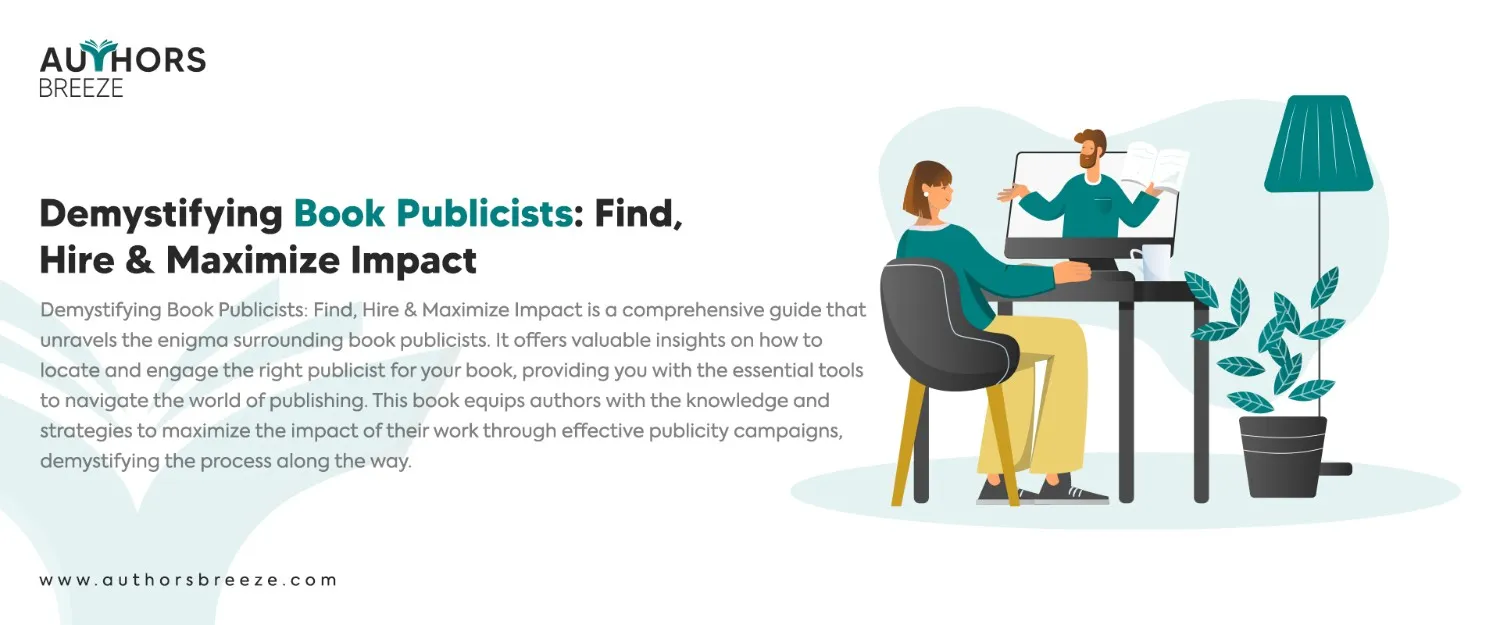
Demystifying Book Publicists: Find, Hire & Maximize Impact

Book Publicists

Many authors often believe that hiring book publicists is essential. They assume it will lead them to the ultimate success. The reality is that if you hire a book publicist, you may have some benefits. However, it may not be a necessity for most authors. Not only are book publicists expensive, but the publicity they generate might not boost book sales which can be a way to make money writing a book.

To truly benefit from publicity, you should know how to leverage it to achieve your goals. Merely seeking promotion for the sake of your ego is not a worthwhile pursuit. In fact, as a nonfiction author, you can reach your objectives without investing in an expensive PR firm.

Today, we will help you determine whether you require publicity services. We will explain the role of book publicists as well as what it isn’t. In addition, we will guide you on how to select and collaborate with one.

What is a Book Publicist?

Book publicists are skilled PR professionals who you can find working in-house at a top self-publishing company or within agencies. You can also see them as an independent consultant. They have their connections and relationships. They leverage them to secure publicity for your book, mainly promotions that may be tough for you to do alone.

One of the primary benefits of hiring a book publicist is their ability to provide an extra set of hands during the hectic period around your book launch. It is precious if you consider the multitude of tasks you will have on your plate during that time.

Book publicists can alleviate some of the public relations workload. For example, they can:

  • Reach out to your email list.
  • Manage social media.
  • Create your Amazon Author page.
  • Help you sell an eBook on Amazon.
  • Contact media outlets and bloggers.
  • Craft a book press release.

However, you should know that book publicists do not identify your target audience or develop strategies to reach them. You should have already determined your target audience and book positioning before you engage their book marketing services.

Furthermore, it’s advisable not to hire a publicist unless you have a well-defined book marketing plan in place. Having a clear vision of what you expect from them will enhance the effectiveness of their efforts on your behalf.

What Does a Publicist Do?

In the past, book publicists for hire were primarily responsible for organizing book signings and public events. Now it has become less relevant in the modern landscape.

With the shift towards online marketing, book publicity now focuses heavily on digital marketing and media. The primary emphasis is on reaching out to social media platforms, email lists, and digital media outlets.

Book publicists can still assist and coordinate book tours and provide info to booksellers to aid in their purchasing decisions. However, the majority of their work revolves around media placement. They help:

  • Secure media coverage in both print and online publications.
  • Arrange podcast interviews.
  • Facilitate appearances on local radio or TV shows.

These efforts will work if you have an already established audience. Book publicists cannot just amplify your following out of the ordinary if you don’t already have one.

If your goal is to grow your audience, you can do it. Working with book publicists can help generate initial interest and gradually transition into larger-scale events. In spite of that, you have to maintain a realistic perspective and manage expectations keeping that in mind.

Does Hiring a Publicist for Book Works?

The role of book publicists in helping you plan your strategy depends on the time you engage with them. Suppose you hire a PR firm before you begin writing your book and work with them on book positioning and overall strategy. In that case, they can certainly assist you and develop a marketing plan.

However, approach them after your book is completed without a clear strategy. They will likely be unable to help. Book publicists typically rely on the direction and goals you provide to them. Ultimately, book publicists help you obtain the results you request based on the path you provide.

Do You Need a Book Publicist?

The decision of whether to hire book publicists depends on the specific goals you have for your book. For many authors, mainly those writing nonfiction, a book serves as a tool to support their broader business objectives. It allows them to establish their expertise and make a mark in their industry. In such cases, it is often wise to start with small-scale marketing efforts and gradually expand them.

If you have a limited budget, you should maximize your existing efforts and target your niche audience. Let your book gain momentum through word-of-mouth.

When you consider hiring a book publicist, there are two key factors to consider:

1- The Level of the Cost

If you want to hire a professional literary publicist, it comes at a cost. So you should assess your budget and determine how much you are willing to pay for their help.

2- The Extent of the Help

Book publicists have valuable connections and expertise. They can help you secure media coverage. So, suppose you believe you need support in this area. In that case, they can help facilitate media outreach and increase your chances of gaining exposure.

How Much Does a Book Publicist Cost?

The costs associated with hiring a book publicist depend on the scope and scale of the media campaign. Typically, at a PR firm, you may find a publicist for authors starting around $5,000 for a month or possibly even lower. However, you should keep in mind that publicity costs usually involve four-figure monthly expenses at the very least.

Some publicity firms specialize in marketing books and operate on a standard agency model. It means they need to work on a larger scale to maintain profitability. As a result, publicists for authors at such firms may have a high volume of clients. It can sometimes lead to a perceived gap between the strategy discussed and the execution of the work. This is not due to publicists being ineffective at their jobs but rather a way of how the industry works.

So, when you look for a book publicist, consider more than just the budget. It may lead to nothing if you overly focus on cost and try to cut corners with your publicity expenses. Instead, look at the overall track record of the agency and the publicist history you will be working with. Ensure that you know the cost-to-benefit ratio and whether the investment is worthwhile for your specific goals and needs.

How to Find Book Publicists?

Clarify your goals and budget before you engage an author publicist. Find someone who knows your vision and can assist you in marketing a book to your target audience. Let’s look at how you can find a book publicist:

Research Online

You can conduct an online search for book publicists. Then, look for professionals or agencies that you think specialize in book publicity or have experience working with authors in your genre.

Ask for Recommendations

You can also reach out to other authors, writers, or literary firms and ask them to recommend someone. They may be able to provide you with contacts or suggest reputable publicists they have worked with.

Check Book Acknowledgments

Look at the acknowledgments sections in books that are similar to yours or in the same genre. Authors often thank their book publicists in these sections. So it can help you identify potential candidates.

Utilize Social Media

Engage with the writing and publishing community on social media platforms. Also, participate in relevant groups or forums where they discuss their work. You can ask for advice or inquire about book publicists.

Consult Industry Directories

If you want to find book publicists, it would be a great idea to consult industry directories like:

  • Literary Market Place
  • Writer’s Market

They provide wide listings of publishing experts and service providers. It also includes book publicists.

Contact Literary Agencies

Reach out to literary agencies that represent authors in your genre. While they mainly provide a literary agent, they often have links with book publicists or may be able to recommend someone.

Research Book Campaigns

When you come across books in your genre that have had successful publicity campaigns, find out which publicists were involved. You can often find this info through interviews, blog posts, or a book press release.

How to Hire a Book Publicist?

Step 1. Identify the Target Audience

You must have identified your target audience before you write a book. Your audience consists of a specific group of people who have a problem that your book can solve. The more particular your audience is, the better. If you are marketing children’s books, then your audience is the children or their guardians.

For instance, suppose you write a book about the benefits of professional book cover design for authors. In that case, you will face less competition and have a higher likelihood of truly helping the people who read it.

Nonfiction books are typically read because readers expect to gain something from them. So, it is crucial to determine what your book provides and whom it is intended for. Before you engage in publicity activities like podcasts, writing articles, or TV appearances, you should know the audience you want to reach.

Step 2. Determine the Results You Want to Gain

When you hire a publicist, you will have two sets of objectives in mind. The first set revolves around the desired outcomes of your publicity efforts.

  • What are your goals?
  • Do you aim to attract more clients or generate revenue?
  • What would be considered a remarkable success?

You should emphasize the need for realistic goals. Discuss realistic objectives before you begin writing a book. Ask yourself basic questions like:

  • How do you want your book to benefit your readers?
  • What value will they gain from it?
  • What accomplishments has the book helped you achieve, making the effort worthwhile?
  • Which is the one event that will occur as a result of your book that was worth it?

If your expectations are reasonable, your answers won’t revolve around how to sell your book in million copies or topping a national bestseller list. Instead, you might focus on tangible and achievable goals, such as:

  • Acquire a specific number of new clients.
  • Secure a certain number of paid speaking engagements.
  • Gain coverage in a publication relevant to your industry.

While it’s essential to be ambitious, it is also crucial to maintain honesty in setting your goals.

Step 3. Define What You Expect From Book Publicists

Once you have established your personal goals, it’s time to determine the second set of plans. They focus on the actions you want your publicist or agency to take to promote a book effectively.

Consider the specific goals you have for the publicist. Do you want to start a podcast, feature in print media, obtain book reviews, or appear in any publications? Identify the types of media coverage that will help you reach your personal goals.

In contrast to common belief, if you seek coverage from big-name media outlets, it may not always be the most promising approach. Just because your book receives attention from the big guys, it doesn’t guarantee success.

It is essential to identify the media outlets that will be most beneficial to you. For example, suppose your aim is to attract new clients in a specific geographic region. In that case, national media coverage might not be the most effective strategy. Similarly, if your goal is to establish yourself as an expert in your industry, speaking to a broad audience may not be the most helpful.

Examine similar authors if you’re unsure how to set realistic publicity goals. Perhaps those with similar books in other industries or authors with a similar platform. Look at the media coverage they have received as a reference point for achievable aspirations.

It is advisable to start this process as soon as you finish your rough draft. It is because it requires considerable time and effort. In addition, if you contemplate these steps during the revision process can be helpful.

Step 4. Assess Your Options

After going through the initial steps, you should analyze if you truly need a publicist. You may discover that you can do your book publicity on your own.

However, if you decide to proceed with a publicist, now you know why you need one. It’s worth it to give publicity a try on your own initially. If you find it tough, you can always seek the help of a publicist at a later stage. Keep in mind that the publicity for your book begins before you even finish the book.

Ideally, you should explore options and reach out to potential publicists when your first draft is completed. Consider the possible time required for revisions. There can be a major gap between your search for publicists and actually moving forward with one.

Take ample time to evaluate your options. But ensure you decide and engage a publicist before your book is ready for launch.

Step 5. Select the Publicist

When you consider book publicists, it’s crucial to conduct a thorough evaluation. Set up a meeting where you can gather answers to key questions. Here are some vital inquiries to include:

  1. What is their philosophy?

Learn their approach and values when it comes to publicity and book promotion.

  1. How do they work?

Gain insights into their strategy, method, and process on how they secure media coverage.

  1. Who have they worked with before?

Ask about their past clients to gauge their experience and industry connections.

  1. What is their track record with media coverage?

Assess their success in which they obtain media placements for their clients.

  1. Do they have specific knowledge about the publishing industry?

Determine their familiarity and expertise when they navigate the publishing landscape.

  1. What contacts do they have for the specific media outlets you want to target?

Evaluate their network and relations with relevant media channels.

  1. What placements do they expect to secure for your book?

Seek specific expectations and outcomes they believe they can achieve.

Conduct the remaining careful and persistent work or effort. Reach out to earlier clients and listen to their encounters with the publicist. Look for results that showcase their ability to secure the media placement for your book. Ensure they have relationships with the media outlets that are essential for your goals.

Before you decide to hire, ensure that the publicist knows your book and objectives very well. Provide clear direction on where you want the publicity of your book to go. Ensure that the publicist can steer in the right direction.

How to Work with a Book Publicist?

Let’s guide you on working with a publicist when you find a suitable one.

1- Keep a Plan

First and foremost, you should have a plan that outlines the strategies your publicist will employ. This includes details such as:

  • Publications that will be targeted.
  • The number of press releases to be sent.
  • The initial contacts to approach.

2- Communicate with the Publicist

Regular communication is vital. So expect weekly updates from your publicist. These updates should include info on the contacts made, responses received, and the outcomes achieved. It is key to trust their expertise. But it is also reasonable to check in if updates are not provided consistently.

3- Ensure Your Publicist Has What They Need

To support the efforts of your publicist, ensure you have all the necessary materials ready. These commonly include:

  • Your book cover image
  • Book description
  • Author bio
  • A PDF of the book

If you have other assets like video book trailers, provide those as well. Prepare them well in advance. It allows for marketing pre-sales and secure media coverage before the book launch.

4- Be Active and Do What You Need to Do

Take your part role and promote your book by practicing talking about it. Develop a compelling elevator pitch. Highlight key arguments and interesting anecdotes from your book. Familiarize yourself with your website and contact info, especially if your book is tied to your business. If you consider potential interview questions and formulate concise talking points, you can ensure that you are well-prepared and can deliver engaging interviews.

FAQs

How Much Does it Cost to Hire a Book Publicist?

Book publicists typically charge between $3,000 and $5,000 per month for their services. They usually request a minimum commitment of three months. So that they can establish and capitalize on the promotion. It is advisable to start working with a publicist prior to the release of the book to maximize the benefits.

What Do Book Publicists Do?

Publicists play a vital role in book promotion. They organize book tours and convince influential members of the media to showcase the author.

Is Hiring a Book Publicist Worth it?

You can justify hiring a book publicist if you have a strong desire for extensive media coverage. Since the process of reaching out to media outlets can consume so much time and effort. In addition, the cost you spend will be of use if the book publicists can open doors to media platforms that align with your goals and can help you achieve them.

What is the Difference Between a Book Publicist and a Literary Agent?

A literary agent earns their income by selling your written work to publishers. As a result, they receive a percentage of the deal they negotiate on your behalf. On the other hand, a publicist is a professional promoter who is hired either by you or by the publisher. They promote you or your work, and you pay them for their services.

Conclusion

Book publicists come in handy for authors looking to maximize the reach and impact of their work. It is true that not all authors may need a publicist. Especially those with well-established platforms or publishing houses that provide robust marketing support. However, many authors can greatly benefit from the expertise and links that a skilled publicist brings to the table.

As an author, you need to assess your needs before you decide to hire a book publicist. You should consider factors such as budget, time constraints, and marketing goals. Authors should also carefully research book publicists. Seek out experts with a proven track record and a deep understanding of the publishing industry. Contact Authors Breeze today, and get your book the media coverage and attention it deserves with our book marketing services.

Author : Caroline Chartrand

05th Jul 2023

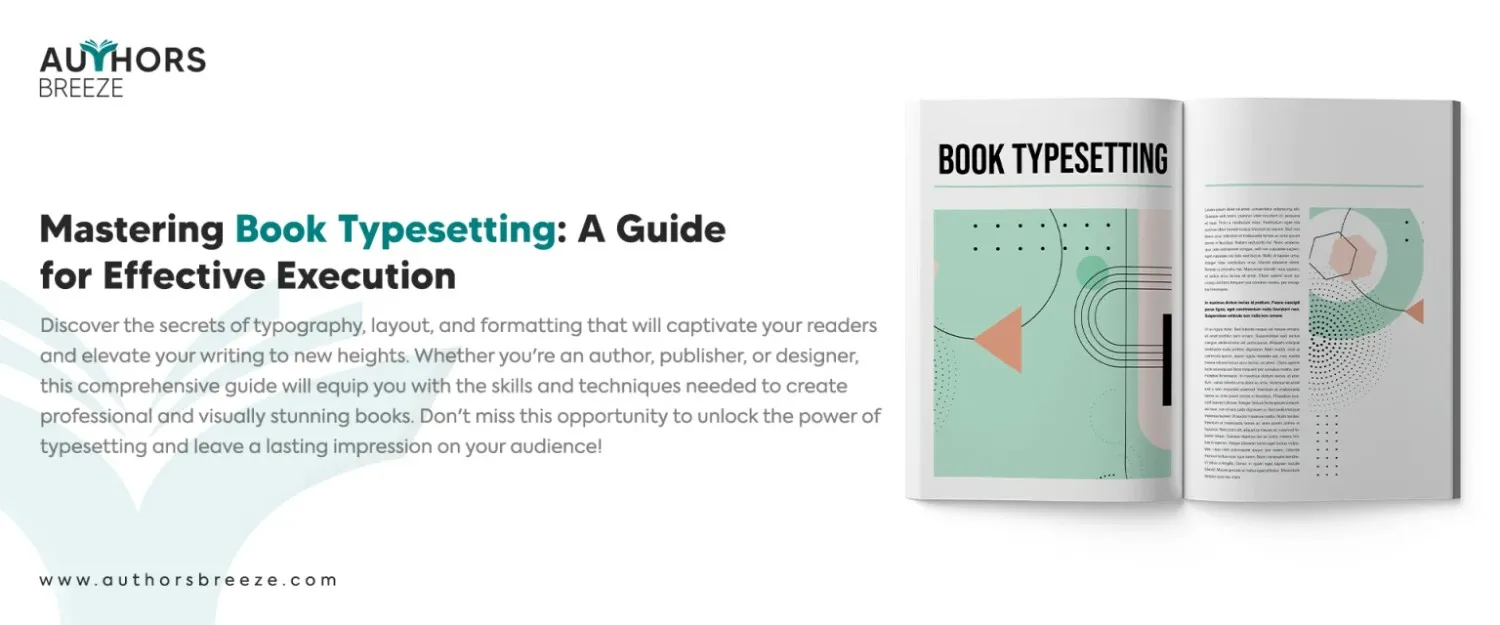
Mastering Book Typesetting: A Guide for Effective Execution

typesetting

Typesetting might sound like a fancy word, but it plays a crucial role in bringing a book to life. Think of it as the art of arranging text and images on a page. It creates a visually pleasing and reader-friendly experience.

In the world of book production, typesetting is like the magician behind the scenes. It’s responsible for making sure the words flow seamlessly, the font is just right, and the layout is pleasing to the eye. Without typesetting, books would be a jumbled mess of words with no structure or charm.

So, why is typesetting so important? Well, imagine you write a book that’s poorly typeset. The text might be squished together, the font might be difficult to read, or the spacing might be all wrong. It would be a nightmare for any reader. Typesetting ensures that the book is not only visually appealing but also enhances the reading experience.

What is Typesetting?

Have you ever wondered how books look so polished and professional? It is because of typesetting. Typesetting meaning: Typesetting is like the secret sauce of book design. It is the process where writers arrange text and images in a way that makes the book easy to read and visually appealing before submitting it to the book publishers.

Typesetting takes care of everything from choosing the right font and font size to arranging paragraphs and chapters. It’s responsible for creating the perfect balance between text and white space. It makes sure your eyes can glide smoothly across the page.

Typography and layout are two essential items in the typesetting recipe. Typography refers to the art where we choose and arrange fonts. Each font has its own personality. The right font can set the mood for your book, whether it’s playful, elegant, or serious. In addition, we set the right size, spacing, and line height in typography to ensure readability. You may choose book cover fonts to make strong first impressions, but when it comes to selecting the fonts for your manuscript, they should be easy to read.

Layout, on the other hand, is all about how the elements are organized on the page. It’s like arranging puzzle pieces to create a harmonious picture. The layout determines where the text, headings, images, and other elements go. It considers factors like margins, spacing, and alignment to create a visually pleasing and balanced design.

Key Elements in Typesetting a Book

Now, let’s take a quick tour of the key elements involved in typesetting a book.

First, we have fonts and font sizes. Choosing the right font can make a world of difference in the overall look and feel of your book. Font sizes, on the other hand, ensure that the text is readable and comfortable for the eyes.

Next, we have paragraph and line spacing. Have you ever tried to read a book with cramped lines? It’s not a pleasant experience. Proper spacing between lines and paragraphs helps the reader navigate through the text effortlessly and improves comprehension.

Headers, footers, and page numbering are essential elements that give structure to your book. They provide important info, such as chapter titles and page numbers. It makes it easier for readers to navigate through the book and find what they’re looking for.

Lastly, we have styles and formatting. Styles help maintain consistency throughout the book by applying predefined formats to headings, subheadings, and body text. Formatting involves adjusting the alignment, indentation, and other visual aspects to create a polished and cohesive look.

How to Typeset a Book?

Step 1. Prepare Your Manuscript

Before you delve into typesetting a book, you need to make sure your manuscript is ready for the journey. Your manuscript is the foundation of your book. So, prepare it well. It sets the stage for successfully typesetting a book.

Format Your Manuscript for Typesetting

Firstly, it is crucial to format your manuscript for typesetting. It means you need to ensure that the text is clean, organized, and free from any distracting elements. Remove any extra spaces, random tabs, or funky formatting that might have snuck in. You want your manuscript to be a clean canvas for the typesetting.

Correct Errors, Inconsistencies, and Formatting Issues

Then, it’s time to correct any errors, inconsistencies, and formatting issues. Scan through your manuscript with a keen eye, on the lookout for typos, misspellings, or grammar gremlins. Fix any wonky punctuation, and make sure your quotation marks play nicely. Consistency is key. So check that your formatting is uniform throughout the manuscript.

Choose the Appropriate Font

Now, let’s talk about typesetting fonts. Choosing the right font is like finding the perfect pair of shoes for your manuscript. It should complement the tone and genre of your book. Are you writing a whimsical children’s story? A playful and quirky font might be just the ticket. Or maybe you’re working on a historical romance novel? A classic and elegant font could set the right mood.

Font size is equally important. You want your readers to be able to read your words without squinting or straining their eyes comfortably. Too small, and they’ll need a magnifying glass. Too big, and it might feel like they’re reading a picture book. So, strike the right balance by choosing a font size that’s easy on the eyes and suits your target readers.

Step 2. Page Layout and Design

Now that your manuscript is ready, it’s time to pay attention to page layout and design elements. As a result, you can create a book that’s not just visually appealing but also easy to navigate.

Determine the Book’s Trim Size and Set Up Margins

Trim size refers to the final dimensions of your book. Will it be a compact, pocket-sized book or a hefty coffee table tome? Consider the genre, reader preferences, and practicality when making this decision. Once you’ve settled on the trim size, it’s time to set up the margins. Margins are the empty spaces around the edges of the page. They provide room for the text and prevent it from feeling cramped. Play around with different margin sizes until you find the perfect balance between aesthetics and readability.

Select Appropriate Line Spacing and Paragraph Indentations

Line spacing refers to the vertical space between lines of text. Find the sweet spot that allows for easy reading without lines blending together or feeling too spread out. Try different line spacing options to see what feels most comfortable.

Paragraph indentations, on the other hand, give your text a neat and organized appearance. They create a visual cue that signals the start of a new paragraph. Decide how much indentation you want and ensure consistency throughout the manuscript.

Create Headers, Footers, and Page Numbering

Headers, footers, and page numbering are like the navigational aids in your book. They provide essential info and guide readers through the pages. Headers typically display the book title or chapter title at the top of each page. At the same time, footers can include the author’s name or the book’s subtitle. Page numbering is crucial for readers to keep track of their progress. Decide where you want these elements to appear on the page, and then make sure they are positioned consistently.

Step 3. Typesetting Body Text

When you have your pages set up, it’s time to work on the body text. It is where your story resides, and you have to make it as pleasant and easy to read as possible.

Adjust Leading and Kerning for Improved Readability

First, let’s talk about leading and kerning. Leading refers to the vertical space between lines of text. Adjusting the leading can make a big difference in readability. Too tight, and the lines might feel squished together. Too loose, and they might feel disconnected. So, find the right balance that ensures your readers can effortlessly glide through the text.

On the other hand, Kerning is all about the space between individual letters. Some letter combinations might create awkward gaps or collide with each other. Kerning helps fine-tune the spacing between letters to ensure they flow smoothly and harmoniously. It’s like giving each letter its own personal space to shine.

Manage Hyphenation and Justification

Hyphenation and justification are two friends that work together to create a polished look for your text. Hyphenation helps break words at the end of lines to avoid awkward spacing. It ensures that the text remains tidy and balanced. Justification, on the other hand, refers to the alignment of the text along the margins. You can choose between left-aligned, right-aligned, centered, or fully justified. Each option creates a different visual effect. So choose the one that suits your book’s style and tone.

Apply Styles and Formatting to Headings, Subheadings, and Body Text

Now, let’s bring some style and formatting to your text. Headings, subheadings, and body text all need their own distinct types to stand out and guide the reader. Titles should be bold and eye-catching, indicating the start of a new section. Subheadings can be slightly smaller but still prominent enough to grab attention. Body text is where the majority of your story resides, so choose a font and size that’s easy to read without causing eye strain.

If you apply consistent styles and formatting throughout your book, it gives it a cohesive and professional look. It makes sure that readers can easily navigate through the different sections and makes your book visually appealing.

Step 4. Handle Images and Illustrations

Images and illustrations are potent tools to captivate your readers. Therefore, you should bring visual delight to your book. Let’s explore how to handle images and illustrations like a pro.

Place Images in the Manuscript

First, let’s talk about placing images in the manuscript. Think about where you want the picture to appear and how it relates to the text. Is it a standalone image, or does it enhance a specific section? Once you’ve decided, find the perfect spot and insert the image. Make sure it complements the surrounding text.

Adjust Image Size, Alignment, and Captioning

Now, let’s get into the nitty-gritty of image adjustments. Size matters! Adjust the image size to fit harmoniously within the layout. You don’t want it to overpower the text or get lost in a sea of words. So, try different sizes until you find the perfect balance.

Alignment is another crucial factor. Do you want the image to be centered, left-aligned, or right-aligned? Choose the alignment that enhances the overall aesthetic and supports the flow of the text. This way, the image becomes an integral part of the page’s visual composition.

Don’t forget about captions! Captions provide context and information about the image. It could be a brief description, the source, or even a witty remark. Captions are usually placed below or beside the image and can add an extra layer of engagement for the reader.

Manage Image Placement in Relation to the Text

Now comes the delicate dance of managing image placement in relation to the text. You want to maintain a harmonious balance between images and text. So, avoid situations where an image cuts off a sentence or disrupts the flow. Also, be mindful of the white space around the image. Ensure that it doesn’t crowd or overpower the neighboring text.

Step 5. Add Special Elements

Before finalizing typesetting a book, there are still a few special elements you need to incorporate to make your book shine even brighter. Let’s explore how to incorporate these elements seamlessly.

Incorporate Tables, Graphs, and Other Visual Elements

First up, we have tables, graphs, and other visual elements. Sometimes, your book might require presenting info in a structured way or showcasing data through graphs and charts. When adding tables, ensure they are clear and organized, with proper headings and labels. Graphs and charts should be visually appealing and easy to understand. So, place them strategically within the text where they provide the most value and enhance comprehension.

Insert Footnotes, Endnotes, and Citations

Footnotes, endnotes, and citations are also vital aspects of a well-crafted book. Footnotes appear at the bottom of the page. Endnotes are listed at the end of a chapter or the entire book. These notes provide additional info, explanations, or references that enrich the understanding of the readers. Citations, on the other hand, give credit to the sources you’ve referenced. Suppose you properly format and place these elements. In that case, it ensures that readers can access additional context without interrupting the flow of the main text.

Handle Special Characters, Accents, and Diacritics

Special characters, accents, and diacritics add linguistic flavor to your book. They might include symbols, foreign characters, or accented letters. It’s crucial to handle these elements with care. Ensure they appear correctly and maintain consistency throughout the text. Use the appropriate fonts and character sets to display these special characters accurately.

Step 6. Proofreading and Quality Assurance

Before you unveil your book, you must ensure it’s flawless. Therefore, you have to find proofreaders for hire and acquire their services to ensure your book is polished to perfection.

Conduct Thorough Proofreading for Errors and Inconsistencies

First things first, it’s time for some serious proofreading. So, grab your magnifying glass and eagle eyes, and scour the pages for any sneaky errors and inconsistencies. Then, check for typos, misspellings, punctuation errors, and grammar gremlins. Also, look out for pesky homophones that might have slipped through the cracks. Finally, read each sentence carefully to ensure it flows smoothly and makes sense. Remember, thorough proofreading will catch those little hiccups that can disrupt the reader’s enjoyment.

Check for Widows, Orphans, and Other Typographical Issues

Next, tackle typographical issues. Widows and orphans might sound like characters from a fairytale, but they’re actually typographical problems. Widows occur when a paragraph ends with just a single word on a line, creating an awkward visual gap. Orphans, on the other hand, are lone words or short lines that appear at the beginning of a paragraph. These can disrupt the visual flow of the text. Make sure to adjust your layout to eliminate these pesky creatures and maintain a consistent and pleasing appearance.

Test the Layout on Different Devices and Formats

Once the proofreading and typographical issues are under control, it’s time to test the layout on different devices and formats. Your book should be compatible with various reading platforms and devices. Check how it looks on e-readers, tablets, and other screen sizes. Ensure that the formatting, fonts, and images appear as intended. Also, the text is legible across different formats. You want your book to look its best, regardless of the reading device.

Step 7. Export and Finalize the Typeset Book

After proofreading and assuring quality, it’s time to export and finalize your beautifully typeset book.

Export the Typeset Book to the Desired Format (PDF, ePub, etc.)

The first thing to do is to export the book to the desired format. Whether you want a PDF for print, an ePub for e-readers, or any other form, make sure to choose the appropriate export option. Each book format has its own requirements and specifications. Take a deep breath, click that export button, and watch as your words and design come together in a digital package.

Ensure File Compatibility and Proper File Organization

When you export, ensure file compatibility and proper file organization. Double-check that the exported file is compatible with the intended reading devices or platforms. Make sure all fonts, images, and special elements are embedded correctly. Also, organize your files in a logical and structured manner. So you can easily access and distribute them. Keep backups of your files for safekeeping, just in case.

Review the Final Typeset Version

Once you have the final typeset version in your hands, take a moment to review it with a keen eye. Read through the entire book once more. Look for any last-minute tweaks or adjustments. Check for any visual inconsistencies, formatting errors, or lingering typos. Ensure that everything is aligned as it should be and that the overall presentation is top-notch.

If you spot any issues during your review, make the necessary adjustments. Fix any errors and adjust spacing or formatting as needed. Also, ensure a smooth and consistent reading experience. Keep in mind this final review is your last chance to perfect your book before it meets the eager eyes of readers.

FAQs

What is Typesetting in Publishing?

Typesetting definition: The process of arranging the text of your book using specific types, or the symbols, characters, and glyphs present in digital systems, is known as typesetting. It is part of book design where it is crucial to understand fonts, font sizes, and line spacing.

What is Typesetting for a Book?

Typesetting is the crucial phase where you prepare a book for printing. It involves the meticulous arrangement of physical or digital type elements such as letters, symbols, and glyphs on a page. It occurs after the manuscript has undergone editing and ensures that the final product is ready to be printed.

How Much Does Typesetting a Book Cost?

The cost of traditional print book typesetting typically ranges around $3.50* per page. It may vary based on the complexity of the book. Several factors contribute to determining the final price, including the number of languages used and the overall length of the text. In addition, there is an additional setup fee of $100 for books comprising less than 150 pages.

What is the Typesetting Rule?

In typesetting, a general guideline is to ensure that there are at least two lines of text positioned beneath the subhead on the same page. This rule of thumb is particularly relevant when a subhead appears near the bottom of a page. If you maintain a minimum of two lines below the subhead, you can ensure proper spacing and visual clarity in the layout.

How Long Does it Take to Typeset a Book?

Typically, the completion of the entire typesetting process generally takes approximately one week for an average 60,000-word book. However, the overall timeframe may vary based on the complexity of the book.

Conclusion

Throughout this guide, we’ve explored the essential steps in typesetting a book. But why is all this effort worth it? A well-typeset book is necessary for a delightful reading experience. It captures the attention of readers with its visually appealing layout, easy-to-read text, and seamless flow. It enhances comprehension, which makes it easier for readers to navigate through the content and absorb the message you’re conveying.

A well-typeset book is a treat for the eyes. It immerses readers in your words and creates a connection that goes beyond the text. So, if you want to attract more readers and let your book reach new heights, avail our services for authors. Authors Breeze can help you typeset your book and enhance its readability.

Author : Shirley Gibson

How to Sell Your Book to Bookstores and Expand Your Reach

Sell Your Book

You know, what is the magic of bookstores? They hold within their shelves countless stories that people look for. You should sell your book to bookstores therefore that your story reaches as many people as possible. So, let’s tell you how to sell your book to bookstores and expand your reach.

Why Sell Your Book to Bookstores?

Imagine you walk into a cozy bookstore, the smell of fresh pages filling the air, and see your book beautifully displayed on a shelf. A massive milestone for you as an author is to sell your book to bookstores. It not only validates your hard work but also opens doors to new opportunities. Therefore, you should know how to get your book in stores.

Bookstores act as gateways to connect your words with readers who may never have stumbled upon your book otherwise. They provide a platform to showcase your book and expose it to a broader audience.

What are the Benefits You Get When You Sell Your Book to Bookstores?

When you expand your reach and sell your book to bookstores, it provides you with a plethora of advantages.

  1. It grants your book credibility. When a bookstore carries your work, it tells readers that your story is worth their time and attention. Bookstores act as trusted curators. They guide readers toward noteworthy reads.
  2. They attract a diverse range of readers. It allows your book to reach audiences beyond your immediate circle. If you establish a presence in bookstores, you gain visibility and increase your chances of capturing the hearts of avid readers.

How to Sell Your Book?

If you have a dream of seeing your book displayed on the shelves or desire to touch the lives of readers far and wide, you have to sell your book to bookstores.

Step 1. Understand the Bookstore Market

Before you embark on your journey to sell your book, you should understand the diverse bookstore market. It will help you how to get your book into bookstores.

Different Types Of Bookstores

Bookstores have various shapes and sizes, each with its unique charm.

Independent: First, we have independent bookstores. These stores are often rooted in the local community. They showcase a curated selection of books tailored to the tastes of their loyal patrons.

Chain: Then, we have chain bookstores. They are larger establishments with multiple branches and offer a wide range of books. They attract a diverse audience and provide vast opportunities for exposure.

Online: Lastly, there are online bookstores. They are virtual realms where readers can browse and purchase books from the comfort of their homes, reaching readers worldwide.

Step 2. Identify Your Target Market and Match it with Relevant Bookstores

Take some time to think about who would be most interested in your story. Are you writing for children, young adults, or a specific genre? Once you have identified your target audience, it is time to match them with the right bookstores. For example, if you have written a fantasy novel, consider bookstores that specialize in science fiction and fantasy. When you align your book with the interests of potential readers, you can find a receptive audience and make money writing a book.

Step 3. Research Bookstores in Your Local Area and Beyond

Now that you know your target audience and the types of bookstores that cater to them, it is time to put on your detective hat and dive into some research. Before you learn how to sell your book to independent bookstores, explore bookstores in your local area. Visit them in person, browse their shelves, and get a sense of the books they carry. Take note of the genres they specialize in and the authors they support.

In addition, expand your search beyond your locality. Look for notable and big bookstores nearby in towns or cities. Even consider an online bookstore that buys books with a strong presence in your genre. The more you know about each bookstore, the better equipped you will be to approach them with confidence.

Step 4. Ensure Your Book Meets Industry Standards

To make your book stand out, you should ensure it meets industry standards. Enlist the help of a professional editor who can polish your manuscript, refine the language, and fix any errors. Then, focus on the design and formatting of your book. A clean and well-structured layout enhances the reading experience. Pay attention to fonts, spacing, margins, and chapter headings. Make sure they are consistent and visually appealing. If you adhere to these standards, your will be able to perceive your book as a professional and captivating work.

Step 5. Obtain an ISBN and Barcode for Your Book

An ISBN (International Standard Book Number) is like a unique identity card for your book. It helps bookstores and libraries identify and track your book in their systems. You can obtain an ISBN through an official agency in your country. Once you have the ISBN, do not forget to generate a barcode associated with it. These two elements are essential for smooth bookstore sales.

Step 6. Create an Eye-Catching Cover and Engaging Book Blurb

We have all heard the saying, “Don’t judge a book by its cover.” However, when it comes to bookstore sales, a beautiful cover catches the attention of the readers. So, invest in a professional book cover design that captures the essence of your book and entices potential readers to pick it up.

Alongside an appealing cover, craft a compelling book blurb. This concise description should pique the curiosity of the readers and give them a glimpse into the exciting world they will discover within your book.

Step 7. Price Your Book Competitively for the Bookstore Market

It is vital to find the right balance when pricing your book for bookstore sales. Research the prices of similar books in your genre and take into account factors such as:

  • Page count
  • Book format (hardcover, paperback)
  • Production costs

Remember, bookstores have their own pricing strategies. So price your book competitively. It will make it more attractive to both bookstores and readers. Keep in mind that if you offer reasonable discounts to bookstores, it can incentivize them to carry and promote a book.

Step 8. Develop Your Author Brand

Create an author website or a dedicated social media page to showcase your book. Then, share your journey as an author, and connect with readers. Engage with your audience, post updates, share sneak peeks, and interact with their comments. A strong online presence demonstrates your commitment as an author. It also captures the attention of bookstores. They appreciate authors that actively promote their work.

Step 9. Craft a Compelling Query Letter Or Book Proposal

A well-crafted query letter or book proposal is your secret weapon when you approach bookstores. Introduce yourself as an author and briefly highlight the essence of your book. Share its unique features, themes, and why it would resonate with readers. Be concise, engaging, and let your passion for your work shine through. Remember, bookstores receive many inquiries. So make yours stand out by showcasing your unique voice and story.

Step 10. Identify the Appropriate Contact Person at Each Bookstore

Research helps you find the right contact person at each bookstore. Seek out the website of the store or call them to gather details. Inquire about their submission guidelines and the person responsible for selecting books to be carried in the store. Then, address your inquiry to the appropriate contact person. It shows your professionalism and attention to detail. If you personalize your approach, it can increase your chance. As a result, you can make a meaningful connection.

Step 11. Make a Strong First Impression With Your Communication

When you reach out to bookstores, always ensure to make a strong first impression with your communication. Craft a polite, concise, and well-written message that showcases your enthusiasm and professionalism. Avoid generic emails and tailor your communication to each bookstore. Highlight what makes your book unique and why it would be valuable to their collection. Attach any requested materials to provide further insight, such as:

  • Sample chapters
  • Press kit of your book

If you make a positive first impression, it will increase the likelihood of capturing the interest of bookstores.

Step 12. Understand the Terms and Conditions of the Bookstores

Before you negotiate with bookstores, familiarize yourself with their terms and conditions. Each bookstore may have its own set of requirements, such as

  • Return Policies
  • Payment terms
  • Consignment or wholesale arrangements

Take the time to read and learn these terms thoroughly. It will help you negotiate more effectively. As a result, you will ensure a mutually beneficial agreement.

Step 13. Negotiate Consignment or Wholesale Arrangements

Consignment and wholesale are two standard distribution models when it comes to bookstores. Consignment involves placing your books in the store. Then, you receive payment when they sell.

Wholesale, on the other hand, sell your book to the store up front at a discounted price, and they assume ownership and responsibility for selling them.

Consider the pros and cons of each model and negotiate the terms that work best for both parties. Be prepared to discuss factors like pricing, commission rates, and the duration of the agreement.

Step 14. Offer Attractive Incentives and Discounts to Bookstores

You can offer attractive incentives and discounts to entice bookstores to carry your book. Bookstores appreciate extra incentives that help boost their sales and attract customers. For example, you could offer a higher commission rate. Also, you can provide promotional materials like bookmarks or posters to enhance their display. Discounts on bulk purchases can also be appealing to bookstores. You demonstrate your promise to support their success when you offer value-added incentives. It makes your book more appealing for them to carry.

Step 15. Build Long-Term Relationships with Bookstore Owners/Managers

It is essential to negotiate. However, it is also vital to build long-term relationships with bookstore owners and managers. It can have lasting benefits. Foster open and respectful communication during the negotiation process and beyond. Stay engaged and show support by attending book signings or book launch events at the store.

Also, help promote their establishment through your author platform. Build a relationship based on trust and mutual support. It can lead you to continue book positioning, stores recommend you to other stores, and valuable word-of-mouth referrals.

Step 16. Provide Promotional Materials

Promotional materials play a vital role and catch the attention of bookstore visitors. So, create eye-catching bookmarks, posters, or flyers that showcase the following:

  • Cover of your book
  • Key details
  • Enticing quotes

Work with the bookstore to display these materials near the placement of your book or at strategic locations all over the store. These materials will create curiosity and serve as a gentle reminder for readers to explore your book.

Step 17. Collaborate with Bookstores on Joint Marketing Efforts

Work closely with bookstore owners and managers to brainstorm joint book marketing efforts. Consider hosting a themed book display or arranging a book club event around your book. You can also propose to cross-promote with other local authors or create a bookstore newsletter featuring recommended reads, including yours.

Collaboration is a powerful tool when it comes to marketing a book in bookstores. Join bookstores, and leverage their existing customer base to maximize the exposure of your book.

Step 18. Leverage Social Media and Online Platforms to Drive Foot Traffic

Utilize online platforms to create excitement about your book in bookstores. For example:

  • Facebook
  • Instagram
  • Twitter
  • Author website

Share images, teasers, video book trailers, and updates about the availability of your book in different stores. Engage with your followers by hosting giveaways, interactive contests, or virtual Q&A sessions. Encourage readers to visit the bookstores carrying your book and share their experiences online, amplifying the buzz around your work.

Step 19. Track & Analyze Sales and Adjust Marketing Strategies

It is crucial to track sales and inventory in each bookstore where your book is available. Keep in touch with bookstore owners or managers and gather info about the number of books sold and the stock levels. Keep a record of these details to monitor the demand for your book. This info will help you decide on future orders and your book marketing plan.

Sales data is a goldmine that can guide your marketing strategies. Analyze the sales patterns, identify peak periods or slow seasons, and explore the factors that influence sales. For example, do certain book advertisements, marketing campaigns, or events correlate with increased sales? Use this knowledge to fine-tune your marketing efforts and focus on strategies that yield the best way to sell books.

Step 20. Seek Feedback from Bookstore Staff and Customers

Engage with bookstore staff to gather feedback about customer reactions, inquiries, or any notable trends they observe. In addition, encourage readers to share their thoughts and reviews about your book. It helps you understand what resonates with your audience. Embrace both positive feedback and constructive criticism to refine your future marketing and writing endeavors.

Step 21. Adapt Your Approach Based on Market Trends and Reader Preferences

The publishing industry is ever-evolving. So, stay attuned to market trends and readers. Keep an eye on industry news and attend relevant events. Also, keep connected with fellow authors and book publishers. This will help you stay informed about emerging genres, popular themes, and new marketing techniques. Adapt your approach accordingly to align your book with current market trends. Cater to the evolving tastes of your readers.

Step 22. Explore Alternative Distribution Channels

Libraries and schools can expose your book to a diverse audience if you are marketing children’s books. Reach out to local libraries and offer them copies of your book for their collection. Organize author visits or reading sessions at schools to connect with young readers. When you tap into these channels, you introduce your book to new readers.

Step 23. Leverage Online Retailers and EBook Platforms

Make sure your book is available on popular online platforms such as:

  • Amazon
  • Barnes & Noble
  • Other eBook platforms

Promote your eBook through your author’s website and social media channels. It makes it accessible to readers who prefer digital formats and extend the reach of your book beyond physical bookstores.

Also Read: How to Sell an eBook on Amazon: Skyrocket Your Book Sales.

FAQs

How Do I Sell My Book I Wrote?

There are many websites where you can sell your book online. For example:

  1. Amazon
  2. Barnes & Noble
  3. Amazon Kindle Direct Publishing
  4. Blurb
  5. Kobo Writing Life

Is It Hard to Sell a Book?

It is not an easy task to sell your book. It would be tough how to sell a book if you didn't identify the target audience and apply effective marketing strategies. Book sales can also suffer if the pricing is not set appropriately. In addition, if the cover design fails to attract readers.

Do You Need a Publisher to Sell a Book?

You don't need a publisher to sell your book. Self-publishing is a viable option, but it can be challenging. However, self-publishing can lead to success with a good manuscript and dedication to promoting your work.

How Do You Sell Books Successfully?

You can learn how to sell your book successfully to bookstores if you follow the tips we have given you above in this blog.

Conclusion

It is crucial to learn how to sell your book to bookstores. It requires dedication, creativity, and perseverance. Take the lessons learned from this guide and apply them to your own unique journey. The world is waiting to discover your book; bookstores can be the gateway to a vast audience. So, go forth with passion and the belief that your book has the power to touch hearts and captivate minds.

Now armed with knowledge and strategies, it is time to take action! Don’t be afraid to step outside your comfort zone and approach bookstores with confidence. Believe in the value of your book and the unique story you have to share with the world.

Author : Caroline Chartrand

04th Jul 2023

Crafting an Outstanding Book Subtitle: A Detailed, Step-by-Step Guide

book subtitle

When you pick up a book, what catches your attention first? The title, of course! But have you ever noticed the smaller text beneath it? That’s the subtitle. It grabs the interest of the readers. A book subtitle acts like a sneak peek. It gives readers a glimpse into what lies within the pages. In addition, It helps create intrigue and make your book stand out from the rest.

If you want to make your book shine, then you have come to the right place! Today, we will help you master the art of crafting an exceptional book subtitle. Step by step, we will break down the process into manageable chunks. No matter if you are publishing self-help books, fiction, or nonfiction book, you will be equipped with the tools to create a subtitle that captivates your readers.

What is a Subtitle in a Book?

Picture a book as a delicious cake. The book title is like the icing on top. It catches your eye and draws you in. But what about the layers underneath? That’s where the book subtitle comes in. Think of it as the flavor description that entices you to take a bite.

What is a book subtitle? A book subtitle is a short line of text that accompanies the title. It provides more information about what the book is about. Its purpose is to give readers a sneak peek, a tantalizing taste of what awaits them within the pages.

How is a Subtitle Different from a Title?

Titles and subtitles are like dynamic duos in the book world. A book title captures the essence of the book. On the other hand, the book subtitle adds an extra layer of context and detail. The title may be catchy and attention-grabbing. At the same time, the subtitle clarifies the subject matter, genre, or theme of the book. Together, they create a powerful combination that captures the attention of the readers and gives them a glimpse of what they can expect from the book.

What is the Role of a Book Subtitle?

If you’re browsing through a bookstore or scrolling through an online bookstore, what makes you stop and click on a book to learn more? It’s often the subtitle that piques your curiosity. A well-crafted subtitle can make your book stand out among the sea of other titles. In addition, it makes potential readers curious about what lies within its pages. Also, it serves as a valuable book advertising tool. As a result, it entices readers to explore further.

Subtitles also engage the readers. They provide a snapshot of what the book offers. It helps readers determine if it aligns with their interests and preferences. A clear and intriguing subtitle can captivate readers. It makes them eager to delve into the book and discover more. It sets the tone and expectations. As a result, people anticipate and get excited about your book.

If we conclude, a book subtitle is the secret ingredient. It adds depth, clarity, and allure to your book. It enhances your book marketing plan and attracts attention. In addition, it engages readers by providing a glimpse into the essence of the book. So, give careful thought to your subtitle, as it can make a huge impact on the success of your book.

How to Write a Subtitle for Your Book?

It is no easy task to craft a compelling book subtitle. So, we have decided to provide you with a detailed roadmap. It will guide you through each stage of the subtitle creation process and explore every essential aspect. Still, we won’t just stop there. We will also sprinkle in plenty of illustrative examples to help bring these concepts to life. So, uncover the secrets and transform your book subtitle from ordinary to outstanding, leaving readers eager to explore the pages of your book.

Identify Your Target Readership

When you host a party, you need to know who you want to invite before sending out invitations, right? The same goes for when you write a book and craft its subtitle. So, you must first identify your target audience to create a subtitle that resonates with readers. You should know the people you want to reach with your book. If you understand your target readership, it is like you know your party guests. As a result, you can tailor your subtitle to their interests and preferences.

Understand What the Readers Prefer and Expect

You know everyone has unalike tastes in music, movies, and food. Similarly, readers also have unique preferences when it comes to books. Some love thrillers and page-turners. In contrast, others prefer moving tales. So, you should delve into the minds of your potential readers and understand what they expect from a book. As a result, you can create a subtitle that aligns with their desires and captures their attention.

Conduct Market Research to Gather Insights

Market research is like taking a peek into a treasure trove of details about your target audience. So, go and dig deep to uncover valuable insights that will help you craft the perfect subtitle. Start by exploring similar books in your genre. What do their subtitles convey? Analyze reviews and feedback from readers to understand what resonates with them. Market research can help you gain a wealth of knowledge to help shape your subtitle strategy.

Summarize the Main Theme Or Idea

Every book has a central theme or idea that it explores, just like every movie has a plot. To craft a compelling subtitle, you need to identify and summarize this main theme or idea in a few words. What is the heart and soul of your book? Is it a thrilling mystery, a heartwarming romance novel, or a thought-provoking exploration of a specific topic? You can create a subtitle that captures the attention of the readers and gives them a glimpse of what lies within the pages by distilling the essence of the theme of your book.

Highlight Unique Selling Points (USPs) and Key Benefits

Suppose you’re at a store, looking at two similar products. What makes you choose one over the other? It’s often the unique features or benefits that set it apart. The same principle applies to your book. What makes it unique and different from others in the same genre? Is it the fresh perspective, the special characters, or the practical advice it offers? When you highlight these unique selling points (USPs) and key benefits in your subtitle, you give readers a compelling reason to pick up your book.

Craft a Concise and Impactful Message

In a world filled with information overload, brevity (exact use of words) is key. You have only a few words to capture the attention and make a lasting impression. So, craft a concise and impactful message. However, it requires a careful selection of words and a focus on conveying the essence of your book. Therefore, use vivid language, strong verbs, and descriptive phrases to create a sense of excitement and intrigue. A well-crafted subtitle should make readers stop and say, “I need to read this!”

Avoid Ambiguity and Confusion

When reading a sentence that leaves you scratching your head, you may wonder what it means. That’s the last thing you want for your book subtitle. Therefore, if you want to create a compelling subtitle, you should emphasize clarity and conciseness. Be clear and precise in your wording, so readers can quickly grasp the essence of your book. Steer clear of unclear or convoluted (complex to follow) phrases that readers could misinterpret. Your subtitle should be crystal clear. It should leave no room for confusion.

Use Clear and Straightforward Language

Have you ever heard the saying, “Keep it simple, stupid”? Well, the same principle applies to crafting a subtitle. Use language that is clear and straightforward. Avoid complex or words filled with jargon. Your goal is to convey your message effectively. Therefore, if you use complicated language, it may make readers lose interest. So, choose words that resonate with your target audience and a wide range of readers can easily understand. Remember, simplicity can be powerful.

Eliminate Unnecessary Words or Phrases

Sometimes, less is more. In the world of subtitles, if you eliminate unnecessary words or phrases, it can make a huge impact. Take a step back and review your subtitle with a critical eye. Are there any words or phrases that don’t add value or are redundant? Trim the excess and streamline your subtitle to its core essence. You will be able to create a subtitle that is concise and impactful only if you remove unnecessary clutter.

Incorporate a Hook or Captivating Element

Imagine walking by a billboard with a captivating advertisement that makes you stop and take a second look. That’s precisely what you want to achieve with your book subtitle. To create intrigue and curiosity, use a hook or interesting element that grabs the attention of the readers. It could be a thought-provoking question, a factual statement, or a fascinating concept. The goal is to make readers pause and say, “Tell me more!”

Just Hint at The Content of the Book and Don’t Give Too Much Away

Think of your subtitle as a teaser that gives readers a glimpse into the unique content of your book. You want to strike a delicate balance between revealing enough to generate interest and holding back to leave room for exploration. So, hint at the themes, the characters, or the unique aspects of your book without giving away all the juicy details. It will create a sense of mystery and anticipation. That will entice readers to discover more.

Generate Curiosity to Pique the Interest of the Readers

Curiosity killed the cat, they say, but it’s the lifeblood of engaging book subtitles. You want to ignite that spark of interest within readers. It makes them eager to uncover the secrets hidden within your book’s pages. Create intrigue by posing a question that leaves readers curious for answers. Spark their imagination with vivid imagery or create a sense of wonder with an unexpected twist. The more you can generate interest, the more likely readers will be drawn to explore your book further.

Identify Relevant Keywords for Your Book

Keywords are like puzzle pieces that connect your book to its potential readers. To create a subtitle that stands out, you need to identify relevant keywords that accurately represent your book. Think about the core themes, subjects, or concepts explored within your book. What words or phrases best capture its essence? These are the keywords you want to highlight in your subtitle. They will attract readers who are specifically interested in those topics.

Integrate Keywords that Resonate with Your Target Audience

Just like a magnet attracts metal, keywords attract readers who search for specific types of books. So, choose keywords that resonate with your target audience, i.e., the people you want to connect with through your book. Put yourself in their shoes and think about the words or phrases they would use when searching for a book like yours. Integrate these keywords into your subtitle. As a result, you can increase the chances of capturing the attention of your ideal readers.

Ensure Keywords Align with the Genre and Topic of the Book

Keywords are not just random words thrown together. They need to be relevant to the genre and topic of your book. Imagine you’re looking for a thrilling mystery novel. Still, the subtitle is filled with keywords related to romance or self-help. It would create confusion and disappointment. So, ensure that the keywords you choose align with the genre and topic of your book. It will help attract the right readers who are genuinely interested in what your book has to offer.

Stand Out from the Competition

Imagine walking into a candy store with rows upon rows of colorful sweets. How do you choose which one to try? It’s the unique flavors and eye-catching packaging that catch your attention. The same goes for your book subtitle. To stand out from the competition, you need to offer something different, something that makes readers take notice. Find a fresh angle, a unique perspective, or a magnetic element that sets your book apart from others in the same genre. It will make your subtitle shine brightly in a sea of titles.

Utilize Fresh and Unique Language

Just as a new song on the radio can catch your ear, new and unique language in your subtitle can capture the attention of the readers. So, think outside the box and let your creativity flow. Use words and phrases that are unexpected, imaginative, and memorable. It will give your subtitle a distinct voice that stands out in the minds of the readers. Infusing your subtitle with fresh and unique language can create an enticing allure that draws readers in.

Writing Subtitles for Different Genres

Every genre requires a tailored approach when it comes to a book subtitle.

Fiction

When crafting a subtitle for a fiction book, focus on capturing the essence of the story or protagonist. Think about the main conflict, the unique setting, or the emotions the narrative evokes. Create a subtitle that gives readers a taste of what they can expect.

Nonfiction

When you write a subtitle for a nonfiction book, keep in mind the purpose and value of the book. What will readers gain from reading your book? Will it help them overcome challenges, expand their knowledge, or achieve personal growth? Highlight the key benefits and takeaways that readers can expect.

Self-Help Books

If you want to create a subtitle for this genre, emphasize the benefits and results that readers can achieve. What change or improvement can readers expect by following the guidance in your book? Will it help them boost their confidence, enhance their productivity, or achieve success in a specific area? Grab the attention of readers who seek practical solutions and actionable advice.

Gather Feedback from Beta Readers or Focus Groups

Imagine baking a delicious cake. Before you serve it to others, you want to make sure it tastes just right. Similarly, gather feedback from beta readers or focus groups when crafting your book subtitle. Share different versions of your subtitle with a small group of trusted people and ask for their honest opinions. Did the subtitle catch their attention? Did it accurately represent the book? Their valuable feedback will help you learn how your subtitle resonates with potential readers.

A/B Testing with Different Versions of the Subtitle

In the world of marketing, A/B testing is like trying on different outfits to see which one looks best. To refine your subtitle, conduct A/B testing. Create multiple versions and test them against each other. Create two or more variants of your subtitle and use them in book marketing materials or online platforms. Monitor the responses and engagement from readers to see which version performs better. It will provide insights into which elements of the subtitle are more effective and also capture the interest of the readers.

Analyze Feedback and Make Adjustments

Feedback is like a treasure map that guides you toward improvement. Analyze the feedback you receive from a beta reader, professional editor, or A/B testing. Then, identify patterns or common themes. Pay attention to what resonated with readers and what may need a change. Did they find the subtitle compelling? Were there any confusing aspects? Use this feedback to make changes and refine your subtitle accordingly. Keep in mind that it is an iterative process. So be open to making changes that enhance the impact of your subtitle.

Illustrative Examples of Outstanding Book Subtitles that Books

The purpose of book subtitles is to capture the attention of the readers and convey the essence, purpose, and benefits of the books. Let’s showcase some examples that inspire you as you craft your own outstanding book subtitle.

Example of Subtitles for Fiction Books

1- “Vanity Fair: A Novel Without A Hero.”

Authors Breeze-Vanity Fair


2- ” The Housemaid’s Secret: A Totally Gripping Psychological Thriller With A Shocking Twist.”

Authors Breeze-The Housemaid's Secret


3- ” Steel Valley: Coming of Age in the Ohio Valley in the 1960s.”

Authors breeze-Steel Valley


These examples demonstrate subtitles for fiction books. They capture the essence of the story, evoke curiosity, and hint at the emotional journey that awaits readers. If you use evocative language and captivating themes like them in your subtitles, it can entice readers to dive into the world of your book and experience the gripping tales that unfold.

Example of Subtitles for NonFiction Books

1- “The Power of Habit: Why We Do What We Do in Life and Business.”

Authors Breeze-The Power of Habit


2- “The Science of Happiness: How Our Brains Make Us Happy – and What We Can Do to Get Happier.”

Authors Breeze-The Science of happiness


3- “The Art of Persuasion: Winning Without Intimidation.”

Authors Breeze-Book Subtitles-The Art of Persuasion

These examples showcase effective subtitles for nonfiction books. They convey the purpose and value of the books, highlight the topics they will explore, and the benefits readers can expect. When you use powerful words and emphasize the outcomes readers can achieve in your book subtitles, you can attract those seeking knowledge, personal growth, and practical advice.

Example of Subtitles for Self-Help Books

1- “The Confidence Code: The Science and Art of Self-Assurance—What Women Should Know.”

Authors Breeze-Book Subtitles-The Confidence Code


2- “The Productivity Blueprint: A Simple Step-By-Step Guidebook Filled with Strategies and Hacks to Manage Your Time, Become Successful, and Achieve Superhuman Productivity.”

Authors Breeze-Book Subtitles-The Productivity Blueprint


3- “The Mindful Manifesto: How Doing Less and Noticing More Can Help Us Thrive in a Stressed-Out World.”

Authors Breeze-Book Subtitles-The Mindful Manifesto

These examples exemplify powerful and result-driven subtitles for self-help books. They emphasize the transformative nature of the books and highlight the specific benefits readers can attain. If you focus on personal growth, self-improvement, and practical strategies in your book subtitles, it can inspire readers to take action and achieve positive change in their lives.

FAQs

What is the Difference Between a Book Title and a Subtitle?

A subtitle in a book plays a vital role and positions your book within the market. It often surpasses the impact of the title itself. The title grabs the spotlight. However, it is the subtitle that truly engages readers. The title acts as a hook, while the subtitle serves as the reel. It draws readers in and captures their attention.

What is an Example of a Book Subtitle?

A book subtitle is a contextual phrase. It accompanies a book title and provides clarity and understanding. It is not necessary that it should be memorable. However, its primary focus is to convey the content and purpose of the book.

For Example: "Never Finished: Unshackle Your Mind and Win the War Within"

The title is notable and memorable. But you can not tell much about the book by looking at it. In contrast, the subtitle tells you further that it is a book about self-learning and self-improvement.

What is the Meaning of Subtitle?

A subtitle is a secondary title that goes along with a book. It provides extra info about its content. It acts as an additional layer of detail that help readers better grasp the main title and understand what the work is about.

How Long Should a Book Subtitle Be?

Subtitles typically range from three to seven words in length. When it comes to nonfiction, the title tends to be shorter, while the subtitle is longer. If you opt for a lengthy title in nonfiction, it's advisable to match it with a more extensive subtitle. It's generally recommended to strike a balance and aim for subtitles that contain up to around ten words.

Conclusion

A well-crafted book subtitle has the power to captivate readers. It conveys the essence of your book. Also, entice readers to dive into its pages. It sets the tone, piques curiosity, and positions your book in the crowded marketplace. If you carefully choose words in your book subtitle, it can make a lasting impression and attract the right audience. So, invest as much time and effort as you can and write a great book subtitle, for it is a gateway that welcomes readers into the world you’ve created.

Remember to experiment, ask for feedback, and iterate along the way. It allows your subtitle to evolve into its most compelling form. In addition, don’t hesitate to seek assistance from experts. You can have Authors Breeze at your service if you need any kind of help. Our experts provide the best services for authors and help authors craft the book subtitle that stands apart.

Author : Caroline Chartrand

27th Jun 2023

Exploring Writing Craft: Examples of Literary Devices For Authors

literary devices

Everyone wants to write a perfect book. Authors put in a lot of hard work in order to impress readers. Still, when they review their manuscript, they see something is missing that makes their book incomplete. It is the absence of literary devices in writing. It makes the story feel flat and lacks depth.

What are the Literary Devices?

The term “literary devices” refers to the various techniques and tools that writers use to enhance their writing. Literary devices help them create a desired effect in their literary works. These devices can be found in various forms of literature, including:

  • Novels
  • Poems
  • Plays
  • And even non-fiction

Literary devices are employed to engage readers, evoke emotions, and convey meaning. They enhance the overall aesthetic appeal of a piece of writing.

Literary devices encompass a wide range of writing styles that writers employ to achieve different artistic and communicative purposes. These devices can be broadly categorized into several groups, such as

  • Figurative language
  • Sound devices
  • Narrative techniques
  • Rhetorical devices

Each of these categories includes specific tools and methods that writers utilize to convey their ideas and craft their narratives.

If writers utilize literary devices, they can add depth, richness, and complexity to their writing. For example, the use of figurative language allows writers to make comparisons and create vivid imagery that engages the senses and imagination of the readers, such as:

  • Similes
  • Metaphors

Sound devices can enhance the musicality and cadence of a piece of writing, like:

  • Alliteration
  • Onomatopoeia
  • Rhythm

They create a pleasing and memorable reading experience.

Narrative techniques shape the structure and development of a story, such as:

  • Foreshadowing
  • Flashbacks
  • Point of view

They add suspense, depth, and complexity.

Rhetorical devices are employed to persuade, provoke thought, or evoke emotional responses from the reader. For example:

  • Irony
  • Hyperbole
  • Repetition

Literary devices serve as powerful tools for writers to:

  • Express their ideas.
  • Communicate their messages.
  • Create an immersive and impactful reading experience.

These devices, when used effectively, can make a major difference in the way a piece of writing is perceived and understood. It enables readers to engage more deeply with the text and appreciate the artistry behind it.

Benefits of Using Literary Devices List

You can use literary devices list to make your storytelling smooth. It helps your story to be more vibrant and unique. You can utilize literary devices to kill the lack of variety and interest. Therefore, your story will be more intriguing. If you cover literary devices, it will help make your writing wholesome and exciting.

In addition, if some expert or a book reviewer reads your book and sees the use of literary devices list, they will surely be impressed. As a result, it can have several positive outcomes for you as an author, and it will be effective for book advertising as well. Here are some potential effects:

Positive Review

The reviewer may write a positive review. It can greatly enhance the reputation of your book and attract more readers. As a result, it can generate interest, increase sales, and contribute to the success of your book.

Increased Credibility

It can enhance your credibility as a writer. The opinions of the reviewers carry weight in the literary community. So, their recognition of your talent can boost your reputation among readers, fellow authors, and book publishers.

Word-of-Mouth Promotion

When book reviewer sees the literary devices, they will praise your writing. It can encourage readers to spread positive word-of-mouth about your book. Readers who enjoy your book may recommend it to others. It will lead to an organic increase in readership and exposure.

Opportunities for Future Projects

The recognition you get from a book reviewer can also attract the attention of publishers and literary agents. They may approach you with a book deal or offers for future projects based on the strength of your writing showcased in your book.

Literary Devices List

In the world of literature, there are a number of examples of literary devices. Each of them requires their own examples and analysis. Therefore, we will talk about common literary devices.

You can find literary devices in both poetry and prose. So, we have a list of literary devices examples in literature and exercises that you can use and make your writing as creative as possible.

1- Simile

A simile is a figure of speech that compares two different things using the words “like” or “as.” It helps to create vivid images and enhance the understanding of the readers. For instance, “Her laughter rang out like musical notes.”

2- Metaphor

A metaphor is similar to a simile, but it compares two different things by stating that one thing is another. It adds layers of meaning and invites readers to make connections. For example, “His words were arrows piercing through my heart.”

Just like a skilled artist, we can help you master the art of crafting metaphors that breathe life into your prose. Our ghostwriting services ensure that your vision shines through in every word, creating an immersive experience for readers.

3- Personification

Personification gives human qualities or characteristics to non-human entities, such as:

  • Animals
  • Objects
  • Abstract ideas

It brings inanimate objects to life and makes them relatable. A classic example is, “The wind whispered secrets through the trees.

4- Hyperbole

Hyperbole is an exaggeration used for emphasis or dramatic effect. It amplifies a statement to make a powerful impact on the reader. For instance, “I’ve told you a million times to clean your room!”

5- Alliteration

Alliteration is the repetition of the same sound or letter at the beginning of adjacent or closely connected words. It adds rhythm and musicality to the writing. An example is, “Peter Piper picked a peck of pickled peppers.”

6- Onomatopoeia

Onomatopoeia refers to words that imitate or suggest the sound associated with the object or action they describe. It brings sound to life and creates a sensory experience for the reader. For example, “The thunder rumbled ominously in the distance.”

7- Symbolism

Symbolism is the use of objects, characters, or situations to represent abstract ideas or concepts. It adds depth and layers of meaning to the text. An example is a white dove symbolizing peace.

Our proofreaders for hire make sure that your symbolic references are consistent and impactful. So it leaves readers intrigued and eager to unravel the hidden messages within your work.

8- Irony

Irony is a literary device where there is a contradiction between what is expected and what actually occurs. It adds a twist and creates humor or dramatic tension. For instance, a fire station burning down is an ironic situation.

9- Foreshadowing

Foreshadowing is a literary technique used to hint at or suggest events or outcomes that will happen later in the story. It builds suspense and prepares the reader for what lies ahead. An example is a character saying, “I have a bad feeling about this.”

Our audiobook production allows you to add emphasis and create suspenseful moments that enhance the impact of your foreshadowing. We help you captivate listeners with carefully crafted narration and expert sound design.

10- Allegory

An allegory is a narrative where characters, settings, or events represent abstract ideas or moral qualities. It allows for a deeper exploration of themes and messages. The novel “Animal Farm” by George Orwell is an allegory for the Russian Revolution.

11- Allusion

An allusion is a reference to a person, place, event, or work of art that is well-known. It adds depth and layers of meaning by drawing upon shared cultural knowledge. For example, “His love for her was a Romeo and Juliet kind of romance.”

12- Imagery

Imagery involves using vivid and descriptive language to create mental images that appeal to the senses of the readers. It brings scenes to life and allows readers to experience the story. For instance, “The golden sun sank below the horizon, casting a warm, orange glow on the rippling waves.”

We want your visual representation complements your writing. So, you capture the essence of your narrative and attract potential readers. Therefore, we help you create a professional book cover design that grabs the attention and sparks the curiosity of the readers.

13- Repetition

Repetition is the intentional reuse of words, phrases, or sounds to create emphasis or reinforce a particular message. It adds rhythm and makes the writing more memorable. An example is Martin Luther King Jr.’s famous line, “I have a dream.”

14- Rhyme

Rhyme is the repetition of similar sounds, usually at the end of words, to create a musical quality in a poetry book or prose. It adds a pleasing rhythm and can help highlight important ideas. A classic example is, “Twinkle, twinkle, little star.”

15- Tone

Tone refers to the writer’s attitude or feelings toward the subject matter. It sets the overall mood of the piece and influences how readers interpret the text. For example, a sarcastic tone can convey humor or criticism.

16- Point of View

Point of view determines who is telling the story and from what perspective. It shapes the understanding of events and characters to the readers. The three main points of view are:

  1. First-person (“I”)
  2. Second person (“you”)
  3. Third person (“he,” “she,” “they”)

Examples of Point of View:

  1. I’m also doing this without any help.
  2. You have no option but to disclose it.
  3. They were also in a hurry.

17- Flashback

A flashback is a literary device that interrupts the chronological order of a narrative to present an event or scene from the past. It:

  • Provides background info.
  • Adds depth to characters.
  • Reveals key details.

An example is a character reminiscing about their childhood.

18- Satire

Satire is a literary technique that uses humor, irony, or ridicule to criticize and expose human vices, shortcomings, or societal issues. It aims to provoke thought and bring about change. Examples include the works of Jonathan Swift and his satirical essay “A Modest Proposal.”

19- Juxtaposition

Juxtaposition is the placement of two contrasting ideas, characters, or images side by side to highlight their differences. It creates tension, irony or emphasizes certain aspects. For instance, portraying a scene of beauty and destruction in the same passage.

20- Metonymy

Metonymy is a figure of speech in which a word or phrase is substituted with something closely associated with it. It adds layers of meaning and can create powerful imagery. An example is referring to the monarchy as “the crown.”

21- Euphemism

Euphemism is the use of a mild or indirect expression to replace a harsh, offensive, or sensitive one. It allows for polite or sensitive talk while addressing delicate topics. For example, saying “he passed away” instead of “he died.”

22- Oxymoron

An oxymoron is a figure of speech that combines contradictory terms to create a unique and thought-provoking effect. It adds depth and complexity to the writing. An example is “bittersweet” or “living dead.”

23- Assonance

Assonance is the repetition of vowel sounds within words that are close to each other. It adds musicality and a pleasing rhythm to the writing. For instance, “The cat sat on the mat.”

24- Consonance

Consonance is the repetition of consonant sounds within or at the end of words. It creates a musical quality and can enhance the overall impact of the writing. An example is “All’s well that ends well.”

25- Enjambment

Enjambment occurs when a sentence or phrase continues onto the next line or stanza without a pause or punctuation. It adds a sense of flow and rhythm to poetry or prose. For example:

“I wandered lonely as a cloud That floats on high o’er vales and hills.”

26- Synecdoche

Synecdoche is a figure of speech in which a part of something is used to represent the whole or vice versa. It adds depth and symbolism to the writing. For instance, saying “all hands on deck” to refer to needing everyone’s help.

27- Anaphora

Anaphora is the deliberate repetition of a word or phrase at the beginning of successive clauses or sentences. It adds emphasis and rhythm to the writing. Martin Luther King Jr.’s famous speech begins with the repetition of “I have a dream.”

28- Epiphany

An epiphany is a moment of sudden realization or insight experienced by a character. It brings about a profound understanding or change in perspective. For example, a character suddenly understands the true nature of a situation.

29- Parallelism

Parallelism involves using similar grammatical structures, phrases, or clauses to create balance and rhythm in writing. It adds clarity and impact. An example is “Alice likes singing, dancing, and painting.”

30- Anthropomorphism

Anthropomorphism is the attribution of human characteristics or behaviors to non-human entities, such as animals, objects, or natural phenomena. It helps readers relate to the subject and adds a touch of whimsy. For instance, a talking animal or a smiling sun.

31- Assumption

Assumption refers to an underlying belief or idea that is taken for granted, often without explicit evidence or proof. It allows writers to make implicit connections and engage readers. For example, “He assumed she would always be there for him.”

32- Verisimilitude

Verisimilitude is the quality of appearing true to life or realistic within a literary work. It aims to make the narrative believable and relatable to readers. Creating well-developed characters, plausible events, and authentic dialogue contributes to verisimilitude.

33- Anecdote

An anecdote is a brief and interesting story or account that illustrates a particular point or theme. It adds a personal touch and engages the emotions of the readers. For instance, sharing a short story about a childhood experience to support a lesson or argument.

34- Motif

A motif is a recurring element, symbol, or theme that holds value and contributes to the overall meaning of a literary work. It provides unity and depth to the narrative. An example is the motif of the “green light” in F. Scott Fitzgerald’s “The Great Gatsby.”

35- Paradox

A paradox is a statement or situation that appears contradictory or illogical but reveals a deeper truth or complexity. It challenges the assumptions of the readers and invites reflection. For example, “Less is more” or “I can resist anything but temptation.”

36- Suspense

Suspense is a literary device used to create a sense of anticipation, excitement, or tension in the reader. It keeps readers engaged and eager to know what will happen next. An example is leaving a chapter on a cliffhanger. It urges readers to turn the page.

37- Deus ex machina

Deus ex machina, Latin for “god from the machine,” refers to a plot device where a sudden, unexpected event or character resolves a seemingly unsolvable problem. It can be seen as an artificial or contrived resolution. For instance, a previously unknown character appears to save the day.

38- Rhetorical question

A rhetorical question is a question asked for effect or to make a point, not requiring an answer from the reader. It engages readers and encourages them to think or reflect. For example, “Isn’t it ironic?”

39- Connotation

Connotation refers to the emotional or cultural associations that a word carries beyond its literal meaning. It adds layers of meaning and depth to language. For instance, “home” may have connotations of comfort, security, and belonging.

40- Stream of consciousness

Stream of consciousness is a narrative technique that presents a character’s thoughts and feelings in a continuous flow, often without conventional punctuation or structure. It mimics the inner workings of the mind, providing insights into a character’s psyche. An example is James Joyce’s “Ulysses.”

While the above literary devices are valuable resources, without any doubt, using them shouldn’t be the goal when aiming to publish a book. Devices should serve as tools to enrich the overall narrative rather than overshadowing the basic elements of a great book.

FAQs

What are Some Popular Literary Devices?

Some of the most famous literary devices:

1- Simile

A comparison between two unlike things using "like" or "as."

2- Metaphor

A direct comparison between two unrelated things.

3- Symbolism

The use of objects, characters, or actions to represent abstract ideas or concepts.

4- Foreshadowing

The use of hints or clues to suggest future events in a story.

5- Allegory

A literary device used to represent abstract ideas or moral qualities.

6- Imagery

The use of descriptive language appeals to the senses, creating vivid mental images for the reader.

7- Flashback

A shift in the narrative to an earlier time in order to provide background info, context, or reveal past events.

8- Motif

A recurring element, symbol, image, or theme within a script helps to develop its central idea.What are Literary Devices Examples?

Comparison is one of the common examples of literary devices. In literature, we often find a way to connect things by comparing them. There are two common ways to do this:

  • Metaphors
  • Similes

A metaphor is a direct comparison of two things. For example, when we say, "The tree is a giant," we're comparing the tree to a giant.

A simile is a type of comparison that is more indirect. We use words like "like" or "as" to make the connection. For instance, when we say, "The tree is like a giant," we are still comparing the tree to a giant. But we are using the word "like" to show the similarity.

What is a Major Literary Device?

In writing, we have two kinds of major tools:

  1. Literary elements.
  2. Literary techniques.

The literary elements are like the big picture of a story. They include things like:

  • Setting (the time and place of the story)
  • Theme (the main idea or message)
  • Mood (the atmosphere or feeling)
  • Allegory (when characters or events symbolize something deeper)

On the other hand, literary techniques are more focused on the details of the writing. They involve sole words and sentences. Examples of techniques are:

  • Euphemisms (The use of polite or indirect words to replace something harsh or unpleasant)
  • Alliteration (To repeat the same sound at the beginning of words in a sentence)

So, literary elements give us the overall structure and meaning of a story. On the other hand, in literary techniques, we use specific word choices and sentence structures. It helps make the writing more exciting and impactful.

What is the Difference Between Literary Devices and Rhetorical Devices?

Literary devices are like special tools that writers use to make their writing more exciting and captivating. They are like tricks that add flavor and color to the words on the page. For example, when writers use vivid descriptions to paint a picture in your mind or compare things in a way that helps you understand them better, or even make objects or animals seem like they have human thoughts and feelings.

On the other hand, rhetorical devices are strategies that speakers or writers use to make their points more convincing and influential. It is like they are using clever tactics to grab your attention and make you think a certain way. They might repeat keywords or phrases to make them stick in your mind, create a sense of balance and symmetry in words, or ask questions that don't really need an answer but make you ponder and consider their perspective. They may also try to tap into your emotions to make you feel a certain way and support their argument.

In simple terms, literary devices make writing more exciting and imaginative. In contrast, rhetorical devices make speeches or writing more persuasive and influential. They are both tools that writers and speakers use but for slightly different purposes.

What are Some Literary Devices?

Some of the devices from the literary devices list are:

1- Personification

Giving human qualities to inanimate objects or animals.

2- Hyperbole

An exaggerated statement or claim that is not meant to be taken literally.

3- Symbolism

The use of objects, characters, or actions to represent abstract ideas.

4- Alliteration

The repetition of consonant sounds at the beginning of words.

5- Onomatopoeia

The use of words that imitate sounds.

6- Allusion

A reference to a well-known person, event, or piece of literature.

7- Repetition

The deliberate use of words or phrases for emphasis or effect.

8- Metonymy

The use of a related term to represent a larger concept.

Conclusion

If you try to learn literary devices and their usage, you can benefit from them both as a reader and writer. When you have a grasp on literary devices, you can gain insight into the intended meaning behind an author’s work. On the other hand, writers can effectively engage and connect with their readers.

Literary devices have the greatest impact when used in moderation. Avoid excessive usage, as it can result in abundant figurative language. As a result, it leads to both a saturation of flowery expressions and potential confusion.

When incorporating literary devices, strive for coherence and relevance. It will enhance the experience of the readers. It is crucial not to impose them unnaturally.

Well, this is all we have to tell you in this guide of literary devices list. Our writers at Authors Breeze have mastery and expertise in using literary devices in their writing. So, if you want to craft an impressive book, our writers can help.

Author : Shirley Gibson

23rd Jun 2023

Writing a Book Press Release: Tips and Tricks for Success

Book Press Release

In the vast and competitive world of publishing, it is pretty challenging to get your book noticed. It is where a book press release comes into play. They are powerful tools that can help generate buzz, attract media attention, and ultimately boost the visibility and sales of your book.

When done effectively, a book press release can reach a broad audience, including journalists, bloggers, book reviewers, and potential readers. It serves as an official announcement. It shares the key details and enticing aspects of your book in a concise and engaging manner.

We understand that crafting a compelling book press release can be intimidating, especially if you are new to the world of publishing and marketing. Therefore, we are here to provide you with valuable tips and tricks that will help you create a book press release. So let’s dive in and unleash the power of a well-crafted book press release!

What is a Book Press Release?

Imagine you have something exciting to share with the world; the release of your new book. A book press release is like an official announcement that introduces your book to the media, potential readers, and industry professionals. You can make money writing a book if you promote it well through press releases.

A book press release typically consists of several vital components. First, there’s the headline. It grabs attention and gives a glimpse of what’s to come. Then comes the opening paragraph, where you provide a brief overview of your book in an intriguing and captivating way.

Next, you will include a book synopsis. It is a summary that highlights the main plot, themes, and characters of your book. This section should entice readers and make them eager to dive into your story. You can also incorporate quotes and endorsements from notable people or firms that praise your book’s quality and appeal.

In addition, it is essential to share a bit about yourself as the author. Mention your background, accomplishments, and any relevant credentials that lend credibility to your work. Lastly, make sure to include your contact info and details about where and how readers can find and purchase your book.

How is a Press Release different from Other Promotional Materials?

A book press release may seem similar to other book marketing materials, such as a book summary or marketing blurb. However, there are distinct differences between them.

A book summary is usually longer and more detailed. In contrast, a book press release is concise and to the point. Its purpose is to capture attention quickly and provide essential info about your book in a compelling way.

A book press release also differs from marketing blurbs. A blurb is often used on the back covers of books or in campaigns for marketing a book. It focuses on helping you generate interest and excitement among readers. On the other hand, a book press release means to attract media attention and coverage. It serves as a formal announcement. That can be shared with journalists, bloggers, and other media professionals to generate publicity for your book.

How to Write a Press Release for a Book?

A book press release should be in your book marketing plan. It sets the stage for a successful book launch. Suppose you want to write a compelling and engaging announcement that captures attention and entices readers. In that case, you should incorporate the following elements into your book press release.

A Captivating Headline and Opening Paragraph

The headline is like a book cover. It should be attention-grabbing and make people curious to learn more. So, craft a headline that sparks interest and stands out among the crowd. In the opening paragraph, provide a tantalizing glimpse of your book. Moreover, hook your readers with a captivating sentence or a thought-provoking question. It will leave them wanting to know more.

A Strong Book Synopsis

Your book synopsis is the heart of your book press release. Summarize the main plot, themes, and characters of your book in a way that captivates readers and makes them eager to delve into your story. Keep it concise but compelling. Reveal just enough to pique their curiosity without giving away too much. It is like book advertisements, so make them in a way that entices people to read your book.

Key Selling Points and Unique Aspects

Highlight the key selling points and also unique aspects of your book in your press release.

  • What makes your book special?
  • Is it a unique premise, a fresh perspective, or an exciting twist?

Showcase what sets your book apart from others in the genre. In addition, why readers should be excited to read it.

Also Read: How to Sell an eBook on Amazon: Skyrocket Your Book Sales.

Quotes and Endorsements

They can add credibility and intrigue to your press release. Seek testimonials from fellow authors, industry experts, or even early readers who have enjoyed your book. Then, include these quotes in your press release. It can build trust and generate interest among readers and the media.

Author Background and Credentials

As the author, your background and credentials attract attention to your book. Share relevant info about your writing experience, awards, or any notable work. It will help you establish your expertise and credibility. As a result, readers and media professionals are more likely to take notice of your work.

Contact Info and Availability Details

Don’t forget to include your contact info in the press release. Provide your:

  • Email address
  • Website
  • Social media handles

So that interested parties can reach out to you for interviews, review copies, or further info. In addition, include details about the availability of your book, such as:

  • The release date
  • Formats (e.g., paperback, ebook)
  • Where readers can purchase it

Encourage readers to explore your website for more info about:

  • Your book
  • Author bio
  • Other resources
  • Purchasing options

Attend a Special Event

Suppose you have an upcoming book launch, signing, or speaking engagement. In that case, you can invite readers to attend and provide event details and registration info.

Blog About Your Book

Request bloggers or influencers to review your book or feature it on their platforms. Provide them with relevant contact info or a media kit.

Invite You for an Interview

In case you are open to media interviews or podcast appearances. Express your availability and provide contact details for interested parties to reach out.

When you are clear about your aim and include a specific call to action, you guide readers toward the desired next step. As a result, it increases engagement and potential opportunities for promoting your book.

Formatting and Style Tips

You can not create a well-crafted book press release if your press release is not properly formatted. Ensure that every word contributes to the overall impact of your press release so that it captivates readers, impresses journalists, and is effective in book positioning.

Keep the Press Release Concise and Focused

When writing your book press release, remember to keep it concise and focused. Stick to the key details and avoid unnecessary fluff. Aim for a length of around 300-500 words. Make sure that every word contributes to the overall message. It keeps your press release impactful and easy to digest for readers and journalists alike.

Use an Engaging Writing Style

Make your press release captivating by using an engaging writing style. Tell your book’s story in a way that sparks curiosity and excitement. Also, use vivid language and descriptive phrases to paint a compelling picture in the minds of the readers. Remember, your goal is to leave a lasting impression and make people eager to dive into your book.

Employ Proper Grammar, Punctuation, and Formatting

Employing proper grammar, punctuation, and formatting in your press release will help you maintain professionalism and readability. Proofread your writing carefully and check for errors and typos. Use clear and concise sentences. Also, make sure your punctuation is accurate. In addition, use subheadings, bullet points, or bold text to highlight key info. It makes your press release visually appealing.

Structure the Press Release Effectively

When you structure your press release, it ensures that it flows smoothly and delivers the necessary info in a logical order. Begin with a headline that captures attention. Follow it with a solid opening paragraph that provides a glimpse of your book’s allure. Then, organize your press release with clear sections, such as:

  • Book Synopsis
  • Key selling points
  • Quotes
  • Author background
  • Contact details

This way, readers and journalists can easily navigate through the press release and find the info they need.

How to Distribute a New Book Press Release?

You can spread the word about your book through various media outlets and platforms. However, it is essential to be strategic. Also, you should tailor your approach to reach the right audience and build genuine relationships with media professionals. To distribute your author press release, you can implement these distribution strategies:

Identify Appropriate Media Outlets and Platforms

You must identify the media outlets and platforms that are most relevant to your target audience. So that you can distribute your book press release. Consider traditional outlets such as:

  • Newspapers
  • Magazines
  • Radio stations

You should also utilize online platforms like:

  • Blogs
  • Book review websites
  • Social media channel

If you target the right outlets, you can increase the chances of reaching your desired audience.

Research and Build Media Contacts

Look for journalists, bloggers, and influencers who cover topics related to the genre or themes of your book. Follow their work, engage with them on social media, and establish a genuine connection. When you build relations with media contacts, it increases the likelihood that they will be interested in you and cover your book and share your press release. It is a valuable strategy to ensure your book press release reaches the right people.

Utilize Online Press Release Distribution Services

Online services can help amplify the reach of your book press release. These platforms distribute your press release to a vast network of journalists, bloggers, and news outlets. They often have strong relationships. That can help increase the visibility of your book. So, research reputable online press release distribution services. Then, choose one that aligns with your goals and target audience.

Send Pitches to Targeted People

In addition to using distribution services, you should send personalized pitches to targeted people who may have a specific interest in your book. Craft a customized message that highlights the relevance of your book to their audience or platform. Pitches demonstrate that you did your research and have a genuine interest in collab with them. This targeted approach increases the chance that you will get media coverage and build meaningful connections with influencers in your niche.

Enhance the Press Release with Multimedia

Enhance your press release with multimedia elements. As a result, you will create a visually appealing and immersive experience for readers. These elements not only grab attention but also provide avenues for readers to explore your book. Hence they connect with you as an author.

Add High-Resolution Book Cover Images

One way to enhance your book press release is to include high-resolution book cover images. These images should be clear, eye-catching, and representative of the genre or theme of your book. A professional book cover design can capture attention. It gives readers a glimpse into the world of your book and also entices them to learn more.

Incorporate Author Photos and Relevant Visuals

Suppose you include author photos and relevant visuals. In that case, it can personalize your press release and help readers connect with you as the author. A professional headshot or a candid shot that reflects your personality can create a sense of familiarity. In addition, you can incorporate visuals related to your book to enhance the visual appeal and engage readers, such as:

  • Illustrations
  • Relevant images

If your target audience is children, then visuals are excellent for marketing children’s books.

Create Engaging Video Trailers or Teasers

Video book trailers or teasers are powerful tools for promoting your book. They can create excitement, provide a sneak peek into the story, and generate interest among readers. Therefore, you can create a short video trailer that captures the essence of your book, using visuals, music, and captivating narration or text. Then, share this video in your press release or provide a link for readers to view it.

Link to Author Website or Social Media Profiles

Leverage your online presence to complement your book press release. Include links to your author website or relevant social media profiles, such as:

  • Facebook
  • Twitter
  • Instagram

It allows readers and media professionals to:

  1. Learn more about you.
  2. Engage with your content.
  3. Stay connected with updates about your book.

Timing and Planning

The timing of publishing press releases can maximize the impact of your book promotion. A well-planned and strategically timed press release increases the chances of garnering attention from media professionals and capturing the interest of potential readers.

Determine the Ideal Timing for the Press Release

When it comes to releasing your book press release, timing is everything. When you think of releasing your book press release, consider factors such as:

  • The book’s publication date
  • Upcoming events
  • Relevant holidays

Aim to distribute your press release well in advance to give media professionals enough time to review and potentially feature your book. In addition, research any industry-specific events or book fairs where you can announce your book and garner more attention.

Coordinate the Press Release with Book Launch Events or Milestones

When you coordinate your press release with book launch events or significant milestones, it can create a cohesive and impactful promotional strategy. If you are planning a book launch party, author signings, or virtual events, align the release of your press release with these occasions. It ensures that the momentum generated by your press release continues through the events. In addition, it creates interest among potential readers.

Prepare a Media Kit and other Promotional Materials

A media kit is a valuable tool to accompany your press release. It contains other materials that provide journalists and media professionals with detailed info about your book. Include:

  • An author bio
  • High-resolution images of the book cover and author
  • Sample chapters or excerpts
  • Any relevant press coverage or accolades

It allows them to easily access all the necessary resources and potentially feature your book in their publications.

In addition to the media kit, you can prepare other promotional materials, such as:

  • Author interviews
  • Guest creative blog writing posts
  • Exclusive content related to your book

You can share these materials with media contacts or use them for more promotional options. It helps you generate further interest and exposure for your book.

Measure Success and Adjust Strategies

It is crucial to measure the success of your press release and make necessary adjustments to sell your book. In addition, you should continually refine and improve your book promotion strategies.

Remember, each press release is an opportunity to learn and optimize your approach for future releases. It ultimately increases the chances of reaching a wider audience and achieving your book’s promotional goals.

Track Press Release Metrics

To measure the success of your book press release, track relevant metrics such as media coverage and website traffic. Keep an eye on the number of outlets that featured your press release or a published professional article about your book. In addition, monitor the traffic to your website or landing page to see if there’s an increase in visits or engagement after the release. These metrics provide valuable insights into the reach and impact of your press release.

Analyze Feedback and Reviews

Another way to gauge the success of your press release is by analyzing feedback and reviews. Pay attention to the following:

  • Reader responses
  • Social media comments
  • Reviews from reputable platforms or book bloggers

Look for positive feedback, mentions of your press release, or an increase in book sales. When you analyze this feedback, it will help you understand the reception of your book. Also, you can evaluate the effectiveness of your press release in generating interest.

Make Necessary Adjustments to Future Press Releases

Based on the insights gained from tracking metrics and analyzing feedback, make necessary adjustments to your future press releases. If you noticed low media coverage, consider refining your media contact list or revising your pitch strategy. If certain aspects of your press release received positive feedback, emphasize those elements in your future releases. Adapt and improve your approach based on the data and feedback you receive to increase the effectiveness of your press releases over time.

Resources and References for Book Press Releases

Books on Writing Press Releases

If you want to further enhance your knowledge and skills in writing press releases, here are some recommended resources:

  1. “The New Rules of Marketing and P.R.” by David Meerman Scott
  2. “Writing Press Releases: A Beginner’s Guide” by Maggie Patterson
  3. “The Ultimate Guide to Writing Press Releases” by Erik Bernstein

Successful Book Press Release Examples

To gain inspiration and see examples of successful press release books, check out the following resources:

  1. Press releases from well-known authors or book publishers; available on their official websites.
  2. Literary magazines or book review websites often showcase press releases for newly released books.
  3. Online platforms like P.R. Newswire or PRWeb often have a section dedicated that showcases press releases from various industries, including publishing.

FAQs

How Do I Write a Press Release for a Book?

You can follow the below steps to write a press release for books:

  1. Start with a captivating headline and opening paragraph
  2. Include a strong book synopsis
  3. Highlight key selling points and unique aspects
  4. Incorporate quotes and endorsements
  5. Share author background and credentials
  6. Include contact info and availability details

How Do You Announce a Book Release on a Social Media Sample?

Post your book press release on your social media, and when you create a post, clearly convey the content and value of your book to your audience. Don’t forget to announce the exciting launch date as well. To captivate your readers, consider including an eye-catching graphic or video that will grab their attention and enhance the chances of them reading your post.

How Much Does It Cost to Have a Press Release Written?

The price of a press release could be anywhere from $500 to $2500 per press release if you hire a skilled press release writer. However, it will depend upon the experience, portfolio, and expertise of the writer.

Does a Press Release Have an Author?

Yes, a press release typically has an author. The author of a press release is usually the company that is issuing the press release. It is typical for the press release to include the name, title, and contact details of the person within the organization who is responsible for the content of the press release.

Conclusion

It is not as easy as it seems to write a compelling book press release. Throughout this blog post, we have discussed vital tips and tricks to help you create a press release that works for you. If you follow these guidelines, you can create a press release that will grab attention, generate interest, and promote a book effectively.

While a book press release is an essential part of your promotional strategy, it is crucial to remember that ongoing efforts of you to market and promote a book are equally important. A press release is just one piece of the puzzle. Consistent and persistent efforts will help you maintain momentum and expand your reach.

Don’t hesitate to seek help from Authors Breeze if you struggle or are unsure about any aspect of the process. Our experienced book marketing services experts can provide valuable guidance and support in crafting an effective press release. Our expertise and industry knowledge can help you navigate the complexities of book promotion and increase your chances of success.

Author : Shirley Gibson

20th Jun 2023

Marketing Children’s Books 101: Essential Techniques

Marketing Children's Book

Marketing children’s books are of utmost importance for several reasons. It helps make children’s books more visible in a saturated market. With numerous books competing for attention, marketing makes sure that your book stands out and reaches its target audience.

Marketing plays a crucial role in driving book sales. When you promote your children’s book through various channels and platforms, you can generate interest and attract potential readers. As a result, it will ultimately increase book sales.

How is Marketing Children’s Books Different?

There are three factors that differentiate marketing children’s books from other genres:

1- Customer

Children’s books are unique because when it comes to marketing, you are not targeting the readers but the customers. Since children don’t typically purchase books on their own, your marketing efforts need to be aimed at adults instead. It means you should do your book positioning keeping adults in mind rather than focusing solely on children.

2- Reader

Even though you are primarily targeting adults with your marketing, your book must resonate with the children you wrote it for. As an author, your task is to create children’s books that captivate two distinct groups:

  • The child, i.e., your intended reader.
  • The adult who will be buying the book, i.e., your intended customer.

3- Publisher

The children’s book industry has its own specific distribution channels or book publishers, which are distinct from other publishing avenues. For example, schools and children’s libraries.

Ways to Marketing Children’s Books

Many authors just focus on writing but not marketing books. In contrast, it is as essential it is to market your book as to write it perfectly. There are many authors that promote their books for readers to discover their books. However, the successful ones let readers find them. They actively seek out their audience and connect with them directly.

When it comes to marketing children’s books, it is not as complex as it seems. Let’s discuss key ways to promote a book that is written specifically for children:

1- Identify Your Target Audience

The basic concept behind marketing a book is relatively simple. Identify your book’s target audience, determine where they can be reached, and promote and sell children’s books online in those spaces. When it comes to marketing a children’s book, the principle remains the same, with one crucial difference.

In the children’s book market, the primary audience consists of adults and guardians who purchase books for children. These may include parents, grandparents, aunts, uncles, or teachers. Once you understand what these adults look for in a children’s book, you will discover that they make excellent target customers for several reasons:

  • Their essential desire is simple: to find a book that the child will love.
  • Children frequently go through numerous books, so there is always a demand for new titles.
  • Once they find a writer they like, they are likely to explore and read everything that they have written.
  • It is pretty simple to find online spaces where parents, teachers, and similar people gather.

2- Build Your Brand

You need to establish your author brand. It will be helpful not only in marketing children’s books but also in helping you make money writing a book. It connects with your target audience.

Create a distinct author persona that aligns with your target audience. Consider factors such as your tone, style, values, and interests.

Do you have a playful, curious, or informative nature? Show these qualities consistently in your:

  • Writing style
  • Online presence
  • Interactions with readers

Write a concise and engaging author bio that highlights your:

  • Expertise
  • Experience
  • Passion for children’s literature

Include any relevant credentials or awards to establish credibility. Display it on your:

  • Author profile
  • Author website
  • Inside the book or on the back cover

Build an author website that showcases your brand and book. Ensure to include a professional photo of yourself along with a link to your website. As a children’s book author, you have the freedom to play with words and add a touch of whimsy to your bio. Write it in the third person, incorporate brief anecdotes, and let your unique personality shine.

3- Utilize Social Media

As of today, most of the guardians of young children are millennials. Therefore, they look for book recommendations on the Internet. So, run book advertisements on digital platforms. Some popular forums that you can benefit from are:

  • Instagram
  • Facebook
  • Reddit
  • Twitter
  • Blogs

When searching for Facebook groups, you might come across specific groups relevant to the theme of your children’s book. For example, suppose your book focuses on cars. In that case, you can look for a Facebook group dedicated to discussion about vehicles, many of whom likely have children.

To increase visibility, share pictures of your book on all social media platforms. Use relevant hashtags on Instagram and Twitter to enable your book to be found by the right audience. If your book deals with the topic of cars, you can use # like:

  • #carsenthusiasts
  • #carsforkids

Have you taken the step of claiming your books on Goodreads? If not, you must do it as soon as possible. Goodreads is the most extensive social network specifically designed for sharing books. Ignoring its potential when it comes to marketing children’s books could be a severe mistake. To maximize your chances of success, make sure to establish your presence on Goodreads without delay.

4- Distribute Your Book to Libraries

Libraries offer a significant opportunity for authors. Many parents borrow books from their local libraries rather than purchasing every title for their children. If you can place your book in the children’s section of a library branch, you are likely to attract readers. If parents and kids enjoy your book, they may become interested in your other works and even be willing to buy them.

To get your book into the library system, you need to convince librarians of its value and make it easy for them to order it. Here are a few steps you can take:

  • Make sure your book has a good number of positive reviews.
  • Make sure it is easily available on major wholesalers like Ingram or Baker & Taylor.
  • Introduce yourself to the librarians.

It feels challenging to approach librarians. However, many libraries are open to hosting story hours with authors. Take the initiative to call nearby libraries and inform them about your book. Consider offering to do a reading or storytelling session. On the day of the book launch, bring several paper copies for selling children’s books. It allows you to offer signed copies to interested readers.

5- Visit Schools

Schools often allocate budgets for author visits. It presents a fantastic opportunity for promoting your brand and marketing children’s books. To make the most of this opportunity, you should be organized and have a solid book marketing plan before reaching out to schools. Start by communicating with them and providing information about the age range your book is intended for. Share cover images, links, and synopsis to help them understand your book better.

Once a school agrees to your visit, share the details of your planned visit with them. In some cases, schools may allow you to arrange book sales with parents. You can offer incentives like a free visit to the school in exchange for sending home order forms for signed copies. It is a great way to generate interest and potential sales.

6- Participate in Book Awards

Getting an award for your book is a great way to increase children’s book sales and gain recognition. It can make your marketing efforts much smoother. Many awards are available specifically for self-published books, although they often require an entry fee. However, winning one of these will set your book apart from the rest. Some notable awards for children’s books include:

  • Mom’s Choice Awards
  • The Golden Kite Award
  • Readers’ Favorite
  • Royal Dragonfly Book Awards

7- Write Guest Posts and Articles

Guest blogging involves creative blog writing or article writing on another person’s blog, website, or magazine. It is a fantastic marketing strategy that allows you to reach your target audience directly. It can take up some time to find suitable blogs or magazines to craft a thoughtful article. However, it proves highly effective in promoting your brand and spreading the word about your work.

8- Get the Amazon Page Right

In 2025, Amazon remains the largest retailer for self-published authors. Since the internet is now the main marketplace, your Amazon product page serves as your virtual storefront. It is crucial to optimize it effectively to attract potential readers and sell an ebook on Amazon.

To achieve this, you should focus on:

Your Author Page

Use Amazon Author Central to edit your public profile. It is an excellent opportunity to establish your brand. Ensure your author bio is compelling and include a link to your author’s website.

Your Book Description

It is a crucial component of your product page that can convert browsers into buyers. Craft a gripping headline and a snappy blurb.

Your Amazon Keywords

Amazon employs algorithms to recommend books to readers. Mastering this aspect is key to enhancing your book’s discoverability on the platform.

9- Reach Out to Children’s Book Reviewers

Check out the reviews of children’s books similar to yours on platforms like Amazon, Goodreads, or other websites. If you can find the contact info of those who have posted reviews, reach out to them. Then, ask if they or their children would be interested and can review your book.

Explore Facebook groups and local community sites. In addition, use Google to find children’s book groups. These are usually communities of adults who enjoy reading or discussing children’s books. Contact those groups that target children’s books. Inquire if anyone would be interested in receiving a review copy.

10- Make Use of Video Marketing

It is crucial to show people what they buy, especially children’s books. Video book trailers are excellent for showcasing your work and marketing children’s books. You don’t need fancy equipment – most smartphones can record high-quality videos these days. Simply shoot a short video where you talk about your book, share its storyline, and explain what inspired you to write it. Don’t worry about the video length. Even a 2-minute video can attract thousands of views. Upload your video to YouTube and watch the views start rolling in.

Remember to include info on how viewers can purchase your book and provide a clickable link in the video description. The great thing is that YouTube is a search engine, so if you give your video a relevant title, people searching for content related to your book’s topic might stumble upon your video. Best of all, YouTube is free to use, so don’t let your fear of videos stop you from leveraging this powerful marketing tool for your children’s books.

FAQs

How Do You Market Children's Books?

The following are the best ways to market children's books:

  1. Identify your target audience
  2. Build your brand
  3. Utilize social media
  4. Distribute your book to libraries
  5. Visit schools
  6. Participate in book awards
  7. Write guest posts and articles
  8. Get the Amazon page right
  9. Reach out to children's book reviewers
  10. Make use of video marketing

Is it Hard to Sell a Children's Book?

Getting a traditional publishing deal for your children's book is really difficult. Research suggests that less than 1% of all aspiring authors are able to secure one. However, we want to encourage you not to give up on your dream. As we have successfully published several children's books, we can confidently say that it is possible to achieve your goal.

What Types of Children's Books are in Demand?

In 2024, non-fiction books for children are going to be even more popular. It means there will be more books that teach kids about real things like history and science. These books will be fun and interactive, making it enjoyable for children to learn.

What Makes a Best-Selling Children's Book?

A children's book that has the maximum chance of becoming best-selling has the following characteristics:

  • It reflects the interest of children.
  • Expressive illustrations.
  • Interesting language.
  • Relatable characters.
  • Teachable lessons.
  • Captivating plot.
  • Intriguing setting.

Conclusion

When it comes to marketing children’s books, there are various effective methods you can employ. It is crucial to prioritize techniques that offer the best results within your budget and time constraints. Try different strategies that resonate with your target audience and align with your overall marketing plan.

However, you need to focus on what works best for you. As a result, you can maximize the impact of your efforts. Well, if you need book marketing services to improve your ability to children’s books for sale, Authors Breeze can help.

Posts navigation

Older posts
Newer posts

Categories

  • Audio Book
  • Author Website
  • Blog Writing
  • Book Cover
  • Book Editing
  • Book Formatting
  • Book Marketing
  • Book Writing
  • Content Writing
  • Creative Exploration
  • eBooks
  • Fictional Writing
  • Ghost Writing
  • Novel
  • Proofreading
  • Publishing
  • Uncategorized
Authors Breeze Home Logo

We create content that converts. Every asset aligns with your commercial goals, speaks directly to your audience and builds a conversation around your brand.

  • US OFFICE:
  • Address: 5101 Santa Monica Blvd # 8, Los Angeles, CA 90029, United States
  • Phone: +1 (855) 479-4213
  • UK OFFICE:
  • Address: 43 ELM PARK ROAD READING BERKSHIRE RG30 2TP
  • Phone: +44 204 586 1189

Services We Provide :

  • e-Book Cover
  • e-Book Marketing
  • e-Book Formatting
  • e-Book Writing
  • Book Video Trailer
  • Author Website
  • Article Writing
  • Ghost Writing
  • e-Book Editing
  • e-Book Publishing
  • e-Book Proofreading
  • Audio Book
  • Blog Writing
  • Website Content Writing

Company :

  • About Us
  • Testimonials
  • Contact Us
  • FAQ's

    Follow Us

Trust verified, protected by Copy Escape icon Visa, master, Discover Logo
  • © Authors Breeze 2026. All rights reserved.

  • |
  • Terms of Services
  • |
  • Privacy Policy

Disclaimer:
The services provided by Authors Breeze become clients' property once delivered. Authors Breeze will not hold any ownership rights once your work is successfully accepted by a publishing house.

X
Book
Authors Breeze BookPublishing AT 50% OFF
Contact No Incorrect

Signup Today to Claim Your Discount. Get Started before it’s too late!