Skip to content
  • Home
  • Writing Services
    • Ghost Writing
    • e-Book Writing
    • Fiction Writing Services
    • Non-Fiction Writing Services
    • Memoir Writing Services
    • Novel Writing Services
    • Biography Writing Services
    • Autobiography Writing Services
  • Publishing Services
    • E-Book Publishing
    • Amazon Publishing Services
  • Editing Services
    • Book Editing
    • Book Proofreading
    • Book Formatting
  • Other Services
    • Book Marketing
    • Audio Book
    • Book Formatting
    • Blog Writing
    • Website Content Writing
    • Book Cover Design
    • Book Video Trailer
    • Author Website Design
    • Article Writing
  • Resources
    • Blogs
    • Case Studies
    • Testimonials
    • FAQs
    • About Us
    • Contact Us
logo
  • Home
  • Writing Services
    • Ghost Writing
    • e-Book Writing
    • Fiction Writing
    • Non-Fiction Writing
    • Memoir Writing
    • Novel Writing
    • Biography Writing
    • Autobiography Writing
  • Publishing Services
    • E-Book Publishing
    • Amazon Publishing
  • Editing Services
    • Book Editing
    • Book Proofreading
    • Book Formatting
  • Other Services
    • Book Marketing
    • Audio Book
    • Blog Writing
    • Website Content Writing
    • Book Cover Design
    • Book Video Trailer
    • Author Website Design
    • Article Writing
  • Resources
    • Blogs
    • Case Studies
    • Testimonials
    • FAQS
    • Services Rate

    • About Us
    • Contact Us
  • +1 (855) 479-4213
  • Book a Call
  • Get a Quote
  • Live Chat

Author : Charles Maynes

11th Oct 2023

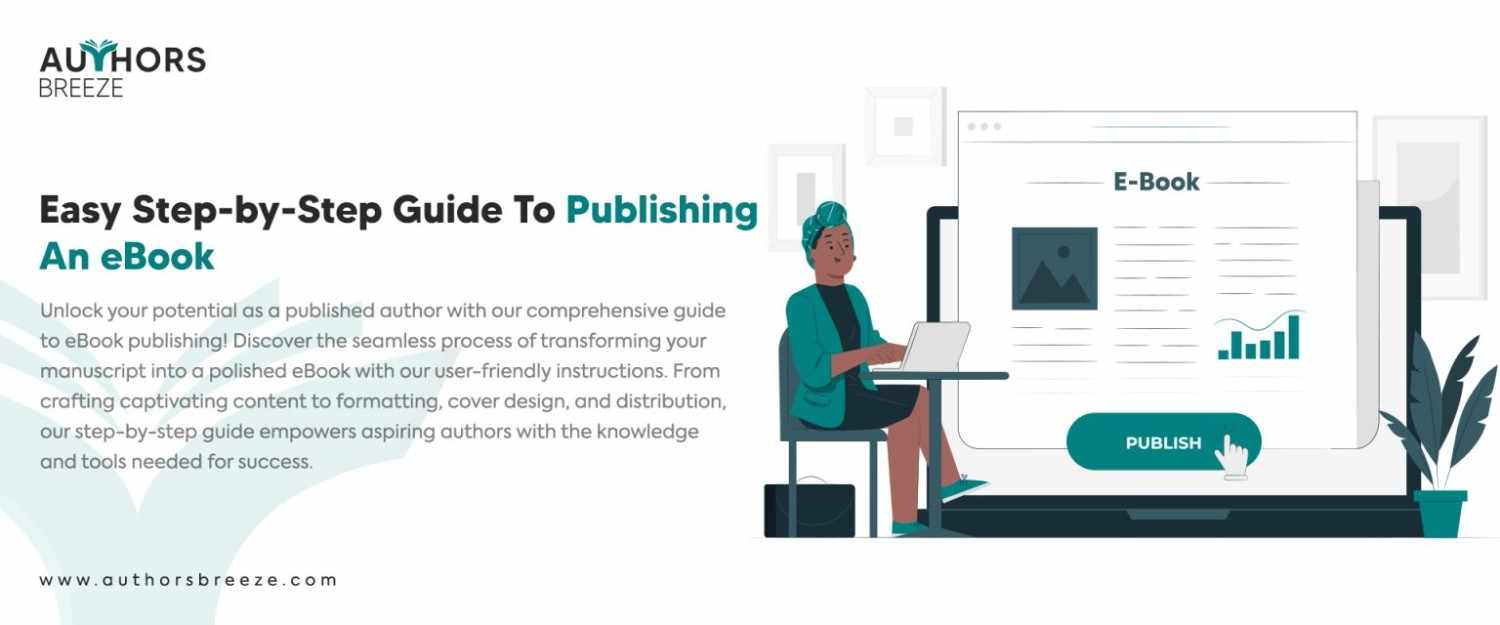
Easy Step-by-Step Guide To Publishing An eBook

publishing an ebook

A trend that recently goes popular is writing and publishing an eBook, and for a good reason. With the rise of digital reading devices, eBooks are now accessible to readers worldwide. Moreover, let’s talk about self-publishing an eBook. It provides a fantastic opportunity for writers who want to share their work with a global audience. In addition, self-publishing allows for more creative control, faster publication timelines, and higher royalty rates than traditional publishing.

However, publishing an eBook seems like a hectic task. Therefore, we have put together an easy step-by-step guide that breaks down the process into manageable steps. From choosing your topic to publishing and promoting your eBook, we will take you through each step of the process to help you successfully publish your eBook.

Each step of this guide is crucial to the overall success of your eBook. By following this guide, you will be able to publish a high-quality eBook. So, whether you’re an aspiring writer or an experienced author who wants to publish your next eBook, this guide is designed to help you every step of the way. However, if you are publishing an eBook for the first time and don’t know what to do, you can read our guide for first-time authors to publish their first children’s book.

1- Choose Your eBook Topic

Choosing the right topic for your eBook is crucial in publishing an eBook. Therefore, selecting a topic that you are passionate about and resonates with your target audience is essential.

Brainstorm Ideas

The first step in choosing your eBook topic is to brainstorm ideas. Start by considering your interests, expertise, and experiences. Think about what topics you are most passionate about and what information you can offer that would be valuable to readers. You can also seek inspiration from your life experiences, news stories, and current events.

Once you have a list of ideas, evaluate them and determine the most viable ones. Consider the potential audience for each topic and whether there is a demand for information in that area.

Research The Market and Audience

Before you finalize your eBook topic, conduct research to understand your target audience and the market demand for your chosen topic. It will help you determine whether your idea is viable and whether an audience is interested in your topic.

Start by researching online, reading blogs and forums related to your topic. Moreover, check out social media platforms to understand what people are discussing. You can also conduct surveys and interviews with your target audience to understand their needs and interests.

Select a Topic

Once you’ve brainstormed ideas and conducted research, it’s time to select a topic. Look for a topic you are passionate about that aligns with your expertise. Ensure there is a market demand for your chosen subject and that you clearly understand your target audience’s needs and interests.

When selecting your topic, consider the competition in your niche. While competition is not necessarily bad, you want to make sure you have a unique angle or perspective on your topic to help you stand out in a crowded market.

2- Create Your eBook Outline

Creating an outline helps you to organize your thoughts and structure your content. Moreover, it ensures your eBook is engaging and easy to read. In addition, it allows you to stay focused on your eBook’s primary objective. It ensures that you cover all the necessary information.

It’s easy to get sidetracked when writing eBooks, especially when you have a lot of information to include. You can stay on track and write more efficiently with a clear outline. Outlining also helps you to structure your content in a way that is easy for your readers to follow. By breaking your content into sections and subsections, you can make it easier for readers to navigate and find the necessary information.

Tips for an Effective Outline

When creating your eBook outline, there are several tips you should keep in mind:

  1. Start with your main idea – Your outline should begin with your eBook’s main idea or objective. It will help you to stay focused on your goal throughout the writing process.
  2. Use headings and subheadings – Headings and subheadings help to break up your content and make it easier for readers to follow. In addition, use descriptive titles that accurately reflect the content of each section.
  3. Use bullet points – Bullet points can highlight key information and make it easier for readers to skim your content.
  4. Keep it simple – Your outline should be easy to read and understand. Avoid using complicated language or jargon. It may confuse your readers.
  5. Be flexible – Your outline is a guide. However, it’s okay to make changes as you go. Be open to tweaking your outline if needed to serve your eBook’s purpose better.

3- Write Your eBook

Now that you have your outline in place start writing your eBook.

Set a Writing Schedule

A writing schedule is essential to stay on track and meet your deadline. Decide how much time you can realistically dedicate to writing each day or week and stick to it. You may find it helpful to break your writing time into smaller chunks, such as 30-minute or one-hour blocks.

Tips for Staying Focused

Staying focused while writing can be challenging. However, there are several tips you can utilize that can help:

  1. Eliminate distractions – Turn off your phone, close unnecessary tabs on your computer, and find a quiet space where you can focus.
  2. Use a timer – Set a timer for the amount of time you plan to write and commit to writing until the timer goes off.
  3. Take breaks – Taking short breaks every 30-60 minutes can help you stay focused and avoid burnout.
  4. Stay organized – Keep your notes, research, and outline to avoid wasting time searching for information.
  5. Write first, edit later – Don’t worry about perfection during the writing process. Instead, focus on writing your ideas down on paper. Then, worry about editing and proofreading

Edit and Revise

Once you’ve completed your first draft, edit and revise your work to ensure everything is perfect. Editing involves checking for grammar, spelling, and punctuation errors while revising involves reviewing your content for clarity and flow.

Here are some tips for editing and revising your work:

  1. Take a break – Give yourself time away from your writing before starting editing and revising. It will allow you to see your work with fresh eyes.
  2. Read aloud – Reading your work aloud can help you catch errors and identify areas that need revision.
  3. Use editing tools – Many online editing tools can help you identify and correct errors in your writing.
  4. Get feedback – Share your work with a trusted friend or colleague and ask for feedback on your writing.
  5. Repeat the process – Repeat the editing and revising process as often as necessary to ensure your eBook is polished and professional.

4- Design Your eBook Cover

Your eBook cover is the first thing potential readers will see. Moreover, it can make or break their decision to buy and read your book. A professional book cover design can help attract readers, establish credibility, communicate the genre and tone of your book, and make it stand out among competitors.

DIY or Outsourcing

When designing your eBook cover, you have two options:

  • DIY
  • Outsourcing

DIY covers can be created using online design tools or software. Still, it’s important to remember that not everyone has the design skills to create a professional-looking cover. Outsourcing to a professional designer can be more expensive but can ensure that your exterior looks polished and visually appealing.

How to Design an Effective Cover?

Whether you decide to DIY or outsource your eBook cover design, there are some tips you should keep in mind to create a successful cover:

  1. Research your market – Look at other covers in your genre and note what works and what doesn’t.
  2. Choose a strong image – Select an image representing your book’s theme or central idea. Make sure it’s high-quality and visually appealing.
  3. Use legible typography – Use easy-to-read fonts and make sure your title and author name are visible and readable.
  4. Keep it simple – Don’t overload your cover with too much information or imagery. Keep it simple and focused.
  5. Test different versions – Create a few versions of your cover and test them with friends or colleagues to see which resonates most with potential readers.

5- Format Your eBook

Formatting your eBook is an essential step in the publishing process.

Choose an EBook format

Several eBook formats are available, including EPUB, MOBI, and PDF. EPUB is the most widely used format supported by most e-readers, while MOBI is specifically designed for Amazon Kindle. PDFs, however, are not recommended for eBooks because they can be difficult to read on smaller screens.

Format Your Manuscript

When formatting your manuscript for eBook publication, consider how it will appear on different devices. Keep in mind that readers may adjust their device’s font size or orientation, so make sure your formatting is flexible. Some tips for formatting your manuscript include:

  1. Use consistent formatting – Use the same font and font size throughout your manuscript to create a consistent reading experience.
  2. Use page breaks – Use page breaks to separate chapters or sections of your book.
  3. Add a table of contents – Include a table of contents to help readers navigate your book.
  4. Don’t use page numbers – eBooks don’t have traditional page numbers, so don’t include them in your manuscript.

How to Make Your EBook Readable?

To ensure that your eBook is easy to read and navigate, consider the following tips:

  1. Use a legible font – Use a font that is easy to read on screens, such as Arial or Times New Roman.
  2. Utilize images sparingly – Images can slow down the loading time of your eBook, so use them sparingly.
  3. Use hyperlinks – Hyperlinking to external sources or other eBook sections can make it more interactive and engaging.
  4. Test on different devices – Test your eBook on other e-readers and devices to ensure it looks and functions properly.

6- Add Images and Graphics

Adding images and graphics to your eBook can make it more visually appealing and engaging for readers. Visuals can enhance the reading experience and help readers understand concepts more easily. They can also break up long blocks of text and make your eBook more visually appealing. Adding visuals can also help to reinforce your branding and make your eBook more memorable.

What are the Types of Images You Should Include?

The types of images you include in your eBook will depend on the topic and content. Here are some ideas:

  1. Photographs – Photographs can be used to illustrate real-life examples or add visual interest to your eBook.
  2. Infographics – Infographics can help to visualize data or complex concepts more engagingly.
  3. Charts and graphs – Charts and graphs can be used to present data clearly and easily.
  4. Illustrations – Illustrations can be used to enhance the storytelling aspect of your eBook or to add visual interest.

How to Add Images and Graphics?

Keep file size and formatting in mind when adding images and graphics to your eBook. Here are some tips:

  1. Optimize images – Compress and resize images to reduce file size and improve loading times.
  2. Use high-quality images – Make sure the images you use are high-quality and clear.
  3. Choose the suitable file format – Use JPEG or PNG formats for images and PDF or EPS formats for vector graphics.
  4. Place images strategically – Place images near the relevant text to help readers understand their context.
  5. Label images correctly – Use alt text and captions to describe images and provide context.

7- Add Front and Back Matter

Front and back matter are essential elements to include in your eBook. Front matter refers to the pages that come before the main content of your eBook. Back matter refers to the pages that come after the main content. Including both front and back matter can help enhance your audience’s reading experience and provide them with important information.

What to Include?

Here are some examples of what you can include in your front and back matter:

  • Title page
  • Copyright page
  • Dedication page
  • Table of contents
  • Foreword or introduction
  • Acknowledgments
  • Preface
  • Back matter
  • About the author
  • Author’s note
  • Bibliography or sources
  • Index
  • Call to action (e.g., encouraging readers to leave a review or sign up for a newsletter)
  • Endnotes or footnotes

How to Create The Proper Front and Back Matter?

Here are some tips for creating adequate front and back matter:

  1. Make it visually appealing – Use a consistent design and formatting throughout your eBook, including the front and back matter.
  2. Keep it concise – The front and back matter should be brief and to the point. Avoid including unnecessary information.
  3. Ensure accuracy – Check for errors or typos in your front and back matter to ensure accuracy.
  4. Provide value – Include information in your front and back matter that will provide value to your readers, such as additional resources or recommendations for further reading.
  5. Customize it to your eBook – Tailor your front and back matter to your eBook’s topic and audience.

8- Publishing and Promoting Your eBook

Congratulations, your eBook is almost ready to be published. Now, look for publishing companies near me to publish your eBook.

Upload Your EBook to a Publishing Platform

Many publishing platforms are available for self-publishing authors, such as Amazon’s Kindle Direct Publishing, Apple Books, Barnes & Noble Press, and Kobo Writing Life. These are some of the 20 Best self-publishing companies of 2025.

Once you have formatted your eBook, you can upload it to the publishing platform of your choice. Follow the platform’s instructions for uploading your eBook and setting up your author account.

Pricing Strategies

Choosing the right price for your eBook can significantly impact your sales. Consider factors such as the length of your eBook, the competition in your genre, and the perceived value of your content. Experiment with different price points. Then, see what works best for you. Some authors offer their eBook for free initially to build their audience. In contrast, others price their eBook higher to convey a sense of quality and value.

Marketing and Promotion Tactics

Once your eBook is published, you should immediately start promoting it. Here are some tactics you can use to market your eBook:

  1. Build an author platform – Establish a presence on social media and create an author website or blog to promote your eBook and build your author brand.
  2. Offer a free sample – Provide a free sample of your eBook to entice readers to purchase the full version.
  3. Leverage book review sites – Submit your eBook to book review sites such as Goodreads, BookBub, and LibraryThing to reach potential readers.
  4. Collaborate with other authors – Collaborate with other authors in your genre to cross-promote each other’s eBooks and reach new audiences.
  5. Use advertising – Consider using paid book advertising options like Facebook or Amazon to reach a wider audience.
  6. Engage with your readers – Respond to customer reviews and feedback. Build relationships with your audience through social media and email marketing.

Conclusion

By following these steps, you can confidently publish your eBook and reach your target audience. Here are some final tips and advice to keep in mind:

  • Don’t be hesitant to experiment and try new things. Self-publishing is all about learning and finding what works best for you.
  • Take the time to research your market and audience. Understanding your readers’ needs and interests can help you create a more successful eBook.
  • Remember that publishing an eBook is just the beginning. Building a readership takes time and effort, so be patient and persistent.

With the right tools, resources, and mindset, you can create a high-quality eBook and reach a broad audience. So take the following steps and get started on your publishing journey today!
Author : Charles Maynes

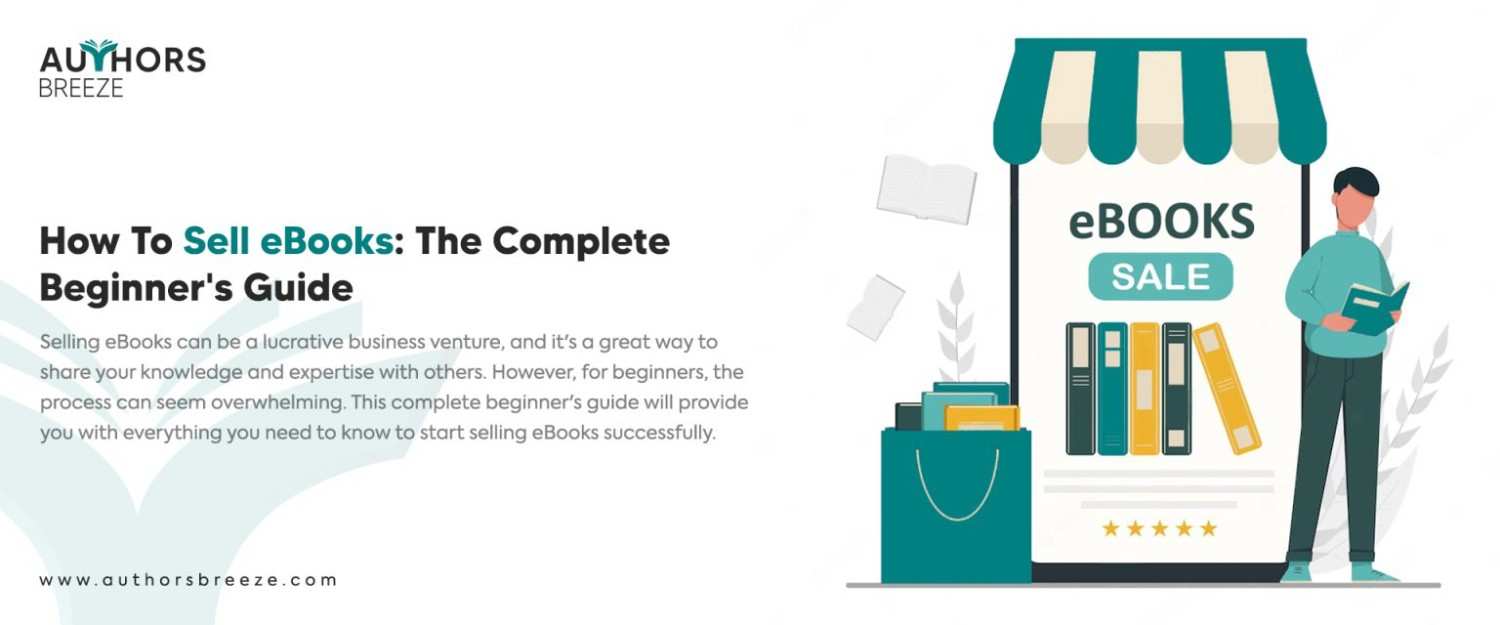
How to Sell EBooks? – The Complete Beginner’s Guide

sell books

In recent years, eBooks have become a popular and convenient way for authors, bloggers, and entrepreneurs to share their expertise, stories, and insights with a broader audience. Unlike traditional print books, eBooks are digital files that you can easily download, read on a variety of devices, and share with others.

One of the primary benefits you get, if you sell eBooks is the low barrier to entry. Unlike traditional publishing, where authors often have to invest a significant amount of time and effort in finding book publishing companies and money to secure a publishing deal, self-publishing an eBook requires relatively little upfront cost. All you need is a computer, writing skills, and a willingness to learn the ropes of the eBook marketplace. It allows you to retain complete control over eBooks’ content, pricing, and distribution and keep a higher percentage of the profits.

However, despite the low barriers to entry, it requires a lot of hard work, dedication, and savvy marketing skills to sell eBooks successfully. This guide will provide you with a detailed roadmap to help you navigate the complex landscape of eBook publishing, marketing, and sales. Our valuable insights and practical tips will help you succeed in the competitive world of digital publishing.

Understand Your Target Audience

Before writing your eBook, you must identify your target audience and understand their needs, preferences, and pain points. It will help you tailor your content to their specific interests, ensure that your eBook stands out in a crowded marketplace, and increase the chances of converting potential readers into paying customers.

Identifying your target audience is critical if you want to sell eBooks. Without knowing who your ideal reader is, it isn’t easy to create content that resonates with them and effectively market your eBook. Let’s discuss three essential steps to help you understand your target audience.

Identify Your Niche

Your eBook should address a specific need, problem, or question your target audience has. Narrowing your focus to a particular niche or topic is essential to ensure your eBook stands out in a crowded market. For example, if you are writing a cookbook, you might choose to focus on vegan or gluten-free recipes rather than trying to appeal to a general audience.

To identify your niche, start by brainstorming topics you can easily write about. Consider your audience’s needs and interests and any gaps in the market that you can fill. Research popular keywords in your niche to understand what your audience is searching for.

Conduct Market Research

Once you’ve identified your niche, conduct market research to understand your target audience better. It involves analyzing data from various sources, such as social media, online forums, and industry reports, to identify trends, preferences, and pain points.

One of the most effective ways to conduct market research is to survey your existing audience or conduct interviews with potential readers. Ask them about their interests, challenges, and goals, as well as their preferred format for eBooks (e.g., PDF, Kindle, etc.) and their willingness to pay for content.

You can also use tools like Google Trends or BuzzSumo to identify popular topics and keywords in your niche. It can help you understand what content is resonating with your audience.

Create Buyer Personas

A buyer persona is a fictional representation of your ideal customer based on demographic, psychographic, and behavioral data. Once you’ve gathered data from your market research, you can use it to create buyer personas.

To create a buyer persona, start by identifying key demographic information, such as age, gender, location, and income. Then, add psychographic information, such as interests, values, and pain points. Finally, add behavioral information, such as how they consume content, what motivates them to make a purchase, and what objections they might have to buy your eBook.

Creating buyer personas can help you tailor your content to your audience’s specific needs and interests and inform your marketing and sales strategy. For example, suppose your target audience is busy professionals who don’t have much time to read. In that case, you might consider creating shorter eBooks or offering cheap audio books of your content.

How to Create an eBook that Sells?

Creating an eBook that sells takes time and effort. However, with the right topic, research, writing style, cover design, visuals, and promotion, you can create a valuable resource that your target audience will be happy to pay for.

EBooks can be an excellent way to share your knowledge, showcase your expertise, and potentially earn some extra income. If you want help in creating eBooks, you can acquire eBook writing services. Here are some tips on how to create eBooks that will grab your readers’ attention and ultimately lead to sales.

Choose a Topic

One of the best ways to ensure to sell eBooks is to choose a topic that solves a problem for your readers. Your topic should address a specific need, issue, or question that your audience has. Consider the pain points and challenges you uncovered during your market research and choose a topic that solves those problems.

You should also consider your expertise and passion when choosing a topic and writing about something that can make the process more enjoyable and help you create high-quality and unique content.

Research and Outline Your Content

Once you’ve chosen your topic, conduct some thorough research. You want your eBook to be authoritative and informative, so take the time to gather as much information as possible from reputable sources, such as books, academic journals, and industry reports. It will help you create a well-researched, valuable resource that readers will be willing to pay for.

Organize your research into an outline, including the main topics and subtopics you want to cover in your eBook. Your outline should be structured in a logical and easy-to-follow way. Each chapter or section should have a clear purpose and flow naturally into the next. It will help keep your readers engaged and make it easier for them to follow your ideas.

Write and Edit Your EBook

Writing eBooks is different from writing research papers. You want to engage your readers and keep them interested in your content. Write in a conversational tone that is easy to read and understand. Avoid jargon and technical terms unless you’re writing for a highly specialized audience. Write in a clear and concise style that’s easy for your audience to understand. Use headings, subheadings, and bullet points to break up your content and make it easier to read.

Once you’ve finished writing your eBook, it’s essential to edit and proofread it carefully. Read through your content multiple times, checking for grammar, spelling, and punctuation errors. You may also want to hire a professional editor or proofreader to help you catch any mistakes that you might have missed.

Format and Design Your eBook

The final step is to format and design eBooks. It involves choosing a layout, font, and color scheme consistent with your brand and appealing to your audience.

You can use several tools to format and design eBooks, such as Microsoft Word, Adobe InDesign, or Canva. Be sure to test eBooks on different devices and platforms to ensure that it’s readable and looks good on all screens.

To create high-quality eBooks that your audience will love, you can:

Use Images and Graphics

Including images and graphics in your eBook can make it more visually appealing and engaging. Ensure that any visuals you include are relevant to your content and of high quality. It can help break up your text and make your eBook more approachable.

Create an Eye-Catching Cover

The cover of eBooks is the first thing that potential readers will see. Creating an eye-catching cover that captures their attention and makes them want to learn more is essential. Invest in a professional designer or use tools like Canva to create creative book covers.

Publish Your eBook

Now that you have created your eBook, the next step is to publish it. Let’s cover essential steps to help you publish eBooks successfully.

Choose a Platform to Sell EBooks

Several platforms are available where you can sell eBooks, such as Amazon Kindle Direct Publishing, Apple iBooks, Barnes & Noble Nook Press, and Kobo Writing Life. Each platform has its own requirements and benefits. Therefore, it’s vital to research and choose the one that best suits your needs.

Consider factors such as the platform’s royalty rates, reach, marketing support, and ease of use when choosing a platform. You should also check the terms and conditions carefully to ensure that you understand the platform’s policies and your rights as an author.

Format eBooks for Different Platforms

Different platforms have different formatting requirements. Therefore, it’s essential to format your eBook correctly for each platform. It includes formatting your eBook for other devices and screen sizes, such as smartphones, tablets, and e-readers.

Most platforms provide formatting guidelines and tools to help you format your eBook correctly. However, suppose you’re not confident in your formatting skills. In that case, you can consider hiring a professional book formatter or using a formatting service.

Set a Price for EBooks

Setting the right price for your eBook is crucial for attracting readers and generating sales. You should consider factors such as your target audience, the length and quality of your eBook, and the competition when setting a price.

Many authors choose to price their eBooks between $2.99 and $9.99, as this is a typical price range for eBooks. However, you may need to adjust your price depending on your goals and your audience’s willingness to pay.

You should also consider offering discounts and promotions to attract readers and generate sales. For example, you could offer a limited-time discount or bundle your eBook with other related products.

Market eBooks

Publishing is just the first step. Once you’ve created your eBook, it’s time to promote and market it and get it in front of your target audience. Use social media, email marketing, and other tactics to get the word out about your eBooks. You may also want to consider offering a free sample or excerpt to entice readers to purchase the full version. Other ways to help you market your eBooks successfully are:

Create a Launch Plan

A launch plan is a strategic approach to launching your eBook. It involves setting goals, identifying your target audience, creating a buzz, and building anticipation for your eBook’s release. Your launch plan should include a timeline, a list of book marketing services, and a budget.

Leverage Social Media

Social media is a powerful tool for promoting eBooks. You can use social media platforms like Twitter, Facebook, Instagram, and LinkedIn to connect with your audience, share teasers, and build excitement around your eBook’s launch. You can also use social media to run ads, host giveaways, and collaborate with influencers.

Build an Email List

Building an email list is one of the most effective ways to market your eBook. You can use email marketing to share valuable content, promote your eBook, and build relationships with your audience. You can offer subscribers a free sample chapter or an exclusive discount to create an email list.

Run Paid Ads

Running paid ads is a quick way to get your eBook in front of a large audience. You can use platforms such as Facebook Ads, Google Ads, and Amazon Ads to target your audience based on demographics, interests, and behaviors. You should also track your ad performance and adjust your strategy accordingly.

Create an Affiliate Program

An affiliate program is a way to incentivize others to promote your eBook in exchange for a commission. You can offer a percentage of the sale to affiliates who promote your eBook through their channels. It can help you reach a wider audience and generate more sales.

Maximize Your Sales

Maximizing your sales is an essential aspect if you want to sell eBooks. By following the below steps, you can maximize your eBook sales, generate revenue and achieve your goals.

Analyze Your EBook Sales Data

Analyzing your eBook sales data can provide valuable insights into your eBook’s performance. You can use data analytics tools to track your sales, revenue, and customer behavior. This data can help you identify patterns, optimize your strategy, and make informed decisions.

Optimize Your EBook Listing

Your eBook listing is your product page on the platform where you sell eBooks. Optimizing your eBook listing can improve your visibility, attract more readers, and increase your chance to sell eBooks frequently. You can optimize your eBook listing by using high-quality images, writing compelling descriptions, and choosing relevant keywords.

Create Upsell and Cross-Sell Opportunities

Upselling and cross-selling are effective strategies for increasing your sales. Upselling involves offering a more expensive version of your eBook, while cross-selling involves offering related products or services. You can create upsell and cross-sell opportunities by offering bundles, special editions, or associated products.

Offer Discounts and Promotions

Offering discounts and promotions can be an effective way to boost your sales and attract more readers. You can offer discounts for a limited time, run a promotional campaign, or offer free samples or trials. You can also offer loyalty programs to reward regular customers and encourage them to purchase more.

Protect Your eBook

In summary, protecting your eBook is crucial to ensuring you receive the full benefits of your hard work. By safeguarding your eBook from piracy, registering your copyright, and providing legal compliance, you can protect your intellectual property and achieve your goals.

Protecting your eBook is critical to ensuring you receive the full benefits of your hard work. In this section, we’ll cover three essential steps to help you protect your eBook successfully.

Secure Your EBook from Piracy

Piracy is a common problem for eBook authors. It involves illegally copying, distributing, and sharing your eBook without your permission. You can use digital rights management (DRM) tools, watermarking, or encryption to protect your eBook from piracy. You can also monitor online marketplaces, search engines, and social media for pirated copies of your eBook.

Register your Copyright

Registering your copyright is a legal process that provides you with legal protection and ownership of your eBook. It also lets you take legal action against anyone infringing on your copyright. To register your copyright, you can file an application with the US Copyright Office or your country’s equivalent agency.

For more information, check out our blog: How to copyright a book in 2026?

Ensure Legal Compliance

Ensuring legal compliance is essential to avoiding legal issues and protecting your reputation. You should ensure that your eBook complies with copyright laws, privacy laws, and other applicable laws and regulations. You should also include a disclaimer and terms of use in your eBook to protect yourself from liability.

Some Tips to Continue Selling EBooks

Following the tips and implementing the strategies discussed in this guide, you can successfully sell eBooks and achieve your goals. Here are a few final tips for successful eBook sales:

Focus on Quality: Ensure that your eBook provides value to your readers and meets their expectations.

Build your Brand: Create a brand that resonates with your target audience and establishes you as a trusted authority in your niche.

Stay Updated: Stay updated with the latest trends, best practices, and innovations in the eBook industry to stay ahead of the competition.

Engage with your Readers: Engage with your readers by responding to their feedback, reviews, and questions.

Continuously Improve: Improve your eBook by updating its content, design, and format to stay relevant and appealing to your readers.

FAQs

How Can I Ensure That My EBook Stands Out In A Crowded Market?

To ensure that your eBook stands out in a crowded market, you should focus on quality, relevance, and uniqueness. Ensure that your eBook provides value to your readers and meets their expectations. Also, ensure your eBook covers a unique topic or angle that resonates with your target audience. In addition, invest in professional editing, design, and formatting to make your eBook visually appealing and engaging.

Do I Need To Have A Website To Sell My EBook?

No, you don't necessarily need a website to sell your eBook. You can sell your eBook on different platforms such as Amazon, Barnes & Noble, Kobo, and others. However, an author website can give you more control, flexibility, and branding opportunities. You can use your website to promote your eBook, build your email list, and establish yourself as a thought leader in your niche.

How Can I Price My EBook Correctly?

To price your eBook correctly, you need to consider several factors, such as your target audience, the value you provide, your competition, and your profit goals. You can use different pricing strategies, such as cost-based, value-based, or competition-based pricing. Moreover, consider testing other price points to see which one generates the most sales and revenue.

How Can I Prevent My EBook From Being Pirated?

To prevent your eBook from being pirated, you can use digital rights management (DRM) tools, watermarking, or encryption. You can also monitor online marketplaces, search engines, and social media for pirated copies of your eBook. In addition, you can educate your readers about the consequences of piracy and encourage them to support your work by purchasing legitimate copies.

How Can I Leverage Social Media To Promote My EBook?

To leverage social media to promote your eBook, you can use different tactics such as creating engaging content, running targeted ads, partnering with influencers, and engaging with your followers. You can also use social media to build your email list, announce your eBook launch, and offer exclusive promotions to your followers. Moreover, consider using visual platforms such as Instagram, Pinterest, or YouTube to showcase your eBook's design and format.

Conclusion

It is a profitable and fulfilling venture to sell eBooks. Selling ebooks online can be a lucrative way to generate additional income for aspiring writers or businesses with existing web traffic. This comprehensive guide has provided insights on how to identify a target audience, create engaging content, and market and sell ebooks on various platforms. You can maximize your eBook sales and increase revenue by understanding the importance of market research, formatting, pricing, and marketing strategies. In addition, taking measures to protect your eBook from piracy and ensuring legal compliance is crucial. With these tips, you can confidently enter the eBook sales world and earn extra income.

Author : Caroline Chartrand

07th Oct 2023

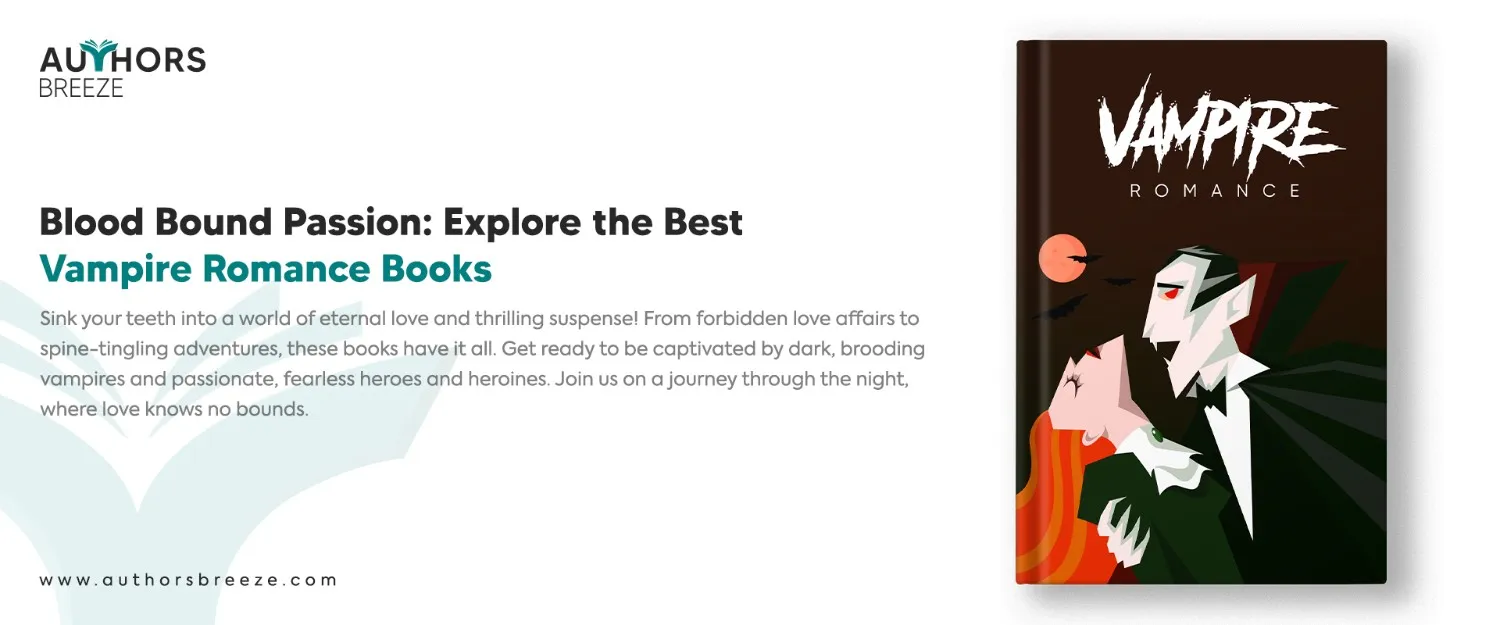
Blood Bound Passion: Explore the Best Vampire Romance Books

vampire romance books

For centuries, vampire romance books have captivated readers. There is something about vampire stories that people love to read. The cherry on the cake is if the writer includes romance in the life of vampires, readers love it even more. So, if you are thinking of writing and publishing a book, there is a high chance that your book will be successful.

Some of The Top Vampire Romance Books

Here are a few of the best vampire romance novels and books that will help you if,

  • You are a fan of vampire romance.
  • You are looking for a new book to read.
  • Or you want to write a romance vampire book and need ideas.

1- Dark Lover by J.R. Ward

Dark Lover by J.R. Ward-Vampire Romance Books

Experience the beginning of J.R. Ward’s amazing Black Dagger Brotherhood series. It is a top-rated series of vampire romance books.

In this story, there’s a vampire named Wrath. He is the leader of the Black Dagger Brotherhood. He is also the only vampire of his kind in the world. A long time ago, slayers killed his parents, and he’s been wanting revenge ever since.

But things get complicated when someone killed his most trusted fighter is killed. This fighter has a daughter who is only half-vampire. She knows nothing about her vampire heritage or what’s in store for her.

Because of this, Wrath has to stop seeking revenge for a moment and help this young woman, Beth Randall. She starts feeling a strange restlessness in her body that she’s never felt before.

One night, Wrath comes to her. He’s handsome but also very mysterious. He tells her scary stories about his Brotherhood and blood, which terrify her. But at the same time, his touch awakens a new desire in her, one that could be dangerous for both of them.

2- Halfway to the Grave by Jeaniene Frost

Halfway to the Grave by Jeaniene Frost-Vampire Romance Books

Catherine Crawfield, who’s half-vampire, is on a mission to hunt down undead creatures. She hopes to find her father among these creatures because he’s the one who caused a lot of trouble in her mother’s life.

However, her plans take a twist when Bones, a vampire bounty hunter, captures her. They end up forming an unlikely partnership.

In exchange for Bones helping her find her father, Cat agrees to train with him. It surprises her that Bones doesn’t try to eat her since he’s a vampire. She begins to wonder if there are actually some good vampires out there.

As Cat continues to train with Bones, she realizes that being half-dead might not be entirely wrong. But their partnership is soon threatened when a group of killers starts chasing them. Cat will have to make a choice, and Bones is becoming more tempting to her than any living man with a heartbeat.

If you want to write an ebook on the stories of vampires, the above two vampire romance books are perfect for you to read and get ideas.

3- Night Pleasures by Sherrilyn Kenyon

Night Pleasures by Sherrilyn Kenyon-Vampire Romance Books

Have you ever wondered what it is like to live forever? To wander through the night hunting down the evil that preys on humans and to have endless wealth and power? That’s my life, and it’s filled with darkness and danger. I play the hero for many, but I’m a secret to all. And I used to relish every moment of it.

That was until one night when I woke up shackled to my worst nightmare: a conservative woman in a buttoned-up shirt, Amanda. She’s intelligent, attractive, clever, and has no interest in anything supernatural—especially not someone like me.

My attraction to Amanda goes against everything I believe in. The last time I fell in love, it cost me not just my human life but also my very soul. Yet, every time I see her, I can’t help but want to take that chance again. I want to believe in love and loyalty.

What’s even more unsettling is I wonder if there’s any way someone like Amanda could love a man like me. My battle scars run deep. My heart was shattered by a betrayal so brutal. Now, I’m not even sure it can ever beat again.

Seems interesting? Read the book to relish the experience of paranormal romance books.

4- A Quick Bite by Lynsay Sands

A Quick Bite by Lynsay Sands-Vampire Romance Books

Lissianna has been alive for centuries. All that time, she’s been hoping to find the perfect partner, not just a quick snack. When she discovers a handsome guy in her bed, he seems he might be a suitable candidate. But there’s a big problem. She has a habit of fainting at the sight of blood, which is quite inconvenient for a vampire. To make things worse, this man has a tempting neck that any vampire woman would find hard to resist.

Despite waking up in a stranger’s bedroom, Dr. Gregory Hewitt doesn’t need much time to realize he’s in for an exciting night with a stunning woman. But can a nice guy like Greg find true love with a vampire lady, or will he just become a tasty meal? That’s a question Greg is willing to explore as long as he can convince Lissianna to take a bite of their unconventional romance.

In most of the vampire series books, you will typically see the male as the vampire. In this book, you will see the opposite. So, read the book and learn how you can make your stories unique and enjoyable.

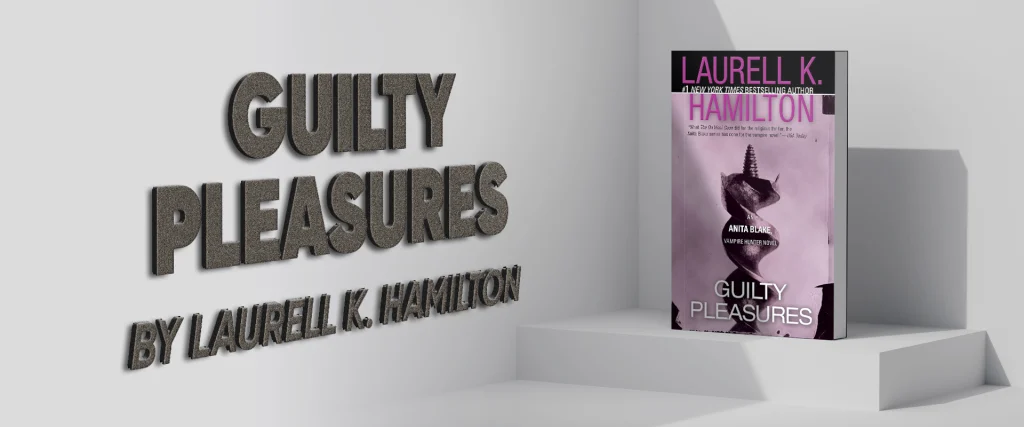
5- Guilty Pleasures by Laurell K. Hamilton

A Quick Bite by Lynsay Sands-Vampire Romance Books

Laurell K. Hamilton’s bestselling series draws readers into a captivating world where supernatural cravings clash with human desires. All are centered around a truly unique heroine.

Anita Blake is a petite, enigmatic woman with a dangerous edge, and her territory is the city of St. Louis. Her unusual job is to bring the dead back to life and eliminate vampires who cross certain boundaries. But when the most powerful vampire in the city asks for her help to solve a series of brutal murders, Anita must confront her biggest fear. That is the undeniable attraction she feels for Jean-Claude. A master vampire and one of the very creatures she’s sworn to eradicate.

Just like how “The Da Vinci Code” made an impact in the religious thriller genre, the Anita Blake series has done the same for vampire romance books, as praised by USA Today.

6- Twilight by Stephenie Meyer

Twilight by Stephenie Meyer-Vampire Romance Books

Get ready to fall head over heels for the gripping and suspenseful love story between a teenage girl and a vampire.

Isabella Swan relocated to Forks, a small town where it rains nonstop in Washington. Initially, it seemed the most uneventful move she could make. Then, her life takes an electrifying and frightening twist when she faces the odd and captivating Edward Cullen, a foil character.

Edward had managed to keep his true vampire nature hidden in the tight-knit community he lived in. But now, with Isabella in the picture, no one is safe, especially the person Edward cherishes most. The lovers find themselves teetering on the edge of a knife, torn between their desires and the dangers that surround them.

Twilight is a profoundly romantic and incredibly suspenseful tale. It delves into the conflict between defying our instincts and fulfilling our cravings. It’s a vampire love story with a bite.

7- The Vampire Diaries by L. J. Smith

The Vampire Diaries by L. J. Smith-Vampire Romance Books

Experience the New York Times best-selling series. It inspired the hit CW TV show featuring Nina Dobrev, Paul Wesley, and Ian Somerhalder.

Elena Gilbert is the star of her high school. She gets everything she desires, including the boys she wants. However, when she sets her sights on Stefan, a handsome but tormented guy, he doesn’t reciprocate her feelings. As a result, she’s left puzzled. Little does she know the actual reason behind Stefan’s reluctance.

Stefan is a vampire, and just being around him puts Elena in danger. What’s even more complicated is that Stefan’s dark and dangerous vampire brother, Damon, has just arrived in town. Wherever Damon goes, trouble follows. For your info, Stefan and Damon are morally grey characters.

Fans of The Vampire Diaries TV series will discover the same heart-pounding suspense, intense romances, and shocking twists they’ve come to adore in this book. All skillfully crafted by New York Times best-selling author L.J. Smith.

8- From Blood and Ash by Jennifer L. Armentrout

From Blood and Ash by Jennifer L. Armentrout-Vampire Romance Books

Exciting and full of action, “From Blood and Ash” is a seductive, addictive, and surprising fantasy story. It is perfect for fans of Sarah J. Maas and Laura Thalassa.

Meet Poppy, a Maiden chosen from birth to bring in a new era. Her life has never been her own. Maidens are meant to be alone, untouched, unseen, unheard, and devoid of pleasure. Instead of preparing for her Ascension, when she’s supposed to be found worthy by the gods, Poppy would instead be fighting alongside the guards against the evil that took her family. But she doesn’t have a choice.

Her duty is to secure the kingdom’s future, even though she’s not sure she wants it. Maidens have hearts, souls, and longings. When Hawke, a golden-eyed guard with a duty to ensure her Ascension, enters her life, destiny, commitment, desire, and need become intertwined. He challenges her beliefs, stirs her anger, and tempts her with what’s forbidden.

In a kingdom forsaken by the gods and feared by mortals, a fallen realm is rising once more, determined to reclaim what they believe is rightfully theirs through violence and revenge. As the shadow of this curse draws near, the line between forbidden and right blurs. Poppy risks losing her heart and being deemed unworthy by the gods. Also, her life, as everything that holds her world together, starts unraveling.

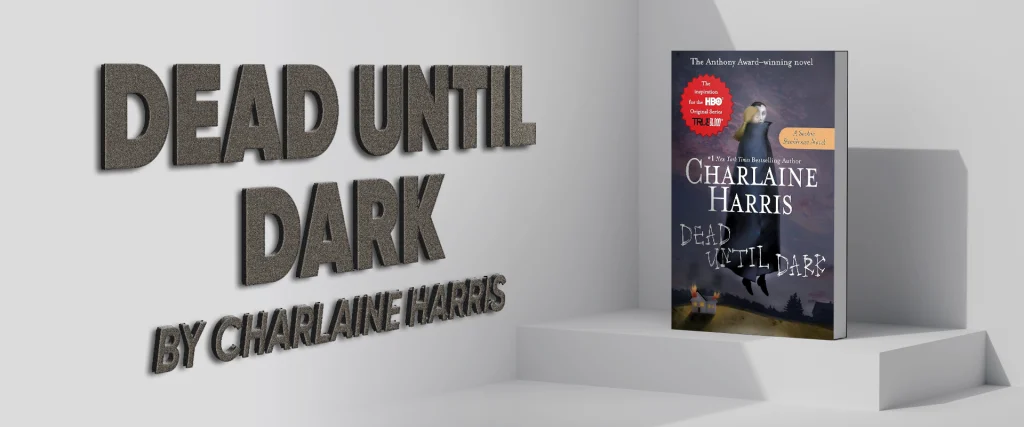
9- Dead Until Dark by Charlaine Harris

Dead Until Dark by Charlaine Harris-Vampire Romance Books

Dead Until Dark is the first book in the famous Sookie Stackhouse series. It became a huge hit and even inspired the HBO show True Blood.

Sookie Stackhouse lives in the small town of Bon Temps, Louisiana. She’s a quiet cocktail waitress who mostly keeps to herself. However, she has a unique ability that sets her apart. She can read people’s thoughts, and that can make dating quite challenging. Then, Bill Compton enters her life. He’s tall, handsome, and mysterious. The most intriguing part is that Sookie can’t hear his thoughts. He’s the kind of guy she’s always dreamed of.

But Bill has his own secret—he’s a vampire with a not-so-great reputation. As a series of murders rocks Bon Temps and dangerous vampires start looking for Bill, Sookie begins to question whether dating a vampire is a good idea after all.

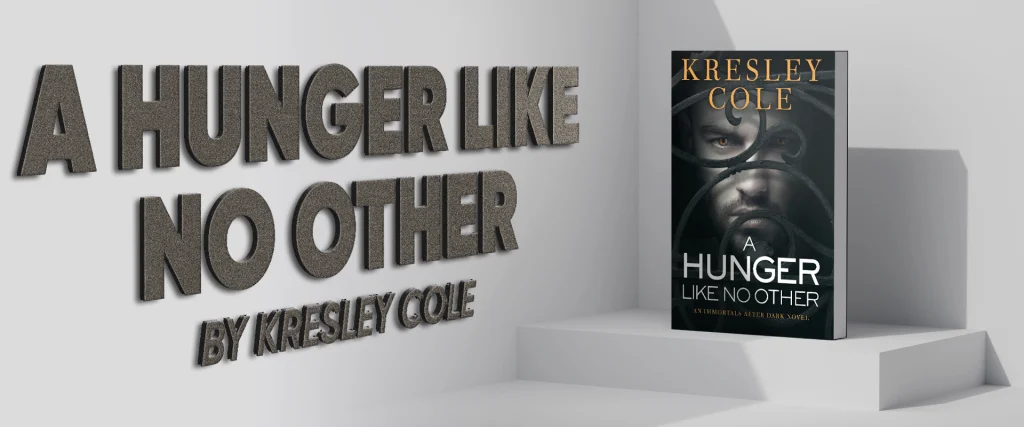
10- A Hunger Like No Other by Kresley Cole

A Hunger Like No Other by Kresley Cole-Vampire Romance Books

In the thrilling series by famous author Kresley Cole, a tough werewolf and an enchanting vampire are brought together as unexpected soulmates. Their love will challenge the boundaries between life and death.

Lachlain MacRieve, the leader of the Lykae Clan, has suffered for many years because of vampires. He’s furious when he learns that the mate he’s been waiting for his whole life is, surprise, a vampire herself, or at least part vampire. Emmaline Troy is a fragile, otherworldly being, part Valkyrie and part vampire. Somehow, she starts to calm the anger that’s been burning inside Lachlain for thousands of years.

Emmaline has been kept safe from the world. She decides to find out the truth about her parents, who are no longer alive. But her plans get messed up when a powerful Lykae claims her as his mate and takes her to his ancient castle in Scotland. There, her fear of the Lykae and their dark desires begins to fade as he seduces her slowly and wickedly. It awakened her own hidden desires.

But as an ancient evil from Emmaline’s past returns, will their passion grow into a love strong enough to bring down a proud warrior and turn a gentle beauty into the fierce fighter she was meant to be?

Pro Tip: “The above vampire romance books are timeless. If you read them, it will help you write a book on vampires and their love stories. So, go through them to prepare yourself for creating masterpieces.”

Other Popular Vampire Romance Books

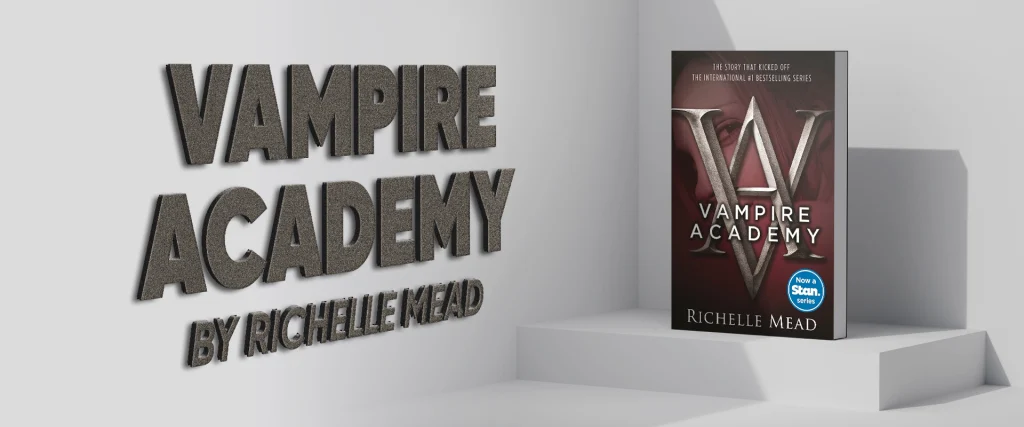
11- Vampire Academy

Vampire Academy-Vampire Romance Books

Join the army of dedicated fans who propelled this six-book series to the peak of popularity. Read the very first book written by Richelle Mead that launched the worldwide bestselling Vampire Academy series to the #1 spot on the charts. Richelle Mead is a famous American author known for her young adult fantasy novels.

The series has gained a dedicated fan base and received praise for its unique take on vampire lore. The story follows Rose Hathaway, a Dhampir guardian. She navigates the complexities of a hidden vampire society and her forbidden love for her vampire best friend, Lissa Dragomir.

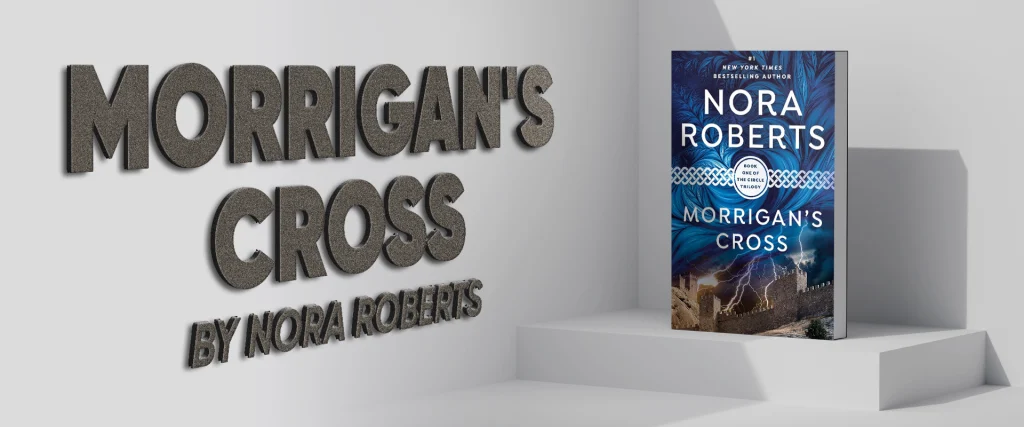
12- Morrigan’s Cross

Morrigan's Cross-Vampire Romance Books

The Circle Trilogy by Nora Roberts begins with an exciting story that mixes our world with supernatural elements. Morrigan’s Cross brings together the hopes and challenges of people caught in a battle. It will determine the fate of all humanity.

Nora Roberts is a prolific American novelist with a number of bestsellers to her name. She weaves the story with magic, romance, and adventure in a quest to save the world. In this paranormal romance, a sorcerer, a witch, and a shape-shifter must join forces to battle an ancient evil.

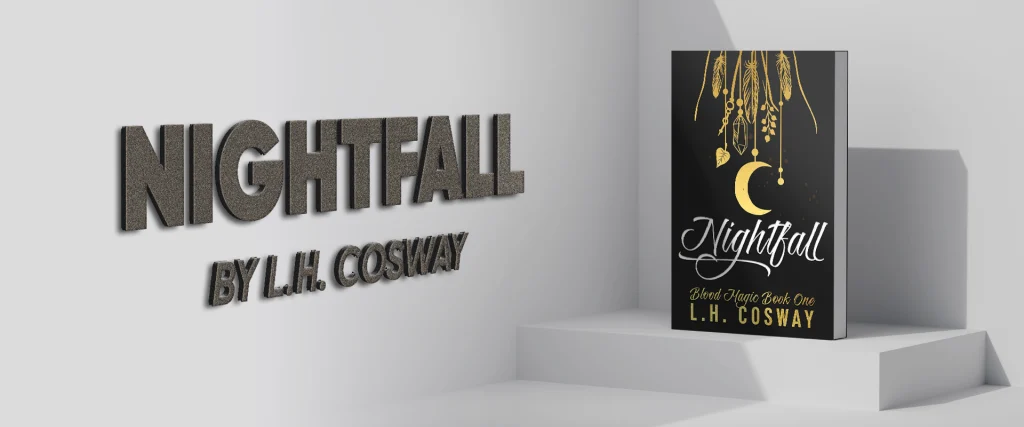
13- Nightfall

Nightfall-Vampire Romance Books

Nightfall is the first book in L.H. Cosway’s Blood Magic Series. In the initial installment of the series, the blend of paranormal romance and urban fantasy creates an engaging read. The start of a series of vampire romance books can sometimes leave you hanging. But Cosway’s first book in the Blood Magic series offered a satisfying whole story.

The world-building is impressive, and the plot is compelling. Also, there’s a mix of mystery and romance, and it leaves you intrigued enough to anticipate the next installment eagerly. This book is definitely a must-read.

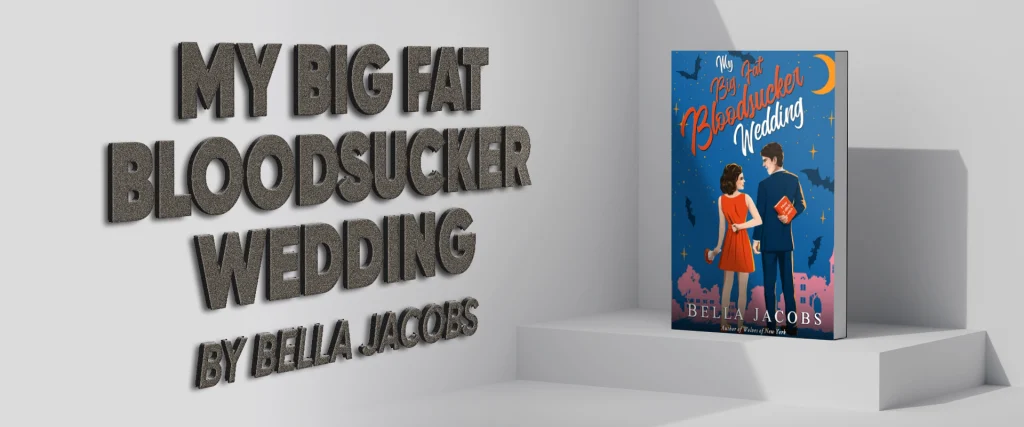
14- My Big Fat Bloodsucker Wedding

My Big Fat Bloodsucker Wedding-Vampire Romance Books

My Big Fat Bloodsucker Wedding is a red-hot, enemies-to-lovers standalone romance now titled as

Bad Blood. It also happens to be the first in a paranormal romantic comedy series entitled The Wonderfully Witches of Nightfall New Hampshire by Bella Jacobs. It is a fun and lighter paranormal romcom.

This book combines romance and comedy. It tells the tale of a vampire and a vampire slayer who unexpectedly fall in love. Amidst a backdrop of supernatural challenges, their relationship blossoms. So, that leads to a quirky and entertaining love story. The novel adds humor and twists to the typical vampire romance genre.

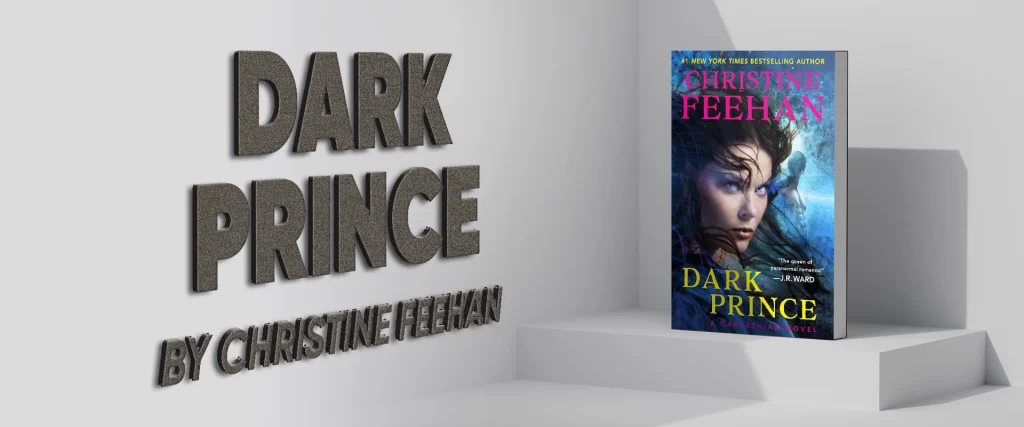
15- Dark Prince

Dark Prince-Vampire Romance Books

Christine Feehan offered a fantastic gift for vampire romance books. The iconic book, “Dark Prince,” makes a return in an author’s cut special edition. Christine Feehan, a #1 New York Times bestselling author, revisits her classic paranormal romance story.

This tale revolves around a stunning hunter with extraordinary telepathic powers. He becomes entranced by a tormented prince from the mysterious Carpathian Mountains. What makes this special edition even more enticing is that it includes an extra 100 pages of content that has never been seen before!

16- My Midnight Moonlight Valentine

-My Midnight Moonlight Valentine-Vampire Romance Books

My Midnight Moonlight Valentine by J.J. McAvoy is a story of Druella Monroe. She is relatively new to the world of vampires and has undergone her transformation just a year ago. Her primary goal since then has been to lead a quiet and peaceful life. Her desire is simple: to blend in seamlessly with the human population.

However, all of her efforts to maintain a low profile take an unexpected turn one fateful night. On a hunting excursion, she stumbles upon a disoriented vampire. He was completely naked and with no recollection of how he ended up there or even the events of the past century. The only thing he’s sure of is that Druella is his soulmate. So, he’s determined not to leave her behind. It is such a heartwarming portrayal of love with a unique storyline.

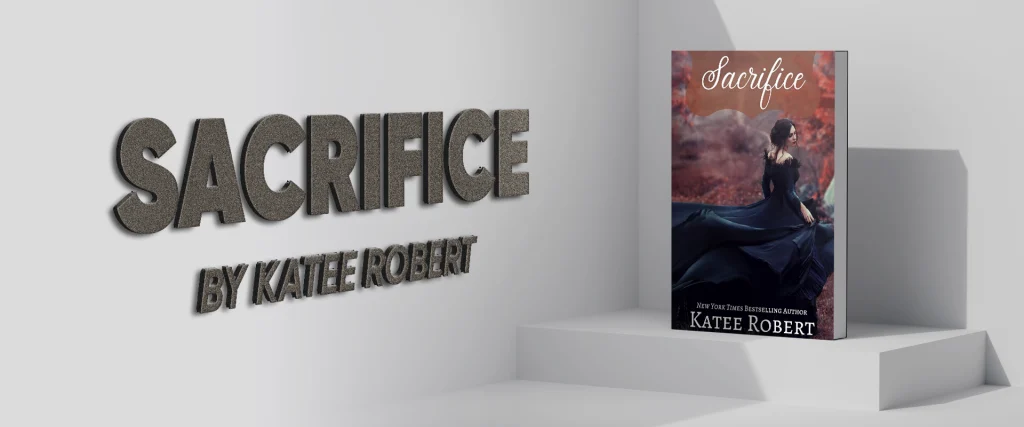
17- Sacrifice

Sacrifice-Vampire Romance Books

Sacrifice is the story of a vampire who is a unique mix of humans and vampires. She lacks the advantages of both and is burdened with their weaknesses. Also, throughout her life, she always yearned to escape her father’s compound. But her father has other plans.

Read the book for Katee Robert’s suspenseful plot and steamy romance scenes. The story revolves around a dangerous world of organized crime and forbidden love, where a woman finds herself torn between loyalty and passion.

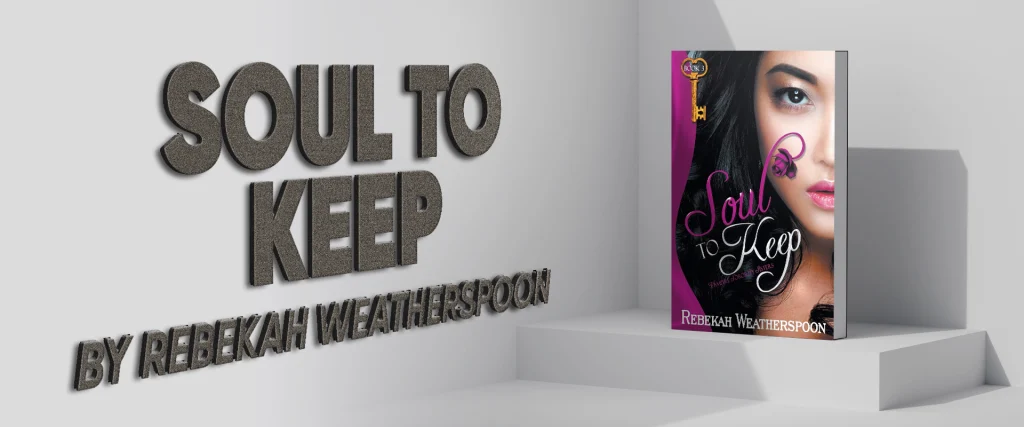
18- Soul to Keep

Soul to Keep-Vampire Romance Books

In college, Jill is really busy with her studies, a promise to feed a vampire, and lots of community service with her sorority sisters. Love is the last thing on her mind, especially with an immortal. Tokyo, on the other hand, is living life to the fullest. She doesn’t pay much attention to Jill until they have some chance encounters.

As they spend time together, Tokyo discovers there’s more to Jill than she thought. Eventually, when Jill is in danger, Tokyo realizes she cares deeply for her. She is willing to do whatever it takes to protect her. In this book, Rebekah Weatherspoon explores the love story between two women who navigate life’s challenges and discover the power of their connection.

19- Blue Bloods

Blue Bloods-Vampire Romance Books

Schuyler Van Alen is facing some strange changes in her body, such as blue veins and a craving for raw meat. Her life takes a sudden turn into a world of secret societies and mysteries. She’s never been part of the popular crowd at her fancy New York school. But now, even Jack Force, the school’s heartthrob, takes an interest in her. Schuyler and Jack team up to uncover the truth when a popular girl is found dead.

Schuyler wants to learn the secrets of the enigmatic Blue Bloods, but it might be risky. This Melissa de la Cruz’s vampire story is set in glamorous New York City. It is an exciting and captivating read, full of intrigue and allure.

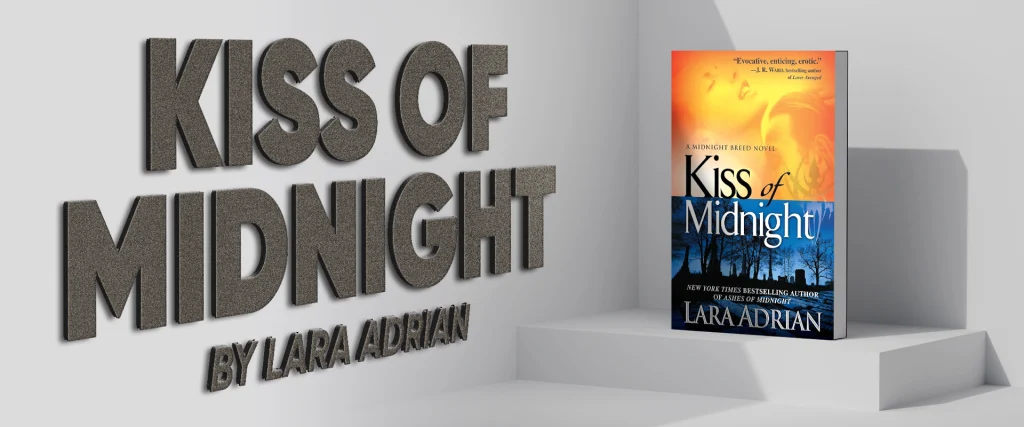
20- Kiss of Midnight

Kiss of Midnight-Vampire Romance Books

Kiss of Midnight is a paranormal romance novel about a vampire named Lucan Thorne. He is part of an elite group of vampire warriors. He meets a human woman named Gabrielle, who becomes entangled in the vampire world after a chance encounter. As they navigate their forbidden love, they must also confront external threats and mysteries within their vampire society.

This book by Lara Adrian has all the elements that most vampire romance books have, such as romance, action, and supernatural elements. It tells a love story filled with vampires and danger. It develops between a human woman and a mighty vampire warrior.

We Help You Publish Your Book

Write a book but no idea how to publish it? Our book publishers will assist you in every step of publishing.

Hire a Book Publisher

Vampire Romance Books for Adults

Here is the list of popular adult vampire books:

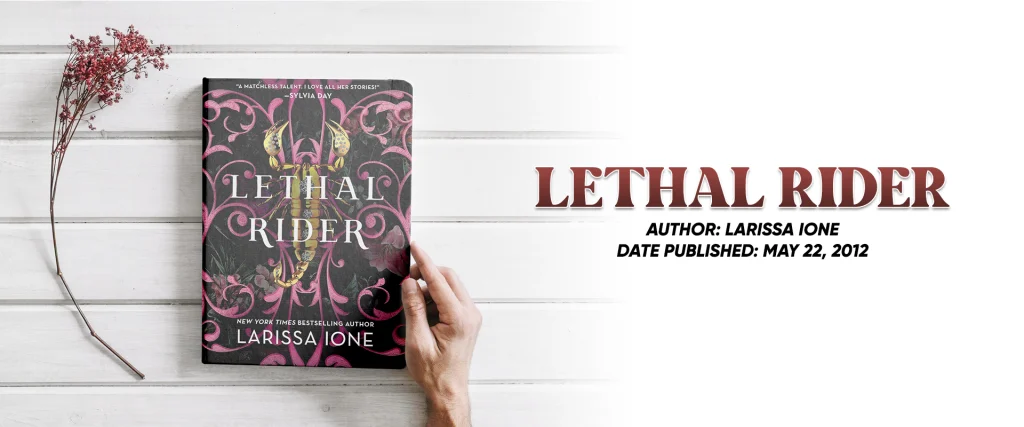
21- Lethal Rider

Lethal Rider-vampire romance books

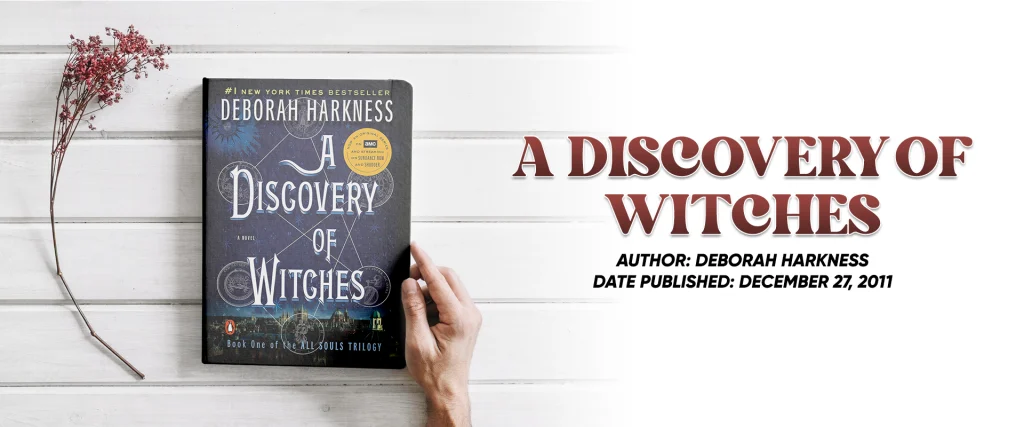
22- A Discovery of Witches

A Discovery of Witches-vampire romance books

23- Claimed

Claimed-vampire romance books

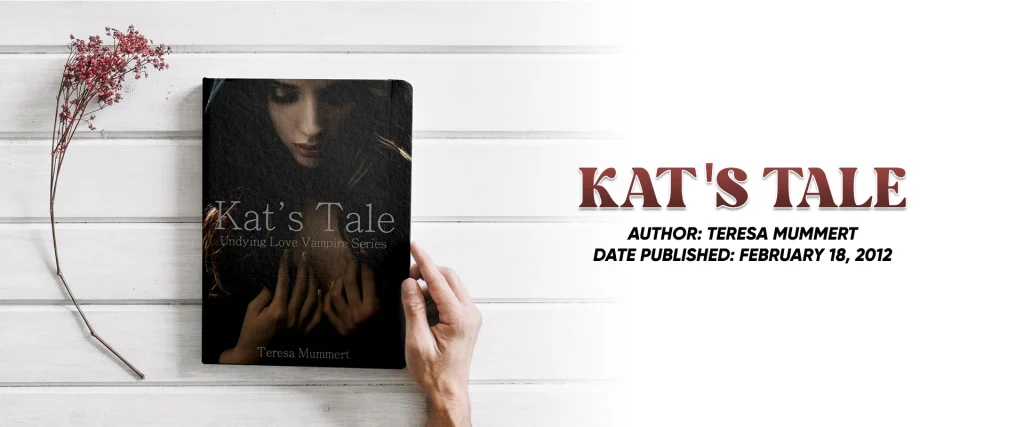
24- Kat’s Tale

kat's tale-vampire romance books

25- Violent Desire

Violent Desire-vampire romance books

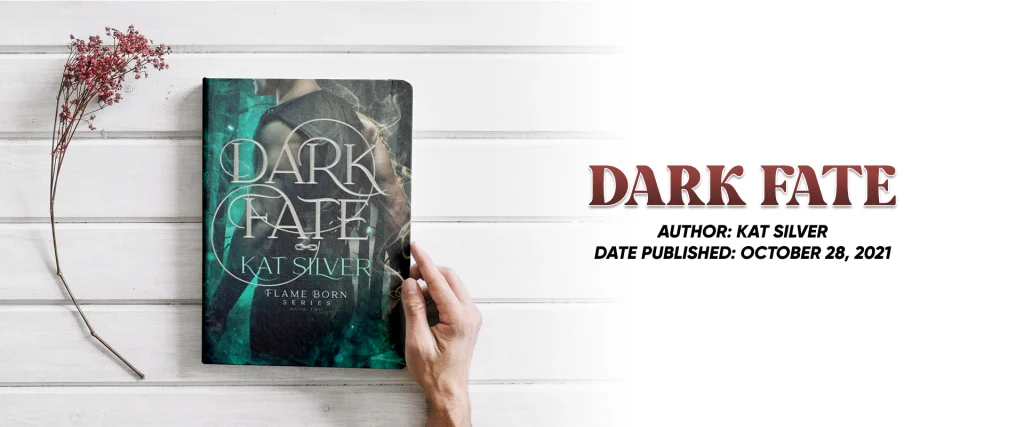
26- Dark Fate

dark fate-vampire romance books

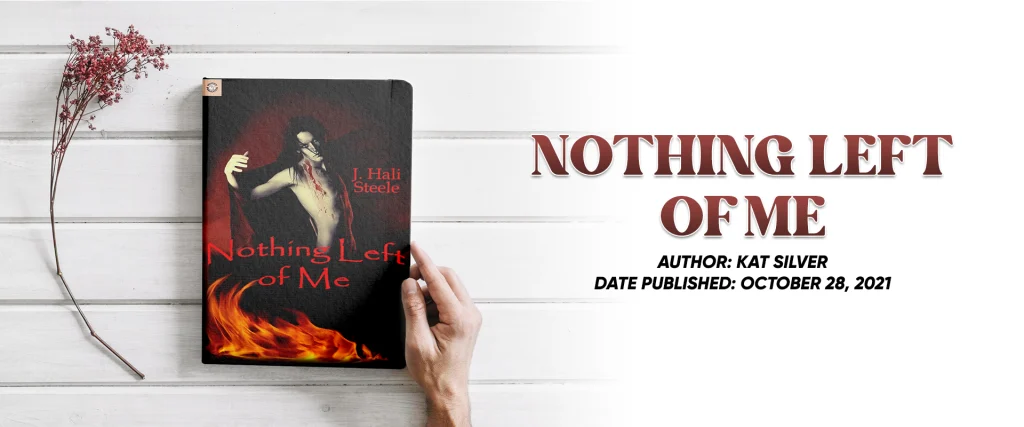
27- Nothing Left of Me

Nothing Left of Me-vampire romance books

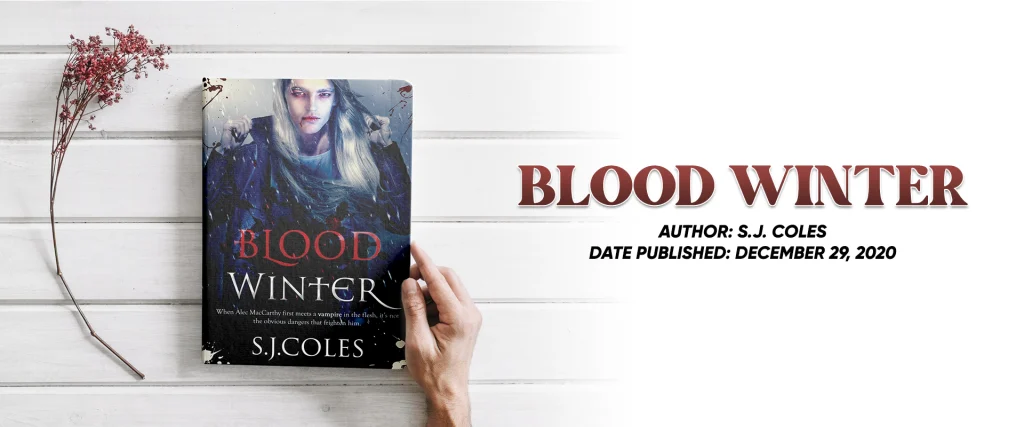
28- Blood Winter

Blood Winter

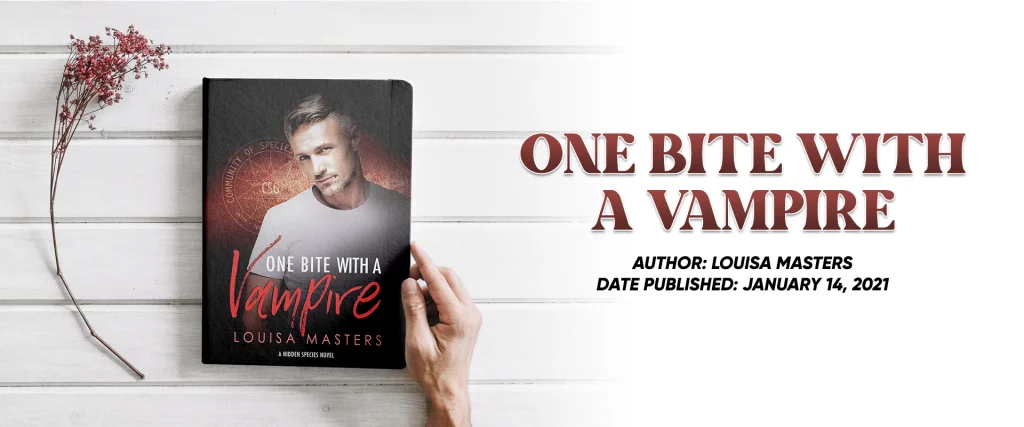
29- One Bite with a Vampire

One Bite with a Vampire

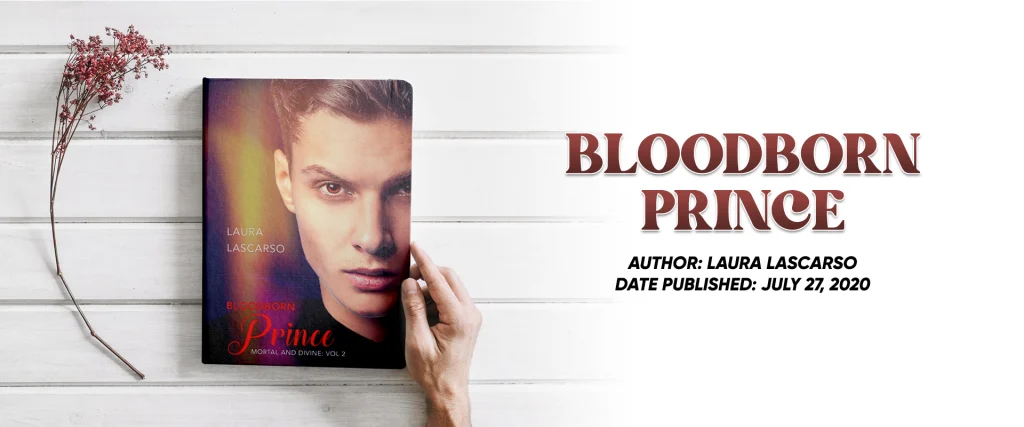
30- Bloodborn Prince

Bloodborn Prince

Our Book Marketers Help You Promote Your Book

Wrote and published your book? Now, you want to market it to reach as many readers as possible. We can do that for you.

Hire a Book Marketer

Vampire Romance Books for Children

Let’s look at the vampire romance books children can enjoy.

31- I Love My Fangs!

I Love My Fangs!

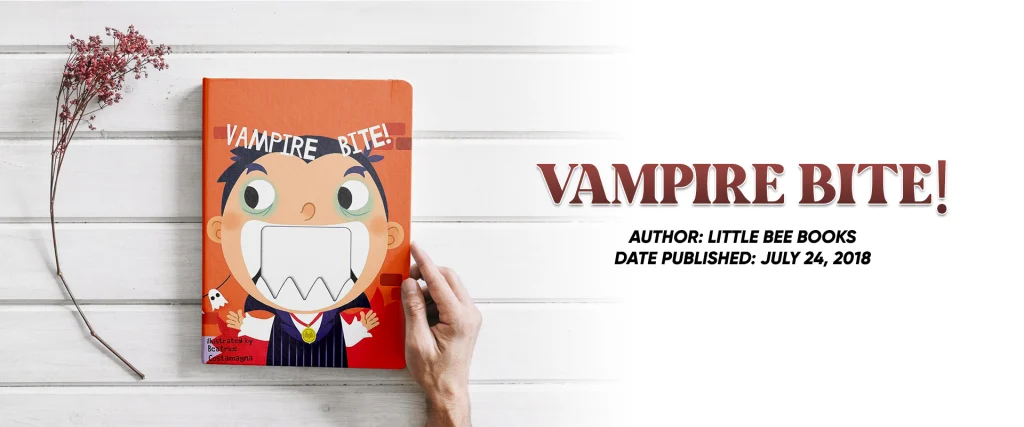
32- Vampire Bite!

Vampire Bite!

33- Vampire Don’t Wear Polka Dots

Vampire Don't Wear Polka Dots

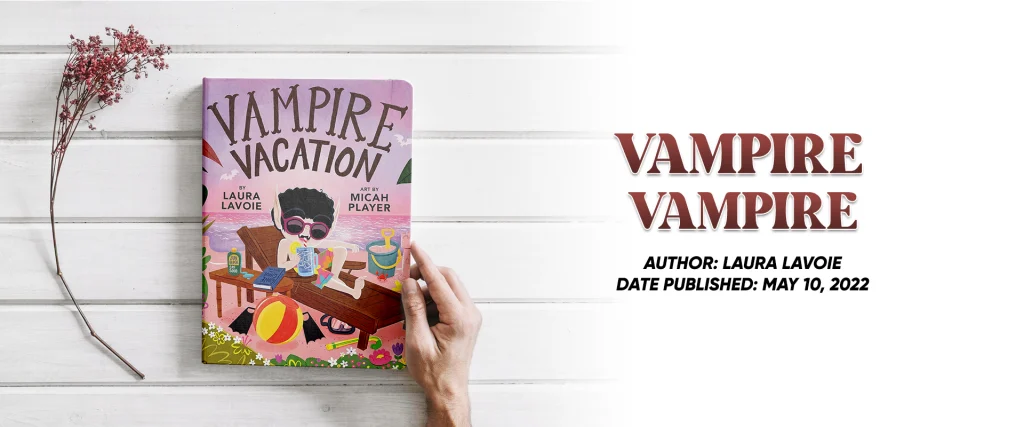
34- Vampire Vacation

Vampire Vacation

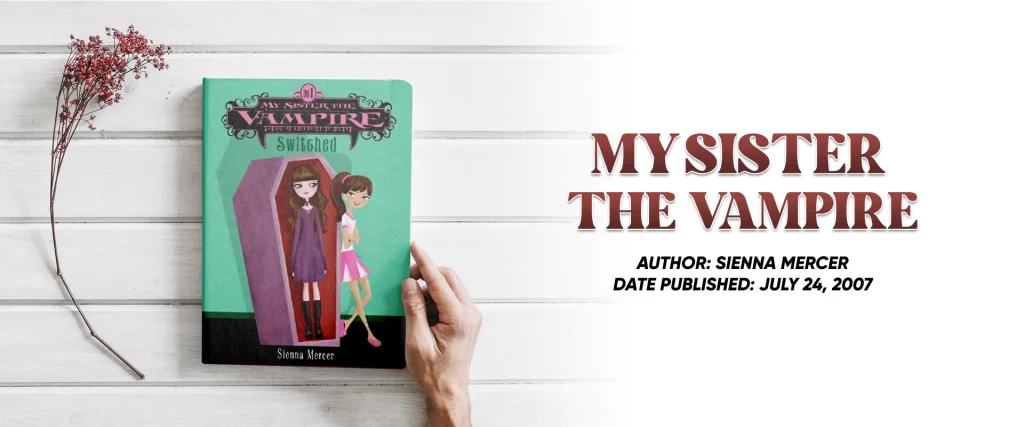
35- My Sister the Vampire

My Sister the Vampire

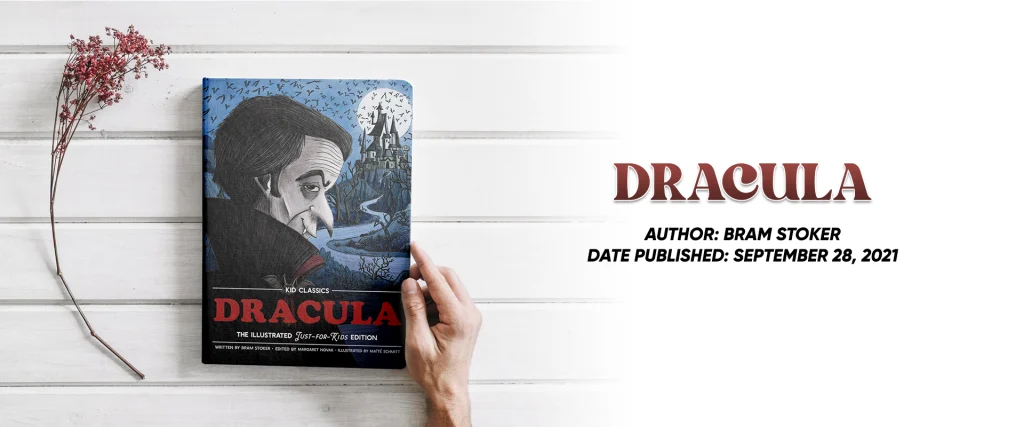
36- Dracula

Dracula

37- The Littlest Vampire

The Littlest Vampire

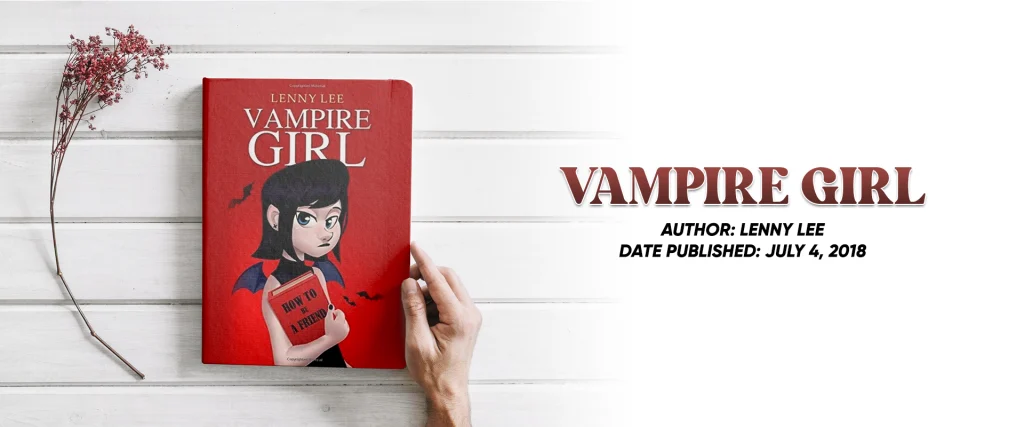
38- Vampire Girl

Vampire Girl

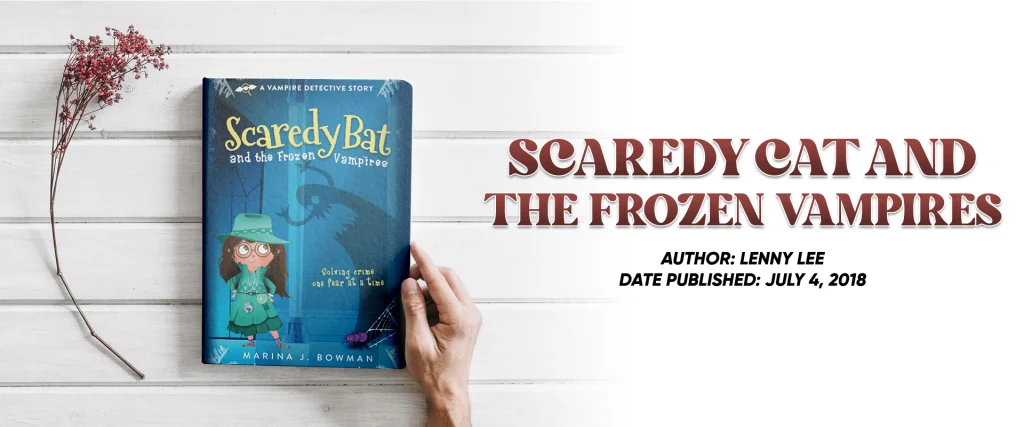
39- Scaredy Cat and The Frozen Vampires

Scaredy Cat and The Frozen Vampires

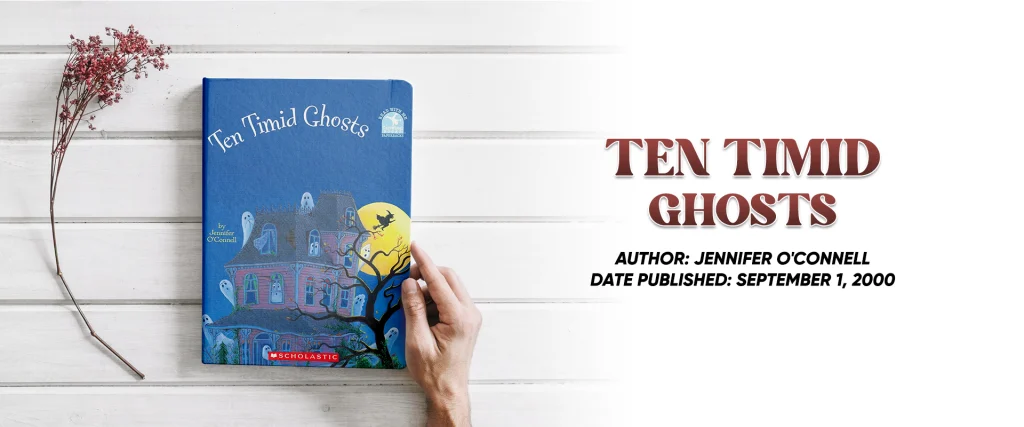
40- Ten Timid Ghosts

Ten Timid Ghosts

These vampire romance books for children can help you write perfect stories for children. Suppose you go for marketing children’s books. In that case, you should write an ideal book before you market it.

FAQs

What are the Best Vampire Romance Books?

Some of the famous vampire romance books are:

  • Dark Lover. by J.R. Ward.
  • Halfway to the Grave. by Jeaniene Frost.
  • Night Pleasures. by Sherrilyn Kenyon.
  • A Quick Bite. by Lynsey Sands.
  • Guilty Pleasures. by Laurell K. Hamilton.
  • by Stephanie Meyer.
  • The Vampire Diaries. by L.J. Smith.
  • From Blood and Ash by Jennifer L. Armentrout
  • Dead Until Dark by Charlaine Harris
  • Vampire Academy. by Richelle Mead.

What is the Dark Romance Genre in Books?

Dark romance is basically a subgenre of romance writing where things get a bit intense. These stories have some severe and mature stuff in them. So you might see warnings about that. The characters in these stories aren't always the nicest. In addition, the plots can be full of harrowing experiences and violence. Some common themes you will find in these vampire romance books are things such as crime families, people following others a bit too closely, and even kidnappings.

What is a Good Title for a Vampire Love Story?

Some of the good titles for vampire romance books are:

  • "Eternal Embrace"
  • "Bloodbound Hearts"
  • "Love in Vein"
  • "Crimson Romance"
  • "Immortal Desires"
  • "Darkened Passion"
  • "The Kiss of Night"
  • "Undying Love"
  • "Heartbeats of the Damned"
  • "Fangs and Forever"
  • "Sanguine Serenade"
  • "Vampire's Valentine"
  • "Twilight Temptations"
  • "The Immortal Bond"
  • "Moonlit Obsession"

Which is the Most Famous Vampire Book Ever Written?

One of the most famous vampire books ever written is Bram Stoker's "Dracula," published in 1897. The book has had a profound influence on the vampire genre and has been adapted into numerous films, TV shows, and other media over the years.

Conclusion

The world of vampire romance books is a rich genre where love and darkness intertwine to create stories that leave a lasting impression. If you’re a die-hard fan of the genre or a newcomer who wants to sink your teeth into something new, these blood-bound tales we provide are perfect for you to read. From the timeless classics to the modern ones, there are many vampire romance books for every reader’s taste.

We know that vampire romance books have stood the test of time for a reason. Therefore, as a book writing company, Authors Breeze helps you create compelling narratives. So, reach out to us for ebook writing services. We know how to bring your own vampire romance story to life.

Author : Caroline Chartrand

13th Sep 2023

What is a Foil Character? Everything You Need to Know!

foil character

A foil character is like a mirror for the main character. It can be a special friend or sometimes an enemy. Whether they play the role of a secondary protagonist, they help to show off the main character’s qualities, both good and bad.

A foil character plays the role of the spice that makes a story interesting. They add flavor and depth to the characters and the plot. In addition, they make the story more exciting and fun to read, even if they are opposite of the protagonist.

Today, in this blog post, we will look at the role of a foil character. You will learn how to use them, how they can make your stories better, and the different types of foil characters. We will also look at some famous examples from classic and modern literature.

In addition, you will get to know some tips on how to create your own compelling foil character. So, get ready and explore the fascinating world of character foils in literature with us before you write and publish a book.

What is a Foil Character?

In storytelling, a foil character is designed to contrast sharply with another, often the protagonist, to emphasize or delineate their distinct traits. While commonly seen in the antagonist, this narrative device isn’t limited to opposing figures.

Foils showcase contrasting qualities that enrich the narrative and offer deep insights into the protagonist’s character and motivations. They enhance the depth of the story and illuminate the protagonists’ qualities through direct contrast. It makes them a powerful tool in character development and plot advancement.

What is The Role of a Foil Character?

Foil characters are a storyteller’s secret weapon. They make characters more interesting, plots more exciting and help us see them in a whole new light. You should add them to your stories when you write an ebook. They’re the magic that makes stories come alive.

They Highlight Character Traits and Qualities

A character foil shifts the spotlight on the main character. They make the traits and qualities of our main characters shine. When we see two characters with opposite personalities or beliefs, it is like comparing day and night. This helps us know what the main character really stands for.

Have you ever tried peanut butter and jelly? They are different but go great together. Similarly, foils have personalities that are opposite to the main character. However, when they interact, it brings out the flavors in both.

They Advance the Plot

Foil characters are the engines that power the story forward. They provide conflicts and tension. It makes the story more exciting and unpredictable, which keeps us glued to the story.

A foil character also offers a new perspective on the main character. They create problems and challenges for the main character. It helps us see the main character better. They might criticize or admire the main character, which gives us a fresh angle to view them.

They Enhance Character Development

Plants need sunlight to glow. Similarly, the main character needs a foil character to grow, too. Foil characters challenge the protagonist to mature. They push the main character to change and become a better version of themselves. The way a caterpillar turns into a butterfly. A foil character also reveals hidden sides of the characters that we wouldn’t have known about otherwise.

Types of Foil Characters

Foil characters come in different shapes and sizes, but they all add something special to the fiction. Whether they challenge the hero’s beliefs, stand beside them, or make a big splash, foil characters make stories more exciting and enjoyable.

Protagonist vs. Antagonist Foils

Protagonists and antagonists are puzzle pieces that fit together. Antagonists challenge the beliefs of the heroes, for example, a superhero facing a supervillain. They’re like opposites in a comic book.

Supervillains make life challenging for the superhero by being a comic foil character, disagreeing with their ideas, and causing trouble. This forces the hero to think hard and become even better and solid, the way a rock turns into a gem.

Internal vs. External Foils

Some foils are inside the story. They are right there with the main character but might have different ideas or skills. It helps us see the main character in action.

Sometimes, the foil character is not even in the same story. They are outside the story. It can happen in spin-off books or when characters from one story visit another.

Minor vs. Major Foils

Minor foils add a pinch of flavor to the story. They light up the story here and there. Little foils are easy to miss, but primary foils have a huge impact on the narrative. You can not ignore them. They shape the plot and are there almost all the time and shape the plot. They have more lines, scenes, and a more prominent part to play in the story.

What is a Foil Character in Literature?

A foil character in literature acts as a contrasting figure to the main character or protagonist, emphasizing the latter’s traits through their differences. The foil’s contrasting personality traits, attributes, values, or motivations underscore or enhance the qualities of the protagonist. For example, suppose the protagonist is known for their generosity. In that case, the foil may be portrayed as selfish, enhancing the protagonist’s altruistic nature by comparison.

What is a Foil in Literature?

In literature, a foil is one of the devices from the literary devices list that provides contrast with the main character. A foil character in literature helps to highlight and showcase the characteristics and traits of the main character more effectively.

Literary Definition of a Foil Character

A literary foil is a character in a story who’s there to make another character stand out. Usually, the main ones stand out more by highlighting their traits.

Foil Character Examples in Literature

Many examples of foil characters show that they have been a powerful tool in literature for centuries. They enrich characters and stories and help readers connect with and understand the characters more deeply.

Foil Characters in Classic Literature

In classics like Shakespeare’s plays or Jane Austen’s novels, we see character foils in action. The following are great examples of foil characters from classic literature:

  1. Romeo and Mercutio are foil characters in Romeo and Juliet.
  2. Hamlet and Laertes are the foil characters in the Shakespeare play Hamlet.
  3. Elizabeth and Charlotte are character foils in Pride and Prejudice.

How are Romeo and Mercutio Foils?

We see the romantic Romeo and the fun-loving Mercutio as the foils in Romeo and Juliet. Romeo and Mercutio fit together perfectly but in entirely opposite ways. Romeo is all about love, drama, and flirting with a twinkle in his eye. He’s a hopeless romantic and always chasing what his heart desires.

On the other hand, Mercutio is the complete opposite. He’s the jokester of the group, always cracking wise and steering clear of anything romantic. In fact, he’s more of an anti-romantic kind of guy, not interested in love at all.

So, you could say Mercutio is the dramatic foil because Romeo is head over heels in love. At the same time, Mercutio couldn’t care less about it.

How is Laertes a Foil to Hamlet?

The foils in Hamlet are Hamlet and Laertes. Hamlet is thoughtful and cautious. On the other hand, Laertes is quick to act. They show us two ways of how to handle the challenges of life.

Laertes is a mirror that reflects Hamlet’s flaws and true character. Hamlet tends to overthink things and has a somewhat indifferent approach to seeking revenge. In contrast, Laertes is impulsive and shows no remorse for his actions.

These differences highlight Hamlet’s tragic flaws and bring out his real nature. Laertes’ quick decisions and unapologetic behavior serve as a sharp contrast to Hamlet’s hesitation and contemplation, making their characters stand out in the story.

Foil Characters in Modern Literature

Modern authors, for example, J.K. Rowling in “Harry Potter” or Suzanne Collins in “The Hunger Games,” use foil characters to spice up their stories. The following are the perfect examples of foil characters from modern literature:

  1. Harry Potter and Draco Malfoy are foil characters in the Harry Potter series

    Harry Potter and Draco Malfoy-Foil Character

  2. Katniss and Peeta are foil characters in Hunger Games novels.

    Katniss and Peeta-Foil Character

Foil Character Examples in Movies and TV

In Film and TV, writers use foil characters to highlight the contrasting qualities, beliefs, and actions of main characters. It enriches the narrative and character development in movies and TV series. The following are the classic examples of foil characters in TV and Movies:

  1. Sherlock Holmes and Dr John Watson are the foil characters from the Sherlock Holmes TV series.

    Sherlock Holmes and Dr John Watson-Foil Character

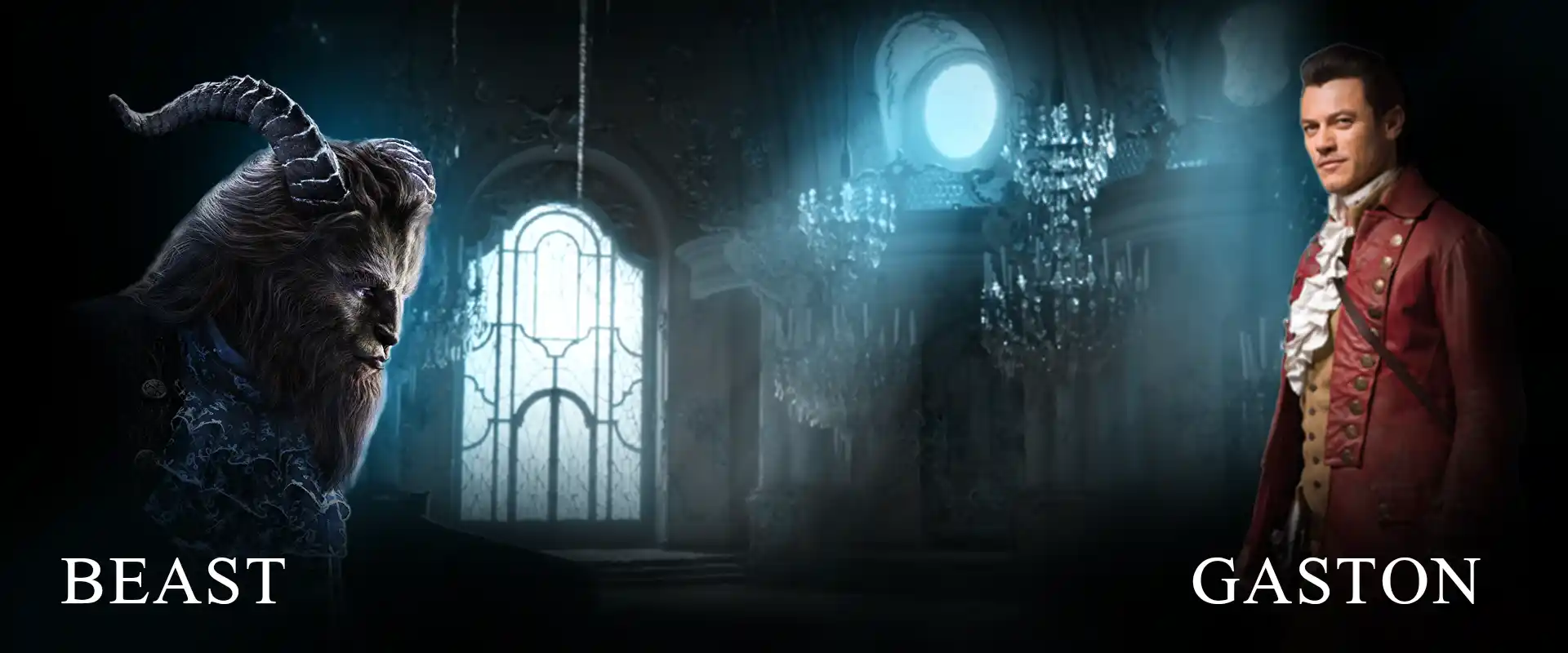
  2. Beast and Gaston are the foil characters from the 1991 film Beauty and The Beast.

    Beast and Gaston-Foil Character

So, the next time you write a book, you should include these kinds of clever foil characters that make your story come alive.

Looking For The Expertise To Write An Effective Foil Character?

Don’t know how to use a foil character in your writing? Our unmatched ebook writing services help you create exciting foil characters for your stories.

Hire an eBook Writer

How to Create Effective Character Foils?

If you want to create a compelling foil character, you need to develop a memorable character. The more you understand your characters and their differences, the more vibrant your story becomes.

Understand Your Characters Deeply

You need to know your character inside out to create a foil character. For example, its dreams, fears, and secrets. Ask yourself:

  • What makes them tick?
  • What are their dreams, fears, and secrets?

In order to write a great story, you must develop complex and multifaceted foil characters, characters that come with many layers. The more layers you add, the more attractive your foil character becomes.

Suppose you want to create effective foils. In that case, choose traits or qualities that are opposites. If your main character is brave, their foil character could be timid. If one is organized, the other can be messy. The contrast makes your characters stand out.

Craft Compelling Interactions

Put your foil characters in situations where their differences shine. Make them talk and act in ways that show who they are. For instance, make a neat character that shares a room with a messy one. Let’s say you are writing comedy. The humor will come from their clashes.

Balance Subtlety and Depth

Your foils should be more than just a cardboard cutout. Do not make them one-dimensional. Give them their own dreams, fears, and quirks. Create foils with depth. It makes them flavorful and intriguing.

Make sure your foils have a backstory and reasons for their behavior. Maybe the timid character is that way because of a past trauma. When reading your story, readers should discover the layers of your character like a mystery. Each clue adds depth to the story.

Suppose you want to create influential foil characters in literature. In that case, craft characters who contrast with one another in meaningful ways. It enhances the depth and complexity of a story.

To achieve this, writers must pay close attention to characterization. So, what does characterization mean? Characterization is the process where writers develop and reveal a character’s traits, personality, beliefs, and motivations.

Pro Tip

“You should choose morally grey characters as a foil for the main character. It will help you show the contrast between different aspects, such as personalities, beliefs, intentions, actions, or story events. This duality adds depth and complexity to the story.”

Common Mistakes to Avoid

If you avoid some of the common mistakes, you can create foil characters that can enhance your story, surprise your readers, and keep them engaged from beginning to end.

Do not Make Foils Too Obvious or Stereotypical

One common mistake that writers make is that they create foils that are too obvious or stereotypical. When foils are too predictable, they can make the story feel flat and uninteresting. Instead, aim for subtlety. Think about real people. They have quirks and contradictions.

Make your foils surprising and unique. If you have a brave leading character, don’t give them a foil who is simply a scaredy-cat. Mix it up. Make the foil character bold in a different way that stands up for their beliefs.

Do not Neglect Character Development for the Foil Character

In storytelling, if you forget to develop your foil characters, it is the same as you miss the sugar in your cookie dough. Foils should be more than just tools to contrast with the main character. They deserve their own growth and story arcs.

Avoid this mistake by giving your foils depth. Show their journey, their challenges, and how they change throughout the story. It adds layers to your narrative and makes readers care about all the characters, not just the protagonist.

Avoid Overusing Foils in a Single Narrative

If you eat your favorite meal every day, it might lose its charm. Similarly, if you overuse character foils, it can lead to storytelling fatigue. The story can overwhelm and confuse the readers if every character is a foil.

To avoid this pitfall, use foils strategically. Focus on a couple of key characters who play a major role in the plot and character development. Don’t overdo it by making everyone a foil character. Balance is the key if you want to deliver a narrative that satisfies everyone.

Additional Tip:

Need help crafting foil characters in your story, our ebook writing services just do that for you. Hire our expert writers and forget all your worries. With our assistance and guidance, you can write an ebook that can do wonders.

FAQs

What is a Foil Character?

A foil character is a literary figure who contrasts another character, typically the protagonist. Through this contrast, the author aims to emphasize and illuminate the differing strengths, weaknesses, philosophies, or themes that each character embodies.

What is an example of a Foil Character Movie?

Writers often employ foil characters in movies to reveal the qualities of other characters. For instance, consider Draco Malfoy in the Harry Potter series. He contrasts with Harry and embodies the opposite traits. It showcases Harry's kindness and compassion.

What is a Foil Character in Disney?

A foil character in a film is usually a character who shares similarities with another character but also possesses differences. However, their primary role is often to challenge or oppose the main character or protagonist in the story.

Is a Foil Character the Opposite?

The contrasting personality of a foil character serves as a reflection of their counterpart. This literary device is simple yet powerful, as it juxtaposes two opposing characters to highlight their distinctions.

Why Do We Compare and Contrast Characters?

Authors compare and contrast characters to structure their stories. It is also a way for readers to analyze what they're reading. It helps readers comprehend the key concepts and their connections within the narrative.

What makes a good foil character?

Character foils are used to highlight the personality traits of your protagonist, including both their strengths and their flaws. You can craft characters who contrast with your main character in both negative and positive ways to create effective foils. In addition, you can shape the story arc of your foil character to parallel the journey of the hero in some manner. This approach enhances the depth and development of both characters in your story.

Conclusion

A foil character makes stories flavorful and exciting. They highlight character traits, advance the plot, and enhance character development. As an author, you should not be afraid to play with foil characters in your storytelling. Try different personalities, values, and beliefs. Let your characters interact in ways that surprise and engage your readers. Foils can turn a good story into an unforgettable one.

In the world of storytelling, character foils make stories stand out. They are stars in a night sky, each one unique and essential. If you avoid common mistakes and craft foils with depth, you can create characters that feel real and relatable. So, if you write and self-publish a book, use character foils to add depth, complexity, and excitement to your narratives. As a result, you can leave a lasting impression on your readers.

Author : Caroline Chartrand

07th Sep 2023

Morally Grey Characters: Who Are They & How to Write Them

morally grey characters

Characters who are not clearly good or bad can spark strong feelings in people. Whether you like them or not, it is clear that these morally grey characters add excitement to a story. Characters who only see things as right or wrong can become dull in comparison.

We’re no longer in an era where heroes and villains are easy to define. Nowadays, morally complex characters rule the storytelling realm. We have a strong fondness for characters who blur the lines between good and bad and keep us guessing.

These morally grey characters in fiction reflect the mixed nature of human behavior. In addition, they bring a layer of depth and suspense to the story. There are countless instances of such characters in fictional tales.

So, what are morally grey characters? Morally grey characters are those who are not clearly good or bad. They make choices that are not easy to judge as right or wrong. They’re kind of in the middle, morally speaking.

In this blog post, we will explore what makes morally grey characters so captivating in stories. Also, we will learn how to create these characters effectively when you write a book. So, by the end, you will know how to make morally grey characters in your stories.

What is a Morally Grey Character?

Video Credits: Writing with Jenna Moreci

A morally grey character is one whose actions and motivations cannot be easily classified as good or evil. They may do things that are considered wrong. However, for reasons we can understand them or even sympathize with.

A morally grey character might steal food to feed their family or kill someone in self-defense. They might also be a villain with a redeeming quality. For example, a person that has a strong sense of loyalty or love for their family.

Morally Grey Meaning

Being morally grey means you don’t fit into the categories of good or evil. You make decisions based on your personal goals rather than being driven by a larger battle between good and bad. You prioritize your own ambitions over what’s considered right or wrong.

Why Do We Like Morally Gray Characters in Stories?

We find them fascinating because they are not predictable. Their actions and decisions can surprise us. They reflect the complexity of real people and real life, where things aren’t always black and white.

What Types of Stories Have Morally Grey Characters?

Morally grey characters are often found in fiction. However, they can also be found in a nonfiction book, for example, a biography of a figure who made difficult choices. The author would need to present the facts of the figure’s life without judgment. It allows the reader to decide for themselves whether the figure’s actions were good or bad.

Here are some other examples of stories with a morally grey character:

  • A memoir of a person who has committed a crime
  • A history book about a war
  • An autobiography of a controversial political figure

Foil Character

You will see a foil character in all types of characters in literature. If you find the meaning of a foil character, it will help you know what are these characters and how they take part in the overall central idea of a story. When you provide a different perspective on the theme of the story, foil characters can help make writing more exciting.

What is a Foil Character?

A character foil is a character who acts as a by highlighting one of another character’s qualities. Morally grey characters can be great foils for the main character because they emphasize the contrast between different aspects, such as personalities, beliefs, intentions, actions, or events in the story.

What is a Foil Character in Literature?

A foil is a character that showcases contrary traits to another character. It helps you make more complex and interesting characters. Foil characters can be anti-heroes, but not always. Sometimes, you can also find character foils with the heroes. When you use a foil, it means you want to ensure that the reader grasps the important qualities and features of a hero.

What are the Characteristics of Morally Grey Characters?

Morally grey characters are people in stories who don’t fit neatly into being either good or bad. They’re complicated because they do things that are both good and bad. Therefore, it’s hard to say if they’re heroes or villains.

Complexity and Ambiguity

They are neither purely good nor purely evil. The morally grey characters are not superheroes or villains. They’re somewhere in between. You can’t easily say if they are good or bad because they do things that are a mix of both.

Their motivations and actions will be confusing. These characters can make you scratch your head. Their reasons for doing things might not be clear. Sometimes, they do things that seem contradictory or confusing.

Gray Areas of Morality

Morally grey characters often face difficult situations where there is no clear right or wrong answer. Their life is full of ethical dilemmas and tough choices. So, they have to make tough decisions that can leave them feeling guilty or conflicted.

In addition, their morality changes with the situation. What’s right or wrong can change and depends on the circumstances. Morally grey characters might act differently in different situations. Therefore, it makes them hard to pin down as purely good or bad.

Conflicted Emotions and Sympathetic Qualities

Morally grey characters struggle with their feelings and might feel bad about their choices. Their internal conflicts can add depth to their character and make them relatable to the audience.

Even though they’re not all good, they have some qualities that make you feel sorry for them or like them. This can include tragic backstories, vulnerabilities, or moments of kindness.

Why Morally Grey Characters Matter?

Morally grey characters are important in stories because they’re not entirely good or bad. They act in ways that are a bit confusing, just like real people sometimes do. Here’s why they matter:

Reflect Real-Life Complexity

Morally grey characters mirror the complexities of real life. They show us that in real life, things aren’t always clear-cut. In reality, people often face morally ambiguous situations where there are no clear-cut right or wrong answers. Sometimes, we all face situations where we don’t know what the right thing to do is.

Readers don’t want stories filled with characters who are only good or only bad. Morally grey characters add depth and make stories more interesting. These characters can drive the plot forward in unexpected ways. Their unpredictable actions and inner conflicts add depth to the narrative. That makes it more engaging and thought-provoking. The tension that arises from their moral ambiguity keeps the audience invested in the story.

Engaging Readers and Viewers

Readers get attached to morally grey characters. They emotionally invest in them. In addition, they often feel strong emotions for these characters because they can relate to their struggles. Their imperfections make them feel real. So, readers care about what happens to them.

Stories with morally grey characters make us wonder about right and wrong. They make us think and talk and provoke thought and discussion. We end up discussing the choices of these characters and what we would do in their place.

Morally Grey Characters Examples

Let’s look at some of the examples of morally grey characters:

Books With Morally Grey Characters

1-Macbeth from Shakespeare’s “Macbeth”

Macbeth-Morally Grey Characters

Macbeth is a character in a famous play by Shakespeare. He starts as a good guy but does terrible things to become king. As a result, it leads to his downfall.

2- Raskolnikov from Dostoevsky’s “Crime and Punishment”

Crime And Punishment-Morally Grey characters

Raskolnikov is a character in a novel by Dostoevsky. He commits a crime but struggles with guilt and morality.

3- Jamie Lannister and Tyrion Lannister from “A Song of Ice and Fire”

A Song of Ice and Fire-Morally Grey Characters

“A Song of Ice and Fire” is a popular series of novels with many morally grey characters. Jaime and Tyrion Lannister are two brothers who face complex moral choices in the novels.

Morally Grey Characters In Film and TV

1- Walter White from “Breaking Bad”

WALTER WHITE-Morally Grey Characters

Walter White is the main character in the TV show “Breaking Bad.” He’s a high school chemistry teacher who turns to a life of crime to provide for his family.

2- Tony Soprano from “The Sopranos”

TONY Soprano-Morally Grey Characters

Tony Soprano is the main character in the TV show “The Sopranos.” A mob boss who tries to balance his criminal life with his family life.

3- Michael Corleone from “The Godfather”

Michael Corleone-morally grey characters

Michael Corleone in The Godfather transforms from a reluctant participant in the mafia world to a ruthless crime boss. His character embodies the moral complexities of power, loyalty, and family.

How to Write Morally Grey Characters?

Here’s how you can write the best morally grey characters:

Build Their Background and Motivations

Use Trauma and Past Experiences

When you begin developing your morally grey character, you should think about what difficult experiences your character has faced in the past. These experiences can help explain why they make the choices they do.

Explore Personal Goals and Desires

Dig deep into what your character truly wants. Their aspirations and desires can be a driving force behind their actions, even if those actions blur the lines of right and wrong.

Get Help From Our Ghostwriters Today!
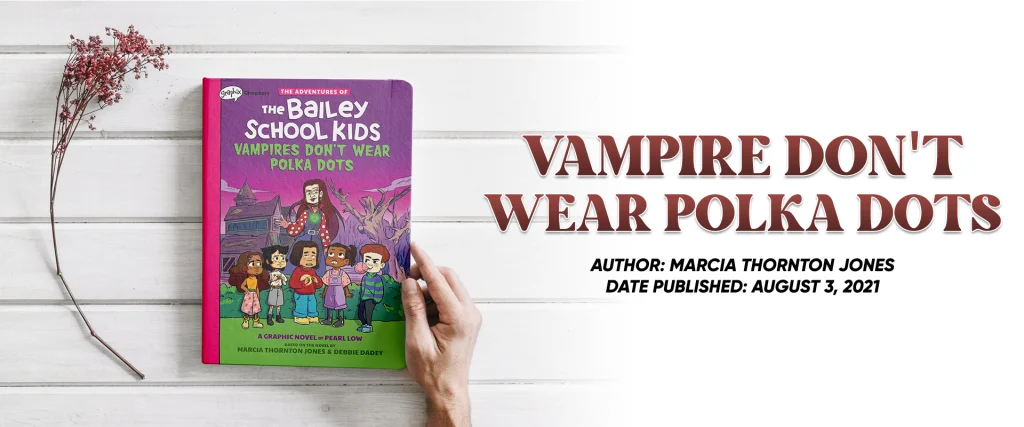
Need help with creative burnout? Let our professional ghostwriters craft the best morally grey characters for your story.

Hire a Ghostwriter

Create Moral Dilemmas

Balance Internal and External Conflicts

Make your character struggle not only with outside problems but also with their inner doubts and conflicts. In addition, you should show the tension between what they want and what they know is right.

Show the Consequences of Their Choices

Let the choices of your character have consequences that affect them and others. Repercussions add weight to their ethical dilemmas and make them more engaging.

Find the Right Balance in Their Traits

Humanize with Flaws and Virtues

Give your character a mix of positive and negative traits. Nobody is perfect. Hence, this balance makes characters feel more real.

Avoid Stereotypes and Clichés

Steer clear of common character traits and behaviors. When writing a children’s book, create unique and surprising aspects of your character to keep them fresh and exciting.

Research and Empathy

Grasp Diverse Perspectives

Take the time to learn about different viewpoints and beliefs, mainly those relevant to the moral choices of your character. So, if you understand various perspectives, it helps you create a character that is more authentic and layered.

Draw Inspiration from Real-Life Examples.

Explore real people who have faced moral ambiguity in their lives. When you draw inspiration from reality, it makes the experiences and dilemmas of your character feel genuine.

Consistency in Character Development

Craft Character Arcs and Growth

Plan out the journey of your character throughout the story. Show how their experiences and choices change them, either for the better or worse. It adds depth to their development.

Maintain Moral Ambiguity Throughout the Story

Keep the moral uncertainty surrounding your character consistent. Do not resolve their ethical dilemmas too neatly, as this can diminish their complexity.

Engage Your Readers

Allow Readers to Form Their Own Judgments

Present the actions and decisions of your character objectively, without heavy-handed moral judgment.

Let readers make up their minds about the morality of your character.

Leave Room for Interpretation

Avoid spelling out every detail of the thoughts and motivations of your character. Leaving some aspects open to interpretation allows readers to engage more actively with your story.

Additional Tip

“When you write an ebook, morally grey characters can add depth and complexity. However, it can be challenging to write these characters. If you’re struggling, consider hiring ebook writing services to help you develop your characters and craft an exceptional ebook.”

Some Mistakes to Avoid When Writing Morally Grey Characters

Avoid Oversimplifying Morality

Don’t make morality in your story too simple. Characters should either be completely good or entirely bad. Real life is full of gray areas. So, let your characters reflect that complexity.

Don’t Overdo Shock Value

Shocking moments can be impactful. However, you should not rely on them excessively. Too much shock can desensitize your audience. Also, it can overshadow the depth of your characters.

Steer Clear of One-Sided Characters

Avoid creating characters who only exhibit one aspect of morally grey personality traits. Characters with depth have both virtues and flaws. It makes them more relatable and interesting.

Don’t Forget Character Growth and Development

Make sure your morally grey characters evolve throughout your story. If you neglect their growth, it can lead to stagnant and uninteresting characters. Therefore, you should show how their experiences shape them.

FAQs

What are Morally Grey Side Characters?

Morally grey side characters are those in stories who don't fit neatly into purely good or evil categories. They often make choices that are both right and wrong. They show a mix of moral qualities.

Why Do People Like Morally Grey Characters?

People like morally grey characters because they feel more relatable and complex. These characters reflect the ambiguity of real life. It makes them intriguing and thought-provoking.

Is Batman Morally Gray?

Batman is considered morally grey because he operates outside the law. He uses fear and intimidation to fight crime. However, his actions are driven by a strong moral code. It makes him a vigilante with good intentions.

What is the difference between Morally Grey and Anti Hero?

The main difference between morally grey and anti-heroes is that morally grey characters have a mix of good and bad traits. On the other hand, anti-heroes often do good things but in morally questionable ways.

What are the Characteristics of a Morally Grey Character?

Morally grey characters typically have conflicting motivations. They often face ethical dilemmas. They might do bad things for a good cause or vice versa.

How Do you Create Morally Ambiguous Characters?

To create morally ambiguous characters, you can give them complex motivations and conflicting values. In addition, you can put them in situations where right and wrong aren't clear-cut.

Why Do People Love Morally Grey Characters?

People love morally grey characters because they challenge our moral judgments. Also, they offer a deeper exploration of human nature. It makes stories more engaging and relatable.

What is an example of a Morally Ambiguous Character?

One example of a morally ambiguous character is Walter White from "Breaking Bad." He starts as a mild-mannered chemistry teacher but turns to drug manufacturing and violence for financial security, blurring the lines between good and bad.

Conclusion

Morally ambiguous characters when it comes to writing are vital because they mirror the complexity of real life. They challenge the idea of characters being purely good or bad. Also, they offer a more authentic and thought-provoking reading or viewing experience. As a writer, you should try morally grey characters in your own stories. The richness and depth they bring can captivate your audience and make your narratives more engaging.

However, if you hesitate to consider a morally grey character in your story, you can have a writing coach look at your story. They can give you feedback if the morally grey character suits your story. Authors Breeze is known for providing the best writing coaches, editors, and proofreaders. You can hire us if you want one.

Author : Shirley Gibson

15th Aug 2023

Maximize Your Book’s Reach: The Role of Book Marketers

Book Marketers

When you write a book, you want lots of people to read it. That’s where you need book marketing. Marketing a book helps you tell everyone, “Hey, I wrote this awesome book, and you should totally read it!” But who helps your market a book? There are people that are book marketing experts who let your book reach its target audience. They are known as “Book Marketers.”

More people get to know about your book when you promote a book in a thoughtful and effective way. It is super important because you want your book to reach as many people as possible. But amidst writing and publishing a book, it can get challenging for you to market your book on your own. Therefore, you can acquire the help of book marketers.

Book marketers are the champions who make sure your book gets seen by the right people. So, before you hire a book marketer, you should know the role of a book marketer.

Why Should You Hire Book Marketers?

You often have to handle most of the marketing yourself when you publish a book. It can take up a lot of time that could be used for writing new books. Some authors enjoy marketing as it allows them to connect with readers, but it is a challenge for others. Preparing a book marketing plan requires specific skills that not all authors have.

This is where professional book marketing services can help. If you find marketing difficult, you can hire a book marketer who already knows how to do it well. They can handle setting up book advertisement campaigns and teach you how to promote your current book and any future ones you write.

Discuss Your Queries With Our Book Marketers Now !
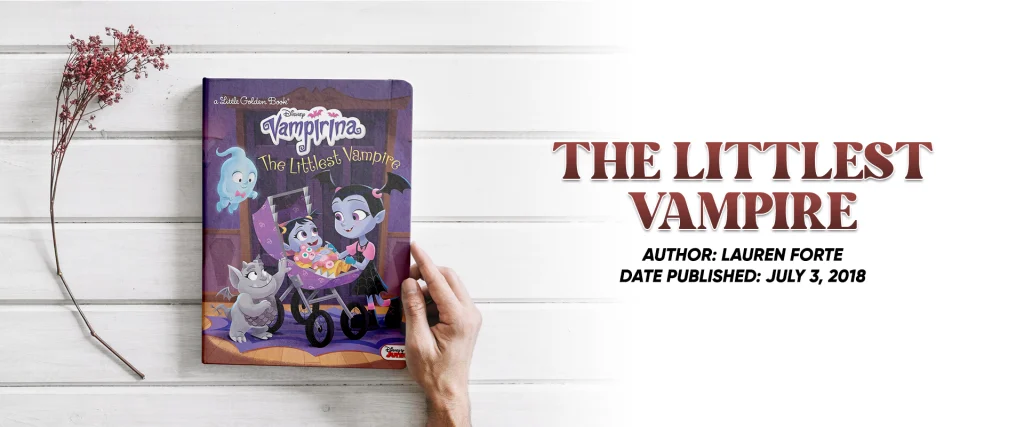
Is your book hidden in the shadows? Unleash its greatness with our tailored marketing solutions and watch it shine.

Hire a Book Marketer

The Role of Book Marketers

Book marketers are friendly messengers between you (the author) and the people who want to read your book. Authors are often busy creating more books, whereas book marketers help connect authors and readers. They tell readers why your book is special and why they should read it.

Customize Marketing Strategies to the Book’s Genre and Target Audience

Every book is unique, like a fingerprint. Book marketers look at your book closely to understand what makes it unique. They also think about who might enjoy your book the most. If you create children’s books, they won’t advertise them like serious history books for adults. They use special tricks to show your book to the right people.

Leverage Industry Expertise to Navigate the Competitive Market

The book world is like a big marathon where many authors and books are competing with each other. Book marketers are like your coaches. They know all the secret paths, the shortcuts, and the best ways to stand out. They have been in the book world for a while. So they know how to make your book shine even when there are lots of other books around.

Craft Compelling Book Pitches and Promotional Materials

A “pitch” is like a quick and exciting summary of your book. Book marketers create these to catch the attention of the people. They also make cool posters, videos, and other things to show off your book. It makes people curious and excited to read your book.

Book marketers do all these things to make sure your book doesn’t stay hidden. They help your book go on an adventure of its own and meet new readers.

What Do Book Marketers Do?

Book marketers take steps to make sure your book gets the attention it deserves – before, during, and after it’s out in the world.

Build Your Author Platform And Online Presence

If you write an ebook, you may need ebook writing services. In addition, for online book marketing, you need also need an author platform. An author platform means a place where readers can learn more about you and your books. Book marketers help you create this place online. Here’s how:

Social Media Engagement

Book marketers set up social media accounts for you where you can chat with your readers. Also, you can share fun stuff, updates, and even behind-the-scenes glimpses of your writing life.

Author Websites and Blogs

Your own website is a home for your books. Book marketers help you create websites where readers can explore your books, your journey, and everything that makes you different. Blogs are like mini-stories or articles you write to connect with readers.

Email Newsletters

Book marketers help you send special emails to people who love your books. They send messages directly to your fans. You can tell them about new books and events or just share your thoughts.

Collaborations And Networking

Think of this as making friends who love books as much as you do:

Build Relationships with Influencers, Bloggers, and Reviewers

Book marketers connect you with people who talk a lot about books. These people are important because they can help spread the word about your book to their followers.

Partner with Book Clubs and Literary Communities

Book clubs are groups of people who read and discuss books together. Book marketers help you join these clubs or connect with online communities to share your book.

Craft An Effective Book Launch

A book launch means throwing a big party. Book marketers help make it unforgettable. Marketers help your book reach many eyes and hearts. They make your book a star in the book world with the following strategies:

Generate Buzz with Teaser Campaigns

Before your book comes out, marketers create little teasers to excite people. It gives them a taste of your book before they get the whole book.

Organize Virtual or Physical Launch Events

Book marketers also set up events where you and your readers can celebrate your book. These events can be online (virtual) or in real life (physical).

Utilize Multimedia Content (Trailers, Podcasts, etc.)

Book marketers make cool videos (video book trailers) or audio shows (podcasts) about your book. These make people curious and eager to read it.

Post-Launch Sustenance

After your book’s grand entrance, the journey continues. Book marketers help keep the excitement alive:

Engage with Readers Through Interactive Content

Book marketers create fun activities, quizzes, or challenges connected to your book. It keeps readers entertained and involved.

Nurture Long-Term Relationships with the Audience

Readers are your friends. Book marketers help you stay in touch with them. You can share updates, stories, and maybe even sneak peeks of your next book. This way, your readers stay excited about your work.

Adapt Strategies Based on Feedback and Performance Metrics

Feedback is what people think about your book. Book marketers pay attention to this feedback and use numbers (metrics) to understand how well your book is doing. If something isn’t working, they figure out new ways to make it better.

How Do Marketing Services Differ From Publicity Services?

Marketing services cover various methods to drive book purchases. At the same time, book publicity services particularly secure press coverage and reviews for your book.

Publicity requires a strong PR focus in which book publicists reach out to journalists, craft a book press release, nurture media relationships, etc. It is why marketers and publicists have distinct roles. You can find both book publicists and marketers on Authors Breeze.

Conclusion

Now you know how essential book marketers are. They help authors connect with readers in exciting ways. Also, they make sure your book reaches as many eager readers as possible.

As an author, keep in mind that you don’t have to do book marketing all alone. Book marketers are here to be your partners. Their expertise guide you through the intricate world of book marketing. It is key to collaborate together. As a result, you and your book marketer can achieve remarkable success.

If you want to make money writing a book, your book needs the spotlight. With the support of skilled book marketers, your words can reach readers around the world. So, if you need guidance and expertise from marketing professionals in your writing journey, you can have Authors Breeze at your service.

FAQs

What Does A Book Marketer Do?

A book marketer helps authors navigate the world of book publishing. It could involve working together on a book marketing plan, creating advertising campaigns, or even offering advice in a single session. The main goal of book marketers is to give authors the essential info they need to promote and sell their books.

Who Can I Hire To Market My Book?

If you don't have the time to refine your marketing strategy, you have the option to hire a skilled book marketer. This book marketing expert will create your campaigns and teach you the ins and outs of marketing books. This way, you can efficiently promote your current and future books.

What Does A Marketer Do In A Publishing Company?

A marketer design, execute, and oversees campaigns for your book. They prioritize the audience and consistently work towards developing connections to enhance your book growth and boost book sales.

What Is The Difference Between A Marketer And A Publisher?

The term "marketer" refers to anyone in charge of spreading a message. There are various ways marketers can be compensated. On the other hand, a "publisher" is an individual who develops and owns a piece of content.

Author : Shirley Gibson

24th Jul 2023

Unlock the Secrets: How to Become an Amazon Best Seller

Amazon Best Seller

As an author, you may struggle to climb up the Amazon rankings while you see others earning that Amazon best seller flag. So, if you want to sell an ebook on Amazon and become an Amazon best seller, you should not focus solely on sales. It is a complex process to achieve the status of an Amazon best seller that involves various factors.

Here are some key factors that determine an Amazon best seller status in the category of books:

Categories and Keywords

The placement of your book in specific categories and effective use of relevant keywords. It can majorly impact its visibility and chances of reaching the top.

Competing Titles

The performance of the top book in each category matters. If the leading book is already selling well, it might be more challenging for your book to surpass it.

Initial Sales Momentum

How well your book performs during its first week of release can have a notable impact on its overall ranking.

Format Consideration

Keep in mind that best seller rankings differ between print and Kindle editions.

Promotions and Pricing

The presence of your book on promotion lists and its pricing strategy can also affect its sales and rankings.

If you want to become an Amazon best seller, you need to aim for the top spot in at least one category. Some categories might be easier to achieve this in than others.

How to Become an Amazon Best Seller?

Amazon has emerged as one of the largest online marketplaces in the world. It is a fantastic platform for authors and entrepreneurs. Selling books on Amazon can help you reach a global audience.

For those who want to establish their credibility and increase their sales, being an Amazon best seller can be a game-changer. It will be a dream come true for an author.

However, the way to become an Amazon best seller is not simple. It requires you to follow a method keeping Amazon guidelines in mind.

1. Make Your Book as Visually Appealing as Possible

Once you have your final book cover ready, you should also focus on other visual assets in advance of your book launch. Alongside a great book cover, you should prepare the following elements:

Graphics for Promotion

Design graphics that catch the attention and stand out. Also, those that can represent your book effectively on social media platforms. It can include the following:

  • Images
  • Banners
  • Teasers

Author Headshot for Bio

A professional headshot of yourself as the author for your author bio on book platforms, websites, and materials for marketing books. It helps build a connection with your readers.

Visual Email Footer

Create a visually appealing and professional email footer. It should include your book cover or elements from the exterior. This reinforces your brand identity when you communicate with your audience.

Videos for Social Media

You can also consider and create engaging videos related to your book that you can share on social media platforms. These videos can feature your book cover, teasers, or even short readings from the book.

If you are not proficient in graphic design, don’t worry. You can ask your book cover maker for assistance with these visual assets. They might be able to adapt elements from the cover design to suit the other graphics.

2. Engage with Key Figures

As your book launch comes nearer, you need to identify key people in your network who have a substantial following and align with your target audience. You can acquire book marketing services if needed to find influencers. Here’s a step-by-step approach to how you can engage with them and secure endorsements:

Identify Centers of Influence

Look for people who hold influence in your niche or industry. These could be professionals, podcast hosts, Facebook group admins, or influencers with an audience that matches your target readership.

Offer Early Review Copies

Reach out to these influencers and offer them early review copies of your book. This allows them to read and familiarize themselves with your work before the launch.

Request Endorsements

Politely ask them to endorse your book if they find it valuable and if it resonates with their audience. Their positive words can have a big impact on the credibility of your book.

Coordinate Endorsements for Launch Week

Aim to schedule major public endorsements from these influencers on each day of your launch week, preferably days 3 to 7. This staggered approach helps keep your sales strong throughout the week, which can positively affect the Amazon algorithm.

Additional Endorsements

If possible, try to secure endorsements beyond the launch week. The more endorsements and visibility your book receives, the better it will perform in the long run.

Special Recommendations for the Days 1 and 2

Build Anticipation

On the first day of your launch, create excitement by announcing the book press release across your social media platforms, website, and email list. Encourage your network to share the news.

Friends and Family

On the second day, reach out to friends, family, and close contacts to request them to purchase and review your book. Early positive reviews help make you credible and visible on Amazon.

3. Utilize Book Promotion Sites

Book promotion sites with large subscriber lists can boost the visibility of your book. Let’s look at how you can make the most of them:

Research and Apply

Look for reputable book promotion sites with a substantial number of subscribers. Each site may have different fees and submission requirements. Apply to these services ahead of time, as not all books may be accepted.

Importance of Cover and Description

You need a captivating book cover design and a compelling book description to catch the attention of both the promotion sites and potential readers.

Timing is Key

Aim to have your book promoted on day 2 of your launch week. This helps maintain momentum after the initial launch excitement and keeps your book’s sales strong.

Consider BookBub

It would be great if you get a BookBub promotion, but it’s also tough due to its popularity. If you can secure a BookBub promotion, it can boost your book’s visibility and sales on a major level.

Alternative Promotion Sites

BookBub might be hard to obtain. So, you can apply to other reputable sites like Bargain Booksy and BookSends. While they may have smaller subscriber lists, they are more likely to accept and promote your book and can still offer valuable exposure.

4. Build Your Email Subscriber List

As you prepare for your book launch, you can create and set up a MailChimp account to engage your network and generate initial sales momentum.

Compile a List

Place the email addresses of people you know into your MailChimp account. It can include friends, family, colleagues, and clients. Aim to have a list of at least 500 contacts.

Use Voila Norbert (if needed)

If your list is still below 500 contacts, consider using Voila Norbert to scrape emails from your LinkedIn contacts. This service can help you find additional email addresses for a fee.

Prepare Your Announcement

Craft an engaging book launch announcement in MailChimp. This email should include details about your book, a compelling description, and a direct link to your book’s listing on Amazon.

Schedule the Email

Schedule your launch announcement to be sent on the day your book officially launches. This will help create an initial sales bump on day 1 of your launch.

Utilize Eye-Catching Graphics

Include at least one eye-catching graphic in your email. Still, images work better for emails, so avoid using videos. The graphics should be related to your book and capture readers’ attention.

Build Interest with Email Chain

To build anticipation and interest, create a short email chain leading up to the launch. Share stories about your book or promote any incentives you may offer to entice readers.

Direct Link to Amazon

Make sure the email includes a clear and direct link to the listing of your book on Amazon. This makes it easy for readers to access and purchase your book.

5. Select the Right Categories

If you want to maximize the visibility of your book and become an Amazon best seller, you must choose the right, relevant, and lower-ranked book categories. Keep in mind that the competition and sales volume in each category determine the rank and visibility of your book.

Time the Selection

Since Amazon book categories can change from time to time, wait until close to your launch date to choose them. This ensures you have the most up-to-date categories available.

Opt for a Wide Range

You can select up to 10 categories for your book. Choose a diverse mix of categories that are relevant to the content and target audience of your book.

Default Categories

Amazon provides a few default categories based on the info you enter in your KDP dashboard.

Add Categories via Amazon Author Page

Utilize your Amazon Author Page to add more categories via tickets to Amazon’s support. Aim for 2 to 3 paperback categories and 7 to 8 ebook categories in total.

Primary Categories

For your paperback and first two ebook categories, find matches that accurately represent your book.

Mid-Ranking Categories

For the next two ebook categories, look for ones where the top book ranks between #3,000 and #10,000 in the Kindle store overall.

Low-Ranking Categories

For the remaining ebook categories, target ones where the top book ranks at #10,000 or worse in the Kindle store. Higher-ranking numbers indicate less competitive categories.

Consider Semi-Related Categories

If necessary, don’t hesitate to choose categories that are somewhat related to your book. The primary focus should be on the ranking of the top book in that category.

Leverage Lower-Ranked Categories

If you find categories where the top book is ranked at 30,000 or worse, you have a better chance of reaching the number 1 spot during your launch week, even with a small number of daily sales.

6. Offer Your Book at a Reduced Price of $0.99 During the Initial Week

If you strategically manage the pricing strategy, you can drive initial sales and potentially achieve a higher ranking in Amazon’s best seller lists. It is important to create a buzz around your book and leverage efforts of marketing a book during the launch week to maximize its visibility and success.

Presale Period

Keep your ebook at full price during the relatively short presale period. Unlike some best seller lists, Amazon does not count presales toward your sales on the first day, so selling books ahead of time won’t directly impact your launch day ranking.

Day 1 Pricing

On the first day of your book launch, set the price of your ebook to $0.99. This promotional pricing will create a sense of urgency and drive early sales. As a result, it will encourage readers who might have been undecided to make a purchase.

Week-Long Promotion

Maintain the $0.99 pricing for the entire launch week. A week-long promotion gives readers ample time to take advantage of the discounted price and generates sustained interest in your book.

Attract More Buyers

The $0.99 price point is attractive to potential readers. It makes it easier for them to make a purchase decision. As a result, it led to a higher volume of sales during the launch week.

7. Launch Your Book Strategically

You need to plan your book launch cleverly to become an Amazon best seller.

Day 1

Use your author newsletter to announce your book’s launch and offer it at a promotional price (e.g., $0.99). This should create a sales bump on the first day.

Day 2

You can coordinate promotions with book promotion sites or influencers to keep the momentum going and drive sales on the second day.

Days 3-7

Organize daily sales bumps through influencers you have contacted. Moreover, utilize their platforms to reach new audiences and maintain consistent sales throughout the launch week.

Leverage Influencers

If your email list is not substantial, you can make an influencer announce your book on day 1 as well. Their endorsement can significantly impact the success of your book.

Diverse Sales Bumps

Sales bumps can come from various sources, including your email list, book promotion sites, social media influencers, and more. Each sales boost should target audiences that match your book’s target readership.

Think Creatively

Tailor your book marketing plan and promotion strategies to your situation. Be creative and open to trying different approaches to reach your target audience effectively.

FAQs

How Do You Become A Top Seller On Amazon?

To earn an Amazon best seller status, you can follow the below steps:

  • Make your book as visually appealing as possible
  • Engage with key figures
  • Utilize book promotion sites
  • Build your email subscriber list
  • Select the right categories
  • Offer your book at a reduced price of $0.99 during the initial week
  • Launch your book strategically

How Many Books Do You Need To Become An Amazon Best Seller?

You need to sell between 3,500 and 5,000 copies in a day in order to rank #1 on Amazon. If you want to reach the top 10, you will need to sell about 300 copies in print or more than 2,000 copies across all formats.

What is an Amazon #1 best seller?

The Amazon Best Seller rank gets determined by how much a product sells and is updated every hour. The rank considers both the product's current sales and its past sales history. A #1 rank means the product has sold more than any other in its category recently.

How Does a Book Become a Bestseller?

Bestseller lists are mainly influenced by the number of copies a book sells. However, the ranking of a book also depends on its popularity among readers. As you work on your manuscript, don't underestimate the power of public appeal. Even if your book caters to a specific group and offers valuable perspectives, it can still succeed. Your book's niche nature is alright as long as it resonates with its intended audience and delivers meaningful insights.

Conclusion

It involves numerous intricate elements to become an Amazon best seller. In addition, making a solid impression on Amazon’s search algorithm demands substantial effort. The journey of promoting your book is ongoing, but the dynamics shift once your launch week is done. Leading up to and during the launch, you should actively promote your book. However, post-launch, your book will begin to contribute to your efforts.

An author’s earning potential increases when they become an Amazon best seller. So, you need to focus on writing books that sell best on Amazon. In case of any assistance, Authors Breeze is the top book-writing services provider you can contact.

Author : Shirley Gibson

The Insider’s Guide: How to Get Book Reviews on Amazon

Get Book Reviews

Suppose you write a book that is absolutely a masterpiece. But it will not matter, and all your hard work goes into vain if people don’t know it will be worth it to read it. This is where you need to get book reviews. They play an important part when promoting a book. Amazon book reviews influence buying decisions and provide social proof, even for those who might not buy the book.

How often do you buy a book or even something else without checking the reviews first? We are sure that your answer will be “Every time.” People always read a few Amazon book reviews before they make a purchase. So, before you sell an eBook on Amazon, make sure you get book reviews on a large number, and those are mostly positive.

Amazon is filled with countless books vying for attention. Some of them will be worth reading. Amazon book reviews are guiding lights that help readers find those hidden gems. When your book receives more positive reviews, it climbs the ranks and becomes more visible to potential readers. The higher the visibility of your book, the more chances of discovery and increased book sales. A win-win for you.

Amazon book reviews can make or break the success of your book. So, how can you get book reviews, most importantly, good ones? This guide will tell you how to get Amazon book reviews.

How to Get Book Reviews on Amazon?

If you want to boost your book sales, you need to include and emphasize book reviews Amazon in your book marketing plan. Amazon book reviews are necessary when your focus is on the Amazon platform. Let’s guide you on how you can get Amazon book reviews.

Understand Amazon’s Book Review System

Amazon has its own set of rules and guidelines for book reviews. These guidelines ensure fairness and authenticity. It makes the review system a reliable source of feedback. As an author or reviewer, you should know and follow these guidelines to avoid any issues and make sure to get book reviews that stay visible.

The Role of Verified and Unverified Reviews

You may see “Verified Purchase” tags on some reviews. Verified reviews are from readers who purchased the book directly from Amazon. It adds a touch of credibility to their feedback. On the other hand, unverified reviews are from readers who got the book elsewhere, received it as a gift, or borrowed it. Both types are valuable, but the “Verified Purchase” tag carries a little more weight.

How Amazon Ranks and Displays Book Reviews?

Amazon uses a mystical algorithm to determine how reviews impact the visibility and sales of your book. The number, quality, and relevance of reviews all play a part in it. If you get book reviews that are more positive, you will rank higher, gain more visibility and attract more readers.

But the story does not end here. Amazon also looks at how recently reviews were posted. Fresh reviews carry a potent charm. They help books stay relevant and engaging to readers.

Prepare Your Book for Amazon Book Reviews

Before you set out to gather Amazon book reviews, you have to make sure your book is polished and ready to enchant readers.

A polished book captivates readers and earns positive reviews. Therefore, you should have a well-edited and proofread book. You can seek the expertise of professional editors and proofreaders. They can catch any sneaky typos or plot holes.

An eye-catching cover invites readers to explore the wonders within. So, your book cover must charm readers at first sight. You can use a book cover maker to create a captivating book cover that reflects the essence of your story.

Choose the Right Book Categories and Keywords

You must navigate to the correct section in the vast library of Amazon. So choose the right book categories and keywords to ensure the right readers find your book. If you pick the perfect categories and keywords, it will help Amazon match your book with interested readers. As a result, you will get book reviews in higher numbers.

Set Reasonable Expectations for Amazon Book Reviews

As you go on this quest to get book reviews, keep in mind that it has its twists and turns. So, set realistic expectations for the number of reviews you hope to receive. It takes your patience and time to collect honest reviews.

Build a Launch Team

A Launch Team is a group of supportive people who help authors promote their books. They are like trusted friends who come together to assist in spreading the word about your new book. Having a Launch Team is essential because they can create excitement and generate early buzz for your book’s release.

Identify and Recruit Potential Launch Team Members

Reach out to your existing network to build your Launch Team. Look for friends, family, and fans who have shown interest in your writing or genre. You can also connect with your social media followers, email subscribers, and anyone who has left positive Amazon reviews of books previously for you. These are the people who are likely to support you on this journey.

Engage Your Launch Team Effectively

The key to a successful book launch is to keep your Launch Team engaged. Regularly update them on the progress of your book. Share sneak peeks or exclusive content. Offer them special insights into your writing process. It will make them feel valued. Encourage them to leave honest reviews for your book once it’s released, as reviews play a crucial role in attracting more readers.

Work together with your Launch Team. As a result, you can create a strong support system that will help your book reach a broader audience. Keep in mind that their support and word-of-mouth promotion can boost the success of your book.

Leverage Your Existing Network

If you want to expand the reach of your book, you need to utilize the power of your existing network. When you build genuine connections, it plays the role of the base for enchanting readers. So, leverage your existing network. As a result, you can create a ripple effect of excitement and set your book on a path to reach new and eager readers.

Tap into Your Personal and Professional Connections

Your existing network holds the key to potential readers who already know and trust you. So, share the news of your book release with friends, family, colleagues, and acquaintances. Their support can be like a gentle breeze that whispers the magic of your book to new readers.

Utilize Social Media and Email Lists for Reviews

You can also leverage the power of social media and email. Announce your book release on social media platforms such as:

  • Facebook
  • Twitter
  • Instagram
  • LinkedIn

Share captivating snippets, cover reveals, and updates to engage with your followers. Email your subscribers with personalized messages. Invite them to join you on this literary adventure.

Encourage your social media followers and subscribers to leave reviews after they’ve read your book. Their honest opinions will make your book authentic. As a result, you will attract more readers in the process.

Engage with Bloggers, Influencers, and Book Clubs

Within the world of the internet, bloggers, influencers, and book clubs hold great power. Therefore, seek out bloggers who specialize in your genre and kindly request book reviews or features. Also, connect with influencers who resonate with the themes of your book and collaborate on promotions.

Book clubs are like gatherings of avid readers ready to embark on a shared journey. Reach out to book clubs that offer author Q&A sessions or provide discussion guides for your book. When we engage with these communities, it can spark interest in your book among like-minded readers.

Request Amazon Book Reviews from Book Reviewers

When you gain reviews from book reviewers, it sprinkles your book with stardust. Also, it captivates new readers along the way. Let’s talk about how you can approach book reviewers.

Research and Identify Relevant Book Reviewers

Among many book reviewers, you need to find the right ones. So. take time to research and identify reviewers who specialize in the genre of your book. Look for those who have reviewed similar books or have a following of readers who enjoy your type of story. Suppose you are marketing children’s books. In that case, you have to find reviewers who review books for kids. It ensures your book reaches its most receptive audience.

Craft a Compelling Review Request

If you want to catch the attention of a book reviewer, your request should be as good as the story itself.

  • Begin with a warm intro.
  • Acknowledge their love for books in your genre.
  • Share a brief synopsis of your book.
  • Highlight its unique charms.

Offer to provide a complimentary copy, either in physical or digital format. In addition, express your gratitude for their time and consideration.

Follow-Up Etiquette and Best Practices

Book reviewers know how important timing is. Give them ample time to read and immerse themselves in your book. After a reasonable period, kindly follow up to express your gratitude for their interest and inquire if they had a chance to review your book.

Always be respectful and courteous in your interaction. Even if a reviewer declines your request or does not respond, remain gracious and thank them that they consider your book.

As you connect with book reviewers, keep in mind if you build genuine relationships, you can unlock the power of their reviews. A compelling request and polite follow-up can set the stage for an ongoing partnership. It makes the way for more readers to discover your book.

Utilize Amazon’s Vine Program

If you want to harness the full potential of Amazon, the Vine Program is a great opportunity. Let’s talk about how it can elevate your book to new heights.

What is Amazon Vine and How It Works?

Amazon Vine is like a circle of elite reviewers who receive early access to new products, including books. These reviewers are known as “Vine Voices.” They have earned the trust of Amazon through their honest and helpful reviews. If you join this exclusive circle, your book can make the most of the spotlight of experienced and influential readers.

How to Enroll Your Book on Amazon Vine?

You can follow these steps to enroll your book in the Vine Program:

Eligibility Check

Ensure your book meets the eligibility criteria of Amazon for the Vine Program. It may include factors like sales rank and availability.

Enrollment Invitation

Amazon will invite you to enroll your book in the Vine Program if it meets their requirements. So, keep an eye on your email for this invitation.

Provide Copies

Once enrolled, you will need to provide some copies of your book to Amazon. These copies will be distributed to Vine Voices for review.

Honest Reviews

The Vine Voices will read and review your book. Then, they will share their genuine thoughts with the Amazon community.

Maximize the Benefits of Amazon Vine Reviews

The Vine Program doesn’t end with the reviews themselves. You need to utilize this chance. Here are some tips to make the most of Amazon Vine reviews:

Amplify Promotion

Leverage the Vine reviews to create promotional materials, such as:

  • Quotes for the cover of your book
  • Book marketing campaigns

Build Credibility

Vine reviews increase the credibility of your book. They encourage potential readers to take a chance on your book.

Engage with Reviewers

Express your gratitude to the Vine Voices who review your book. Engage with them in a friendly manner. This way, you will foster these connections. As a result, it can lead to more opportunities in the future.

When it comes to Amazon Vine, it is not just about the reviews. It is about the connections you forge on this enchanting journey.

Engage with Readers to Get Book Reviews that are Organic

Connect with readers and forge bonds. It can lead to positive reviews. When you engage with readers, it encourages organic reviews and creates a loyal following for your book.

Build an Author Website or Blog

Create a captivating online presence with your author website or blog. It is where readers can:

  • Explore your writing
  • Learn more about your book
  • Discover your unique voice

Share stories from behind the scenes, character insights, and upcoming projects. It will keep readers on their seats waiting for more.

Respond to Reader Feedback and Reviews

When readers reach out to you with their thoughts, respond to them with grace. Whether they send emails, comments, or reviews, acknowledge their words with genuine gratitude. Embrace constructive feedback as a gift. Then, use it to improve your craft. Engaging with readers creates a special connection. It makes them more likely to spread the word about your book through an Amazon book review.

Cultivate a Community Around Your Book

Engage with your audience through social media, forums, or book clubs. Encourage discussions, host Q&A sessions, and share fan art or fanfiction inspired by your book. As you nurture this community, readers will become brand ambassadors. They will share their love for your book with others through organic reviews.

Engaging with readers is not about controlling them. It is about building authentic relationships. When you create a welcoming and interactive space, you invite readers to become part of your journey. The reviews that come with it will be genuine and heartfelt and carry the power to attract even more readers to your book.

Handle Negative Amazon Book Reviews Gracefully

Every quest has its share of challenges. But it’s how you navigate them that defines your journey. Likewise, negative reviews may come your way. With wisdom, you can transform these reviews into valuable opportunities for growth.

Deal with Constructive Criticism

Constructive criticism can strengthen your writing. So, take it with an open heart and a will to learn. Take a step back and consider the feedback objectively. Look for patterns or recurring themes in multiple reviews. Then, use it to improve your future works and refine your storytelling skills.

Avoid Unprofessional Responses

As a wise wordsmith, you need to maintain your composure even in the face of negative reviews. Resist the temptation to respond defensively or with anger. Instead, take a deep breath and remind yourself that not every reader will connect with your book, and that’s okay. Respond professionally or choose not to respond at all. It is the true mark of an accomplished author.

Turn Negative Reviews into Opportunities

You should know how to turn negative reviews into opportunities. Consider negative feedback as a guidepost. It shows you areas to focus on for improvement. Use this to:

  • Craft better stories
  • Enhance character development
  • Refine your writing style

Negative reviews can also help set expectations for future readers. You should address potential concerns in your book description or materials for marketing a book. As a result, you can align your book with the right audience. It reduces the likelihood of future negative reviews.

What are the Benefits of Amazon Book Reviews?

Amazon book reviews offer you a number of benefits. They can help you sell your book more rapidly. But you need to write an excellent book in order to get book reviews that are positive. Similarly, if there are no positive reviews, there will be no benefits. So keep this in mind. Let’s look at some of the benefits of Amazon book reviews:

Help Market Your Book

When accompanied by positive feedback and ratings, Amazon book reviews can play the role of book advertisements for you. When you receive positive reviews from readers, it serves as a form of organic advertising for your books.

Boost Sales

If you earn the maximum amount of Amazon book reviews, it does not mean you will become an Amazon best seller. However, you can get more visibility on Amazon. As a result, the chance of more book sales will increase.

FAQs

How Do I Get Book Reviews on Amazon?

To get Amazon book reviews, follow the below steps:

  • Understand Amazon's book review system
  • Prepare your book for reviews
  • Build a launch team
  • Leverage your existing network
  • Request reviews from book reviewers
  • Utilize Amazon's Vine program
  • Engage with readers to encourage organic reviews
  • Handle negative reviews gracefully

Does Amazon Pay for Book Reviews?

No, Amazon does not pay to get book reviews. In addition, Amazon has always had rules against using paid reviews. They don't allow people to post reviews in exchange for money. Also, they've even taken legal action against those who offer such services.

How Do I Get Reviews on My Book?

Here are some effective strategies that will help you get book reviews:

  • Distribute advance reader copies (arcs)
  • Reach out to book bloggers and reviewers
  • Join writing/reading communities
  • Leverage your network
  • Book review swaps
  • Book review services
  • Offer giveaways or contests
  • Utilize book promotion platforms
  • Reach out to local media
  • Request reviews at the end of your book

Are Amazon Book Reviews Reliable?

Amazon book reviews can be both reliable and unreliable. So, it is essential to approach them with a critical mindset. A book with many reviews may be more reliable since it reflects a broader range of reader opinions.

Can Anyone Review a Book on Amazon?

On Amazon, anyone can submit a review for almost any product, even if they have not personally bought it from Amazon. Also, Amazon allows users to leave reviews for products they purchased elsewhere.

How to Write a Book Review on Amazon?

  1. Sign in to your Amazon account. If you don't have one, create an account first.
  2. Locate the book you want to review by searching for the title or author in the Amazon search bar.
  3. Once you're on the book's page, scroll down until you reach the "Customer Reviews" section.
  4. Look for the button that says "Write a customer review" and click on it.
  5. Assign a star rating to the book based on your overall impression.

Conclusion

Now you know how to get book reviews on Amazon, it is time to put in your effort and earn some positive Amazon book reviews. Remember, you only earn good reviews if you write a good book and market it effectively. You can utilize our book marketing services so that your book reaches the targeted audience. Authors Breeze is a game changer. We have helped authors to earn some stellar ratings and reviews.

Author : Shirley Gibson

17th Jul 2023

Author Newsletter Mastery: Tips to Captivate Your Audience

Author Newsletter

You can build an audience for your book through various methods. But one of the effective approaches is starting an author newsletter. It is not vital, but a newsletter can contribute to your book marketing plan if it aligns with your goals. Moreover, you should go for a newsletter if you have the necessary time and resources to dedicate to it.

You should also know that you can sell your book without an author newsletter. Many authors have written a book and achieved great success without it. However, if you want to connect with readers on a deeper level, you can go for an author newsletter.

Before you opt for a newsletter, consider whether it will help you generate income. A newsletter provides a direct line of communication between you and your audience. It allows you to share exclusive content, updates, and insights. It offers a personal touch that social media platforms, book publicity and book signings can’t quite replicate. When you send regular newsletters, it helps you cultivate loyal readers who honestly have an interest in your work and are eager to hear from you.

Why You Need An Author Newsletter?

An author email newsletter is a perfect choice for you to build engagement with your audience. It offers the highest ROI compared to other strategies like book advertisements.

An email directly reaches the inboxes of those who subscribe to your newsletter. So, if you create your newsletter effectively, each subscriber will be a qualified lead simply because they have signed up. The more you get leads, the more your book will be sold. It will be great for your book funnel.

However, you should consider if marketing a book via email aligns with your affair. Suppose your goal is not to advance your career or sell a service. In that case, an author newsletter might not be necessary. In contrast, if your business already has a newsletter, you may not need to start another one as an author.

If an author newsletter fits your situation, it can be a powerful tool for you to build an audience. It allows you to speak directly with your subscribers and make specific requests or offers, such as:

  • Promoting your book
  • Suggesting it as a gift
  • Showcasing a new mini-course

However, it’s crucial to strike a balance. Your newsletter should mainly provide genuine value to your subscribers. If you offer valuable content, you will retain subscribers on your list. As a result, they will be more likely to respond positively to your occasional requests or offers.

What to Put in Your Author Newsletters for Writers?

At its core, a newsletter operates on the principles to build and nurture relationships. It begins with being generous to the recipients. A successful newsletter is not simply a report on your update or activities, like a book launch. Instead, it offers value that resonates with your audience.

The content you provide can take various forms. It should depend on the preferences of your readers and the problem your book aims to solve for them. Just like when you pitch to the media. Some of the author newsletter examples for its content are:

  • The ultimate guide to planning your dream wedding
  • 7 crucial mistakes to avoid in your daily routine
  • Ring in the holidays with these 10 must-have decorations for a festive home

Before you send your author newsletter, ensure that the content holds genuine value for your target audience. Also, keep it aligned with your book positioning and your author brand.

The content options for newsletter content are vast. But the guiding principle remains the same:

“Consider your target audience and the problem your book addresses. Then, strive to provide further content that helps solve that same problem.”

Always deliver genuine value with your newsletter. If your newsletter does not provide value to your audience, then it is better to refrain from sending it. The benefit you will gain from your audience will be directly proportional to the value you give with your newsletter. For example, suppose you want to sell an eBook on Amazon. In that case, your newsletter can generate interest, build trust, and drive more sales.

How to Create an Author Newsletter that Resonates with Your Readers?

Choose Your Newsletter Platform

When you select an email newsletter platform for marketing books, you should consider the unique features, advantages, and pricing each platform offers. You may not require all features initially. But it is helpful to choose a platform that can accommodate your future scaling needs. Here are some features to look for when you pick an email newsletter platform:

Built-In Templates and Customizable Themes

Look for a platform that provides pre-designed templates. Also, that offers the ability to customize them with ease using drag-and-drop functionality. It allows you to personalize the layout, colors, fonts, and images of your newsletters.

Email Personalization

The platform should offer the ability to add a personal touch to your emails by including subscriber details (e.g., first name) using merge tags. It helps create a more tailored and engaging experience for your subscribers.

Email Segmentation

Consider a platform that allows you to segment your subscribers into different lists based on specific criteria. It enables you to deliver more relevant content to other groups. It increases the effect of your email campaigns.

Email Automation

Automation features help you to streamline the efforts you are putting in. Look for a platform that allows you to send pre-written emails to subscribers based on the following automatically:

  • Specific triggers
  • Timing
  • Predefined schedules (e.g., welcome emails or drip campaigns)

Email Scheduling

Ensure the platform allows you to write emails in advance and schedule them for later delivery. It will enable you to plan and organize your newsletters ahead of time.

Email Testing

Look for a platform that allows you to send test emails to yourself. So you can ensure everything looks and functions as intended before sending the newsletter to your entire subscriber list.

A/B Testing Capabilities

Consider a platform that enables you to split-test your newsletters and send different versions to a portion of your subscriber list. It helps you determine which version performs better. As a result, you can optimize your email content and design accordingly.

Campaign Measurement and Analytics

It is essential to have access to metrics for each newsletter you send, such as:

  • Open rate
  • Click-through rate
  • Unsubscribes

This data allows you to track the effectiveness of your campaigns and make data-driven decisions.

Apart from these features, consider the following:

  • The simplicity of the user interface.
  • The cost of sending emails.
  • Any limitations on the number of subscribers.

The following email newsletter platforms offer varying degrees of these features. It will be worth it if you consider them and create your newsletter.

Mailchimp

Mailchimp is a popular platform that provides a range of:

  • Templates
  • Automation options
  • Analytics

It helps you create and manage your newsletters effectively.

ConvertKit

Convertkit is known for its simplicity and ease of use. It offers powerful features like:

  • Customizable forms
  • Automation sequences
  • Subscriber tagging

Constant Contact

This platform offers a user-friendly interface with the following:

  • Drag-and-drop editing
  • Built-in templates
  • Advanced email tracking and reporting capabilities

Understand Your Audience

Before you create your author newsletter, clearly understand who your target readers are.

  • Who are the people you want to reach with your writing?
  • Are they fans of a particular genre?
  • Do they have specific age groups or demographics?

These aspects will enable you to create newsletters that resonate with your ideal readers.

In order to truly know your audience, you can conduct audience research. Gather info about the preferences of your readers, their reading habits, and even their feedback on your previous works. You can:

  • Conduct surveys.
  • Engage in social media discussion.
  • Even interact with your readers at book signings and events.

Actively seek feedback and listen to your audience. As a result, you can gain valuable insights into their motivations and expectations. It will allow you to create newsletters that will engage and excite them.

If you understand your readers, it helps you to tailor your newsletters to their preferences. For example, if you are marketing children’s books, your content should be educational or enjoyable. It ensures that every message you send resonates with the people who matter the most, that are your readers.

Craft Engaging Content

When you create content for your author newsletter, it is vital to define its purpose and goals. What do you want to achieve with each newsletter? Whether you wish to provide exclusive sneak peeks of your upcoming book, share writing tips, or engage in discussions with your readers?

Suppose you clearly define the purpose and goals of your newsletter. In that case, you can focus your content and ensure that each newsletter serves a specific intention. This clarity helps you deliver valuable and relevant info to your readers that will keep them engaged and eager for more.

A well-crafted author newsletter offers a diverse and balanced content mix. Consider including a variety of content such as:

  • Author Updates
  • Insights from Behind the Scenes
  • Book Suggestions
  • Writing Advice
  • Interviews
  • Interactive Elements like Quizzes or Contests

Subject lines capture the attention of your reader attention and entice them to open your newsletter. A subject line gives readers a glimpse of what’s inside. So, it should be concise and intriguing. Use action verbs, pose questions, or create a sense of urgency. For example, instead of a generic subject line like:

“Author Newsletter – July Edition”

Try something like:

“Uncover the Secrets of My Next Thrilling Adventure!”

Keep in mind the subject line is your first chance to make a strong impression, so make it count. Let your creativity flow as you craft each newsletter. Watch as your readers eagerly anticipate the arrival of your next captivating installment.

Choose the Design and Layout

The design of your author newsletter plays a crucial role and makes a lasting impression. When selecting a newsletter template, opt for one that aligns with your branding and complements the overall tone of your writing. Look for templates that offer a clean and professional appearance with easy-to-read fonts. In addition, a layout that allows for organized content placement. A well-designed template sets the stage for an enjoyable reading experience for your readers.

Many readers access emails and newsletters on their smartphones or tablets. So ensure that your newsletters are responsive and adapt to different screen sizes. Use a mobile-friendly layout, keep paragraphs concise, and use images that scale well on smaller screens.

Visual elements help you enhance the appeal of your author newsletter. So, use eye-catching visuals such as:

  • Professional book cover design
  • Author photos
  • Relevant images that align with your content

These visuals make your newsletter appealing. Also, they provide context and capture the attention of the readers. Make sure that the images you use are high-quality and properly sized to maintain clarity and prevent slow loading times. A picture is worth a thousand words. So use visuals cleverly to enhance your message.

When designing your author newsletter, choose fonts that are easy to read, with appropriate font size and spacing. Use headings, subheadings, and bullet points to break up the text and make it easier to scan. Make sure there is enough contrast between the text and background colors to aid readability. In addition, consider features such as alt text for images. It allows visually impaired readers to understand the content.

Let your creativity shine through your design choices. Deliver a newsletter that not only informs but also delights your readers. It is not a book press release, so make sure it surely impresses the readers.

Build a Subscriber List

To build a strong list of subscribers for your author newsletter, you have to implement effective signup forms. These forms serve as the gateway for readers to join your mailing list. Keep your signup forms simple and user-friendly. Ask for essential details like name and email address.

Place the forms prominently on your author website, blog, or social media platforms to make it easy for interested readers to sign up. The easier it is to sign up, the more likely readers will be to join your list. Keep that in your mind.

To entice readers to join your subscriber list, offer compelling incentives. Provide exclusive content such as:

  • Sneak peeks of your upcoming book
  • Access to bonus chapters
  • Behind-the-scenes insights

You can also offer special promotions, discounts, or giveaways for subscribers. As a result, you give readers a reason to join your list and stay engaged with your newsletters. Make sure to highlight these incentives on your signup forms to attract new subscribers. Moreover, you can get help from book publicists to help you reach your email list.

Leverage your online presence and promote your author newsletter on various platforms. Utilize your website, blog, social media accounts, and even guest blog posts to spread the word about your newsletter. Create shareable content related to topics of your newsletter and encourage readers to sign up. As a result, you can increase your reach and attract a wider audience.

Word-of-mouth is a powerful tool for you to build your subscriber list. Therefore, you can encourage your existing subscribers to share and refer your newsletter to their friends, family, and fellow book lovers. Include social sharing buttons in your newsletters to make it easy for readers to share your content on their social media profiles. Offer referral incentives for subscribers who refer others to join your list, such as:

  • Exclusive content
  • Entry into giveaways

Keep Consistency and the Right Frequency

Establish a consistent publishing schedule for your author newsletters to keep your readers engaged and build anticipation. So, decide how often you will send out newsletters and stick to that schedule. Whether it is weekly, bi-weekly, or monthly, your readers will know when to expect your newsletters if you are consistent. As a result, it sets a reliable rhythm for your communication.

Consistency is vital, but it is equally crucial to determine the optimal frequency for sending out your newsletters. Consider factors such as:

  • The amount of content you have to share.
  • The time required to curate engaging content.
  • The preferences of your readers.

If you send newsletters too frequently, it may overwhelm your readers. On the other hand, if you send them too infrequently, it may cause them to lose interest. So, find the right balance that allows you to consistently provide valuable content without overwhelming your audience.

It is tempting to include a lot of info in each newsletter. But you should avoid overloading your readers with excessive content. Keep your newsletters focused and concise. Highlight the most important updates or insights. Break up your content into easily digestible sections. Use subheadings, bullet points, or even teaser excerpts that link to full articles on your website or blog.

FAQs

How Do You Start an Author Newsletter?

To start an author newsletter, follow the below steps:

  • Choose your newsletter platform
  • Understand your audience
  • Craft engaging content
  • Choose the design and layout
  • Build a subscriber list
  • Keep consistency and the right frequency

What is a Book Newsletter?

An author newsletter serves as a platform for authors where they can communicate regularly with their readers through email. It provides a valuable means that can help you stay connected and build solid relationships with your readers.

How Do You Write a Newsletter People Will Read?

If you want to write an effective newsletter that people will read, you can follow the 90/10 rule. It means 90 percent of the content of your newsletter should be educational, informative, or entertaining material to the readers. On the other hand, you can dedicate the remaining 10 percent of the newsletter to promotional content.

In addition to content balance, it is advisable to keep the newsletter concise and to the point. Aim for a length of around 20 lines of copy or approx 200 words. It ensures that the newsletter is easy to digest and maintains reader interest.

What Should My Author Email Be?

When you create an email address for your author newsletter, choose a clean and professional address that reflects your author brand. Here are some tips to consider:

Use Your Name

Ideally, your email address should include your name or your author's name to maintain a professional image. For example:

DanRoger@gmail.com or AuthorDanRoger@gmail.com.

Avoid Cute or Clever Addresses

While it may be tempting to use a creative or playful email address, it's best to opt for a more professional tone. An address like DanWrites4@yahoo.com may not convey a professional image and could be less memorable.

Minimize Numbers

Try to avoid using numbers in your email address. They can be confusing or difficult to convey over the phone. Opting for a simple, text-based address is usually best.

Conclusion

In this blog, we explored the world of author newsletters. We guided you on how to publish a newsletter to captivate your audience. Now, it’s time to put it into action. Implement personalized content. Try different formats. Create newsletters that reflect your unique style as an author. Build and nurture your subscriber list. Engage with them through interactive elements.

Most importantly, encourage their participation. Do not forget to refine your newsletters based on data and feedback on a regular basis. Strive to provide a remarkable reader experience. Keep in mind that if you will be consistent and deliver valuable and engaging content. You will foster loyal readers who eagerly await each edition of your newsletter.

Embrace the power of author newsletter mastery. Then, watch as your audience becomes more connected, engaged, and passionate about your writing. And if you want any guidance, Authors Breeze is here to provide you with book marketing services.

Author : Shirley Gibson

Book Funnel Secrets: Get More Leads, Sell More Books

Book Funnel

Book funnels are a powerful tool for authors who want to get more leads and sell more books. A book funnel is a series of steps that guide potential readers through the process of becoming a paying customer.

A well-designed book funnel can help you:

  • Generate leads
  • Increase sales
  • Build your email list
  • Promote a book

Books are not just meant to be written but also to be read and enjoyed by readers. However, in today’s crowded publishing industry, it can be challenging for you to reach your target audience and sell your book. That’s where book funnels come in.

The Importance of Book Funnels in the Publishing Industry

Imagine a funnel—a wide opening at the top that gradually narrows down. Similarly, a book funnel is a marketing strategy that helps authors make money writing a book and attract readers and guide them through a journey toward purchasing their books. It’s like having a map that leads potential readers to discover and engage with your book.

Book funnels play a crucial role in the publishing industry because they help authors cut through the noise and stand out in a crowded marketplace. If you implement an effective book funnel, you can:

  • Showcase your work.
  • Build a loyal reader base.
  • Increase the chances of selling more books.

The Goal: To Get More Leads and Sell More Books

The ultimate goal of a book funnel is to get more leads and sell books. Lead generation is to capture the attention and contact details of potential readers who have shown interest in your book or related topics.

If you do book positioning in the right way, people will surely be interested in your book and become the lead. These leads are valuable because they allow authors to:

  • Nurture relationships.
  • Build trust.
  • Stay connected with their audience.

You can nurture these leads through strategic communication and providing valuable content. As a result, it can increase the chance of converting them into book buyers. In the end, the primary goal of a book funnel is to turn interested readers into excited buyers—the ones who are eager to dive into your book and share it with others.

The Benefits of Using Book Funnels

Book funnels offer several benefits for authors in the publishing industry:

  1. It allows authors to establish a direct link with their target audience.
  2. Book funnels enable authors to showcase the value and unique selling points of their books.
  3. They provide authors with a systematic approach to marketing books and sell them.

What are Book Funnels, and How They Work?

Think of a book funnel as a magical pathway of marketing a book that leads potential readers to your book. It’s like a series of carefully crafted steps that guide them from being curious about your book to becoming eager buyers. Book funnels are all about creating a smooth and enjoyable journey for your readers. So they can’t help but fall in love with your book.

Here’s how a book funnel works:

In a book funnel, first, you grab the attention of your target audience with book publicity and entice them with something valuable related to your book. As they show interest and engage with your content, you provide them with more helpful info and build trust. As a result, you continue to nurture the relationship. Eventually, you lead them to a point where they are eager to purchase your book and possibly explore more offers.

Components of a Book Funnel

If you understand the components of a book funnel, then you can create a seamless and effective journey for your readers.

Lead Magnet

Imagine a delicious sample at a grocery store that tempts you to try a new product. That’s what a lead magnet is. It is a tempting offer that captures the attention of potential readers and encourages them to take the first step into your book funnel. It could be a free chapter, a helpful checklist, a mini-guide, or anything that provides value and sparks their interest.

Landing Page

Once you’ve enticed potential readers with your lead magnet, it’s time to bring them to a dedicated landing page. This page is designed to showcase the benefits of your lead magnet and persuade them to provide their contact info, such as their email address. The landing page should have the following:

  • An appealing layout.
  • Persuasive copy.
  • A clear call-to-action that prompts them to sign up.

Email Marketing Sequence

After someone signs up and becomes a lead, it’s crucial to nurture the relationship through an email marketing sequence. This sequence consists of a series of carefully crafted emails that provide valuable content, build trust, and keep your readers engaged. Each email is an opportunity to deepen the connection and guide them closer to purchasing your book.

Sales Page

The sales page is where the magic happens. It is the virtual shelf where you display your book and persuades readers to click that “Buy Now” button. On the sales page, you highlight the unique selling points of your book, share positive reviews, and create a compelling case for why readers should invest in your work. The sales page should be visually appealing and persuasive and provide clear purchasing options.

Upsells and Backend Offers

Sometimes, readers want more than just your book. Upsells and backend offers give you a chance to provide extra products or services that complement your book and enhance the experience of a reader. It could be a companion workbook, an online course, or even personalized coaching. These offers not only provide extra value but also increase your revenue.

How to Create a Sales Funnel to Sell Your Book?

A book sales funnel plays a crucial role in your book marketing plan. Let’s explore each component of a book funnel in detail and provide strategies to make them work in harmony to attract more leads and sell more books.

1. Create an Effective Lead Magnet

Identify the Target Audience and Their Needs

To create an effective lead magnet, you need to understand your target audience inside out. Think about who would benefit the most from your book and what problems or desires they have.

Choose the Right Format for the Lead Magnet

Once you know your target audience, it’s time to decide on the format of your lead magnet. Consider what format would best deliver the desired info and provide an engaging experience. It could be:

  • An ebook for in-depth knowledge.
  • A checklist for actionable steps.
  • A video for visual demonstrations.

It could be any other format that aligns with the preferences of your audience. Also, that makes it easy for them to consume and benefit from the content. You can also hire a book publicist to help you with it.

Craft a Compelling Title and Cover Design

The title and cover design of your lead magnet is critical. It captures attention and entices potential readers to download or sign up. Create a title that is catchy, clear, and promises a desirable outcome or solution. Your professional book cover design should be visually appealing, aligned with your branding, and convey the value of the content inside. Make sure the title and design work together to make a solid first impression.

Write High-Quality Content that Delivers Value

The content of your lead magnet is what will, in the end, determine its effectiveness. Focus on quality and unique content that offers real value to your audience. Be informative, practical, and address their specific needs or challenges. Make it easy to understand and implement. Use clear and concise language. The more valuable and helpful your content is, the more likely your audience will see you as an authority and be compelled to explore more of your work.

Incorporate a Call to Action to Encourage Further Engagement

A lead magnet is not just about providing free content. It’s also a chance to nurture a relationship and guide readers further into your book funnel. So, include a compelling call-to-action at the end of your lead magnet. It encourages readers to take the next step, such as:

  • Signing up for your newsletter.
  • Following you on social media.
  • Exploring your book.

Make the call to action clear, relevant, and easy to follow. It should provide a natural progression toward deeper engagement with your brand.

2. Build a High-Converting Landing Page

Design an Attractive and User-Friendly Layout

Your landing page is the gateway that helps you to capture leads. So it’s essential to create an attractive and user-friendly layout. Use visually appealing design elements, such as:

  • Eye-catching colors
  • Relevant images
  • Clean typography

Ensure that the page is easy to navigate and understand, with clear headings, subheadings, and sections. Keep the layout clean and uncluttered. It allows readers to focus on the key details and the value your lead magnet offers.

Write Persuasive Copy

The copy on your landing page should effectively communicate the benefits of your lead magnet. Use persuasive language to clearly convey how your audience will benefit if they download or sign up. Highlight the key features, outcomes, or solutions your lead magnet provides. Focus on the results readers can expect. Create a sense of urgency to encourage instant action. When you showcase the value, you captivate readers and motivate them to take the next step.

Include Testimonials or Social Proof

Include feedback from satisfied readers who have benefited from your content. Display social proof, such as:

  • The number of downloads
  • Positive reviews

It demonstrates the popularity and value of your lead magnet. This social validation helps build trust and confidence in your offering. This makes it more likely for readers to take action. You can also pitch to the media to give reviews on your book.

Optimize the Page for Conversions

To optimize your landing page for conversions, keep the focus on the desired action. Make the call to action:

  • Clear
  • Prominent
  • Compelling

Use contrasting colors or buttons to draw attention. Clearly state what readers need to do to access the lead magnet. Remove unnecessary distractions or links that may divert attention away from the primary goal. The page should be visually appealing, concise, and designed to guide readers seamlessly toward signing up or downloading.

3. Implement an Effective Email Marketing Sequence

Set Up an Automated Email Sequence

To effectively nurture your leads and guide them towards purchasing your book, set up an automated email sequence. It allows you to create a series of pre-scheduled emails that will be sent automatically to your subscribers. So, set up the sequence to deliver emails at strategic intervals. It keeps your audience engaged and builds a relationship over time.

Craft Engaging and Valuable Content for Each Email

Each email in your sequence should provide engaging and valuable content to your subscribers. So, share insights, tips, or exclusive info related to your book. Also, make the content relevant to the interests and needs of your readers. Keep the emails concise, easy to read, and visually appealing. You should aim to build trust, establish your expertise, and keep your audience excited about your book.

Personalize Emails Based on Subscribers’ Interests and Actions

Personalization is key. It creates a meaningful connection with your subscribers. Segment your email list based on the interests of the subscribers or actions they’ve taken. Tailor your emails to address their specific needs or preferences. Use their names in the email greetings to add a personal touch. When you deliver relevant and targeted content, you increase engagement and the prospects of conversions.

Incorporate Strategic Calls-to-Action to Drive Book Sales

Each email in your sequence should include a strategic call to action. It encourages your subscribers to take the desired action, which is purchasing your book. Whether you want to direct them to your sales page, offer a limited-time discount, or invite them to a book launch event, make the call to action aligned with the content of the email. Use persuasive language and create a sense of urgency to motivate readers to take action.

4. Design a Compelling Sales Page

Create an Attention-Grabbing Headline and Subheadings

The headline of your sales page should capture the attention of visitors right away. Therefore, craft a compelling headline that highlights the key benefit or promise of your book, just like you write a book press release to grab the attention of the media. Use subheadings all over the page to break up the content and guide readers through the key selling points. Each subheading should grab attention and provide valuable info that entices visitors to keep reading.

Describe the Book’s Benefits and Unique Selling Points

Clearly convey the benefits and unique selling points of your book on the sales page. Describe how your book solves a problem or fulfills a need for your target audience. Highlight its key features, such as:

  • Practical advice
  • Expert insights
  • Entertaining storytelling

In addition, use compelling examples to convey the value readers will gain from your book. For example, if you are marketing children’s books, tell what kids will be learning from your book.

Showcase Positive Reviews and Testimonials

Include positive reviews and testimonials on your sales page. It adds credibility and social proof. So, display testimonials from people who have praised your book. Also, use quotes or snippets that highlight the impact your book has had on their lives. If you showcase these positive reviews and testimonials, it will help you build trust and confidence in the quality and benefits of your book.

Include Clear Purchase Options and Pricing Details

Make it easy for visitors to understand the purchase options and pricing details of your book. Clearly display:

  • The different formats (e.g., paperback, ebook)
  • Pricing options
  • Any bonuses or offers

Provide a simple and intuitive purchasing process. So that ensures visitors can easily select their preferred option and proceed with the purchase.

Incorporate Persuasive Elements

Incorporate persuasive elements into your sales page, such as scarcity or bonuses. You can create a sense of scarcity if you mention limited stock or a limited-time offer. As a result, it can motivate visitors to make a decision sooner rather than later. In addition, offer bonuses, such as:

  • Additional resources
  • Exclusive access
  • Companion materials

It can add value and entice readers to choose your book over others.

5. Utilize Upsells and Backend Offers

Upsells and backend offers are extra products or services that you can offer to your customers after they’ve made the initial purchase of your book. Upsells are upgrades or complementary products that enhance the value of the original purchase. On the other hand, backend offers are related products or services that you promote to customers in the future. They provide chances to increase revenue and deepen the engagement of the customers with your brand.

Identify Opportunities

Think of where you can offer more products or services that align with your book and provide further value to your customers. For example, you could offer:

  • A premium version of your book with extra content.
  • A workbook or journal that complements the concepts of the book.
  • Or even a membership site with exclusive resources and community access.

Look for ways to extend the journey of the readers and offer ongoing support.

Design Upsell and Backend Offer Pages

Create dedicated pages that showcase your upsells and backend offers in a way that complements the main book. Design these pages to show the unique value and benefits of the products or services. Clearly explain how they build upon or enhance the experience of the readers with the original book. Use persuasive language and, compelling visuals & calls to action to encourage customers to take advantage of these offers.

Increase Revenue

Upselling and cross-selling strategies can help increase your revenue and deepen customer engagement. Consider offering upsells during the checkout process—present customers with relevant and valuable add-ons. You can also cross-sell if you promote backend offers through email marketing or within the book itself. When you strategically present offers that align with the interests and needs of your customers, you increase their lifetime value and drive more revenue for your book business.

FAQs

How Can I Drive Traffic to My Book Funnel?

If you want to drive traffic to your book funnel, you will require a multi-channel marketing approach. You can utilize social media platforms and online communities to:

  • Promote your book.
  • Engage with your target audience.
  • Share valuable content related to your book's topic.

Also, you can use paid ad campaigns on platforms like Google Ads or Facebook Ads. Content marketing, such as blog posts or guest blogging, can also attract organic traffic. Moreover, build relationships with influencers and affiliates. It can help expand your reach and drive traffic to your book funnel.

How Can I Analyze and Optimize My Book Funnel?

You can track key metrics using analytics tools to analyze and optimize your book funnel. To gain insights into the performance of your funnel, monitor metrics such as:

  • Website Traffic
  • Conversion rates
  • Email open rates
  • Sales data

Identify bottlenecks or areas for improvement, such as:

  • Low conversion rates.
  • High drop-off points.

Then, make the necessary changes. You can conduct A/B testing to test different elements and optimize conversion rates. Also, make decisions that are driven by the data to enhance the performance of your book funnel and maximize its effectiveness.

Can Authors Use Book Funnels for Self-Publishing as well as Traditional Publishing?

Yes, authors can use book funnels for both. A book funnel is basically a marketing strategy where you create a series of steps or stages to guide readers. It begins with the initial awareness of readers to purchase a book and potentially engage them in further activities.

Are There Any Specific Platforms or Tools Recommended for Building a Book Funnel?

There are several platforms and tools available that can help authors build and manage book funnels. Here are a few popular options:

  • ClickFunnels
  • ConvertKit
  • Kajabi

Conclusion

Book funnels help you generate leads and increase book sales. They guide potential readers through a journey that captivates their interest, builds trust, and leads to book purchases. Suppose you implement a well-designed book funnel. In that case, you can effectively engage with your target audience and maximize the impact of their book marketing efforts. As a result, sell more books. So, if you are looking to expand your readership, contact Authors Breeze. Get top-notch book marketing services and boost your book sales.

Posts navigation

Older posts
Newer posts

Categories

  • Audio Book
  • Author Website
  • Blog Writing
  • Book Cover
  • Book Editing
  • Book Formatting
  • Book Marketing
  • Book Writing
  • Content Writing
  • Creative Exploration
  • eBooks
  • Fictional Writing
  • Ghost Writing
  • Novel
  • Proofreading
  • Publishing
  • Uncategorized
Authors Breeze Home Logo

We create content that converts. Every asset aligns with your commercial goals, speaks directly to your audience and builds a conversation around your brand.

  • US OFFICE:
  • Address: 5101 Santa Monica Blvd # 8, Los Angeles, CA 90029, United States
  • Phone: +1 (855) 479-4213
  • UK OFFICE:
  • Address: 43 ELM PARK ROAD READING BERKSHIRE RG30 2TP
  • Phone: +44 204 586 1189

Services We Provide :

  • e-Book Cover
  • e-Book Marketing
  • e-Book Formatting
  • e-Book Writing
  • Book Video Trailer
  • Author Website
  • Article Writing
  • Ghost Writing
  • e-Book Editing
  • e-Book Publishing
  • e-Book Proofreading
  • Audio Book
  • Blog Writing
  • Website Content Writing

Company :

  • About Us
  • Testimonials
  • Contact Us
  • FAQ's

    Follow Us

Trust verified, protected by Copy Escape icon Visa, master, Discover Logo
  • © Authors Breeze 2026. All rights reserved.

  • |
  • Terms of Services
  • |
  • Privacy Policy

Disclaimer:
The services provided by Authors Breeze become clients' property once delivered. Authors Breeze will not hold any ownership rights once your work is successfully accepted by a publishing house.

X
Book
Authors Breeze BookPublishing AT 50% OFF
Contact No Incorrect

Signup Today to Claim Your Discount. Get Started before it’s too late!