Skip to content
  • Home
  • Writing Services
    • Ghost Writing
    • e-Book Writing
    • Fiction Writing Services
    • Non-Fiction Writing Services
    • Memoir Writing Services
    • Novel Writing Services
    • Biography Writing Services
    • Autobiography Writing Services
  • Publishing Services
    • E-Book Publishing
    • Amazon Publishing Services
  • Editing Services
    • Book Editing
    • Book Proofreading
    • Book Formatting
  • Other Services
    • Book Marketing
    • Audio Book
    • Book Formatting
    • Blog Writing
    • Website Content Writing
    • Book Cover Design
    • Book Video Trailer
    • Author Website Design
    • Article Writing
  • Resources
    • Blogs
    • Case Studies
    • Testimonials
    • FAQs
    • About Us
    • Contact Us
logo
  • Home
  • Writing Services
    • Ghost Writing
    • e-Book Writing
    • Fiction Writing
    • Non-Fiction Writing
    • Memoir Writing
    • Novel Writing
    • Biography Writing
    • Autobiography Writing
  • Publishing Services
    • E-Book Publishing
    • Amazon Publishing
  • Editing Services
    • Book Editing
    • Book Proofreading
    • Book Formatting
  • Other Services
    • Book Marketing
    • Audio Book
    • Blog Writing
    • Website Content Writing
    • Book Cover Design
    • Book Video Trailer
    • Author Website Design
    • Article Writing
  • Resources
    • Blogs
    • Case Studies
    • Testimonials
    • FAQS
    • Services Rate

    • About Us
    • Contact Us
  • +1 (855) 479-4213
  • Book a Call
  • Get a Quote
  • Live Chat

Author : Christina N Hummel

29th Mar 2024

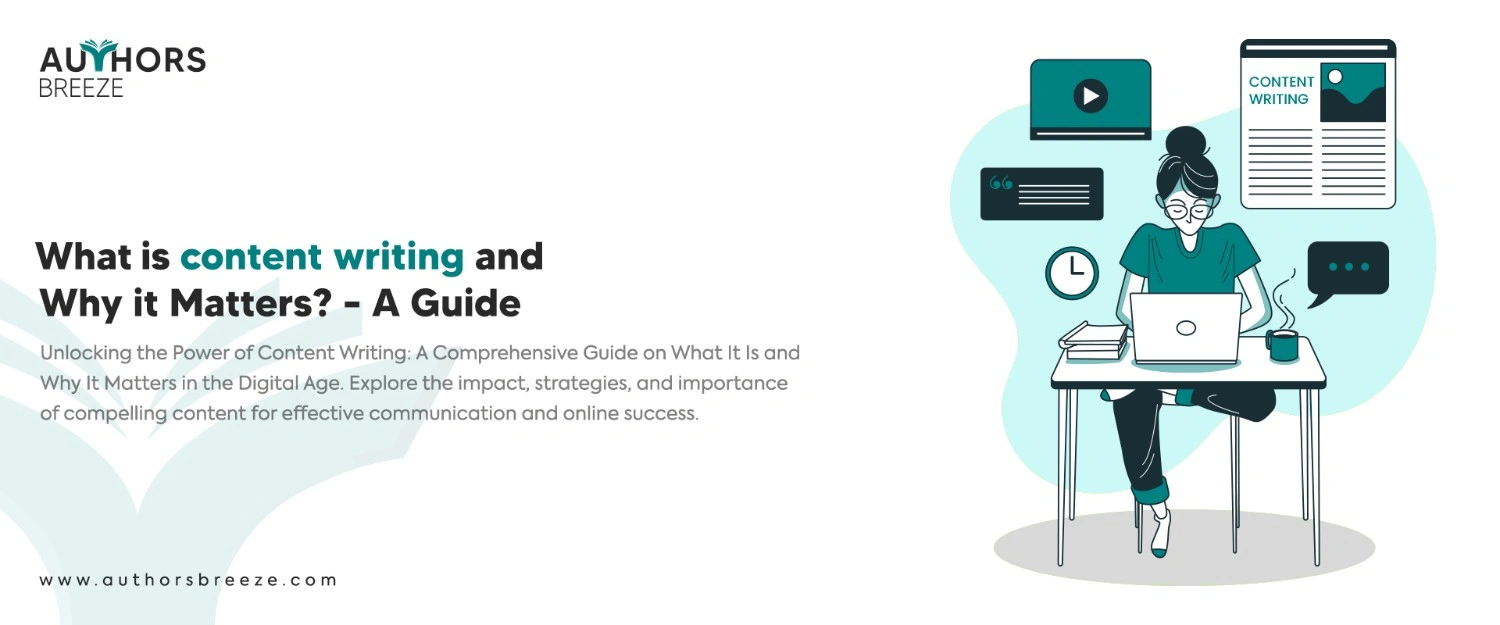
What is Content Writing and Why it Matters? – A Guide

What is Content Writing

Key Takeaways: Content Writing

  • Content writing is all about creating stuff to read online, such as blog posts and social media updates, for different reasons. For example, to sell things or just for fun.
  • The content is basically any information that helps someone out. Whether you want to make laugh, teach something new, or convince to buy something, it’s all considered content.
  • So, when we talk about content creation, we’re talking about coming up with ideas, researching, and writing content for the internet. It could be anything from a blog to a post on Facebook.
  • Content writers are the people behind the writing. They look into topics, develop ideas, and write content that meets the goals of a business.
  • There are many kinds of content writing, such as writing ads (copywriting), writing instructions (technical writing), and writing for blogs (blogging). Each type has its audience and style.
  • To be a content writer, you need to learn the basics of writing. If you want to improve your skills, you can read, practice your writing, and take courses from Coursera or Udemy.
  • Essential writing skills include adapting, doing good research, knowing about SEO (how to be found on Google), being creative, and having good grammar.
  • To get started, learn about different types of writing, practice writing a lot, and get to know SEO and content marketing basics. Also, make a portfolio to show off your work.
  • Content writing has lots of benefits. It can help a website show up higher on Google, increase customers, make people aware of a brand, and much more. It’s also a cost-effective way to market a business.

Maximize Your Marketing Potential

Improve your online presence and attract more customers. Hire content writers from Authors Breeze for high-quality content tailored to your brand.

Get Unique Content Writing Services

Introduction

According to a survey conducted, 97% of marketers think content creation is a crucial marketing strategy. Content writing, at its core, is the process of creating and publishing written materials for different aims, such as marketing, selling, guidance, and entertainment, for a range of audiences.

What is Content?

“Content is the reason search began in the first place. – Lee Odden“

Content is any information in any format that satisfies someone’s needs. It fills a void or meets a need in one of several areas: entertainment, education, inspiration, or persuasion.

What is Content Writing?

Content writing meaning refers to the research, planning, and writing of content. So, if we have to define content writing, we can say that content writing is the process of satisfying readers through writing. It is where you or a writer create and edit words for the online world, such as:

  • Blog Posts
  • Articles
  • Product Descriptions
  • Social Media Posts
  • Website Copy
  • Marketing Materials
  • Video or Podcast Scripts
  • Ebooks
  • Email Newsletters
  • Whitepapers
  • Press Releases, and more.

The common goal across these various forms of writing is to engage and inform the audience, regardless of the medium.

“As pointed out by Seth Godin, a leading marketing guru, ‘Content marketing is the only marketing left’ – a testament to its effectiveness and reach.”

What is a Content Writer?

A content writer writes and manages content for a business or a firm. From researching different topics to developing strategies for writing content to achieve business goals, a content writer does it all. Moreover, they possess writing skills that help them convey ideas, stories, and information to customers effectively.

What are the Types Of Content Writing?

Digital writing has a wide array of formats and styles. In addition, it caters to various platforms and audiences. Some of the famous and top content writing types are:

  1. Copywriting
  2. Creative Writing
  3. Technical Writing
  4. Ghostwriting
  5. Academic Writing
  6. SEO Writing
  7. Blog Writing/Blogging
  8. Email Writing
  9. Long-Form Writing
  10. Web Content Writing
  11. Feature Writing
  12. Social Media Writing
  13. News Writing
  14. Business Content Writing

For detailed info, read our blog: What are the Types of Content Writing?

How to Become a Content Writer?

“To be a successful content writer, you need to be a writer first.”

So, you don’t know how to learn content writing and become a content writer? No worries. You can learn writing skills as well as enroll in writing courses to have a firm grip on content creation.

Writing Skills for Content Writers

Let’s look at some of the content writing skills a writer should possess:

  • Adaptability
  • Communication Skills
  • Research Skills
  • Time Management
  • Brainstorming
  • Problem-Solving
  • Audience Analysis
  • Grammar
  • Vocabulary
  • SEO
  • Creativity
  • Originality
  • Technical SkillsTop of Form
  • Attention to Detail
  • Focus
  • Storytelling
  • Social Media Knowledge
  • Organizational Skills
  • Editing and Proofreading
  • Formatting

Our content team utilized storytelling and SEO skills and we have been able to double website traffic in six months.

Writing Courses for Content Writers

Looking for content writing courses to improve the effectiveness of your content? The following are some of the learning platforms that provide exceptional courses for content writers:

  1. Coursera
  2. Udemy
  3. eCornell
  4. Class Central
  5. HubSpot Academy

How to Start Content Writing?

Don’t know how to get into content writing? Content creation involves a blend of writing skills, creativity, audience understanding, and technical knowledge. Here are some steps to help you on how to do content writing:

  • Learn the Basics of Writing
  • Study Different Types of Writing
  • Practice Writing Regularly
  • Read Widely and Analyze
  • Learn SEO as well as Content Marketing Fundamentals
  • Enroll in Writing Courses
  • Get Feedback and also Iterate
  • Stay Updated with Industry Trends
  • Use Content Writing Tools to Improve Your Writing
  • Create Your Portfolio
  • Build a Network as well as Seek Opportunities

“Have you embarked on your writing journey? Share your experiences or questions with us!”

Contact Us

What are the Benefits of Content Writing?

“Content builds relationships. Relationships are built on trust. Trust drives revenue. – Andrew Davis“

You do not just fill pages with words in content creation but create a strategy that influences readers. Its ability to adapt and serve multiple purposes makes it an indispensable tool. So, let’s take a look at some of the content writing benefits:

  • Boost SEO, which basically increases search engine rankings.
  • Generate leads which eventually convert into conversions.
  • Make people aware of your brand, services, or products.
  • Cost-effective marketing solution.
  • Authentic content increases trust as well as establishes brand authority.
  • It provides long-term value.
  • Content helps you connect and broaden your audience and engages & retains them.
  • Establish your expertise.
  • Represents your brand as well as builds its identity.
  • Make your site informative.
  • Create a voice for your company.
  • Help you retain your customers.
  • Increases social media engagement and amplifies marketing efforts.
  • Facilitates customer buying journey.
  • Supports personalization.
  • Improves brand voice and creates a strong brand image.
  • Shared quality content increases overall SERP ratings.
  • Boost your creativity as a writer particularly.

“According to a study by Content Marketing Institute, content marketing generates over three times as many leads as outbound marketing and costs 62% less.”

Frequently Asked Questions?

What is the Role of a Content Writer?

The role of a content writer is to convey ideas effectively. They inform, engage, and sometimes persuade or entertain an audience. Through their work, they support the goals of their employer or clients, whether to increase brand awareness, generate leads, or provide valuable info to readers.

Read more: What are the roles and responsibilities of content writers?

What Does a Content Writer Do?

A content writer crafts written material for various digital platforms such as websites, blogs, social media, and more. Their primary goal is to attract and retain the audience for businesses and firms. Moreover, they deliver value through their writing, which can inform, entertain, or promote.

How Do I Become a Content Writer?

You can become a content writer by improving your writing skills. Moreover, you can enroll in content writing courses to learn what you lack as a writer. Then, you can understand the digital landscape and build a portfolio to start your journey as a content writer.

How Do I Start Content Writing?

  • Learn the basics of writing.
  • Study different writing types.
  • Read widely.
  • Practice writing regularly.
  • Build your skills.
  • Create a portfolio.
  • Get feedback from experts and improvise.

What is an example of Content Writing?

There are many different types of content. However, some of the most shared content writing examples are:

  • Blog Posts
  • Articles
  • Web Copy
  • Product Descriptions

What Qualifications Do I Need to be a Content Writer?

You don't necessarily need specific formal qualifications to become a content writer. Therefore, the field is quite open to people with any background. However, a degree in the relevant field, such as in marketing or journalism, and skills like writing and research are key.

Is Content Writing Easy?

Writing content can be both easy as well as challenging. It depends on your skills, interests, and approach to the work. In addition, it offers a creative and flexible career path. However, it also demands you learn continuously, adapt from time to time, and keep yourself committed to quality and relevance. Like any skill, it becomes easier with practice and experience.

Conclusion

Content writing is crucial to market your business and share information about it online. Content creation involves blog posts, social media updates, and emails that help companies to connect with people. To be good at it, you need to know how to write well, understand what your audience likes, and keep up with the latest trends. As a result, you can help businesses get noticed online, attract more customers, and share valuable information.

To become a content writer, practice writing and learn as much as possible about different types of writing and online marketing. However, if you need any help, Authors Breeze is here to help. We have been serving the writing and publishing industry for a long time now. Creating content and supporting content writers is our expertise.

Start Content Writing Today

Want to establish yourself as a writer? But don’t know where and how to start? Consult our professionals for expert content writing services.
Get a Quote

Author : Caroline Chartrand

20th Mar 2024

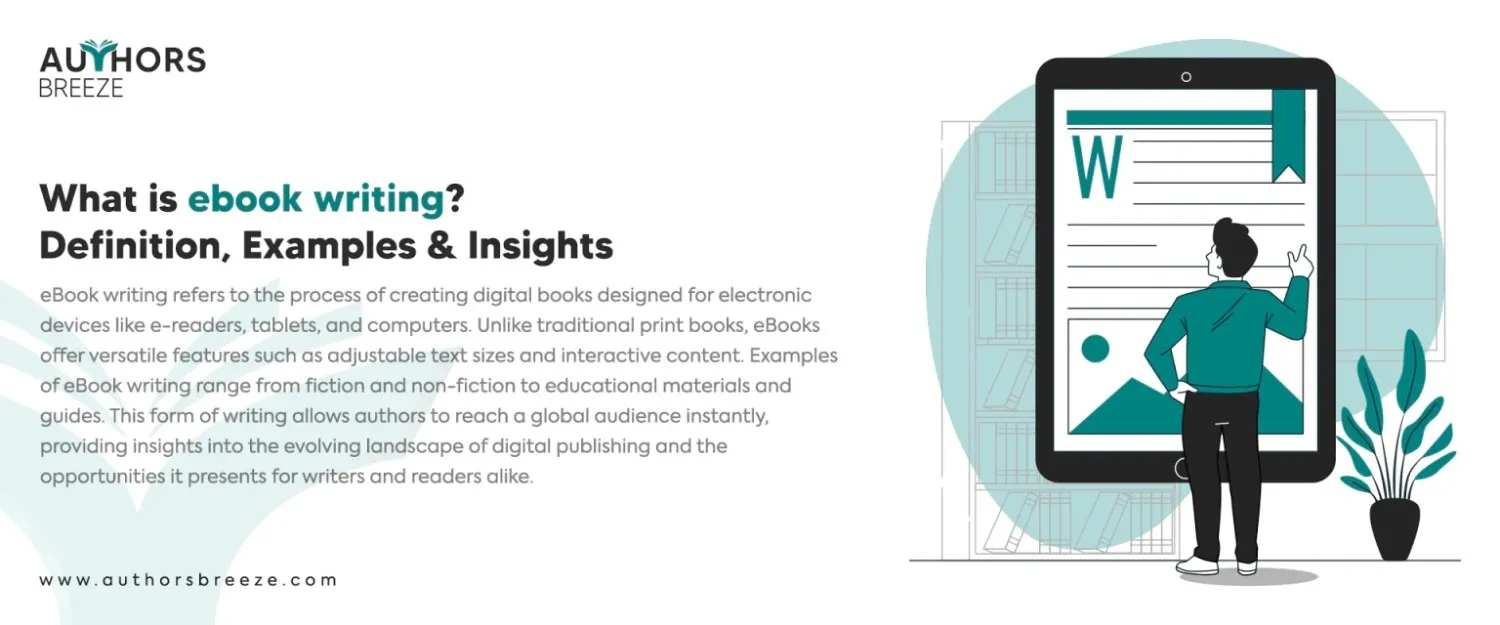
What is Ebook Writing? Definition, Examples & Insights

ebook writing

Key Takeaways – Ebook Writing

  • An ebook is about creating books that one can read digitally.
  • Ebooks are weightless; you can get them fast, and they do not take up much space in your house.
  • To write an ebook, pick a topic, write down ideas, and enhance its design.
  • You can share your ebook on places like Amazon Kindle so people everywhere can read it.
  • There are fiction ebooks and nonfiction ebooks, with lots of types in each category.

Get Help Writing an Ebook

Do you have a story but do not know the right words to convey it? Authors Breeze is here to save your day!

Acquire Ebook Writing Services

Introduction to Ebook Writing

Do you know what is writing an ebook and how it’s done? We are here to tell you all about it. Firstly, have you ever read a book on a phone or laptop? That is what an ebook is. Now, writing an ebook is about creating books you can read on any digital device. Just as you do almost everything online, books have also come online. Why do they exist? Because they are easy to carry around, you can have hundreds of them on one device. In addition, you can get new books instantly, anytime and anywhere.

In this blog, we will explain “what is ebook writing?” and whatever is attached to the pages, in this case, digital. We will discuss how ebooks are made, the different types you can find, and why they are fantastic for readers and writers. So, are you still on the hinge? Come with us and explore the digital jungle of books.

What is an Ebook?

Many writers are not aware of an ebook. An ebook is just like any other book you find on a shelf. However, the only difference between the two is that one is in physical form, and the other one is digital. What this basically means is that you can read an ebook on your personal electronic devices, such as:

  • Phones
  • Tablets
  • E-readers (i.e. Kindle)
  • Computers
  • Laptops

How are Ebooks Different from Traditional Books?

Traditional books are printed on paper. On the other hand, ebooks are stored as digital files. It means:

You Do not Carry Weight

Forget about heavy backpacks full of books. With ebooks, you can carry thousands of books on a tiny device.

Get Books Instantly

You can buy, download, and start reading an ebook in minutes without leaving your house. In addition, you do not even have to wait for deliveries or go to the store.

Save Space

Ebooks don’t take up physical space in your room or on your shelves. So, your device can hold many ebooks, saving a lot of space in your home.

Characteristics of Ebook

Digital Format

Ebooks are made to be read on digital devices. They can be in various ebook formats that ensure the text and images look good on your screen, regardless of size.

Accessibility

Ebooks are great for everyone, including those with difficulty reading small print. You can customize it as per your needs, such as:

  • Adjust the text size
  • Change the font
  • Listen to the book if it has an audio version

This is extremely good for people with visual impairments or reading difficulties. It helps make reading easier and more enjoyable for them.

Interactivity Features

Some ebooks are more than just text on a screen. They can include interactive elements such as:

  • Links
  • Videos and Audio
  • Animations

How to Write an ebook?

Now that you know what is writing an ebook? So, let’s explain how to write it. Writing an ebook is a beautiful journey for an author. It is like creating a new world or sharing your knowledge. Here’s how you can do it:

Plan and Research

Who Will Read It?

Firstly, think about who you are writing for. Is your book for kids, teenagers, or adults? When you know your audience, you can better decide what to write about or how to write it.

Choose a Topic

Secondly, pick a topic. Choose what you are excited about or know a lot. It could be anything from a fictional story to a nonfiction book.

Learn More

Lastly, once you have a topic, dig deeper and do the following things:

  • Gather information
  • Read other books on the subject
  • Talk to experts

Doing so makes sure your ebook is exciting and factual.

Write and Edit

Write the First Draft

Now, start writing your story or sharing your knowledge. Do not worry about making it perfect the first time. The goal is to get your ideas down.

Make it Engaging

Your ebook should keep readers hooked. So, if you are telling a story or sharing information, make sure to make it engaging and fun to read.

Fix Mistakes

After writing, do proofreading. Go through your ebook to:

  • Correct errors
  • Improve sentences
  • Make sure everything makes sense

This might take a few rounds. In addition, you can ask a friend or hire a professional proofreader who can help spot things you missed.

Make Your Book Perfect

Hire editors from us, let us spot mistakes, and sweep them from your manuscripts.

Avail Book Editing Services

Design and Formatting

A Beautiful Cover

People do judge books by their covers, so make yours stand out. In addition, make sure that the book cover design is compelling. Moreover, it should give readers a hint about what the book is about and make them want to pick it up.

Make it Look Good Inside

Use tools and software to set up your ebook. This means choosing the right fonts and spacing and adding pictures if needed. Your ebook should look good on all devices. This includes big devices, such as computers, or small devices, such as phones.

Ready for Readers

There are different platforms where you can publish your ebooks, such as:

  • Amazon Kindle
  • Apple Books
  • Kobo

In addition, Amazon has two platforms where you can upload or publish an ebook. One is Amazon, and the other one is Amazon Kindle. You can publish on Kindle through Kindle Direct Publishing. All of these platforms have their own rules for how an ebook should be formatted. So, make sure your ebook follows these rules if you want to sell an ebook on Amazon or any other platform. You can also hire professionals or a company such as Authors Breeze for the best self-publishing services.
What are the Types of Ebook?

Ebooks come in all sorts of flavors, just like ice cream. Here are some of them that you can explore or know about:

Fiction

Fiction is a distinct and prevalent type of ebook genre. It includes made-up stories from the author’s imagination. In addition, within fiction, there are a few different types as well:

Novels

These are long stories with characters on big adventures.

Short Stories

These are the complete opposite of novels, which means they are short, as the name suggests. Short stories are quick reads.

Genre-Specific Insights

This is where fiction gets really fun. Genres are like different neighborhoods in the world of fiction, each with its own style. There are mysteries that keep you guessing, romances that make you swoon, sci-fi that sends you to outer space, and lots more. Each genre has its own rules and ways to tell a story.

Nonfiction

Nonfiction is the real deal. Moreover, these ebooks are about real things, people, and events. Here’s what you might find in nonfiction:

  • How-to Guides and Tutorials
  • Educational Materials
  • Biographies, Autobiographies, and Memoirs

What are the Benefits of Ebooks?

Writing and reading ebooks come with a lot of cool perks. So, let’s see what’s in it for everyone:

For Authors

Save Money

Making an ebook is cheaper than printing lots of paper books. It is because you don’t need to pay for paper, ink, or shipping boxes of books to stores.

Reach More People

Ebooks can travel far and wide with just a click. You can sell your ebook to anyone around the world with an internet connection, not just people who can visit a bookstore.

You are the Boss

Those who know how to write an ebook get to make all the decisions. From what the cover looks like to what the words inside say, it’s all up to you. Moreover, you can let your creativity fly without someone else changing your ideas.

For Readers

Easy to Carry

Imagine fitting an entire library in your backpack. With ebooks, you can carry thousands of books on one small device, so you always have plenty of choices wherever you go.

Get Books in Seconds

See a book you like? You can start reading it almost instantly. Also, no need to wait for a delivery or make a trip to the bookstore. Just download and dive in.

Read Your Way

Ebooks let you change how the words look on the screen. You can make the text bigger if it’s hard to see, change the type of font to something you like, as well as adjust the background color to make reading easier for your eyes. It is like customizing your reading experience to be just right for you.

Examples of Ebooks

Here are some of the best examples of ebooks:

  • The Teacher
  • The Women
  • The Idea of You: A Novel
  • Never Lie
  • Small Town Swoon

Frequently Asked Questions

How do I start writing an ebook?

To write an ebook, follow these steps:

  • Identify your target audience
  • Choose a topic
  • Do your research
  • Outline chapters
  • Write each chapter
  • Edit your eBook
  • Design your eBook

How much money can you make writing an ebook?

Here are the annual pays of ebook writers for an idea:

Top Earners – $120,500/yr

75th Percentile – $98,000/yr

Average – $81,001/yr

25th Percentile – $60,000/yr

Is 2000 words enough for an ebook?

It is not enough, however, a usual ebook has about 2,000 to 2,500 words. This means if you divide it into parts, each part should have around 300 to 350 words. So, make sure to share your main ideas clearly and in a straightforward way.

How much should I charge to write an ebook?

Most ebooks are between 2,500 and 5,000 words long. So, you can charge from about $125 to $1000. Keep in mind that it depends on several factors, such as the length and technicality of the eBook.

Conclusion

Writing ebooks is an amazing journey into the paths of digital books. It opens up a world full of opportunities for writers and readers alike. Ebooks are a flexible, easy-to-access way to share and enjoy stories and information. They bring great perks, like being easy to get to while saving money for writers.

So, if you want to publish an ebook, this blog would help you a lot. Moreover, in case you want someone to write an ebook on your behalf, you can always head up to Authors Breeze. They have professional ebook writers who can help you write impeccable ebooks.

Get the Best of Professionals

If you need any information about writing an ebook and publishing assistance, we can provide experts at your disposal.

Contact Us

Author : Caroline Chartrand

15th Mar 2024

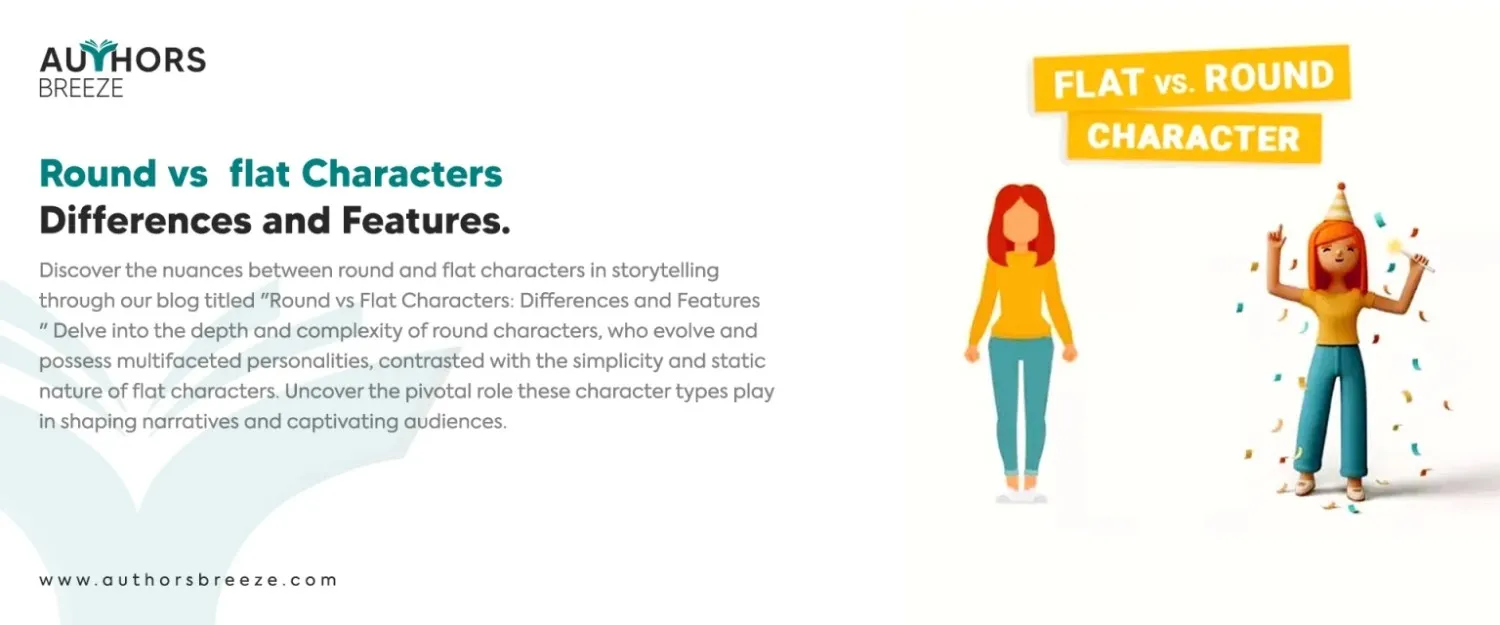
Round vs Flat Characters: Differences and Features

round vs flat characters

Key Takeaways – Round vs Flat Characters

  • It is important to know the difference between round vs flat characters to create better stories.
  • Round characters are complex and change over time, like real people.
  • Flat characters are simple, don’t change much, and support the main story.
  • Round characters make stories engaging by growing and facing challenges.
  • Flat characters add to the story by being straightforward and consistent.
  • Examples of round characters include Elizabeth Bennet and Harry Potter.
  • Examples of flat characters include Mr. Collins and Count Dracula.

Utilize Characters in Your Stories

Whether a flat or round character, whichever you want, with years of experience, we can help you complete your stories, incorporating relevant characters!

Get Ghostwriting Services

Introduction to Round vs Flat Characters

There has always been some confusion over “flat vs round characters.” It is essential to know their difference because it helps writers compose the best books. When we read a story or watch a movie, we meet different kinds of characters.

Some characters feel like real-life people. They have many sides to their personalities; they change, and they surprise us. We call them “round characters.” Then, some characters are simple and do not change much. They are easy to understand and stay pretty much the same from the beginning to the end. These are “flat characters.”

That also helps make stories more enjoyable for the readers. Writing and publishing for an author is significant. This is why the distinction between round vs flat characters is essential to understand. So, in this blog, we will explain the round vs flat characters differences and also their features.

What is a Character in a Book?

Have you ever read a book and thought of a character deeply? Before authors publish a book, they write it down. Moreover, it is an extensive process that needs due attention. When you start to read a book, you meet lots of different “people” along the way. These “people” are called characters, and they are also one of the most exciting parts of a story.

The book writing or book publishing process is not easy as you have to understand everything before you actually get into it. Authors carefully create characters to make the story in the book interesting for the readers. They develop characters such as:

  • Brave Hero
  • Funny Friend
  • Scary Villain

These are all characters, and they make the story exciting and fun.

The Heart of the Story

Characters in a book are the heart of the story. They can be anyone, such as:

  • The main hero who saves the day
  • Sidekick who always has a joke
  • Villain causing all the trouble

In addition, characters can also be animals, magical creatures, or even talking toys! They are the ones who

  • Take action
  • Make decisions
  • Make us feel all sorts of emotions

Types of Characters

  • Protagonist or Main Character
  • Foil character
  • Morally grey character
  • Round character
  • Flat character
  • Static character

Why Characters Matter?

Characters are important because they help us connect with the story. We might see a bit of ourselves in a brave hero, or we might learn something from their adventures and also their mistakes. Characters can make us laugh, cry, or even think about the world in a new way. Moreover, they bring the story to life, making it more than just words on a page.

How do Characters grow?

In many stories, characters grow and change. Firstly, they learn new things; secondly, they face their fears; or thirdly, they change their minds about something important. This growth is what makes us root for them, feel proud of them, or even get frustrated with them sometimes. It is this journey that keeps us eagerly turning the pages to see what happens next.

What is a Round Character?

When it comes to round vs flat characters, round characters typically emerge as the more dominant ones in a story. Essentially, a round character is like a friend you know very well or can imagine as one. Similarly to your friends, they have many layers to their personality. Furthermore, numerous events happen to them in the story, including the:

  • Go through changes
  • Learn new things
  • Sometimes surprise

They are not always easy to figure out because they have complex feelings and thoughts. Round characters have a past that:

  • Shapes who they are
  • Dreams that they chase
  • Problems that they solve

This makes them engaging and also feel natural. Moreover, they grow and change over time, just as how people in real life evolve and experience new things. Consequently, these characters make stories rich and tempting because they feel like real people with meaningful journeys.

What is a Flat Character?

Authors who write a book often use round vs flat characters to create a dynamic narrative. Flat characters pay homage and support to round characters. These characters are the ones who are pretty easy to understand right from the start. In addition, flat characters do not change much or surprise us. They have as low as one trait or two at max. They are just simple and straightforward. Similarly, this is also the reason why most romance novels do not have flat characters. However, they are critical in fiction.

Flat characters can be:

  • Funny best friend
  • The strict teacher
  • The helpful store clerk

The purpose of these characters is to support the story or the main characters in some way. Opposed to round characters, they do not:

  • Have an extensive past story
  • Have a complicated background
  • Change much during the story

However, that is not much of a problem. They help move the story along and also make the story feel more natural. Even though they are simple, flat characters are still an important part of any book whether it is a fiction or nonfiction book.

Edit Your Work to Perfection

We are experienced in editing stories. Hand over your project to us, and we will edit it out to make it perfect.

Acquire Book Editing Services

Round vs Flat Characters: Definition

It is crucial to understand round vs flat characters. This can enhance your appreciation of literature as a reader and help you create better characters as a writer. Below, you can find both of their detailed definition.

Round Character Definition

A round character, as mentioned, is a person you get to know really well. This is due to having multiple parts to their personality. They are the ones in stories who feel real because they:

  • Have complex feelings
  • Have thoughts
  • Change just like real people do

Here are some key things that make round characters stand out:

Change and Grow

Just as we learn from mistakes or become better because of our experiences, round characters change over time as well. Over the course of the story, they may:

  • Learn something new
  • Change their mind about something important
  • Overcome a big challenge

Have Depth

Round characters have:

  • Backstories
  • Dreams
  • Fears
  • Goals

All of this makes them complex. They are not just plainly good or bad; they have reasons for what they do, which can sometimes be surprising.

Feel Real

In addition to the traits mentioned above, these characters also have detailed personalities and experiences. They feel like someone you may know in real life because they are relatable. In addition, this makes it easy to get attached to them or to think for them as the story moves forward.

In simple terms, round characters are the ones who bring the

  • Drama
  • Action
  • Emotion

This is because of their detailed and complex traits. They are the ones who keep you hooked.

Flat Character Definition

In contrast to round characters, a flat character in a story is pretty straightforward. They are easy to understand and do not really change throughout the story.

Here are the main points about flat characters:

Simple and Straightforward

Flat characters are not complicated. They have one or two main traits that define them, and that is about it.

Do not Change Much

As opposed to round characters who grow and learn, flat characters stay the same from the beginning to the end of the story. They have a specific role to play, and they also stick to it alone.

Support the Story

Flat characters are important because they help move the story along. They can be:

  • Friends
  • Family
  • Enemies

Apart from this, they can also add:

  • Humor
  • Challenges
  • Comfort

All of these make the story feel fuller.

Round vs Flat Characters: Examples

The impact of round vs flat characters in stories is remarkable. Here are some of the most profound examples of round and flat characters.

Round Character Examples

Elizabeth Bennet from “Pride and Prejudice” by Jane Austen
Elizabeth Bennet from "Pride and Prejudice" by Jane Austen

Elizabeth is a bright and funny girl from the book “Pride and Prejudice.” She has lots of different feelings and ideas, and she changes a lot in the story. She learns about herself and how to understand others better.

Harry Potter from the Harry Potter Series by J.K. Rowling

Harry Potter from the Harry Potter Series by J.K. Rowling copy

Harry is a young wizard who is brave and kind. He faces many adventures and challenges as he grows up. We see his feelings and thoughts change as he learns more about his:

  • Family
  • Friends
  • Enemies

Hamlet from the Hamlet Play by William Shakespeare

Hamlet is a prince who deals with a lot of tough questions and problems. In the play, he:

  • Thinks deeply about life
  • Makes big decisions
  • Changes a lot during the play

He shows many different emotions and sides of his personality.

Flat Character Examples

Mr. Collins from “Pride and Prejudice” by Jane Austen
Mr. Collins from Pride and Prejudice by Jane Austen.

Mr. Collins is always the same. He is not very smart and talks too much about how great he is. We don’t see him change or learn much about him other than he’s very proud.

Count Dracula from “Dracula” by Bram Stoker
Count-Dracula-from-Dracula-by-Bram-Stoker-Round vs Flat Characters

Count Dracula is a scary vampire. He does not change much in the story; we only know him as the villain. Although he is mysterious, we do not see different sides to his character.

Crabbe and Goyle from the Harry Potter Series by J.K. Rowling
Crabbe and Goyle from the Harry Potter Series by J.K. Rowling.

Crabbe and Goyle are the followers of Draco Malfoy. They do not have their own stories or change throughout the series. With that, they are known for being tough and not very smart, and that is about it.

What is a Round Character in a Story?

In a story, a round character is someone who feels like the main character or an important friend. They play a big role in the story. In addition, these characters make the story interesting and move it forward. Round characters are the stars of the show who bring depth and excitement to the story.

Round characters are important because they are at the heart of the story. They grow and change with every event. This helps the readers:

  • Think
  • Feel strong emotions such as happy or sad
  • Understand the story

Their journeys and changes often highlight the main messages or lessons of the story. This includes:

  • The importance of bravery
  • Friendship
  • Being true to oneself

It makes the story interesting to read when you see how these characters:

  • Tackle problems
  • Make tough choices
  • Develop

We may even see a bit of ourselves in them. Their experiences can teach us something valuable or give us a new way to look at the world. In short, round characters make the story more prosperous and more accurate. In addition, they also keep us hooked until the very end.

How to Unveil Characters Through Direct and Indirect Characterization for Flat and Round Figures?

You can describe flat characters through direct characterization. This is because they are simple, one-dimensional, and lack complexity. The narrator or other characters usually tell us about their personality clearly.

In contrast, round characters are more interesting and have many sides to them. So, you can describe these characters through indirect characterization, such as their actions, words, and how they interact with others. This makes round characters feel more real and interesting because we discover new things about them as the story goes on.

Frequently Asked Questions

What is the difference between flat and round characters?

Flat characters are simple and do not change much; they are like straight lines in a story. However, round characters are more like circles; they have many sides and grow or change in ways that can even surprise us as we read.

What is a flat character example?

Crabbe and Goyle are simple characters, showing up in all the books without changing much. Even though they're always around as Draco Malfoy's buddies, we don't really get to know them deeply. Despite being well-known to readers, there's not much we learn about who they really are beyond just being Draco's sidekicks.

What is a round character example?

Harry Potter is a character who grows and changes through many books. Step by step, we find out about his feelings, who he is, and his past. As we learn more about his family and where he comes from, we understand how deeply it shapes him as a person.

Is Hermione a round or flat character?

In "Harry Potter," the main characters, Harry, Ron, and Hermione, are well-developed. They come with detailed pasts, things they love, and unique traits that make them stand out. As the story goes on, all three of them change and grow, ending up as very different people by the last book.

Conclusion

To wrap it up, it is crucial for anyone who writes or reads books to know the difference between round vs flat characters. Round characters in a story change and grow from their experiences. Flat characters, on the other hand, are simpler and do not change much. However, they are as vital as round characters. They help the story along and show us how the main characters change.

If you want to write books or eBooks that have special characters, then Authors Breeze can help you a lot. With a team of professional writers, they can help your readers turn every page with as much enthusiasm as one can imagine.

Get On the Character Hunt

Want to make your ebook stand out? Get our help adding customized characters!

Avail Ebook Writing Services

Author : Shirley Gibson

14th Mar 2024

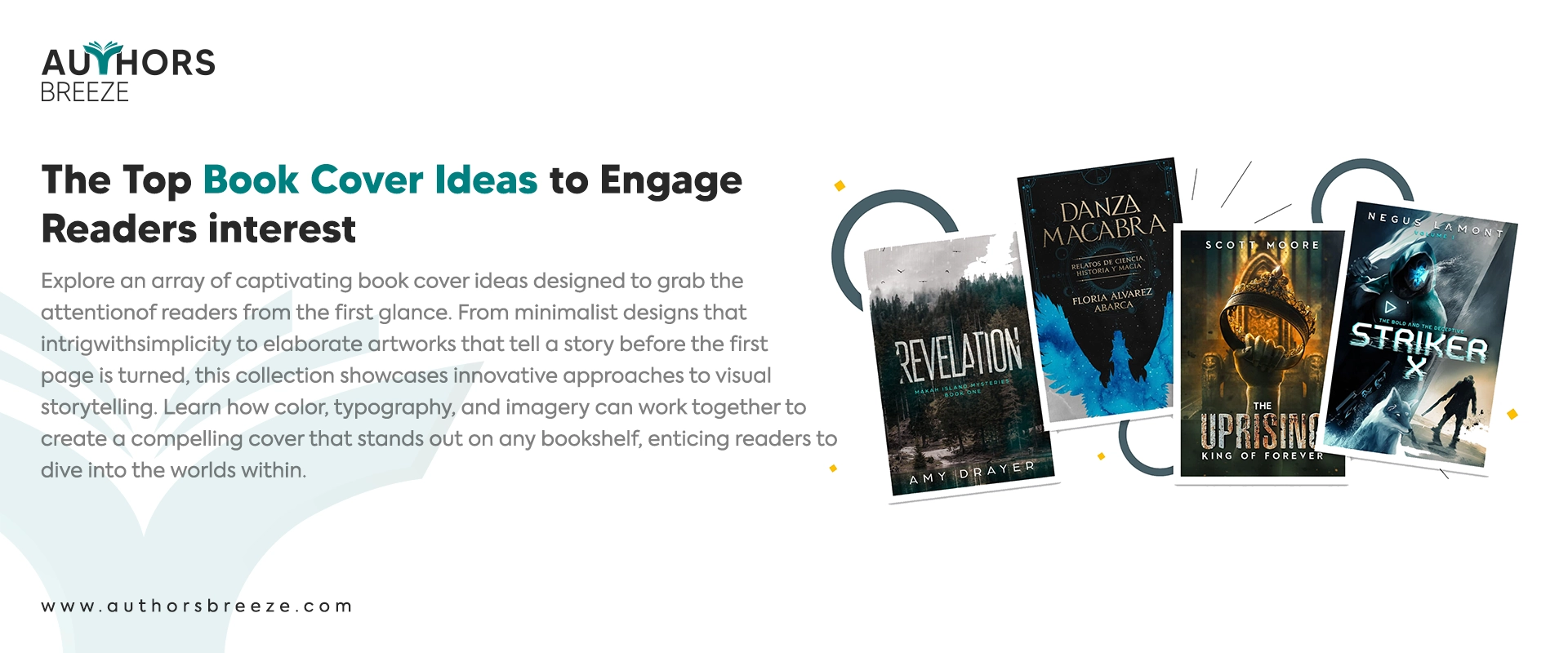
The Top Book Cover Ideas To Engage Reader’s Interest

book cover ideas

Key Takeaways – Book Cover Ideas

  • The blog outlines various design ideas such as minimalist, colorful illustrated covers, abstract art, pop art and retro styles, flower designs, layered images, bold fonts, real photos, handwriting, and nature themes. These ideas cater to different genres and preferences.
  • Design considerations vary by genre. Fiction covers can be more imaginative. On the other hand, nonfiction covers tend to focus on the subject matter. Each genre has its own conventions that can guide the design process.
  • To create a compelling cover, keep the design simple, ensure the title and author’s name are legible, and use imagery and colors that align with the book’s tone. In addition, avoid overcrowding the cover, choosing inappropriate fonts or colors, and neglecting the back cover and spine.
  • A successful book cover blends creativity with strategic thinking. It should quickly convey the genre, hint at the book’s content, be visually striking, and follow current design trends without being overly complex.

Craft a Perfect Book Cover

Our book cover designers utilize impactful book cover ideas to design book covers for you! Hire Authors Breeze for your design needs.

Get a Professional Book Cover Design

Introduction To Book Cover Ideas

Are you an author and searching for some unique book cover ideas? If yes, then we are here to help you get inspired by the most unique ideas for book covers.

Whenever readers pick up a book, there is one particular thing that makes them choose it: do you know what it is? A book cover. That is because the cover is not there just for you to know about the book. It is more than that. The book cover is a powerful tool that helps attract the readers. It helps in many ways, as it:

  • Grabs attention
  • Makes a solid first impression
  • Convinces readers to buy the book

A book cover design plays an important part when it comes to book marketing. So, in this blog, we are going to explore everything about creative book covers. We will explain everything, such as:

  • Why do book covers matter?
  • How can they make or break a book’s success?
  • How do they connect with readers?

If you want to publish a book like passionate, then this blog will surely help you. In addition, this blog will cover each and every aspect of a book cover, for example:

  • Steps of making a great book cover
  • Some cool design ideas and examples
  • Tips to help you create a cover that stands out

So, if you want to write a book or publish a book, it is equally important to know what a book cover should be. In this blog, you will find something useful here. Let’s start exploring the top book cover ideas!

Why Book Covers Matter?

A book cover is the face of a book, and it reflects what is inside it. We, as humans, or more specifically, readers, do not think of the best book cover ideas. However, we do make quick decisions based on first impressions. This happens in many cases, such as when we meet someone. In addition, people do the same with books.

A book’s cover has the power to grab anyone’s attention if it is good enough. It can do many things other than just grabbing attention, such as:

  • Make the readers curious
  • Help sell the book without the reader knowing much about it
  • Assist in marketing efforts of the book

Therefore, a book cover matters a lot, and you should get inspiration from the best book cover ideas. In short, it is not just about how beautiful it is but also how it can get people interested in the book.

Elements of Book Cover Design

Title and Author Name

The first and foremost thing needed for a good book cover design is the title and author’s name. Therefore, make sure that it is easy to read. When someone looks at your book, they should understand what is written on it. Make the readers know what the name of the book is and who wrote it. In addition, this helps identify the book or look for it online or in a store.

Images

Images appeal on a grander scale. Therefore, it is vital to add them. This can include:

  • Pictures
  • Drawings
  • Visual touch on the cover

With that, make sure that the images give clues about what the book is about. For example, a book about space adventures may have a spaceship or stars on the cover.

Typography

This is all about the fonts used for the text on the cover. Different fonts can make you feel different things. A scary story may have a creepy-looking font. Meanwhile, a romance novel may have something elegant.

Color Scheme

Colors play with feelings. Dark colors are usually associated with mystery or sadness. In contrast, bright colors are associated with happiness or excitement. The colors on a book cover help set the mood. Therefore, it is crucial to add them appropriately.

Attract Potential Readers

Videos are another way to attract readers. So, hire us to make video book trailers for you!

Acquire Video Book Trailers Service

How to Design a Book Cover?

Research and Inspiration

First, you need to do your homework. Understand what the book is about and who will read it. This helps in deciding what the cover should look like. It is also essential to get inspiration from book cover ideas of other books in the same genre. This helps you understand what readers expect as well as how you can make your book stand out.

Concept Development

Now, it is time to come up with ideas. This is where creativity kicks in. Brainstorm ideas about different ways to show what the book is about through the cover. Mood boards are helpful here as well. They are like collages of different things, such as:

  • Images
  • Colors
  • Text

It helps capture the perfect mood or feeling for your book. Moreover, this step enables you to visualize your ideas and pick the best one.

Design Execution

This is where you start making the cover. In this step, choose the software and tools you need to bring your ideas to life. Maybe it is a drawing program, or perhaps you are using photos. You will make a draft of the cover, which is a first try at it. It is okay if it is not perfect because you will improve it. If you are not an expert at it, you can also consult experts and companies such as Authors Breeze.

Top 10 Book Cover Design Ideas and Examples

Minimalist Book Cover Ideas

These designs have just one meaningful object to make you curious and interested. Minimalist book covers are used a lot for fantasy and self-help books.

minimalism

Colorful Illustrated Book Cover Ideas

These covers consist of colorful drawings to help show what the story is about. Illustrated book covers are perfect for:

  • Romance or vampire romance books
  • Adult books
  • Cozy mystery books

millennial pink and gen z yellow

Abstract Art Book Cover Ideas

Such covers use big, bold shapes and bright colors. They work for many types of books, including romance and memoirs.

intertwining text

Pop Art and Retro Styles Book Cover Ideas

These eye-catching designs are colorful and playful. These are just right for romantic comedies and women’s fiction.

retro touches

Flower Designs Book Cover Ideas

Beautiful flower designs that never get old. They are especially loved for romance and fantasy books.

botanicals

Layered Images Book Cover Ideas

This technique layers pictures on top of each other for a unique effect. It is a hit for romance and fantasy books.

double exposure

Bold Fonts Book Cover Ideas

Book covers that use unique fonts in creative ways set the tone and grab attention. This type of book cover design is used in fiction and nonfiction books as well.

impactful typography

Real Photos

Covers with real photos using pictures from life make the book feel true and inviting. If a cover has an image of a city or beach, it helps you imagine being there. These are best for nonfiction books.

real photos

Handwriting

Covers with handwriting look personal, just as a note from someone you know. This style can use simple scribbles or fancy writing to add a personal touch. It makes the book feel like it is directly from the author to you. It is perfect for individual stories and fictional tales.

handwriting

Nature

Nature-themed covers feature elements such as:

  • Forests
  • Oceans
  • Mountains

They take you to peaceful places or wild adventures just by looking at them. These covers are great for adventure tales and environmental topics.

Genre-Specific Design Tips

When you are making a book cover, think about the type of story it is telling. Is it a made-up story (fiction) or true (nonfiction)? Each type needs a different touch.

Fiction vs. Nonfiction

Fiction covers can be more imaginative, using artwork or illustrations that match the story’s mood. Nonfiction covers usually focus on the book’s central idea or subject, using simpler designs or photos that explain what the book is about.

Romance, Mystery, Sci-Fi, Self-help, and others

Every genre has its own vibe. Romance might have hearts or couples, mystery could have dark shadows or a question mark, and sci-fi might show space or futuristic images. Self-help books often use positive, explicit imagery that communicates growth or improvement.

Engage With Your Online Audience

Give your readers an online experience with an author website that showcases your books, boost your visibility, and attracts buyers.

Get Author Website Design Services

Practical Tips and Insights

Do it and Don’ts of Book Cover Design

Do’s:

  • Keep it simple. You want people to understand at a glance what your book might be about.
  • Make the title and author’s name easy to read, even in a small picture online.
  • Use colors and images that give the right vibe for what is inside the book.

Don’ts:

  • Do not cram too much onto the cover. Too many pictures or text can confuse people.
  • Avoid using a font or colors just because you like them. They should fit the book’s theme.
  • Do not forget about the back cover and spine. They are part of the design, too!

Frequently Asked Questions

How do you make a catchy book cover?

This is how you can make a catchy book cover:

  • Use colors as accents
  • Grab your reader's attention with contrast
  • Make bold choices with typography
  • Showcase handwritten type
  • Get creative with composition
  • Convey the mood of the book through the cover
  • Feature compelling imagery
  • Use images as an accent

What is a good book cover?

Keep it simple. Your book cover doesn't have to shout to get noticed. In fact, trying to cram every detail of your book onto the cover can backfire. Instead, focus on the essentials. Offer just enough to spark curiosity, inviting readers to crack open the book for the whole story. This approach not only makes your cover more appealing but ensures it serves its true purpose: to intrigue and invite, not overwhelm.

What can I use for a book cover?

Start with some brown paper, like butcher paper or a paper bag. You can keep this cover simple or get creative by adding stamps, paint, or decoupage. If you're feeling adventurous, try using other kinds of paper too, such as gift wrap or a photocopy of a fantastic design. Just make sure the paper you pick is sturdy enough to serve as a book cover. This way, you can personalize your book cover to match your style or the book's theme.

How do I choose a good book cover?

Picking the right book cover is essential. First off, when someone looks at it, they should instantly get what genre it is. It's a good idea to have it look similar to other self-published books, but only sometimes. Your cover should hint at the theme or feel of the book rather than showing precisely what happens in the story. It needs to catch the eye for the right reasons, so make it pop in a good way. Keep it up-to-date with current trends. And remember, don't cram too much text on there; keep it clean and simple.

Conclusion

Picking the perfect cover for your book is really about mixing your creative side with some intelligent planning. First up, you have got to grab someone’s attention. Make sure your cover has what kind of book it is. Next, give a little sneak peek of what your stories are about without spilling all the beans. Also, it is essential for your cover to look good and be in style, but don’t make it too busy with words everywhere.

If you stick to these ideas, you will end up with a cover that not only catches your eye but also makes people want to read your book. If you cannot do that or want someone to work on your behalf, then you can connect with Authors Breeze.

Make Most Out of the Best

Inspired by the book cover ideas? Authors Breeze knows how to fully use the best book cover ideas to design a cover for your book!

Contact Us

Author : Caroline Chartrand

What is a Flat Character? Definition, Examples & Insights

flat character

Key Takeaways – What is a Flat Character?

  • A flat character is a simple character in stories that do not change much but are still very important.
  • They are like spices — not the main ingredient, but still essential for making the taste good.
  • Flat characters usually have one or two main traits that make them easy to understand and remember.
  • They play specific roles. For example, they highlight the main character or represent a big idea.
  • Flat characters help the story move forward by keeping things familiar and adding fun.
  • They make stories richer by being reliably themselves.

Incorporate a Flat Character Into Your Story!

Empower your narrative with Authors Breeze, where our ghostwriters sculpt flat characters. Infuse your story with life.

Avail Ghostwriting Services

Introduction: What is a Flat Character?

Flat character is a part of book writing, and book writing is a part of an author’s life. Writing and publishing books is one of the best parts of their life. Writing your own book is as enjoyable as any other thing in the world. Therefore, if you are new to the community and want to write a book, then you should know what the characters are.

Characters are one of the central parts of a book, whether it is a:

  • Romance Novel
  • Fiction Book
  • Nonfiction Book

They are the beings that truly bring the story to life. These characters can range from complex and evolving to simple and steady. So, today, we will focus on the latter one – the concept of a “flat character.”

Definition of a Flat Character

The flat character definition is quite simple. A flat character is a character in a story who is straightforward and does not change much throughout the story.

What is a Flat Character?

A flat character is someone in a story who is pretty simple to figure out and does not change much. They are similar to spices in a dish; they are not the main ingredient but are essential for the overall flavor. In addition, they are easy to understand and remember because they have one or two main traits that define them. Thus, if you want to become strong in terms of writing and publishing your own books, you have to understand flat characters.

Characteristics of Flat Characters

Flat characters are one of the main parts of the story. They may not undergo dramatic transformations or take center stage as a round character. However, their presence is vital for a well-rounded story. So, here are some key characteristics that define these simple yet significant characters:

Simple and Uncomplicated

To begin with, flat characters are the complete opposite of a round character. In short, flat characters are straightforward, and they often have a single trait or characteristic. However, do not think of them as boring, as this does not mean they are dull in any sense. In conclusion, they are easily understandable.

Inconsistent Development

One of the top traits of a flat character is that they remain consistent throughout the story. This means that they do not:

  • Experience significant growth
  • Face internal conflicts
  • Change their perspectives

This constancy is not a flaw; it is by design. In addition, it allows the main characters, who undergo development, to shine and evolve against a stable backdrop.

Role in the Story

Flat characters usually have a particular job in the story. They can be there to:

  • Show something important about the main character
  • Represent a big idea
  • Play a crucial part in the story
  • Be a wise guide or the funny one

Hence, they are significant for making the story move along and making it rich for the reader. Knowing what these characters are like helps spot them in stories and also create one. They may not change a lot. However, they are essential for making a story enjoyable.

Examples of Flat Characters

Flat characters are not just theoretical concepts. They make the stories more attractive, which we love. In fact, they are the heart of stories, no matter it is classic literature or a movie. So, here are some memorable examples to understand how they come to life:

Flat Characters in Classic Literature

  • Mr. Collins from Pride and Prejudice by Jane Austen.

Mr. Collins from Pride and Prejudice by Jane Austen.

  • Count Dracula from Dracula by Bram Stoker.

Count Dracula from Dracula by Bram Stoker.

Some Flat Characters in Modern Literature

  • Gollum from Lord of the Rings by J. R. R. Tolkien.

Gollum from Lord of the Rings by J. R. R. Tolkien.

  • Crabbe and Goyle from the Harry Potter Series by J.K. Rowling.

Crabbe and Goyle from the Harry Potter Series by J.K. Rowling.

Flat Characters in Movies

  • Fairy Godmother from the animated movie Cinderella.

Fairy Godmother from the animated movie Cinderella

  • Crush from the animated Finding Nemo movie.

Crush from the animated Finding Nemo movie

Flat Characters in TV

  • Holmes from the TV series Sherlock Holmes.

Holmes from the TV series Sherlock Holmes

  • Geralt of Rivia from The Witcher TV series.

Geralt of Rivia from The Witcher TV series.

Breathe Life into Your Characters

Go beyond the one-dimensional with Authors Breeze’s writing services that create characters readers will remember.

Acquire Ebook Writing Services

Flat vs. Round Characters

In storytelling, characters usually fall into two groups:

  • Flat
  • Round

While there are other characters as well, such as:

  • Morally Grey Characters
  • Foil Characters
  • Tertiary Characters

However, we will be covering flat characters and round characters specifically. It is crucial for both the writers and readers to know the difference between these two kinds. Let’s explain the difference between round vs flat characters in detail.

Complexity and Development

The most significant difference between the two is how complicated they are and how they change. Round characters are detailed and grow a lot. They go through tough times that really change them. They have many sides to their personality that show up bit by bit, just as in real people. On the other hand, flat characters are more straightforward and do not really change. They act the same way throughout the story and have their own unique roles to play.

Purpose in the Story

Round characters are the ones who carry forward the story with their choices and changes. They are usually the main characters or the big stars of the story. Flat characters, though, help the story along. They have their own role to play, and they help with various things such as:

  • Fill in the background
  • Give extra details
  • Make things lighter and funnier

You can always guess what flat characters will do. They balance out the round characters, who are constantly changing and moving the story forward.

Relatability

Round characters create a strong bond with the audience. This is because people can relate to these characters. Flat characters, though, are easy to get because they are so straightforward. Their steady, unchanging approach feels cozy and familiar. This makes them just as important to the story.

Why Flat Characters are Important?

Flat characters sometimes do not get as much attention when it comes to books and movies. The reason is because they are more straightforward than other characters. However, they are critical to storytelling for many reasons:

Contrast with Main Characters

Flat characters often act as a contrast to the main characters. They show off their:

  • Detailed qualities
  • Strengths
  • Flaws

Due to their consistent traits, flat characters can really spotlight the main characters. They can bring the main characters to light by showing how they:

  • Grow and change
  • Make their stories stand out more
  • Feel more important

Stability

In stories where things and characters are constantly changing, flat characters add some twist. They bring a feeling of steadiness. Flat characters keep the story balanced. They act like a steady base that the rest of the story can move around.

Move the Plot Forward

Sometimes, a story needs someone to do something specific to keep things going. Flat characters are great for this job because they are simple. They can do what is necessary without a lot of extra story or growth.

Adding Humor or Drama

Flat characters can be really good at making a story:

  • Funny
  • Exciting
  • Tense

They can make people laugh or make them look forward to what is going to happen next.

Relatability

Flat characters are often defined by a single, easily identifiable trait. They can be immediately relatable to the audience. This instant recognition can help viewers or readers feel connected to the story from the start.

Accessibility

For writers, using flat characters can help more people get interested in the story. They bring clear and easy-to-get parts to the story. This is really helpful in stories that are difficult to understand or ones in places we do not know much about.

Creating Flat Characters in Writing

Mastering the art of creating compelling flat characters is as important as creating main characters. Here are some tips on how you can create and use flat characters in your stories:

Tips for Crafting Flat Characters

Define Their Purpose

Before you introduce a flat character, clear their role in the story. Put questions such as:

  • Are they there to support the protagonist
  • Offer comic relief
  • Drive the plot forward

It is essential to understand their purpose as it will guide their actions and ensure they serve the narrative effectively.

Keep Them Simple, But Interesting

While flat characters are defined by simplicity, they should not be boring. Give them one or two distinctive traits that make them memorable. This could be a:

  • Unique manner of speaking
  • Specific look
  • Peculiar habit

Consistency Is Key

The essence of a flat character is consistency. Thus, make sure that their behavior and reactions remain constant throughout the story. This predictability is what sets them apart from round characters and gives importance to their role in the story.

Use as a Foil

Flat characters can show off how complex and changing the main characters are. Their comparison with the main characters helps show how much the main characters grow and change. This makes their story more interesting.

Maintain Narrative Balance

Having characters that change and grow is good. However, having too many can make the story confusing. Adding simple characters helps keep things stable and balanced, so the story goes along nicely.

Enhance the Story’s Depth

When you include both flat and round characters, you can create a rich and more layered narrative. Flat characters add depth by filling in the world around the protagonists. Moreover, this makes it feel more natural and believable.

Use Direct and Indirect Characterization

When crafting flat characters, it’s crucial to define them clearly through both direct and indirect characterization.

Direct characterization is used when the narrator explicitly tells the reader about the character’s traits. For flat characters, this could involve straightforward descriptions such as.

“John was always punctual” or “She had a sharp, no-nonsense demeanour.”

Indirect characterization is revealed through actions, dialogue, or interactions with others for example.

“A flat character might constantly help others in the background without being asked, subtly showing their kindness, or they might always crack jokes, showcasing their role as comic relief.”

Frequently Asked Questions

What is an example of flat characters in a sentence?

A character is called "flat" if they're pretty straightforward and not very complicated. Usually, you can describe flat characters with just one word (like "bully") or a short phrase (like "A hopeful and kind teacher who's easily hurt").

Who is a round character?

A round character is detailed and carefully created. They often have a big part in the story. They are made in a way that makes people want to focus on them for a particular reason.

Which is the best example of a flat character?

Sherlock Holmes – He might be the most well-known example of a flat main character. Even though he is a bit odd, Holmes is not very complicated, and he stays the same in all his stories.

What is a flat character in literature?

Flat characters are simple and don't change much in a story. They're pretty straightforward. On the other hand, round characters are more complicated and grow or change in ways that might even surprise you.

Conclusion

So, flat characters are the simple characters in stories that do not change much. However, they are essential for the story. So, if you want to write your own story or just enjoy someone else’s, remember their importance. These characters are vital to making the story feel complete and enjoyable. While they might not be in the spotlight, they sure do help make the story shine. If you want to write your own book or need help writing one with interesting flat characters, then you can contact Authors Breeze. They are the leading book publishing Company and can help you enormously.

Give Your Flat Characters Depth

Turn static personalities into dynamic forces with comprehensive self-publishing services that refine character development.

Get Self-Publishing Services

Author : Christina N Hummel

06th Mar 2024

Behind the Bestsellers: Best Book Marketing Campaigns of 2026

Book Marketing Campaigns

Key Takeaways: Book Marketing Campaigns

  • Successful book marketing campaigns blend digital marketing techniques, like social media engagement and virtual reality experiences, with traditional methods, such as book signings and physical displays, to maximize reach and impact.
  • Top book marketing campaigns actively involve potential readers through interactive tools (e.g., video game avatar creation) and social media engagement. It fosters a sense of community and anticipation for the book’s release.
  • Innovative use of technology, such as virtual reality and personalized social media content, plays a crucial role in book marketing campaigns. It attracts attention and makes books stand out in a crowded market.
  • Effective visual branding and storytelling, through cohesive cover designs and thematic promotional materials, are vital. It creates a memorable identity for books.
  • Successful marketing strategies are inclusive, appealing to both niche and broad audiences by emphasizing universal themes and ensuring the campaign resonates with a diverse readership.
  • Personalized marketing efforts that resonate with readers’ interests and values, along with genuine and authentic storytelling, are key to creating a solid connection with the audience.
  • The future of book marketing campaigns is expected to be even more tech-savvy, with a focus on artificial intelligence, augmented reality, and new social media platforms, emphasizing the importance of community building and direct engagement with readers.

Create Successful Book Marketing Campaigns

Authors Breeze develops effective book marketing campaigns for authors and writers. Hire us now for record-breaking sales.

Acquire Book Marketing Services

Introduction to the Best Book Marketing Campaigns

According to data from Statista, revenue for the trade book publishing industry amounted to $9.1 billion in December 2023. So, in the highly competitive world of publishing, where numerous books are released daily, you need effective book marketing campaigns to ensure your book distinguishes itself from the rest.

You surely have seen some books becoming so popular. They appear everywhere you look, from bookstores to social media feeds. A big part of that magic formula is book marketing. Yes, that’s right! How a book is shared with the world can transform it from a hidden gem to a global sensation.

In 2026, the book world has seen some truly standout ways of getting books into readers’ hands. In addition, creative and intelligent book marketing strategies have turned new releases into must-reads and authors into stars. This year, it’s clear that you should learn how to catch people’s attention and excite them about a book, just as you should know how to write a book with a flawless story.

So, what’s this blog about? We’re exploring the most buzz-worthy book marketing campaigns of 2026. Let’s uncover the secrets behind the book marketing campaigns that have made certain books fly off the shelves. You’re in the right place, whether you are:

  • A writer dreaming of your own bestseller.
  • A marketer looking for inspiration.
  • Just a curious reader.

Let’s find out together how the best in the book business makes magic happen!

What’s Happening in the 2026 Book Market?

The book world is constantly changing. The year 2026 has been no exception. Let’s take a quick look at what has happened. In addition, how it affects the books that end up in our hands.

The Latest Trends

This year, we’ve seen a mix of old favorites and new surprises in what people love to read. Thrilling adventures in far-off worlds to real-life stories have touched our hearts. In addition, readers have a huge appetite for these stories that make them feel something substantial. However, it’s not just about the stories themselves. It’s also about how we find out about them. That’s where the way of marketing a book comes in. It ensures the right book finds its way to the right person at the right time.

Digital Marketing and Social Media: The Game Changers

book marketing campaigns

In 2026, the internet and social media are more prominent players than ever in the book world. Think about the last time you heard about a new book. Was it on Instagram, TikTok, or maybe a podcast? Publishers and authors are getting super creative online. Moreover, they use catchy videos, beautiful pictures, and engaging posts to grab our attention. In addition, they do not just show the book. They create a whole vibe that makes you want to be part of the story.

Traditional Marketing: Still Holding Strong

Traditional Marketing

Even with all the buzz about digital, old-school ways of marketing books haven’t disappeared. For example:

  • Book Signings
  • Talks
  • Bookshop Posters
  • Eye-Catching Displays

They still have a special place in our hearts. Something about the personal touch and the physical presence of books in stores keeps us returning for more. In 2026, the smartest book launches use digital and traditional tactics to reach as many readers as possible.

Bestselling Books With Top Book Marketing Campaigns

Let’s explore the best book marketing campaigns behind some of the standout books of the year. These book marketing campaign examples showcase how innovative and thoughtful marketing strategies can propel a book to bestseller status.

Book 1: Tomorrow, And Tomorrow, And Tomorrow by Gabrielle Zevin

book marketing campaigns

Summary

This novel captures the journey of two friends, Sam and Sadie, from childhood gamers to celebrated video game creators. It weaves a tale rich in pop culture references from the 1980s.

Marketing Strategy

Led by Katrina Northern at Vintage Books, the campaign brought the book’s themes to life with nostalgia-inducing, retro-style marketing materials. In addition, it included limited-edition proof copies resembling a PC-DVD game case.

Key Tactics

  • A real-life replica of the game “Emily Blaster” at Waterstones in Piccadilly. It allowed readers to immerse themselves in the 1980s gaming experience.
  • An engaging book trailer and an online tool for creating video game avatars. It encouraged social media sharing with the hashtag #Tomorrowx3.

Results

The creativity of the campaign and inclusivity helped make “Tomorrowx3” a Sunday Times bestseller as well as a Goodreads Choice Award winner.

Book 2: Yellowface by R.F. Kuang

book marketing campaigns

Summary

This novel explores themes of cultural appropriation and representation through the story of June Hayward. She steals and publishes a manuscript from her deceased friend Athena Liu, posing it as her own.

Marketing Strategy

The campaign utilized the eye-catching yellow book cover across widespread promotions. It included special editions and innovative bookstore displays, complemented by R.F. Kuang’s engaging public appearances.

Key Tactics

  • Extensive social media promotion and visually striking bookstore displays featuring working typewriters.
  • A TransAtlantic book tour, starting at the PEN World Voices Literary Festival, aligning with the book’s themes of diversity and cultural appropriation.

Results

The unified visual strategy and Kuang’s visibility contributed to “Yellowface” becoming highly anticipated, in addition to being a successful release.

Book 3: Lessons in Chemistry by Bonnie Garmus

book marketing campaigns

Summary

The novel follows Elizabeth Zott, a female scientist in the 1950s who becomes a beloved TV cooking show host after a thwarted academic career.

Marketing Strategy

Doubleday UK crafted a visually striking campaign that played up the book’s themes of science and media, including a special edition for Waterstones and engaging social media content.

Key Tactics

  • Creative social media countdowns, thematic merchandise, and visually appealing bookstore displays.
  • High-profile features in literary media and selections for prestigious book clubs.

Results

With over 3.75 million copies sold in the US and Britain, “Lessons in Chemistry” became a bestseller and earned the Doubleday UK team accolades at the British Book Awards.

These case studies illustrate the power of creative marketing in the writing and publishing industry. Suppose you thoughtfully align marketing strategies with the content and theme of your book. In that case, you can significantly amplify its reach and success.

Unpacking the Success Stories: Common Themes and Strategies

Several key themes emerge that have contributed to their success after we dig deeper into the innovative marketing campaigns of bestsellers, such as:

  1. “Tomorrow, And Tomorrow, And Tomorrow,”
  2. “Yellowface,”
  3. “Lessons in Chemistry.”

So, let’s explore these recurring strategies and analyze their effectiveness.

Engaging the Community

One standout strategy has been the focus on community engagement. For instance, “Tomorrow, And Tomorrow, And Tomorrow” utilized social media platforms to promote the book. It also involved potential readers and encouraged them to create and share their own video game avatars.

Similarly, “Lessons in Chemistry” capitalized on thematic merchandise and social media countdowns to build anticipation and foster a sense of community among readers. This interactive and shareable content approach has proven effective in generating buzz around the books. It also produced a loyal readership eager to engage with the book’s content.

Leveraging Technology

The use of technology, mainly through social media and online tools, has been another common thread. The online avatar creator for “Tomorrow, And Tomorrow, And Tomorrow” and the engaging book trailers and countdowns for “Lessons in Chemistry” highlight how digital platforms can be used creatively to capture the imagination of the audience. These tactics have been effective in reaching a wider audience, demonstrating that technology, when used creatively. It can significantly enhance a book’s appeal and accessibility.

Visual Storytelling

All campaigns made strong use of visual elements to communicate their messages. “Yellowface” utilized its striking yellow book cover design across various promotional materials. It created a visually cohesive and instantly recognizable brand image. “Lessons in Chemistry” also leveraged its thematic elements visually. It used the chemistry aesthetic across social media and in bookstore displays to draw attention.

This emphasis on visual storytelling has proven highly effective in making these books stand out in a crowded market. In addition, it highlighted the importance of a strong visual identity in book marketing.

Inclusivity and Accessibility

The campaigns aimed to be inclusive, ensuring that they appealed to both niche and broad audiences. For example, despite its gaming-centric storyline, “Tomorrow, And Tomorrow, ” Tomorrow” was careful not to alienate non-gamers. In addition, it emphasized the universal themes of friendship and creativity. This approach of casting a wide net has been vital in attracting a diverse readership. However, it still honored the book’s specific content.

Effectiveness of Strategies

What worked exceptionally well across all campaigns was:

  • The combination of engaging community strategies
  • Innovative use of technology
  • Strong visual storytelling
  • A focus on inclusivity.

When executed well, these elements created a multifaceted approach that appealed to the interests and sensibilities of the readers on multiple levels.

However, the reliance on digital and social media platforms necessitates constant innovation to keep up with changing algorithms and audience preferences. These strategies have been largely successful. But, they also require ongoing adaptation to remain effective.

Effective Words, Effective Marketing

Engage your audience and achieve marketing goals with high-quality content from our expert writers.

Avail Unique Content Writing Services

New Tricks in the Book Marketing World of 2026

In 2026, book marketing took some fun and fresh turns. Let’s talk about some of the cool new ideas that made books fly off the shelves this year.

Creative Book Marketing Campaigns That Caught Our Eye

book marketing campaigns

Virtual Reality Book Worlds

Imagine stepping into the world of your favorite book before you even turn the first page. Some smart cookies use virtual reality to do just that. They let readers explore book settings in a whole new way.

Personalized Stories on Social Media

Authors and publishers get super personal. They create stories and content tailored just for you, based on your interests, just like they knew what you wanted to read before you did!

Eco-friendly Promos

Green is the new black! Campaigns used eco-friendly goodies and promotions to catch the eye of readers who love the planet as much as their books.

What This Means for the Future?

These cool ideas are more than just passing trends. They show us that the future of book marketing is all about getting creative and personal. So, use technology and think about what readers really care about. As a result, you can reach more people in ways that feel special and exciting.

What We Learned from the Bestsellers of 2026?

2026 was a year full of lessons on how to make a book stand out. So, here’s what authors and publishers should keep in mind.

Big Lessons from Big Hits

Be Bold with Technology

Don’t be shy about using the latest tech to share your story. Whether it’s virtual reality or social media magic, technology can help your book make a big entrance.

Know Your Readers

The more you know about who you’re writing for, the better you can reach them. So, use what you know to make your marketing personal and spot-on.

Stay True to Your Values

Books that stand for something, like being kind to the planet, can make a big splash. Therefore, think about what your book stands for and share that with the world.

Advice for Making Your Book a Star

Mix It Up

Use a combo of old-school as well as new-school marketing to reach as many readers as possible.

Keep It Real

Authentic stories, as well as marketing that feels genuine, will win hearts every time.

Learn and Adapt

Keep an eye on what works and what doesn’t. Then, be ready to try new things.

[The big takeaway? Be brave, be wise, and be yourself.]

What’s Next for Book Marketing?

book marketing campaigns

As we look ahead, the way books reach us is bound to get even more enjoyable. Let’s imagine what the future of book marketing might look like.

Future Trends to Watch

Even More Tech-Savvy

Technology is constantly changing, and so is how we find out about new books. In the future, we might see things such as AI (artificial intelligence) and augmented reality. They can help us write personalized stories or make a professional book cover design come to life right into our hands!

Social Media Evolution

Social media platforms come and go. However, the next big thing could be just around the corner. Future book campaigns might use platforms we haven’t even heard of yet. So they could reach readers in new and unexpected ways.

Community Power

The future is all about building communities. Authors and publishers might focus even more on bringing readers together, whether it’s through online book clubs or live events that feel like a big group of friends.

What This Means for You?

For authors and publishers, this means you need to stay open to new ideas and always be ready to try something new. The future of book marketing is about connecting with readers personally and honestly.

Frequently Asked Questions

What is a book marketing campaign?

Simply put, book marketing involves the strategies authors employ to showcase their book to their intended audience, aiming to increase sales. Authors often combine different marketing techniques to create a comprehensive plan to guide them during the launch of their book.

How do you promote a book in marketing?

You can promote your book in the following ways:

  • Do Book Giveaways
  • Utilize Amazon Advertising
  • Partner with Local Bookstores
  • Give Discounts on Book Prices
  • Produce Audiobooks

How do you campaign a book?

You can campaign your book by:

  • Having your own author website or blog.
  • Increasing your online presence.
  • Using social media.
  • Learning from the most popular books in your genre.
  • Getting book reviews.
  • Writing an engaging book blurb.
  • Creating an impactful book cover design.
  • Maximizing your distribution channels.
  • Utilizing Amazon book promotional programs and tools.
  • Employing book discounting websites.
  • Joining the Goodreads author program.

How can I increase my book sales?

Let's look at some ideas for book marketing campaigns to increase book sales:

  • Try Amazon and Facebook Ads.
  • Utilize Social Media.
  • Run Pre-orders.
  • Setup Your Website.
  • Start Author Newsletter.
  • Use Reader Magnets.
  • Throw Book Launch.
  • Attend Book Events.
  • Grow Your Network.
  • Run Price Promotions
  • Get Featured for Free.

Conclusion

There isn’t a single perfect method for you to promote a book because it varies based on:

  • The story.
  • Who it’s meant for.
  • The author’s background.

However, the key to successful book marketing campaigns lies in being inventive, getting noticed, and ensuring that skilled writers get a chance to share their work.

After exploring the best book marketing campaigns of 2026, we noticed that the most successful were those who dared to be different and made readers feel special. So, if you want the same campaigns for your book, you need to hire Authors Breeze right away. We effectively market books for our clients with creative book marketing campaigns.

Get Your Book Discovered

Reach new readers and drive sales with effective book marketing strategies tailored to your needs.

Contact Us

Author : Caroline Chartrand

04th Mar 2024

Best 20 Historical Fiction Series of All Time

historical fiction series

Key Takeaways: Historical Fiction Series

  • Historical fiction lets us live in the past through books.
  • It covers real events and emotions from different times.
  • This blog showcases the top 20 series from ancient times to the 20th century.
  • Each story is a mix of learning as well as adventure.
  • They show how people and societies change over time.

Complete a Book Series for Me

Craft an exceptional historical fiction series with the help of the Best Book Publishing Company, Authors Breeze.

Avail Ebook Writing Services

Introduction to the Top Historical Fiction Series of All Time

A historical fiction series is just a historical fiction genre with a series of books. It includes fictional characters and history-based fiction stories. In addition, it lets us experience life in times we never knew.

Historical fiction also helps us understand how things were different back then. It makes us feel what people from the past felt. Historical fiction series are unique because of the mix of actual historical events with storytelling. So this creates a colorful blend of history and feelings.

In this blog, we have made a list of the top 20 examples of historical fiction series with stories that take you around the world and through time. We have also added a series from the ancient days all the way to the busy 20th century.

The Top 20 Historical Fiction Series

1. Poldark Series by Winston Graham

Poldark Series by Winston Graham

Winston Graham’s Poldark historical fiction series starts with “Ross Poldark.” The story begins with him returning from the American War of Independence. He comes there to find his personal world in ruins. Poldark is a historical novel series with more than 12 books. Graham paints a clear picture of the following:

  • Cornish society
  • Mining life
  • The struggles between the classes

With that, he makes history come alive through the saga of the Poldark family. In addition, the Poldark series takes us to Cornwall, where Ross Poldark returns to find everything he loves has changed. The story is about the following:

  • His fight to get his life back on track
  • Protect those he loves
  • Fix his crumbling world

It is a tale of emotions and covers everything, such as:

  • Love
  • Loss
  • Resilience

This is a highly inspirational story for both the readers and authors.

2. The Cousins’ War Series by Philippa Gregory

The Cousins' War Series

Philippa Gregory tells the story of the Plantagenets and the early Tudors. The story is from the perspective of the mighty women who were behind the scenes. So this historical fiction series starts with “The White Queen.” Her series covers the Wars of the Roses, a very chaotic time in England’s history. Moreover, this series is an excellent example of the mix of historical research with exciting storytelling.

3. The Century Trilogy by Ken Follett

The Century Trilogy by Ken Follett-Historical Fiction Series

Ken Follett’s ambitious Century Trilogy starts with “Fall of Giants.” It brings readers to explore the major events of the 20th century across three continents. Through the interconnected lives of five families, Follett creates a story that is as educational as much as it is thrilling. He covers many things, such as:

  • Wars
  • Revolutions
  • The relentless march of progress

This is the best historical fiction series to read if you want to see how the world changed through those hundred years. It is both exciting and educational, as the author puts it in the perspective of the people living in that time.

4. The Last Kingdom Series by Bernard Cornwell

The Last Kingdom Series

Bernard Cornwell’s series begins with “The Last Kingdom” and takes place during the time of the Vikings. It tells the story of how England came into being. The main character of the story is Uhtred of Bebbanburg. He is a Saxon boy who grows up with the Vikings. Cornwell dives into ideas, such as:

  • Where we belong
  • Who we are
  • How different cultures collide and mix

An example of collusion and mix from the series is of the pagan and Christian cultures. This series is all about the following:

  • Adventure
  • Figuring out who you are
  • Standing up for your home

Uhtred’s story is not just about fighting. It is about understanding as well as bringing together two different worlds.

5. Morland Dynasty Series by Cynthia Harrod-Eagles

Morland Dynasty Series-Historical Fiction Series

The Morland Dynasty series by Cynthia Harrod-Eagles is an example of an exemplary historical fiction series. Moreover, it takes us on a long journey from the time of the Wars of the Roses all the way to the 20th century. The story is about the Morland family. As well as how they live through big changes in England’s society and politics. The story starts with a book called “The Founding.” The book captures the whole life of the family. In addition, it shows how they handled the ups and downs of history, which included big wars and changes in society.

6. Wolf Hall Series by Hilary Mantel

Wolf Hall Series

Hilary Mantel’s Wolf Hall series is a classical historical fiction book trilogy. It starts with “Wolf Hall” and tells the story of Thomas Cromwell’s rise in King Henry VIII’s court. Mantel’s writing is sharp, and she explains Cromwell’s character in depth. This has earned her a lot of praise and made these books stand out in the historical fiction series genre. Moreover, she shows us the complicated life at Henry VIII’s court through Cromwell’s eyes. These books give a detailed and thoughtful look at how Cromwell deals with tricky politics and helps change England.

7. The Wars of the Roses Series by Conn Iggulden

The Wars of the Roses Series

Conn Iggulden takes us into the heart of the Wars of the Roses with his book “Stormbird.” He fills the story with exciting battle scenes and complex political tricks. The historical fiction series shows us an exciting and chaotic time in England. Iggulden makes you feel like you are right in the middle of all the action. In addition, he makes everything feel real, from big battles to sneaky plans in the corridors of power. Moreover, you get to experience the drama of history in this impeccable historical fiction series as if you were really there.

8. The Kent Family Chronicles by John Jakes

The Kent Family Chronicles

John Jakes’s series starts with “The Bastard.” It takes us through the early days of America. The series is a mix of natural history with a touch of fiction. It follows the story of the Kent family during the Revolutionary War and the following years. This series makes you feel like you are part of the birth of the United States. In addition, this is a fantastic story that shows how the Kent family:

  • Finds their way into this new place
  • Stands up for freedom

The family also goes through lots of personal ups and downs. All of this occurs with the war and the start of a new country in the background.

9. Courtney Series by Wilbur Smith

Courtney Series

Wilbur Smith’s Courtney series spans centuries. It focuses on a family’s adventures in South Africa. The series starts with “When the Lion Feeds.” The series explores the continent’s:

  • Colonial history
  • Wars
  • The quest for fortune and love

It covers a journey to South Africa and the Courtney family’s adventures over centuries. This series covers everything, such as:

  • Survival
  • Love
  • The quest for power

10. Cazalet Chronicles by Elizabeth Jane Howard

Cazalet Chronicles

Elizabeth Jane Howard’s series begins with “The Light Years.” It takes us back to the time of World War II. It tells the story of the Cazalet family. The story shows how the war changed their daily lives and shook up society in Britain. This historical fiction series gives insights into how the family had to adapt during a time of changes and challenges.

Make Readers Happy With Your Book

Hire our authentic and trusted ghostwriters for your unfinished work and gain the applause of your audience.

Get Ghostwriting Services

11. Kristin Lavransdatter by Sigrid Undset

Kristin Lavransdatter

Sigrid Undset’s Kristin Lavransdatter is a trilogy. It starts with a book called “The Wreath” and takes us to 14th-century Norway. This historical fiction series is about a woman named Kristin Lavransdatter. This series is very famous. The reason is its accuracy in history, which gives a deep insight into what people thought and felt back then. It takes us on an adventure through Kristin’s life. In addition, it shows us what it was like to live in medieval Scandinavia. This series lays down everything from their traditions to their everyday life.

12. Outlander Series by Diana Gabaldon

Outlander Series

Diana Gabaldon’s series starts with “Outlander,” where Claire Randall, a 20th-century nurse, finds herself in 18th-century Scotland. Gabaldon creates a mesmerizing world that has gained a massive following. He has combined different things, such as:

  • Historical fiction
  • Romance Novel
  • Elements of Fantasy

It is an overly amazing story of falling through time from the 20th century to 18th-century Scotland. This series comes among the best fiction series of all time. In addition, it is also one of the best romantic historical fiction series that you can read. It covers many things that make it a must-read, such as:

  • History
  • Love
  • Time travel

13. The Aubrey-Maturin Series by Patrick O’Brian

The Aubrey-Maturin Series by Patrick O'Brian-Historical Fiction Series

Patrick O’Brian’s historical fiction series starts with “Master and Commander.” It is set during the Napoleonic Wars. This series is about the adventures of Captain Jack Aubrey and his friend Stephen Maturin. His friend is both a doctor and a spy. The series shows what life was like on navy ships very accurately and includes a lot of historical details. It is an amazing story about sea battles. However, this is not all. It is also about the deep friendship between Jack and Stephen and their life at sea.

14. The Asian Saga by James Clavell

The Asian Saga by James Clavell-Historical Fiction Series

James Clavell’s series “The Asian Saga” starts with “Shogun.” It takes you back to the time of samurais in feudal Japan. This series takes you on a journey across centuries and different parts of the world. It shows how Western and Eastern cultures meet and mix. Clavell is an expert at combining exciting stories with real historical events. This historical fiction series is full of adventures. It gives you insights into samurai battles in Japan as well as life as a prisoner of war in Singapore. Furthermore, it all takes place against the backdrop of how different cultures come together and learn from each other.

15. The Pillars of the Earth Series by Ken Follett

The Pillars of the Earth Series-Historical Fiction Series

With “The Pillars of the Earth,” Ken Follett creates an amazing story set in the 12th century. It focuses on the building of a cathedral in the fictional town of Kingsbridge, England. The series explores many things, such as:

  • Medieval society
  • Politics
  • Architecture

In this series, you will see the 12th century and witness the building of a magnificent cathedral in England. However, it is not just about construction. This series covers many other things as well, such as:

  • Lives
  • Love
  • Conflicts among the people involved in this monumental project

Authors similar to Ken Follett also appreciate this work and call it one of the best religious historical fiction series.

16. Shardlake Series by C.J. Sansom

Shardlake Series

The series starts with “Dissolution” and takes place in Tudor, England. It follows Matthew Shardlake, a lawyer with a hunchback. He solves crimes as well as deals with the dangerous politics at King Henry VIII’s court. Sansom mixes a good mystery with real history to tell a gripping story. This historical fiction series is exceptional. Moreover, it uncovers secrets and shows the risky politics of the time. In addition, this brings the Tudor era to life with a mix of mystery and excitement.

17. The Thorn Birds by Colleen McCullough

The Thorn Birds-Historical Fiction Series

Although it is not exactly a series, however, “The Thorn Birds” is too good not to talk about. This historical fiction story tells about many years in the life of the Cleary family in Australia. It shows us the following:

  • The power of love
  • The strong connections in a family
  • How tough life can be

It is a detailed guide to what people feel and go through over time. All set against the backdrop of Australia’s beautiful landscapes.

18. The Masters of Rome Series by Colleen McCullough

The Masters of Rome Series

The series begins with “The First Man in Rome.” McCullough takes us back to ancient Rome. She tells the stories of influential people as they rise to power and then fall. Her detailed research and lively way of telling stories make everything feel real, which includes the following:

  • Politics
  • Battles
  • Daily life of ancient Rome

If you want to explore or learn more about the world of ancient Rome, then this is one of the best historical fiction series. It covers everything from the time of the republic to the start of the empire. McCullough does a great job of showing us the real face of Rome, such as:

  • The political tricks
  • Wars
  • Private lives of famous people in Rome

19. The North and South Trilogy by John Jakes

The North and South Trilogy-Historical Fiction Series

This epic historical fiction series starts with two families in America who are living there. John covers their life before, during, and after the Civil War. This series explains everything in great detail, including how:

  • Friends stick together
  • People stay loyal
  • The war changed the country and the people living there.

You will experience the Civil War from both sides in this extraordinary series. Through this historical series, you will be able to feel the following:

  • The deep split
  • The harm done
  • How the country slowly comes back together

20. The Under Heaven Series by Guy Gavriel Kay

The Under Heaven Series

Guy Gavriel’s historical fiction series starts with “Under Heaven.” It is inspired by historical events; however, the settings of the story mirror China during the Tang Dynasty. In addition, there is a twist: it has magic and fantasy mixed in with real history. Guy Gavriel Kay is really good at mixing the past with bits of fantasy. This makes his stories intriguing and fun to read. So, imagine that you step into ancient China with elements of magic and adventure. In that case, this history book series is an absolutely fantastic example for authors and readers alike.

Frequently Asked Questions

What is the best historical fiction book of all time?

The following are some of the best historical fiction books of all time:

  • Memoirs of a Geisha. by Arthur Golden
  • Gone with the Wind. by Margaret Mitchell
  • The Pillars of the Earth by Ken Follett
  • The Book Thief
  • A Tale of Two Cities

Is historical fantasy the same as historical fiction?

Historical fantasy is a type of story that blends magic or other fantasy elements with real history, making the story feel both true to life and magical at the same time.

What is the difference between historical fiction and historical drama?

Historical dramas can tell stories of love, adventure, or action. They're different from historical fiction because they often focus on real events and people, while historical fiction might tell made-up stories set in the past.

Is historical fiction still fiction?

Historical fiction is when a story is made up, but it happens during real events from the past.

Conclusion

This list of the top 20 historical fiction series gives you a wide look at human history. These are some of the best historical fiction book series for adults and others who want to read them as well. So, if you want to learn about the:

  • Politics of ancient Rome
  • Wild Ocean Battles of the Napoleonic Wars
  • Big changes in society in the 20th century

All of these series offer journeys that are both interesting and eye-opening. Moreover, if you want to write a book on history with engaging elements of fiction, then these series can be of great value. Furthermore, if you want a professional to write an ebook on your behalf, then you can contact Authors Breeze. They offer help with different genres, such as:

  • Nonfiction book
  • Children’s Book
  • Poetry Book

Interested in Publishing Your Book Yourself?

We are here to assist everyone in writing and publishing their books. So, connect with our team to make your publishing journey quick and smooth!

Acquire Self-Publishing Services

Author : Caroline Chartrand

29th Feb 2024

Importance Of Proofreading: Weapon For Your Writing Career

importance of proofreading

Key Takeaways – Importance of Proofreading

  • Proofreading is checking your writing for small mistakes to make it perfect.
  • It catches typing, grammar, and spelling errors, which makes your work look best.
  • Proofreading makes sure your message is clear, precise, and has an impact.
  • It is the final step before you share your work, ensuring it is error-free and easy to read.
  • By proofreading, you avoid embarrassing mistakes and look more professional.

Want Your Book To Be Error-Free?

We have professional proofreaders who can help free your book from any errors or mistakes that may make your book less credible.

Get The Best Proofreading Services

Introduction To The Importance Of Proofreading

To understand the importance of proofreading, you just need to know the impact of it. Written documents or book manuscripts are of high value, and mistakes in them cannot be neglected. Therefore, proofreading is crucial for all written materials, from emails and articles to books.

Writing is an integral part of communication. However, the path from a draft to a polished piece is not complete without an essential step — proofreading. Proofreading in itself is an act of making a document better; it can be in terms of the following:

  • Typing errors
  • Grammatical mistakes
  • Readability

It also helps refine the message to ensure that it is:

  • Clear
  • Precise
  • Impactful

What is proofreading?

You may wonder, What is proofreading? Actually, it is the act of making your documents and manuscripts better in every aspect. In addition, it involves searching carefully for any mistakes that may have slipped in. There is much importance of proofreading as it helps spot and fix any errors in the following:

  • Spelling
  • Punctuation
  • Grammar

This step is essential because it ensures your written work is easy to read and looks best. It is the final polish of your work. Moreover, proofreading is also vital in providing that the work is error-free and is perfect in its form.

What is the Purpose of Proofreading?

The purpose of proofreading is to make your writing better. This means going through your manuscript carefully in order to identify and fix any small mistakes in it. It also ensures that everything in your written work makes sense. This helps make sure your manuscript is the best it can be before anyone else reads it.

Importance of Proofreading

Proofreading is like the final polish on a car; it makes your writing shine and look its best. Imagine telling a story where the characters’ names keep changing or the plot gets mixed up because of small mistakes. Proofreading fixes those mistakes so everyone can enjoy the story without getting confused.

Maintains Clarity

Have you ever played the telephone game? What starts as one message ends up as something completely different? Similarly, proofreading helps you in such situations. Moreover, it ensures your writing says what you mean exactly. This prevents readers from getting the wrong message.

Catches Spelling and Grammar Mistakes

Even the most famous people who write a book make mistakes. Proofreading allows you to catch those sneaky spelling and grammar errors that can make your writing look careless. In addition, it’s about polishing your work to make it as perfect as possible.

Improves Readability

Proofreading ensures your writing is easy to read. So, checking your written work helps make your ideas more transparent for your readers. It is just like cleaning your glasses; suddenly, everything you see is crystal clear. Moreover, proofreading removes typing and grammar errors. This makes your writing easy to read.

Enhances Your Message

The more precise your writing, the more effectively you can communicate your message. Proofreading helps remove any distractions caused by errors. This allows your main points to shine and also helps the reader understand them effectively.

Saves You From Embarrassment

Finding a mistake after your work is published can be embarrassing. Proofreading helps to save face by catching those errors before they reach your audience.

Boosts Your Credibility

Well-polished writing makes you look professional and credible. People trust and respect what you have to say if your work is free of mistakes. So, to understand this, think of writing as your outfit. Just as you would not wear a shirt with stains, the same way you would not want your writing to have errors. Proofreading helps you make a good impression. In addition, it shows that you are careful and you respect your reader’s time.

Helps to Achieve Your Goals

When it comes to the importance of proofreading, we cannot miss how important it is for achieving our goals. It can help you complete various things if you are:

  • Aiming for a good grade
  • Looking to impress a client
  • Trying to communicate an important message

Proofreading ensures that you fulfill your goals effectively and get ahead in your career.

Increases Reader Engagement

Mistakes can be distracting. So, by ensuring your work is error-free, you help keep your readers engaged with your content from start to finish.

Saves Time and Money

One of the top importance of proofreading is that it saves you a lot of time. Correcting errors after publishing can cost you money and take a lot of your time, especially when it comes to printed materials. So, it is where proofreading helps you avoid these unnecessary expenses and makes the process more efficient.

Builds Confidence

Knowing you have thoroughly checked your work builds confidence in what you’re sharing. Then, you can publish a book or submit your writing, knowing it is the best it can be.

Want Your Readers To Enjoy Your Book?

A book that readers love and enjoy is error-free. We help you clear any typing errors or mistakes that you may have made.

Avail Our Book Editing Services

Proofreading Benefits

Improves Effectiveness in Your Message

You write to make sure that your message is heard and understood. When your writing is clean, your ideas get clear as well. This makes it more likely for your reader to be persuaded or informed by your work.

Importance Of Proofreading in Academic and Professional Careers

The importance of proofreading takes a leap when it comes to your academic or professional career. Proofreading ensures that your representation is perfect and professional. This can lead to success in all forms, including:

  • Better grades
  • More opportunities
  • Greater respect from peers

Save Time and Costs

Fixing a mistake after something has been published can be very difficult. It is much more complex than just being careful in the first place. Proofreading helps you catch errors before both the book publishing process as well as with any other documentation. This saves both your time and the costs associated with fixing the problem all over again.

Proofreading in Different Settings

Emails and Professional Correspondence

These are often the main ways we communicate in the professional space. Just like in a conversation, stumbling over your words can make you seem less confident or clear. Proofreading emails and letters helps ensure your communication is smooth and professional. This builds trust with colleagues and clients.

Proofreading Journal Articles and Manuscripts

For researchers and academics, published work is a key to building a reputation in their fields. Proofreading a document ensures that the focus is on the groundbreaking research. It shows how much effort you have put into it.

Importance of Proofreading in Educational Settings

When teachers read essays or papers, they are looking for your knowledge and ideas. Mistakes can distract them from the good points you make. Therefore, proofreading essays, papers, or any of your work is essential. It ensures that your hard work and intelligence are considered.

How to Effectively Proofread

Proofreading Strategies And Tips

Writing and publishing are exhausting. Therefore, when you proofread, take breaks in between. Read your text out loud or backward, from the end to the beginning, to catch errors you might otherwise miss.

Tools And Resources For Proofreading

Utilize spell checkers and grammar tools like Grammarly, but don’t rely on them entirely. Also, style guides like the APA or MLA manuals should be considered for specific writing standards.

The Role Of A Content Proofreader

A content proofreader focuses on ensuring the final piece is error-free and polished. They are the last line of defense against mistakes, ensuring the content’s quality before publication.

Proofreading Skills and Qualities

Easy Proofreader Skills You Need

Pay Close Attention

Notice the small things in what you read.

Know Your Grammar and Spelling

Understand the rules of how words work and how to spell them right.

Understand Different Ways of Writing

Know that different situations call for different types of writing.

Know What You’re Reading About

It’s easier to spot mistakes if you’re familiar with the topic.

How To Get Better At Proofreading

Practice a Lot

The more you do it, the better you get.

Read a Lot

Reading different things helps you see how language is supposed to look.

Learn the Rules

Spend some time with grammar books or online guides to understand the do’s and don’ts of writing.

Get Feedback

Let someone else check your proofreading work to see what you might have missed.

Frequently Asked Questions

What is proofreading, and why is it important?

Proofreading is checking your writing for minor mistakes. These can be wrong spellings, grammar errors, punctuation errors, or mixing up capital letters and numbers. It is all about making sure there are no mistakes left.

How does proofreading improve writing?

Checking your writing helps you see what you are good at and what you need to work on. When you get to know the mistakes you usually make, you can start to avoid them while you are writing. After a while, you will get better at avoiding these mistakes altogether.

Why is proofreading important in legal writing?

In the world of law, a document that is mistaken or miswritten can make both the person who wrote it and the client look unprofessional. By checking your legal papers carefully for mistakes, you can ensure they are perfect. This helps you look professional and earn trust in the law field.

What is the importance of proofreading when sending a message?

Emails help us communicate easily. However, they can also mess things up just as quickly. That is why it is imperative to check your emails before sending them. Mistakes in grammar, broken links, or forgetting to attach files can make you look unprofessional. Plus, a sentence that does not make sense can completely change what you are trying to say.

Conclusion

Proofreading is super crucial if you want to make sure your writing is clear and does its job well. When you proofread, you’re making certain people understand your work just like you want them to, and it looks really professional. So, let’s not skip this critical step. So, whether you are writing a children’s book or a manuscript, proofreading can help make your writing the best it can be.

If you do not know how to do it in the best way, then you can also consult Authors Breeze. They offer impeccable proofreading services and have professional proofreaders on their team.

Want to Make Your Book Flawless?

Do not worry; we are here to help. Consult us today and acquire our Affordable Proofreading Services.

Get a Quote

Author : Christina N Hummel

What’s the Difference Between Alright vs All Right?

Alright vs All right

Key Takeaways: The Difference between Alright vs All Right

  • “All right” is the traditional as well as standard form historically accepted in formal writing.
  • “Alright” is a more modern contraction. It has faced controversy over its legitimacy, but now people are accepting it in informal contexts.
  • Both terms indicate something is satisfactory, acceptable, or okay, but their usage can depend on the formality of the context.
  • “All right” is versatile, serving as an adjective, adverb, interjection, or for agreement and reassurance.
  • The choice between “all right” and “alright” may also depend on the audience’s expectations and regional language variations.
  • Language evolves, and “alright” is gaining acceptance in more contexts, though “all right” remains the more universally accepted form in formal writing.

Compose A Flawless Ebook

Choose Authors Breeze for error-free writing and elevate your ebook above the rest, particularly with tricky words such as “alright and all right.”

Avail Ebook Writing Services

Introduction to Alright vs All Right Debate

[The biggest difference between all right and alright is that one (all right) is a commonly used phrase that’s been accepted by dictionaries and grammar stylebooks for ages, while the other (alright) technically isn’t, well, a word” – Brian A. Klems”]

The debate between “alright vs all right” has perplexed writers and grammarians for decades. Both variants convey the sense of being satisfactory or acceptable. Yet, their usage often stirs a bit of controversy in formal and informal writing.

Historically, “all right” has been the standard form, rooted in English for centuries. The term signifies that everything is in a satisfactory condition. The contraction “alright” emerged more recently and sparked debates on its legitimacy. While traditionalists are unwilling to accept “alright,” various dictionaries and style guides now recognize it, especially in informal contexts.

Alright Definition: What Does Alright Mean?

Alright Meaning: “Alright” is a word in English to signify something is satisfactory, acceptable, or okay. You can use it in various contexts, such as:

  • To express agreement,
  • To indicate that something is okay,
  • Or to reassure someone that a situation is under control.

The term is less formal than “all right,” which has the same meaning. Still, people use both versions in everyday language.

The usage of “alright vs all right” is a matter of stylistic preference or adherence to specific style guides. Some people argue that “alright” is not entirely proper English. However, “alright” is now increasingly common in informal communication. In addition, people generally understand and accept it.

In summary, “alright” means:

1- Satisfactory but not exceptionally or especially good, for example:

“The movie was alright.”

2- Safe or well, for example:

“Are you alright?”

3- In a satisfactory manner or to a fair extent, for example:

“It worked out alright in the end.”

Its usage reflects the speaker’s or writer’s acknowledgment of a situation’s acceptability without necessarily implying enthusiasm or excellence.

All Right Definition: What Does All Right Mean?

All Right Meaning: “All right” is a phrase in English that generally means satisfactory, acceptable, or correct. You can utilize it in various contexts, such as:

  • An adjective, adverb, or interjection.
  • To express agreement, approval, or that something is adequate or in a satisfactory condition.

When it comes to “alright vs all right,” “all right” is a more grammatically correct form. However, people widely use and understand both expressions. Here are the primary uses and meanings of “all right”:

Adjective

As an adjective, “all right” indicates that something is satisfactory, in good order, or acceptable. For example:

“The answers you provided are all right.”

Adverb

You can describe something done satisfactorily or to a satisfactory extent by using “all right” as an adverb. For example:

“The project turned out all right.”

Express Agreement or Consent

People can make use of “all right” when they agree with someone else or give permission. For example:

“All right, we can go to the movies.”

Inquire or Reassure

“All right” can be used to inquire or reassure about someone’s well-being, such as:

“Are you all right?”

“Everything will be all right.”

Interjection

“All right,” as an interjection, can introduce a statement or transition to a new topic, often with a sense of resignation or acquiescence. For example:

“All right, let’s move on to the next topic.”

“All right” is versatile. It can convey a range of shades based on context, intonation, and situation, from mere adequacy to warm approval.

Craft Stand Out Articles

Authors Breeze specializes in tackling common confusions like “All right vs Alright.” We ensure your articles are both impactful and impeccably written.

Get Article Writing Services

What is the Difference Between Alright and All Right?

People often use “Alright” and “all right” interchangeably in everyday language. However, the difference between them primarily revolves around:

Alright vs All Right: Formality and Acceptance

“All right” is the traditional, grammatically accepted form. In addition, it has been in use for a longer time. It is considered more formal and is preferred in legal writing and publishing, academic contexts, and by many style guides. “Alright” is a more modern blend of “all right.” It is seen as less formal and more colloquial. People are accepting it in informal writing and speech. However, it remains controversial in formal contexts.

Alright vs All Right: Usage

Both “alright” and “all right” can convey meanings of adequacy, agreement, or well-being. However, “all right” can be more versatile. It functions clearly as an adjective, adverb, interjection, or part of a dialogue. On the other hand, “alright” is more commonly used to express general acceptance or to reassure.

Alright vs All Right: Preference and Context

The choice between the two often depends on the following:

  • The writer’s or speaker’s preference
  • Intended audience
  • Context

Writers usually choose “All right” for clarity and formality. In contrast, they may use “alright” for brevity or in less formal situations.

Alright vs All Right: Stylistic Guidelines

Some editors and style guides explicitly prefer “all right” over “alright,” citing traditional standards of English. Others accept “alright” in informal writing or specific cases that fit the publication’s voice or audience.

Also Read:  Affect vs Effect: What’s The Difference

When to Use Alright and All Right?

The usage of “alright vs all right” depends on several factors, such as:

  • Formality
  • Context
  • Personal Writing Style
  • Institutional Style Preference

Here’s a guide on when to use “Alright vs All right”:

When to Use All Right in a Sentence?

Formal Writing

In academic papers, business correspondence, formal essays, and other formal writings, “all right” is the safer and more traditionally correct choice.

Following Style Guides

Suppose you are writing for a publication or institution that follows a specific style guide (such as APA, Chicago, MLA). In that case, it’s best to use “all right” unless the guide specifies otherwise. Most style guides prefer “all right.”

Clarity and Versatility

Use “all right” when you need clarity or want to use the term in its adverbial, adjectival, or interjectional forms. It’s versatile and universally understood in various contexts.

When to Use Alright in a Sentence?

Informal Writing and Speech

In informal talks, texts, emails to friends, or casual blog writing, “alright” is generally acceptable and widely used.

Creative Writing

For dialogues in novels or scripts or in other forms of creative writing where the voice is conversational or stylized, “alright” can convey a more casual tone.

Personal Preference

If you prefer the brevity of “alright” and are writing in a context where formal correctness is not paramount, using “alright” is acceptable.

Captivate Readers with Compelling Content

We ensure your content is engaging and linguistically accurate. Our team eliminates common mistakes such as “All right vs Alright” that detract from your message.

Acquire Content Writing Services

Alright vs All Right: Considerations

Audience Expectations

Consider the expectations of your audience. A formal audience will likely expect “all right.” On the other hand, a more relaxed or younger audience might find “alright” perfectly acceptable.

Regional Preferences

In some English-speaking regions, “alright” might be more commonly used and accepted than in others. Be mindful of regional variations in language use.

Evolution of Language

Language evolves, and the acceptance of “alright” in formal contexts is growing, though it is not universally accepted. Keep abreast of changes in usage norms, especially in professional or academic fields.

Frequently Asked Questions

Is Alright a Word?

"Alright" emerged as a single-word variant of the phrase "all right" in the 1880s. It is frequently utilized in informal writing and written dialogue. However, "all right" remains the sole form recognized as acceptable in formal and edited writing.

Is It Alright or All Right?

So, is it all right or alright? The phrase "all right," typically spelled with space, is the most commonly found form in formal writing. "Alright" is widely used in casual communication. However, its acceptance as a correct spelling varies, with some dictionaries hesitating to endorse it. However, notable exceptions include Merriam-Webster and the Oxford English Dictionary (OED). Both of them acknowledge "alright" as an acceptable variant.

Is it are you alright or all right?

"Alright vs all right" are both accepted spellings of the same expression, with subtle differences in their usage. "Are you alright?" and "Are you all right?" can be used interchangeably. However, "all right" is recognized by a greater number of dictionaries and is generally regarded as the more formal variant of the two.

What is correct, "Is everything all right" or "Is everything alright"?

Both the expressions "Is everything all right" and "Is everything alright" are correct, and people use them widely in English. They serve similar purposes, allowing for interchangeable use when inquiring about someone's well-being or the status of a situation.

Alright versus all right: Which is correct?

Choosing between "all right" and its modern, condensed form, "alright," boils down to personal preference. While both variants are technically correct, their acceptance varies among writers and editors. For those seeking to err on the side of caution, especially in formal contexts, the traditional "all right" is more universally accepted and recommended.

Conclusion

The debate between “alright vs all right” reflects broader themes of language evolution. In addition, it showcases the balance between traditional standards and modern usage. “All right” has been the historically accepted form. On the other hand, “alright” has carved out its place, especially in informal contexts. However, the choice between them depends on the context, formality, audience, and personal or institutional style preferences.

You should consider these factors when deciding which form to use. In addition, keep in mind that English speakers around the world understand and use both variants. Ultimately, you need to understand the complexity, and appropriate contexts for each can help ensure clear and effective communication. However, if you still have any confusion, Authors Breeze is here to help.

Present Your Work with Confidence

Ensure perfection in your manuscript down to the last detail with particular attention to common pitfalls, such as the “alright vs all right” dilemma.

Hire The Best Proofreading Services

Author : Shirley Gibson

28th Feb 2024

Top 25 Author Websites Examples That Connect With Readers

author websites

Key Takeaways: Top Author Websites Examples

  • Author websites should be easy to navigate so visitors can find what they are looking for quickly, such as your books.
  • The website should be visually appealing. So, add pictures and videos for engagement.  Also, use bold colors and interactive patterns.
  • Your author websites should include plenty of information about yourself and your books, such as your upcoming events and writing tips.
  • The website should be optimized for mobile devices so visitors can easily access it on their phones or tablets without any problems.
  • You can incorporate multimedia content such as videos and podcasts to enhance the user experience and keep visitors engaged.

Make Your Own Author Website

Showcase your work, connect with readers, and build your online presence through a stunning author website.

Acquire Author Website Design Services

Introduction To The Top Author Websites Examples

Dive into our blog, where we explore some of the best author websites out there. If you love reading books or you want inspiration for your own author website, then we’ve got you covered. In this blog, we will showcase 25 amazing author websites that are visually appealing as well as offer plenty of inspiration for new authors.

In addition, we will cover the websites of the best selling authors and emerging writers as well. Moreover, these websites are a great resource if you want to know about the writers or their works. So, get ready to discover some fantastic author websites that will inspire you a lot.

5 Qualities of Great Author Websites

Clear Navigation

One quality of best author websites is that you can easily move around. It means you can find what you’re looking for quickly, such as books, info about the author, or contact details.

Engaging Design

Author websites that are termed as good are usually engaging for the users. So, this means that the website looks nice and interesting. Moreover, it might have cool pictures, colors, or patterns that make you want to stay and explore.

Informative Content

The website tells you lots of things about the author and their books. In addition, you can learn about their background and upcoming events and maybe even get some blog writing tips.

Mobile-Friendly

You can easily use author websites on your phone or tablet without any problems. Moreover, the words and pictures still look good and are easy to read.

Multimedia Content

Besides just words, the author websites also incorporate multimedia content such as:

  • Book Video Trailers
  • Podcasts
  • Book Cover Design

Let Your Book Cover Shine

Capture attention and entice readers with a stunning book cover design that stands out.

Get Professional Book Cover Design

The Top 25 Author Websites Example

1. Neil Gaiman

Neil Gaiman is one of the best book authors and the master of fantasy and storytelling. Just like his stories, his website is also engaging. Furthermore, it reflects the extraordinary fiction stories he creates in his books. Gaiman’s website offers a ton of content for his fans, such as:

  • His latest releases
  • Upcoming events
  • Exclusive blog posts

One highlight of his website is the “FAQs” section. Moreover, Gaiman answers questions from readers and gives them a sneak peek into his creative process.

2. J.K. Rowling

If you are a writer or want to write a book, then you may know J.K Rowling, as she is one of the popular authors. If you do not know her then step into the magical place of J.K. Rowling through her website. It is the same place where the wizarding world of Harry Potter comes to life. Rowling’s website is a beautiful mix of different things, which include:

  • News Updates
  • Personal Anecdotes
  • Behind the Scenes of Her Writing Journey

Apart from that, fans can explore interactive features like the “Wizarding World Book Club.” They can also check out the exclusive content related to the Harry Potter series and others as well.

3. Stephen King

Stephen King is a popular author, and he writes really scary stories that make you jump. His website is like a treasure chest full of his books. His website is a great example of a good authors website as you can do many things on it, such as:

  • Look at all the books he’s written
  • Find out which ones he recommends
  • Sign up for his special newsletter called “The Clubhouse.”

However, the best thing about King’s website is the map. It lets you see all the real places that gave him ideas for his famous stories. You will not find this on any other author sites, but that is a great example to follow.

4. Rainbow Rowell

Rainbow Rowell’s website radiates warmth and charm, much like her heartfelt narratives about love and relationships. Here, readers can do a lot of stuff, such as:

  • Find information about Rowell’s upcoming releases
  • Browse through her blog posts
  • Connect with fellow fans on the discussion forums

One of the standout features is the “Fan Art Gallery.” Here, you can showcase your creative interpretations of Rowell’s characters and stories. In addition, this is one great way of engaging your readers and building interest in your stories.

5. John Green

John Green’s website is a rich heaven. In addition, it shows how much he cares about being real and understanding others, just like in his popular books for young adults. Moreover, you can find out about his books and what he is working on next. There are also interesting things that you can find on his website, which include:

  • Videos
  • Podcasts
  • Essays

Fans can join the “Nerdfighter Community” to connect with each other as well as help with charity projects that Green supports. His website is a great place for people to learn. It also serves as a platform to share things and make a difference together.

6. Gillian Flynn

Gillian Flynn’s website gives off the same mysterious feelings as her intense psychological thrillers. You can find all of Flynn’s books, such as

  • Gone Girl
  • Sharp Objects

The website also offers links to commentary articles on her stories and new books that will be coming. Visitors can also do other things, such as:

  • Learn more about her writing
  • What others have to say about her books
  • Sign up for her author newsletter

If you’re a fan of Flynn’s thrilling stories, her website is a must-visit.

7. Veronica Roth

Veronica Roth’s website welcomes you to exciting adventures in strange worlds and future stories. In addition, it is full of colorful pictures and fun things. You can find out all about her famous “Divergent” series, as well as her other books.

Roth also shares her thoughts on writing in author blogs and interviews. Moreover, she loves hearing from fans on social media and gives tips to people who want to write their own stories. So, if you love reading or writing, her website has something to offer you.

8. Haruki Murakami

Haruki Murakami’s website feels just like his mysterious stories. In addition, it is simple and peaceful, with calming colors. On the website, you can check out various things, such as:

·         Books Murakami has written.

·         Read interviews with him.

·         Learn about what he is working on.

There is also something called “Murakami Radio,” where you can listen to playlists of music from his books. So, it is just as you are stepping into his stories and feeling the music come alive.

9. Jojo Moyes

Jojo Moyes is one of the top authors, and her website is home to her lovely world of romantic stories. In addition, her author website design is nice to look at and has interesting content. You can do a ton of stuff on her website, such as:

  • Check out Moyes’s books
  • Learn how she writes
  • Parts that did not make it into the books

Furthermore, there is also a part just for book clubs. There, you can find things to talk about and other books Moyes recommends. If you want to know more about her stories then do check out her website.

10. Khaled Hosseini

Khaled Hosseini’s website shows the powerful messages and emotional stories in his books. Additionally, You can read about all of Hosseini’s books and even watch videos where he talks about them. There are also interesting blog posts that talk about important issues, including society and culture.

In addition, the website talks about Hosseini’s work to help people, such as supporting education and refugees. So, if you want to make a difference, his website is one of the best book websites to check out.

Some More Honorable Mentions

11. Chunka Mui – chunkamui.com

Chunka Mui’s website showcases his platform with bold colors as well as captivating content.

12. Leigh Bardugo – leighbardugo.com

Leigh Bardugo’s site has a rich graphic novel feel, perfect for her edgy fantasy brand.

13. Austin Kleon – austinkleon.com

Austin Kleon’s blog-focused website keeps things fresh with daily posts and tasteful book displays.

14. Helen Hoang – helenhoang.com

Helen Hoang’s website features feminine color schemes and translated editions of her books, catering to a wide audience.

15. Mike Michalowicz – mikemichalowicz.com

Mike Michalowicz’s cheeky brand shines through his website, with fun animations and a focus on business education.

16. T.A White – tawhiteauthor.com

T.A. White’s website blends fantasy and sci-fi seamlessly, offering deleted scenes and a mystical feel.

17. Mark Dawson – markjdawson.com

Mark Dawson’s site prioritizes growing his email list with a glowing opt-in box and dark, moody pages fitting his genre.

18. Miki Taylor – mikitaylor.com

Miki Taylor’s playful illustrations take center stage on her website, appealing to both children and adults.

19. Mark Manson – markmanson.net

Mark Manson’s fun site matches his writing style with a casual tone and various tiers of membership for premium content.

20. Daniel Gibbs – danielgibbsauthor.com

Daniel Gibbs’s website features an engaging full-screen background video in addition to an encyclopedia of his fictional universe.

21. George Weigel – georgeweigel.com

George Weigel’s content-focused site reflects his genre and work as an author, allowing his work to speak for itself.

22. Brené Brown – brenebrown.com

Brené Brown’s sleek and organized website engages with her community through high-quality photography and downloadable resources.

23. Charlie Cochet – charliecochet.com

Charlie Cochet’s jam-packed website is easy to navigate, offering exclusive content as well as merchandise for fans.

24. Wilbur Smith – wilbursmithbooks.com

Wilbur Smith’s captivating homepage sets the tone for adventure with striking colors and clean navigation.

25. Gary Vaynerchuk – garyvaynerchuk.com

Gary Vaynerchuk’s all-encompassing website welcomes fans into his world, offering various streams of media to engage with.

Ensure Flawless Publication

Eliminate errors as well as polish your book with the best proofreading services available.

Avail Best Proofreading Services

Frequently Asked Questions

What is the best author website?

Some of the best author websites are:

  • Ibram X. Kendi.
  • Miquel Reina.
  • Helen Hoang.
  • Jennifer Egan.
  • Sandra Cisneros.
  • Rupi Kaur.
  • LJ Ross.
  • Mark Dawson

Which website is best for writers?

The following freelancing websites offer excellent opportunities for writers:

  • Upwork
  • FlexJobs
  • BloggingPro
  • Guru
  • 5Freelancer.com

What is an author's website?

Your author website serves as your main online hub, embodying your brand, your "home base," and your platform as an author. In addition, it's the go-to place for readers seeking to learn more about you and your works. This presents a prime opportunity to showcase yourself and your books in the most favorable light and to establish your personal brand.

Who is the #1 author?

William Shakespeare is considered the number 1 author in the world. Born in 1564 in England, this renowned writer is hailed as the National Poet of England and has authored numerous plays and poems throughout his distinguished career.

Conclusion

We have explored the top author websites that serve as great examples of effective online platforms. In addition, we looked at the enchanting worlds of Neil Gaiman and J.K. Rowling, as well as the spine-tingling narratives of Stephen King and Gillian Flynn. Each website has qualities that draw readers in and keep them engaged.

If you are an author or an emerging writer, these examples offer invaluable inspiration for creating your own website as an author. So, take inspiration from these examples and take a step in the right direction. If you want a great website, then contact Authors Breeze. We offer great website design for authors.

Bring Your Book to Life

Turn your manuscript into a polished masterpiece with our comprehensive self-publishing services.

Hire Self-Publishing Company

Posts navigation

Older posts
Newer posts

Categories

  • Audio Book
  • Author Website
  • Blog Writing
  • Book Cover
  • Book Editing
  • Book Formatting
  • Book Marketing
  • Book Writing
  • Content Writing
  • Creative Exploration
  • eBooks
  • Fictional Writing
  • Ghost Writing
  • Novel
  • Proofreading
  • Publishing
  • Uncategorized
Authors Breeze Home Logo

We create content that converts. Every asset aligns with your commercial goals, speaks directly to your audience and builds a conversation around your brand.
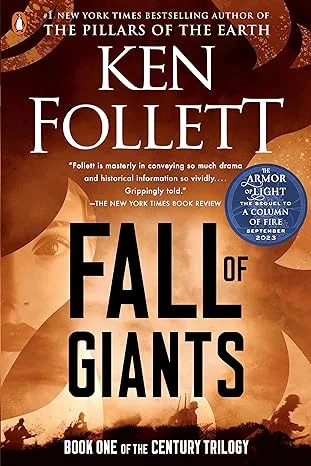
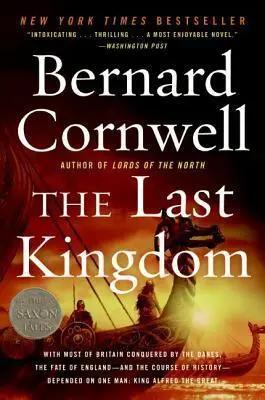
  • US OFFICE:
  • Address: 5101 Santa Monica Blvd # 8, Los Angeles, CA 90029, United States
  • Phone: +1 (855) 479-4213
  • UK OFFICE:
  • Address: 43 ELM PARK ROAD READING BERKSHIRE RG30 2TP
  • Phone: +44 204 586 1189

Services We Provide :

  • e-Book Cover
  • e-Book Marketing
  • e-Book Formatting
  • e-Book Writing
  • Book Video Trailer
  • Author Website
  • Article Writing
  • Ghost Writing
  • e-Book Editing
  • e-Book Publishing
  • e-Book Proofreading
  • Audio Book
  • Blog Writing
  • Website Content Writing

Company :

  • About Us
  • Testimonials
  • Contact Us
  • FAQ's

    Follow Us

Trust verified, protected by Copy Escape icon Visa, master, Discover Logo
  • © Authors Breeze 2026. All rights reserved.

  • |
  • Terms of Services
  • |
  • Privacy Policy

Disclaimer:
The services provided by Authors Breeze become clients' property once delivered. Authors Breeze will not hold any ownership rights once your work is successfully accepted by a publishing house.

X
Book
Authors Breeze BookPublishing AT 50% OFF
Contact No Incorrect

Signup Today to Claim Your Discount. Get Started before it’s too late!