Skip to content
  • Home
  • Writing Services
    • Ghost Writing
    • e-Book Writing
    • Fiction Writing Services
    • Non-Fiction Writing Services
    • Memoir Writing Services
    • Novel Writing Services
    • Biography Writing Services
    • Autobiography Writing Services
  • Publishing Services
    • E-Book Publishing
    • Amazon Publishing Services
  • Editing Services
    • Book Editing
    • Book Proofreading
    • Book Formatting
  • Other Services
    • Book Marketing
    • Audio Book
    • Book Formatting
    • Blog Writing
    • Website Content Writing
    • Book Cover Design
    • Book Video Trailer
    • Author Website Design
    • Article Writing
  • Resources
    • Blogs
    • Case Studies
    • Testimonials
    • FAQs
    • About Us
    • Contact Us
logo
  • Home
  • Writing Services
    • Ghost Writing
    • e-Book Writing
    • Fiction Writing
    • Non-Fiction Writing
    • Memoir Writing
    • Novel Writing
    • Biography Writing
    • Autobiography Writing
  • Publishing Services
    • E-Book Publishing
    • Amazon Publishing
  • Editing Services
    • Book Editing
    • Book Proofreading
    • Book Formatting
  • Other Services
    • Book Marketing
    • Audio Book
    • Blog Writing
    • Website Content Writing
    • Book Cover Design
    • Book Video Trailer
    • Author Website Design
    • Article Writing
  • Resources
    • Blogs
    • Case Studies
    • Testimonials
    • FAQS
    • Services Rate

    • About Us
    • Contact Us
  • +1 (855) 479-4213
  • Book a Call
  • Get a Quote
  • Live Chat

Author : Shirley Gibson

17th Jan 2025

Inspiring Character Ideas to Help You Write Better Stories

Character Ideas
Character Ideas

Key Takeaways: Inspiring Character Ideas to Help You Write Better Stories

Don’t let weak characters undermine your storytelling. This informative guide will teach you the art of creating character ideas that uplift your book, film, or series to new heights.

Good character ideas are essential for driving the plot forward. They also make the story relatable and engaging.

You must look for inspiration such as real people, books, movies, historical figures, mythology, dreams, as well as personal traits.

Unique character ideas:

  • A person who can jump between different eras.
  • Someone who gets paid to sleep.
  • Someone with more than one personality.
  • Two siblings who are always competing.
  • Someone who is fighting a losing battle.

You’re Characters, Our Expertise

Take your storytelling to the next level with our skilled ghostwriters. On the other hand, we can create characters that captivate and inspire.

Hire Ghostwriting Services

Introduction

Have you ever come across the expression ‘cherry on top’? It’s a fitting way to describe characters in a story. Characters are the heart of any Story. For example, imagine the ‘Harry Potter’ series without the character of Harry Potter. It just wouldn’t be the same! Characters are the driving force behind the plot, shaping the direction of the story.

But how do writers create characters’ ideas? Where do they get their character idea design? Don’t worry! In this blog, we will explore character ideas and the essential components of well-developed characters. By the end, you’ll have plenty of inspiration for creating your own characters.

What Is The Importance Of Character In Stories?

Characters are what make stories come to life. Without them, it’s just a description of places. Many characters in fiction and nonfiction books, TV shows, and movies have a significant impact on people. Some people even enjoy living through these characters because their lives seem more exciting.

What is Characterization?

Characterization is the process by which an author creates and develops characters in a story. It refers to the techniques used to describe and reveal a character’s qualities, such as their personality, actions, thoughts, and emotions. There are two main types of characterization:

Direct characterization: The author directly tells the reader about the character (e.g., “He was very shy”).

Indirect characterization: The author shows the character’s traits through their actions, speech, thoughts, or interactions with others (e.g., “He avoided eye contact and spoke in a soft voice”).

Where to Find Character Ideas for Your Story?

Finding character ideas for your story can be a fun and creative process. Let’s discuss great sources to explore for inspiration:

Real People

You should look at the people around you—family, friends, co-workers, or even strangers. Indeed, their personalities, quirks, and mannerisms can become inspiration from new character ideas.

Books and Movies

You can study characters from your favourite books, such as morally grey characters, movies, or TV shows. Think about what makes them compelling. Also, you can use elements of those characters in new, unique ways.

Historical Figures

Try to research interesting historical figures from historical fiction. Their lives, challenges, and achievements can inspire rich character backgrounds.

Mythology and Folklore

You should discover myths, legends, and folklore from various cultures. These stories often include classic characters with unique qualities. Moreover, it can be creatively updated for today’s stories.

Dreams and Subconscious

Sometimes, your dreams or random thoughts can provide strange and fascinating character ideas. So, you must keep a journal nearby to write down ideas. Furthermore, it can help capture these fleeting moments.

Character Prompts

Many websites and writing communities offer character development prompts. It can also help you to enhance your creativity. You must try them out to generate fresh ideas.

Travel and New Environments

It is imperative to find out about different settings or cultures. You can also explore these options through travel or research. In addition, the people you meet and observe in these environments can influence your character creation.

Your Own Traits

You can reflect on your own personality, strengths, and flaws. It also amplifying or altering certain aspects of yourself can lead to a character that feels genuine and relatable.

Mix and Match Archetypes

You should combine character archetypes (e.g., the hero, the villain, the mentor) with unexpected traits or professions. As a result, it can add depth and originality to your characters.

Imagination

Simply let your imagination run wild. You should also create characters with traits or backgrounds that fascinate you—then develop them through writing.

Components of Character

Let’s discuss the key components of character building:

Quirk

A character’s quirks are unique habits. You can also call them mannerisms or behaviors. Quirks make them stand out from others. These can be small details such as chewing gum or talking to themselves when feeling nervous. Quirks help add personality and realism to a character. It makes them more exciting and memorable for the audience.

 Mind mapping character quirks questions.

  • What’s their obsession?
  • How do they cope with stress?
  • What’s their hidden emotion?
  • What’s their catchphrase?

Weaknesses and Limitations

Weaknesses and limitations refer to flaws and vulnerabilities. These could be things such as a fear of heights or carrying emotional baggage. These traits make the character more relatable to the audience. It also creates opportunities for growth and conflict throughout the story.

Brainstorming character limitations questions

  • How do your character’s beliefs stop them from fixing problems?
  • Are there things they won’t do because it’s wrong or unfair?
  • Do they want something so much that they can’t think clearly?
  • Do their friends or family make it hard for them to do what they need to do?

Physical Appearance

Physical appearance refers to how a character looks on the outside. Moreover, it includes their features, body language, and the way they dress.

For example, a character might be tall and lanky, have messy hair, or have a noticeable scar on their cheek.

It describes the character’s appearance and helps readers picture them in their minds. It can also provide clues about their personality or background.

Mind mapping physical traits questions

  • What physical traits do they share?
  • How do others perceive your character based on their physical appearance?
  • How do these features contribute to their sense of self-worth?

Occupation or Hobbies

Occupation or hobbies means what a character does for work or enjoys during their free time. The character also can be a detective, an artist, or do activities such as mountain climbing or knitting. These details also add depth to the character’s identity.

Brainstorming character occupation/hobbies questions

  • Does your character’s job match what they’re good at and enjoy?
  • Does your character want a different job?
  • Why does your character want to change jobs?

 Relationships

Relationships are how a character connects with other people. These can be family, friends, romantic partners, or even enemies. They are also important because they affect:

  • What a character wants to do
  • How they feel
  • What happens in the story

Brainstorming character relationship questions

  • Who has had the most significant influence on your character’s life?
  • How has this person changed what your character believes and how they act?
  • Do they admire this person, or do they have bad feelings or memories about them?

Flaws

Flaws make characters feel more natural. Also, it helps people to understand characters and make them. They also make characters more complex and allow them to grow and change.

Mind mapping character flaws Questions.

  • What things seem normal to most people, but what does your character dislike?
  • In what ways is your character stubborn or unwilling to change?
  • What things in their past have made them have flaws or feel insecure?

Motivation

Motivation is what makes a character do things and make choices. It can be caused by things they want, such as revenge or fairness. Motivation gives a character a clear reason to do things and helps the story move forward.

Brainstorming Character Motivation Questions

  • What has your character promised they will never do?
  • What things do they hope to achieve or dream about?
  • Is there something wrong that your character did that they regret or feel they must fix?

Philosophy

Philosophy refers to a character’s personal worldview, ethics, and beliefs.

For example, a character might live by the idea of “survival of the fittest,” believe in “always helping others,” or hold the belief that you should “trust no one.”

A character’s philosophy shapes how they make decisions and respond to situations, often leading to internal struggles or external conflicts while also adding depth to the story’s themes.

Mind mapping Character Philosophy Questions

  • What are the core beliefs and values of your character’s religion?
  • How does your character view money as well as power?
  • Are they materialistic or altruistic?
  • Do they believe in the corrupting influence of wealth and power?

From Concept to Character: Let Us Help

Our team specializes in creating custom characters that perfectly align with your ebook’s theme and tone.

Avail EBook Writing Services

Unique Character Ideas

Quirky and Eccentric Characters

  • A person who can jump between different eras.
  • Someone who can change their physical appearance at will.
  • A character who can read other people’s thoughts.
  • A person who can control the weather.
  • Someone who can communicate with animals.

Unusual Occupations and Professions

  • Someone who gets paid to sleep.
  • A person who studies clouds for a living.
  • Someone hired to cry at funerals.
  • A person who gets paid to hug people.
  • Someone who specializes in apologies.

Extraordinary Backgrounds and Origins

  • Someone who has been abducted by aliens.
  • The offspring of a time traveller.
  • The child of a human and a robot.
  • Someone is learning magic from a witch.
  • The offspring of a vampire romance.
  • The child of a werewolf.

Unique Physical Traits and Abilities

  • Someone with more than one personality.
  • A person with elastic skin.
  • Someone who can manipulate ice.
  • A person who can control fire.
  • Someone who can manipulate water.
  • A person who can control the earth.

Unusual Relationships and Connections

  • Two siblings who are always competing.
  • Friends who are also romantic partners.
  • Two enemies who fall in love.
  • Someone who discovers they have a twin.
  • A person who was adopted.
  • Someone who was raised by a foster family.

Special Challenges and Obstacles

  • Someone who is fighting a losing battle.
  • Someone who is intelligent but not recognized for it.
  • The misfit who doesn’t fit in with society.
  • The outcast who is shunned by others.
  • Someone who is bullied by others.

Stand Out Personality Traits and Quirks

  • A person who collects and stores excessive amounts of items.
  • Someone who is obsessed with cleanliness.
  • Someone who prefers to be awake at night.
  • A person who prefers to get up early in the morning.

Unique Backstories and Origins

  • Someone who has lost their memory.
  • A person who has no parents.
  • Someone who is exceptionally talented at a young age.
  • Someone who becomes a hero by accident.
  • A person works for a secret government agency.

Loveable Relationships and Connections

  • Someone who teaches and guides another.
  • Someone who competes with another.
  • A person who is a sworn enemy.
  • Someone who is romantically interested in another.
  • Someone who is related to another.

Unique Challenges and Obstacles

  • Someone who is on a journey to achieve a goal.
  • Someone who is involved in a secret plot.
  • Something that is puzzling or unexplained.
  • A difficult situation with no easy solution.
  • A clash between opposing forces.

Types of Characters

Characters are the lifeblood of any story. They come in countless varieties. However, each has unique roles and personalities. So,let’s explore some common character types:

Based on Role

Protagonist

The central character of a story. They are often seen as the hero or heroine. Moreover, they drive the narrative and face challenges.

Antagonist

The character who opposes the protagonist. However, often seen as a villain. The antagonist can also be a force of nature, a personal struggle, or even a societal norm.

Confidant

A trusted friend or ally to whom the protagonist confides. They also offer support, advice, and a sounding board.

Foil

A foil character who contrasts with the protagonist, highlighting their qualities. For example, a shy protagonist might have a bold foil.

Based on Development

Dynamic Character

A dynamic character who undergoes significant change throughout the story. Also, they learn, grow, and evolve.

Static Character

A static character that remains relatively unchanged throughout the story. They also provide stability or contrast to the dynamic characters.

Flat Character

A flat character is simple and one-dimensional, with few defining traits.

“For more like this, explore Round vs Flat Characters: Differences and Features.”

Round Character

A complex and multifaceted character with depth. In addition. Round characters make readers feel like real people.

Stock Character:

A stereotypical character is often used for comedic or dramatic effect.

Take Inspiration from Fictional and Goth Characters

When you want to make a new character, you can look at popular fictional and Goth characters for ideas. Think about people like Edward Scissorhands, who is nice but doesn’t fit in, or Wednesday Addams, who is funny and dark. L from Death Note is also a good example. He’s clever but strange and has a secret air.

These characters often have dark or spooky qualities, but they also feel deeply. You can mix these things to make someone who is strong, has hidden feelings, or comes from a mysterious place. This will also make them outstanding and exciting to people.

Also,Read:  “Best fictional characters of all time“

Conclusion

It is imperative to create memorable characters that attract readers. By following the above process, you can craft characters that are relatable and also full of depth. These elements will help shape engaging characters. You can also seek assistance from Authors Breeze. Our team specializes in creating the best characters tailored to your stories.

Frequently Asked Questions

What is a good character in a story?

A good character is someone who is reliable, supportive, and trustworthy. They consistently show up for the people they care about. It also keeps their promises as well as a helping hand when needed.

What personality should I give my character?

To make your character more relatable and interesting, consider giving them distinct hobbies, interests, beliefs, as well as opinions. Think about what your character might be passionate about, their favourite activities, their perspectives on various topics, and how they would react to different situations.

How do I find a character designer?

You can find a character designer at Authors Breeze. Moreover, they have a team of experts who can create stunning designs at affordable prices.

How can you legally own a character?

You can get a character trademark from the U.S. Patent and Trademark Office (USPTO). So, you have to apply to the USPTO and go through an examination process to get a trademark registration for your character. The USPTO gives out character trademarks.

Find the Perfect Writer for Your Characters

Our skilled writers will craft unique personalities. As a result, it will drive your narrative and keep readers engaged.

Contact us

Author : Caroline Chartrand

08th Jan 2025

What is Direct Characterization in Literature?

Direct Characterization

Key Takeaways: What is Direct Characterization in Literature?

Are you new to the literary world and want to learn how to effectively introduce characters with direct characterization? Or are you a literature student aiming to better understand character development and literary techniques? Then, this guide is for you. It is time to read and learn from the greats.

  • Direct characterization is when the author directly tells you about a character’s traits, personality, or motivations.
  • It’s like the author giving you a label or description upfront.
  • For example: “She was kind and always smiled.” or “Tom was a brave and courageous knight.”

Tell Your Readers About Your Characters

Do you struggle with characterization? If so, let our seasoned ghostwriters describe your characters to readers with responsibility.

Get Book Ghostwriting Services

Introduction

You may have heard of “Show, don’t tell.” It can be terrible writing advice you can get. However, effective storytelling often requires a balance. While sometimes overlooked, direct characterization provides a concise and impactful way to introduce key personality traits and motivations, allowing writers to focus on “showing” in other crucial areas of their narrative.

One way an author uses direct characterization is by telling the reader about the character through what the narrator says. For example:

“The narrator might describe a character as ‘kind,’ ‘selfish,’ or ‘ambitious.”

In this blog post, we’ll explore this valuable tool that allows writers to efficiently and effectively convey crucial information about their characters. So, let’s begin.

What is Characterization?

If we have to define characterization, we would say:

“A description of the distinctive nature or features of a person or a fictional character.”

However, in literature, characterization is when an author paints a picture of a character with words. It is how they bring characters to life, making them feel authentic and engaging. They do this by showing us:

1. What the characters look like.

Imagine the writer describing:

  • A character’s messy hair
  • A mischievous grin
  • A worried frown

These details paint a picture in our minds.

2. What the characters say and do.

Every word and action reveals something about a character.

  • Do they speak kindly or rudely?
  • Are they brave or cowardly?

Their choices and conversations tell us who they are.

3. What the characters think and feel.

Writers can peek inside a character’s mind, sharing their thoughts and emotions.

This helps us understand their motivations and how they see the world.

4. How other characters react to them.

Sometimes, what others say or do about a character tells us even more than what the character says or does themselves.

So, next time you read a story, pay attention to how the writer uses these techniques to bring the characters to life. As a result, you can learn how to use characterization.

Types of Characters

You can categorize or classify characters based on their role, function, or personality traits within a story. These types can be quite diverse and often depend on the genre or narrative structure. Some common types include the following:

  • Protagonist – The central character around whom the story revolves.
  • Antagonist – The person who opposes the protagonist.
  • Supporting Character – Characters who play a major role in the story but are not the main focus.
  • Foil Character – A character who contrasts with another character (usually the protagonist) to highlight particular qualities of the other character.
  • Morally Grey Character – A character who does not clearly fit into the traditional categories of “good” or “evil.”
  • Static Character – A character who remains unchanged throughout the story till the end.
  • Dynamic Character – Someone who undergoes significant personal growth or change.
  • Flat Character – A figure with limited personality traits or depth.
  • Round Character – A complex character with multiple facets and motivations.

Also Read: Round vs Flat Characters: Differences and Features

Character Archetypes

Character Archetypes, on the other hand, are universal patterns or models of characters that have been repeated throughout history and across cultures. They represent fundamental human experiences and desires and often serve as symbolic representations of certain ideas or themes. Some well-known archetypes include the following:

  • The Hero – A courageous individual who overcomes challenges to achieve a noble goal.
  • The Villain – A malevolent character who opposes the hero.
  • The Mentor – A wise and experienced figure who guides the hero.
  • The Trickster – A mischievous character who challenges social norms and conventions.
  • The Innocent – A naive and pure character who embodies goodness.
  • The Lover – A passionate and romantic character who seeks love and connection.

Types of Characters vs. Character Archetypes: Key Differences

Specificity

Types of characters are more specific and often tied to a particular story or genre. On the other hand, archetypes are broader and more universal.

Development

Types of characters can be static or dynamic, while archetypes often remain consistent throughout different stories.

Symbolism

Archetypes often carry symbolic meaning and represent universal human experiences, whereas types of characters may not have such deep symbolic significance.

Types of characters are like specific breeds of dogs.

For example:

“Labrador Retriever and German Shepherd”

Character archetypes are like the general concept of “dog.”

For instance:

“A domesticated canine companion.”

A specific character can belong to a particular type. However, they can also embody elements of multiple archetypes.

For example:

“A protagonist might be a dynamic hero who also exhibits traits of the innocent or the lover.”

When writers want to tell a good story, they need to figure out the best way to portray the types and archetypes of characters. There are two techniques to describe characters:

  • Direct Characterization
  • Indirect Characterization

What is Direct Characterization?

So, what does direct characterization mean? If we have to define it, we can say:

“It is where a storyteller directly tells you about a character.”

For example:

Saying, “She was kind and always smiled.”

That is a direct characterization!

It is like the author gives you a clear, upfront description of the personality or traits of a character.

You may also see people using other wording for direct characterization. One of the popular synonyms for direct characterization is explicit characterization. Other synonyms include the following:

  • obvious characterization
  • clear characterization
  • straightforward characterization
  • transparent characterization

So do not get confused b/w them.

The simple definition or meaning of direct characterization is:

“A literary device that authors use to provide readers with clear, definitive details about a character.”

Why is Direct Characterization Important?

Direct characterization is a shortcut that authors use to tell them straight up:

  • what a character is like,
  • their personality,
  • what they want,
  • and why they do things.

It is important because it helps readers understand the characters quickly and easily without having to guess their thoughts and feelings. So you can visualize them in your head and enjoy the story even more.

Key Insight:

“At the beginning of a story, it can quickly give you key details that will affect how the story unfolds.”

What are the Methods of Direct Characterization?

Authorial Telling

The author directly states the traits or qualities of a character.

For example:

“John was a kind and compassionate man.”

Character’s Own Words

The character directly describes themselves or their feelings.

For instance:

“I am an introvert and often struggle in social situations.”

Opinions of Other Characters

Other characters in the story describe the character being characterized.

For example:

“Mary said that John was the most generous person she knew.”

Labels or Titles

For instance:

“The town drunkard,” “The village gossip,” “The kindly old professor”

What are the Types of Direct Characterization?

There is no single, universally accepted list of “types” when it comes to direct characterization. However, there are a few ways you can categorize the methods:

  • By sources (such as author narration, the character’s own words, etc.)
  • By focus (such as physical description, personality traits, etc.)

When to Use Direct Characterization?

Think of direct characterization like a label on a bottle. It tells you exactly what’s inside. You can use it:

When Introducing Characters

When you first meet a character, direct characterization can quickly paint a picture in the reader’s mind.

“Sarah was a tall, elegant woman with fiery red hair and a kind smile.”

Boom! You know what she looks like and have a sense of her personality.

For Highlighting Key Traits

If a character’s personality is central to the story, direct characterization can emphasize those traits.

“He was known for his unwavering honesty, even when it got him into trouble.”

This lets you know that honesty is a big deal for this character.

To Create a Strong First Impression

First impressions matter! Direct characterization can make a character instantly memorable.

“The old man sat on the park bench, his eyes twinkling with mischief.”

Now you’re intrigued!

Keep in Mind:

While the direct characterization is helpful, too much of it can make readers feel you are lecturing them.

So, it is often more engaging to show the traits of a character through their actions and dialogue (that is indirect characterization!).

How to Use Direct Characterization?

So, how do writers use direct characterization in a story? They utilize it to tell readers exactly what they want them to know about their characters.

Here’s an example:

Direct:

“The old woman was wise and gentle.”

In this sentence, the author directly tells us that the older woman is wise and gentle.

Now, compare it to this:

Indirect:

“The woman listened patiently to the child’s worries, offering comforting words and a warm smile.”

Here, the author shows us the woman is older by showing her wisdom and gentleness through her actions and words. That is called indirect characterization.

While indirect characterization can be more engaging, direct method is helpful, especially when you want to establish a character’s personality or background quickly.

Tips for Direct Characterization

Here are some tips for using direct characterization creatively:

Be Specific

Instead of saying:

“He was a good person.”

Try:

“He had a heart of gold.”

Use Strong Adjectives and Adverbs

Words like “fierce,” “determined,” and “joyfully” can paint a vivid picture of your character.

Don’t Overdo It

Too much direction can make your writing feel heavy-handed. So, use it sparingly and strategically.

Key Tip:

“Combine direct and indirect characterization. This will make your characters more well-rounded and believable.”

Direct Characterization Examples

Let’s look at examples of direct characterization.

In Literature

“The Great Gatsby” by F. Scott Fitzgerald

“In his blue gardens, men and girls came and went like moths among the whisperings and the champagne and the stars.”

“Pride and Prejudice” by Jane Austen

“Mr. Darcy was a proud, rich, and handsome man.” (Explicitly states Darcy’s key characteristics)

From Movies

“The Shawshank Redemption”

The narrator, Red, directly states that Andy Dufresne is “a smart fella, the sharpest one I ever knew.”

“The Dark Knight”

Commissioner Gordon directly addresses Batman as “the only good guy in a city of criminals.”

In Books

“Harry Potter and the Sorcerer’s Stone” by J.K. Rowling

“Harry was a thin, gangly boy with unruly black hair and a pair of round glasses perched precariously on his nose.” (Describes Harry’s physical appearance)

“To Kill a Mockingbird” by Harper Lee

“Atticus Finch was the same last year as the year before. You never could tell he was lying.” (Highlights Atticus’s honesty and integrity)

What is Indirect Characterization?

Indirect characterization is when an author shows you how a character acts, speaks, thinks, and feels, and you have to figure out what kind of person they are based on their behavior.

For example:

You are watching a movie. You don’t hear the characters say,

“I’m a shy person.”

Instead:

“You see them tremble when they have to speak in front of others, avoid eye contact, and mumble their words.”

That is an indirect characterization!

It’s like putting together a puzzle to understand the character’s personality.

What is the Difference between Direct Characterization and Indirect Characterization?

Direct characterization is similar to a friend giving you a straightforward description of someone. They might say,

“He’s really kind,”

or

“She’s very shy.”

The author tells you exactly what the character is like.

Indirect characterization is similar to watching someone interact with others and figuring out their personality based on their actions and words. For example:

If someone always offers to help others and speaks gently, you might infer that they are kind.

In a Word:

Direct (Explicit) – The author tells you.

Indirect (Implicit) – You figure it out.

Conclusion

Direct characterization is a valuable tool for writers to introduce characters and emphasize important personality traits quickly. However, you should use it sparingly to avoid making your writing feel too obvious or preachy. Combining direct characterization with indirect methods (showing, not telling) will create more engaging and believable characters.

Learning characterization is just the beginning of your literary journey. In case of any more assistance, Authors Breeze is here for help.

Frequently Asked Questions

Which story element most clearly shows direct characterization?

The author's description of a character's attitude toward life.

When does direct characterization occur?

Direct characterization occurs when the author explicitly describes the characters.

Why do writers use direct characterization?

Writers use this literary device in their stories to leave very little room for confusion or doubt.

Improve Your Ebook with Characterization

Let our ebook writers help you leverage direct characterization to create an unforgettable reading experience for your audience.

Get Ebook Writing Services

Author : Charles Maynes

02nd Oct 2024

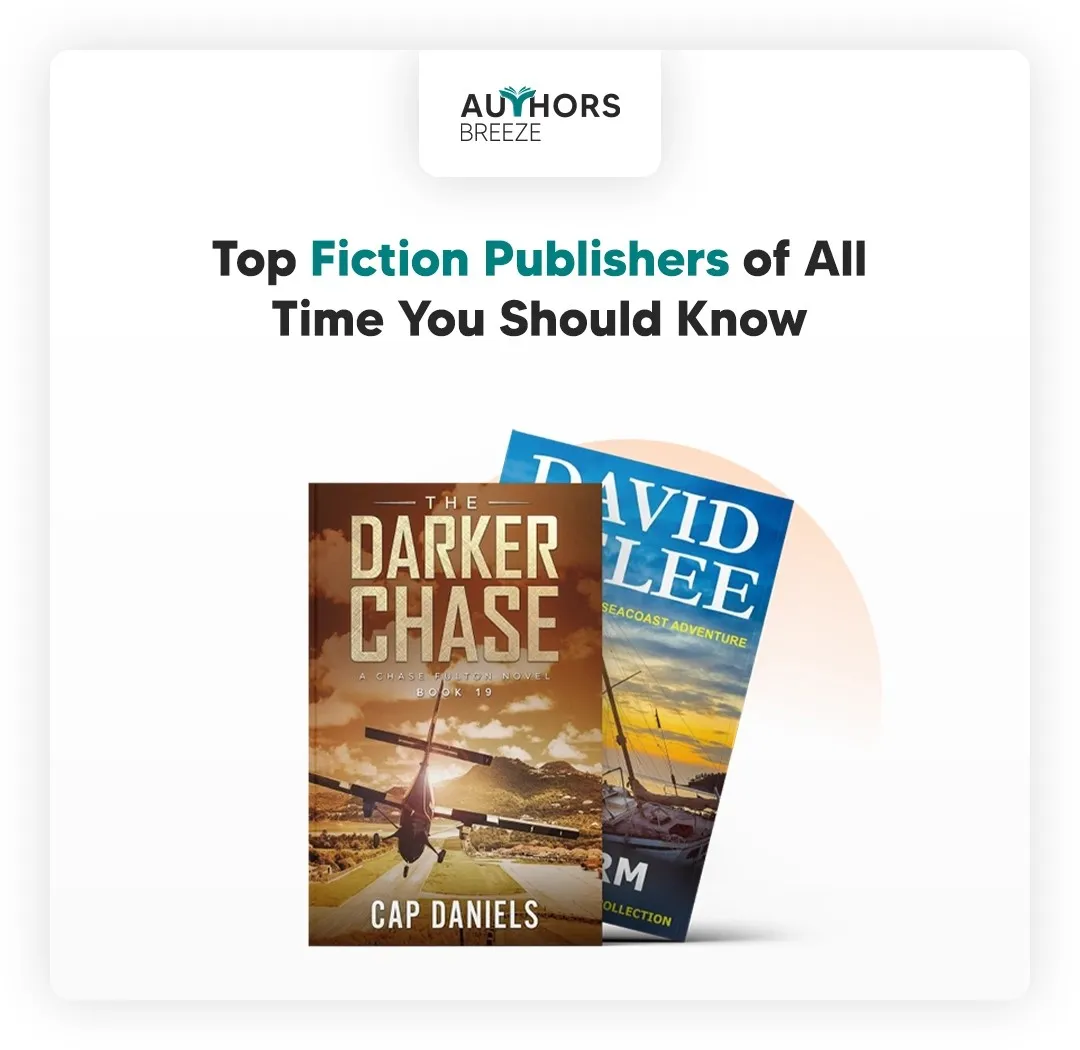
Top Fiction Publishers of All Time You Should Know

fiction publishers
Fiction Publishers

Key Takeaways: Top Fiction Publishers of All Time

Do you want to publish a fictional book? But you are confused about which of the fiction publishers would be suitable for you? Don’t worry. Please have a look at the key takeaways and find the perfect publisher if you don’t have time to read the whole blog.

  • Fiction refers to made-up stories. It also provides readers with an escape into imaginative worlds. The global fiction book market is expected to reach $11.05 billion by 2025.
  • The top 5 fiction publishers are Penguin Random House, Hachette Book Group (HBG), Simon & Schuster, HarperCollins, and Macmillan Publishers.
  • Many publishers, including Outskirts Press, BookBaby, and Reedsy, offer services for authors such as editing, design, and marketing to help them with their publishing journey.
  • Several publishers, such as Bonnier Books and StreetLib, operate internationally. They help authors distribute their fiction books across different countries and languages.
  • Other popular options are Amazon KDP, Barnes & Noble Press, IngramSpark, Lulu, and Apple Books.
  • Some of the famous fiction publishers are Soho Press, Talos Press, DAW Books, Kobo, and Draft2Digital.
  • Authors Breeze is a self-publishing company.. We help aspiring authors explore diverse publishing options to bring their stories to life.

Already Written Your Fiction Story?

Now let’s make your fiction stories impressive, we can edit your stories with our editing team.

Hire Editing Services

Introduction

Fiction books are a favorite genre of all ages, from kids to adults. The market for fiction books has been getting bigger and bigger lately. It has grown from $10.81 in 2023 to $11.05 billion in 2025. So, many writers have written a book on fiction. However, the challenge is that they don’t know where to publish a book.

Publishing a book is as important as writing one. As a writer, you should know where to publish your book to attract your target audience effectively. Fiction publishers help authors get their books out into the world and often share profits based on agreed terms and conditions.

Now, the big question is:

Where should you publish your book?

Don’t worry! This blog will discuss some of the best fiction publishers, chosen based on their reputation and portfolios. Let’s start reading.

What is Fiction?

The word ‘fiction’ comes from the Latin word ‘fictum,’ which means ‘made up’. So, if a story is made up, it is fiction. Fiction can be written, told, or acted in plays, movies, TV shows, or radio programs.

Also Read: What is the Difference Between Fiction and Nonfiction?

Why are Fiction Books in Demand?

Fiction books are popular because they let readers escape into different worlds. It offers a break from everyday life and helps people relax. They bring stories full of adventure, mystery, and emotion. Fiction also allows readers to connect with characters and experience various emotions. It makes the stories more engaging. With many different genres, such as romance, fantasy, and mystery, there is something for everyone.

Fiction books can also inspire creativity and offer new perspectives. Moreover, it helps people understand others better. This blend of fun, imagination, and emotional connection keeps fiction books in high demand.

Best Fiction Book Publishers

Let’s discuss the top fiction publishers:

1. Penguin Random House

Penguin Random House is one of the big names in the book publishing industry. They want everyone to love reading books. Penguin believe that fiction books can help people connect. The people who work at Penguin Random House help authors write their best books. They also find ways to get these books to people all over the world. In addition, They use technology to help them do this. The publisher wants to make sure that authors can share their ideas and writing styles with as many people as possible.

2. Hachette Book Group (HBG)

Hachette Book Group (HBG) is a prominent American company that publishes all kinds of books. They have many smaller publishing houses within them. Moreover, this publisher has different teams with different specialties. HBG thinks it’s essential to include people from all backgrounds and with varying experiences in their company and the books they publish.

3. Simon & Schuster

Simon & Schuster is one of the best publishing companies that publish books for people of all ages. They want to help people learn new things. Their books cover a wide range of topics and are designed to spark curiosity and inspire change. They make sure their books are available to as many people as possible.

4. HarperCollins

HarperCollins is a fiction publisher that has been entertaining people for over 200 years. Additionally, it started as a small family business and is now one of the biggest book publishers in the world. They have offices in many countries and publish books in many languages. Every year, they publish about 10,000 new books and have a total of over 200,000 books available to read. HarperCollins wants to publish books that represent different perspectives as well as appeal to people all over the world.

5. Macmillan Publishers

Macmillan Publishers is the largest fiction book publisher, publishing books by some of the most famous authors in the world. They publish books for all kinds of readers. It also includes adults and children. Their books have won many awards, such as the Nobel Prize and the Pulitzer Prize. Macmillan is part of a larger company called Holtzbrinck Publishing Group.

6. Authors Breeze

Authors Breeze is a self-publishing company. We offer a wide range of self-publishing services such as book cover, ghostwriting, editing, and proofreading. We can help you improve your writing skills and build a robust platform for your work. You can contact us for more details.

7. Bonnier Books

Bonnier Books is a fiction publisher that operates in many countries in Northern Europe. They have different parts of the company that do other things, such as selling books in stores and offering a digital book subscription service. They are based in Sweden and have businesses in several other countries, including Finland, Denmark, Norway, Germany, Poland, and the United Kingdom.

8. Amazon KDP

Amazon KDP is a service that allows authors to self-publish their books on Amazon. It’s a popular option for authors who want to publish their books themselves. While Amazon KDP is mainly known for publishing Kindle ebooks. They also offer paperback publishing services. Amazon KDP is a simple and straightforward platform for self-publishing. Your books can be sold in many different countries. Moreover, Amazon has a vast number of customers who might buy your book.

9. Europa Editions

Europa Editions is a book company that publishes fiction books. Moreover, they wanted to bring new and exciting books from Europe to readers in America and Britain. Europa publishes a wide variety of books and believes that literature can help people understand different cultures. They have won awards for their books, which are distributed by other companies in various countries.

10 . Allen & Unwin

Allen & Unwin is a leading independent publisher in Australia. Also, they are known for its diverse range of books across various genres. The company has a strong reputation for publishing both Australian and international authors. Allen & Unwin is renowned for its commitment to quality literature and has won numerous awards for its publications.

11. Barnes & Noble Press

Barnes & Noble Press is one of the leading self-publishing companies offered by the Barnes & Noble bookstore chain. It allows authors to publish their books and sell them on the Barnes & Noble website (bn.com) and potentially in their app.

12. Farshore

Farshore is a book publisher that specializes in children’s books. They want to help children of all ages become proud readers. This publisher offers a variety of books that can inspire and entertain children. Farshore also provides resources to help parents and teachers encourage children to read.

13. IngramSpark

IngramSpark Publishing is a self-publishing platform that is part of Ingram that distributes books to retailers. They offer to distribute your book to many different places. It also includes Amazon, other online stores, libraries, schools, and independent bookstores.

14. Harlequin

Harlequin is a fiction publisher that primarily publishes romance novels. It’s been around for 75 years and is very well-known for its romance books. They publish over 100 new books every month, both in print and digital formats.

15. Akashic Books

Akashic Books is an independent book company based in Brooklyn, New York. They publish books by authors who are not well-known or who don’t want to work for big publishing companies. Akashic Books focuses on books about fiction and nonfiction.

16. Lulu Self-Publishing

Lulu Self-Publishing is one of the best self-publishing companies that has been around for over a decade. They offer a variety of services. It includes cover design, layout, and printing. Lulu is known for its high-quality printing and the flexibility it provides authors with things such as bulk orders, hardcover options, and photo books. They also distribute books to over 150 countries and sell books on their own website as well as on Amazon, Barnes & Noble, and through Ingram.

17. Joffe Books

Joffe Books is a book company that was started in 2014. They have won several awards for their work, including Independent Publisher of the Year and Best Publisher at The People’s Book Prize. Joffe Books is committed to publishing a diverse range of authors. They created the Joffe Books Prize in 2021 to help support writers from underrepresented groups.

18. Yale University Press

Yale University Press is a book publisher that is part of Yale University. They publish books that are serious and informative. This company also wants to help people understand the world better. They publish books on many different fiction topics. Companies hope that their books will help people learn new things and have meaningful discussions. Yale University Press is committed to publishing high-quality books that are both scholarly and interesting to read.

19. Kodansha

Kodansha is a Japanese publishing company that was founded in 1909. They are known for publishing a wide variety of books and magazines, such as manga (Japanese comics). Kodansha’s mission is to publish exciting and innovative content that can educate and entertain people. They believe that books can help people overcome language barriers and learn about different cultures. Kodansha has a long history of supporting young and talented people. As a result, many authors have achieved their dreams.

20. Apple Books Publishing

Apple Books Publishing is a platform for authors to publish their ebooks on Apple devices. It’s a popular option for authors who want to reach Apple users. Many people use Apple devices and search for ebooks on Apple Books. If you use a Mac, then it is relatively easy to upload your book to Apple Books.

21. Tilbury House

Tilbury House is a book publisher that specializes in children’s books. They were founded in the 1970s and started publishing books about New England. In 2022, they were bought by another publishing company called Rowman & Littlefield. Today, Tilbury House only publishes children’s books. Their books cover a variety of topics, such as cultural diversity, social justice, mindfulness, science, nature, and the environment.

Self-Publish Your Fiction Book

From manuscript to marketing—our team will guide you through every step of the publishing process to ensure the book’s success.

Get Self-Publishing Services

22. Soho Press

Soho Press is a small book company based in Manhattan, New York. They publish about 80-100 books every year. They are famous for publishing new and exciting authors such as literary fiction, crime fiction, and young adult fiction.

23. Talos Press

Talos Press is a book company that specializes in science fiction, fantasy, and horror. They publish both new books by up-and-coming authors and classic books by well-known authors. Talos Press has also published several New York Times bestsellers and Nebula Award nominees.

24. Murdoch Books

Murdoch Books is a book company that specializes in lifestyle and fiction books. They were started in the 1990s and were bought by Allen & Unwin in 2012. Moreover, Murdoch Books is based in Australia but also has offices in other countries and publishes books in many languages. They work with authors from all over the world.

25. StreetLib

StreetLib is a book distribution company based in Italy. They focus on distributing books to international markets, especially in Latin America and Europe. In 2019, they launched digital portals for authors and publishers in 20 countries across six continents. Moreover, they distribute books to many countries worldwide. Their website is available in multiple languages, such as Italian, Hindi, English, and Spanish. StreetLib is expanding its reach, especially in Africa and Europe.

26. Outskirts Press

Outskirts Press is a self-publishing company that helps authors publish their books. They offer services such as editing, design, and book marketing. Outskirts Press is committed to publishing authors from all backgrounds and identities. They have a lot of experience in the publishing fiction industry. Authors also provide authors with advice and support.

27. DAW Books

DAW Books is a book company that specializes in science fiction and fantasy. On the other hand, it was started in 1971 and is one of the oldest companies dedicated to this genre. DAW Books is famous for discovering and publishing new and talented authors. Many renowned science fiction and fantasy authors have published their books with DAW. It also includes Patrick Rothfuss, Nnedi Okorafor, and C. J. Cherryh.

28. Kobo

Kobo is a Canadian company that was founded in 2009. On the other hand, it is a subsidiary of Rakuten, a large Japanese e-commerce company. Kobo is a platform where people can buy and read digital books. It supports many different formats. It also includes EPUB, EPUB3, and PDF. It’s free to upload your book to Kobo.

29. Chicago Review

Chicago Review Press is a book company that was started in 1973. They publish books that they think are important and will have a lasting impact. In addition, the company believes that publishers have a responsibility to promote diversity and inclusion in the books they publish. Chicago Review Press has grown to be a medium-sized publisher with over 1,000 books in print. They also publish about 50 new books every year under five different imprints.

30. PublishDrive

PublishDrive has a subscription model where authors pay a monthly fee to keep 100% of their sales. If you don’t want to pay a subscription, they take a flat 10% fee on all sales. PublishDrive distributes books to over 400 stores worldwide. It includes major retailers such as Apple, Kobo, Amazon, and Google Books.

31. Draft2Digital

Draft2Digital is free to use and promises to have your book uploaded within 24 hours. They also take a 10% fee on all sales. You can set the price of your book on Draft2Digital, and they distribute it to Amazon.

32. Outskirts Press

Outskirts Press is a self-publishing company that helps authors publish their books. They offer services such as editing, design, and marketing. Outskirts Press is open to publishing authors from all backgrounds and identities.

33. BookBaby

BookBaby is a self-publishing company that helps authors publish their ebooks in multiple formats, such as Kindle and Nook. They offer a free ISBN with every order, which makes it easier for readers to find your book. BookBaby also distributes books through Ingram. Moreover, it means your books are available in libraries across the country. They have a community of writers and publishing professionals where you can get help and support.

34. Reedsy

Reedsy is a marketplace that helps authors with the book publishing process. They offer a platform where authors can find editors, proofreaders, formatters, cover designers, marketing strategists, and ghostwriters to help them with their books. Reedsy also offers services such as editorial assessments and query letter reviews for authors who want to try traditional publishing.

35. Grove Atlantic

Grove Atlantic is an independent book publisher that has been around since 1917. They publish a variety of new and innovative books, such as fiction. Grove Atlantic only accepts book submissions through literary agents.

36. Graywolf Press

Graywolf Press is a book publisher that focuses on fiction. They are famous for their high-quality editing, design, and marketing. Thus, Graywolf Press is committed to publishing a diverse range of voices. It makes sure that readers can find books by underrepresented authors.

37. Dundurn Press

Dundurn Press is a well-known Canadian book publisher with an extensive collection of books. They are masters at publishing high-quality fiction in many different genres. Additionally, Dundurn Press aims to promote Canadian authors and their work.

38. Harvard Square Editions

Harvard Square Editions is a book publisher founded by Harvard University alumni. In addition, they focus on publishing literary fiction that explores spiritual, social, and environmental themes. They want to publish books that are meaningful and have value for people from all over the world.

39. Tramp Press

Tramp Press, an Ireland-based publishing house, founded in 2014, They have published authors who have won numerous awards, such as the Irish Book Awards, the International Dublin Literary Award, the Goldsmiths Prize, the Rooney Prize, the James Tait Black Memorial Prize, and many others.

40. BOA Editions

BOA Editions is a book publisher that focuses on poetry and fiction. Moreover, they are a non-profit organization committed to supporting contemporary literature. BOA Editions publishes both new and established authors. They are always looking for unique and exciting voices.

41. Autumn House Press

Autumn House Press is a book publisher that focuses on poetry and other forms of literary writing. They are also open to publishing contemporary authors who may be overlooked by larger publishing companies.

Also Read: Self-Publishing Companies to Avoid and New Author Scams

Conclusion

Author’s Breeze provides a guide for aspiring fiction authors searching to publish their work. We explores various publishing options, such as Penguin Random House and Hachette Book Group, Amazon KDP, and IngramSpark. We have emphasized the growing demand for fiction books and encouraged authors to explore the different avenues available to bring their stories to life.

Frequently Asked Questions

Who are the top 5 Publishers for Fiction?

The top 5 publishers for fiction can vary depending on the year and genre. However, some popular publishers include:

  • Penguin Random House
  • HarperCollins
  • Simon & Schuster
  • Houghton Mifflin Harcourt
  • Macmillan Publishers

How do I submit my manuscript to a fiction publisher?

To submit your manuscript to a fiction publisher, you typically need to follow these steps:

  • You must identify publishers that specialize in your genre and have a similar style to your work.
  • You should carefully read and follow the publisher's submission guidelines. It includes such as formatting requirements and any specific instructions.
  • Send your query letter and the first few chapters of your manuscript (usually 50-100 pages) to the publisher's address.

Do fiction publishers accept unsolicited manuscripts?

Many fiction publishers do accept unsolicited manuscripts. So, it is vital to check their specific guidelines. Some publishers may only consider submissions from literary agents, while others are open to direct submissions.

What should I look for when choosing a Fiction Publisher?

When choosing a fiction publisher, consider the following factors:

  • Reputation
  • Marketing and Promotion
  • Advance Payments
  • Contract Terms

Seamless Self-Publishing for Your Manuscript

We will help you get your manuscript publication-ready with our comprehensive self-publishing services.

Get a Quote

Author : Christina N Hummel

23rd Sep 2024

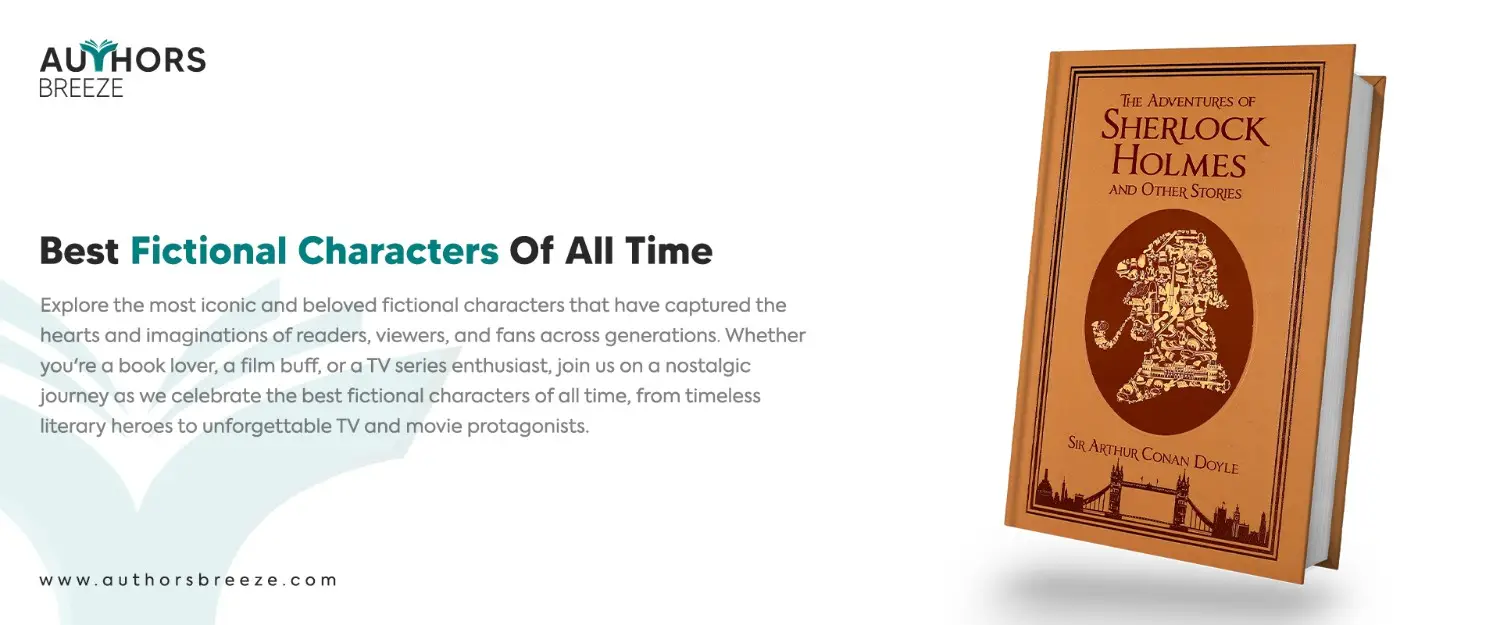
Best fictional characters of all time

fictional characters

Key Takeaways: Best Fictional Characters

  • Fiction remains trendy in book writing due to its fictional characters. The allure of stories is profound. However, characters play a crucial role in their popularity. Writers create interesting fictional characters to draw readers and make them relatable and integral to daily life.
  • Some of the best comic book fictional characters are Spider-Man, Superman, and Wonder Woman are all-time famous. They have influenced popular culture through film adaptations.
  • You may have heard about the top action fictional characters such as Wolverine, Dr King Schultz, Harry Potter, and Indiana Jones. They are popular because of their personalities, superpowers, and outfits.
  • There are many memorable fictional characters. For example, James Bond, Sherlock Holmes, Jack Sparrow, and Thomas Shelby. They are known because of their courage, love, resilience, and morality, reflecting our own hopes and aspirations.
  • Fictional characters such as Heathcliff, Jo March, Hercule Poirot, and Christian Grey drive the plot forward of their stories. They teach us about the world and even about ourselves.

Breathe Life into Your Stories!

Do you struggle to create exciting figures for your story? If so, let our seasoned ghostwriters craft fictional characters your readers will adore.

Hire Ghostwriting Services

Introduction: Fictional Characters

Fiction lies at the heart of book writing and always remains in trend. But why does fiction stay trendy? Some might think it’s because of the stories, as stories attract readers. We believe the main reason for the popularity of fiction is its characters. So, that’s why we’ve created a list of the top 110 fictional characters. This list includes classic book characters as well as the best fictional characters of all time. It’s our thinking. However, you can feel free to choose your own favorites.

Many writers create the coolest fictional characters to attract readers, but it’s not just about attraction. Many characters become intertwined with our daily lives. According to Gitnux, an independent market research platform:

“Harry Potter is one of the most recognized literary characters, with book sales exceeding 500 million copies.”

What is a Fictional Character?

A fictional character is a person or creature that exists only within a story. They can appear in all sorts of creative works, such as:

  • Books
  • Movies
  • TV shows
  • Video games
  • Plays
  • Myths and legends

Fictional characters can be anything from humans and aliens to animals and talking objects. In addition, fictional characters drive the plot of the story forward as you write a book. They also teach us about the world or even ourselves.

Also Read: What is Direct Characterization in Literature?

110 Best Fictional Characters of All Time

Can’t wait to learn about some of the best as well as fantastic fictional characters? So, let’s start the journey of exploring the most remarkable characters of fiction without further ado!

1. James Bond
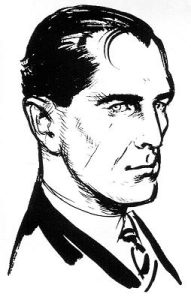
fictional characters

Creator: Ian Fleming created the fictional character James Bond in 1953 with the book Casino Royale.

Movie: However, there are many James Bond books and movies. The latest film is No Time to Die (2021).

James Bond is a cool secret agent from Britain. In addition, he works for MI6, which is like a secret police force. He’s astute (a person who can accurately asses other people/situations and turn this into their gain) as well as good at his job, which is to stop bad guys around the world.

Actors Who Have Portrayed James Bond:

  • Sean Connery (1962–1967, 1971, 1983)
  • George Lazenby (1969)
  • Roger Moore (1973–1985)
  • Timothy Dalton (1987–1989)
  • Pierce Brosnan (1995–2002)
  • Daniel Craig (2006–2021)

2. Thomas Shelby

Creator: Steven Knight

TV Show: Peaky Blinders (2013- 2022)

Actor: Cillian Murphy

Thomas Shelby, the enigmatic protagonist of Peaky Blinders, is a walking paradox. Ruthless ambition and a thirst for power course through his veins, drives him to manipulate and eliminate anyone who stands in his way.

3. Spider-Man
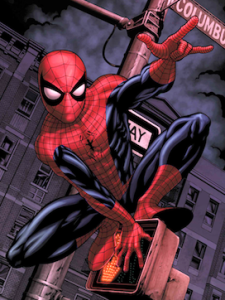
fictional characters

Creator: Stan Lee and Steve Ditko are the two people who created the fictional character Spider-Man.

It was Stan Lee who wrote the story. However, the man behind designing how Spider-Man would look was Steve Ditko. Furthermore, the comic book where Spider-Man first showed up was Amazing Fantasy #15.

Publisher: Marvel Comics

Played by the following actors:

  • Nicholas Hammond (1977-1981)
  • Tobey Maguire ( 2002-2007)
  • Andrew Garfield (2012-2014)
  • Tom Holland (2016-2021)

4. Superman

fictional characters

Creator: Jerry Siegel and Joe Shuster

Publisher: Superman debuted in Action Comics #1, published by DC Comics.

Superman, the iconic fictional character that first appeared in 1938, surprisingly wasn’t always the champion of the good we know today. He, in fact, began as a villain in a short story. However, Siegel and Shuster reimagined him as a hero for the comic book world.

“Superman has soared on screens since the 1940s serials.”

Famous Actors/Voice Actors Who Have Portrayed/Played Superman:

  • Bud Collyer (1940–1949; 1966–1969)
  • Kirk Alyn (1948–1950)
  • George Reeves (1951–1958)
  • Danny Dark (1973–1986)
  • Christopher Reeve (1978–1987)
  • John Haymes Newton (1988–1989; 2011–2012)
  • Gerard Christopher (1989–1992)
  • Dean Cain (1993–1997)
  • Tim Daly (1996–2012)
  • Henry Cavill (2013-2023)
  • Tyler Hoechlin (2016-Present)

5. Indiana Jones

fictional characters

Creator: George Lucas

Film: The Raiders of the Lost Ark (1981)

The only actor who did the role: Harrison Ford

Indiana Jones is an archaeologist who goes to great lengths to find ancient artifacts. Moreover, Indiana Jones is known for his determination, courage, adventurous spirit, and selflessness. Also, it makes him a memorable character and one of the best historical novels.

6. Bugs Bunny

fictional characters

Creators: Bob Givens, Tex Avery, Chuck Jones, and Robert McKimson.

Owners: Warner Brothers own Bugs Bunny.

Bugs Bunny is a cartoon fictional character who was first introduced in 1938. Also, the character was originally voiced by Mel Blanc. Moreover, Bugs Bunny is well-known for his cleverness, humor, and iconic catchphrase, “What’s up, Doc?” He has been a beloved character in cartoons and movies for many years.

7. Wolverine

Creators: Len Wein and John Romita Sr.

Movie Name: The X-Men (2000–2020)

Actors

  • Hugh Jackman
  • Troye Sivan

Wolverine is a mutant, which means he has special powers. Moreover, he can heal from almost any injury, no matter how bad. He also has super sharp claws that come out of his knuckles. Wolverine is a loner but a fierce fighter, and he’s always there to help people in need.

8. Vito Corleone

Creator: Mario Puzo

Film Name: The Godfather series (1972, 1974)

Actors

  • Marlon Brando
  • Robert De Niro

He is a powerful Mafia boss known for his calm and wise leadership. Furthermore, Vito balances his tough business with a strong sense of family loyalty. Also, he is respected and feared by many, which makes him one of the most famous characters in movie history.

9. Jack Sparrow

Creator: Ted Elliott and Terry Rossio

Movie Name: The Pirates of the Caribbean series (2003-2017)

Actor: Johnny Depp

Jack Sparrow is a clever, courageous, and smart pirate captain. In one story, he’s stranded on a lonely island by a bad guy named Barbossa, but Jack outsmarts him and escapes. Another adventure finds him in a really tough spot, kind of between being alive and dead. To save him, his friends have to go on a dangerous journey to a scary place called Davy Jones’ Locker.

10. Sherlock Holmes

Creator: Arthur Conan Doyle

Film Adoptions: There are over 200 film adaptations of Sherlock Holmes, with the 2011 film A Game of Shadows being one of the most famous.

Actor: Robert Downey Jr

Sherlock Holmes is one of the most fantastic fictional characters of all time. Moreover, as a detective living on Baker Street, Holmes possesses vast knowledge of science, along with extraordinary reasoning and observation skills. He is famous for making accurate deductions and having a brilliant mind. He is also known for being a foil character.

11. Edward Cullen

fictional characters

Creator: Stephenie Meyer

Book Series: Twilight Saga (Twilight, New Moon, Eclipse, Breaking Dawn) (2005–2020)

Movie Series

The Twilight Saga (the same name as the books). The Twilight series’ immense popularity led to film adaptations in 2008, 2009, 2010, 2011, and 2012.

Actor: Robert Pattinson

Edward’s ability to read thoughts and superhuman strength make him an intriguing character. Further, he is determined to protect his love, Bella, at all costs, and Edward doesn’t hesitate to take risks.

12. Loki

Creators: Stan Lee, Jack Kirby, and Larry Lieber

Film Series: Marvel Cinematic Universe (2011-present)

Actor: Tom Hiddleston

Loki is perhaps best known for his love of tricks and pranks. Additionally, he is a master manipulator and strategist.

13. The Terminator

Creator: James Cameron

Film Series: The Terminator (1984–2019)

Actor: Arnold Schwarzenegger

The Terminator is a killer robot. He is unstoppable and emotionless. Also, he’s like a

machine programmed to destroy the enemy.


14. Harry Potter

fictional characters

Creator: J.K. Rowling

Book Series: First introduced in the book Harry Potter and the Philosopher’s Stone in 1997. Furthermore, Harry’s character develops throughout the series of seven books.

Actor: Daniel Radcliffe

Harry Potter’s journey from an ordinary boy to a powerful wizard, culminating in his heroic struggle against Voldemort, resonated deeply with fans. Moreover, the themes of love, friendship, and bravery shown through the actions of Harry made him highly famous.

15. Captain America

Creators: Joe Simon and Jack Kirby

Film Name: Marvel Cinematic Universe (2011-present)

Actor: Chris Evans

Captain America starts as a frail young man who is transformed into a super-soldier during World War II. Also, with his indestructible shield and unwavering sense of justice, Captain America becomes a symbol of hope and courage. As a result, she leads the Avengers in their fight against evil.

16. Hassan

Creator: Khaled Hosseini

Book Name: The Kite Runner (2003)

Hassan is a fictional character in Khaled Hosseini’s book, which is regarded as a flat character. Moreover, he is loved for his loyalty, goodness, kindness, and friendship with Amir. The book became so popular that it was made into a movie in 2007. The book is listed in the Amazon best-seller category.


17. Santiago

Creator: Paulo Coelho

Book Name: The Alchemist (1988)

Santiago, the main character in the book, is a well-loved fictional character known for his adventurous spirit and courage, which make him a delightful character. He eventually finds the treasure he was searching for at an abandoned church. The character of Santiago continues to stay in the minds of thousands of readers.


18. Sydney Carton
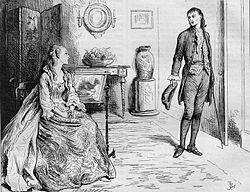
Sydney Carton

Creator: Charles Dickens

Book Name: A Tale of Two Cities (1859)

“A Tale of Two Cities has sold over 100 million copies worldwide.”

Sydney Carton is a memorable fictional character. Furthermore, he is a lawyer who dresses poorly and drinks a lot. Carton falls in love with Lucie Manette and decides to save her husband by sacrificing his own life and getting hanged instead of Darnay. Sydney’s characters make this book the best historical fiction series.

19. Mia Thermopolis

The Kite Runner

Creator: Meg Cabot

Book Name: The Princess Diaries

Actress: Anne Hathaway

Mia Thermopolis is the best fictional character. In addition, she is intelligent and good at studies but bad at sports. Her life dramatically changes when she discovers she is a princess. The book’s popularity led to a film adaptation in 2001.


20. Sara Crewe

Creator: Frances Hodgson Burnett

Book Name: A Little Princess (1905)

Played by: Shirley Temple (1939) and Liesel Matthews (1995)

Sara is a beloved character from a book. She is a student at Miss Minchin’s seminary, and her life changes drastically after her father’s death. Moreover, despite her poor living conditions, her desire to help others makes her a cherished character.

21. Aled Last

fictional characters

Creator: Alice Oseman

Book Name: Radio Silence (2015)

Aled Last is a lovable character who has won the hearts of readers worldwide. He is also the creator of The Universe City podcast and is known for being shy, creative, introverted, caring, and soft-hearted. By the end of the novel, he breaks free from his mother’s negative influence and performs Universe City live.

22. Landon Carter
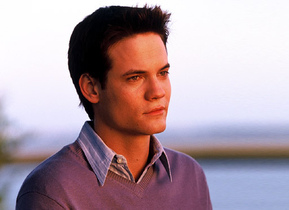
fictional characters

Creator: Nicholas Sparks

Book Name: A Walk to Remember (1999)

Actor: Shane West

Landon starts out as outgoing and fun-loving, but his life changes when he meets Jamie and falls in love with her. Initially, she has concerns about his self-image, but Jamie brings out the best in him. He not only participates in the school play but also donates his savings to an orphanage. The film was released on January 25, 2002.

23. Wednesday Addams
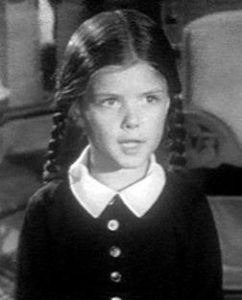
Creator: American cartoonist Charles Addams.

TV: The Adam family (1964)

Netflix Series: Wednesday Addams (2022)

Actress: Jenna Ortega’s

Wednesday Addams is an unforgettable character. She is an excellent example of ‘treating everyone the same,’ which is evident in both the old movies and the original show. At the same time, the other characters in the Wednesday show were somewhat unremarkable. Furthermore, Jenna Ortega’s acting and portrayal of Wednesday were pivotal to the show’s success. Without her, the show might not have been as successful as it was.

24. Elizabeth Bennet
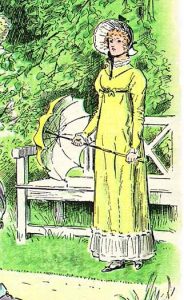
fictional characters

Creator: Jane Austen

Book Name: Pride and Prejudice (1813)

Actress:

  • Jennifer Ehle (1995)
  • Aishwarya Rai(2004)
  • Keira Knightley(2005)

TV and Series Debut: Elizabeth first appeared on television in 1938 and then in the 1940 film Pride and Prejudice. Since then, her character has been adapted into more than 15 films.

Elizabeth Bennet is one of the most memorable characters from Pride and Prejudice. Elizabeth was loved by audiences worldwide for her lively and intelligent personality, as well as her flaw of prejudice, which makes her a relatable character.

25. Percy Jackson
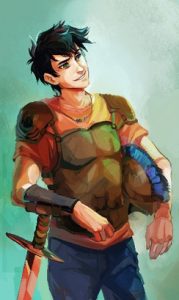
Creator: Rick Riordan

Book Name: The Lightning Thief (2005)

Actor: Logan Lerman

Movie Adoption: Percy Jackson’s character has been adapted into two movies: Percy Jackson & The Olympians: The Lightning Thief (2010) and Percy Jackson: Sea of Monsters (2013).

Percy Jackson, the son of the Greek god Poseidon, is 12 years old in the series’ first novel. His powers develop gradually, such as controlling water and talking to sea animals. Furthermore, it is inspired by Riordan’s six-book series.

26. Holden Caulfield
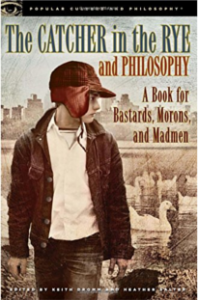
Creator: J. D. Salinger

Book Name: The Catcher in the Rye (1951)

Holden Caulfield’s struggle for acceptance makes him a relatable character. Also, Holden is sensitive and deeply emotional. Despite its enduring popularity and critical acclaim, The Catcher in the Rye remains curiously absent from the silver screen.


27. Scarlett O’Hara
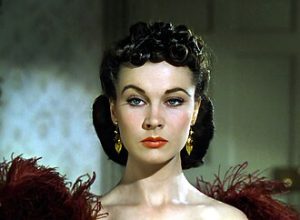
fictional characters

Creator: Margaret Mitchell

Book Name: Gone With The Wind (1940)

Actress: Vivien Leigh

Scarlett O’Hara is the main character in the novel. Moreover, she is determined to get everything she wants. Scarlett goes to great lengths to win Ashley, whom she believes she loves. After seeing poverty during the Civil War, she managed to fight against poverty and maintain a luxurious lifestyle. The novel’s depiction of rising above the hardships of the Civil War made Scarlett’s character immensely popular. In addition, it led to a film adaptation in 1939.

28. Jay Gatsby
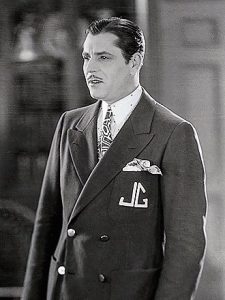
Creator: F. Scott Fitzgerald

Book Name: The Great Gatsby (1925)

Actor: Leonardo DiCaprio

Jay Gatsby is the enigmatic protagonist of The Great Gatsby. It engages readers with his complex character and tragic fate. His obsessive love for Daisy Buchanan ultimately leads to his downfall when he takes the blame for a fatal accident involving her. Moreover, Gatsby’s story has resonated with audiences worldwide, and the novel’s enduring popularity is evident in the 2013 film adaptation.

29. Jane Eyre
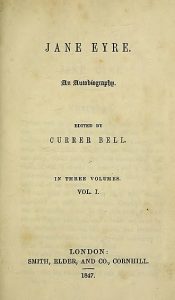
Creator: Charlotte Brontë

Book Name: Jane Eyre (1847)

Actress

  • Zelah Clarke
  • Ruth Wilson
  • Mia Wasikowska
  • Sorcha Cusack
  • Joan Fontaine
  • Susannah York

Film Adoption

Jane’s character has been adapted into more than 15 movies and remains memorable even today.

The character of Jane Eyre is unique due to her determination to overcome hardships. Despite receiving no support from her relatives, she becomes independent and works as a governess.

30. Huckleberry Finn
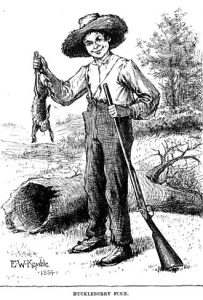
fictional characters

Creator: Mark Twain (real name Samuel Langhorne Clemens)

Book name: The Adventures of Tom Sawyer (1876)

Actors

  • Elijah Wood
  • Brad Renfro
  • Vladislav Galkin


Film adoption

The book’s colossal praise has led to more than 12 film adaptations.

Huckleberry Finn is celebrated for his ability to survive difficult situations.

31. Heathcliff
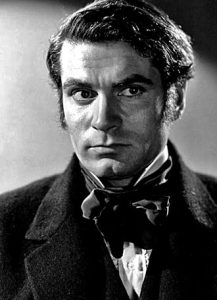
Creator: Emily Brontë

Book Name: Wuthering Heights (1847)

Actors

  • Laurence Olivier
  • Richard Burton
  • Timothy Dalton
  • Tom Hardy
  • Ralph Fiennes
  • Cliff Richard
  • Robert Cavanah
  • James Howson

TV Adoption

The immense fame of Heathcliff and Wuthering Heights has resulted in more than 13 film and television adaptations.

Heathcliff intelligence, cruelty, anger, and jealousy make him a fascinating character. Moreover, he falls in love with Catherine. But, due to class differences and miscommunication, their relationship led to a split.

32. Jo March
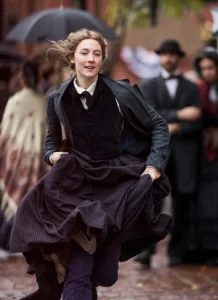
fictional characters

Creator: Louisa May Alcott

Book Name: Little Women (1868)

Actress: Saoirse Ronan

Film Adoption

The first time was in 1917! There have been many movies based on the book since then, and one of the most recent ones is from 2019 by director Greta Gerwig.

March is Passionate about writing. In addition, she gets her story published and later moves to New York to work as a governess. She marries Friedrich Bhaer, and together, they turn Plumfield into a school for young children.

33. Lisbeth Salander
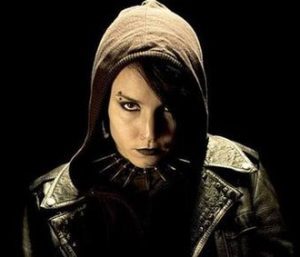
Creator: Stieg Larsson

Novel Name: The Girl with the Dragon Tattoo (2005)

Actress

  • Rooney Mara
  • Claire Foy

Movie adoption

The spectacular success of her character became a reason for movie adaptations in 2009, 2011, and 2018.

Salander is an intriguing antiheroine who doesn’t follow society’s norms. A brilliant hacker, she fights against the injustices she faces. Moreover, he finds trusted friends in Mikael Blomkvist, Dragan Armansky, and Holger Palmgren.

34. Captain Ahab
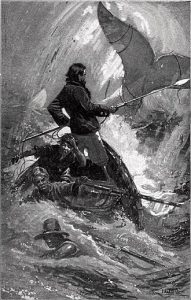
Creator: Herman Melville’s

Book name: Moby-Dick (1851)

Actor: Orson Welles

Movie Adoption

The popularity of his character and the story has led to more than ten film adaptations.

Captain Ahab has a commanding personality, charisma, and leadership skills. Moreover, combined with his obsessive desire to take revenge on the whale, man makes his character complex.

35. Oliver Twist
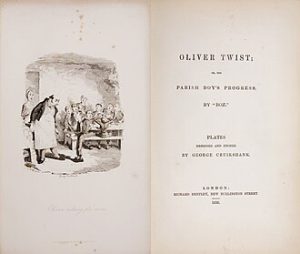
Creator: Charles Dickens’s

Book Name: Oliver Twist (1838)

Oliver Twist became a widely popular character. Moreover, he is an ignorant child who is brutally treated in the novel. The reason for the character’s fame is the novel’s realistic depiction of murder and crime.

36. Ove
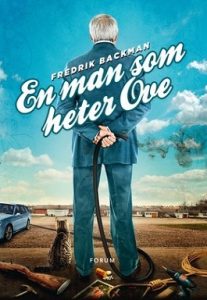
Creator: Fredrik Backman

Book Name: A Man Called Ove (2012)

Actor: Rolf Lassgård

The novel’s acclaim led to its film adaptation in 2015.

Ove is a grumpy 59-year-old man who likes things done a certain way. At first, he seems kind of mean, but the story shows there’s more to him. Sadly, his wife dies, and Ove feels so lost that he tries to hurt himself. New neighbors and a furry friend move in next door, and Ove slowly starts to open up. Turns out he’s actually a kind and caring person!

37. Christian Grey

Creator: E L James

Book Name: Fifty Shades of Grey (2011)

Actor: Jamie Dornan

Christian faced multiple childhood traumas that damaged his personality and confidence. Moreover, the novel story and its characters make noval wildly popular.


38. Prince Caspian
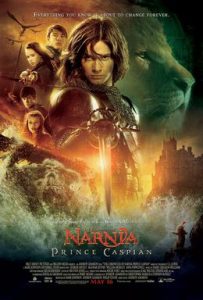
Creator: C. S. Lewis

Book Name: Prince Caspian (1951)

Actor: Ben Barnes

The book was so popular that it was adapted into a movie in 2008.

He is handsome, noble, good-natured, and brave, and Caspian joins forces with the Old Narnians to defeat Miraz and his army.

39. Victor Frankenstein
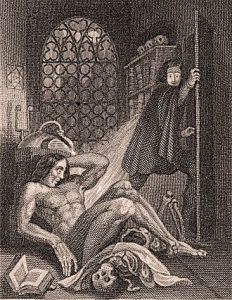
Creator: Mary Shelley’s

Book Name: Frankenstein (1818)

Actor: James McAvoy

Victor Frankenstein is a scientific genius. He wanted to make a living thing but made a scary monster instead. This monster ran away and ended up killing the scientist’s friends and family. Even though bad things happened, the scientist was an intelligent and curious person.


40. Juliet
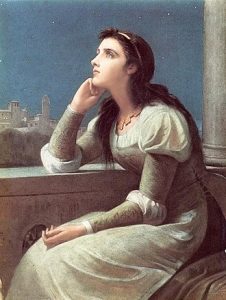
Creator: William Shakespeare

Book Name: Romeo and Juliet (1597)

Actress:  Robert Goffe

Juliet is a famous fictional character who fell in love with Romeo. Juliet decides to unite with him despite stiff resistance from her family. Moreover, her wit, courage, confidence, and capability are reflected throughout the play.


41. Anna Karenina
Creator: Leo Tolstoy’s

Book Name: Anna Karenina (1873)

Actors

  • Tatiana Samoilova
  • Keira Knightley

Anna dislikes fake and pretentious behavior. Moreover, she wants to live her life the way she chooses. She falls in love with a man named Count Vronsky. People still like her character today because she won’t give up her happiness to follow old-fashioned rules.

42. Morrie
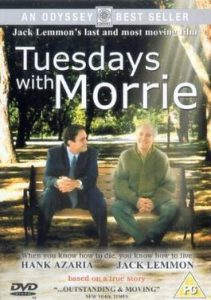
Creator: Mitch Albom’s

Book Name: Tuesdays with Morrie (1997)

Actor: Jack Lemmon 

The character became so popular that a producer made a movie about him in 1999.

Morrie’s positivity, wisdom, and empathy for others’ problems make him a beloved character. However, despite suffering from Amyotrophic Lateral Sclerosis (ALS), he refuses to give up.

43. Liesel Meminger
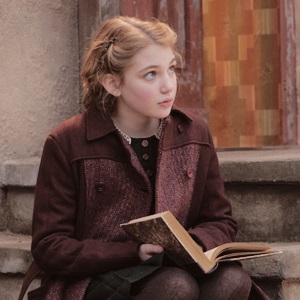
Creator: Markus Zusak’s

Book Name: Thief (2005)

The book is so popular that 15 million copies have been sold.

Liesel is a well-liked character because of all the challenges she faces. In addition, Liesel is remembered for being kind, brave, and always there for the people she cares about.

44. Geralt of Rivia
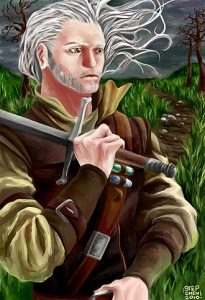
Creator: Andrzej Sapkowski

Book Name: The Witcher Saga (1986–2013)

Series Name: The Witcher (2019)

Actor : Cavill

Geralt of Rivia kills monsters for payment. Although mutants are assumed to be unemotional, Geralt shows a different side of his personality. Also, he sometimes helps people when he feels it’s the right thing to do.

45. ET.
Creator: Melissa

Film Name: The Extra-Terrestrial (1982)

Actor: Henry Thomas

E.T. is eager to learn about Earth and everything in it. In addition, he explores with a sense of wonder, much like a curious child.


46. Bilbo Baggins
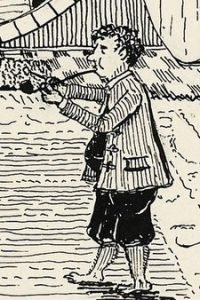
Creator: J.R.R. Tolkien

Film name: The Lord of the Rings and The Hobbit trilogies (2001-2014)

Actors

  • Ian Holm
  • Martin Freeman

Bilbo enjoys a peaceful life. In addition, he likes good food, a tidy hobbit hole (his home), and staying out of trouble. Also, Bilbo isn’t one for big adventures. So, he’s more on the shy side and prefers familiar surroundings.

47. Dr. King Schultz

Creator: Quentin Tarantino

Movie Name: Django Unchained (2012)

Actor:  Christoph Waltz

Dr Schultz is a skilled and deadly bounty hunter. However, he’s not afraid to use violence when necessary.


48. Swami

Creator: R. K. Narayan

Book Name: Swami and Friends (1935)

Swami is a schoolboy living in the fictional town of Malgudi. Additionally, he attends the Albert Mission School, where he shares adventures with his loyal companions: Mani, Somu, Sankar, Samuel, and Rajam.


49. Hercule Poirot
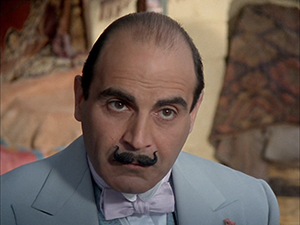
Creator: Agatha Christie

Book Names

The Mysterious Affair at Styles (1920)

The Mystery of the Blue Train (1928)

Actors

  • Charles Laughton
  • Francis L. Sullivan
  • Austin Trevor
  • Orson Welles
  • Harold Huber
  • Richard Williams
  • John Malkovich
  • José Ferrer
  • Martin Gabel

Poirot solves murder mysteries across Europe and the Middle East. What makes his character interesting is that he doesn’t always obey the law.

50. Ace Ventura

Creators: Jack Bernstein and Tom Shadyac

Film Name

  • Pet Detective (1994)
  • When Nature Calls (1995),

Actor name: Jim Carrey

Ace is known for his zany antics and improvisational humor. Furthermore, one of his defining moments is the slow-motion reenactment of a football play in a mental institution, showcasing Carrey’s physical comedy skills.

51. Sarah Connor

Creator: James Cameron

Film: Terminator series (1984-2019)

Actors

  • Linda Hamilton
  • Emilia Clarke

Sarah Connor is the heroine of the Terminator franchise. Sarah’s primary motivation is protecting her son, John, who is destined to save humanity. Therefore, she’s willing to sacrifice anything for him.

52. Katniss Everdeen

Creator: Suzanne Collins

Series Name: The Hunger Games series (2012-2015)

Actor: Jennifer Lawrence

Everdeen is an adventurous fictional character. Moreover, she volunteers for the nightmarish Hunger Games to save her younger sister, Prim, from the same dreadful fate. Furthermore, this selfless act showcases her bravery and love for her sister.

53. Jack Burton

Creators: John Carpenter and W. D. Richter

Movie Name: Big Trouble in Little China (1986)

Actor Name: Kurt Russell

Jack has a strong sense of loyalty. Moreover, he gets dragged into a crazy adventure to help his friend and ends up risking his life for those he cares about.

54. Axel Foley

Creators: Daniel Petrie Jr

Series Name: The Beverly Hills Cop trilogy (1994)

Actor: Eddie Murphy

Axel Foley is a street-smart cop from Detroit. He’s funny and brave but also bends the rules. He’s a fish out of water in Beverly Hills but uses his smarts to solve the case.


55. Amélie Poulain

Creator: Jean-Pierre Jeunet

Film Name: Amélie (2001)

Actors

  • Flora Guiet
  • Audrey Tautou

Amélie possesses a vivid imagination that allows her to find joy and beauty in the little things. Also, she often creates elaborate schemes to bring happiness to others.

56. Shaun Riley
Creators: Edgar Wright and Simon Pegg

Film Name: Shaun of the Dead (2004)

Actor: Simon Pegg

Shaun is an ordinary guy who rises to the challenge of a zombie apocalypse. Interestingly, during the filming of the intense pub scene, Simon Pegg’s arm accidentally caught on fire, adding a real-life twist to the movie’s action.

57. Obi

Creator:  George Lucas

Film Name: Star Wars series (1977-2005)

Actor: Ewan McGregor

Obi-Wan is a wise and skilled fictional character. Additionally, he is known for his strong sense of duty and commitment to the Jedi Order. Furthermore, he plays a crucial role in the battle against the Sith and the Galactic Empire.

58. Luke Skywalker

Creator: George Lucas

Film Name: Star Wars series (1977-2015)

Actor:  Mark Hamill

Luke begins as a farm boy on Tatooine but becomes a legendary Jedi Knight. He is pivotal in the struggle against the Sith and the Galactic Empire. Additionally, he discovers his heritage and the truth about his father, Darth Vader.

59. Dirty Harry

Creators: Harry Julian Fink, Rita M. Fink, and Dean Riesner

Film Name: Dirty Harry series (1971-1988)

Actor: Clint Eastwood

Harry is a San Francisco police inspector who often operates on the edge of the law to ensure justice is served. Also, his iconic catchphrase, “Do you feel lucky, punk?” has become synonymous with his character’s fearless and relentless pursuit of criminals.

60. Lester Burnham

Creator: Alan Ball

Film Name:  American Beauty (1999)

Actor: Kevin Spacey

Lester is a disillusioned middle-aged man who undergoes a dramatic transformation after deciding to change his mundane life. Moreover, he quits his job, embraces a more carefree lifestyle, and starts to pursue his own happiness, leading to both comedic and tragic consequences.

61. Rick Deckard
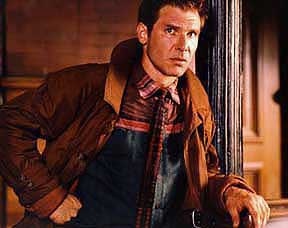
Creators: Philip K. Dick, Hampton Fancher, and David Webb Peoples

Film Name: Blade Runner (1982)

Actor: Harrison Ford

Deckard is a detective in a dark future. He hunts down robots called replicants that have gone bad. Moreover, this job makes him wonder what it means to be truly human.

62. Tommy DeVito

Creators: Nicholas Pileggi and Martin Scorsese

Film Name:  Goodfellas (1990)

Actor: Joe Pesci

Tommy is a volatile and violent mobster whose unpredictable nature and quick temper make him both a feared and pivotal figure in the criminal underworld. In addition, his infamous “Do I amuse you?” scene highlights his menacing personality and contributes to his memorable presence in the film.

63. Anton Chigurh

Creators: Cormac McCarthy and the Coen brothers

Film Name: No Country for Old Men (2007)

Actor: Javier Bardem

Chigurh is a ruthless and emotionless hitman known for his distinctive hairstyle as well as his weapon of choice, a captive bolt pistol.


64. Amy Dunne

Creator: Gillian Flynn

Film Name: Gone Girl (2014)

Actor: Rosamund Pike

Amy is a complex and cunning fictional character who disappears, leading to a media frenzy and suspicion falling on her husband. Also, her manipulative and calculating nature drives the story’s suspense and twists, making her a memorable character.

65. Louis Bloom

Creator: Dan Gilroy

Film Name

Nightcrawler (2014)

Actor

Jake Gyllenhaal

Louis is a driven and morally ambiguous man who enters the world of crime journalism in Los Angeles. Also, he becomes increasingly ruthless as he seeks out shocking footage to sell to news stations.

66. Holly Golightly

Creator: Truman Capote

Film Name: Breakfast at Tiffany’s (1961)

Actor: Audrey Hepburn

Holly is a charming and mysterious young woman living in New York City. Furthermore, her free-spirited nature and unique style have made her a beloved and enduring figure in both literature and cinema.

67: The Dude

Creators:  Ethan and Joel Coen

Film Name: The Big Lebowski (1998)

Actor: Jeff Bridges

The Dude has become a cult favorite and symbolizes a laid-back and carefree lifestyle.


68. The Grinch
Creator: Dr. Seuss

Book Name: How the Grinch Stole Christmas! (1957)

Actor: Jim Carrey

The Grinch is a grumpy, green fictional character who hates Christmas. So, he tries to ruin it for the people of Whoville.


69. Willy Wonka

Creator: Roald Dah

Book Name: Charlie and the Chocolate Factory (1964)

Actor: Johnny Depp

Willy Wonka is an eccentric candy maker who owns a magical chocolate factory.


70. Hulk

Creators: Stan Lee and Jack Kirby

Comic: The Incredible Hulk #1 (1962)

Actors

  • Edward Norton
  • Lou Ferrigno
  • Eric Bana
  • Mark Ruffalo
  • Bill Bixby
  • Fred Tatasciore
  • Paul Soles

The Hulk is a fictional superhero character, Dr. Bruce Banner, who turns into the powerful green Hulk whenever he gets angry or stressed.

71. Scooby-Doo

Creators: Joe Ruby and Ken Spears

TV Show:  Scooby-Doo, Where Are You! (1969)

Scooby-Doo is a fictional character who solves mysteries involving seemingly supernatural creatures.


72. Sam Malone

Creators: Glen and Les Charles

TV Show:  Cheers (1982-1993)

Actor: Ted Danson

Sam is a classic fictional character who interacts with various patrons and staff. Also, he creates a warm and humorous atmosphere.

73. George Costanza

Creators: Larry David and Jerry Seinfeld

TV Show: Seinfeld (1989–1998)

Actor: Jason Alexander

George is known for his neurotic and quirky personality. He often gets into awkward and humorous situations. Moreover, his character’s eccentricity and misadventures contribute significantly to the show’s comedic appeal.

74. John McClane

Creators: Roderick Thorp, Steven E. de Souza, and Jeb Stuart

Film Name

  • Die Hard series (1988-2013)
  • Loaded Weapon (1993)

Actor:  Bruce Willis

John McClane is a tough, cocky, and darkly funny character from the Die Hard films. Also, one of his defining moments is sending a dead terrorist with a bloody message. Additionally, it showcases his gritty determination and sense of humor.

75. Ellen Ripley

Creators:  Don O’Bannon and Ronald Shusett

Film Name: Alien (1979)

Actor: Sigourney Weaver

Ripley is known for her bravery and resilience in fighting against a deadly alien threat aboard the spaceship Nostromo. Also, her character is a symbol of courage and determination.


76. Ralph Kramden

Creator and Actor: Jackie Gleason

TV Show

  • The Honeymooners (1955)
  • The Jackie Gleason Show (1951)

Ralph is a loud and ambitious bus driver known for his humorous and often unrealistic schemes to get rich. In addition, his character brings a lot of humor and heart to the show.

77. Edward Scissorhands

Creator: Tim Burton

Film Name: Edward Scissorhands (1990)

Actor: Johnny Depp

He is brought into a suburban neighborhood. Edward also tries to fit in despite his unusual appearance. It showcases his gentle nature and artistic talent.


78. Eric Cartman

Creators: Trey Parker and Matt Stone

TV Show: South Park (premiered in 1997)

Voice Actor: Trey Parker

Eric‘s character is infamous for his controversial as well as provocative antics.

79. Walter White

Creator: Vince Gilligan

TV Show: Breaking Bad (2008–2013)

Actor: Bryan Cranston

Walter is a high school chemistry teacher who starts making methamphetamine after being diagnosed with terminal cancer. His plan is to ensure his family’s financial future. However, this decision pulls him into a dangerous and criminal world.


80. Man With No Name

Creator: Sergio Leone

Films

  • A Fistful of Dollars (1964),
  • For a Few Dollars More (1965),
  • The Good, the Bad and the Ugly (1966)

Actor: Clint Eastwood

This iconic fictional character also appears in five novels that continue the series beyond the films. He’s not a pure hero but a gun for hire, motivated by money as much as justice. However, compared to the ruthless villains he faces, he has a strong sense of right and wrong.

81. Charlie Brown

Creator: Charles M. Schulz

Comic Strip: Peanuts (2000)

Charlie is known for his persistent optimism despite frequent failures. Also, his iconic yellow shirt with a black zigzag is famous. His endearing qualities have made him a timeless as well as a relatable figure.


82. Arthur Fonzarelli

Creator: Bob Brunner

TV Show: Happy Days (1974)

Actor: Henry Winkler

The Fonzarelli became a cultural fictional character icon known for his confident demeanor and catchphrases.


83. Wonder Woman (Comics)

Creators: H.G. Peter and William Moulton Marston

First Appearance: All-Star Comics #8 (1941, DC Comics)

Actress

  • Gal Gadot
  • Lynda Carter
  • Leslie McRea

She is a powerful fictional character known for her superhuman strength and combat skills. Moreover, Wonder Woman has become a symbol of female empowerment and one of the most iconic superheroes in comic book history.

84. Daffy Duck

Creators: Tex Avery and Bob Clampett

First Appearance: 1937

Voiced by: Mel Blanc

This animated fictional character is owned by Warner Brothers. Moreover, he is known for his zany personality and distinctive voice. Daffy has become one of the most cherished characters in animation.


85. Lassie

Creator: Eric Knight

First Appearance: 1938 (Saturday Evening Post story)

Portrayed by: Pal (dog)

Lassie is the best character known for her intelligence, loyalty, as well as heroic deeds.


86. Fred Flintstone

Creators: William Hanna and Joseph Barbera

TV Show: The Flintstones (1959)

He is known for his catchphrase “Yabba Dabba Doo!” and his antics in the prehistoric town of Bedrock. In addition, Fred was most notably voiced by Alan Reed.


87. Rooster Cogburn

Creator: Charles Portis

Book Name: True Grit (1968l)

Actor: John Wayne

Rooster is a tough, one-eyed U.S. Marshal known for his gruff demeanor and sharpshooting skills. His character is also a classic figure in Western literature and film.

88. Atticus Finch

Creator: Harper Lee

Book Name: To Kill a Mockingbird (1960)

Actor: Gregory Peck

Atticus is a lawyer who defends Tom Robinson, a black man falsely accused of raping a white woman. His refusal to accept the town’s racial prejudice and also his commitment to justice make him a celebrated figure.

89. Rocky Balboa

Creator: Sylvester Stallone

Film Series: Rocky (1976-2015)

Actor: Sylvester Stallone

A defining moment occurs when Rocky is knocked down during his fight against Apollo Creed but refuses to stay down. Also, it symbolizes his resilience and determination.

90. Captain Mal Reynolds

Creator: Joss Whedon

TV Show: Firefly (2002)

Film: Serenity (2005)

Actor: Nathan Fillion

Mal is a smuggler and a survivor. Also, he’s willing to take on jobs that might be on the fringes of legality as long as they keep his crew fed and his ship flying.

91. Jules Winnfield

Creator: Quentin Tarantino

Film: Pulp Fiction (1994)

Actor: Samuel L. Jackson

Jules is a hitman fictional character, so naturally, he’s tough and scary. He makes people nervous before he even pulls out a gun.

92. Peter Venkman

Creators: Dan Aykroyd and Harold Ramis

Film: Ghostbusters (1984)

Actor: Bill Murray

Venkman is a charismatic fictional character but a cynical parapsychologist. Additionally, he starts a ghost-hunting business with his colleagues Ray Stantz and Egon Spengler.

93. Gandalf

Creator: J.R.R. Tolkien

Film Series

  • The Lord of the Rings (2001-2003)
  • The Hobbit (2001-2014)

Actor: Ian McKellen

Gandalf is a wise and powerful fictional character wizard in J.R.R. Tolkien’s epic fantasy novels, The Hobbit and The Lord of the Rings. Also, he is a central character who plays a pivotal role in the fight against the evil Sauron.

94. Snake Plissken

Creator: John Carpenter

Films:

  • Escape from New York (1981)
  • Escape from LA (1996)

Actor: Kurt Russell

Snake Plissken is a cynical loner with a mysterious past. Tough and resourceful, he survives on his own terms. Also, a criminal with a dry wit, he helps those he needs to help but never forgets his own goals.

95. Forrest Gump

Creator: Winston Groom

Film: Forrest Gump (1994)

Actor: Tom Hanks

Forrest Gump is a fictional character unlike any other. Though challenged by a below-average IQ, his genuine kindness and desire to help shine through. In addition, Forrest possesses an unwavering determination. So, it always pushes him forward, no matter the obstacle.

96. Ash Williams

Creator: Sam Raimi

Film Series: The Evil Dead trilogy (1981-1992)

Actor: Bruce Campbell

Ash Williams is a top fictional character from the Evil Dead franchise. Also, he is a unique blend of horror hero and comedic anti-hero.


97. Daniel Plainview

Creator

Paul Thomas Anderson

Film

There Will Be Blood (2007)

Actor: Daniel Day-Lewis

Daniel wants to be rich by finding oil, and he’ll do whatever it takes to get it, even if it means being mean, sneaky, or even violent. However, he’s really good at the oil business and can be very convincing when he wants something.

98. The Bride

Creator: Quentin Tarantino

Films

  • Kill Bill: Vol. 1 (2003)
  • Kill Bill: Vol. 2 (2004)

Actress: Uma Thurman

The Bride is a famous fictional character. In addition, she’s a cold-blooded assassin on a mission of revenge. Fueled by the brutal loss of her loved ones and child, that both strengthens and burdens her.

99. Travis Bickle
Creator: Paul Schrader

Film: Taxi Driver (1976)

Actor: Robert De Niro

Travis Bickle is a fictional character. Furthermore, he is a troubled protagonist from Taxi Driver, which is a walking paradox. He craves connection and normalcy but constantly pushes people away with his instability.

100. Doc Brown

Creators: Robert Zemeckis and Bob Gale

Films

  • Back to the Future trilogy (1985-1990),
  • A Million Ways to Die in the West (2014)

Actor: Christopher Lloyd

Doc Brown from Back to the Future isn’t your typical scientist. Also, he was a genius inventor who brought us the iconic time-traveling DeLorean.

101. Bart Simpson
Creator: Matt Groening

First Appearance: The Tracey Ullman Show (1987)

Voice Actor: Nancy Cartwright

Bart Simpson, the iconic troublemaker from The Simpsons, thrives on turning the world into his personal playground.


102. Bambi

Creator: Felix Salten

Book name: Bambi, a Life in the Woods (1923)

TV Show: Bambi (1942-2006)

It is a story of a young deer’s journey through the forest as well as the challenges of growing up amidst nature’s beauty and dangers.

103. Joker

Creators: Bill Finger, Bob Kane, and Jerry Robinson

Films

The Joker has been featured in seven live-action films and 32 animated movies.

Actors

  • Heath Ledger
  • Joaquin Phoenix
  • Jack Nicholson
  • Jared Leto

The Joker is mainly known as Batman’s greatest enemy. Also, he’s portrayed as a criminal genius who enjoys causing chaos. Moreover, he has a dark sense of humor. His backstory changes depending on where you see it, but he’s always unpredictable, with green hair, a clown-like look, and a laugh that’s both eerie and crazy.

104. Barbie

Creator: Ruth Handler

TV Series:
Barbie Life in the Dreamhouse (2012)

Movie Name: Barbie (2023)

Actor: Margot Robbie

Barbie dolls are known for their diverse range of outfits. Moreover, it reflects changing trends and societal norms over the decades. Barbie has been a symbol of fashion and imagination for generations of children. Also, there are lots of T series in which Barbie characters are adopted by directors.

105. Waldo/Wally

Creator: Martin Hanford

Book Name: Where’s Wally? (1987)

Waldo is known as Wally in some regions like the UK (known as “Where’s Waldo?” in the US edition).


106. Buffy Summers

Creator: Joss Whedon

Movie Name: Buffy the Vampire Slayer  (1997–2003)

Actress

  • Kristy Swanson
  • Sarah Michelle Geller

Buffy Summers is known for her bravery. She is a skilled fighter against vampires but also balances teenage life with friendships and romance.

107. Frasier Crane

Creators:  Glen and Les Charles

TV Show:  Cheers (1982-1993)

Actor:  Kelsey Grammar

Frasier Crane is portrayed as an intelligent, sophisticated psychiatrist with a refined taste in culture.

108. Omar Little

Creator: David Simon

Movie Name: The Wire (2002–2008)

Actor: Michael K. Williams

Omar Little is known for his code of ethics and also his fearless approach to robbing drug dealers in Baltimore.


109. Betty Boop

Creators: Betty Boop and the Grim Network

Cartoon Names: Dizzy Dishes (1930)

Betty Boop is famous for her unique qualities, such as her flirty behavior, high-pitched voice, and iconic look with short dresses, high heels, and garter belts.


110. Michael Scofield

Creators: Paul Scheuring

Series Name: Prison Break (2005–2017)

Actor: Wentworth Miller

Seven years after everyone thought he was dead, Michael Scofield is found in Ogygia Prison in Sana’a, Yemen. His friends, brother, and a fellow escapee work hard to bring him back home.

How to Create Engaging Fictional Characters?

Firstly, you should know that creating fictional characters can be tricky. However, with hard work and dedication, you can craft compelling ones. It is also vital to understand the elements of fiction. Let’s briefly discuss the key aspects of creating fictional characters:

  • Decide on their name, age, and appearance.
  • Define their personality traits (e.g., brave, shy).
  • Create a background story with life experiences.
  • Identify their goals, dreams, as well as fears.
  • Add unique quirks or habits.
  • Include strengths and weaknesses in order to make them relatable.
  • Place them in situations that promote growth and change.
  • Imagine their interactions with other characters and the world.

Conclusion

The best fictional characters of all time have left an indelible mark on literature. In addition, they capture the imaginations of readers and viewers across generations, from the timeless wisdom of James Bond to the adventurous spirit of Harry Potter. These characters offer us courage, love, resilience, and morality. Moreover, their stories continue to resonate because they reflect our own hopes and aspirations. Authors Breeze celebrates these remarkable creations and encourages writers to craft fictional characters that will live in the hearts of readers.

Frequently Asked Questions

Who is the most popular fictional character?

One of the most famous fictional characters is Mickey Mouse, created by Walt Disney. He is renowned worldwide as well as loved by people of all ages.

What is a fictional character example?

A fictional character example is Harry Potter from the “Harry Potter” book series by J.K. Rowling. Additionally, he is a young wizard who goes on many adventures.

What fictional characters are 17?

Some fictional characters who are 17 years old include:

  • Katniss Everdeen from “The Hunger Games” by Suzanne Collins.
  • Percy Jackson from “Percy Jackson & The Olympians” by Rick Riordan.
  • Bella Swan from “Twilight” by Stephenie Meyer (in the first book).

What is called a fictional character?

A fictional character is a made-up person or being that appears in stories, such as books, movies, or TV shows. These characters are created by writers and do not exist in real life.

Don’t Let Your Character Idea Fade Away

We will create your fictional character with dedication and love. Our team possesses the art of making fictional characters.

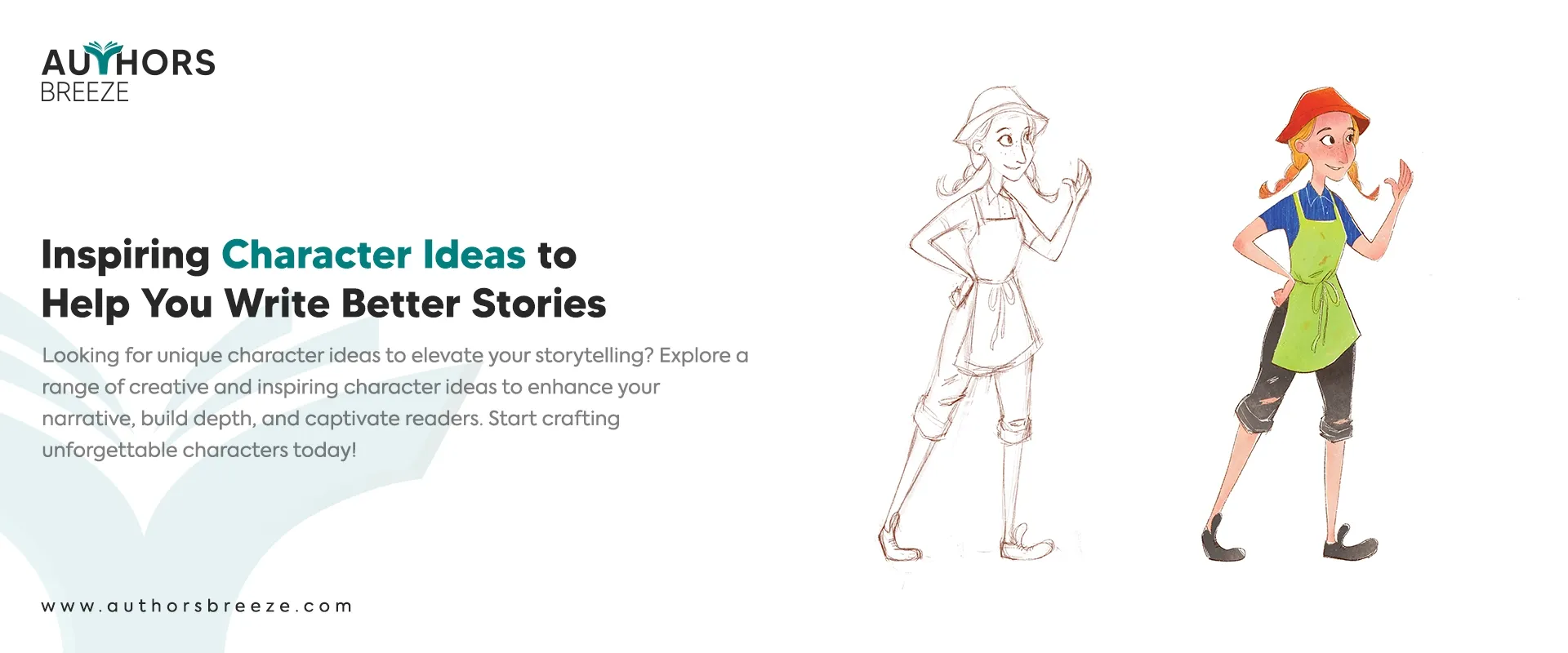
Contact Us Today

Author : Charles Maynes

20th Sep 2024

How to Publish a Book in Canada

how to publish a book in canada

Key Takeaways: How to Publish a Book in Canada?

Canada’s Book Industry: Canada publishes over 10,000 books annually, making it a great place to publish a book.

Reasons to Choose Self-Publishing

  • You can avoid compromises with publishers.
  • It is a faster process.
  • You get a higher royalty percentage.
  • You have the flexibility to adjust to market trends.
  • You can get direct feedback from readers.

 How Can You Publish A Book in Canada?

  • Write your book.
  • Employ beta readers to improve your manuscript.
  • Edit and proofread the book to ensure its quality.
  • Format and typeset your manuscript to make it ready for publication and printing.
  • Design your book cover to attract readers.
  • Publish your book using any platform, such as KDP or KOBO.
  • Last but not least, market your book to reach as many readers as possible.

Get Expert Publishing Guidance

Don’t let your low budget hold you back. We offer affordable self-publishing solutions to help you reach readers worldwide.

Avail Self-publishing Services

Introduction

Canada is one of the largest countries in the world. It has a well-established book-writing industry. Let us tell you a shocking statistic. In Canada, more than 10,000 books are published each year. Surprising, isn’t it? So, it shows that if you plan to publish a book in Canada, you’re on the right path. But wait, how will you publish your book in Canada? Typically, there are two routes for publishing a book:

1. Self-Publishing
and
2. Traditional Publishing

In this blog post, we will guide you through self-publishing. In addition, we will explain why you might want to choose this route. So, keep reading.

Self-Publishing vs Traditional Publishing

Self-publishing is a product of the digital era. It gives authors complete control over the creative process. You can take control of editing, formatting, book cover design, and distribution. It’s often quicker to market and allows you to retain all the rights to your work.

On the other hand, traditional publishing is a classic route. It involves working with a publishing house, where they handle most of the logistics, such as editing, marketing, and distribution. Also, it can be a longer process that involves sharing royalties.

Why You Should Choose Self-Publishing Over Traditional Publishing

Let’s discuss some compelling reasons why you might prefer self-publishing:

  • You can avoid potential compromises or changes imposed by traditional publishers.
  • Self-publishing eliminates the often lengthy review and approval processes associated with traditional publishing.
  • Your book can be available to readers much sooner.
  • Self-published authors typically retain a higher percentage of royalties compared to traditional publishing.
  • You can reach readers who are passionate about your particular subject matter.
  • Self-publishing offers more flexibility to adapt to changing market trends or reader preferences.
  • You can gather feedback from readers and make improvements for future projects.
  • You can establish your own brand and create a personal following.

How to Self-Publish a Book in Canada?

Self-publishing is a great way if you want to get your book out into the world without relying on traditional publishing houses. In Canada, the process involves a few essential steps. Here’s a guide to help you through the process:

1. Write Your Book

Firstly, you have to start writing a book. It does not matter if you’re working on fiction, non-fiction, or a collection of poems; the writing phase is crucial. You can divide writing into three parts.

  • Outline: You should start with a clear outline to structure your story.
  • Draft: Write the first draft. Indeed, you should focus on getting the ideas down.
  • Revise: You should go through multiple revisions. As a result, it will improve the plot, character development, and language.

2. Get Your Book Beta Read

It is imperative to enlist the help of beta readers. Beta readers read your manuscript before it’s published to provide feedback. So they can help you identify plot holes and character inconsistencies. Their insights are invaluable. They can make your book the best it can be.

3. Self-Edit and Proofreading

Received feedback from your beta readers? Now, go through the manuscript yourself to self-edit. You should check for pacing, clarity, grammar, and punctuation issues. Remember to keep spending time on editing. It will automatically improve your writing skills. However, if you don’t have the time or talent, you can hire a professional proofreader to ensure your book is error-free in later stages.

Polish Your Book, Perfect Your Prose

Our affordable editing services ensure your book is free from errors and shines with clarity. Let us help you create a masterpiece.

Get Book Editing Services

4. Format Your Manuscript

Your manuscript needs to be formatted professionally for both print and digital versions. You can do formatting to set margins, line spacing, font choice, and chapter headings. Consider using software such as Scrivener or Vellum to format a book. In addition, it will ease the process. The manuscript should look perfect, as it will directly influence the reading experience.

5. Typeset Your Book

If you publish a physical book, typesetting is where you prepare your manuscript for printing. This includes placing text, ensuring proper margins, and choosing appropriate fonts and styles. Typesetting can be complex, so you may want to hire a professional or use software designed for book formatting.

6. Book Cover Design

Your book cover design is the first thing potential readers will see. So It is your strong chance to make an excellent first impression. You can design it yourself using tools such as Canvas or Adobe Spark. On the other hand, you can hire a professional designer. You can ensure the cover aligns with your genre. It should attract the reader as well.

Get Your Book Cover Designed Now

Do not forget your cover is your chance to impress readers. Let our skilled designers create a cover that is both visually appealing and affordable.

Hire Book Cover Design Services

7. Publish Your Book

It is time to self-publish your book. There are several platforms available for self-publishing in Canada. The following are a few popular options:

  1. Kindle Direct Publishing (KDP)
  2. Kobo
  3. Draft2Digital
  4. IngramSpark
PlatformProsConsPricing
Kindle Direct Publishing (KDP)Global reach, supports ebook and print formats, easy to useLimited control over distribution, potential competitionFree
Rakuten Kobo’s Writing LifeCanadian-based, global distribution, Kobo ebook storeLimited platform integration, potential for lower visibilityFree
Draft2DigitalEasy ebook publishing, wide distributionLimited print book options, potential for lower royaltiesFree
IngramSparkGlobal distribution for both print and ebooks, vast distribution networkHigher fees for print books, less control over pricingVaries based on services and print options

8. Market Your Book

  • You should start with the author’s website. Create a stunning author website design with a user-friendly interface. Also, please insert all the details of the book. It would be best if you create a video trailer of the book and a blog related to the book.
  • It is vital to connect with your audience through social media accounts. You can engage them with different activities such as QNA sessions, book club discussions, and giveaways.
  • You must plan a launch event, either virtual or in person. It will also help you to build excitement around your book’s release.
  • If you have a budget, you can invest in paid advertising on platforms like Amazon, Facebook, and Instagram. Through paid marketing, you can reach a wider audience.

It may seem like a simple process, but that is not the reality. It is more complex than it appears. We hope you can achieve your goals by following our steps. However, if you’re still uncertain about the process, you can seek help from Authors Breeze. We specialize in making self-publishing easier in Canada and worldwide.

Conclusion

Self-publishing offers an excellent chance for authors in Canada to take control of their book-writing process. You can handle the writing and design yourself. You can successfully publish your book and reach a broad audience. Despite the challenges, platforms such as KDP and IngramSpark make self-publishing accessible. If you feel unsure or need assistance, Authors Breeze is here to help you.

Frequently Asked Questions

Do I need to copyright my book before publishing it in Canada?

In Canada, you don't need to do anything special to protect your copyright. However, you can officially register your copyright with the CIPO if you want extra legal protection.

How do first-time authors get published?

There are two main ways for first-time authors to get published:

  • Traditional publishing
  • Self-publishing

Can you self-publish a book in Canada?

Yes, you can self-publish a book in Canada.

How much does it cost to publish a book in Canada?

The Cost of publishing a book in Canada varies. It depends on several factors, such as :

• Self-publishing is usually the cheapest, costing between $0 and $2,000.
• Traditional publishing is more expensive, ranging from $500 to $4,000.
• Hybrid publishing costs vary a lot based on things Such as

What services are you looking for?
How complicated is the book?
The publisher's reputation.

Authors can expect to spend between $5,000 and $15,000 on average for hybrid publishing services.

Bestselling Books, Crafted by Experts

Our skilled ghostwriters craft compelling narratives tailored to your vision. We ensure your book stands out.

Acquire Ghostwriting Services

Author : Charles Maynes

10th Sep 2024

The Top 13 Best Ghostwriting Companies

best ghostwriting companies

Key Takeaways: Best Ghostwriting Companies

You can look for the best ghostwriting companies if you need help writing books, articles, or other content but lack the time or skills.

Top 13 Best Ghostwriting Companies

  1. Ghost Book Authors
  2. Professional Writers Help
  3. Ghostwriting LLC
  4. Gotham Ghostwriters
  5. ContentWriters
  6. Ghostwriting Saga
  7. Verblio
  8. Elite Authors
  9. Authors Breeze
  10. The Urban Writers
  11. Reedsy
  12. Upwork
  13. Fiverr

Let’s Make Your Stories Real

We can help you finish your stories. Our ghostwriters are experts at writing stories your readers won’t forget.

Hire Ghostwriting Services

Introduction: Best Ghostwriting Companies

In a fast-paced world, most people do not have the skills or time to write books, articles, or any content. That is where the best ghostwriting companies come in. They offer skilled writers and ghostwriters. Those writers can transform your concepts or raw notes into polished, professional content. They can write books in different genres, such as fiction and nonfiction, blog posts, or even screenplay, as per your demand.

Writers prefer being ghostwriters as ghostwriting services have become increasingly popular. Numerous firms offer similar services. So, it is not easy to find the best one. Also, hiring a ghostwriter is a considerable investment. Therefore, it is crucial to choose service wisely. This blog will guide you through the 13 best ghostwriting companies. As a result, you can make an informed decision for your next project.

Top 13 Best Ghostwriting Services

Let’s explore the best ghostwriting companies from where you can get ghostwriters for hire:

1. Ghost Book Authors

Ghost Book Authors work on a range of book writing styles. Moreover, their skilled ghostwriters write stories that attract readers. They ensure that each project aligns with the client’s vision and target audience.

Why should you choose their services?

  • You can get a 40% discount on their book-writing services.
  • They offer top-quality writing, design, as well as book marketing.
  • Their ghostwriters can help with outlines as well as character development.

Trust Pilot Rating: 4

2. Professional Writers Help

Professional Writers Help is a premier choice for many authors. They have a team of writers who can write content that matches your idea. Professional Writers Help offers tailored solutions that leave a lasting impression.

Key Benefits:

  • Their writer offers a wide range of writing solutions to meet your diverse content needs, such as books, articles, and blogs.
  • They have the fastest turnaround time.
  • They offer countless revisions.

Trust Pilot Rating: 4.6

3. GhostWriting LLC

Ghostwriting LLC can write any kind of book you want, such as fiction books, business books, and memoirs. They can also help you publish your book if you live anywhere in the world.

What sets them apart?

  • They deliver top-quality services at competitive prices. Also, they ensure you get the best value for your investment.
  • They adhere to strict privacy agreements to protect your personal information and ideas.
  • Their writers are readily available to collaborate with you throughout the writing process. So it ensures a smooth and efficient experience.

Trust Pilot Rating: 3.2

4. Gotham Ghostwriters

Gotham Ghostwriters is a leading writing service provider. In addition, they offer a vast network of over-skilled writers. Gotham matches you with the perfect writer to ensure exceptional results. They cover a wide range of genres, from novels and screenplays to speeches and cookbooks.

Their achievements:

  • Gotham has worked with many famous people from around the world. It includes celebrities and CEOs of big companies.
  • Gotham has written many books that have become bestsellers.
  • Their articles have been published in famous magazines such as the New York Times, Wall Street Journal, and Harvard Business Review.

Trust Pilot Rating: 3

5. ContentWriters

ContentWriters is a famous content writing agency. They specialize in ghostwriting services. Their platform allows you to order a variety of content easily. Moreover, it includes blog posts, product descriptions, press releases, and social media posts. Their team of skilled writers and editors ensures that your content is high-quality and tailored to your specific needs.

Why are they the best?

  • They are masters in creating SEO-friendly content.
  • Their project manager can create a content management system to save you time. Also, they can search for engaging topics for you.

Trust Pilot Rating: 4.7

6. Ghostwriting Saga

Ghostwriting Saga is a USA-based company. They are masters in fiction and nonfiction writing. Their ghostwriters are not only skilled writers but also dedicated researchers.

Advantages they offer:

  • They ensure accuracy in nonfiction books through research.
  • Their writer can create characters and plots for fiction.
  • The company offers ghostwriting services for both self-publishing as well as traditional publishing.

Trust Pilot Rating: 4.5

7. Verblio

Verblio is a popular platform for bloggers seeking top-notch content. Business owners rely on Verblio to find skilled ghostwriters. Also, they can create exceptional content for their corporate websites and blogs.

Why hire Verblio?

  • Verblio offers access to a diverse pool of writers.
  • They help their customers plan their content by giving them a calendar tool.
  • Verblio is the ideal platform for page description and business content.

Trust Pilot Rating: N.A

8. Elite Authors

Elite Authors is a renowned ghostwriting agency. On the other hand, their aim is to provide exceptional writing services. They have a team of skilled writers who can deliver high-quality manuscripts that fulfill your unique requirements.

Their process:

  • They will take the time to understand your goals for your book. Then, they will match you with the right writer.
  • You’ll only work with someone you trust to put your story into words.
  • They keep your work entirely confidential.
  • You get a team of editors who will collaborate with you as well as your writer throughout the process.
  • You can get all the services you need to publish your book in one place.

Trust Pilot Rating: N.A

9. Authors Breeze

Authors Breeze is a USA-based company. Their experienced ghostwriters know how to write stories, articles, and white papers. In addition, their team of certified proofreaders and editors ensures that your work remains flawless.

Top reasons to choose our ghostwriting services:

  • Enjoy competitive rates without sacrificing quality. Get a quote today.
  • We deliver exceptional results on time without compromising on standards.
  • Our flexible packages cater to your specific needs as well as your budget.
  • You can check our testimonials to see why clients choose us for their projects.

Trust Pilot Rating: 4.6

Want To Format Your Book?

Our formatting experts will make sure your book looks professional and is easy to read on any device.

Acquire Book Formatting Services

10. The Urban Writers

Urban Writers is a top platform that offers a variety of writing services. They also know how to create a book that attracts readers.

Advantages they offer:

  • Urban Writers has a supportive team management system.
  • They offer excellent services such as marketing.
  • They respect and protect your integrity.

Trust Pilot Rating: 4.4

11. Reedsy

Reedsy is a renowned platform that was established in 2014. Moreover, they have partnerships with bestselling authors and publishers. Reedsy has created a writing tool. As a result, they have a quick turnaround time.

What sets them apart?

  • They know how to deliver quality, creativity, and diversity.
  • They provide the full ecosystem for authors and publishing professionals.

Trust Pilot Rating: 4.8

12. Upwork

Upwork is a popular freelance platform where you can hire talented writers. There are tens of thousands of writers available. Therefore, you can find plenty of writers who meet your needs, such as travel writers and book writers.

Benefits of hiring Ghostwriters from Upwork

  • You can look at work samples, read client reviews, and verify the identity of the writer. Indeed, it will help you to hire the best one.
  • You can also interview potential hires, agree on rates, and then only pay for the work you approve.
  • Hire the best editors that fit your budget. Also, they have a low transaction fee.

Trust Pilot Rating: 1.9

13. Fiverr

Fiverr is a thriving freelance platform. It acts as a bridge between clients and ghostwriters. Fiverr’s user-friendly interface allows you to browse through categories. Also, you can select a ghostwriter whose content writing skills perfectly match your project’s requirements.

Why choose this platform for your ghostwriting needs?

  • No hourly charges; get a price based on your specific project.
  • Submit your project in just a few minutes and enjoy lasting results.
  • You get a clear quote upfront, and payments are made only when you’re satisfied.
  • Pick a writer that matches your needs.

Trust Pilot Rating: 2.9

How to Spot Legitimate Best Ghostwriting Companies?

When you consider a ghostwriting service, it’s crucial to do your due research to avoid scams or subpar quality. So, let’s discuss key factors to look for:

  • You should make sure that the service provides detailed information about its pricing structure. Also, it includes any additional fees or hidden costs.
  • A reputable service will offer a clear and comprehensive contract outlining the scope of work, deadlines, payment terms, and ownership rights.
  • A legitimate service should be responsive to your inquiries and concerns. Moreover, they provide timely and informative communication.
  • Check if the service provides information about the qualifications and experience of their writers. You should look for credentials such as degrees in writing or relevant fields.
  • You must read testimonials from previous clients. It will also help you to gauge the quality of their work.
  • A well-designed and informative website is a good indicator of a legitimate business. Explore reviews on platforms such as Google, Yelp, or industry-specific forums to get feedback from other clients.
  • You must check if the service is a member of professional organizations such as the Association of Ghostwriters or the American Society of Journalists and Authors.
  • Legitimate services won’t pressure you to make a quick decision or sign a contract without careful consideration.
  • It could be a red flag if a service hesitates to provide information about its writers, pricing, or contractual terms.

Conclusion

It is imperative to choose the right ghostwriting services that can fulfill your needs. There are many options, so look for one that is honest and professional. The 13 best ghostwriting companies in this guide offer different kinds of writing help. You can find someone to write a book, blog post, or screenplay. However, Authors Breeze provides you with all types of writing under one roof.

Frequently Asked Question

What is the average cost of a ghostwriter?

The cost of a ghostwriter can vary. It depends on several factors, such as experience and expertise. On average, you can expect to pay anywhere from $50 to $200 per hour for a ghostwriter's services.

Who is the best-selling ghostwriter?

It's challenging to pinpoint a single "best-selling" ghostwriter as many best-selling books are ghostwritten, because the ghostwriters' names are often kept confidential. However, some famous authors who have been rumored to have used ghostwriters include:

  • J.K. Rowling
  • Stephen King
  • Danielle Steel

What is the best platform for ghostwriting?

There are several online platforms that connect ghostwriters with clients. The following are some popular options:

  • Upwork
  • Fiverr
  • Reedsy

Who is the highest-paid ghostwriter?

The highest-paid ghostwriters are often those who work with famous or wealthy individuals or write highly specialized content. However, their exact earnings are typically private.

Get Your Book Published With Us

Ensure your manuscript shines. Let our book publishing team get it publication-ready for you.

Get Self-Publishing Service

Author : Charles Maynes

06th Sep 2024

How to Become a Ghostwriter in 2026?

how to become a ghostwriter
How to Become a Ghostwriter

Key Takeaways: How to Become a Ghostwriter?

Don’t want to read the full blog? Here’s a quick summary of how to become a ghostwriter:

  • What is Ghostwriting? Ghostwriters write content, such as books, articles, and more, without their names being credited.
  • Why Become a Ghostwriter? Because it offers flexibility, creativity, and the chance to work on diverse projects. Also, it is an excellent chance if you prefer to work behind the scenes.

Steps to Become a Ghostwriter

  • Read Often
  • Improve Your Writing Skills
  • Build Experience as a Freelance Writer
  • Create a Strong Portfolio
  • Network with Potential Client
  • Learn to Write in Different Perspective
  • Market Yourself

Ghostwriters in the US typically earn around $55,000 per year in states such as Maryland, Ohio, and California, cities with higher salaries.

Your Story Deserves a Voice

Whether it is a book, blog, or business content, our ghostwriter will weave your ideas into words with precision and flair.

Hire Ghostwriting Services

Introduction: Become a Ghostwriter

Are you passionate about content writing? Do you want to pursue a career as a professional writer? Then, there are many choices for you. For example, you can become an experienced book writer. Or, if you’re interested in academics, you can end up as an academic writer. However, the best and trendiest option in this Gen Z era is to be a ghostwriter. You can write for different genres without any credit, or in other words, your name will not be mentioned.

Ghostwriting is an excellent option because it’s easy to adopt. In addition, you don’t need considerable resources to become a ghostwriter. This blog will discuss how to become a ghostwriter and the skills required. So, what are you waiting for? Let’s start reading.

What is a Ghostwriter?

Ghostwriters are professionals who can craft different kinds of content pieces and don’t get credit for the work. They are master in writing various types of content. Ghostwriters can write articles, blogs, academic papers, fiction and nonfiction books. You should know that they can also adopt distinct tones or writing styles. As a result of ghostwriting, you can focus on your other tasks or your business.

Read More: “What is a Ghostwriter?”

Why Become a Ghostwriter?

You may be thinking, why should I pick ghostwriting as a profession? It is an attractive career path for many. So, let’s discuss some of the key reasons why you should become a ghostwriter:

  • Ghostwriters work on a wide range of projects. They can write books, articles, speeches, as well as scripts which can motivate them to adapt and learn quickly.
  • You’re not tied to a specific voice or style as a ghostwriter. So, you can test different tones without worrying about personal recognition.
  • Ghostwriting is often a remote profession. It allows you to work from anywhere with an internet connection. As a result, you can maintain a work-life balance.
  • Many ghostwriters have the freedom to set their own work hours. Therefore, it will help you balance other duties.
  • Suppose you are a skilled ghostwriter. In that case, you can demand competitive rates.
  • Each project presents unique challenges. So, it forces you to think critically and find creative solutions.
  • If you prefer to stay out of the limelight, then ghostwriting is for you. It offers a low-profile career path.

How to Become a Ghostwriter?

Let’s explore the steps of becoming a ghostwriter:

1. Read Often

One of the best ways to improve your writing skills is to read widely. The more you read, the more you will be able to write. You will get an understanding of different styles and tones. In addition, your vocabulary will be improved. You will also be able to familiarize yourself with various writing genres. As a result, you can cater to the different needs of the clients.

2. Improve Your Writing Skills

There is a famous quote: “Practice makes perfect.” Want to become a pro in writing or any other profession? Then, practice eagerly. Regularly writing content will help you polish your skills and develop a unique voice. In addition, you should share your work with your colleagues and friends. They can highlight your mistakes. You can also enroll in writing classes under the guidance of professionals. As a result, you will be able to improve your writing skills.

3. Build Experience as a Freelance Writer

At the beginning of your career, try freelancing.

  • Win smaller freelance writing gigs.
  • Gain experience.
  • Create a solid portfolio.

There are lots of platforms available, such as social media and online marketplaces (Fiverr and Upwork). You utilize them to meet with potential clients.

Key Tip:

“Meet deadlines regularly, maintain high standards, and exceed the expectations of the clients. Gain the trust of the clients so you keep getting more projects.”

4. Create a Strong Portfolio

A solid portfolio means a high probability of getting a job. As mentioned earlier, you can make a strong portfolio by working as a freelancer. A portfolio is a collection of your work. So, you need to showcase your best work in a portfolio. It is vital to customize your portfolio. As a result, it will become easier for clients to access your work. You should include positive reviews from previous clients. It will help you to build credibility.

5. Network with Potential Clients

Make a solid personal relationship with other writers, editors, and clients. It is worth its weight in gold. There are different platforms where you can connect, such as LinkedIn. Do not forget to attend conferences and workshops. It is a digital era, so explore every option where you can find or connect with professionals.

6. Learn to Write in Different Perspective

Try to write in various tones, styles, and perspectives. This will help you better match the client’s requirements. If you’re writing blogs, articles, or web copies, you need to master the art of SEO. SEO is where you optimize content for search engines. A critical concept in SEO is E-E-A-T, which stands for:

  • Experience
  • Expertise
  • Authoritativeness
  • Trustworthiness

If you are able to show expertise in writing, your content will be more authentic as a result.

7. Market Yourself

You must create a professional website that showcases your portfolio and services. Also, you can use social media platforms such as LinkedIn and Twitter to promote your work. This will help you establish yourself as a reliable and skilled ghostwriter.

Essential Ghostwriter Skills

To become a ghostwriter, you need to acquire a unique blend of content writing skills. As a result, you will be able to deliver high-quality content effectively. So, let’s discuss these skills in detail.

Communication

Ghostwriters need to be good at talking to people. They work with many clients. So it is essential to listen to what they want and understand their needs. Good communication helps writers create great content that people will understand. To be a better communicator, you should also be organized.

Adaptability

A ghostwriter will be working on multiple projects at once. Therefore, you need to learn ways to adapt to new projects quickly. Switching writing styles is an integral part of working in this profession. You can also use some organizational tools if you want to improve your adaptability. They can help you better plan and break down your work, as well as set deadlines for yourself.

Research

As a ghostwriter, you will often work on a variety of topics. This means you might write about something trendy one day, such as a new diet. Then, you may switch to something completely different, like a book about historical fiction. To do this well, you need to be good at finding and organizing information. This skill is vital for ghostwriters.

Professional Editing, Stunning Book

Elevate the impact of your book. Our team of book editors ensures clarity, consistency, and a polished final book.

Get Book Editing Services

How Much Does a Ghostwriter Make?

Ghostwriters in the US usually make about $55,000 a year. That is about $26 per hour. The amount a ghostwriter makes can vary a little bit. Some make as little as $49,000. At the same time, others make as much as $59,000. Therefore, most ghostwriters make between $52,500 and $57,500.

Top Highest Paying Cities for Ghostwriters

In some of the US cities, ghostwriters make more money than the average. Maryland is the best place to be a ghostwriter. Ventura, California, and Bayamon are also good places. These cities have higher salaries because of the cost of living.

How to Find Ghostwriting Jobs?

If you’re a writer, editor, or author you should reach out to:

  • Clients you’ve worked with before
  • Friends and family
  • Other writers and authors
  • Ghostwriting companies

Many ghostwriters get their first big job this way.

Best Places to Find Ghostwriting Work

  • Upwork
  • Fiverr
  • Freelancercom

Content Marketplaces

  • Textbroker
  • iWriter

LinkedIn

  • Networking
  • Job search

Direct Outreach

  • Literary Agents
  • Publishers
  • Author Websites

Conclusion

Ghostwriters is for those who are passionate about writing but prefer to stay behind the scenes. You can establish yourself as a successful ghostwriter in various niches. The flexibility and diverse project opportunities make ghostwriting an attractive option in today’s content-driven world. So, whether you want to expand your writing career or need ghostwriting services, you can get help from Authors Breeze.

Frequently Asked Questions

How much money does a ghostwriter make?

The amount a ghostwriter makes can vary. It greatly depends on factors such as experience and difficulty of a project. Some ghostwriters earn a fixed fee per project. At the same time, others charge an hourly rate.

Can anyone become a ghostwriter?

Anyone can technically become a ghostwriter. However, you need to have strong writing skills. Also, you must have a command of niches.

What is the qualification of a ghostwriter?

There's no specific degree or certification required to be a ghostwriter. Still, a degree in English and journalism can be a plus point.

Publish Your Book With Ease

We are a top-tier online book publishing services provider that provides all of these in one place. Your path to success starts here.

Acquire Self Publishing Services

Author : Charles Maynes

28th Aug 2024

What is a Ghostwriter? And Why Hire One in 2026?

what is a ghostwriter

Key takeaways: What is a ghostwriter?

If you don’t have time, let’s quickly learn about what a ghostwriter is.

  • A ghostwriter writes for someone else without getting credit for the work.
  • You can hire ghostwriters for various reasons. For example, if you want to save time, you don’t have expertise or want to maintain your writing style.
  • Ghostwriting is legal, and it is vital to have a clear contract. It also covers copyright and confidentiality.
  • Ghostwriters can handle various writing tasks – write a book or content for social media, you name it, they can do it.
  • The cost of hiring a ghostwriter depends on various factors, such as project length and complexity.
  • You will find different types of ghostwriters, each specializing in their respective fields. For example, academic and book ghostwriters.

Hire Fantastic Writers for Your Work

Our skilled ghostwriters offer custom content tailored to your exact needs. We craft compelling stories, articles, and anything you need ghostwritten.

Avail Ghostwriting Services

Introduction

Emily lives in Spain and is passionate about writing, but her English is not so good. In Spanish, she has written many books. However, her wish is to publish a book in English and become a famous author. One day, while sitting with her friends, she expressed her frustration and anger about her situation. One of her friends smiled and said, “How is it not possible? You don’t know about ghostwriters. They are in trend nowadays. So, Emily asked what a ghostwriter is. She replied you should explore what is a ghostwriter online.”

She came home, opened her laptop, and typed on Google to explore ghostwriters.

What is a Ghostwriter?

The term “ghostwriter” comes from the idea of a ghost, someone who is present but unseen. In the same way, a ghostwriter is present in the work, although their name is not associated with it.

A ghostwriter is a professional writer who writes something for someone else. However, the person who actually wrote it doesn’t get their name on the work. They act like an uncredited writer.

The ghostwriter usually signs an agreement that says they won’t tell anyone they wrote the work. Sometimes, the person whose name is on the work might mention the ghostwriter in the book. Besides, no one usually knows who really wrote it.

Ghostwriters can write all kinds of things, such as books, articles, speeches, and even songs.

Why Do Authors Hire Ghostwriters?

Authors get services from ghostwriters for several reasons:

Time Constraint

Many authors have busy schedules with other commitments. They may be teaching, touring, or managing their businesses. In that case, they hire a ghostwriter. As a result, they can free up their time to focus on other aspects of their career.

Expertise

Some authors may lack expertise in a particular subject matter. For instance, they might want to write a book on vampire romance but don’t know the ins and outs of this genre. In this situation, a ghostwriter can offer the necessary knowledge and research to write a convincing story.

Writing Style

An author may want to maintain a consistent writing style across multiple projects. A ghostwriter is trained to mimic the style and tone of the author.

Productivity

Ghostwriters can often produce work at a faster pace than authors working alone. So, authors hire them as they can be beneficial to meet tight deadlines. It will also help writers to increase their output. The decision to hire a ghostwriter is personal, but the reasons for doing so can vary widely.

Is Ghostwriting Illegal?

Ghostwriting is not illegal by any means. In fact, it is a common practice in many places. However, there are some vital factors to keep in mind.

The client typically owns the copyright for the work. The work does not belong to the ghostwriter. This means the client has the right to publish, distribute, and profit from the work. On the other hand, it is vital to have a clear contract. The terms of the ghostwriting contract include the following:

  • The Scope of Work
  • Payment Terms
  • Copyright
  • Ownership
  • Confidentiality

Ghostwriters must ensure that their work is original. Their work should not infringe on the copyright of others because plagiarism is a severe offense and can have legal consequences.

What are the Benefits of Hiring Ghostwriters?

You can get a lot of perks if you hire ghostwriters. Let’s explore some:

  • Ghostwriters can take care of the writing. As a result, it gives you space to focus on other priorities.
  • Professional ghostwriters have specialized skills and knowledge in writing.
  • The perspective of an outsider can provide valuable insights and fresh ideas.
  • Ghostwriters ensure a consistent tone and style throughout your content.
  • They often use established processes and content writing tools to streamline the writing process.

How to Find a Ghostwriter?

The vital step is to find the right ghostwriter to fulfill your needs. So, we have mentioned some guidelines below. They will help you to find the best possible ghostwriters.

First, you should clearly outline the type of writing you need (e.g., book, article, script). Then, you need to identify who you want to reach with your content. Also, what kind of tone and style do you need for writing?

Now, let’s discuss some trendy platforms on which you can find ghostwriters:

Freelancer Marketplaces

Many ghostwriters work independently. Therefore, it makes freelancer marketplaces a great place to start your search. Fiver and Upwork are great places in order to find ghostwriters at affordable rates.

Literary Agents and Publishers

Literary agents and publishers often work with ghostwriters. They may have suggestions based on your specific needs. So, you should send content to agents or publishers in your niche. You can also inquire about their ghostwriting services or recommendations.

Ghostwriting Agencies

Ghostwriting companies specialize in connecting clients with qualified ghostwriters. They can handle the search process for you. As a result, it will save you time and effort. Authors Breeze has a bunch of ghostwriters who can help you fulfill your needs.

LinkedIn and Job Boards

LinkedIn and job boards are excellent platforms to find ghostwriters actively seeking work. You can use relevant keywords such as “ghostwriter,” “freelance writer,” or “content writing services” in your search.

Google Search

Google search can provide general info about ghostwriting and potential contacts. So, try to use specific keywords like the following:

  • “Ghostwriter for Hire.
  • “Best Ghostwriting Services”
  • “Find a Ghostwriter”

Remember:

“You must look for someone with experience, a good writing style, and a strong understanding of your project.”

How Much Do You Pay for a Ghostwriter?

The cost of hiring a ghostwriter is based on several factors, such as:

  • Length of the Work
  • Complexity of the Project
  • Experience and Expertise of the Ghostwriter
  • Location of the Writer

Ghostwriters may charge by the word or page. So, rates can vary widely, with per-word fees ranging from $0.10 to $1 or more and per-page fees from $50 to $500.

We Deliver Flawless Content

Elevate your book with expert proofreading. Our team at Authors Breeze will meticulously review your manuscript, ensuring it’s flawless and ready for publication.

Hire Proofreading Services

Types Of Ghostwriter

Ghostwriters specialize in various fields and genres. So, they cater to different types of content writing. Here are some common types of ghostwriters:

Academic Ghostwriters

These writers specialize in academic writing. They can help you with scholarly work, such as research papers, essays, and dissertations. They often have advanced degrees as well as expertise in specific academic fields.

Book Ghostwriters

Book writers assist authors in writing books. It includes biographies, memoirs, novels, and non-fiction works. Moreover, these writers can work closely with authors to understand their ideas and stories.

Business Ghostwriters

Business writers create content for firms, such as whitepapers, case studies, blog posts, and marketing materials. They have a good knowledge of business concepts. Therefore, they know how to write effectively for a professional audience.

Technical Ghostwriters

Technical writers know how to write technical documents, manuals, and reports. They have a firm grasp of technical concepts. As a result, it is easier for them to write information clearly and concisely.

Creative Ghostwriters

Creative writers write fiction, screenplays, and other creative works. These writers can develop compelling stories and characters.

Speech Ghostwriters

Speech ghostwriters help people and firms prepare speeches for various occasions, such as:

  • Conferences
  • Award Ceremonies
  • Public Events

Blog Ghostwriters

Blog writers create content for blogs. They can write on a variety of topics and can adapt their style to different audiences.

Social Media Ghostwriters

Social media writers manage social media accounts. Their job is to create engaging content for platforms such as Facebook, Twitter, and Instagram. It can help businesses build a solid online presence.

Copywriters

Copywriters specialize in writing persuasive content. They are pro in writing ad copy, product descriptions, as well as sales materials. These writers can create content that drives sales.

Wanted to be a ghostwriter? Read our blog and learn: How to Become a Ghostwriter?

Ghostwriting Examples

Nancy Drew Mystery Stories

The “Nancy Drew Mystery Stories” are books about a girl named Nancy Drew who solves mysteries. Firstly, different people write books under a fake name called Carolyn Keene. Later, we found out that one woman named Mildred A. Wirt wrote most of the early Nancy Drew books.

Goosebumps HorrorLand

The “Goosebumps HorrorLand” books are also about scary things. However, they were written by more than just one person.

Notable Ghostwriters

  • Andrew Neiderman: This person wrote books for a famous author named V.C. Andrews, even after V.C. Andrews died.
  • D. Salinger: You might know him for his own books, but he also helped other writers write their books when he was younger.

Conclusion

She sits back and thinks, in my scenario, ghostwriting is a way to go. Ghostwriters can help me to overcome my language barriers. She also understood what a ghostwriter is. Moreover, she knows they are master in various types of writing, from books to speeches. She also knows that their services are widely used across different industries. For anyone looking to publish, whether it’s a book or other content, Authors Breeze ghostwriting services is a practical option worth considering.

Frequently Asked Question

What is a ghostwriter?

A ghostwriter is someone who writes content for another person, but their name doesn't appear on the work. They are like a behind-the-scenes writer who helps someone else share their ideas or stories.

Are ghostwriters illegal?

Ghostwriters are not illegal. In fact, they've been used for centuries to help people write books, speeches, and other kinds of content.

How much do you pay for a ghostwriter?

The cost of a ghostwriter can vary greatly depending on their experience, the type of work they're doing, and how much work is involved. Some ghostwriters charge by the hour, while others charge a flat fee for the project.

Why do artists have ghostwriters?

Artists often use ghostwriters to help them with writing tasks that they don't have time for. Moreover, they don't feel confident doing it themselves. It could include writing song lyrics and scripts.

From Manuscript to Marketplace

Our self-publishing services offer everything you need to publish your book and reach a wider audience.

Hire Self-Publishing Services

Author : Christina N Hummel

21st Aug 2024

Character Development: How to Create Memorable Characters?

character development

Key Takeaways: Character Development: How to Create Memorable Characters?

Before exploring the blog post, quickly read the summary of character development.

  • Importance of Characters: Characters are the heart of any story. On top of that, characters are the bridge between your story and the reader.
  • Character Development: It is where you create well-developed characters that are believable and relatable and drive the story forward. It also makes reading enjoyable and memorable.
  • Know your Characters: You should know your characters inside and out. Moreover, it includes their motivations, fears, and desires.
  • Character Archetypes: You should use basic character types (such as heroes or villains) but add unique twists to make them stand out.
  • Explore their Past: Backstories give depth to characters but should be used strategically to avoid excessive use in the narrative.
  • Jumpstart from Mid-Story: If you start character development in the middle of the story. It can help intensify their growth as well as show how they react under pressure.
  • Research: Research can make characters more authentic, especially if they are based on real people or specific professions.
  • Cultural Respect: Be mindful of cultural appropriation. Approach different cultures with respect and understanding when creating characters.
  • Write about Real People: If inspired by real individuals, consider altering details to protect their privacy and avoid legal issues. Moreover, it ensures your characters still feel original.
  • Reveal Strengths Gradually: Don’t reveal a character’s strengths too early. Gradual revelation creates suspense and keeps readers engaged.
  • Embrace Weaknesses: Flaws make characters relatable and add depth. Explore how characters deal with their weaknesses to create more complex personalities.
  • Predictable yet Engaging: While twists are necessary, a character’s actions should align with their established personality. As a result, consistency makes their journey believable.
  • Elements of Fiction: Remember, characters should interact with the plot, setting, and theme to create a cohesive and well-rounded story.
  • Character Arc: Characters should grow and change throughout the story, shaped by conflicts, challenges, and turning points.

Bring Your Characters to Life

We can help you complete your stories by indulging in relevant characters. Our ghostwriters are masters in creating memorable characters.

Get Ghostwriting Services

Introduction: Character Development

Character development is vital for any kind of story, regardless of the genre, whether it’s a nonfiction novel or a fantasy story. These characters are the ones who make things happen and keep us interested.

Suppose you are reading a fiction novel and finding only events with no characters in it. It would be really boring, right? Characters are based on stories that bring life to the tale. They make us laugh, cry, and get angry. They’re the reason we can’t put a book down.

So, how do writers create characters that we remember? That’s what we’re going to show you. We’ll give you tips and tricks to make your character development flawless. Let’s start reading.

What is Character Development?

Character development is the process of creating and growing a character within a story. As a result, the story becomes more complex and relatable over time. It reveals how a character changes through their experiences and challenges within the story. This growth makes characters feel real and relatable. Plus, it enhances the story’s emotional impact and engages the audience.

Why Characters Matter?

Characters are like the stars of a story. They make us laugh, cry, and cheer. We want to know what happens to them. Moreover, good characters make a story fun to read. They help us understand the story better and make us feel connected to it. Therefore, without a strong character, a story is just dull words on a page.

How to Know Your Characters?

There are three ways that will help you to understand characters.

  1. To create a real person on the page, you need to know your character inside and out.
  • What drives them?
  • What do they want?
  • How do they act around others?
  1. You have to understand what type of character archetypes you want in a story. Moreover, it might be a hero with unlimited power or an ugly villain who makes your story interesting.
  2. How your character ‘speaks and thinks’ is just as important as ‘what they do.’ Every character should sound different. In addition, their words can reveal their personality, background, and even their secrets through techniques such as direct characterization.

How to Develop a Memorable Character?

Character Archetypes

Character archetypes are divisions of characters for people. These are common types that we see over and over in stories. For example, it could be the hero, the villain, the wise older man, or the loyal sidekick. These archetypes can be a starting point for creating your characters. However, remember, a great character is usually a unique blend of archetypes with their own twists and turns.

Know Your Characters

Getting to know your characters is crucial. Think of characters as your friend; you are hanging out with them, asking questions, and learning about their lives. The more time you spend with them, the better you understand their motivations, fears, and desires. Moreover, this deep understanding will make them feel real to your readers.

Explore Their Past

Every character has a backstory. Their past experiences are the main reason for where they stand today. Moreover, you can easily explore their conflicts and personality traits through the back story. It is important not to overwrite your story with a backstory. Therefore, use it logically to deepen your character.

Jumpstart Character Development from Mid-Story

Sometimes, it’s better to start with the middle of your story. Moreover, it can help you develop characters more intensively. You can observe their reactions and identify their strengths and weaknesses. Also, witness their growth and development when you throw them in the middle of the story.

Characters Research

It is vital to research if your characters are based on real people or specific professions. Learning about their lives, experiences, and challenges can make your characters more authentic. However, remember to use research as a tool, not a crutch. Your characters should still be unique and fictional.

Write with Cultural Respect: Avoid Appropriation

Appropriation means taking something from another culture without knowing or respecting its significance. You should carefully consider the stories you tell as well as the angle you present to avoid cultural disrespect. It is vital to approach different cultures with respect.

Write about Real People

If you’re inspired by real people, be cautious about how you portray them. Consider changing details to protect their privacy and avoid legal issues. Keep in mind that fictional characters are often based on real people. Despite this, professional writers have transformed characters into unique creations.

Show Strengths at the right time.

Everyone has strengths, but showing them too early can make a character less attractive. Therefore, it is vital to create suspense by slowly showing their abilities. This will keep you eager to learn more about your characters.

Characters’ Weaknesses

Flaws in characters make them real. Everyone has weaknesses, and your characters should be no special case. So, explore their loopholes and how they overcome them. As a result, this will create depth and complexity in your characters.

Predictable Character Development

While twists are essential to create suspense, your characters’ actions should be somewhat predictable based on their traits. In addition, this consistency helps readers connect with your characters and believe in their journey.

Elements of Fiction

Remember, characters are just one element of fiction. They interact with the plot, setting, and theme. So, you should develop well-rounded characters that fit into the overall narrative.

How to Build a Compelling Character Arc?

Your character needs to change. Therefore, it should start in one place and end up somewhere different. Here are vital tips you can use to develop a character arc:

  • You can look at books and movies for examples of characters who grow and learn.
  • The author should create challenges that push the characters to their limits. These challenges should be personal and meaningful.
  • A turning point is a big moment that changes everything. For instance, it could be a decision, a discovery, or a loss. These moments shape your character’s journey.

What are Characters in Writing?

Character is a vital part of any story. Characters are the individuals who drive the plot and engage with the reader or audience in writing stories. They can take many forms depending on the genre and style of the story, such as a protagonist or a villain.

How Do Authors Present and Develop Characters?

There are countless ways to develop characters! Let’s explore

  • You should observe the world around you.
  • You can draw it from your imagination.
  • Try to explore different cultures and time periods.
  • You can also use character-creation tools.
  • You should read and watch stories.

What is Character Depth?

Depth of character means that a character has a complex inner life, with a variety of thoughts and feelings. They aren’t just simple or one-dimensional.

What are the Differences between Fictional and Nonfictional Characters?

Fictional Characters

They are entirely products of an author’s imagination. Furthermore, their purpose is to serve the narrative and entertain readers. Authors have complete liberty in shaping their personalities, backstories, and actions.

Examples: Harry Potter, Sherlock Holmes, Scarlett O’Hara.  

Nonfictional Characters

Nonfictional characters are based on actual people who have lived or are living. Their purpose is to inspire readers based on actual events. Moreover, writers are bound by historical accuracy or the limitations of available information.

Examples: Abraham Lincoln, Malala Yousafzai, Elon Musk.

Types of Characters

Characters are the heart and soul of any fiction and nonfiction story. They come in all shapes, sizes, and personalities. Let’s break down some common character types.

Based on Role

Protagonist

This is your main character. It is often seen as the hero or heroine. Also, these characters are the ones we follow on their journey. It is the primary individual of a literary work.

Antagonist

The protagonist is an opposite character of the main character. It creates conflict. For instance, it can be a villain, but not always. Sometimes, the antagonist is a force of nature or a personal struggle.

Confidant

They are trusted friends or allies to whom the protagonist confides. Also, these characters offer support and advice in difficult situations.

Foil

A foil character highlights the qualities of the protagonist by contrasting with them. For example, a shy, introverted protagonist might have a bold, outgoing foil.

Deuterogamist

This is the second most important character after the protagonist. They often play a significant role in the story.

Based on Development

Dynamic Character

They undergo significant changes throughout the story. Moreover, they learn, grow, and evolve as the story progresses.

Static Character

This character remains relatively the same throughout the story. On top of that, these characters provide stability or contrast to the dynamic characters.

Flat Character

A flat character is simple and one-dimensional. They have a few defining traits and don’t have much depth.

Round Character

They are complex and multi-faceted. Round characters have depth, and we feel like we know them as real people.

Stock Character

These are stereotypical characters often used for comedic or dramatic effect. The dumb blonde or the grumpy older man are examples.

Gothic Character

Goth characters are often found in gothic stories; these characters are mysterious, brooding, and emotionally intense. Also, they usually deal with dark themes.

Round vs. Flat Characters

Round characters are complex and multi-dimensional and evolve as the story grows. Flat characters are simple, one-dimensional, and unchanging. Understanding the difference between rounds vs. flat characters helps you decide which type of character you need for your story. A mix of both can create a rich and interesting world. For example, you might have a round protagonist and several flat supporting characters.

Make Your Book Perfect

Our expert proofreaders will polish your writing, strengthen your story, and ensure your book shines.

Hire Proofreading Services

Character Development: Different Strokes for Different Folks

Character development is key to any story, but it takes on unique challenges in different genres. Let’s explore how characters come to life in a few popular genres.

Historical Fiction Characters

Making characters for historical fiction feel natural in the past is tricky. You have to know a lot about that time period, such as

  • What did people use to wear?
  • What did they believe?
  • How do they use to talk?

Finally, to bring these characters to life, it’s crucial to develop a dialogue that reflects the era without sounding fake. You can also read historical fiction series to gain a better understanding of the character’s nature.

Vampire Romance Characters

Vampire characters are cool, but they also need to have real feelings, such as love, fear, and sadness. The human in the story should be just as interesting, with their own hopes and dreams. The two of them should have a really strong connection. Keep in mind these characters are the main attraction of vampire romance books.

Characters with Grey Morals

These morally grey characters are a mix of villains and heroes. They do things that are sometimes right and sometimes wrong. It’s important to show why they make the choices they do, even if we don’t agree with them.

Children’s Book Characters

Kids like the children’s book characters they can understand. They should be fun and have big personalities. Even short stories can show characters learning and growing. Let them face challenges and become stronger.

So, no matter what kind of story you’re writing, remember that your characters should feel real and interesting.

Tips and Tools for Character Creation

  • You can use creative writing prompts for character development.
  • It is advisable to get help from content writing tools to organize character information such as name, age, and appearance.
  • Try to create fictional blog posts from your character’s perspective.
  • Try to reveal character traits through actions and dialogue, not descriptions. This technique of showing character traits is called indirect characterization.
  • Maintain consistent characterization throughout the story.

Important Point

Terrible Writing Advice to Ignore: “Tell, don’t show. “This advice is outdated and counterproductive. Instead of directly stating a character’s traits, show the reader through their actions, dialogue, and thoughts.

Examples of Character Development

Positive Character Arcs (Transformation/Growth)

Ebenezer Scrooge from A Christmas Carol

He starts as a greedy older man and converts into a generous and compassionate individual.

Luke Skywalker from Star Wars

He begins as a naive farm boy and becomes a skilled Jedi Knight.

Negative Character Arcs (Downfall/Tragedy)

Anakin Skywalker/Darth Vader from Star Wars:

He starts as a noble Jedi but succumbs to fear and anger, becoming a dark lord of the Sith.

Willy Loman from Death of a Salesman

A once-promising salesman whose dreams and hopes gradually fade, leading to a tragic end.

Flat Characters (No Significant Change)

Sherlock Holmes

He remains a brilliant detective with unwavering logic and observational skills throughout his stories.

Atticus Finch from To Kill a Mockingbird

He maintains his strong moral compass and sense of justice.

Other Notable Examples

Mr. Darcy from Pride and Prejudice

He overcomes his pride and falls in love with Elizabeth Bennet.

Harry Potter

He grows from a timid orphan into a brave and powerful wizard.

Katniss Everdeen from The Hunger Games

He develops from a survivalist to a symbol of rebellion.

Conclusion

Character development is the main part of any unique story. It’s what turns a simple story into an unforgettable memory. Moreover, it makes readers care deeply about the people within the pages.

So, as you continue writing, remember that your characters are more than just participants in a plot—they are the heart and soul of your story. If you still have difficulty with character development, contact Authors Breeze to help you develop your characters.

Frequently Asked Question

What are the four types of character development?

There are four main ways a character can change or stay the same in a story:

  • Positive Change
  • Negative Change
  • No Change
  • Complex Change

How do you show character development?

  • To show how a character changes, you need to:
    • Show their actions: How do they behave after something happens?
    • Reveal their thoughts: What are they thinking and feeling now compared to before?
    • Describe their appearance: Do they look different or dress differently?
    • Use dialogue: What do they say that shows they've changed?

What is a good example of character development?

A good example is a shy person who overcomes their fear and becomes confident. Or maybe a kind person who turns bitter after a bad experience.

What is the key to character development?

The key is to make the character's changes believable. It should happen for good reasons and fit with the story. Also, remember that not every character needs to change a lot. Some stories are about characters who stay the same, and that can be interesting, too.

You’re Story, Our Characters

Want to make your ebook stand out? Get our help adding customized characters!

Avail EBook Writing Services

Author : Charles Maynes

16th Aug 2024

How much does it cost to publish a book in 2026?

cost to publish a book

Key Takeaways: How Much Does It Cost To Publish A Book?

Let’s quickly learn how much it costs to publish a book:

The costs of publishing a book can depend on different factors, such as editing, cover design, and marketing.

Types of Editing

There are different types of editing. However, each is associated with its costs.

  • Copy Editing: $0.02 to $0.04 per word, $45 to $55 per hour, or $10 to $15 per page
  • Line Editing: $0.05 to $0.06 per word, $55 to $59 per hour, or $15 to $18 per page
  • Developmental Editing: $0.04 to $0.08 per word, $48 to $84 per hour, or $12 to $24 per page.
  • Proofreading: $0.02 to $0.06 per word, $37 to $54 per hour, or $6 to $18 per page.

You can save on editing by editing your manuscript yourself using tools such as Grammarly and getting feedback from friends or beta readers before hiring a professional.

Other Costs

Additional costs include indexing, book interior design, audiobook production, and author website.

  • Indexing: $2.50 to $6.00 per page, totaling $500 to $1200 for a 50-page book.
  • Query Letter Review: Around $250.
  • Cover Design: DIY is free, but you might need to buy software or images. Taking the freelance route may cost $15 to $100, while a design company may take $300 to $700 or more. You can also opt for a premade cover for $100 to $150.
  • Illustrations: $25 to $150 per hour or $25 to $1,000 per illustration.
  • Book Interior Design: $200 to $1,500, depending on the customization.
  • Printing: Print-on-demand is cheaper for small quantities; offset printing is better for bulk.
  • ISBN Barcode: $29 for an eBook, $55 for ISBN and barcode.
  • Audiobook: $300 to $400 per finished hour of audio, totaling $3,600 to $4,800 for a 12-hour book.
  • Book Marketing: $50 for basic social media ads, up to $4,000 or more for professional campaigns.
  • Author Website: $1,000 to $5,000 or more.

Publish Your Book Without Cost Concern

We guide you through the self-publishing process without breaking the bank. So, bring your book to life and reach readers worldwide—no matter your budget.

Avail Self-Publishing Services

Introduction: Cost to Publish a Book

Britney, a talented ghostwriter nestled in the heart of a bustling town, was on the brink of a thrilling new chapter. The idea of publishing her own novel danced in her head, but a nagging question clouded her excitement: How much does it cost to publish a book in 2026?

Before exploring the world of authorship, Britney sought the wisdom of her seasoned colleague, Sara. With a determined knock, she entered Sara’s office, a haven of creativity and experience.

“Hey Sara, how’s it going?” Britney greeted her friend with a warm smile. Sara returned the smile, “I’m good, thanks for asking. What brings you by?”

Britney took a deep breath, saying, “I’m toying with the idea of publishing a book. I’m completely in the dark about costs, though. So, would you be free to shed some light on what is the cost to publish a book?”

Leaning back in her chair, Sara replied, “Absolutely, Britney. I’m all ears.”

“Great!” Britney exclaimed. “Let’s start with the basics. Can you walk me through the types of publishing?”

Types of Publishing

Britney nodded eagerly. “I’ve heard about three options, but I’m a bit confused. So, can you break down the differences between self-publishing, traditional publishing, and hybrid publishing? Because I’m curious about the pros and cons of each.”

“Absolutely!” Sara replied, let’s break it down:

1. Traditional Publishing

Traditional publishing is the classic route. You send your manuscript to a publisher. Then, if he likes it, they will offer you a contract. Publisher handle everything from editing and design to marketing and distribution. The upside is they have the resources to get your book in front of a wide audience. However, the downside is that it is incredibly competitive, and most probably, you will earn a lower percentage of royalties.

She paused, giving Britney a moment to digest this information.

2. Self-Publishing

Self-publishing is the complete opposite. You’re the captain of your own ship. So, you will have to handle all aspects of the publishing process yourself, from writing to editing, design, marketing, and distribution. You retain complete creative control and earn higher royalties, but keep in mind that you will also be responsible for all costs and risks.

3. Hybrid Publishing

Sara took a breath. Hybrid publishing is a mix of both. You work with a publisher who provides some services, such as editing or design. However, you can retain more control over the process and earn a higher royalty compared to traditional publishing. It is a good option if you want some support but also want to maintain creative input.

She finished with a question, “Does this give you a better idea of your options?” Thanks, I understand. Please tell me about the factors that influence the cost of publishing.” Britney asked.

How Much Does It Cost To Publish A Book?

Sara replied. “Great question! Let’s discuss how much does it cost to publish a book. Remember, estimates can vary widely based on your book’s length, genre, and desired quality.”

Editing

Book editing rates can vary widely. However, you can generally expect to pay between $37 and $84 per hour. The final cost depends on factors such as the editor’s experience and the type of editing needed.

So, let’s explore these costs in more detail:

Copy Editing

Copy editing focuses on the technical aspects of your writing and ensures it is error-free. This includes the following:

  • Grammar
  • Punctuation
  • Spelling
  • Consistency
  • Fact-checking

Typical Copy Editing Rates

  • Per-Word: $0.02 to $0.04
  • Hourly Rate: $45 to $55
  • Per-Page: $10 to $15

Line Editing

Line or stylistic editing is a detailed process that refines a text’s language and phrasing. Moreover, typical line editing rates vary depending on the complexity of the text. For example:

Typical Line Editing Rates

  • Per-Word: $0.05 to $0.06
  • Per-Hour: $55 to $59
  • Per-Page: $15 to $18

However, note that rates can increase for highly technical subjects. In addition, manuscripts with significant inconsistencies may command higher fees, reaching up to $0.09 per word or $27 per page.

Developmental Editing

Developmental editing is indeed the most in-depth and transformative stage of the editing process. It’s where a manuscript truly takes shape.

Typical Developmental Editing Rates

  • Per-word: $0.04 to $0.08
  • Hourly Rate: $48 to $84
  • Per page: $12 to $24

It’s important to note that these are average rates and can vary widely based on the following:

  • The experience and reputation of the editor
  • Complexity of the manuscript
  • Geographic location
  • Extra services required (e.g., indexing, formatting, etc.)

Proofreading

Proofreading is the final checkpoint before a manuscript is ready to publish. This typically costs $0.02 to $0.06 per word, $37 to $54 per hour, or $6 to $18 per page. Proofreading is often the least expensive editing stage. However, it is still crucial to create a polished final product.

Britney said to Sara, “It is great information, but is there any way we can reduce the cost of editing?”

She replied:

Want to spend less editing your book? Here are some tips:

  • You should do some editing yourself first. Try to find typos, grammar mistakes, and awkward sentences. Also, you can use tools such as Grammarly to help.
  • Ask friends or other readers to give you their opinions on your manuscript. It can help you make changes before you pay for professional editing.
  • You should consider hiring a beta reader. This is someone who reads your book and gives feedback. It is cheaper than a full editor.

Affordable Editing, Flawless Book

Every writer needs a keen eye for grammatical errors. We offer editing services that fit your budget to ensure your book shines.

Get Book Editing Services Now

After explaining the tips, she explained the next steps.

Indexing

It involves creating an index primarily for non-fiction books, and its cost can vary based on book length and complexity. Indexers usually charge money between $2.50 and $6.00 for each page that needs an index. An index for a 50-page book could cost anywhere from $500 to $1200.

Query Letter Review

If you want to get your book into the hands of a traditional publisher, then you need a query letter. Having an editor check your query letter can really help. Moreover, the editor can make it sound and look better. It usually costs around $250.

Cover Design

Hey Britney, you’ve often heard the quote, “Don’t judge a book by its cover.” However, from the book publishing perspective, the book cover is the face of a book, and it will help to attract readers. Cost can range from free (DIY) to hundreds or even thousands of dollars for professional design. Let’s talk about book cover costs.

There are basically five ways to get a book cover:

Do it Yourself (DIY)

It is the cheapest option and can cost you nothing at the beginning. However, you might spend money on design software or stock images.

Hire a Freelancer

Freelancing is a more affordable option than a design company. So, you can expect to pay between $15 and $100.

Work with a Design Company

This is the most expensive option, with prices ranging from $300 to $700 or even up to $2,000 for some companies.

Use a Premade Cover

It is a middle-ground option. You will pay between $100 and $150 for a ready-made design.

Stunning Yet Cheap Book Covers

Hire our talented designers to create a cover that makes a lasting impression. Make your readers go wow and allure them to open your book.

Get a Professional Book Cover Design

Illustrations

If your book requires illustrations, the cost will vary based on the number of illustrations, such as the artist’s fees and the complexity of the artwork.

Common Payment Methods

  • Hourly Rate: $25 – $150/hour
  • Project Based: $25 – $1,000 per illustration or project
  • Royalties: 1-10% commission

Book Interior Design

Interior book design refers to the formatting and layout of your book’s content. It is more than just typing your manuscript into a document. It involves creating a visually appealing and readable experience for your readers.

Cost Breakdown:

  • Budget-friendly option ($200-$500): You will likely get a basic template design.
  • Mid-range option ($500-$1000): You can expect more tailored designs as well as some customization options.
  • High-end option ($1000-$1500): This level offers multiple custom designs specifically created for your book.

Printing

Print-on-demand (POD) is a popular choice for self-published authors. The reason is it has low startup costs. Moreover, you don’t need to invest in upfront printing or storage. Instead, books are produced and shipped only when customers place orders. This eliminates the risk of being stuck with unsold inventory. However, traditional printing costs depend on the number of copies, paper quality, binding type, and printer.

ISBN Barcode

An ISBN is vital for identifying your book. For a single eBook, you can expect to pay around $29. If you’re a self-publisher looking for both an ISBN and a barcode, you can find options starting at $55.

Book Audiobook

Audiobook is an emerging trend in the publishing industry. However, producing an audiobook can be expensive. On average, it costs between $300 and $400 for each finished hour of audio. Since audiobooks typically run around 12 hours, the total cost can easily add up to between $3,600 and $4,800. Keep in mind that longer books will naturally cost more to produce.

Book Marketing

The cost of marketing your book can also be quite high or even very low. So, it depends on your budget. For instance, if you are an independent author, you can spend as low as 50 dollars on simple social media advertising. However, if you hire a professional marketing team or involve an advertising campaign, the prices can go up to $4,000 or even more. Remember that book marketing is important for author platform development and reaching the audience.

Author Website

There is no doubt that authors should be very active on the internet. An author’s website can be an effective means of reaching out to readers. It will also boost your book order.

You can expect to invest anywhere from $1,000 to $5,000 or more to create a professional author website. Having a professional who has worked with other published authors will be an added advantage since they understand the type of website that will suit a published writer.

“Beware of cheap web designers. Cutting corners on website design can harm your author’s image and potentially drive away readers. A well-designed website is an investment in your career.”

Sara emphasized, “It’s essential to create a detailed budget before starting your publishing journey. Remember, costs can add up quickly, so prioritize based on your goals and resources.”

She turned to Britney. “Does this overview help you understand the potential costs involved? Britney said yes and said I have two more questions:

  • Is there any cheapest way to print a book?
  • Can I publish a book for free?

Sara smiled. “Understanding the costs is a crucial step, Britney. Let’s tackle those questions.”

What is the Cheapest Way to Print a Book?

The cheapest way to print a book depends on several factors:

  • Number of copies: Printing in bulk generally reduces per-unit cost.
  • Book size and format: Smaller books and simpler formats are usually cheaper.
  • Paper quality and weight: Thinner paper and lower-quality paper can save money.
  • Binding type: Saddle-stitching is often the cheapest binding method.
  • Printing method: Print-on-demand (POD) might be cheaper for small quantities, while offset printing is generally cheaper for larger quantities.

How to Publish a Book For Free?

Unfortunately, publishing a book for free is challenging. There will always be costs involved, even if minimal. However, there are ways to reduce expenses.

DIY approach

Handle as many tasks as possible yourself, such as editing, formatting, and cover design.

Utilize free resources

Many online tools and resources can assist with various aspects of publishing.

Leverage social media

Promote your book through free platforms like Facebook, Instagram, and TikTok.

Build an email list

Direct marketing to your readers can be effective without spending money on advertising.

Conclusion

Britney nodded thoughtfully. “This has been incredibly helpful, Sara. I now have a clearer picture of how much it costs to publish a book. Self-publishing seems like a good starting point for me, given the flexibility and potential for higher earnings.”

She paused, a determined look on her face. “I think I’ll start by doing as much as I can myself to keep costs down, but I know I’ll need to invest in professional editing and a captivating cover design. I’m excited to start exploring self-publishing platforms and resources.”

Sara smiled encouragingly. “That’s a great starting point, Britney. Remember, publishing is a journey, and there’s no one-size-fits-all approach. Be prepared to adapt and learn as you go. I’m always here if you need advice or support.”

As Britney stood to leave, she turned back to Sara. “Thanks again for your help, Sara. This has been invaluable.”

Britney left Sara’s office with a renewed sense of purpose, ready to start her publishing adventure with Authors Breeze.

Frequently Asked Question

How much should a 200-page book cost?

The cost to publish a book depends on lots of things:

  • How the book is made: Is it a fancy hardcover or a simple paperback?
  • Who wrote it: Famous authors often cost more.
  • What it's about: Special paper or lots of pictures can make it pricier.

So, there's no easy answer. A 200-page book could be cheap or expensive.

What's the average cost to publish a book?

It depends:

  • Do you want someone else to publish it (traditional publishing)? They might pay for most costs.
  • Are you publishing it yourself (self-publishing)? You'll pay for editing, design, and printing.
  • Self-publishing can cost a few hundred to a few thousand dollars. Traditional publishing might not cost you anything upfront, but you'll earn less per book.

How much do authors get paid for their first book?

It varies a lot. Let's discuss:

  • Traditional publishing: You might get an advance (money before the book is sold), but you'll share the profits with the publisher.
  • Self-publishing: You keep all the profits, but you have to sell the books yourself.
  • Many authors don't make much money on their first book. It's often about getting your name out there.

How much does Amazon charge to publish a book?

Amazon doesn't charge to publish your book. You can use their Kindle Direct Publishing (KDP) service for free.

Unique Book, Powerful Results

Authors Breeze is your one-stop shop for all your book-writing needs. We have the best ghostwriters to write high-quality, engaging books.

Avail Ghostwriting Services

Posts navigation

Older posts
Newer posts

Categories

  • Audio Book
  • Author Website
  • Blog Writing
  • Book Cover
  • Book Editing
  • Book Formatting
  • Book Marketing
  • Book Writing
  • Content Writing
  • Creative Exploration
  • eBooks
  • Fictional Writing
  • Ghost Writing
  • Novel
  • Proofreading
  • Publishing
Authors Breeze Home Logo

We create content that converts. Every asset aligns with your commercial goals, speaks directly to your audience and builds a conversation around your brand.

  • US OFFICE:
  • Address: 5101 Santa Monica Blvd # 8, Los Angeles, CA 90029, United States
  • Phone: +1 (855) 479-4213
  • UK OFFICE:
  • Address: 43 ELM PARK ROAD READING BERKSHIRE RG30 2TP
  • Phone: +44 204 586 1189

Services We Provide :

  • e-Book Cover
  • e-Book Marketing
  • e-Book Formatting
  • e-Book Writing
  • Book Video Trailer
  • Author Website
  • Article Writing
  • Ghost Writing
  • e-Book Editing
  • e-Book Publishing
  • e-Book Proofreading
  • Audio Book
  • Blog Writing
  • Website Content Writing

Company :

  • About Us
  • Testimonials
  • Contact Us
  • FAQ's

    Follow Us

Trust verified, protected by Copy Escape icon Visa, master, Discover Logo
  • © Authors Breeze 2026. All rights reserved.

  • |
  • Terms of Services
  • |
  • Privacy Policy

Disclaimer:
The services provided by Authors Breeze become clients' property once delivered. Authors Breeze will not hold any ownership rights once your work is successfully accepted by a publishing house.

X
Book
Authors Breeze BookPublishing AT 50% OFF
Contact No Incorrect

Signup Today to Claim Your Discount. Get Started before it’s too late!