Skip to content
  • Home
  • Writing Services
    • Ghost Writing
    • e-Book Writing
    • Fiction Writing Services
    • Non-Fiction Writing Services
    • Memoir Writing Services
    • Novel Writing Services
    • Biography Writing Services
    • Autobiography Writing Services
  • Publishing Services
    • E-Book Publishing
    • Amazon Publishing Services
  • Editing Services
    • Book Editing
    • Book Proofreading
    • Book Formatting
  • Other Services
    • Book Marketing
    • Audio Book
    • Book Formatting
    • Blog Writing
    • Website Content Writing
    • Book Cover Design
    • Book Video Trailer
    • Author Website Design
    • Article Writing
  • Resources
    • Blogs
    • Case Studies
    • Testimonials
    • FAQs
    • About Us
    • Contact Us
logo
  • Home
  • Writing Services
    • Ghost Writing
    • e-Book Writing
    • Fiction Writing
    • Non-Fiction Writing
    • Memoir Writing
    • Novel Writing
    • Biography Writing
    • Autobiography Writing
  • Publishing Services
    • E-Book Publishing
    • Amazon Publishing
  • Editing Services
    • Book Editing
    • Book Proofreading
    • Book Formatting
  • Other Services
    • Book Marketing
    • Audio Book
    • Blog Writing
    • Website Content Writing
    • Book Cover Design
    • Book Video Trailer
    • Author Website Design
    • Article Writing
  • Resources
    • Blogs
    • Case Studies
    • Testimonials
    • FAQS
    • Services Rate

    • About Us
    • Contact Us
  • +1 (855) 479-4213
  • Book a Call
  • Get a Quote
  • Live Chat

Author : Charles Maynes

06th Aug 2024

What are the Parts of a Book? Front, Body, and Back Matter

parts of a book

Key Takeaways: What are the Parts of a Book? Front, Body, and Back Matter

There are three parts to a book:

  1. Front Matter: The opening part of the book. It includes the following:
    • The title page
    • Copyright page
    • Dedication
    • Acknowledgments
    • Preface
    • Table of contents
  1. Body: The central part of the book. It is where the story or content unfolds. It includes the following:
    • Chapters
    • A prologue and epilogue for fiction
    • An introduction and conclusion for nonfiction.
  1. Back Matter: The last part of the book. It provides additional information and context and contains the following:
    • Appendices
    • Glossaries
    • Bibliographies
    • The author’s bio

Turn Your Parts of Book into Bestseller

Compile the pieces of your book and let us self-publish your book in order to make your dream of being an author a reality.

Acquire Self-Publishing Services

Introduction: Parts of a Book

Kelvin, a budding author, was on the brink of a new chapter in his life. Living in the fast-paced rhythm of New York City, he was juggling the excitement of a forthcoming book-writer interview with the daunting realization of a glaring knowledge gap about parts of a book.

Days away from the interview, anxiety began to creep in as countless hours of online exploration yielded little clarity. So, desperate for answers, Kelvin turned to the one person who could illuminate his path: Professor Stewart, a seasoned wordsmith and his former mentor.

Kelvin sought Professor Stewart’s guidance with a heavy heart and a mind racing with questions. As the young writer poured out his confusion, the professor listened intently, ready to solve the complexities of book structure.

Kelvin’s first query was basic.

What are the basic parts of a book I need to know before publishing?

Professor Stewart smiled knowingly. “A book is like a house, Kelvin, with its foundation, living spaces, and finishing touches.” Then, the professor begins to break it down by outlining the essential parts of a book:

Front Matter

The front matter of your book is like the welcoming hall of your literary home. It includes the title page, copyright page, dedication, acknowledgments, and preface, as well as a table of contents.

Body

The body is the heart of your book. It contains the chapters where your story unfolds or your ideas are explored. So you can call it the living area where readers spend most of their time.

Back Matter

This part includes appendices, glossaries, bibliographies, and the author’s bio, which offers additional info or context.

“Remember, Kelvin,” Professor Stewart concluded, “not every book needs all these parts. It depends on your genre and content. However, you need to understand these building blocks. As a result, it will give you a solid foundation for your writing journey.”

Understanding the Parts of a Book

Part 1. Front Matter: The Book’s Welcome

“Let’s explore the front matter,” Professor Stewart suggested, noticing Kelvin’s keen interest.

Accolades

If you’ve won awards or gotten great reviews for your writing or your work in the field (for nonfiction books), you should definitely include a page of these awards and praise at the beginning of your book. This is because it’s the first thing people will see, making them think your book is perfect even before they start reading.

Half Title Page

A half-title page is simply a page with just the book’s title on it. It’s usually plain and simple, without any fancy designs. Initially, it was used to protect the vital parts of the book when it was being bound, but now it’s more like a fancy first page. Some people even ask authors to sign their books on this page!

Copyright Page

It tells you important information about the book, such as:

  1. Who owns the book (copyright)
  2. Where you can find the book in the library
  3. The unique number of the book (ISBN)
  4. Which version of the book is it (edition)
  5. Who helped make the book cover design look pretty (designers)
  6. Who do you contact if you want to use parts of the book?

Title page

The title page is like the book’s official introduction. It shows the complete book title, the author’s name (just like on the cover), any extra title information, and the name of the publisher. It can be simple or fancy, but it’s always on the right-hand side of the page.

Dedication

It is optional but often heartfelt. Here, the author dedicates the book to someone special.

Acknowledgments

A place to express gratitude to those who contributed to the book’s creation, whether through support, advice, or practical help.

Preface or Foreword

This is where the author or another expert introduces the book, setting the stage for what’s to come.

Table of Contents:

The table of contents is like a roadmap for your book. It divides it into chapters (and sometimes sections) and gives them names. These chapter titles are critical because they give readers a first impression of what the book is about. By quickly looking at the table of contents, someone should be able to understand the main topic and what the book covers.

“Remember, Kelvin,” Professor Stewart added, “the front matter is like a welcoming committee. It should entice readers to explore further.”

Make Your Book Flawless

Writing a book is tough. Hidden errors can ruin it. Let Authors Breeze find and fix them.

Get the Best Proofreading Services

Part 2. The Body: The Book’s Heart

“Now, let’s talk about the body,” Professor Stewart continued, leaning forward in his chair. “This is where the magic happens.”

Prologue (for fiction)

A prologue is like a sneak peek into the story before it really begins. It’s a short section written from a character’s point of view that introduces the setting or vital background information. So, think of it as setting the stage for the main action in fiction.

Introduction (for nonfiction)

An introduction is the book’s welcome mat. It’s a brief section at the beginning that introduces readers to the main topic. Moreover, the introduction prepares them for what’s to come. It works as a setting for the rest of the book. The intro also helps readers understand the importance of the subject and why they should keep reading.

If you want to know what separates fiction from nonfiction, read our blog ” What is the difference between fiction and nonfiction.”

Chapters

Chapters are the building blocks of your book. They break down the story into smaller, easier-to-read parts, and each tells a different piece of the story. Sometimes, you can divide chapters into smaller sections to help organize the information even more.

Epilogue (for fiction)

An epilogue is like a final chapter or a closing statement. It comes at the very end of the book. Also, it offers extra thoughts from the author. Usually, it wraps up the story, explains the author’s process, or provides a final reflection. So you can say that it is like a little gift to the reader after the main story is over.

Conclusion (for nonfiction)

A conclusion wraps up your nonfiction book. It is where you summarize the main points and ideas you have presented. Traditionally, the conclusion has a separate section. Nowadays, many nonfiction books incorporate their findings into the final chapter. However, a dedicated conclusion section might still be preferred for more academic or formal works.

“The body is where you develop your characters, explore your plot, or present your arguments. In addition, you need to maintain reader engagement throughout,” Professor Stewart emphasized.

Part 3. Back Matter: The Book’s Finishing Touches

“The back matter is often underestimated, Kelvin, but it is crucial as it provides additional context and information,” Professor Stewart explained.

The back matter includes:

Afterword

An afterword is like a final chat with the author. It comes after the main story and gives the writer a chance to share more about how the book came together. It’s a way to connect with readers on a deeper level and give them extra insights. Basically, it is like the author is saying, “Hey, reader, I wanted to share a bit more about my writing process or my thoughts.”

Appendices and Addendum

The appendix is for extra details or information related to the main story. Furthermore, you can include a map in an adventure book or a recipe list in a cookbook.

An addendum is for new information added after the book was first printed. It is an extra chapter in a later edition of a book.

Both can include things such as:

  • Glossary: A mini-dictionary for words used.
  • Index: A list of important words and where to find them.
  • Timeline: A list of events in order.
  • Pictures, charts, or graphs: Visual aids for better understanding.

Endnotes

Endnotes are a type of footnote. Instead of appearing at the bottom of the page, they’re gathered together at the end of the book or chapter. They provide extra details or information about something mentioned in the main text. You will often find them in nonfiction books.

Bibliography or Works Cited

A bibliography is a list of all the books, articles, or other materials you used to create your book. It is imperative to include this because it shows where you got your information. It is also a principle to give credit to the original authors. If you don’t include a bibliography, it might look like you’re copying someone else’s work, which is called plagiarism and is illegal.

If you use any parts of someone else’s work, such as pictures or quotes, you usually need to get permission from the owner. Moreover, you can show that you have this permission on a copyright permissions page.

Author Bio

Your author bio is like a mini-commercial for yourself. Moreover, it’s your chance to introduce yourself to readers and give them a glimpse into who you are. You can include it at the back of your book or on the cover flap.

What to include:

  • Basic information: Your name, where you’re from, and what you do for fun.
  • Writing journey: How did you start writing? Also, who inspired you?
  • Your passions: What are you interested in? What causes do you care about?
  • A sneak peek: Mention upcoming projects or include an excerpt from your book.

Remember:

“Keep it engaging and personal. You want readers to connect with you and feel interested in your work. Therefore, A well-written author bio can help you build a loyal fan base. If you’ve written a book with other authors, you can also include a section for each contributor.”

Bonus Tip: “Consider adding a professional headshot to your author bio. It helps readers put a face to the name.”

Coming Soon

This section is like a little teaser at the end of your book. It is a chance to keep readers engaged and excited about what’s next.

What to include?

  • Information about the following book: Title, cover, release date, as well as a short blurb.
  • Exclusive content: A sample chapter, character interview, or world-building details.
  • Call to action: Encourage readers to sign up for your newsletter and follow you on your author’s websites and social media.

Index

An index is a list of all the important words and topics in the book, along with the page numbers where you can find them. For instance, you want to find a specific piece of information in a long book without an index! It would be like searching for a needle in a haystack. That’s why indexes are so helpful.

“Remember, Kelvin,” Professor Stewart concluded, “the back matter is like the book’s after-party. It offers readers a chance to learn more about the author.”

Conclusion

With a newfound understanding of a book’s structure, Kelvin felt a surge of confidence. Professor Stewart had transformed what seemed like an insurmountable challenge into a clear and achievable path.

Keep in mind, Kelvin,” Professor Stewart concluded, “a book is more than just words on a page. It’s a carefully constructed world. By understanding it parts, you’re well-equipped to craft a compelling narrative. Now, go forth and write.

Kelvin felt a renewed sense of purpose as he left the professor’s office. The interview dominated, and he got a job at Authors Breeze. He was eager to start a writing career.

Frequently Asked Question

What are the major parts of a book?

A book is like a house. It has different parts that work together. The main parts are:

  1. Front matter
  2. Body
  3. Back matter

What are the physical sections of a book called?

The physical parts are:

  • The cover is the outside of the book. It has the title and usually a picture.
  • Pages are the sheets of paper inside the book where the words and pictures are printed.
  • The spine is the part that holds the pages together.
  • Binding is when the pages are attached to the spine.

What is the general structure of a book?

Most books follow a basic structure:

  • The beginning is where you meet the characters and learn about the problem or question.
  • The Middle is a place where a story happens.
  • The end is where the problem is solved or the question is answered.

From Idea to Book: We Make It Happen

Don’t let anything hold you back. Hire our ghostwriter, and let us help you to write your book.

Avail Ghostwriting Services

Author : Christina N Hummel

25th Jul 2024

Spooky and Spectacular: The Best Goth Cartoon Characters

Goth Cartoon Characters

Key Takeaways: Spooky and Spectacular: The Best Goth Cartoon Characters

  • Cartoonists drew inspiration from the late 70s/early 80s goth subculture to create goth cartoon characters. As a result, these characters, born from the post-punk scene, are famous for their aesthetics and themes.
  • Goth characters are known for their dark outfits, dramatic flair, and unique stories, ranging from brooding vampires to punk rock princesses. Goth cartoon characters are beloved for their exceptional contributions to storytelling and their ability to make dark themes accessible and appealing.
  • Some of the best goth cartoon characters that stand out in the list are Marceline, Triana Orpheus, Lydia Deetz, Mavis, and Dracula. These characters create a stunning impression on their fans through their dark sense of humor as well as their outfits.
  • Top spooky girls goth cartoon characters such as Gwen, Raven, Rogue, and Thorn are Sweet, dark, and harsh characters. So, their costumes remain trendy on Halloween.
  • Famous male cartoon goth characters were often trademarked by their sarcastic personality and flair for emotional drama. For example, Nergal Jr, Kevin Levin, Yumi Ishiyama, and Zuko.
  • Goth cartoon characters usually have common traits such as they wear dark clothes, often black or other dull colors. Characters have thoughtful or sad personalities and are interested in spooky or creepy things.

Add Depth in Your Story with Goth Characters

We can breathe life into your stories with interesting, goth cartoon characters, weaving a touch of darkness into your plot.

Hire Ghostwriting Services

Introduction: Goth Cartoon Characters

Many writers create cartoon characters, keeping the standards of society in mind. However, some writers go out of the box and create goth cartoon characters. But what is a goth character? Cartoonists drew inspiration from the late 70s/early 80s goth subculture. Goth characters are the ones that rock dark outfits with dramatic flair and have stories as unique as their eyeliner. You can see them as brooding vampires to punk rock princesses. Goth characters turn the world upside down – in the coolest way possible!

Remember those dark and mysterious characters you loved as a kid? The ones with the jet-black hair and epic eyeliner? It turns out they weren’t there just to look cool (although, let’s be honest, they totally did). These goth cartoon characters were the secret sauce of many fiction shows. They added humor and fought alongside heroes. Moreover, they proved that rocking dark can be awesome.

So, explore our gallery of 51 iconic goth cartoon characters! See if your childhood favorites made the cut, and then head over to us and tell which one reigns supreme in the world of goth cartoons!

List of Trendy and the Best Goth Cartoon Characters

1. Ravencrow Neversmiles (The Simpsons)

Ravencrow Neversmiles

Remember Lisa Simpson from the Simpsons? Some fans gave her a cool goth nickname: Ravencrow Neversmiles. We thought she was such a fun, goth cartoon character, even if not everyone remembers her these days, that we decided to include her in our story.

This all happened in season 15, episode 13 of The Simpsons. Lisa discovered that her baby sister Maggie was wiser than she was! To deal with it, Lisa acted like a goth character for a while.

2. Gothitelle (Pokémon)

Pokémon

Gothitelle is a goth character. He is a cool psychic-type Pokémon that looks a bit like a human. Its body is primarily black, and its head is like a teardrop. It has a fancy white bow at the top and zigzag markings on its purple face that look like bangs.

This Pokémon first appeared in the Pokémon Black and White anime in 2011. It is part of Generation V and evolved from another Pokémon called Gothorita.

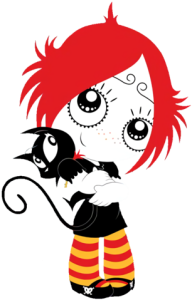
3. Ruby Gloom and Team (Ruby Gloom)

Ruby Gloom

Ruby Gloom is a Canadian cartoon-based goth character. It is the titular character from the show Ruby Gloom, which ran from 2006 to 2008 and had 40 episodes. The main character is a girl named Ruby Gloom, who might seem a bit gloomy at first glance. But guess what? She loves everything dark and dreary! She and her friends, such as Doom Kitty, Skull Boy, and Misery, do all sorts of wacky adventures together.

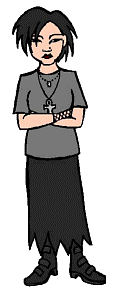
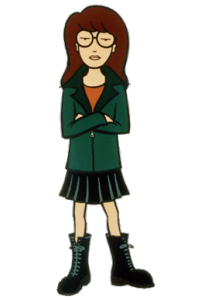
4. Andrea (Daria)

Andrea Daria

The MTV show Daria has a lot of characters who seem a bit goth character in it, but there’s really only one true goth girl cartoon character, Andrea. She is Daria’s classmate, and both are the real deal. She’s not just a bit down but a full-on goth with a pessimistic view of the world.

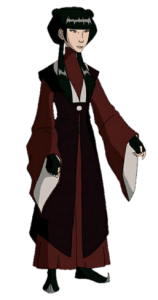
5. Mai (Avatar: The Last Airbender)

The Last Airbender

Mai from Avatar: The Last Airbender isn’t precisely what you’d call bubbly. Right from the start, she gives off a bored and gloomy feeling. She clearly isn’t a fan of her hometown and lets everyone know it!

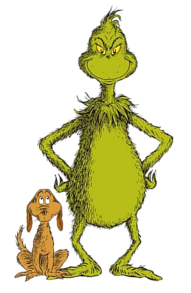
6. The Grinch (How The Grinch Stole Christmas)

How The Grinch Stole Christmas

The Grinch is a character from a book by Dr. Seuss. He is green and furry. However, he’s not very nice and doesn’t like happy things and often frowns with his droopy eyes and slumped shoulders. He even dresses gloomily in all-black with pointy shoes!

7. Thorn (Scooby-Doo)

Scooby-Doo

Remember the spooky movie Scooby-Doo? And the Witch’s Ghost? A cool goth band called The Hex Girls showed up in a scene. The lead singer and guitarist of the band was Thorn, voiced by actress Jennifer Hale.

While they might have seemed a bit spooky at first, The Hex Girls helped out Scooby-Doo and the Mystery Inc. gang! Their skills came in handy when they needed to stop the ghost of a witch named Sarah Ravencroft.

8. Henrietta Biggle (South Park)

Henrietta Biggle

Henrietta Biggle is a 4th-grade student who first appeared in the Season Seven episode “Raisins.” She is the main girl in the group called the Goth Kids. She speaks with a soft Valley Girl accent.

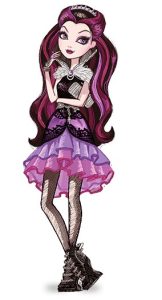
9.Raven Queen (Ever After High)

Raven Queen

Raven Queen is one the most loveable goth cartoon characters from Ever After High, a school for the children of fairytale legends. She’s supposed to be the next Evil Queen in Snow White, but she doesn’t want to be bad!

Raven is a rebel who started the whole “not following your destiny” thing at Ever After High. Many students look to her for help, but she’s unsure what to tell them. She’s not evil and doesn’t want to be punished for being wrong. Right now, she’s just focused on figuring out her own life, which keeps her busy.

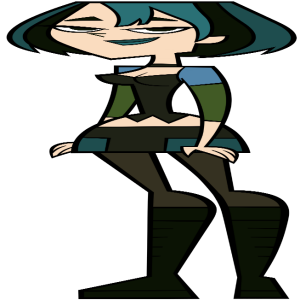
10. Gwen (Total Drama Island)

Total Drama Island

Gwen was a contestant on a reality show called Total Drama Island. She did really well and almost won the whole thing! She returned for a few more seasons of the show on different teams. We even saw her on a fancy boat in another season and in a short appearance. Later, she came back again to compete one last time.

“Recommended for You: What is a Foil Character? Everything You Need to Know!“

11. Dylan Beekler (Golan The Insatiable)

Dylan Beekler

Dylan Beekler is the main goth cartoon  character in a cartoon called “Golan the Insatiable.” She’s Golan’s best friend and super loyal follower. At first, we think she has a mom and sister, but later on the show, it turns out things are more complicated than that. Her voice is done by actress Aubrey Plaza.

12. Marceline (Adventure Time)

Marceline the Vampire Queen, or Marceline Abadeer for short, is a cool vampire rocker in the cartoon Adventure Time. She’s over 1,000 years old but still loves to have fun. Unlike scary vampires, she doesn’t drink blood. Instead, she eats the color red! Marcelineis a best goth cartoon charcter. She is also a talented musician and plays a one-of-a-kind electric bass guitar that she made from a special axe her family owns. In the end, Marceline gets back together with her girlfriend, Princess Bubblegum.

13. Rogue (X-Men Evolution)

Goth Cartoon Characters

Rogue from the X-Men got a new attitude! This time, she’s like a teenager going through a rough patch. She’s feeling down and unsure of herself, as if she doesn’t quite fit in. On top of that, her mutant power makes things tricky. Her touch can knock people out, so she can’t even hug anyone! Because of this, Rogue avoids people altogether. This makes her grumpy and defensive, which is too bad because she’s actually a good person deep down.

14. Zuko (Avatar: The Last Airbender)

Goth Cartoon Characters

Zuku from Avatar: The Last Airbender had a rough past that made him really angry. Everyone watching could tell he was super unhappy. He felt like a failure and didn’t know what he was supposed to do with his life. What made it worse was that he thought he had no choice in what happened to him.

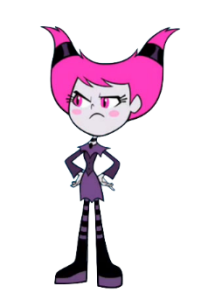
15. Jinx (Teen Titans)

Goth Cartoon Characters

Jinx is an Honorary Titan and a former villain. Before joining the Teen Titans, she was a top student at the H.I.V.E. Academy and led the H.I.V.E. Five. She is also Kid Flash’s girlfriend.

16. Triana Orpheus (The Venture Bros.)

Triana Orpheus is a cartoon character from the show called The Venture Bros. Her dad, Dr. Orpheus, is a super cool magic guy. Triana isn’t the main character, but she’s definitely a prominent one. Her mom’s name is Tatyana.

17. Kylie Griffin (Extreme Ghostbusters)

Kylie is one of the stars of the cartoon Extreme Ghostbusters. She’s the only one on the new team who already knew a bunch about ghosts before joining. This is because her friend Jack disappeared after a creepy monster called the Grundel showed up.

18. Yumi Ishiyama (Code Lyoko)

Yumi Ishiyama is one of the main heroes (along with two others) in the cartoon Code Lyoko. She goes to school at Kadic Academy and fights terrible guys with her friends. Yumi is the oldest kid in the hero group (except for William). She’s really responsible and takes things seriously. Both Ulrich and William like her a lot, but she’s best friends with Aelita.

19. Ingrid Third (Fillmore!)

Ingrid Third is the star girl (or the central female goth cartoon character) from a show called Fillmore! She’s not just any student, though; she’s the partner-in-crime-fighting (well, more like partner-in-keeping-the-school-safe) of Cornelius Fillmore. They’re both part of the Safety Patrol at X Middle School and are the best of friends.

20. Samantha “Sam” Manson (Danny Phantom)

Samantha “Sam” Manson is one of the best cartoon network goth characters in the Nickelodeon show Danny Phantom. She is Danny Fenton’s best friend and later becomes his girlfriend by the end of the series. She caused the accident that gave Danny his ghost powers and was one of the first people to find out about his secret.

“You May Also Like: What is a Round Character? A Guide for Authors and Writers”

21. Lucy Loud (The Loud House)

Lucy Loud is one of Lincoln Loud’s many sisters. She’s the middle child out of ten girls! Lucy is eight years old and a little different from her sisters. She likes dark things, spooky poems, and dresses in all black. Lucy can also sneak around quietly and appear out of nowhere, which sometimes scares her family and friends!

22. Vanessa Doofenshmirtz (Phineas and Ferb)

Vanessa Doofenshmirtz is one of the wildest goth cartoon characters you see a lot in the cartoon Phineas and Ferb. She’s the only child of Heinz Doofenshmirtz (who’s a bit of a goofball villain) and Charlene Doofenshmirtz. Vanessa is also the future girlfriend of Ferb Fletcher (Phineas’ stepbrother) and friends with Candace (Phineas’ sister).

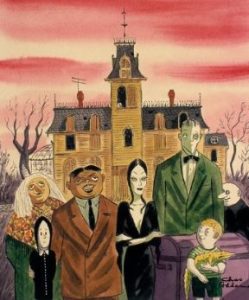
23. Wednesday Addams (The Addams Family)

The Addams Family is famous for their dark jokes and love of all things spooky. They’re a perfect example of cartoon goth characters. Wednesday Addams is one of them. The whole creepy and kooky family is kind of dark and scary. They have a different way of looking at life and death. Also, they often find funny things in things most people find terrifying.

24. Nergal Jr. (The Grim Adventures of Billy & Mandy)

Nergal Jr., also known as Two, is the only child of two not-so-average parents: Nergal (a monster) and Sis. He’s also cousins with Billy (on his dad’s side). Because his dad is a monster, Nergal Jr. has some monster abilities, too, which makes him a bit different from other kids. He doesn’t like being different and tries to fit in by pretending to be other campers.

25. Daria Morgendorffer (Beavis and Butt-Head)

Daria Morgendorffer is the main goth cartoon character in the cartoon show “Beavis and Butt-Head.” It was a grown-up cartoon on MTV that aired in the late 90s and early 2000s. Daria is the star of her own cartoon show! The show, also called Daria, was a bit more mature and aired on MTV from 1997 to 2002.

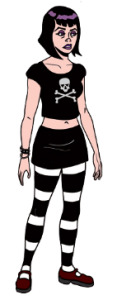
26. Nikki Wong (6teen)

Nikki Wong is a goth cartoon character in a Canadian cartoon sitcom. She is usually the most sensible and independent among her friends, which often conflicts with the rules of the Khaki Barn store where she works because the store doesn’t value individuality. However, she feels sad during Christmas because she believes her mom will dislike any gift she gives her.

27. Ember Mclain (Danny Phantom)

Ember McLain is the famous goth cartoon character from the show “Danny Phantom.” She is a ghost and musician with a strong desire for power and attention. Also, she dislikes authority and has a sharp, sarcastic personality.

28. Stocking (Panty & Stocking with Garterbelt)

Panty & Stocking with Garterbelt is a Japanese cartoon series. It was made by Gainax and aired in Japan in late 2010. Panty and Stocking are two naughty angel sisters who got kicked out of Heaven for misbehaving. They end up in Daten City, a place between Heaven and Hell that’s full of mean ghosts. A friendly priest named Garterbelt takes care of them and gives them a job. They get to fight the ghosts with special weapons – their underwear turns into cool guns and swords.

29. Kevin Levin (Ben 10)

Kevin Levin is a complex goth cartoon character who evolves throughout the Ben 10 series. Initially, in the original Ben 10, he’s the main villain and Ben’s arch-rival. With his unique ability to absorb energy and use it for his own powers, he poses a severe threat to Ben.

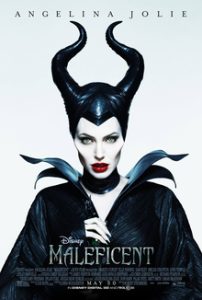
30. Maleficent (Sleeping Beauty)

Maleficent wasn’t always a villain. In fact, she was a kind fairy with a good heart. But her trust was shattered when her lover, Stefan, betrayed her. This betrayal hardened her heart, and she placed a terrible curse on Stefan’s newborn daughter, Aurora. However, as time passed, Maleficent began to see that Aurora could be the key to healing the land’s problems.

“An Interesting Read for Romance and Horror Fans: Blood Bound Passion: Explore the Best Vampire Romance Books”

31. Tiffany Valentine (Child’s Play)

Tiffany Valentine is a creepy goth cartoon character in the horror movie series “Child’s Play.” She’s not just a villain; she’s a murderous doll! She is like a partner-in-crime to the main villain, Chucky (another killer male doll).

32. Lydia Deetz (Beetlejuice)

Lydia Deetz is a goth cartoon character from the movie Beetlejuice. She’s the daughter of Charles Deetz and the stepdaughter of Delia Deetz. Unlike most teenagers, she does not like bright colors or trendy fashion. She prefers dark colors, so people call her “goth.” In the movie, a mischievous ghost named Beetlejuice tries to trick Lydia into marrying him so he can come back to life!

33. Hades (Hercules)

Hades is the bad guy from Disney’s Hercules (film). He’s the god of the underworld, kind of like the ruler of the dead. He’s known for getting mad easily and disliking his older brother, Zeus, a lot. For years, Hades hatches a plan to take over Mount Olympus, which is basically like Heaven in this movie. But there’s a catch! The Fates, these magical beings who can see the future, say a hero will come along and stop him. So, Hades spends the movie trying to carry out his evil plan while also worrying about this hero showing up.

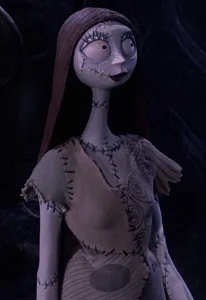
34. Sally (The Nightmare Before Christmas)

Sally is a prominent goth cartoon character in the movie “The Nightmare Before Christmas.” She’s a rag doll made by the wacky scientist Dr. Finklestein, who lives in Halloween Town. Even though she’s super intelligent, she can be a bit shy. Dr. Finklestein keeps a close eye on her, which can be annoying. But Sally has a secret crush on Jack Skellington, the Pumpkin King! She also has a mind of her own and dreams of being more independent.

35. Violet Parr (The Incredibles)

Violet Parr is a superhero from Pixar’s movies “The Incredibles” (2004) and “Incredibles 2” (2018). She’s the eldest child of Mr. Incredible (Bob Parr) and Elastigirl (Helen Parr). Violet’s special powers are invisibility and creating force fields. At first, Violet is a shy teenager in middle school. Over the course of the movie, Violet grows up and becomes more confident.

36. Ursula (The Little Mermaid)

Ursula is the bad girl in Disney’s The Little Mermaid (from way back in 1989). She’s a sea witch, kind of like a creepy underwater spellcaster. Ariel, a mermaid princess, wants to become human so she can be with a prince named Eric. Ursula tricks Ariel by giving her legs for three days, but there’s a catch! Ursula secretly wants to take over Ariel’s dad’s kingdom, King Triton, as ruler of the ocean. The movie is all about Ariel trying to become human and defeat Ursula’s evil plan.

37. Dr. Facilier (The Princess and the Frog)

Dr. Facilier is the villain in Disney’s movie “The Princess and the Frog” (number 49 of their full-length cartoons!). He’s a bad guy who uses dark magic and tricks to try and take over New Orleans. He even has some scary shadow creatures he calls his “friends” to help him out!

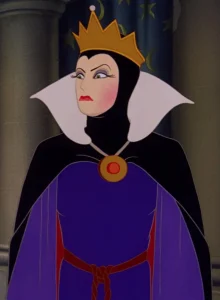
38. The Evil Queen (Snow White and the Seven Dwarfs)

The Evil Queen is a classic Disney villain! She first appeared way back in 1937 in their very first full-length cartoon, Snow White and the Seven Dwarfs. She’s also known by a bunch of names, like the Wicked Queen, Queen Grimhilde, or just the Queen. No matter what you call her, though, she’s the villain in the story and Snow White’s enemy.

39. Yzma (The Emperor’s New Groove)

Yzma is the main villain in Disney’s movie The Emperor’s New Groove (and some other related shows and games). She’s not exactly the nicest lady – she’s pretty grumpy and wants to be queen! When the young emperor, Kuzco, fires her as his advisor, Yzma gets revenge by trying to turn him into a llama. She’s not the strongest villain, but she’s pretty smart and makes potions to help with her schemes.

40. Cruella de Vil (101 Dalmatians)

Cruella de Vil is a notorious villain who has captivated audiences for generations. Debuting in Dodie Smith’s 1956 novel “The Hundred and One Dalmatians,” Cruella is a wealthy and glamorous Londoner with a taste for the finer things in life. However, her true obsession lies with Dalmatian fur, which she covets for her extravagant fashion designs. This dark desire has cemented Cruella as a pop culture icon.

“If you are enjoying this, you might also love What is Direct Characterization in Literature?”

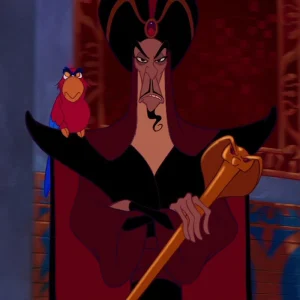
41. Jafar (Aladdin)

Jafar is the main villain in Disney’s Aladdin (1992). He’s not just some random guy, though; Jafar is the powerful Grand Vizier, who is basically the most important advisor to the Sultan who rules Agrabah. Even though he seems important and trustworthy, Jafar has a secret evil plan – he wants to steal the magic lamp and become Sultan himself!

42. Beast (Beauty and the Beast)

The Beast is a character from Disney’s classic Beauty and the Beast (1991). He also appears in the two follow-up movies, “Beauty and the Beast: The Enchanted Christmas” and “Belle’s Magical World.” But the Beast isn’t just any character – he’s a prince who has been cursed to look like a monstrous beast! The movies tell the story of how Belle, a kind and intelligent young woman, gets to know the Beast and sees the good person hidden beneath his scary exterior.

43. Claude Frollo (The Hunchback of Notre Dame)

Claude Frollo is the main villain in Victor Hugo’s famous novel The Hunchback of Notre Dame (from 1831). He might seem like a good guy at first – he’s a church official and even a bit of a scientist. But deep down, Frollo is actually a nasty dude.

44. The Queen of Hearts (Alice’s Adventures in Wonderland)

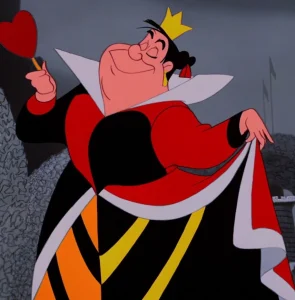
The Queen of Hearts is the main villain in the famous book “Alice’s Adventures in Wonderland.” She throws temper tantrums easily and yells a lot, just like a child. Even the slightest mistake can make her really mad, and she’ll threaten to behead anyone who upsets her!

45. Ichabod Crane (The Legend of Sleepy Hollow)

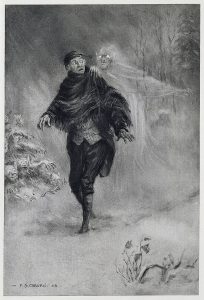
Ichabod Crane is the main goth cartoon character in the spooky movie story “The Legend of Sleepy Hollow” by Washington Irving. He’s not your typical hero, though. Ichabod’s body is very skinny and tall. It is just like a walking scarecrow.

46. Elsa (Frozen)

Elsa of Arendelle is a character from Disney’s hit movies “Frozen” (2013) and “Frozen II” (2019). She has magical ice powers that can be amazing but also scary. In the first movie, Elsa accidentally freezes the kingdom of Arendelle and goes on a journey to learn to control her powers. Idina Menzel voices Elsa as an adult, with other actresses voicing her as a child and teenager.

47. Lady Tremaine (Cinderella)

Lady Tremaine is the evil stepmother in Disney’s classic historical fiction cartoon movie Cinderella (1950). She also appears in the sequels, “Cinderella II: Dreams Come True” and “Cinderella III: A Twist in Time.”

48. Mavis Dracula (Hotel Transylvania)

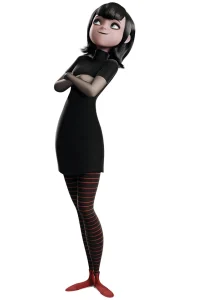
In the movie Hotel Transylvania, there’s a hotel for monsters run by Count Dracula. A human accidentally finds the hotel but has to hide from the monsters who are staying there. Mavis Dracula is a goth cartoon character. She is Count Dracula’s daughter. Even though she’s 118 years old, she’s independent and quirky.

49. Emily (Corpse Bride)

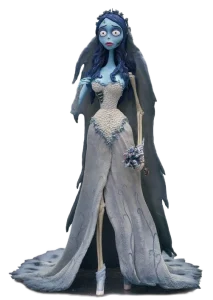
Corpse Bride is a spooky but fun movie that came out in 2005 and is one of Tim Burton’s best. It’s set in old-fashioned England and follows Victor, a guy about to marry Victoria. But things get weird! Victor accidentally marries a dead woman named Emily instead. She whisks him down to the Land of the Dead, a world filled with quirky goth characters. We find out Emily is actually a sweetheart who loves music and dancing. Sadly, her boyfriend betrayed her and killed her on their wedding night.

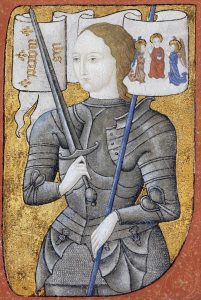
50. Joan Of Arc (Clone High)

There was a funny cartoon show called Clone High back in the early 2000s, but it only lasted one season. The main twist? All the students were teenage clones of historical figures!

One of these clones was Joan of Arc. In this show, Joan isn’t a fearless warrior but a teenager who is deep in thought, kind of worried a lot, and a bit down sometimes. The voice of Joan was done by the same actress who played the villain Shego in another cartoon called Kim Possible.

51. Shego (Kim Possible)

Kim Possible is one of the best gothic Disney characters. Her fictional character is full of action, comedy, and adventure. It ran for a few years and followed the life of Kim Possible, a regular teenager with a not-so-regular job: fighting crime!

Kim juggled saving the world with homework and hanging out with friends. Her main enemy was the wacky Dr. Drakken, but his most dangerous helper was Shego. Shego rocked a black outfit with dark lipstick and always had a bad attitude. She was quick to fight and didn’t seem to think things through much.

“Still Hungry for More? Another Exciting Read for You: Morally Grey Characters: Who are They & How to Write Them?”

Conclusion

Goth cartoon characters are alluring for those who like dark stuff and exciting stories. These characters, such as the thoughtful Raven and the brave Mandy, show how cool goth culture can be through their unique personalities and adventures. These goth characters are like rockstars of cartoons – they make goth stuff more familiar and engaging for everyone. So, anyone who loves goth stuff or is just starting to learn about it, check out these goth cartoon characters. If you want to create new goth cartoon characters but don’t know how to start, don’t worry! Consult Authors Breeze for expert assistance.

Frequently Asked Questions

1. What are goth cartoon characters?

Goth cartoon characters are animated figures that embody the gothic subculture. This often includes dark fashion, pale makeup, a brooding demeanor, and an interest in themes such as melancholy, the supernatural, and alternative music.

2. Which are some popular goth cartoon characters?

Popular goth cartoon characters include Raven from "Teen Titans," Wednesday Addams from "The Addams Family," Lydia Deetz from "Beetlejuice," and Marceline the Vampire Queen from "Adventure Time."

3. Why do goth cartoon characters appeal to viewers?

Goth cartoon characters appeal to viewers due to their unique and often complex personalities, distinctive aesthetic, and the way they usually challenge traditional norms and stereotypes.

4. How do goth cartoon characters differ from other cartoon characters?

Goth cartoon characters typically have a darker, more introspective nature compared to other cartoon characters. They often deal with themes of mortality, existentialism, and the supernatural, setting them apart from more lighthearted or mainstream characters.

5. Are goth cartoon characters suitable for children?

Many goth cartoon characters are suitable for children, though it depends on the show or movie. Characters like Wednesday Addams or Raven from "Teen Titans" appear in family-friendly content, while others might be part of shows with more mature themes.

Build Beloved Goth Characters

Our experienced writers will craft unique personalities that drive your story and keep readers hooked.

Contact Us

Author : Christina N Hummel

03rd Jul 2024

What Are The Best Content Writing Tools In 2026

Content Writing Tools

Key takeaways:  What Are the Best Content Writing Tools In 2026

  • Catchy writing keeps people reading, and content writing tools help make that happen.
  • These tools are like helpers for businesses, marketers, and even you to get your message across clearly.
  • Ahrefs & SEMrush: These tools help you see what your competitors are doing as well as what kind of content is popular. They also suggest keywords to use in your writing.
  • Google Trends: This helps you see what people are searching for online so you can write about what interests them right now.
  • Google Scholar: Need facts to back up your writing? You can utilize this tool in order to find reliable sources.
  • Jasper: Stuck for ideas? Jasper can help you quickly write articles, blog posts, and even marketing messages.
  • Thesaurus: Want to use more exciting words? A thesaurus gives you synonyms (similar words) and also shows you how to use them in a sentence.
  • Wordtune: This tool checks your writing for mistakes as well as makes it easier to read.
  • Copyleaks & Turnitin: These tools help ensure your writing is original and not copied from someone else, even if a computer program wrote it.

Unique Content, Powerful Results

Authors Breeze is your one-stop shop for all your content creation needs. We utilize the best content-writing tools to help you craft high-quality, engaging content.

Get Content Writing Services

Introduction: Content Writing Tools

Content is king, or you can say queen. The purpose of content is to engage readers, boost SEO, and drive conversions. Moreover, it helps businesses, marketers, and people communicate their messages effectively. According to stats from Forbes, content marketing increases lead generation in 74% of companies.

The truth is, content writing isn’t a walk in the park. Firstly, you need to learn how to craft content that’s not just informative. Also, it should be engaging. On top of that, you need to master grammar, structure, and many other things to write content. But if you don’t have time, plenty of writing tools are out there to help!

In 2026, many content writing tools can help you in writing. Also, there are many tools for editing and polishing your content. This blog will explore the best content writing tools available this year. So, let’s start.

What is Content Writing?

Content writing is the method of producing informative content. It also has to fulfill the purpose of user intent. Furthermore, it has been used for various purposes, such as marketing, education, and entertainment. There are many types of content writing. Let’s discuss them briefly.

  • Blog Posts: Informative and engaging blog writing for websites.
  • Articles: In-depth article writing is often found in magazines or online publications.
  • Social Media Content: Short, engaging posts for platforms such as Twitter, Facebook, and Instagram.
  • Marketing Copy: Persuasive text designed to promote products or services.

Read More:  What is Content Writing and Why it Matters? – A Guide

Benefits of Content Writing

Let’s look at the key benefits of content writing:

  • Quality content helps improve your website’s SEO, making it easier for people to find you.
  • Creative Stories attract readers and make content memorable.
  • Providing valuable information establishes your brand as an authority.
  • Effective CTAs encourage readers to take action, such as making a purchase.

Content Writing Tools for Research

Research is a critical part of content creation. Here is the list of content writing tools you can utilize to find materials for content:

1. Ahrefs

Ahrefs is an authentic and reliable SEO tool. It helps you analyze your competitors and find high-performing content ideas. Ahrefs helps you with the following:

  • Keyword Research: It helps you find the best keywords for your target audience.
  • Competitor Analysis: Ahrefs provides comprehensive reports on competitor activities, which will help you find the topics they are working on.
  • Content Discovery: It enables you to find popular content in your niche and create more effective and engaging material.

2. Semrush

Semrush is another top-notch tool and a competitor of Ahrefs. It offers a vast suite of tools for content writing. With Semrush, you can do many tasks, such as:

  • Keyword Research: Find keywords that people are searching for, helping to attract more customers.
  • Content Analysis: Analyze your existing content to see what’s working and what could be improved.
  • Website Audit: Run a complete website scan to identify any issues, such as duplicate content, that might hurt your search ranking.

3. Google Trends

Google Trends is a free Google tool that shows currently popular topics that people search for on the internet. By looking at search trends, you can:

  • See which topics are suddenly gaining popularity. As a result, you can create content or campaigns that reflect current interests.
  • Track how search interest in a particular topic fluctuates over days, months, or even years. Also, it can help you plan your content strategy for the long term.
  • See how the popularity of two (or more) search terms stack against each other. It will help you to decide which keywords to target for your website as well as content.

4. Google Scholar

Google Scholar is your friend in case you need to find credible sources to back up your content. This free search engine focuses specifically on academic publications, including:

  • Find in-depth information on various topics written by experts in their fields.
  • See how often other researchers have cited your work, which is a way of measuring the impact of your research.

Tools for Writing Content

AI tools are beneficial in creating content quickly from start to scratch. However, traditional content writing tips and tricks can still be valuable in order to improve the quality and efficiency of AI-generated content. Here are some top AI tools for effective content writing in 2026:

5. Jasper

Jasper is a premium AI tool that helps you write many things. It also includes articles and blog posts for marketing messages. Here’s what it can do:

  • Just give Jasper a little idea (a few keywords or a starting sentence), and it will create fresh content based on your input.
  • Craft your content and polish it up all in one place. Jasper lets you edit as you go and even has an auto-save feature. So, your work will never be lost in any problem.
  • Need catchy headlines or persuasive ad copy? Jasper can write this quickly. It helps you create marketing messages that grab attention as well as results.

6. Wordtune

Wordtune is an advanced writing assistant that helps you improve the readability and quality of your content. Its standout features include:

  • It identifies and corrects grammar and spelling errors in order to ensure your writing is polished and professional.
  • The tool suggests changes to the style and tone of your content that help you achieve the desired effect for your audience.
  • Wordtune offers precise rewriting ideas for sentences, phrases, and words. Moreover, it will help you make your content more transparent and more impactful.

7. Copy.ai

Copy.ai is one of the best AI tools for content writing. It is tailored to create compelling content across different platforms. Also, it offers several key features that make it a reliable resource for content creators:

  • ai excels at generating creative and engaging content, such as blog posts, social media captions, or marketing copy.
  • The platform provides a wide range of custom-made templates. Also, it will help produce high-quality content as per your needs.
  • ai is user-friendly and accessible, even for those new to AI tools.
  • The tool helps you save time by producing content quickly and efficiently.

8. ChatGPT

ChatGPT is a sophisticated AI language model. It helps to produce a wide range of writing tasks by generating ideas as well as drafts instantly. Its key features include:

  • ChatGPT excels at giving ideas. So this makes it a valuable tool for brainstorming and initial content creation. Creative writing prompts can help you get started with content creation on ChatGPT.
  • The model is highly versatile and capable of producing content for various formats, such as blogs, social media posts, articles, and more.

9. Frase

Frase is an all-in-one content creation platform. It generates high-performing content such as blog posts, engaging social media content, and persuasive emails.

  • Frase can write and optimize content seamlessly in a single AI-driven workspace.
  • It creates content briefs, saves AI prompts, and automates repetitive tasks with customizable templates.
  • This platform can align content directly within your preferred platforms, such as Google Docs and WordPress.
  • Frase categorizes documents into folders based on topics, clients, or projects.

10. Copilot

Microsoft Copilot is an AI-powered assistant integrated into Microsoft 365. It is designed to boost productivity by doing different tasks. Moreover, it offers insights and automates routine work based on your specific business data.

  • Copilot fine-tune prompts for tasks such as writing or code generation.
  • This platform can understand and work with various file types, such as PowerPoints and Excel sheets. It can quickly summarize, translate text, and analyze data.
  • Copilot creates AI-generated images from text descriptions.
  • Users can specify the desired tone within prompts (e.g., professional, friendly).

11. Gemini

Gemini is a large language model developed by Google AI. Furthermore, it demonstrates a strong foundation in understanding and responding to human language in a versatile and informative manner.

  • Gemini provides detailed and informative answers to a wide range of prompts and questions.
  • It can produce various creative text formats such as poems, scripts, and different writing styles.
  • Their system is capable of translating text from one language to another.

Content Writing Tools for Proofreading and Editing.

Content writing is incomplete without proofreading and editing. These steps are vital in order to polish your content to perfection. Here are some of the best content writing tools available in 2026 that help you proofread and edit your content:

12. Grammarly

Grammarly has a free version that looks for grammar errors. It also ensures your writing is clear and helps you deliver your message effectively. If you pay for the premium version, it can also give you advanced suggestions on improving your writing by suggesting better words. Furthernore, it makes it easier to read and check for plagiarism (copying someone else’s work).

13. Hemingway Editor

Hemingway Editor is an editing app. You copy and paste your writing into the app. The app checks your writing and finds places where you can improve your writing, such as simplifying your sentences or avoiding using the passive voice. This app also shows you a readability score.

14. Guardian and Observer Style Guide

There’s a guide called the Guardian and Observer Style Guide. It was made initially for freelance writers who write for the Guardian newspaper. Also, this guide helps make sure all the articles have a similar style. Although it is primarily journalists who use it, we believe it would be helpful for you as well. It will help you address writing issues, such as when to use “a” or “an” before “h” and when “zigzag” requires a hyphen.

15. Thesaurus

The Thesaurus by dictionary.com is a comprehensive tool that enhances your vocabulary and expands your language proficiency. It provides detailed meanings and example sentences for your searched words and phrases. This helps you understand and use them correctly. In addition to definitions, the Thesaurus offers a wide range of synonyms, antonyms, and related words. Also, finding the perfect word for any context makes it more accessible.

Editing That Makes You A Pro

Every writer needs a keen eye for grammatical errors. We offer editing services to ensure your writing shines.

Hire a Professional Editor.

Tools for Checking AI Content

These content writing tools help you to ensure your content is unique. Furthermore, it is not generated by AI without attribution, which is crucial. Here are some top AI content checker tools:

16. Copyleaks:

Copyleaks uses advanced AI to detect plagiarism and AI-generated content. It:

  • Identifies copied content.
  • Recognizes content generated by AI tools.

17. Originality.ai:

Originality.ai helps you ensure your content is unique and not AI-generated. With this tool, you can:

  • Detect AI-generated text.
  • Ensure your content is original.

18. Turnitin:

Turnitin is widely used in academic settings for plagiarism detection. Recently, they have offered AI content detection. Turnitin helps you:

  • Ensure the originality of academic work.
  • Identify AI-generated content.

Why do Strong Writing Skills Matter?

Communicating well is power in today’s world. It assists you to convey your message effectively and distinguish yourself from the rest. Despite all the writing tools offered, traditional writing skills are still important to overcome writing challenges. Here’s why:

  • Proper grammar and punctuation ensure your message is precisely understood as you intend.
  • Different writing styles work for various situations. You wouldn’t write a business email the same way you’d write a blog post.
  • Want your content to show up in online searches? Understanding SEO lets you write content that search engines love.
  • Planning and research are key to creating content that keeps your audience engaged.
  • Creative stories in your writing make it more exciting and memorable.

How Can You Improve Your Content Writing Skills?

There are many content writing courses available to help you improve your writing skills. Here are a few popular options:

  • Udemy
  • LinkedIn Learning

Conclusion

Content writing tools are vital in the digital world. It helps communicate effectively for all genres. In 2026, several tools can make your content writing process easy, such as grammar checkers and AI content generators. In addition, fundamental writing skills and SEO knowledge are crucial for creating high-quality content. Authors Breeze specializes in content writing and knows how to create engaging content. So you know whom to contact when you need help crafting content!

Frequently Asked Questions

Which tool is used for content writing?

There are many tools for content writing, but they generally fall into two categories:

Word processors:

These are apps like Google Docs, MS Word, or LibreOfficeWriter, where you can type down, format, and even edit the text. They are helpful for a variety of writing, such as content writing.

AI writing assistants:

These are newer tools that use artificial intelligence to help you write content. They can suggest ideas, generate outlines, or even write complete sections of text based on your instructions.

What is the best free software for content writing?

There are several great free options for content writing tools:

  • Google Docs: This free, web-based word processor is easy to use and lets you collaborate with others on your writing.
  • LibreOffice Writer: This free, open-source word processor is similar to Microsoft Word but doesn't cost anything.
  • FocusWriter: This free program helps you focus on writing by minimizing distractions.

What is the best AI for content writing?

AI writing assistants are still under development, so there's no single "best" one. However, here are a few popular options:

  1. Jasper
  2. Thesaurus
  3. Wordtune

Stop Dreaming, Start Writing

Whether you’re a complete beginner or need a content refresh, our team of experts will guide you through the content writing process.

Get a Quote

Author : Charles Maynes

01st Jul 2024

How to Self-Publish a Book?

self-publish a book

Key takeaways: How to Self-Publish a Book

Quickly learn how to self-publish a book:

  • Write an excellent manuscript as well as polish it with the help of beta readers or editors to fix any issues.
  • Format your book correctly for readability, including spacing, paragraphs, and images. Choose easy-to-read fonts that fit your book’s style.
  • Design an eye-catching cover that attracts readers by hiring a professional designer or using online tools if you’re creative.
  • Choose self-publishing firms such as Amazon KDP or IngramSpark to format your book for different devices, get an ISBN, and publish it in online stores.
  • Market your book by promoting it on social media, reaching out to book reviewers, and building an author website to engage with readers.
  • Set a fair price for your book by considering your production costs, competitor pricing, and target audience. Many authors offer ebooks at a lower price point than print books.
  • Distribute your ebook in popular formats like EPUB and MOBI to reach a global audience through platforms such as Draft2Digital, Smashwords, Apple iBooks Store, and Kobo.
  • Use keywords and descriptions to help readers discover your book online, create pre-launch buzz through contests and giveaways, and consider converting your book into an audiobook format.

Enjoy Self-Publishing Success with Us

Don’t let your manuscript decline. Get it publication-ready with the help of our book publishing team.

Get Self-Publishing Services

Introduction: How to Self-Publish a Book

Writing a book is a difficult task. The genuine hurdle is traditional publishing. Many authors discover that the real challenge is the traditional publishing process. This publishing route seems harsh, wrapped in mystery, and filled with porters.

Well, guess what? Self-publishing a book is a way to go for new or seasoned authors. It’s a powerful tool that’s peaking in popularity. Moreover, it puts you in the driver’s seat, the captain of your bookish future, authorizing you to bring your stories to life!

Now, hold on a second. Self-publishing doesn’t mean flying solo into the market with just your laptop and a dream. It’s about adopting the space and flexibility of the fantastic world of self-publishing.

In this blog, we will explain everything from the exciting perks of self-publishing to the challenging process of putting your book out there and into the world. So, start a journey with us and uplift your writing process.

Traditional Publishing vs. Self-Publishing

Are you wondering which publishing way you should pick? Let’s explore briefly.

Self-publishing a book is like going DIY. You are a captain for everything from editing to marketing your book. So, it’s all you, but you reap all the profits too.

Traditional publishing is more like having a teammate. A publisher helps edit, design, and sell your book, but they take a share of the earnings.

Which way to go? It depends on your goals and budget. When you self-publish a book, you have more control. On the other hand, if you get help from traditional publishers, it can offer a wider reach.

FeatureSelf-PublishingTraditional Publishing
ControlMoreLess
ProfitAll YoursShared with publisher
EffortMoreLess
ReachPotentially lessPotentially wider

Why Self-Publish a Book?

A traditional publishing company looks attractive. However, they are selective in picking stories. Self-publishing is the gateway to publishing a book without any hurdles.

Here are just a few of the perks that make self-publishing so attractive:

Be your own boss: Guess what? You get to call the shots on everything in your book, from the story to the cover. Pretty cool, right? That’s what self-publishing lets you do.

Faster fame (well, maybe not fame, but definitely getting your book out there): Forget waiting forever for someone to say yes to your book. With self-publishing, you can hit publish faster and get your work into readers’ hands.

More money in your pocket: Royalties (that’s the money you make from book sales) are usually higher with self-publishing. You worked hard, so you earned enough to keep more profits!

How to Self-Publish a Book?

Self-publishing a book is a journey, not a magic trick (although your book might be!). Here’s a step-by-step guide to get you started:

Step 1. Write an Excellent Manuscript

This is your story! Take your time and polish it up. Get a friend, beta reader, or editor to help find any typos or plot holes.

Step 2. Typeset Your Book

Book typesetting will increase your readability. Proper spacing means having enough space between lines of text, paragraphs, and around images so that everything looks clear and organized. Fonts are the different styles of lettering you see on a page. A typesetter will choose fonts that are easy to read and fit the overall look of your book.

Step 3. Design a Cover That Sells

Suppose you self-publish a book and distribute it in a store. In that case, an excellent book cover design can play the role of a shop window – attracting people to take a look! You can hire a designer or use online tools if you feel imaginative.

Create a Professional Book Cover

Our designers can be an extension of your vision. We translate the essence of your story into a powerful visual representation.

Hire a Book Cover Designer

Step 4. Pick a Self-Publishing Platform

Self-publishing companies are like your book’s tech crew! They help you format it for different devices (eReaders, tablets), get an ISBN (a unique code for your book), and even publish it in online stores. Some famous ones are Amazon KDP, Authors Breeze, and IngramSpark.

Step 5. Spread the Word

Now that your book is out there, it’s time to tell everyone! Social media is your friend. Talk to other authors, see if book reviewers can check out your work, and maybe even build a website to discuss your book.

Step 6. Copyright Your Book

Registering your copyright for a book provides additional legal protection. Further, it strengthens your case if someone infringes on your work. Registration fees are relatively low (around $65 in the US).

What are the Best Self-Publishing Companies?

If you’re looking for the best self-publishing companies, there isn’t a single “best” company, but you can consider these for reach: Kindle Direct Publishing (KDP) for Amazon, IngramSpark for libraries & stores, and Draft2Digital for more comprehensive online retailers. Authors Breeze is a great help in order to navigate the book publishing process.

How Much Money Do You Need To Become A Self-Published Author?

Self-publishing a book does require money, but how much? It depends totally on you. The main factors are different types of editing, book cover design, and marketing. However, so many cheap and free tools are available on the internet. So, you don’t need to break the bank to become a self-published author. But you have to act wisely before spending money. Let’s explore the factors:

1. Editing

Pro editors can be expensive, but they have the expertise to make your book polished. For cheaper options, swap edits with another writer. Also, you can join a critique group to find the best editor without draining your bank account.

Make Your Book Flawless!

Work with our specialists for top-tier book editors. Ensure your book stands out with perfect editing.

Acquire Professional Editing Services

2. Book Cover

Professionals have the skills and experience to create a cover that aligns with your genre, target audience, and overall message. However, it will cost you a lot.

Freelance Platforms: Prices start at $30 but often include only one basic concept (e.g., for ebooks).

Average Cost: Expect to pay at least $150 for a decent cover design.

Experienced Designers: Costs can reach $500 or more for highly skilled professionals.

Low Budget Options: If your budget does not allow you to hire a professional, many low-cost design software are available on the internet. However, these tools are not effective in personalized designs.

3. Marketing

To maximize sales, consider setting a budget for the following marketing options:

  • Targeted Advertising: Consider running targeted ads on social media or book platforms to reach potential readers interested in your genre.
  • Email Marketing: Build an email list and send newsletters with exclusive content, promotions, or new book announcements.
  • Website: Create a professional author website with information about your books, upcoming events, and ways for readers to connect with you.

Note: “Try to do budgeting strategically across different channels. It can be more effective than simply throwing money at the problem.”

How Much Should You Charge for Your Book?

That’s the question! The answer is that it depends on a few things:

Production Costs: Factor in all the expenses you incurred during the self-publishing process, such as editing, cover design, and any marketing costs.

Competitor Pricing:  Research what other authors in your genre charge for similar-length books. This will give you a good baseline with which to work.

Target Audience: Identify a target audience. Are they students on a tight budget or avid readers willing to spend money on a new book?

“Do your research and find a fair price point for you as well as your readers.”

Here’s a tip:

“A majority of self-published authors provide their ebooks at a lesser cost. Because they charge more for print books, this strategy will also assist in attracting new readership. You should also try using preorder bonuses or creating bundles that will help you to increase sales.”

Ebooks: The Digital Download

Ebooks are a fantastic way to reach a global audience. Printing costs or physical distribution is not a concern in ebooks. There are two main ebook formats to consider:

  • EPUB: This is a widely compatible format that can be read on most e-readers and devices.
  • MOBI: This format is specifically designed for Kindle devices.

When you publish your ebook through platforms like KDP, they handle the conversion process for you. However, if you’re distributing your ebook through other big publishers, you might need to format it into EPUB and MOBI. Moreover, free and paid conversion tools are available online, or you can outsource the formatting to a freelancer.

Draft2Digital: Your Ebook Distribution Partner

We mentioned Draft2Digital as an ebook distribution platform. Here’s a closer look at what they offer:

Free Basic Plan: This plan allows you to distribute your ebook to a limited number of retailers.

Paid Plans: Paid plans offer wider distribution to more retailers and libraries, along with additional features like preorder options and marketing tools.

Global Reach: Draft2Digital allows you to reach an international audience by distributing your ebook to retailers in various countries and regions.

Other Ebook Distribution Channels

Here are some other popular ebook distribution channels to consider:

Smashwords: This book publishing company focuses on distributing ebooks to libraries worldwide. It will help to reach new readers.

Apple iBooks Store: The iBooks Store is a popular platform for iPhone, iPad, and Mac users. They allow you to reach a large audience of Apple device users.

Kobo: Kobo is a major e-reader brand with its ebook store. It expands your reach to Kobo e-reader users.

BookBaby: BookBaby offers a variety of self-publishing services. Further, it includes ebook distribution to a wide range of retailers.

Advanced Self-Publishing Strategies

I hope we have taught you how to self-publish a book. Now, let’s learn some advanced tricks to help your book do well. Also, it will help you to get noticed by more readers.

Keywords & Description

When you self-publish a book, you need to add a keyword. In addition, it will help people search for your genre. Write a short, attention-grabbing description of your book for a better appearance in the search engine.

Pre-Launch Buzz

Don’t wait! Before your book launches, run contests or giveaways related to your book on social media.

Audiobooks Rock

The audiobook market is enormous! Think about converting your book to audiobook format. Also, it allows people who enjoy listening to books during commutes or workouts to discover your work.

Data Makes You Smarter

It is vital to analyze the data on your book’s sales. How is your marketing doing? Use this info to see what’s working and what’s not so you can improve your marketing strategies.

Self-Publishing Services: Support When You Need It

Self-book publishing services such as Authors Breeze offer a range of options to assist authors throughout the publishing process.  These services can be valuable if you need help with specific tasks or lack the time or expertise to handle everything yourself.

Choosing Your Path: Consider Your Needs and Goals

The best approach for you depends on your individual needs and goals. Here are some things to consider before self-publish a book:

Budget: Self-publishing can be cost-effective, but there are expenses involved (editing, cover design, etc.). So, self-publishing services can be an additional cost.

Time Commitment: Self-publishing requires a significant time investment to learn the ropes and manage all aspects of the process. Therefore, services can save you time.

Experience: Are you comfortable with editing, design, and marketing, or do you need some professional support?

Wrapping up

Self-publishing a book is not a bed of roses, but with learning and adopting creative solutions, nothing is impossible. It requires hard work and willingness.  There will be challenges along the way, but you can partner with Authors Breeze to make the process seamless and easy.

Frequently Asked Questions

How much does it cost to self-publish a book?

The cost of self-publishing can vary depending on several factors, including:

  • Professional services can range from a few hundred to several thousand dollars.
  • Costs can vary depending on complexity but can range from a few dollars to a few hundred.
  • Freelance designers can charge from a few hundred to over a thousand dollars.
  • These can cost from $100 to $300, depending on how many you purchase.
  • This can be a significant ongoing cost because it depends on your chosen strategies.

Can you self-publish a book for free?

Technically, yes. Some platforms offer free basic publishing options. However, achieving a professional and competitive product likely involves additional costs like editing and cover design.

Is it wise to self-publish a book?

Self-publishing enables complete control over content development, a likely fast turnaround time, and better royalties. However, it demands expansive marketing, editing, and design efforts compared to traditional publishing. So, think about what you can easily do toward those objectives, evaluating your time, resources, and capabilities to handle those activities.

Is publishing a book on Amazon free?

Publishing an ebook through Kindle Direct Publishing (KDP) on Amazon is free. However, you may incur costs for editing, formatting, and cover design, as mentioned before. You can choose a royalty rate between 35% and 70%, but keep in mind that Amazon charges a delivery fee for each ebook sold.

Turn Your Book Idea Into Reality

Authors Breeze make your dream come true. So, collaborate with our self-publishing experts to get the help you need for your book.

Contact Us Today

Author : Charles Maynes

28th Jun 2024

Traditional Publishers Accepting Submissions for New Authors

traditional publishers

Key Takeaways: Traditional Publishers Publishing Books of New Authors

  • Traditional publishers take care of everything from editing your manuscript to making sure your book reaches bookstores and gets reviewed.
  • Traditional publishers have friends in high places, such as bookstores, reviewers, and other book marketers. They can help promote your work.
  • Some of the top traditional publishing companies that accept books from new authors are Chicago Review Press, Arsenal Pulp Press, Black & White Publishing, Chronicle Books, and Regal House.
  • Submission Tips: Polish your manuscript, format it properly, use beta readers, craft a strong query letter, as well as follow submission guidelines

Want to Become a Published Author?

It can be a slow process to publish your book traditionally. Authors Breeze is the best self-publishing company that can get your book out faster.

Get Self-Publishing Services

Introduction

You have a manuscript masterpiece and are wondering how to publish it. Hold on to your hat; this guide will be your publishing best friend. There are two paths to take in order to publish a book –the independent or self-publishing avenue and the trade publishing avenue.

In self-publishing, writers take complete control from writing to promotion. Traditional publishing is more simple, with more access to resources and potential readers. Also, the conventional market is more saturated.

According to data from 2022, the estimated total revenue (the amount of money earned) for the book publishing industry in the United States was $28.1 billion. It shows the value of traditional publishing. Further, for new authors, it is a major milestone if their work is published in contemporary ways.

In this guide, we will explore traditional publishing companies that accept submissions from new authors. We will also provide tips to make the process easier.

What Are Traditional Publishers?

Traditional publishers are companies that handle every step of publishing. They turn an unfinished manuscript into a book. In addition, they do promotions to attract a targeted audience. Here’s what they do:

  • Traditional publishers choose which manuscripts to publish.
  • Typically, they are experts in proofreading and copyediting. So, they suggest changes to improve the book.
  • Traditional publishers are savvy in marketing a book. Their services include book advertisements, tours, interviews, and online promotions.
  • Traditional publishers, such as bookstores, online retailers, and libraries, make sure the book is available in the market. However, as per the demand of the writer, they distribute globally.

Traditional Publishing vs Self-Publishing: Which is Better?

The publishing industry has transformed recently. Self-publishing has become more accessible and mainstream, and many authors have successfully self-published their books. On the contrary, traditional publishing holds prestige and credibility. Suppose you are a new writer. In that case, you can find it challenging to secure a book deal with conventional publishers.

Now, is it a good idea to take the traditional route, or should you go for self-publishing? It all depends on your personal goals and preferences as an author. Still, we can say that self-publishing is a better option since it gives you:

  • More control over the book publishing process.
  • Faster turnaround times.
  • More significant royalty share.

Instead, you send your book to big publishing companies and hope they like it. You should publish your book whenever you want with self-publishing because then you get to make all the decisions, such as:

  • What your book will look like?
  • How much will it cost?
  • How will you promote it?

The best part? You keep most of the money your book makes! Traditional publishing means you only get a small share of the profits, whereas you can earn much more through self-publishing.

Getting your book into big bookstores can be a hurdle if you self-publish. Nonetheless, with today’s technology, reaching readers is easier than ever, and many successful authors have started by self-publishing.

Own Your Story, Own Your Profits

Want to be the boss of your book and keep more money? Self-publishing is the way to go!

Contact Us

Benefits Traditional Publishing Companies for New Authors

Traditional publishing has been around forever, and for good reason! Here’s why it’s fantastic for new writers:

  • Landing a deal with a big publisher is like a gold star for your book. People trust these traditional publishing companies, so it gives your work a big stamp of approval.
  • Big publishers know all the right people in the book world – bookstores, reviewers, you name it. They can get your book into stores and in front of the readers who will love it.
  • Traditional publishers have ninjas on staff – editors, designers, and marketers who know exactly how to turn your manuscript into a bestseller.
  • Forget funding your book yourself! Traditional publishers cover editing and printing and even give you an advance (basically a chunk of cash upfront) so you can focus on writing, not finances.
  • Big publishers have distribution networks that reach far and wide. Moreover, they can get your book into bookstores and online retailers all over the world!

Sure, traditional publishing isn’t perfect (you might make less money per book sold and have less control over the final product), but the benefits are hard to beat. It’s a great way to get support, exposure, and credibility as a new author.

Top Traditional Publishers Accepting Submissions

The most crucial factor in searching for top publishing companies is that they keep changing their submission rules, grow, shrink, or even close down. We try our best to share an updated list. However, you must check the websites of publishers you are interested in. Make sure they fit your genre and writing style.

Important Tips:

  • Don’t submit to every publisher, as some don’t accept submissions directly from authors. So, you might need an agent.
  • Personalize your submissions and choose traditional publishers who are a good match for your work. Also, don’t send your manuscript to publishers who don’t fit your genre because it wastes everyone’s time.

Now, let’s get started. Here are some publishers that accept manuscripts from new authors:

1. Chicago Review Press

Chicago Review Press is one of the oldest publishing houses in Chicago. They have published over two hundred titles last year. They put out books on all sorts of real-life topics, such as:

  • Music, Film, Pop Culture
  • History
  • Feminism
  • LGBTQ+ Interest
  • True Crime
  • Outdoor and Nature
  • African American history and The Black experience
  • Parenting
  • Children’s and YA History, Science, Literature, and Art

The press needs to see a proposal that includes the following to consider your nonfiction book for publication:

  • The Super Summary: What’s it all about in a nutshell?
  • The More Extended Summary: Explain your book as well as why it’s interesting.
  • The Word Count Guesstimate: How long do you think your book will be when it’s all finished?
  • The “When Will It Be Done?” Guess: When do you think you’ll have the whole book written? Again, an estimate is totally cool.
  • About You, The Author: Tell them a bit about yourself!
  • A Sneak Peek: If you have the first three chapters written, include them!
  • If your book has photos or artwork, describe them and explain how they’ll fit into the book.
  • Tell them who you’re hoping will read your book. Is it for history buffs, dog lovers, or aspiring chefs?
  • Is there a demand for this kind of book? Any info you have about the market for your book is helpful.
  • Are there other similar books out there? If so, explain how yours is different and what makes it stand out!

Note: “They are no longer accepting new fiction proposals.”

2. Arsenal Pulp Press

Arsenal Pulp Press is a book publisher in Vancouver, Canada. Press print 400 titles in a year. Before submitting your book idea to Arsenal Pulp Press, check out their catalog first. They consider books in the following categories only:

  • Literary Fiction and Nonfiction (Exclude Genre Fiction such as Mysteries, Thrillers, or Romance)
  • Political and Sociological Studies
  • Cultural Studies
  • Regional Nonfiction, Particularly about British Columbia
  • Graphic Novels and Graphic Nonfiction
  • Youth Culture and Young Adult Literature
  • Children’s Books Emphasizing Diversity

How to Submit Your Proposal?

Make sure your book is a good fit. Check their website in order to see if yours aligns with their interests. Also, follow their guidelines. Even if your book is excellent, it might not be the right kind of story for them. Don’t be discouraged!

Each submission must include:

  • A synopsis of the work
  • An outline for nonfiction chapter by chapter.
  • A 50-page excerpt from the manuscript
  • A marketing analysis

Please include sample illustrated pages from an attached illustrator for children’s picture books, as they cannot match authors with artists. Simultaneous submissions are okay, but you should inform them. Moreover, they prefer to receive submissions by email to submissions@arsenalpulp.com. They will try to respond within three to six months.

3. Black & White Publishing

Black & White Publishing is a leading Scottish press. This company was founded in 1999. As of 31 October 2019, they are no longer accepting submissions of unasked fiction manuscripts online. Moreover, they will re-open for submissions at specific intervals throughout the year. So, check out their social media pages for announcements of dates.

For nonfiction submissions, you can send a one-page proposal (think short and sweet) to submissions@blackandwhitepublishing.com.

Important info!

They only publish certain types of books. Therefore, do not forget to check the info to ensure your idea is a good match. Moreover, proposals outside these areas won’t be considered. They are happy to receive proposals for the following genres of nonfiction:

  • Celebrity Memoirs
  • Sportsbooks (with a particular focus on the UK and Ireland)
  • Lifestyle, Humor, Gift, and Activity Books
  • Food and Drink Titles
  • Scottish Nonfiction
  • IRISH Nonfiction
  • Nature and Wild Places

Please Note: “They do not publish work written in languages other than English.”

Submission Guidelines

  • Please include information about yourself and your background in a proposal.
  • They need a summary of what your proposed book will cover. Also, keep this to one side of A4.
  • They will contact you if they would like to explore your proposal further.
  • Black & White Publishing keeps your submission confidential.
  • They are still accepting fiction or nonfiction submissions from literary agents.

4. Chronicle Books

Chronicle Books publishes 90 books each year. Additionally, they publish a wide range of nonfiction books in categories such as:

  • Cooking
  • Fine Art
  • Design
  • Photography
  • Pop Culture
  • Fashion, Beauty
  • Home Décor
  • Personal Relationships

They also publish innovative new formats, such as interactive journals, decks, games, stationery, and much more.

Note: “They do not publish adult fiction.”

General Guidelines

  • They only accept proposals by email at submissions@chroniclebooks.com.
  • Attach your proposal as a Word or PDF (one file only, please!).
  • They don’t open links and downloads for security reasons.
  • It can take up to six months for them to review your proposal.

For more info, you can visit their website and read their guidelines.

5. Regal House

Regal House is an independent publishing company that publishes high-quality literature for adults, young adults, as well as middle-grade readers. Additionally, they work closely with their authors to produce the best books.

Currently, Regal House is looking for manuscripts in the genres such as:

  • Literary Fiction
  • Contemporary Fiction
  • Historical Fiction
  • Memoirs

Please Note: “Regal House accepts poetry submissions through its Terry J. Cox Poetry Award, which opens for submissions in November each year.”

To submit your work, please provide the following:

  • A quick intro letter: This is your chance to introduce yourself and your story in a nutshell. Think of it like an elevator pitch for your book.
  • One-page Summary: This is where you break down your whole story into a bite-sized chunk.
  • The first chunk of your book: Send them either the first three chapters or the first fifty pages, whichever is longer.

6. Penguin Random House

Two very famous publishing companies, Penguin Group and Random House, joined forces in 2013 to create Penguin Random House. Also, they’ve published a ton of popular books. It includes over 100,000 ebooks!

Check out the steps to submit your book:

  • The first step is usually to complete the manuscript or proposal. Proposals are common for nonfiction. However, you need to submit full manuscripts for fiction.
  • Penguin Random House requires submissions through a literary agent.
  • They are expanding open submission via programs such as the Berkley Open Submission Program. Also, an agent is usually necessary and advisable.
  • The process of accepting a book can take hours, days, or weeks.

7. Joffe Books

Joffe Books is a leading UK independent publisher. Furthermore, they work closely with authors to develop exceptional commercial fiction and propel them to bestseller status.

Before you send your book, take a look at what they like to publish:

  • Psychological Thrillers,
  • Romance Novels
  • Historical Fiction

Important Annoucement:

“Don’t send them books on nonfiction, young adult fiction, children’s books, or erotica.”

How to Get Published?

  • Write an email to submissions@joffebooks.com
  • Make sure your book is a complete story (minimum 60,000 words) and saved as a PDF or Word document (they prefer Word documents).
  • Explain your story shortly in 3 paragraphs within the email. Also, mention what genre your book falls under (crime, romance, etc.).
  • Briefly introduce yourself in 100 words or less within the email.
  • In the subject line of your email, write “Submission” so they know it’s a book you’re sending.

8. Kensington Publishing Corp

Kensington Publishing Corp is a family-owned independent publisher known for its diverse offerings based in NYC. Readers can choose from over 300 fiction and nonfiction titles each year, spanning genres such as thrillers, romance, historical fiction, and cozy mysteries. They also publish true crime, westerns, science fiction, and even speculative fiction!

How to Submit Your Manuscript?

  • Find the editor who best aligns with the genre of your book. A list of editors and their interests is available on the website, and you can submit your query directly to their email address.
  • If an editor requests your manuscript, submit it as a double-spaced Word document in 12-point font with pagination. It should include your title as well as your name in the file.
  • Due to the high submission volume, editors only respond to projects they’re interested in pursuing further.

Important Annoucement:

“Currently, they are not accepting submissions in Children’s, Middle Grade, Young Adult, or Poetry.”

9. Two Dollar Radio

Two Dollar Radio is a family business started in 2005. They curate a collection of bold, award-winning works that will stay with you long after you turn the final page.

General Guidelines

Two Dollar Radio is open to submissions for completed manuscripts, but they ask authors to consider a few things before submitting:

  • Make sure your work aligns with their previously published books (check their website for reference).
  • They only accept full manuscripts, no excerpts or proposals.
  • They accept submissions for out-of-print works from other publishers.
  • You can submit your work electronically through Submittable: https://twodollarradio.submittable.com/

Important Point:

“Poetry submissions are currently not accepted.”

10. Split/Lip Press

Split/Lip Press is a publishing company that loves unique and interesting books. They publish fiction, nonfiction, and even a mix of the two. Also, the company has been around since 2014, finding and publishing great books for people to read.

Split/Lip Press publishes books, but they only accept submissions during certain times of the year:

  • Short stories and flash fiction: January to March
  • Chapbooks (short books): April to June (this year, they accept both fiction and nonfiction)
  • Novels and novellas: July to September
  • Essays, memoirs, and nonfiction books: October to December

To submit your book, you need to send the whole manuscript, not just a sample.

Important Point:

“They won’t accept books that promote racism, homophobia, or sexism.”

11. Acre

Acre is a publishing brand that’s part of the Cincinnati Review. They’re looking for novels, poems, and collections of short stories. Therefore, if you’re interested in submitting your work, you can find all the instructions on the website.

Acre Books likes to see your writing! Here’s the rundown:

  • The company takes breaks for submissions in December and May-August. Right now (July 2nd), they aren’t accepting submissions, but they will be again from August 1st to November 30th and January 1st to April 30th.
  • They accept novels, poems, and all sorts of nonfiction writing.

Important Announcement:

“If you are a new writer or a writer of different genres, they are waiting for you.”

12. Sunbury Press

Sunbury Press publishes a variety of nonfiction books, such as history, biographies, and memoirs. They are a growing publisher and get a lot of submissions (over 2,000 a year!). In addition, they only publish a small number (around 100) because they want to pick books that will be successful.

They’re looking for new stories in all sorts of categories, such as:

  • History
  • Mystery
  • Humor

Guidelines:

  • They prefer emails or online submissions.
  • They won’t charge you to publish your book, but they only choose books they think will sell well.
  • Once they accept your book, it usually takes six months to a year to get published.
  • Your book can be a paperback, hardcover, or even an ebook!

13. AK Press

AK Press is a publishing company based in California that started in Scotland. They specialize in books about challenging authority and social change, such as activism, women’s rights, and philosophy.

Read the submission guidelines here to see how to send your work to them.

  • They don’t accept unsolicited poetry, fiction (except for a specific series), or books that promote electoral politics.
  • Accept electronic submissions (except for incarcerated writers).

How to submit your book proposal?

Gather these materials:

  • Cover letter explaining why you wrote the book and why it’s a good fit for AK Press.
  • Who your target audience is.
  • A short summary (1-3 paragraphs) of your book.
  • Whether you’re submitting to other publishers at the same time.
  • Table of contents with chapter summaries.

14. Flashlight Press

Flashlight Press, founded in 2004, is a leading publisher of children’s books in the US. Also, they focus on stories that explore everyday social situations for kids, often with a touch of humor. If you have a children’s book that deals with universal themes and family or social experiences, then Flashlight Press might be the perfect fit for you!

What do they publish?

  • Fictional children’s picture books
  • Targeted at ages 4-8
  • Under 1,000 words
  • Focus on universal themes and family/social situations

How do I submit?

  • Agents: Submit to agent.submission@flashlightpress.com
  • Illustrators: Submit a few samples and your portfolio URL to artsubmissions@flashlightpress.com
  • Authors and author/illustrators: Submit your manuscript to submissions@flashlightpress.com.

15. Shadow Mountain

Shadow Mountain is located in Salt Lake City, Utah, led by Dave Brown. They publish a variety of fiction and nonfiction books. This company especially enjoys middle-grade fantasy and clean romance.

Shadow Mountain accepts submissions only during specific times for un-agented authors:

  • March 1-7
  • June 1-7
  • September 1-7
  • December 1-7

Important Point:

“Shadow Mountain doesn’t accept science fiction, business/finance, family histories, poetry, children’s picture books, or self-published works.”

16. Beacon Press

Beacon Press publishes thought-provoking nonfiction books that challenge readers and tackle important issues. Also, they focus on topics like:

  • Freedom of expression and thought
  • Diversity, religious tolerance, and fighting racism
  • Respecting differences in all aspects of life

Email a short summary (250 words) describing your book idea. That’s it! They’ll contact you if they want to see more.

17. Black Inc

Black Inc., an Australian publisher founded in 2000, is looking for your next great read! They publish both nonfiction and fiction, with a focus on:

  • Nonfiction: Important new works on history, politics, biography, criticism, and current affairs.
  • Fiction: Novels that open up new worlds and fresh perspectives.

Black Inc. only accepts submissions during the first week of each month. You can submit your manuscript electronically to submissions@blackincbooks during that window.

Important Point:

“They accept proposals from Australian writers.”

18. Shambhala Publications

Shambhala Publications is a publishing company based in Colorado, founded in 1969. The company publishes books on a variety of topics, such as parenting, cooking, psychology, creativity, and Buddhism.

Here are guidelines for writers:

  • They don’t accept fiction (except children’s books), poetry, or some other categories.
  • At least write a summary, chapter outline, short bio, and include 2 sample chapters.

19. Persea Books

Persea Books is an independent publishing house founded in 1975 by Michael and Karen Braziller. They are still the owners and lead the company today.

What kind of books does Persea publish?

Persea publishes a wide range of books that are interesting and thought-provoking. They include:

  • Poetry
  • Fiction (novels and short stories)
  • Essays
  • Memoirs (personal stories)
  • Biographies (stories of someone’s life)
  • Revived classics (bringing older books back to life)

Standout Feature:

“They also translate books from other languages so you can enjoy stories from all over the world.”

What to include?

  • Briefly introduce yourself and your book.
  • Share your writing experience and any publications you’ve had.
  • Book Summary: Give a concise overview of your work.

Persea no longer accepts physical submissions. So you should send everything electronically to editorial@perseabooks.com

20. Jolly Fish Press

Jolly Fish Press, founded in 2011, publishes children’s books of all kinds, from silly picture books to more complex stories for middle graders. They were acquired by North Star Editions in 2016. Their books can be funny and lighthearted, but they also tackle more serious topics in a thoughtful way.

What do they publish?

Middle Grade and Young Adult fiction only, so no picture books or other genres.

When to submit?

  • February-March
  • June-July
  • October-November

Submissions outside these windows will be deleted.

How to submit? Send your materials to submit@jollyfishpress.com.

Tips for Submitting Your Manuscript

Found your dream publisher? Awesome! Here’s what to do next to submit your manuscript like a pro:

Step 1. Polish Your Masterpiece

Edit & Proofread

Don’t let typos or grammar mistakes sink your ship! Get your manuscript sparkling clean by editing and proofreading. Consider hiring a professional editor for an extra polish.

Limited Spots: Free Consultations

Don’t miss out! Get a free consultation with our proofreading experts and discover how they can transform your manuscript.

Get the Best Proofreading Services

Format Like a Boss

Publishers have book formatting preferences (font size, spacing, etc.). So, find their submission guidelines and follow them as they are. It shows you pay attention to detail.

Beta Readers to the Rescue

Get some fresh eyes on your work! Beta readers (writer friends, family) can give you honest feedback and help identify areas for improvement.

Step 2. Craft a Killer Query Letter

A query letter is your chance to make a great first impression. Therefore, Keep it concise, engaging, and professional. Moreover, do not forget to highlight your book, your background, and why this publisher is perfect for your work. Personalize it and show them you’ve done your research.

Step 3. Submission Time!

Each publisher has submission guidelines. So, please pay attention to how they want things sent (electronic submissions are standard), what to include (query letter, proposal, manuscript chapters, etc.), and any other details. It would be best to keep track of who you’ve submitted to and their responses.

Rejection is a Stepping Stone!

“It happens to the best! Even J.K. Rowling got rejected 12 times before Harry Potter found a home. Persistence is key. Learn from each rejection and keep going.”

Understanding Publishing Contracts

When you publish through a company, you need to sign a contract. This document is vital as it outlines the duties and rights of both you and the publisher.

Important Note:

“This information gives a high-level overview and is not legal advice. So, always consult a legal professional or agent when reviewing publishing contracts.”

What to Expect After Submission?

The waiting game starts now! Publishers get tons of submissions, so that responses can take anywhere from a few weeks to a few months. Here’s a heads-up on what might happen:

  • Some publishers might let you know they got your manuscript.
  • They will do a quick check to see if it fits what they publish.
  • If they like what they see in the first part, they might ask for the whole manuscript.

The Dream Email!

“If your book is a perfect fit, you might get a contract with details like advances (money you get upfront) and royalties (money you earn per book sold).”

 Rejection Reality Check:

Rejection is a part of the process, even for superstars! Here are some common reasons why your submission might not be a match:

  • A weak query letter can make a great manuscript invisible.
  • Sending your mystery to a romance publisher? That might not fly.
  • Maybe there are typos, grammar glitches, or a story that needs some sprucing up.
  • Not following the publisher’s submission guidelines can be a dealbreaker.

Conclusion

So, traditional publishing is great for new authors – editors, marketing, and the whole shebang! But yeah, it’s not exactly a quick process. The good news is there are services such as Authors Breeze that can help you get your book published much faster if that’s what you’re after.

From Fiction to Nonfiction Books, We Write Your Story.

Need an engaging book? Our ghostwriters specialize in crafting content across various genres.

Hire Ghostwriting Services

FAQS

What is a traditional publishing company?

A traditional publishing company is like a partner who helps you get your book out into the world. Further, they pay for all the important stuff, like editing to make your writing perfect, a fancy cover to grab attention, printing the book itself, advertising to get people interested, and getting your book into stores. In return for their help, they get some rights to your book and a small amount of money from each book sold.

What are the Big Five traditional publishing houses?

The Big Five refers to the five largest publishing houses in the world:

  • Penguin Random House
  • Hachette Livre
  • HarperCollins
  • Simon & Schuster
  • Macmillan Publishers

These companies publish many bestselling books and have a broad reach in the industry.

How much does it cost to publish a book traditionally?

Traditionally, there is no upfront cost for the author. Additionally, the publisher covers all expenses in exchange for a share of the profits. You may even receive an advance payment on your royalties.

How do I find a traditional publisher?

There are two main paths:

Find a Literary Agent: Think of an agent like a salesperson for your book. They can't guarantee a sale, but they'll pitch your book to publishers, explain how great it is, and try to get you the best deal. However, most publishers won't look at books directly from authors, so an agent is your best bet.

Try Publishers Yourself: Some publishers will accept manuscripts (fancy words for your whole book) directly from authors. This is less common, but it's worth checking. If you go this route, find publishers that publish books similar to yours. Then, make sure you follow their exact instructions for submitting your work.

Author : Christina N Hummel

27th Jun 2024

How to Write a Children’s Book in 12 Easy Steps? [2026]

how to write a children's book

Don’t Have Time to Read? Listen to this How to Write a Children’s Book Instead!

https://www.authorsbreeze.com/blogs/wp-content/uploads/2024/06/11.mp3

Key Takeaways: How To Write A Children’s Book?

Quickly learn how to write a children’s book with key points:

  • Choose your target audience. Consider the age group as well as what kind of books they like.
  • Brainstorm ideas for your story. This could come from your own experiences or observations of the world around you.
  • Develop a clear plot with a beginning, middle, and end.
  • Create exciting characters that children can relate to.
  • Keep the story fast-paced and exciting with a problem that gets solved.
  • Use simple language and short sentences, especially for younger children.
  • Consider using catchy phrases or rhymes that children will remember.
  • Illustrations are especially important for picture books and early reader books.
  • You can find an illustrator to work with, or also you can try sketching your own ideas.
  • Get your book published. There are three main ways to publish your book: traditional, self-publishing, and hybrid.
  • Once your book is published, you need to let people know about it through book marketing.
  • You can use social media, book fairs, and online platforms to reach potential readers.
  • Write in the present tense in order to make the story feel more engaging for children.
  • Every word should have a purpose. So, avoid unnecessary sentences.
  • Make sure your characters are unique and easy to remember.
  • Use a consistent writing style throughout the book.
  • Write an exciting story that will keep children interested.
  • Listen to honest conversations among children to capture their way of speaking.
  • Avoid complex language, mature themes, and overcomplicating the story.
  • Do your research to understand current trends as well as what children are interested in.

Write for Kids & Become an Established Author

Authors Breeze provides expert guidance not only on how to write a children’s book but also they can help you craft one.

Acquire Ebook Writing Servicese

Introduction: How to Write a Children’s Book

People think they can easily craft books for children. But let us tell you, it is not a child’s play to write a children’s book. So, if you want to learn how to write a children’s book, this blog post is for you. We will cover helpful tips for writing a children’s book.

One of the famous genres in the book-writing industry is children’s books, and its popularity is increasing daily. According to Verified Market Reports, the market was worth $11.76 Billion in 2023. It is projected to grow to $12.06 billion by 2030 – this means you will see an annual growth rate of 2.8% from 2025 to 2030.

With this rising demand, there is no better time to publish a children’s book than today. This guide will crack the code for you on how to write a children’s book in 12 easy steps. In addition, we will show you how to create a fun story with unforgettable characters and engaging illustrations. So, let’s begin.

How to Write a Children’s Book

Step 1. Target Your Audience (Age Group)

Ready to write your first children’s book? But first, identify the appropriate age group for your book. There are different categories when we talk about children’s books. You should know them all, as each age category has separate reading levels and cognitive abilities. It will help you pick your structure and format your book to their level and tailor your story to their interests.

CategoryAge GroupStructure
Picture Books0-5 yearsSimple stories with lots of illustrations. In a few words, focus on visual storytelling.
Early Readers5-7 yearsSimple language and short chapters. Designed for children beginning to read on their own.
Chapter Books7-9 yearsLonger stories, more complex plots, fewer illustrations.
Middle Grade8-12 yearsDeveloped themes and characters that are appropriate for preteens.
Young Adult12-18 yearsMore mature themes, complex characters, and plots are suitable for teenagers.

Step 2. Brainstorm Your Ideas

After you have selected the age group you want to target, it is time to brainstorm ideas for your book. You can pick ideas from anywhere, such as your childhood, children, or imagination. Let’s look at some tips you can utilize to brainstorm ideas for a children’s book:

  • Everyday Life: Observe children in everyday situations. What are their interests? What makes them laugh or curious?
  • Classic Themes: Themes such as friendship, adventure, and family are timeless. You can give them new twists in your story.
  • Current Trends: Pay attention to what is popular among children today. There could be certain types of characters, themes, or settings.

Try to Brainstorm and jot down all your ideas. As a result, it can help you find a resonating concept.

Step 3. Convert Your Idea into a Story

Are you done brainstorming your ideas? After organizing the concept, it’s time to turn it into a complete story. It would be best if you start with a basic outline.

  • Beginning: Introduce your characters as well as the setting.
  • Middle: Develop the plot and build up the tension.
  • End: Satisfyingly resolve the story.

Important Tip:

“Keep in mind that children’s books often have clear and simple plots. The story should have a beginning, middle, as well as resolving end.”

Step 4. Choose a Title

A book is incomplete without a great title and a subtitle. A title helps you urge readers to read your book. Therefore, your title should be:

  • Descriptive: A title should give an idea of the story.
  • Catchy: It should be easy to remember and pronounce.
  • Appealing: Make it attractive to your target audience.

“For example, instead of “The Animal Book,” a more enticing title could be “Wacky Adventures in the Wiggly Jungle!”

If we talk about a subtitle, a subtitle can provide additional content that the title may not be able to convey and helps readers understand what to expect from the book. Also, you can include keywords in your subtitle that can improve searchability online and in bookstores. This will make it easier for people to find your book.

Step 5. Create Engaging Characters

Every great story needs fantastic characters. Also, children connect with characters who have feelings and goals just like them. Maybe your protagonist is a brave little bunny facing a big challenge or a mischievous monkey who loves causing a stir. Characters are the heart of any story. Therefore, in children’s books, they should be:

  • Relatable: Children should be able to see themselves in the characters.
  • Diverse: Include characters from different backgrounds and experiences.
  • Interesting: Give your characters unique traits or quirks.

Remember, characters drive the story. So, they should be well-developed and have clear motivations. Moreover, instead of directly stating a character trait, reveal it through their actions and dialogue.

Let your characters grow. Characters who learn and change throughout the story feel more natural and relatable. Also, don’t forget the sidekicks such as:

  • A loyal best friend
  • A wise mentor
  • Or a goofy sidekick.

Characters such as round characters can add depth and humor to your story.

Examples of Some Popular Characters

The Endearing Everyman

  • Curious George: It is a mischievous monkey with an insatiable curiosity and a knack for getting into trouble. This can resonate with the sense of exploration of children.

The Lovable Flawsome

  • Winnie the Pooh: It is a silly bear with a bottomless appetite for honey. This reminds us that it is okay to be imperfect and to embrace our quirks.
  • Pippi Longstocking: It is a robust, independent girl with mismatched socks and an unconventional life. She celebrates individuality and defies expectations.

Step 6. Keep the Story Simple and Fast-Paced

Suppose you write a book. However, it is not as engaging and fast-paced as it should be. As a result, kids will be yawning while reading it. It is not a good sign for you as a writer. So, to keep young readers hooked, you need a story that moves swiftly and attracts the audience. Let’s discuss how you can create a fast-paced story:

  • Start with a bang and hook your reader from the very first sentence.
  • Introduce a clear problem. What obstacle does your character need to overcome?
  • Raise the stakes and make the problem seem even bigger as well as more exciting as the story progresses.
  • Throw in some twists and turns. As a result, it will keep your reader guessing about what will happen next.

“A fast-paced and engaging story keeps kids hooked and eager to turn the page quickly.”

Step 7. Engage readers with Catchy Phrases

Think of your favorite children’s book characters. Do any of them have catchphrases you still remember today? Phrases like Winnie the Pooh’s “Oh bother!” or Dora the Explorer’s “Vamonos!” can become iconic parts of your story.

  • Repetitive Phrases: Phrases that repeat can be engaging and help with readability.
  • Catchy Lines: Memorable lines that children can repeat.

“For example, Dr. Seuss’s “I do not like green eggs and ham!” is a catchy and memorable phrase.”

Step 8. Add Illustrations

Illustrations are used in children’s books, especially for younger readers. Moreover, they help tell the story and keep children engaged. Here’s how to think visually when creating a children’s book:

Visualize Scenes

Picture each scene in your mind as you write your story. Think about what it looks like and how it can be visually represented. Ask yourself questions such as:

  • What is happening in this scene?
  • What are the characters doing?

Make a Sketch

If you can draw even a little, try making simple sketches of the scenes. However, this doesn’t have to be perfect. It’s just to help you visualize how the story will look on the page.

Collaborate with Illustrators

If you aren’t a professional in drawing,  you will need an illustrator to convert your ideas into perfect illustrations. You should hire illustrators with several years of experience in the genre. You can find the illustrator on social media platforms such as Facebook and LinkedIn.

Share Your Ideas

Share your ideas and vision for the book with your illustrator. Show them any sketches or notes you have. Additionally, you should be clear about what you want each scene to look like. Try to listen well, so you should listen to their creative input. Maybe they have great ideas you haven’t thought of.

Work Together

Communication is key. In terms of getting the appropriate illustrations for your manuscript, you should always communicate with your illustrator throughout the process. It ensures that you get the graphics that depict what you want. Also, get feedback from your illustrator; he will give you a better idea.

Why do Illustrations Matter?

Illustrations make the book more engaging for young readers. Further, they help capture children’s attention and make the story more interesting.

  • Pictures can help children understand the story better, especially if they are too young to read all the words. Illustrations show what’s happening in the story and help convey emotions and actions.
  • Beautiful and imaginative illustrations can inspire children’s creativity. Also, they can make the story more magical and memorable.

Step 9. Finalize the Draft

Now, it’s time to complete your draft. However, there is a chance that your first draft will not be perfect. If you want to polish and ready your draft, then you should start revising it thoroughly. Start by editing ruthlessly. Further, cut out unnecessary words and clarify your sentences. It is vital to tighten the overall narrative according to your story idea.

You should try to seek feedback from children, parents, and teachers to get different perspectives on what works and what doesn’t. Be prepared to revise multiple times. However, each revision will bring you closer to a polished and engaging story. This process is crucial for ensuring your children’s book is enjoyable for young readers.

Step 10. Find Professional Editors

Professional editors can make your children’s book much better. They can:

  • Polish Your Story: Book editors can help improve the flow and clarity of your story.
  • Catch Errors: They also help you with proofreading i.e., find and correct mistakes you might have missed.
  • Improve Readability: Editors ensure your story is easy for your target age group to read and understand.

Self-editing is a cost-effective way to develop your skills. However, professional editors offer a valuable second pair of eyes to enhance your book’s overall quality.

Avoid Costly Errors: Get Professional Editors

Skilled authors can also miss typos, grammatical mistakes, and inconsistencies. Professional editors at Authors Breeze ensure your book shines.

Get Book Editing Services

Step 11. Choose a Publishing Method

There are different ways to publish a book. Each method has its own benefits and challenges. Here’s a simple guide to help you choose the best one for you:

Traditional Publishing

  • Professional Help: Your book will be edited, designed, and marketed by professionals.
  • Distribution: Traditional publishers have connections to bookstores and libraries, helping your book reach more readers.
  • Less Control: The publisher makes many decisions about your book, including its cover and marketing.
  • Hard to Get Accepted: It can be challenging to get a traditional publisher to accept your book, as they receive many submissions.

Self-Publishing

  • Complete Control: You make all the decisions about your books, from the cover designs to the book marketing strategies.
  • Higher Royalties: You keep more of the money from book sales.
  • More Work: You are responsible for all aspects of publishing, including editing, designing, and marketing.
  • Upfront Costs: You may need to pay for services like editing and cover design.

Hybrid Publishing

  • Combination of Both: Hybrid publishing combines elements of traditional and self-publishing.
  • Shared Responsibilities: You work with the publisher on some aspects but still retain control over others.
  • Costs and Royalties: Costs are usually involved, and you may share royalties with the publisher.
  • Quality Services: You get professional help with editing, design, and marketing, but you have more say in the process than traditional publishing.
Publishing MethodProsCons
TraditionalProfessional editing, marketing, and distribution.Hard to get accepted, and there is less control over the process.
Self-PublishingTotal control over the process and higher royalty rates.You handle all aspects, including marketing and distribution.
HybridCombines elements of both traditional and self-publishing.It can be expensive, and quality of services can vary.

Ebook

Regardless of your chosen publishing path, consider making your book available as an ebook. Here’s why:

  • Amazon Advantage: You can easily sell an ebook on Amazon with simple steps. By making your book available on their platform (Kindle Direct Publishing or KDP), you reach a vast audience of ebook readers.
  • Convenience for Readers: Ebooks are lightweight and portable. So, it allows readers to carry their entire library in their pockets!
  • Global Reach: Ebooks can be downloaded anywhere in the world instantly!

From Idea to Ebook: We Make It Happen

Don’t let anything hold you back. Hire us and let us help you publish your ebook and reach young readers worldwide.

Avail Self-Publishing Services

Step 12. Market Your Book

Marketing children’s books is very important for making sure people find and read your book. So, here are some simple ways to promote your book:

Social Media

  • Instagram: Share pictures and videos of your book, behind-the-scenes looks at your writing process, and connect with readers.
  • Facebook: Create a page for your book, post updates, share events, and engage with your audience.
  • Twitter: Tweet about your book, join conversations about children’s literature, and use hashtags to reach a wider audience.

Book Fairs

  • Attend Events: Go to book fairs and events where you can showcase your book. Moreover, this is a great way to meet readers, sell copies, and network with other authors.
  • Book Signings: Arrange book signings where you can meet readers, sign copies of your book, and talk about your work.

Online Platforms

  • Amazon: List your book on Amazon to reach millions of potential readers. Further, use keywords and categories to help people find your book.
  • Goodreads: Create an author profile on Goodreads, add your book, and engage with the community. Also, do not forget to encourage readers to leave reviews and ratings.

Savvy Tips and Tricks for How to Write a Children’s Book

When learning how to write a children’s book, consider these critical factors:

  • Children enjoy stories written in the present tense because it makes them feel like the events are happening right now, which helps to keep them engaged.
  • Every word should have a purpose. So, if a sentence doesn’t contribute to the plot or character development, leave it out.
  • Make sure each character in your book is unique and different from the others. As a result, it will help children remember and relate to them.
  • Use the first-person narrative if you want children to see the story through the main character’s eyes. Also, you can use it if you want more flexibility in telling the story.
  • Consistency makes the story easier to follow. So, pick a writing style and stick to it throughout the book.
  • A boring book won’t capture their attention. Therefore, make your book exciting and full of action to keep children interested.
  • Write dialogue the way children of your target age group actually speak. Moreover, listen to honest conversations among children to get it right.
  • If you start writing in the present tense, continue using it throughout the book. Indeed, consistency in tense keeps the story clear.

Conclusion

So that’s it! These are the 12 essential steps that will enable anyone to start a writing career in the children’s books niche. The world is a place waiting for your narratives. Now, pick up the pen, open your laptop, and take the first step toward writing a story that will make young readers happy. However, if you do not know how to write a children’s book, do not worry. Authors Breeze can help you write a book.

FAQS

How much money can you make writing a children's book?

There's no one-size-fits-all answer. It depends on factors like royalties and publishing deals. Authors who use traditional methods might earn advances and royalties. However, self-published authors keep a larger share of profits but handle marketing themselves. Generally, success in children's books requires building a following and multiple book sales.

How do you start writing a children's book for beginners?

  • Find your idea: Brainstorm stories you'd love to read as a child. Focus on themes and messages that resonate with young readers.
  • Know your audience: Tailor your writing style and content to the appropriate age group (picture books, early readers, middle grade).
  • Craft a captivating story: Children's books should be engaging with a clear plot, memorable characters, and a satisfying conclusion.
  • Illustrate or find an illustrator: Engaging visuals are crucial for children's books. Moreover, consider drawing yourself or collaborating with an illustrator.

What are the five rules that you should follow when creating a children's book?

  • Keep it concise: Children's books are typically shorter than adult books, with a clear focus on the main story.
  • Use strong language: Employ vivid vocabulary that's engaging but age-appropriate.
  • Show, don't tell: Let the illustrations and actions speak for themselves, minimizing excessive exposition.
  • Read it aloud: Test the flow and rhythm of your story by reading it to yourself or others.
  • Revise and refine: Don't be afraid to polish your work. Also, get feedback and revise your manuscript for maximum impact.

How do I create my own children's book?

You can create your own children's book by following the steps we have mentioned in the blog.

Write a Successful Children’s Book

Authors Breeze does book-writing for authors and writers. Hire us now to become a brand in the children’s writing genre.

Get a Quote

Don’t miss this video – it’s packed with valuable information!

Credit: Learning with Ms. Literacy

Author : Christina N Hummel

21st Jun 2024

What is a White Paper? Types, Purpose, and How to Write One

white paper

Key Takeaways – What is a White Paper?

  • A white paper is a guide that explains complex topics simply and easily.
  • It helps the audience understand issues, presents viewpoints, and suggests solutions.
  • White papers are detailed and severe documents focusing on educating rather than selling.
  • There are three types: Backgrounder, Problem/Solution, and Numbered List.
  • The white paper involves researching, understanding the audience, outlining, writing clearly, and reviewing.

Take Your White Paper Skills to the Next Level

Learn valuable tips and strategies to improve your white paper writing. Authors Breeze provides a helping hand to make your writing shine.

Contact Us

Introduction

If you are part of a company, business, or non-profit organization, then you must have come across “white paper.” However, what exactly is a white paper? Why are they so important? We will explain everything in great detail. So, get along with us and explore with us everything that has to do with white papers.

What is a White Paper?

A white paper is a detailed guide. It is a type of content writing that helps explain complicated topics in a transparent way. It is written to help people:

  • Understand an issue
  • Show them the writer’s point of view
  • Suggest solutions

White Paper Definition

A white paper is an explanatory report that explains complex or technical topics clearly and in detail.

For example:

Imagine you have an incredible book to sell, but it’s not enough to just put it on a shelf and hope to get book sales without any effort. It would be best if you had a way to make people see why this book is unique and how it can benefit them. To do this, you create a detailed guide that explains everything about the books, such as book cover design, unique points, and how it can solve a problem or meet a need for readers.

That’s what a white paper does. Just like this detailed guide for your book, a white paper is a comprehensive document written by experts to provide in-depth information on a specific issue or topic. It helps people understand the complexities of the subject and often persuades them why a particular solution or product (like your book) is the best choice.

Here’s a simple breakdown of what makes up a white paper:

A teacher of complex topics

Suppose there is a tricky subject that people need to understand. In that case, a white paper comes into action. It explains the subject in simple terms and offers new information or solutions.

Helps you make decisions

It offers facts and expert opinions. A white paper can help you make crucial decisions, especially if you have to buy something or support a particular viewpoint.

Serious and smart

White papers are formal. This means that they are not casual chats. Their tone is serious and is based on important issues. They are intelligent and filled with research and facts to back up what is said.

Not a sales pitch, but it can persuade

A white paper might help a company show off its products. However, it is not just trying to sell you something. It is more about teaching you why an idea or solution is good. Its purpose is to let you decide for yourself.

What are the Types of White Paper?

White papers are reports that share detailed information on specific topics. They are guides that help people in different ways. They help with:

  • Understanding complex subjects
  • Make decisions
  • Solve problems
  • Generates leads

While they may sound severe, they can be written in easier words as well. So, what are its types? There are three types of white papers, namely:

  • Backgrounder
  • Problem/Solution
  • Numbered List

Backgrounder

To understand this, imagine your favorite new video game console or the latest smartphone. A backgrounder white paper will tell you all about the console to you, including:

  • Its features
  • How it works
  • Why it is awesome

It is as if you are diving deep into a product. It helps those people who are thinking about buying it or just want to know more.

Problem/Solution

As the name suggests, it revolves around a specific problem and explains its best solution. In easy words, think of a common situation. For instance, how to save money or get better at a video game. A problem/solution white paper explains the problem in simple terms. Then, it suggests a way to fix it. It often uses a specific product or service as a solution. It is just like having a friend—a friend who first understands your problem and then advises you on how to solve it.

Numbered List

Last but not least, there is another type of white paper, the numbered list. Unlike the other two, it is more fun. It is like a countdown. For example:

“10 ways to improve your photography” or “5 steps to become a better writer.” It breaks down information into a step-by-step process that is easy to read and understand. Each point in the list is explained with details and examples.

Why Use Different Types?

For Different Readers

You can use it for different readers or audiences. Some people may want to buy something and enjoy all the technical details (Backgrounder). Others may have a problem that they are trying to solve (Problem/Solution). Lastly, there can be people who have an interest in that specific topic (Numbered List).

For Different Situations

A backgrounder is an excellent option if a company is launching a new product. The company can show off its features through it. They can also use problem/solution white paper to show how their product can solve an issue. In addition, if they want to catch someone’s interest, then a numbered list works well.

To Make Things Clear

White papers help break down big, complicated ideas into bits that are easier to understand. A white paper is beneficial if you want to:

  • Explain how something works
  • Solve a problem
  • Share cool ideas

What is the Purpose of White Papers?

White papers are like exceptional guides that have a bunch of different uses. It depends on what you need them for. Let’s break down the main reasons professionals create and use white papers:

To Teach and Explain

Sometimes, things can be really complicated to understand, such as:

  • How the internet works?
  • What is blockchain?
  • How to operate a device?

White papers are best if you want to break down these big ideas into smaller, easier-to-understand pieces. They give you all the details you need to understand what is going on without getting confused.

To Share Solutions

One of the primary purposes for which it is used or can be used is problem-solving. Suppose someone has a problem, such as a phone always running out of battery quickly. Then, a white paper can show why this happens and suggest ways to fix it. It often includes making a product or service as a base of the solution. In this case, it may mean buying a battery from their brand.

To Convince You

Sometimes, companies have new products that they want you to try. They use white papers to tell you all about the product. It may include why it is impressive and how it can make your life better. They are not just trying to sell you something. They are trying to show you how it solves a problem or fulfills a need you have.

To Help Make Decisions

When it is time to make big decisions, such as:

  • Which computer to buy
  • What smartphone is better
  • Which service to use

White papers can be super helpful for all of such decisions. They offer you everything, which includes:

  • All the facts
  • Pros and cons
  • Comparison of different options

This can help you make better decisions and opt for the product that is best for you.

To Start Conversations

White papers are not just for serious matters. You can get creative with them, too. You can get people talking about:

  • New ideas
  • Trends
  • Issues

When you share new research or viewpoints, they can spark discussions. It can be among experts in a field or just friends interested in a topic.

Why write a white paper?

Think of a white paper as a way to show off how much you or your company knows about a specific topic. The goal is to convince people that your way of solving the problem is the best one by sharing facts and logic. You are not directly saying “buy our product” or “use our service.” However, you are just showing how knowledgeable you are, which can make people think highly of you or your company.

Who is it for?

White papers are for people who are not experts in your field but want to learn more about it. These readers might know a little bit about the topic. Or they may be looking for information to help them decide before they buy something or pick a service in the future. So, a white paper is your chance to help them out. You can share your expert knowledge and advice, all based on solid research and good arguments.

How To Write A White Paper

Writing and publishing white papers may sound like a big deal. However, it is just about sharing knowledge or solutions in a helpful and convincing way. You can use it to explain:

  • How a gadget works.
  • Solve a common issue.
  • Showing why your idea is the best.

The main goal is to be

  • Clear
  • Informative
  • Persuasive

Here is a simple guide on how to write them:

Step 1. Choose Your Topic

First, figure out what you want to talk about. Make sure that it is something you know a lot about or a problem you have a good solution for. Research about what your readers might be interested in or what they need help with. You have to pick the perfect solution or option for your audience. Therefore, choose something that is helpful for them.

Step 2. Do Your Research

Next, gather all the info you need. This can include

  • Facts
  • Reports
  • Experts opinions

You have to know your topic inside and out. So you can explain it well and answer any questions your readers might have. Therefore, take all your time and gather the best information to present to your readers.

Step 3. Know Your Audience

A significant part of writing a white paper is that you have to know about your audience. Think of those who will read your white paper and ask questions such as:

  • What do they already know?
  • What do they need to learn?

Understanding your audience helps you decide how to explain things to them and what kind of information to include.

Step 4. Outline Your Paper

Before you start to write, plan out what you want to add. Make a list of the main points you want to cover. In addition, make an outline of the order in which you would like to present them. This helps keep your writing organized and ensures that you do not miss anything important.

Step 5. Write Clearly and Concisely

Now, for the central part of the process, how do you write a white paper? For this, you have to keep your language simple and to the point. You want to explain your ideas clearly so anyone can understand them. It should be so clear that they can understand it even if they are not an expert on the topic. Also, you can use examples to help make your points.

Step 6. Provide Solutions or Insights

Always keep in mind that the goal of a white paper is to help your readers in some way. Make sure you clearly explain how your products or services solve a problem or help them in some way or another.

Step 7. Editing

Editing is vital for ensuring clarity and coherence. You should check for grammatical errors and typos. Ensure that the information flows logically and all points are clearly explained. This comprehensive editing process will enhance the quality and impact of your white paper.

Step 8. Review and Revise

After you write it, take some time for proofreading. It will help you make any changes you think are necessary. It is always good to have someone else read it, too, for a fresh and different perspective. They may identify mistakes that you missed or have suggestions for making it even better. This way, you can improve your white paper even more.

Step 9. Publishing

Once your white paper is written and edited, consider the best way to publish it. You can self-publish it on your company’s website or in an ebook format. Further, share it through social media channels and send it to your email subscribers. Last but not least, try to submit it to relevant industry publications or blogs. Make sure to format the white paper professionally. Also, white paper includes visuals such as graphs, charts, and images to make it more engaging.

Make White Paper Error-Free

Focus on your writing. We’ll handle the proofreading. Our team ensures your white paper is flawless.

Get the Best Proofreading Services

Frequently Asked Question

What is the main goal of a white paper?

A white paper is a persuasive essay that argues why an idea or solution is the best choice for solving a problem. In business, it is a way to talk to customers and future buyers. It helps guide them toward making decisions that favor the company's products or services.

What is the difference between a white paper and a report?

A report just lays out the facts and findings only. On the other hand, white paper goes the extra mile to catch the reader's interest and convince them about a particular idea. It is also a marketing tool for companies to add excitement about what they have to offer.

What was the purpose of the white paper?

White papers are detailed guides that dive deep into a complicated topic to explain it from the writer's perspective. They aim to educate readers on an issue and help them understand it better. This allows them to make informed choices or solve specific problems.

What is a whitepaper in business?

A white paper in business is a detailed document that a company puts out to lay down the benefits of their:

  • Product
  • Solution
  • Service

It is not just about selling. White papers can also explain government policies or seek public feedback on proposed laws.

Conclusion

So, to conclude this, white papers are essential guides that help explain complicated topics in an easy way. They help businesses and groups:

  • Share what they know
  • Convince others with facts
  • Offer solutions to problems.

It is vital for you to write everything clearly. It does not matter if it is:

  • About a new gadget
  • A way to fix an issue
  • Sharing information

Therefore, if you plan to write a white paper, pick a topic you know well. Do your homework and keep it simple. Finally, focus on how you can help your readers. To further understand it, you can look at some examples of a white paper, or you can also consult Authors Breeze. They can help you understand it and even write it for you.

We Create White Papers that Converts Leads

Are you looking to boost brand recognition or qualified leads? Our content writers craft compelling white papers that achieve your goals.

Get a Free Quote Today

Author : Charles Maynes

11th Jun 2024

How to Publish a Book For Free: A Step-By-Step Guide

publish a book for free

Key Takeaways: How to Publish a Book For Free?

Don’t have time to read the entire blog? Quickly learn how you can publish a book for free by following these steps:

  • First, you should know the benefits of self-publishing as it motivates you to write your own book. Also, you can publish a book for free with self-publishing.
  • Then, you can develop a clear concept or outline for your book idea to stay focused.
  • It is helpful for you to set a consistent writing schedule, join a writing group for feedback, and thoroughly edit and revise your work.
  • Also, before publishing a book, you should identify beta readers interested in your genre to provide valuable feedback.
  • For self-publishing, you can choose any platform, such as Amazon KDP, Smashwords, Draft2Digital, or Lulu. Each has strengths and weaknesses.
  • You need to properly format your manuscript for ebooks and print-on-demand based on the guidelines of the platform.
  • You can use free design tools or hire a designer to create an appealing book cover.
  • Follow the instructions of the selected platform to upload your formatted manuscript and book cover.
  • Before you set a price for your book, research the market, understand royalty rates, and consider promotional pricing strategies.
  • Do not forget to utilize free marketing tactics such as social media, book bloggers, and online communities to promote your book.
  • Yes, it is possible to publish a book for free with the right tools and strategies.

Ready to Publish a Book for Free?

Ready to share your story with the world? Authors Breeze empowers you to take control and publish your book without breaking the bank!

Contact Us

Introduction: How to Publish a Book For Free?

Before, it was never easy to write and publish a book. However, there has been a surge of digital platforms in the recent era. Therefore, the dream of seeing your name on a book cover is no longer solely in the hands of big publishing houses. In fact, according to various reports, over 1.6 million books were self-published in the United States alone. It proves the growing popularity of independent publishing.

But here is a valid question: Can you publish a book for free? Yes, if you opt to self-publish your book. This guide will make the book publishing process easier for experienced or new writers. So, continue reading to get your book out to the world without spending a penny.

What are the Benefits of Self-Publishing a Book?

  • You can publish your book without any financial investment. Also, self-publishing makes it accessible to all aspiring authors regardless of their budget.
  • Self-publishing allows you to maintain complete creative control over your content, cover design, and book marketing strategies.
  • Platforms such as Amazon KDP offer higher royalty rates (up to 70%) than traditional publishers. It allows you to earn more from each sale.
  • Free publishing platforms distribute your book to a global audience. Also, it increases your potential readership and sales.
  • You can update your book content or cover anytime. This offers flexibility to make improvements or corrections.
  • Self-publishing helps establish you as an author and build a personal brand. Further, it can benefit you in terms of future projects and opportunities.
  • The process of self-publishing teaches valuable skills such as marketing, formatting, and project management. They are also beneficial for future endeavors.
  • Self-publishing companies provide clear reports on sales and royalties. This gives you complete transparency over your earnings.
  • You can target specific niche markets that traditional publishers may overlook. As a result, you can reach dedicated and passionate audiences.
  • Many self-publishing platforms, such as Kindle Countdown Deals and Free Book Promotions, offer promotional tools and opportunities to boost your sales.

Now, let’s explore:

How to Publish a Book for Free?

Step 1. Decide Your Book Idea

The first step in self-publishing a book is choosing what your book will be about. What is your purpose for writing?

  • Do you want to create something that will earn you passive income every month?
  • Are you a new entrepreneur or freelancer who wants to boost your business and establish yourself in your field by publishing a book?
  • Do you already have a successful business and wish to write a book to add another income stream?
  • Or are you someone with a long and successful career who wants to share your knowledge and experience with others through a book?

If you are clear in your idea, you will have a solid chance to get success as you move through the writing and publishing process.

Step 2. Write the Manuscript

The crucial step is to complete your manuscript. It doesn’t matter if you write fiction, non-fiction, or poetry; your content is the heart of your book. Here are some tips and tricks on how you can finish your book in time:

Set a Writing Schedule

Consistency is key. Set aside dedicated time each day or week to write. For example, you decide to write for one hour every morning. In that case, you will develop a routine that helps you progress rapidly.

Join a Writing Group

It will be invaluable for you if you take feedback from fellow writers. Moreover, you can join local writing groups or online communities such as Scribophile or Wattpad. These platforms allow you to share your work and receive constructive criticism.

Edit and Revise

Don’t rush the editing process. Multiple drafts will improve your manuscript. You can use free editing tools like Grammarly or the Hemingway App to catch grammar mistakes and issues with writing styles. Also, proofreading is necessary to ensure you don’t leave any embarrassing typos or grammatical errors.

Perfect Your Manuscript with Us

Contact us for a free consultation and let our expert editors enhance the manuscript of your book.

Acquire Book Editing Services

Step 3. Get Feedback on Your Book

Before publishing a book for free, you need someone else to read it and provide feedback. There will be factors in your book that make perfect sense to you. However, it may seem confusing or unclear to readers. These factors are not easy to identify on your own; you need someone else to find them for you.

These initial readers are called beta readers. Further, they are crucial to your book’s success. A beta reader is different from a critique partner. Also, beta readers should be interested in the genre in which you are writing.

Suppose you are writing historical fiction. In that case, you should have a beta reader who is interested in reviewing a history fiction. If beta readers don’t know anything about history or fiction, they might read your book and politely say, “It’s okay, but I didn’t get it.” This kind of review is a waste of your time. So, you need to select the right beta readers who appreciate your genre. It is essential that you receive constructive and valuable feedback.

Step 4. Format Your Book

You need to format your book properly so that it looks professional. Each platform has specific book formatting guidelines. So, it is essential to format a book following those guidelines.

Formatting for Ebooks

To publish an ebook, you’ll need to format your manuscript in a way that adapts to different screen sizes. You can get help from tools like Calibre.

Formatting for Print

You will need to format your manuscript to fit the print to publish a paperback. Amazon KDP provides templates for different book sizes.

Step 5. Design a Book Cover

Make your book cover design appealing enough so you can attract potential readers. You can use free design tools such as Canva or collaborate with a graphic designer.

Using Canvas

Canva gives you free templates. Furthermore, these are specifically designed for book covers. You can customize these templates according to the genre and theme of your book.

Increase Book Sales with a Stunning Cover!

Hire our talented designers to create a cover that makes a lasting impression.

Get a Professional Book Cover Design

Step 6. Select a Publishing Platform

When your book is ready, it’s time to find a publisher for your book. Many book publishing platforms allow you to publish a book for free. However, each platform has its own set of features and distribution options. So, it would be best if you chose wisely.

1. Amazon Kindle Direct Publishing (KDP)

Amazon KDP is one of the most famous and reliable self-publishing platforms. Furthermore, they permit you to publish ebooks and print-on-demand paperbacks with easy steps. KDP also offers a broad reach through Amazon’s global marketplace.

2. Smashwords

Smashwords distributes ebooks to major retailers such as Apple Books, Barnes & Noble, and Kobo. It also provides free tools for formatting and converting your manuscript.

3. Draft2Digital

Draft2Digital is a platform that simplifies self-publishing and distributes books to multiple retailers. It offers free formatting and conversion services. This makes it an excellent choice for first-time authors.

4. Lulu

Lulu is the best in print-on-demand services. Also, it offers a variety of formats for the writer’s convenience, such as hardcover and paperback. It also has a network to distribute books around the world.

Publishing PlatformStrengths

Weaknesses

Amazon Kindle Direct Publishing (KDP)
  • Massive reach via Amazon’s marketplace.
  • High royalties (up to 70%).
  • Easy to use.
  • Great promotional tools.
  • Lots of competition.
  • Limited formatting options.
  • Lower royalties outside specific price ranges.
Smashwords
  • Distributes to big retailers (Apple Books, Barnes & Noble).
  • Free formatting tools.
  • Supports many ebook formats.
  • Not as user-friendly.
  • No print-on-demand option.
  • Slower distribution.
Draft2Digital
  • Easy to use with helpful tools.
  • Distributes too many retailers.
  • Free formatting services.
  • Less visibility than Amazon.
  • The learning curve for advanced features.
  • Limited pricing control.
Lulu
  • Great for print-on-demand (hardcover, paperback).
  • Distributes widely.
  • High-quality prints.
  • Higher print costs.
  • Lower royalties due to printing expenses.
  • Complex setup.

Step 7. Upload Your Book

After you have selected the platform, it’s time to upload your book to your chosen platform. Follow the platform’s guidelines for uploading files and filling out metadata. It includes your book title, author name, and description.

Step 8. Set Your Pricing

The most important thing is to set the right price for your book. Additionally, it will create a balance between attracting readers and earning revenue. Let’s dig into strategies.

Understand Your Market

Market research is essential in similar niches before setting a price. Find out how other writers are charging for similar types of books. For instance, if you’re publishing a vampire romance novel, check the prices of other vampire romance books and paperbacks on platforms like Amazon.

Choose a Price for Your Ebook.

Most self-publishing platforms, such as Amazon Kindle Direct Publishing (KDP), allow you to set the price for your ebook. The price you choose will affect the royalty rate you earn.

On KDP:

  • If you price your ebook between $2.99 and $9.99, you can earn a 70% royalty.
  • If your price is outside this range, you earn a 35% royalty.

Choose a Price for Your Paperback

  • Pricing a paperback involves considering the cost of printing.
  • Platforms like KDP have a minimum price you must set to cover printing costs.
  • Beyond this minimum, you can set any price you think is reasonable.

Use Promotional Pricing

  • Consider using promotional pricing strategies to boost your sales.
  • Start with a lower price for the first few weeks to attract initial readers and get book reviews.

Platforms like KDP offer promotional tools, such as:

  • Kindle Countdown Deals
  • Free Book Promotions

Step 9: Promote Your Book

Publishing a book for free is just the beginning. It is crucial to promote your book effectively to reach readers. Here are some free promotion strategies to include in your book marketing plan:

Social Media

Use platforms like Facebook, Instagram, and Twitter to promote your book.

Attracts your audience by sharing:

  • Behind-the-scenes content
  • Excerpts
  • Special promotions

Book Bloggers and Reviewers

  • Partnership with book bloggers and reviewers who specialize in your genre.
  • Many are willing to review self-published books in exchange for a free copy.

Join Online Communities

  • Join online writing and reading communities such as Goodreads or Reddit.
  • Engage in discussions, share your book, and connect with potential readers.

Conclusion

In this guide, we have learned that publishing a book for free is an achievable goal with the right approach. You can take control of your publishing journey if you implement these detailed steps to publish a book. Also, it is an excellent chance to share your story with the world without breaking the bank. Do not miss the chance to self-publish your book with Authors Breeze’s help.

FAQS

Is it possible to publish a book for free?

Yes, it is possible to publish a book for free. There are several platforms that allow authors to self-publish their books without any upfront financial investment.

Can you publish a book with no money?

Yes, you can publish a book with no money. Many self-publishing platforms such as Amazon KDP, Smashwords, Draft2Digital, and Lulu allow authors to publish their books for free.

How much does it cost to publish a book?

There are no upfront costs required to publish your book on different self-publishing platforms. However, the only potential costs would be for optional services such as editing, cover design, or marketing. However, they are not required to be published for free.

How do I publish my book and get paid?

The key steps to publish a book for free and start earning royalties:

  • Capture your book idea and write the manuscript
  • Get feedback from beta readers before publishing
  • Choose a free self-publishing platform like Amazon KDP, Smashwords, or Draft2Digital
  • Format your book properly for ebooks and print-on-demand
  • Design an appealing book cover
  • Upload your book and set the pricing.
  • Promote your book through social media, book bloggers, and online communities.

The platforms will then pay you royalties on each book sold, typically up to 70%.

Author : Christina N Hummel

16th May 2024

Content Writing Tips for Success – How to Write Content?

content writing tips

Key Takeaways: Content Writing Tips

Before diving into the blog post, quickly read the summary of content writing tips:

  • Identify the goal of your content, whether it’s to inform, entertain, persuade, or educate your readers.
  • Do research to ensure your content is accurate and credible.
  • Choose a relevant and trendy topic to attract readers.
  • Craft a headline that grabs attention and sparks interest in your content.
  • Use a hook to keep readers engaged and encourage them to read further.
  • Develop a unique writing style and voice that resonates with your audience.
  • Select the best format for your content, such as blog posts, articles, or videos.
  • Organize your thoughts and ideas into a logical structure before writing.
  • Create unique content that meets audience expectations and provides value.
  • Include images, videos, and graphics to make your content more visually appealing.
  • Incorporate relevant keywords to improve your search engine ranking.
  • Follow SEO best practices to make your content more discoverable.
  • Use headings, subheadings, and bullet points to improve readability.
  • Use examples to clarify complex concepts and make your points more memorable.
  • Write in a way that is easy for your target audience to understand.
  • Avoid spelling and grammar mistakes in your content to avoid credibility damage.
  • Craft compelling meta titles and descriptions to give an excellent first impression.
  • Encourage readers to take action at the end of your content.
  • Clearly state what you want your readers to do after consuming your content.
  • Edit your content to ensure clarity, conciseness, and overall quality.

Improve Your Content Writing Skills

If you still have any doubts about content writing or want more advice on how to write content, Authors Breeze is always at your service

Contact Us Now

Introduction to Content Writing Tips

Content, in the digital world, is imperative. Whether you want to grow your audience, develop brand identity, build brand authority, or even sell your products or services, you need content. However, the main obstacle is to write suitable, valuable, and helpful content. According to Content Marketing Institute 2023 research, 57% of B2B marketers said creating the right content for the audience is one of the most common content creation challenges.

So, how can you craft content that engages your audience? There is no secret way to write compelling content. However, these are several content writing tips that you can utilize. As a result, you can take your content to the next level. Do you want those content-writing tips? Then, strap in for a wild and long ride where we will be decoding the art of creative yet gripping content. Let’s get the ball rolling!

Content Writing Tips to Develop Effective Content

1. Define Your Purpose

The first step of content writing is to identify the goal of your content. The purpose is what guides and shapes your content – the reason behind why you are creating content and what you want to achieve with it. For example, whether you want to inform, entertain, persuade, or educate your readers.

Types of Content and Their Purposes

There are many different types of content with distinct goals. Let’s look at some of the content types and their purposes.

Content-TypePurpose
Blog PostsInformative, Entertaining, Persuasive, Educational, SEO/Visibility
ArticlesInformative, Persuasive, Educational, Thought Leadership
Social Media PostsEngagement/Interaction, Brand Building/Identity
Product DescriptionsPersuasive, SEO/Visibility
Case StudiesInformative, Persuasive, Educational, Thought Leadership
WhitepapersInformative, Persuasive, Educational, Thought Leadership
Email NewslettersInformative, Persuasive, Engagement/Interaction
Press ReleasesInformative, Brand Building/Identity
Landing PagesPersuasive, SEO/Visibility
Video ScriptsInformative, Entertaining, Persuasive, Educational
InfographicsInformative, Persuasive, Educational
WebinarsEducational, Thought Leadership
PodcastsInformative, Entertaining, Educational
User GuidesInformative, Educational

2. Do Thorough Research

Writing effective content is not possible without research. So, gather relevant information from reliable sources. It will ensure your content is accurate and credible. Researching your competitor is also critical in content writing to do better than others.

Why Research is Important?

  • Ensures your content is accurate.
  • Enhances your credibility.
  • Makes your content relevant.
  • Add richness and value to your content.
  • Sets your content apart from others.
  • Allows you to present a balanced perspective.
  • Demonstrates your expertise and authority on a topic.
  • Helps you navigate any legal or ethical implications (such as copyright and plagiarism).

Resources for Research

ResourceExamples
Academic JournalsJSTOR, PubMed, Google Scholar, and ResearchGate.
BooksGoogle Books, WorldCat, and Project Gutenberg.
News OutletsThe New York Times, BBC, and Reuters
Social Media & ForumsTwitter, LinkedIn, Reddit, and Quora
Encyclopedias & DatabasesBritannica and Statista

3. Pick a Trending Topic

You can not start writing without something to write about. Therefore, you need a topic. A trendy, relevant topic or one in which you are an expert is good. Moreover, you may already have a topic when defining the purpose of your content.

Trending Content Writing Topics to Write on in 2024

Health and Lifestyle: With a growing focus on well-being, content around health tips, mental wellness, and lifestyle improvements is highly sought after​.

Facts vs. Myths: In an era of misinformation, you can establish trust with content that debunks myths with factual information​.

Trending Topics: You should stay relevant and cover what’s currently in the news or popular in culture. It can attract more readership and engagement.​

Digital Marketing: With the digital world evolving rapidly, you can write content on marketing strategies, SEO, and social media trends.​

Freelancing Advice: As more people turn to freelancing, tips on how to navigate this career path, find work, and manage projects are in demand​.

4. Write a Compelling Headline

Readers only spend a short period of time and leave without reading something from top to bottom. So, you have to grab their attention with a green-light headline that sparks their interest and makes them read your content. Let’s look at some of the attractive headlines that can entice people into reading:

“10 Secrets Your Dentist Doesn’t Want You to Know”

“What Does Your Sleep Position Say About You?”

“20 Places You Must Visit Before You Die”

“How to Lose Weight Without Giving Up Chocolate”

“Myths About Solar Energy Debunked”

“How I Turned $100 into $10,000 in a Month?”

“Ways You’re Wasting Money Without Realizing”

“Discover the Shocking Truth Behind Popular Brands”

“The Investment Opportunity That Will Disappear by Midnight”

“How to Achieve Flawless Skin in 7 Days”

How do you craft headlines tailored to specific content niches?

  • Tailor your headlines to appeal directly to their interests and needs.
  • Incorporate relevant keywords or phrases that are commonly associated with the niche.
  • Be clear and specific about what the content offers or promises.
  • Highlight the unique value proposition of your content.
  • Use words that evoke curiosity, excitement, urgency, or empathy.
  • Incorporate numbers or lists into your headlines whenever possible.
  • Test different headline formats, such as questions, statements, or commands.

[Important Tip: While it’s crucial to optimize your headlines for the target niche, authenticity is vital. Avoid clickbait or misleading tactics that may erode trust with your audience in the long run.]

5. Create a Grabbing Hook

A hook can help your content stand out from others. After the heading, it is what can encourage readers to read your content further. Hence, it should be compelling enough to keep them hooked. Here’s a formula for crafting hooks for different types of content:

For Articles or Blog Posts

Start with a Shocking Statistic: “Did you know that 90% of the ocean’s edible species could be extinct by 2048? Here’s why and what we can do about it.”

Pose a Provocative Question: “What if we tell you your smartphone is more than a communication device; it’s a tool that could shape your identity?”

For Stories or Novels

Open with an Action: “The car skidded off the icy road and plunged into the darkness below. That’s when Sara realized her life would never be the same again.”

Present a Mystery: “When John awoke, the world outside was gone. An endless white void replaced it. How did he get here, and more importantly, how would he leave?”

For Marketing Material

Highlight a Common Pain Point: “Tired of endless dieting with no results? Our revolutionary approach works where others have failed.”

Offer a Bold Promise: “Transform your business in 30 days or get your money back. No gimmicks, just results.”

Universal Content Writing Tips for Crafting Hooks

Be Concise and Clear: Your hook should be brief and easily understood. It sets the stage for what’s to come.

Evoke Emotion: You must aim to make your reader feel something: curiosity, excitement, surprise, or even fear.

Make It Relevant: Ensure your hook directly relates to the main topic or message to draw in the right audience.

6. Use Unique Style and Voice

With a different writing style and voice, you can convey the same thing in various ways. However, your style should be clear and concise and reflect your personality. Moreover, your tone should be unique, relevant, authentic, engaging, and resonate with the audience. There are different writing styles and voices for various content types:

Copywriting (Advertising and Marketing)

Style: Persuasive, concise, clear

Voice: Depends on the brand’s personality, ranging from serious and authoritative to fun and whimsical.

Creative Writing (Fiction, Poetry)

Style: Imaginative, descriptive, narrative

Voice: Highly individual and expressive, varying wildly between writers and works.

Technical Writing

Style: Formal, clear, precise

Voice: Impersonal and objective, focusing on clarity and accuracy of information.

Ghostwriting

Style: Adaptable to the client’s requirements.

Voice: Mirrors the voice of the client, capturing their personality, nuances, and manner of expression.

Academic Writing

Style: Formal, structured, evidence-based

Voice: Objective and analytical, avoiding personal opinions and biases.

SEO Content Writing

Style: Informative, accessible, keyword-focused

Voice: Adaptable to the target audience; balances between being engaging to readers and optimized for search engines.

Blog Writing

Style: Informal, conversational, engaging

Voice: Can vary widely, usually personal and direct, tailored to the blog’s audience. Often incorporates storytelling.

Email Writing

Style: Direct, personal, action-oriented

Voice: Friendly and persuasive, often personalized to the recipient.

Long-Form Content Writing

Style: Detailed and comprehensive

Voice: Informative and authoritative, demonstrating expertise in the subject matter.

Web Content Writing

Style: Informative, engaging, as well as easy to read.

Voice: Professional and authoritative to casual and friendly, depending on the website’s target audience and purpose, consistent across all web pages to maintain brand identity.

Feature Writing

Style: Creative, Narrative, descriptive.

Voice: Personal and insightful, offering perspectives or an in-depth look at a topic, person, or event.

Social Media Writing

Style: Varied, often casual and engaging

Voice: Highly dependent on the platform and audience; can range from professional and informative to entertaining and casual.

News Writing

Style: Informative, factual, succinct

Voice: Neutral and objective, prioritizing clarity and accuracy.

Business Content Writing

Style: Professional, clear, and concise.

Voice: Typically formal and authoritative, instilling confidence in the business’s expertise and reliability.

7. Choose the Right Format

To figure out the best way to write about something, look at what comes up on Google. Or, you can pick a way to write first, like a blog or a video, and then decide what topic fits best with that. Using different kinds of writing is brilliant because it helps you reach more people and achieve various things. Mixing it up is a good idea.

8. Outline Your Content

Arrange your thoughts into a logical structure before writing anything. This organizing of thoughts or plan of action is called an outline. It maintains a smooth flow in your writing and speeds up the writing process.

9. Write Original, Unique, and Helpful Content

There is nothing better than unique and original content. After researching ideas for your content, do not just copy-paste the information but add something new to it. Try to meet audience expectations and satisfy them with your content. As a result, it will not only rank you well on search engines but also build your authority and loyalty online.

How to Create Original Content? – Content Writing Tips for Unique Content

You should know that creativity is one of the content writing skills. In order to create unique content, you may have to explore unconventional approaches and upgrade your creatives. See how you can do it:

Brainstorming

Brainstorming is where you generate a large number of ideas without criticism. So, set a timer and jot down as many ideas as possible. No matter how wild or unconventional those ideas may seem. Quantity often leads to quality when you brainstorm.

Mind Mapping

You can start with a central idea or theme and branch out with related concepts, associations, and tangents. This visual portrayal can help you uncover connections and explore different angles.

Reverse Thinking

Do not approach a problem or topic directly. Instead, flip it around and consider the opposite perspective. What if you were trying to achieve the opposite outcome? As a result, it can lead to innovative solutions and fresh insights.

Analogous Thinking

Draw parallels between unrelated concepts or fields. For example, how might principles from biology apply to business strategy? When you combine disparate ideas, it helps you create novel solutions.

SCAMPER Technique

SCAMPER is an acronym. It stands for Substitute, Combine, Adapt, Modify, Put to another use, Eliminate, and Reverse. Use these prompts and you can manipulate existing ideas and generate new ones.

Role-Playing

Put yourself in someone else’s shoes, whether it’s a historical figure, a fictional character, or a professional in a different field. How would they approach the problem? This shift in perspective can lead to unexpected insights.

Random Stimuli

Try to introduce randomness into your creative process. For this, you can use prompts such as random words, images, or music. Then, allow these stimuli to trigger new associations and ideas.

Constraint-Based Creativity

Set artificial constraints or limitations to force yourself to think outside the box. For example, limit the time or resources available. You can also impose unusual rules or parameters.

Observation and Empathy

Pay close attention to the world and immerse yourself in different experiences. In addition, observe how others interact with their environment and understand their perspectives. As a result, you can uncover new ideas and opportunities.

Collaboration

Engage in discussions and collaborations with diverse people who bring different backgrounds, expertise, and viewpoints to the table. You can spark creativity and generate novel ideas through dialogue and exchange.

10. Utilize Multimedia

Use pictures, videos, and excellent graphics to make your writing more fun to look at. Adding these things helps make long articles or reports easier to read by splitting up the text. It adds a little bit of spice to make your content more engaging. This strategy not only adds visual interest but also supports the understanding and retention of the content.

Tips on Integrating Multimedia within Different Content Writing Formats

  • Understand the audience who will read your content and what they like. It will help you choose multimedia elements.
  • Consider why you’re making your content and where people will see it. Different platforms and contexts may require different multimedia approaches.
  • Only use pictures, videos, or sounds that make your message better.
  • Mix up your content with different things such as pictures, videos, and fun pictures to keep people interested.
  • Make sure everyone can understand your graphics, even if they can’t see or hear well. Use alt text for images, captions for videos, and transcripts for audio content.
  • Keep your multimedia look and sound the same so people know it’s from you.
  • Ensure your multimedia loads fast so people don’t get bored waiting.
  • Make sure to mobile optimize your multimedia so it works on phones and tablets, too.
  • Keep checking how people like your content and make it better based on what they say.

11. Use Keywords

Adding keywords to your content can help you rank higher in search engines. So, utilize any keyword research tool such as Google Keyword Planner, Semrush, or Ahrefs. Do keyword research according to your topic and incorporate relevant keywords you find from your research in your content.

12. Optimize Your Content for Search Engines

In order to reach your audience, you have to rank well on search engines. And to rank well on search engines, you need to optimize your content for search engines. So, if you want to enhance your content, you can follow the below best practices:

  • Identify and add relevant keywords to your content.
  • Use short paragraphs, short sentences, and bulleted lists.
  • Write a meta title and meta description.
  • Use the primary keyword in your headline, headings, introduction, and conclusion.
  • Write something different, better, or with unique value.
  • Fulfill Google’s EEAT criteria.

13. Structure Your Content Effectively

Structure your content to help your readers and search engines find what they’re looking for.

Make your content easy to navigate and:

Start with a Table of Contents: List the main topics you’ll cover with links to each section.

Use Headings and Anchor Links: Headings introduce new sections to readers, and links help users jump to different parts of your content.

Ensure your content is visually appealing and easy to digest by:

Including Images and Videos: These break up large text blocks and illustrate your points.

Using Bullets and Tables: Great for listing information in a clear, concise way.

Keep your writing accessible with the following:

Short Paragraphs: Stick to one or two sentences to make your content easier to scan.

Logical Order: Arrange your points so that one flows naturally into the next.

14. Illustrate with Examples

Adding examples makes it easier for readers to apply your ideas. They paint a clear picture of abstract concepts. In addition, examples can emphasize your main point and make it more memorable. So, when we discuss complex or nuanced topics, examples act as proof of our claims.

We make sure this blog is easy to understand by including plenty of examples. These examples are not just there to clarify our point; they also show you how to use our advice in your content. It’s essential that when we talk about big ideas, we don’t just explain them to readers. We show what they look like in action.

15. Ensure Good Readability

Readability means how easy your content is for your audience to read. If your content is readable, then it is easy to understand and easy for the readers to skim. Your readability depends on the audience you are writing. Suppose your audience is mature enough to grasp complex topics. In that case, a lower readability score is acceptable. However, if your content consumers are teenagers or children, you should avoid using complicated language, difficult words, and complex sentences.

16. Avoid Spelling and Grammar Mistakes

Grammar and spelling mistakes can damage your reputation as a writer. So, you can never make such silly mistakes in your content for your own good. It can break people’s trust in you and hurt your credibility as a writer.

On the other hand, content with proper grammar and without any mistakes looks professional. Therefore, use content writing tools such as Grammarly to avoid any errors in your writing. In addition, you can proofread your own content after one or two days. This is a great way to spot any blunder you may have made in your first draft.

Make Your Content Flawless

Are you feeling unsure about your content’s spelling or grammar? Our expert proofreaders can ensure your writing shines.

Get Proofreading Services

17. Optimize Metadata

Metadata provides information about your content to search engines. It helps them process info and better understand the topic and the context. Moreover, they make the first impression on your readers, so make them count. You can utilize the following content-writing tips to optimize your metadata:

Meta Title

  • Keep your meta title similar to your headline under 60 characters.
  • Utilize the primary keyword at the beginning of the meta title.
  • Make it stand out from others.

Meta Description

  • Briefly describe what your content offers in simple terms.
  • Use phrases such as “Discover,” “Learn,” and “Explore” to encourage clicks.
  • Look at what others have written to learn how to be different and better.
  • Use the primary keyword of your content prominently to attract the right audience.

Open Graph Tags

Open Graph (OG) tags decide how your content is displayed on social media and other platforms. To optimize them, you can:

  • Customize how your content appears when shared by setting the og: title, og: description, and og: image in your content management system (CMS) or directly in the HTML of your page.
  • Add social sharing buttons to your site to make it easy for readers to spread the word about your content.

18. Include Calls to Action

The purpose of content writing is not only to inform, engage, or educate but also to persuade or encourage readers. That’s where calls to action come in handy. So, it would be best if you embedded relevant and valuable CTAs throughout your content.

For example, you are writing a blog about “What is book formatting?” in which you can include an in-text CTA about “How to Format a Book?” and encourage readers to learn more about it. This way, instead of being irritating and confusing, you do a fantastic job by staying relevant to the topic and making sure CTAs are actually helpful for readers.

19. Encourage Readers to Take Action at the End

You would not be writing content without any purpose. You probably want to build trust and credibility among your audience or relationships with readers. In addition, some writers aim to improve their online presence or brand awareness and recognition through their content. Moreover, SEO writers write optimized content in order to increase search engine rankings and generate traffic. Content is also used for conversions and attracting leads, which ultimately boost ROI.

So, at the end of your content, prompt readers to take action or tell them what to do next. If they read your content till the end, it means they are likely interested in what you want them to do. Therefore, you can ask them to leave a comment, sign up for your newsletter, read another post, or buy something from you.

20. Edit and Proofread

Editing and proofreading are essential for high-quality content. Writing to perfection is impossible without effective editing. So, once you have your first draft in your hands, take some time and then proofread your content. This is the best way to spot mistakes and edit them for a flawless piece of content.

Editing can sharpen your message and enhance clarity. It can make your content stronger. Therefore, edit your content to make it concise and as impactful as possible.

Refine Your Content, Impress Your Audience

Do you struggle to find the time to edit your work thoroughly? Hire us and let our seasoned editors polish your writing.

Avail Editing Services

Frequently Asked Questions

What are the best tips for content writing?

You will find many content writing tips to improve your written material. However, some of the best content writing practices are:

  • Use catchy headlines and headings that spark their interest.
  • Write a hook that entices readers to read your content.
  • Craft unique, original, well-researched, yet helpful content.
  • Utilize multimedia to make your content more engaging.
  • Utilize keywords and optimize content and its metadata for search engines.
  • Structure your content effectively with good readability.
  • Avoid mistakes and also edit and proofread your content for quality.

How to write a content brief?

  • Give a working title for the content piece.
  • Clearly define who you're writing for. Include demographics, interests, and pain points.
  • Outline the desired outcome you want the content to achieve (e.g., brand awareness, lead generation, website traffic).
  • Specify the type of content you need (e.g., blog post, article, infographic, video script) and any specific format demands (e.g., word count, dimensions, duration).
  • Mention your brand voice and desired tone (e.g., formal, casual, humorous)
  • Outline the key points and subtopics that the content should cover. Provide any necessary background info, research findings, statistics, or references that should be included.
  • Provide primary and secondary keywords (if applicable) to guide the writer on search engine optimization.
  • If the content will include images, graphics, or multimedia elements, specify any needs or suggestions for visual content.
  • Suggest a rough outline with headings and subheadings for the content.
  • Set a target word count, time deadline, and deliverables for the content.

How can I be good at content writing?

If you want to establish yourself as a content writer, you need to master content writing skills. In addition, you should practice writing regularly and actively learn and improve.

What are the C's of content writing?

  • Compelling content
  • Correct Content
  • Clarity in Content
  • Conciseness in Content
  • Controlled Content

Wrapping Up Tips for Content Writing

After reading all the content writing tips, it is time to put them into practice. Content writing is all about guiding, informing, and encouraging your audience. So, the better and more helpful your content will be, the more it engages your audience. To do this, you should know how to write it effectively. Therefore, take time to utilize the pieces of advice that Authors Breeze has given and see how you master the art of writing content.

Inform, Educate, and Persuade Readers

Whether you want to build brand awareness, increase website traffic, or generate leads, our content writers help you with all.

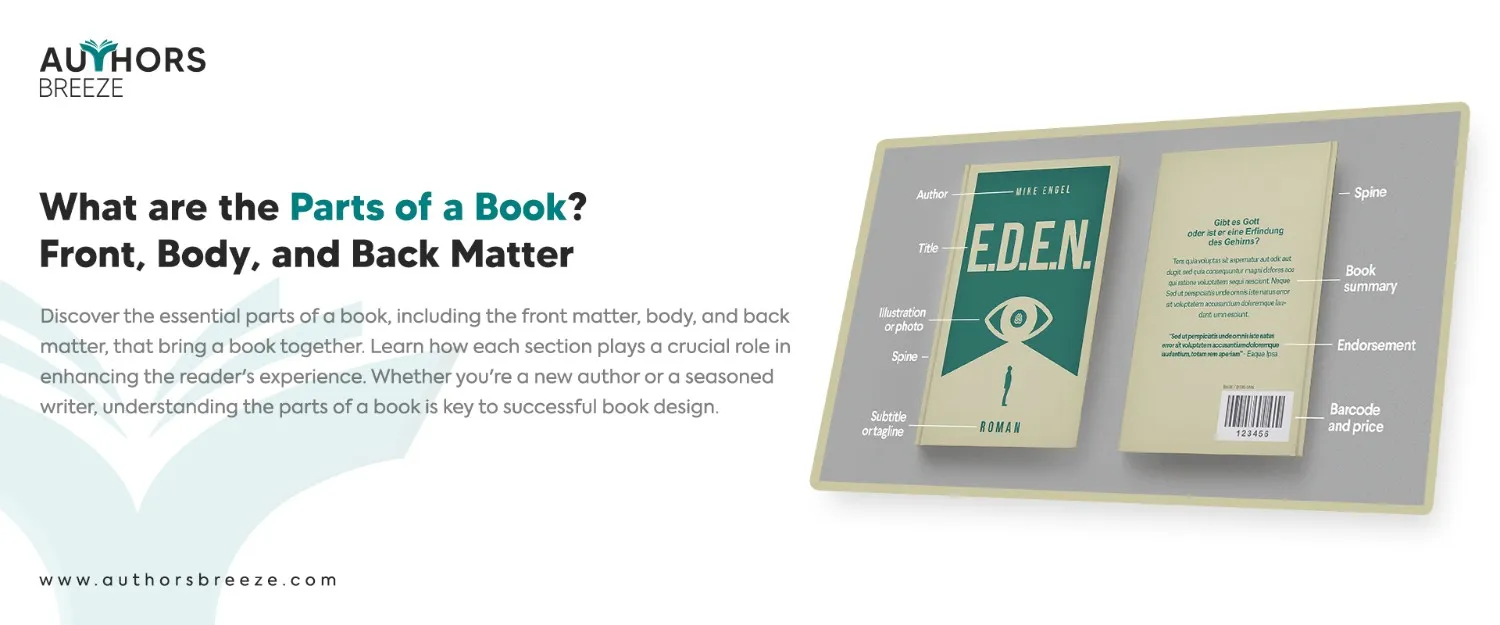
Acquire Our Content Writing Services

Author : Caroline Chartrand

08th May 2024

12 Best Proofreading Companies for Authors In 2026

12 best proofreading companies for authors

Key Takeaways: Proofreading Companies for Authors

  • Proofreading is crucial in order to create polished and perfect content for books, resumes, or academic papers. Even minor errors can ruin the credibility of your content.
  • These services ensure accuracy and adherence to various writing standards and help save time. It is beneficial under tight deadlines, to be specific.
  • Companies such as Scribendi, Proofed, and PaperTrue are among the best options. They offer comprehensive services. Authors Breeze is endorsed for self-publishing authors.
  • Freelance platforms such as Fiverr and Upwork offer flexibility and cost-effective solutions. It makes them ideal for those on a budget or those who require a more personalized approach.
  • Rates for proofreading services can vary. It generally ranges from $0.03 to $0.1 per word and depends on the complexity and urgency of the project.

Need Proofreading Services?

Our certified proofreaders are here to help. Authors Breeze ensures your writing empresses everyone.

Get the Best Proofreading Services

12 Top Proofreading Companies for Authors

According to a survey conducted by Lit World Interviews, 23.29% of people put a book down because they are not satisfied with proofreading. Moreover, 77% of hiring managers will right away reject a resume with typos or bad grammar. It shows the importance of proofreading a manuscript to captivate readers or a resume to land a dream job.

The written word is often your first and most lasting impression. Even a minor error can detract from the credibility and professionalism of your content. This is where professional proofreading services swoop in to save the day. They offer a critical layer of scrutiny, helping you ensure accuracy and polish.

If you employ skilled proofreaders, it can make a major difference. However, with a sea of proofreading companies, picking the right one can feel like a wild maze run. So, strap in! We’re about to zip through the proofreading landscape to help you snag the best buddy for your proofreading need that will help kick those pesky errors to the curb.

Why Hire Proofreading Companies For Proofreading Services?

Even as a proficient writer, you can make mistakes. Moreover, it would be impossible for you to know all the:

  • Academic guidelines
  • Business writing standards
  • Book formatting and stylistic requirements

That is where proofreading companies have a more significant role. A proofreader is familiar with these criteria and can ensure that your document complies with those parameters.

Errors in your writing can make you look unprofessional or careless. In case of spelling and grammar mistakes, your content would be disastrous. This is precisely where proofreading services save you from embarrassment. They help you spot faults you may have missed in writing and editing.

Proofreading companies ensure that your writing is polished and error-free, which can help you make a good impression on readers. In addition, they can help you save valuable time by proofreading for you (especially helpful when you have tight deadlines). It allows you to focus on other things that need your attention.

Want to know more about proofreading as a process? Read our guide: What is Proofreading? Effective Guide for Beginners

12 Best Proofreading Companies for Authors

1- Scribendi

Scribendi

Scribendi is one of the most established and well-known proofreading companies. They have been providing services to their clients since 1997. It is a global firm with a long history in the editing and proofreading industry. They offer services in a variety of languages and subject areas. Thus making them a good option for authors of all genres.

You will get the following benefits if you hire them for your proofreading needs:

Editors: 400+ professional editors at your disposal

Security: Bank-grade privacy of your work.

Turnaround Times: Get your documents proofread in as little as 4 hours.

Variety of Services: From academic to ebook proofreading, they provide it all.
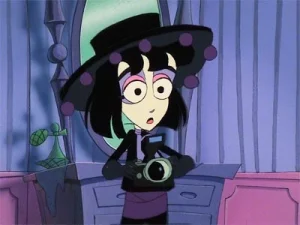
Costs: Easy pricing based on word count and turnaround time.

Free Sample: 1,000 words proofread at no cost. Try before you buy.

2- Proofed

Proofed

Proofed is a constantly innovating company. They provide services to businesses as well as individuals. If you want to communicate effectively, they can help you with their editing and proofreading and give you tips on writing styles. Their team has you covered whether you want your academic paper to be proofread or a book to be edited before you publish a book.

Why proofed should be your choice?

Editors: Over 750 highly educated editors qualified in 200+ subject areas.

Pricing: The cost is affordable and transparent based on the exact length of your document.

Turnaround: Speedy services deliver your documents, up to 8000 words, within 24 hours.

Format: Their services support over 15 document types, making it easy to submit your work.

Support: The support team is available 24/7 to address any concerns or issues you may have.

3- PaperTrue

Paper True

PaperTrue goes beyond just editing and proofreading to offer a vast suite of writing services. For example, essay writing, formatting, and plagiarism check. Also, they can help with cover design for books and online distribution for authors who are self-publishing.

Advantages they offer:

Editors: 60+ highly trained full-time and freelance editors invested in your success.

Costs: Pricing starts as low as $23 per 1000 words, with negotiation on large orders and for a longer turnaround time.

Turnaround Time: Get your document in just 12 hours; you can always contact them for even faster delivery.

4- ProofreadingPal

Proofreading Pal

ProofreadingPal is an editing service that stands out for its two-proofreader model. It helps to ensure accuracy and catch even the most minor errors. Moreover, they cater to students, professionals, and authors alike.
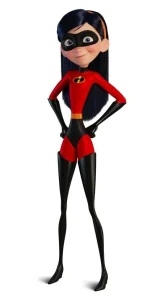
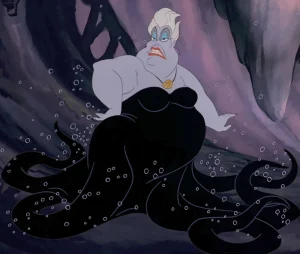
What sets them apart?

Editors: Your document will be proofread by two expert editors.

Security: Strict confidentiality on a secure server; you can delete your files upon request after project completion.

Satisfaction: A 100% customer satisfaction guarantee for their services.

Turnaround: Quick around times ranging from 30 minutes to 7 days.

Free Sample: Get your 400-word document edited and proofread in just three to six hours for free.

5- ProofreadingServices.com

Proofreading Services.com

ProofreadingServices.com is an award-winning niche company. It is a grammar and writing checkup station for all sorts of documents. They have experts who can proofread, edit, and even translate your work into different languages.

Why their proofreading services are superior?

Pricing: Simple and instant proofreading price quotes.

Turnaround Time: Quick proofread in as fast as 3 hours.

Security: Trusted by 25,000 professionals in over 100 countries as well as confidential, with protected file storage.

Service: Fast, good quality, and affordable.

6- Scribbr

Scribbr

Founded as one of the editing and proofreading companies, Scribbr is an online academic support service. It aims to help students and researchers with their writing. In addition, it connects authors with a pool of pre-vetted editors and proofreaders. So, it can be a good option if you want a more personalized editing experience or have specific budget constraints.

Key benefits of selecting them for your proofreading needs:

Editors: A network of 700 editors that provides students with additional coaching to strengthen their writing skills.

Pricing: Depending on word count, selection of services, and turnaround time, rates are affordable and transparent. You can check the costs of your project using their price calculator.

Turnaround Time: The quickest is a minimum of 12 hours.

Satisfaction: Based on the philosophy, your complaint is always justified – no denial, no doubts, they promise to make you 100% happy.

7- Enago

Enago

Enago is a trusted proofreading company among authors. It caters specifically to the needs of researchers and academics. They offer editing, translation, and other language services.

Why are they the leading choice for proofreading services?

Editors: 3000+ Editors with Master’s/PhD with an average experience of 19.4 years.

Experience: They have served 2 million authors in 125+ countries.

Cost: Flexible pricing solutions so you can easily choose services for your exact needs.

Discounts: You can save a considerable amount of your hard-earned money with their referral program, wallet, and rewards club.

8- Authors Breeze

Authors Breeze

Authors Breeze provides editing, proofreading, and formatting services to those who want to self-publish their books. They know the unique challenges that new writers and authors face. So they help every type of wordsmith in their writing journeys.

Top reasons to choose them for your proofreading requirements:

Editors: Certified proofreaders and editors at your service.

Pricing: Cheapest rates among the leading proofreading companies. Get a quote to verify.

Turnaround Time: Fastest turnaround times without compromising on quality.

Packages: A variety of packages according to your demands.

Service: Trusted services. Check their testimonials; they showcase that you can trust them.

9- Editage

Editage

Editage is a company that offers scientific editing and translation services. Similar to Enago, they have a firm grip on the scientific publishing industry. They can ensure that your research meets all formatting and language needs.

What makes them the premier option for proofreading?

Editors: 3,000+ native English editors across 1,600+ subject areas

Turnaround Time: Get your document edited within 24 hours if you avail of same-day delivery. 8-hour express delivery plans are also available to help you meet tight deadlines.

Pricing: Per-word rates start at $0.043 per word.

Subject Expert: Every document you send gets a thorough quality check from two different experts.

10- Wordy

Wordy

Wordy is not strictly a proofreading company. However, it is an online proofreading and copy-editing services provider that can help you catch errors in your writing. In addition, it is an excellent option for authors who need their work proofread quickly and affordably.

Reasons they stand out in the proofreading industry:

Money-Back Guarantee: Offers a money-back guarantee processed within 72 hours.

Personalization: You can create a personal house style to maintain consistency as well as uniformity across your content.

Editors: Highly educated editors, with 64% holding BA and BScs, 25% holding MAs and MScs, and 11% holding PhDs.

Free Edits: Three free re-edits if you are not happy with an editor.

Turnaround Time: Meet tight deadlines with two delivery options and turnaround times from 40 minutes per 400 words.

11- Fiverr

Fiverr

Fiverr is a prominent freelance marketplace where you can find editors and proofreaders with a wide range of experience levels and experience. It can be a good option for authors on a tight budget. However, it is vital to carefully review the profiles and portfolios of freelancers before hiring. Fiverr allows freelancers to set their own prices. So you can find services that fit your budget.

Why should you pick this platform for your proofreading needs?

Pricing: No hourly rates; acquire rates based on your projects.

Turnaround Time: Submit your project over in minutes and secure long-lasting results.

Payment: Upfront quotes and payments are only disbursed upon your approval.

Flexibility: You can choose an editor based on your own requirements.

12- Upwork

Upwork

Upwork is another freelance marketplace similar to Fiverr, where you can find book editors and proofreaders with a variety of skills and experience levels. Upwork also allows freelancers to set their rates. So you can shop around to find someone that suits your needs.

Advantages of using Upwork for all your proofreading needs:

Quality: Check work samples, client reviews, and identity verification of editors before hiring.

Payment: Interview potential hires for your work, settle rates, and pay only for your approved work.

Hassle-Free: Easy to find editors. Post what you need and get what you want!

Pricing: Hire the best within your budget with low transaction rates.

Frequently Asked Questions

What to look for in proofreading companies?

Here are some essential things to look out for in a proofreading company:

  • Extensive Expertise
  • Relevant Qualifications
  • Solid Reputation
  • Positive Reviews
  • High Ratings
  • Fast Turnaround Times
  • Quality Work
  • Strict Confidentiality
  • Robust Security
  • Reasonable Pricing
  • Excellent Customer Support
  • Free Trial or Sample
  • Availability of Professional Editors

What is the best proofreading company?

There is no specific company that you can call the best. However, some of the top proofreading companies are Scribendi, Proofed, PaperTrue, Enago, Authors Breeze, and Editage.

How much does proofreading cost per 1,000 words?

The cost of proofreading per 1,000 words can vary as it will be depending on a few factors. However, here's a general idea:

  • The per-word rate typically ranges between $0.03 and $0.1 per word, so for 1,000 words, you can expect to pay between $10 and $100.
  • The project rate can vary depending on the complexity of the text. Still, for a 1,000-word document, you might expect to pay between $11 and $45.

What is the difference between editing and proofreading?

Editing is the process of modifying the written material to improve its quality. On the other hand, proofreading is the final stage of writing, which involves spotting and correcting overlooked mistakes.

Final Thoughts on the Proofreading Companies for Authors

We have provided you with the best proofreading companies out there. Now, you can pick the right one that matches your needs. However, for your help, we suggest freelancer platforms such as Fiver and Upwork. They will be the best option if you want someone dedicated to your proofreading needs.

On the other hand, if you need credibility and quality work, you should go for a company like Authors Breeze. We are a top writing and publishing company, helping authors in various departments such as proofreading, editing, marketing, cover design, and more

Ensure Your Writing is Error-Free

Hire us for proofreading services and employ the expertise of our proofreaders to enhance the clarity and impact of your manuscript.

Contact Us Today

Posts navigation

Older posts
Newer posts

Categories

  • Audio Book
  • Author Website
  • Blog Writing
  • Book Cover
  • Book Editing
  • Book Formatting
  • Book Marketing
  • Book Writing
  • Content Writing
  • Creative Exploration
  • eBooks
  • Fictional Writing
  • Ghost Writing
  • Novel
  • Proofreading
  • Publishing
Authors Breeze Home Logo

We create content that converts. Every asset aligns with your commercial goals, speaks directly to your audience and builds a conversation around your brand.

  • US OFFICE:
  • Address: 5101 Santa Monica Blvd # 8, Los Angeles, CA 90029, United States
  • Phone: +1 (855) 479-4213
  • UK OFFICE:
  • Address: 43 ELM PARK ROAD READING BERKSHIRE RG30 2TP
  • Phone: +44 204 586 1189

Services We Provide :

  • e-Book Cover
  • e-Book Marketing
  • e-Book Formatting
  • e-Book Writing
  • Book Video Trailer
  • Author Website
  • Article Writing
  • Ghost Writing
  • e-Book Editing
  • e-Book Publishing
  • e-Book Proofreading
  • Audio Book
  • Blog Writing
  • Website Content Writing

Company :

  • About Us
  • Testimonials
  • Contact Us
  • FAQ's

    Follow Us

Trust verified, protected by Copy Escape icon Visa, master, Discover Logo
  • © Authors Breeze 2026. All rights reserved.

  • |
  • Terms of Services
  • |
  • Privacy Policy

Disclaimer:
The services provided by Authors Breeze become clients' property once delivered. Authors Breeze will not hold any ownership rights once your work is successfully accepted by a publishing house.

X
Book
Authors Breeze BookPublishing AT 50% OFF
Contact No Incorrect

Signup Today to Claim Your Discount. Get Started before it’s too late!