Skip to content
  • Home
  • Writing Services
    • Ghost Writing
    • e-Book Writing
    • Fiction Writing Services
    • Non-Fiction Writing Services
    • Memoir Writing Services
    • Novel Writing Services
    • Biography Writing Services
    • Autobiography Writing Services
  • Publishing Services
    • E-Book Publishing
    • Amazon Publishing Services
  • Editing Services
    • Book Editing
    • Book Proofreading
    • Book Formatting
  • Other Services
    • Book Marketing
    • Audio Book
    • Book Formatting
    • Blog Writing
    • Website Content Writing
    • Book Cover Design
    • Book Video Trailer
    • Author Website Design
    • Article Writing
  • Resources
    • Blogs
    • Case Studies
    • Testimonials
    • FAQs
    • About Us
    • Contact Us
logo
  • Home
  • Writing Services
    • Ghost Writing
    • e-Book Writing
    • Fiction Writing
    • Non-Fiction Writing
    • Memoir Writing
    • Novel Writing
    • Biography Writing
    • Autobiography Writing
  • Publishing Services
    • E-Book Publishing
    • Amazon Publishing
  • Editing Services
    • Book Editing
    • Book Proofreading
    • Book Formatting
  • Other Services
    • Book Marketing
    • Audio Book
    • Blog Writing
    • Website Content Writing
    • Book Cover Design
    • Book Video Trailer
    • Author Website Design
    • Article Writing
  • Resources
    • Blogs
    • Case Studies
    • Testimonials
    • FAQS
    • Services Rate

    • About Us
    • Contact Us
  • +1 (855) 479-4213
  • Book a Call
  • Get a Quote
  • Live Chat

Author : Caroline Chartrand

24th Oct 2023

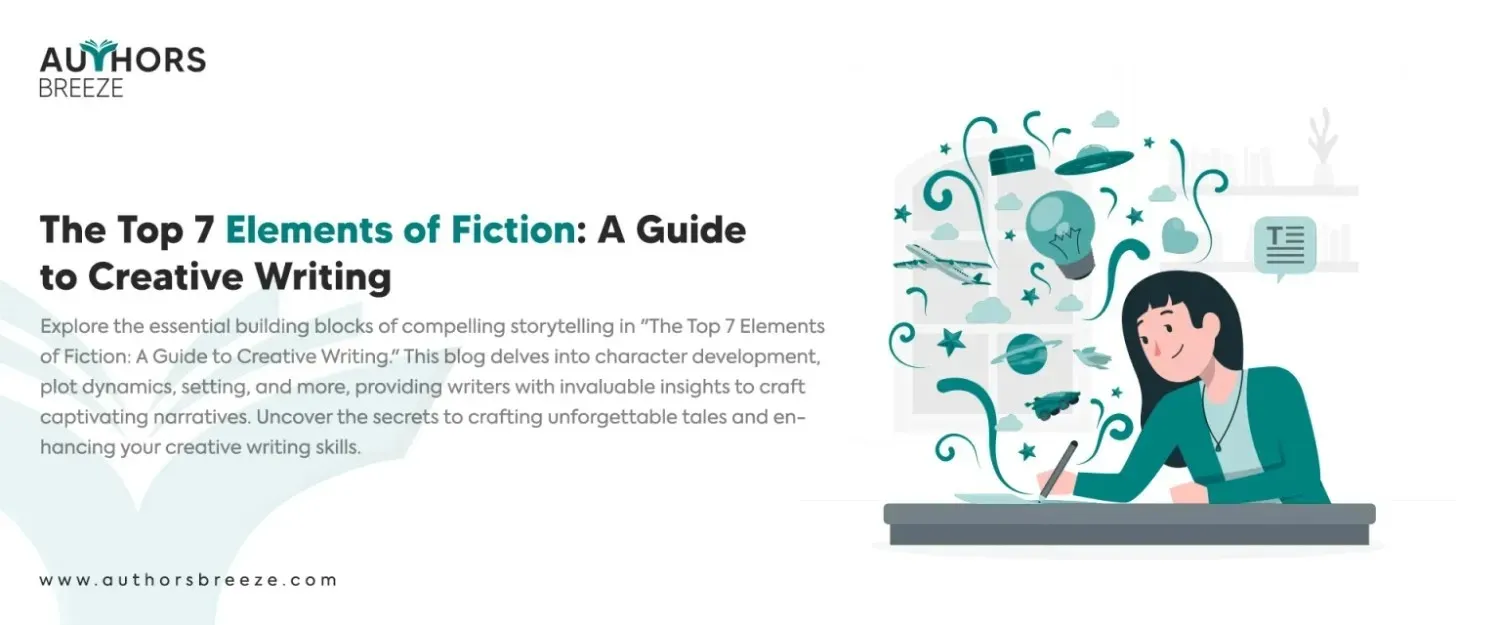
The Top 7 Elements of Fiction: A Guide to Creative Writing

elements of fiction

The world of books stretches beyond space-time. They set a deep connection with the reader through the characters concerning the plot. In deep space, we find a conflict between science and nature through the observer’s point of view. So, in the hope of breaking it down in time and space, we are involved in dialogue with each other to understand its theme through our own style. Let us go further to understand these elements of fiction.

This is what a writer is able to do. A writer can craft an immersive world of stories and can breathe life into it. On the other hand, they can write captivating plots and themes. A writer should be able to provoke thoughts and incite deep emotional connection with their readers through the stories. For a writer to do this, they should know the elements of fiction, and we are here to help.

However, to do this is not easy, even as a writer, when you do not know about the basics and key elements of fiction. In this blog, we will swim in the space of worlds of words. Let us not drop a word and start our journey through the stars.

What are the Elements of Fiction?

Before we get into the top 7 elements of fiction, we need to understand what even elements of fiction are. A part of fiction in its core is a block of a building, and there are mainly seven such blocks. The elements of fiction work just like blocks. They work together seamlessly to create a building. In the context of books and writing, this building is the whole story of the book.

Fictional elements are essential in order to write a fiction book, a story, a novel, or anything that includes any sort of fiction in it. The seven elements of fiction include characters (individuals), dialogue (discourse between individuals), plot (sequence of events), and more.

Below, we will explore and understand everything about the top 7 elements, their benefits, their use case in stories, and more.

The Top 7 Elements Of Fiction

There are more than seven elements of fiction. However, you will find seven elements of fiction in almost all stories, no matter what form the story takes. All of these seven characteristics of the fiction genre work together to create a clear narrative. If you want to write a book, then you need to know each of them. These are the building blocks of fiction. The elements are:

  1. Character
  2. Plot
  3. Setting
  4. Theme
  5. Point Of View
  6. Conflict
  7. Style

1- Character

Characters can be defined as players playing a part in the story. It is the most crucial element in fiction, as there should be an occurrence with someone or something in the story in order for the story to go by. Characters within a story can be any, from human beings, animals, objects, or aliens.

If any of them make decisions within the story, then they would be referred to as characters. Almost all books have two or more main characters. Elements of character are also vital in fictional stories because we as human beings read and enjoy stories the most when we see ourselves in them, and it is often through the characters.

Characters can be communicated through their dialogues, how they speak, their physical appearance, the way they interact with other characters in the story, and more. Different tales have different characters, such as protagonists and antagonists. Apart from these common and main ones, there are also other characters that are involved in the story and add greatly to the elements of fiction.

Here are the most common characters involved in stories:

  • Protagonist
  • Antagonist
  • Morally Grey Characters
  • Foil Characters
  • Supporting Character
Protagonist

A protagonist in a story is the main character, the lead, the one the story revolves around. A protagonist makes key decisions that may affect the plot of the story. The character also influences the tale and continues it forward, and often faces the most obstacles.

Antagonist

An Antagonist is the opposite of a protagonist in terms of the main characteristics. These characters are often called ‘villains’ and ‘the bad guys’ who oppose the hero or protagonist. At the same time, antagonists are often portrayed as villains and the protagonist as a hero. However, this is not always the case. The antagonist does not always play as the villain. In some stories, like Light Yagami, the protagonist is a villain, and the antagonist is an opposing hero.

Morally Grey Characters

Morally grey characters are not as simple and plain as the protagonist and antagonist. They are much more complicated than them. Morally grey characters have complex motivations, and they do not fall into either of the two spectrums: protagonists and antagonists. They are neither purely good nor purely evil. They have both good and bad traits.

Foil Characters

A foil character is a simple yet complicated personality in the stories. Such characters contrast the traits and acts of another character, and oftentimes, these characters are protagonists. However, a foil character for the protagonist will not always be the antagonist. Antagonists oppose the protagonist, and sometimes they represent opposing ideas to the protagonist. Thus, they can also be called a foil character.

Supporting Character

A supporting character in a story falls between a main character and a minor character. In other words, supporting characters are not the focus of the story; thus, they are not mentioned much. However, they appear enough times that they are more than just a minor character. Supporting characters are not independent. They rely on a character, but they may develop a backstory on their own.

In some cases, supporting characters may become the main characters if they get much recognition from the audience. These cases include ongoing stories, such as vampire romance books and television series.

2- Plot

You have surely heard of the phrase “I’m watching ‘xyz’ for the plot,” what is it? It comes among the most essential elements of fiction and is referred to as the sequence of events. In simple ways, the events that take place in the story are called a plot. It includes all the turning points that the characters experience, either minor or major.

Generally, all stories have a beginning, a middle, and an end. However, a plot typically has these five main elements:

  • Exposition
  • Inciting Incident
  • Rising Action
  • Climax
  • Falling Action
  • Resolution (Denouement)
Exposition

The exposition is the start of the story, where the setting, main characters, and initial situation are introduced. At the same time, it also establishes the whole aura of the story. It provides the necessary background information for the readers to understand the entire context of the narrative.

Inciting Incident

The inciting incident is an event or circumstance that sets the story in motion and keeps the story in a continuum. It disrupts the ordinary world of the characters and creates a problem or conflict that needs to be resolved. This incident is what kickstarts the plot of the story. This is also required for any tale as there should arise a problem, conflict, or any situation that helps keep the story going.

Rising Action

The rising action is the central part of the story, where the main character faces a series of obstacles or challenges. These complications build tension and suspense, and this drives the plot forward. In this part, the character’s goals become apparent, and they take action to achieve or fulfill them.

Climax

The climax is the crucial point of the story, where the central conflict reaches its peak. It is also known as the turning point of the story. It is the moment of greatest tension and emotional intensity. In this part of the plot, the protagonist often faces a critical decision or confrontation. This determines the outcome of the story.

Falling Action

Following the climax, the falling action involves the consequences and aftermath of the climax. Loose ends are tied up, and the story begins to resolve its conflicts. This part of the plot eases the narrative towards its conclusion. It is also an essential part as it clears the story for the reader. This is also the part that leads to the resolution of the plot.

Resolution (Denouement)

The resolution is the final part of the plot, where all questions that are built into the story are answered. This is the very part in which the story comes to a conclusion, clearing all conflicts (hopefully). This “ending” may or may not be happy or sad, but it sure will be a satisfying one.

This part marks the ending and solves everything, such as any issues, conflicts, or problems. While this may not be the complete end, it depends on the author to either continue the story or end it here once and for all.

Key Takeaway: “The core element of every play is Action.“

3- Setting

This element of fiction is known to be a place for the non-readers. However, for the readers, it is more than just a place. It provides the context for the story and influences the characters, plot, and overall atmosphere of the story. A setting, in essence, can be anything from a physical location (could be real or imaginary) to the social environment of the story (this includes chronology, culture, institutions, etc.).

The two main elements of a setting are time and location. A story’s time period is essential when it comes to themes, conflicts, and the plot’s chronological order of events. Furthermore, the location will also direct the whole genre of the work.

Setting includes both the physical location (place) and the period of time (past, present, or future) in which the story takes place. This can range from a specific geographical location, such as a city or a small town, to a much broader position, like a distant planet or an alternate historical era in time. Following the setting of story examples, you can better understand and improvise it in your own stories.

We Help You Write Wonderful Ebooks

Need assistance in crafting great stories? Our ebook writing services just do that for you.

Hire Ebook Writer

4- Theme

This element of fiction is the one that hides behind the walls of stories. This is why authors do not explicitly state their work’s central message or theme. Instead, they use other elements of fiction in order to hint at their main theme. The theme is an incredibly essential element of fiction, and it is what your story is really about.

All fictional books have themes, either it is intentional or not intentional. Even the authors who are not aware of the theme use it in their stories. The theme is the main idea of the story, but it can also be a lesson or a message. It is a general message or lesson that can fit into many different stories. Writers show the theme usually through the characters, the places they are in, and the things that happen to them.

5- Point of View (POV)

It is too easy to understand, but we will not oversimplify it. This element of fiction has to do with the perspective of someone or something in a story. The Point Of View (POV) in a story is the perspective from which we read the story. It is the scope that is used to convey the story to the reader.

There are mainly three types of POV:

  • First-person
  • Second person
  • Third person (limited and omniscient)
First Person

The first person in the story is regarded as “I” in the story. It implies or gives us a feeling that we are inside the story and are the main character. It is usually or almost all times used for the main characters. This is the most common POV as there should be a main character, and that implies the existence of the first person’s POV.

Second Person

The second person in the story or novel is the “you” point of view. The second-person perspective is when the narrator directly addresses the reader using “you.” This POV is relatively rare in fiction and is less common than first-person (I, we) or third-person (he, she) perspectives.

Third Person Limited

The third person’s POV is pinned as “he,” “she,” or “they.” This is the most used POV in fictional stories. This perspective is showcased as we are reading from the view of a specific character in the story.

Third Person Omniscient

The third-person omniscient is similar to their person limited; however, there are some significant differences. This is the only point of view where we get more than one character’s perspective in a story. Furthermore, the pronouns used in this POV are the same as in the third person limited.

6- Conflict

If we call this element of fiction the ‘heart of the story,’ then it will not be wrong. Conflict is one of the most important and vital elements of fiction and is somehow related to the main character of the story. This is the element of fiction that keeps the story going and keeps the reader interested and invested.

7- Style

This element of fiction refers to the way of a work of fiction. It is not necessarily about what the story is addressing but about how it is actually addressing it. Different authors have different writing styles, which distinguishes them from other authors in the industry.

There are a few factors that determine the writing styles of a story, including:

  • Syntax
  • Imagery
  • Figurative Language

FAQ’s

What are the Five Key Elements of Fiction?

The five key elements of fiction or elements of a novel are, namely, plot, setting, characters, POV, and theme.

What is the Golden Rule of Writing Fiction?

The golden rule of writing of writing is "Show, don't Tell." This means not telling the reader how the character reacts; instead, making the reader feel the reaction.

How Do You Write a Powerful Fiction?

You can write a powerful diction by following the below-mentioned steps:

  • Choose a story idea
  • Define the central conflict
  • Develop your characters
  • Set the stage
  • Plan your key plot points
  • Pick the POV that suits your story
  • Set a writing schedule
  • Review and revise

What are the Three Characteristics of Fiction?

The three main characteristics of fiction are as follows:

  • Character
  • Plot
  • Setting

What is Fiction in Literature?

Fiction is an integral part of literature, and it refers to an imaginative story that has nothing to do with real life or events.

How Do You Define the Setting in Literature?

Setting in literature is the time and place that the author chooses for their literary work. It can be a real period in time and geographical location. It can also be a fictional world and an alternate time period.

How Does the Author Use Fictional Elements to Develop a Theme in "Look Homeward, Angel"?

The author develops:

  • The societal outcast theme through the elements of characterization.
  • The marital harmony theme through plot details.
  • The small-town gossip theme through setting details.
  • The coming-of-age theme through point of view.

Conclusion

These are the most critical elements of the literature that we have discussed. All of these fiction elements work together to make the whole fiction text structure. No matter whether a pro or a beginner, an author should be responsible enough to know the elements of fiction writing. So, you should know the elements in writing in order to make your stories among the best fiction examples.

If you, too, want to write exceptionally good literature, then learn about all the elements in literature. We hope this list of literature elements will help you increase your knowledge of the element of literature. However, if you want help in writing the best stories, at Authors Breeze, our best ghostwriters can help you with that.
Author : Shirley Gibson

13th Oct 2023

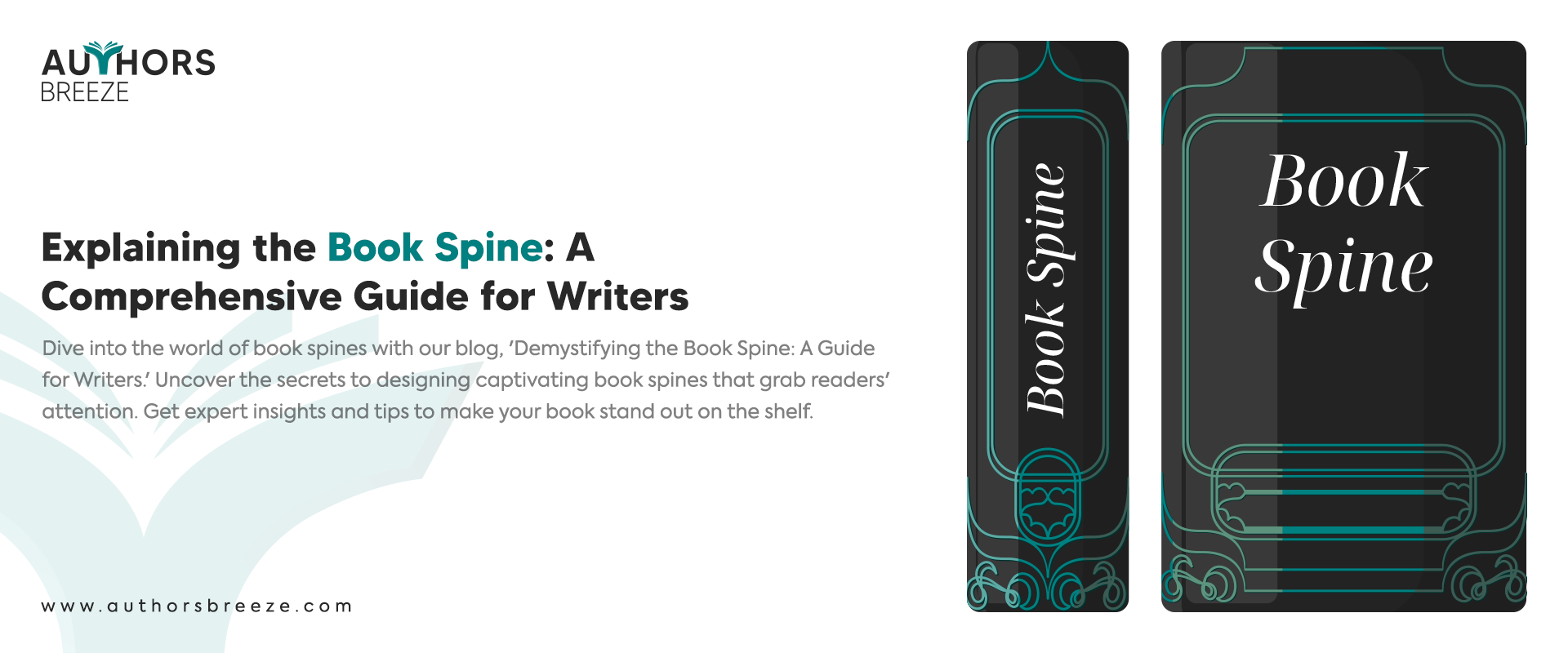
Explaining the Book Spine: A Comprehensive Guide for Writers

Book Spine

Some things in the world have a great significance, impact, and deep connection with humans, nature, and existence. One such thing includes books and their book spine; only a handful of people know and understand their true meaning.

Books have been written for decades, and every era saw a spike in their popularity. They are the best way to communicate and share knowledge, and they have been used for this. Books are one of the most essential parts of humanity and learning in general as they are the base of providing knowledge.

However, the question would be, what is a book at its core? What are the physical components of it? And what do you need to know if you want to write a book? In this detailed blog, we will explore things related to a book. We will discuss the components and physical parts of a book, the essentials of designing your book, parts of a book and definitions, how you can create a book, and most importantly, spines and their life.

The Components And Physical Parts Of A Book

Before we crack the book spines (pun intended), it is vital to understand the components and physical parts of a book. Below, we will explain everything in detail.

Parts Of A Book

The physical parts of a book are the components that make up the whole book. Here are the major physical parts of a book and parts of a book binding:

Cover

It is the protective outer layer of a book. It can be hardcover (case bound) or softcover (paperback).

Book Spine

The narrow edge of the book cover, where the pages are bound together, is the most essential part of a book. It displays the book’s title, author, and publisher’s logo.

Front Cover

The front part of the book’s cover often features the book’s title, author, and artwork.

Back Cover

The rear part of the book’s cover includes a brief summary, endorsements, or author information.

Binding

The method used to hold the book’s pages together. Common types include case bound (hardcover) and perfect binding (paperback).

Endpapers

The sheets of paper that attach the book’s pages to the cover. They can be decorative and serve to strengthen the binding.

Text Block

The main body of the book consists of all the pages with the book’s content.

Paper

The material on which the text and images are printed can vary in type and quality. These physical parts collectively make up the physical structure of a book that provides both protection and access to its content.

What is a Book Spine and its Function and its Design Elements

The spine of a book is one of the most important parts of it as it keeps the book’s pages together. Whenever you pull any book from the shelf, you grab it from its spine. However, it is not the only function of it. It plays a crucial part in sticking the book in one place together. It also helps you easily turn over the pages of the book while you fully enjoy and immerse in the contents of the book.

Spine Text And Type Of Information To Include On A Book Spine

The spine text on a book is one of the most vital elements of it as it provides critical information about the book to readers. It also helps in easy identification and organization on bookshelves. Below are the types of details to include on the spine of the book:

Title Of The Book

The title of the book is the most essential element of the book spine as it is the first thing that the readers see. It gives an overview of the topic of discussion inside the book. It helps the readers to know if their topic of interest is at first sight.

Name Of The Author

Just after the title of the book comes the name of the author. It is also crucial as many readers choose books based on authors. For some readers, the author is more important than the title, and it is vital to include too.

Name Or Logo Of The Publisher

It will not be counted as an important part of the spine. However, it is usually included by the publisher of a book themselves. It can also be eye-grabbing for some readers as they look for specific publishers, as some publishers make better books than others.

Volume Number

It is crucial when it comes to a series of books. Mentioning the volume number is essential as it shows the readers that this is an incomplete book and has other parts, too.

Spine Artwork

Spine artwork is not mandatory, but including it can be better for your book. Choosing graphic elements relevant to the book’s topic of discussion is necessary, too.

Genre Or Category Label

This is optional, too, but adding it can give it an eye-catching element. Many readers look for the genre of the book or category label when looking for the books they want.

It is vital to know that the information that can fit on the spine of the book can vary depending on the spine’s size and the design choices. Therefore, the text and information should be presented in a visually appealing and readable manner.

“Quick Tip: Spine text must be centered, and it should be small but not too small. It should be clear while being concise. Furthermore, prioritize important information such as the book title and author’s name. Keep it prominent.”

Keep in mind that the spine is one of the most visible and vulnerable parts of a book. So, take care of its design and maintenance. It is essential for both aesthetics and preservation.

Spine Artwork

Artwork, whether it is on the front page or on the book spine, is equally vital. Here are some basic principles to consider when creating an effective and visually appealing spine artwork.

  • Clarity: The artwork should be clear and easily identifiable.
  • Relevance: The artwork should relate to the book’s content, theme, or genre.
  • Color Combination: Choose colors that complement the overall design of the book cover.
  • Typography: The text on the spine should match the style and font used on the cover.
  • Readability: Ensure that both the text and artwork are easy to read, even from a distance.
  • Space: Leave some room around the artwork and text to prevent overcrowding.

The spine is a crucial element for book marketing and shelf appeal. It is one of the first things a reader sees when they browse a bookstore or personal library. Therefore, it should be visually striking, informative, and reflective of the book’s content and style.

The Art of Spine Design

One might not focus on the art of spine design, but there is a lot going on in this area. There are many things to consider when you design a spine, which includes the below-mentioned ones.

Typography and Font Choices

The first and foremost thing to consider in the spine book is the typography and fonts. The font used on the spine should be proper. The book spine should have a font that is clear, readable, and also stands out. Ensure using block letters that stand out. Use fonts that are visible from a distance and are not too thin.

Your readers should be able to read the title and author’s name from a distance. Therefore, choose your font carefully after researching thoroughly.

Color Schemes

The color scheme is also something that you need to pay attention to. It depends heavily on the topic of the book. However, it can help you if you keep your readers in mind. Think of what you want them to feel/think when they have a look at the book. Since different colors are associated with other emotions and have different meanings, it is key to choose colors carefully.

Positioning of Text

The words on the book’s spine can go up or down. Most books have comments going down the spine. It is vital to put the words in the center so it looks nice and is easy to read.

The Role of Book Spines in Interior Decor

The role of book spines in interior decor is often underestimated. Still, they can have a major impact on the overall look and feel of a space. Here’s how book spines contribute to interior decor:

  • Shelf Arrangement: The way you arrange books on shelves can be an art form in itself. You can create visually pleasing patterns, such as color gradients, alternate horizontal and vertical stacks, or arrange by size to add an artistic touch to your space.
  • Functional Decor: Bookshelves and book spines serve a dual purpose – they are helpful for storage and decorative for interior design. Books on display are also visually appealing and can serve as art pieces in their own right.
  • Conversation Starter: A book collection can be a conversation starter. Guests might notice a favorite book or author. It can lead to interesting discussions about your reading preferences and experiences.

What Are Some Best Practices For Book Spine Design?

Suppose you are working with book publishers near me. In that case, they would have a graphic designer on their team. Often, designers can create extraordinary covers by following the best book back cover examples, including the book spine. However, if you want to self-publish, then you would have to understand some best practices for book spine design. Here are some tips regarding it:

  • Your book spine should have the same font as the font of your book’s back cover. Therefore, if you are using an image or a gradient, then keep it consistent with the spine. When self-publishing, avoid making the spine a different color or style.
  • When designing the spine of your book, add the book title, author name, and publisher on the spine (if applicable).
  • Last but not least, when designing a book spine, remember to choose easy-to-read fonts so your readers can quickly grab the text. You can search for the best book spine template and have an idea.

The Time Of Technology

We are now in modern times, and E-books are getting popular, too, because of the ease they provide. Through an e-book, you can now read your favorite writers and genres wherever you are. It is also easy to publish a book on the web as it does not require materials like papers and binding.

FAQ’s

What is the Back Cover of a Book Called?

The back cover of a book is called a ‘blurb,’ along with ‘backbone,’ ‘back strip,’ or ‘shelf back.’ It consists of a brief detail of the book’s content to potential readers. The content on the back of the book is more of a sales pitch. It describes the book’s conflict and main character. It consists of 100 to 200 words.

Why is it Called the Spine of the Book?

It is evident in the name the spine of a book works just as the backbone of human beings. The spine is on our back, and so does the spine of the book.

What is a Spine in a Storybook?

A story spine is a structure to organize a story. It helps us understand a story easily and create our own stories.

What is the Difference Between the Spine and the Cover of a Book?

The spine of book backs is the back part of the book, and its primary function is to bind pages together. Whereas the cover of a book is a physical component of the book. The cover of a book is a skin and a protector of the pages.

What is the Spine of a New Book?

The back portion of bookbinding that is visible when the book is placed on a bookshelf is known as the "spine." The part of the book's cover is connected to both the front and rear covers at the joints.

Conclusion

In essence, books are unique, and book spines hold their specialty in place. No one could benefit this much and have the necessary knowledge if it was not for book spines. The book’s spine elegance is underrated and is often overlooked.

No matter if you want to write a fiction or nonfiction book, a book spine is equally important for both. The beauty and significance of book spine design are still not explored much, and it awaits to be opened with a charm. Whether old book spines or new book spines, both have had a lasting legacy when it comes to the binding between the books and the readers.

Book spines are essential as far as books and their history is concerned. Therefore, as a book writing company, we not only design a book cover but also help you make exceptional spines for your books. Reach out to us for book cover maker services and add strength and elegance to your books with our book cover design software.

Author : Caroline Chartrand

Common But Terrible Writing Advice You Should Ignore

terrible writing advice

Writing is a skill; similarly, in any craft, there’s a lot of advice out there. People love to give tips and tricks to help you become a better writer. But here’s the thing: not all advice is good advice. Some writing experts can give you terrible writing advice. As a result, it can actually make your writing worse if you follow them unthinkingly.

So, we are going to talk about some of the common but terrible writing advice that you should be careful about. In addition, we will explain why these tips might not always be helpful and what you can do instead to improve your writing.

What is Bad Writing?

Bad writing is dull writing. If your writing is:

  • Unclear,
  • Too hard to understand,
  • Lacks excitement,
  • Overly exaggerated,
  • Pays no attention to readers,
  • Has overused words, sentences, or elements,
  • Lacks a point,
  • And offers no value,

It is terrible writing. If readers don’t take an interest in reading it, it is not very good writing. Even the best writers make mistakes. They don’t just have rough first drafts. They also create poorly structured sentences, mess up verb tenses, and create long, confusing sentences. It is often simpler to spot errors in other people’s writing than in your own.

Therefore, you should learn to identify your own mistakes and areas where you can improve. It will make you a better writer. However, do not just follow any tips you get. There are many terrible writing advice out there. Let’s look at some of the terrible writing advice you should avoid.

Common Terrible Writing Advice Out There

1- Write Because You Love Writing

The advice to “write because you love writing, not for what it might get you” is excellent for those who want to be just an ordinary writer but not so great for everyone else. For most authors, it is terrible writing advice.

You should clarify that it’s not wrong to love writing and find joy. It can help you write a book if you genuinely enjoy writing daily. However, it’s not the only way to approach writing, especially for authors with specific goals.

The problem with the advice to write solely for the love of writing is that it can make authors feel that if they don’t have an overwhelming passion for every word they write, they’re doing it wrong. That’s not true.

Here’s the alternative advice you should follow. The primary reason you write is to achieve something through your writing. There’s no other reason to write, especially if you intend to publish your work. If you’re keeping a personal diary with no intention of sharing it, that’s perfectly fine. It’s valuable for personal reflection.

However, if you’re an author and want to write and publish a book, don’t focus solely on the love of writing. Writing is also a means to earn a living or gain recognition among their peers. Some may claim they write for the love of writing. However, in reality, they write to make money writing a book.

Whether you love writing or not, you should recognize that the core purpose of writing and publishing is to effect change in the world. It is because you want to alter people’s attitudes, perceptions, and behaviors or even transform your own life. That’s the real thing. You’re not just writing just because you love writing. That’s just an excuse. You’re writing because you want to bring change.

2- Write What You Know

When people say, “Write what you know,” they mean you should stick to topics and experiences you’re familiar with. But this can limit you as a writer because it keeps you in your comfort zone. Your writing may become repetitive and fail to explore new ideas or worlds.

So, instead of only writing about what you’ve experienced firsthand, you can use research and your creative power to jump into new subjects. Research allows you to learn about topics you are not familiar with. At the same time, your creativity can help you create solid and engaging stories even in unfamiliar settings.

3- Do Writing Exercises

The best way to become a better writer is by actually writing. It is true. However, if you do random writing exercises without anyone to provide feedback, it won’t be beneficial.

In order to improve your writing on your own, you can try using tools like Grammarly and the Hemingway App. Just paste what you write into it, and it will highlight areas that need improvement. While it may not be perfect, these are helpful tools to make your writing clearer and more direct.

4- Show, Don’t Tell

“Show, Don’t Tell” is a typical writing rule. It suggests that you should use descriptive language and actions to reveal emotions and details rather than just stating them. However, it is essential to keep a balance between showing and telling. If you overuse one at the expense of the other, it can affect the pace and engagement of your story.

Sometimes, telling is more efficient and effective. Especially when you want to convey simple details or when the pace of your story needs to move quickly. For instance, suppose you want to introduce background information or summarize events. In that case, telling can save time and keep your narrative flowing.

5- Jump into Writing and Worry Later

The advice can work for certain types of writing, especially if you need to get started quickly. It can help you disassociate from your initial fears and start writing. It is effective for creative blog writing or shorter pieces like anecdotes or short stories. However, if you want to write an ebook, this approach has drawbacks and can be terrible writing advice.

Writing a book is a long-term commitment that requires daily dedication over an extended period. Ignoring your fears and emotions for an extended duration is not sustainable. These fears will catch up with you. It will potentially lead to writer’s block or other challenges that can hinder your progress. This is particularly true for writing a nonfiction book, where you’re sharing your thoughts and ideas in a vulnerable manner.

A more effective approach is to acknowledge your fears and insecurities rather than push them aside. You don’t have to eliminate these fears entirely because they are a natural part of the writing process. Instead, you should face them head-on each time they arise. If you acknowledge and confront them, it will help you address and navigate your fears as an integral part of your writing journey.

6- Consider Joining a Writing Group

You can join a writing group. It can be beneficial, but it depends on the quality of the group. If you decide to join one, you need to find a group moderated by someone who is a more skilled and professional writer than you.

Not all writers make good writing groups. Having degrees in literature or an extensive vocabulary doesn’t always translate to excellent writing skills or make someone a great writer. In fact, it can sometimes be a hindrance.

What you want in a group moderator is someone whose writing is clear, direct, and captivating. When they write something, you can’t stop reading it. You might check out a sentence or two of their work and find yourself engrossed two chapters later. That’s the sign of a good writer.

If you’re searching for a good writing group, regardless of the group you choose, ensure that the leader is not only a good writer but also a good teacher. They don’t have to be as famous as William Shakespeare. However, they should be better than you if you want to benefit from the experience.

7- Write Every Day

The idea of writing every single day can put immense pressure on writers. Life is filled with responsibilities and jobs that make it challenging to maintain a daily writing routine. This pressure can lead to burnout and frustration.

Quality is paramount in writing. If you simply write every day for the sake of it, it may not result in meaningful or polished work. Therefore, it is better to focus on the quality of your writing and take the time to craft and revise your work to make it the best it can be.

8- Write When You Get Inspiration

The advice to “write when you’re inspired” is not the best guidance for authors. It is like saying to a musician that you can become a skilled musician if you only practice when you’re in the mood to play your instrument. They might make some progress from time to time. But those who want to truly excel at music practice regularly, even on days when they don’t feel particularly inspired.

Similarly, if you only write when you get inspiration, you might rarely write. Also, when you do, your writing may cover topics that are not even connected. In addition, you should grant yourself permission to write average material at times. Every author makes progress from moderate writing to excellence. So, write your ideas down, even if they don’t feel inspired.

Inspiration is valuable. So you should harness it when it strikes. It is likely to go away quickly. However, you can’t solely rely on it. You can’t wait for inspiration to write. You must make writing a regular practice.

9- Avoid Adverbs

Adverbs are words that modify other adverbs, verbs, or adjectives. They are often criticized as they are not necessary or can weaken your writing. However, you should know and recognize that the use of adverbs is dependent on context. Not all adverbs are bad. In addition, some can enhance your writing when you use them appropriately.

So, you should not entirely avoid adverbs but rather use them thoughtfully to strengthen your writing. Avoiding adverbs is terrible writing advice. Understand their nature and employ them with care. It can improve the quality of your prose.

10- Write for the Market

When you write solely to cater to market trends, you might sacrifice your authenticity as a writer. Trends can be lucrative. But if you chase them too unthinkingly, it can lead to work that lacks originality and passion. Your writing may become a product rather than a genuine expression of your creativity.

Every writer has a unique voice and perspective to offer. So, you should discover and nurture your own voice, which sets you apart from others in the industry. Often, authenticity and originality are what make writers stand out. It attracts readers who appreciate their distinct writing styles.

You should be aware of market trends. However, your authenticity and unique voice as a writer should always take precedence. Make sure to balance market considerations with your personal passion. It can help you create work that is not only relevant but also deeply meaningful to you and your readers.

Market Your Book and Increase Your Visibility

Our book marketing services can help you reach a wider audience and turn your passion into a successful writing career.

Hire a Book Marketer

11- Don’t Use Passive Voice

Passive voice is a grammatical voice construction where the subject of a sentence receives the action rather than performing it. It often involves the use of auxiliary verbs like “is,” “was,” or “has been.” For example, “The book was read by her”. The sentence is in passive voice because the book is the receiver of the action.

Keep in mind that an active voice is generally preferred for its clarity and directness. On the other hand, the passive voice has its place in certain situations. The key is to be conscious and judicious when you use it. Also, make sure to always prioritize clarity and effective communication in your writing.

12- Write the Perfect First Draft

Many writers believe that their first draft must be flawless and perfect from the start. This is a common misconception and really terrible writing advice. In reality, first drafts are typically messy, full of mistakes, and far from perfect. You should not expect perfection in your initial attempt. If you do, it can create unnecessary pressure and stifle your creativity.

Writing is an iterative process. Your first draft is like the raw material. Then, the revision is where you refine and shape it into something polished. So, let go of the myth of the perfect first draft. Grab the idea that writing is a process where you improve continuously through revision and editing.

13- Write What Sells

It can tempt you to chase trends in your writing, but it comes with limitations. Trends are often short-lived. Hence, if you try to keep up, it can lead to shallow or uninspired work. In addition, the market is constantly changing. As a result, it can be challenging for you to predict what will sell.

If you write from your passion, it allows you to create authentic and meaningful work that resonates with readers on a deeper level. Try to write about subjects you’re passionate about. As a result, you will stay motivated and committed to your craft over the long term.

Your passion can infuse your writing with a unique voice and perspective. It sets you apart from others in the market. Also, suppose you want to build a writing career based on your passion. In that case, it can lead to sustained success, as your work reflects your genuine interests and expertise.

We all know that it is essential to be aware of market trends. But you should use this knowledge as a reference rather than a strict guideline. In that case, you can consider a hybrid approach. You can write what you’re passionate about. On the other hand, you can also explore ways to make your work marketable. In order to do that, you need to find unique angles or niches within your interests.

You should be aware of every industry change, but you should not force yourself to follow every trend. Trust your instincts and make decisions about which trends align with your passions. You can seek feedback from peers and beta readers who can provide insights into the marketability and appeal of your work.

14- Outline is Necessary

Many people find that using an outline is generally a good idea. However, it is essential to recognize that it is not an absolute requirement or the only way to write well. Some experts will give you this terrible writing advice and insist that no one can succeed without an outline, but this is not sound advice. If you prefer not to use an outline and want to dive right into writing, that’s entirely acceptable. Moreover, you shouldn’t let anyone tell you otherwise.

Outlining is a common and helpful practice. However, there is no one-size-fits-all approach to writing. Some writers thrive without a detailed outline. It allows their creativity to flow more freely as they write. It may not be the most common approach, but everyone has their own unique writing process. So, what works best can vary from person to person.

15- Prefer Simplicity Over Complexity In Your Word Choice

This advice has its merits. But you need to know that writing shouldn’t be overly simplistic. It is true that clarity is vital in writing. However, using longer words or sentences can be necessary to convey complex ideas or add depth to your work.

If you overuse short and simple words, it can make your writing feel monotonous and uninspiring. A well-crafted piece of content often involves a variety of sentence lengths and word choices to engage the reader effectively.

Suppose someone has given you this terrible writing advice and discouraged you from using longer words or sentences. In that case, it might be due to their preference for simplicity or a lack of confidence in handling more complex language. However, you should not limit your writing based solely on this advice. You need to balance simplicity with sophistication. It is vital in order to create engaging and dynamic prose.

Frequently Asked Questions (FAQs)

What to Do If You Are Bad at Writing?

Push yourself to grow as a writer. It is good to write about things that genuinely interest you, but you can grow as a writer if you tackle projects outside your comfort zone. For instance, attempt to write a story from the viewpoint of a blind person. It will compel you to depict the world using senses you typically don't emphasize. However, do not just follow any direction someone gives you. They may genuinely want to help you, but it can become a piece of terrible writing advice for you.

Why am I So Bad at Writing?

If your writing is terrible and lacks a smooth flow, it could be due to a lack of in-depth research. To improve, focus, and thoroughly understand the subjects in your area of expertise. Build a solid knowledge base in your niche, and you will be better equipped to write effectively. In addition, do research and accumulate knowledge extensively in your field. As a result, it can help speed up your writing process and enhance the quality of your work.

Why is My Writing So Poor?

Your writing might not be excellent because you might not have fully grasped the art of writing. In your attempt to sound like a writer, you overloaded your story with unnecessary details and fell into the trap of using cliches. Poor writing often results from not editing it properly.

Which is the Best Advice for Writing Your First Draft?

You will find many pieces of terrible writing advice when it comes to the first draft. However, one of the effective pieces of advice for writing your first draft is to write your ideas first and edit and polish them later.

Conclusion

As we’ve explored, writing tips are abundant, but not all of it is equally valuable. You can get terrible writing advice from experts, too. Therefore, you should approach any advice you get with a critical mind. Consider the context, the source, and how the tip aligns with your unique writing goals and style. Don’t follow advice randomly without even a second thought. Instead, use it as a tool to enhance your skills and make informed choices.

As a writer, you quickly discover that everyone has tips to offer. But much of them are really terrible writing advice. At Authors Breeze, we’ve provided numerous authors with ebook writing services and helped them draft, complete, and publish their books. Interestingly, they achieved success not by following much of the conventional wisdom. This experience highlights the importance of discerning terrible writing advice.

Author : Shirley Gibson

12th Oct 2023

Wordsmith’s Haven: How to Write an Ebook That Sells

Write an Ebook

As of today, books have taken a digital leap, becoming what we call ebooks. These digital books have quickly gained popularity. In addition, they have changed the way we read, learn, and share information. Therefore, you must know how to write an ebook as an author. Let’s explore what an ebook is, uncover the perks you get if you write a book, and share it in the digital form of “ebook.”

What is an Ebook?

Ebooks are like having a library in your pocket. You may know about physical books like fiction or a nonfiction book. However, with the change in technology, physical books have found a digital counterpart. Ebooks are books that you can read on electronic devices like e-readers, tablets, or even smartphones. They’ve brought reading to our screens. Also, ebook writing has made it convenient to access a vast collection of knowledge and stories anywhere, anytime.

What are the Advantages of Ebooks?

Writing and publishing an ebook isn’t just about creating words on a screen. It is a chance to share your thoughts, expertise, and creativity with the world. Here are some benefits of writing an ebook:

Reach Global Audience

Traditional books are limited by printing and distribution. On the other hand, people all around the globe can instantly access ebooks. Your words can inspire and educate people you might never have reached otherwise.

Cost-Effective Publishing

It can be expensive and risky to print physical books. Ebooks eliminate printing costs and the need for physical storage. As a result, it makes publishing more accessible to aspiring authors.

Flexibility and Control

You’re the boss when it comes to writing ebooks. You have complete control over the content, design, and distribution of your ebook. No compromises. Your vision, your way.

Eco-Friendly Approach

Ebooks don’t require paper and ink. As a result, they are an environmentally friendly choice. You contribute to a greener planet by going digital.

Interactive Possibilities

Ebooks can include interactive elements like videos, quizzes, and links. It makes learning and engagement more dynamic for your readers.

How to Write and Publish an Ebook?

Now you know the benefits of ebooks, you may wonder how to write your own book. There are steps to writing an ebook that you should follow. So, let’s dive into how to start writing and publishing an ebook.

Identify Your Readers and Niche

Think about who you want to read your ebook. Ask yourself:

  • Who are you writing for?

Are they adventure-seekers, DIY enthusiasts, or people who love mysteries? These readers are your audience. Therefore, it is vital to understand them. When you know your audience, you can create content that speaks directly to their interests, problems, or desires.

Choose a Compelling and Marketable Topic

Pick a topic that ignites your passion and resonates with your target audience. What will your ebook be about? It could be a how-to guide, a fiction story, or anything in between.

Your ebook topic should be something you’re excited to share. In addition, you can make your ebook a guide on cooking delicious vegan meals, a story about brave space explorers, or tips for training mischievous pets. The topic should not only interest you but also captivate your audience.

Conduct Research and Gather Resources

Whether you are writing a fantasy adventure or a how-to guide, research is your trusty sidekick. So, search online, read books, and watch videos. Also, soak in all the information you can about your chosen topic. This knowledge will make your ebook informative and trustworthy. Take notes like a detective and gather resources like a treasure hunter.

Set Goals for Your Ebook

Before you start writing, think about what you want your ebook to do. Ask yourself:

  • What do you want to achieve?

Do you want to teach your readers a new skill? Entertain them with a thrilling story. Or maybe inspire them to explore a new hobby? When you define your ebook’s goals and objectives, it guides your writing and helps you stay focused.

Create a Clear and Detailed Outline

Before you start writing, outline your ebook’s structure. Break it down into chapters or sections to maintain a clear flow.

List down the main ideas and chapters you want to include. It will keep you on track and prevent your ebook from wandering off-course.

Organize Chapters and Sections Effectively

Arrange your chapters in a logical order. If you’re writing a how-to ebook, start with the basics and gradually move to more advanced stuff. If it’s a memoir, make sure the events flow smoothly, like connecting dots. Make chapters work together.

Develop a Unique Angle or Perspective

When you tell someone a story about your favorite vacation, it is not just about the places you visited. It is about how you felt, what you learned, and what made it special. Therefore, your ebook should reflect your unique perspective. Whether it’s a cooking guide or a romance novel, infuse it with your personal touch. This makes your ebook different and exciting.

Incorporate a Strong Central Theme

The theme is the thread that ties your book all together and runs through your ebook. So, if you’re writing about friendship, every chapter should somehow relate to that theme. It gives your ebook depth and helps readers connect with it on a deeper level.

Write an Attention-Grabbing Introduction

When you meet someone new, the first impression matters, right? The introduction of your ebook is like that first handshake. So, make it strong and inviting. Tell your readers what they can expect from your ebook. You could start with a surprising fact, a thought-provoking question, or a short story that connects to your topic. Grab their attention and make them curious to read more.

Develop Engaging and Informative Chapters

Each chapter of your book should keep your readers coming back for more. Here’s how to create engaging chapters:

Provide Valuable Insights and Information

Your ebook is a chance to share valuable knowledge. So, if you’re writing a guide, give tips that your readers can actually use. If it’s a story, let your characters teach important lessons.

Include Real-Life Examples and Case Studies

Real-life examples and case studies make your ebook more interesting and relatable. So, if you’re writing a biography, share the story of the person and how he turned a barren land into a blooming paradise.

Incorporate Relevant Images, Graphs, or Diagrams

A picture speaks a thousand words, they say. Include images, graphs, or diagrams that explain your points visually. Images can be helpful if you’re writing an autobiography.

Maintain a Logical Flow and Smooth Transitions

Your ebook should transit smoothly between chapters and sections. Each part should lead naturally to the next so readers can glide through your ebook effortlessly.

Showcase Your Expertise and Unique Voice

Your ebook should reflect your personality and knowledge. If you’re a gardening expert, let that expertise shine through. Use words that are comfortable to you. This personal touch makes your ebook special and connects you with your readers.

Set a Writing Schedule and Goals

Decide how much time you’ll dedicate to writing each day or week. Set goals like finishing a chapter by a specific date. It keeps you on track and makes your writing adventure more structured.

Write a First Draft Without Excessive Self-Editing

Dive into writing with enthusiasm. Pour your knowledge and creativity into each section. Remember, it’s okay if your first draft isn’t perfect.

Let your ideas flow freely without getting stuck on making everything perfect. Don’t worry about spelling or grammar mistakes for now. Just focus on getting your story or ideas down.

“Need help in writing your book? Our ebook writing services are here to turn your writing vision into reality.”

Seek Feedback from Writing Coaches or Beta Readers

Share your draft with beta readers and ask for their thoughts. They will give you insights you might have missed and help you polish your work.

Writing isn’t just about words on a page. It’s about taking your readers on a journey. Make them feel, think, and imagine. So, seek the wisdom of a writing coach. With their help, you will write an ebook that’s truly magical!

Review and Revise the First Draft

The first draft is your starting point. Now, it’s time to shape and mold it. Read through your draft and see if everything makes sense. Are the ideas clear? Do the chapters flow smoothly? Make notes about what needs improvement.

Ensure Clarity, Coherence, and Consistency

Your chapters and ideas should fit together seamlessly. Check that your chapters connect logically. Do your ideas flow smoothly from one to another? If there’s a gap, sew it up. Make sure you write an ebook that is a cozy and coherent quilt of knowledge.

Edit for Grammar, Spelling, and Punctuation

Look for spelling mistakes, grammar slip-ups, and punctuation errors. Go through your ebook and fix them. These small details might seem unimportant, but they add up to create a polished and professional look.

Editing is your secret weapon. So, refine your content, fix any mistakes, and ensure your ebook shines brightly.

Format Your Book for a Professional and Reader-Friendly Look

You want to present your ebook in the best possible way. Formatting helps you with that. Use consistent fonts, headings, and spacing. Add images, graphs, or diagrams to break up the text and make it more engaging. A well-formatted ebook is a pleasure for the eyes.
Design an Eye-Catching Cover

The book cover catches the readers’ eye and makes them want to explore more. So, design a captivating cover that can make your ebook stand out in the digital crowd. Make it visually appealing and easy to read.

Choose a design that represents your ebook’s essence. If it’s a mystery, add a touch of intrigue. If it’s a guide, make it look helpful and inviting.

Choose Fonts, Colors, and Layout Styles

Your ebook needs a style that reflects its content. Choose fonts that are easy to read and match the mood of your ebook. Colors should be pleasing and consistent. And layout? Make it tidy and organized, like a well-kept room.

Incorporate Visual Elements Tastefully

Visual elements in your ebook make it even more delightful. Add images, graphs, or diagrams that complement your content. If you’re explaining how to plant flowers, show pictures of the process. Visuals make your ebook engaging, especially if you are writing a children’s book.

Ensuring Compatibility Across Various Devices

Your ebook should fit perfectly on every device. Some people read on tablets, while others read on smartphones or e-readers. Make sure your ebook looks great on all these devices. Test it to ensure everything, from images to fonts, is displayed correctly. Compatibility ensures everyone gets the best reading experience.

Conduct a Thorough Proofread

Proofreading helps you search and catch any sneaky errors. Read your ebook carefully. Look for spelling mistakes, grammar slip-ups, and even formatting glitches. Sometimes, mistakes hide in plain sight, but a careful review will help you find and fix them.

Formatting for Different Ebook Platforms (e.g., Kindle, ePub)

Different devices and platforms have different requirements. Format your ebook so it looks perfect on platforms like Kindle, ePub, and others. This way, your ebook will be ready to impress no matter where it’s read.

Create a Compelling Book Description and Metadata

Your book description is like an invitation. Write a brief and compelling blurb that gives potential readers a sneak peek into your ebook’s world. Include relevant keywords in the metadata to help people find your ebook easily.

Generate Appropriate File Formats (e.g., PDF, ePub)

Your ebook needs the right file format to be accessible and enjoyable. Standard formats are PDF and ePub. PDF is like a sturdy box that looks the same everywhere. ePub is like a flexible gift wrap that adjusts to different devices. In addition, typesetting a book is also crucial. So, make sure to typeset your ebook correctly before publishing.

Choosing Your Publishing Option: Self-Publishing vs. Traditional Publishing

One path is self-publishing, where you take charge of everything, from writing to publishing. The other path is traditional publishing, where a company handles the process. Self-publishing gives you more control. On the other hand, traditional publishing offers expertise and wider distribution. Choose the path that fits your goals.

Select the Right Ebook Platforms and Distributors

You need a good spot on ebook platforms. They’re online places where readers can find and buy your ebook. Platforms like Amazon Kindle, Apple Books, and more are your digital marketplaces. Choose the ones that suit your ebook’s genre and audience.

Upload and Publish Your Ebook

Follow the platform’s guidelines for uploading your ebook. Add your book cover, set the right price, and provide all the necessary details. Your ebook will be ready to be discovered once you hit that “publish” button!

Set the Right Price or Promotional Strategies

Your ebook needs the right price tag to attract readers. Research similar ebooks and consider your ebook’s length and content. As for promotion, spread the word on social media & through your website. Also, you can even consider limited-time discounts.

Spread the Word About Your Ebook

You write an ebook, but how do you make sure people know about it? Let’s uncover how to market your book. So it can get noticed and loved by readers all around. You can make money writing a book if you know how to write ebooks and promote them.

Build a Strong Online Presence as an Author

Create profiles on social media platforms and introduce yourself as an author. Share your journey, thoughts, and insights. It helps readers connect with you and builds excitement for your ebook.

Leverage Social Media and Author Website

Social media and your author website are your digital hub. Share sneak peeks, behind-the-scenes tidbits, and updates about your ebook’s progress. Engage with your readers. Answer their questions and listen to their thoughts. Your website is like your home base. It is a place where readers can learn more about you and your work and writing styles.

Run Promotional Campaigns and Giveaways

Promotional campaigns are the best way to invite readers to buy your book. Offer limited-time discounts, bundle deals, or even free days for your ebook. It builds excitement and encourages people to grab a copy. Giveaways are like hidden treasures. Readers love freebies, and they help spread the word about your ebook.

Seek Reviews and Testimonials from Early Readers

Reviews and testimonials are the applause from the audience. Encourage your early readers to leave reviews on platforms like Amazon or Goodreads. Positive reviews help potential readers trust your ebook and decide to give it a try. Think of reviews as word-of-mouth recommendations that reach a wide audience.

FAQs

How Much Money Do You Get if You Write an Ebook?

The money you can make if you write an ebook can vary a lot. It depends on how many people buy your ebook and how much you decide to charge for it. However, you can potentially make $1000 a month if you choose to write an ebook and publish it on Amazon.

Can I Write My Own Ebook?

Yes, you can definitely write an ebook. It is a great way to share your ideas or stories with others.

How Many Pages Should I Write for an Ebook?

There's no fixed rule for the number of pages, but most best-selling ebooks consist of around 20 to 50 pages and sometimes 100. However, It is more important to focus on delivering valuable content instead of unnecessary content.

Can You Write an Ebook for Free?

Yes, you can write an ebook for free by using your own time and creativity. However, there might be costs if you hire editors or designers.

How Much Does it Cost to Write an Ebook?

The cost you may spend when you write an ebook varies. If you do everything yourself, it could be free. But, there might be expenses if you hire professionals for editing, design, or marketing. For example, if you hire an average writer, they charge 5 to 20 cents per word to write an ebook. Therefore, the cost you can expect to write an ebook ranges from $125 to $1000 on average.

How Can I Start Writing Ebooks?

To start writing ebooks, choose a topic you're passionate about, plan your content, and write regularly. There are many online tools to help you format and publish your ebook.

Do Ebooks Make Money?

Yes, ebooks can make money. If people find your ebook interesting and helpful, they might buy it. Good marketing and positive reviews can help increase sales.

Conclusion

Many successful books prove that you don’t need any professional help to create an ebook. With our guide to writing an ebook, you can learn to write ebooks. It should not only be enough for you to start but also finish your book.

The first step is to write an ebook, even though it’s the big one. The following one is to publish. So, don’t be discouraged if you find difficulties writing and publishing your work. Instead, reach out to Authors Breeze. We do not just help with your writing journey but also promote your book so it can reach the right audience.

Boost Your eBook Sales Now!

To ensure your eBook reaches its full potential, let us handle your marketing needs.

Hire a Book Marketer

Author : Shirley Gibson

How To Sell Books Online: Detailed Guide for Success in 2026

Sell Books Online
Sell Books Online

The online virtual book market is a place buzzing with readers, authors, and opportunities. It is a bustling marketplace where book lovers from around the globe gather to explore stories, ideas, and knowledge. Just like a real market, this one has its own trends, secrets, and ways to succeed. So, if you want to sell books online, you need to dive into this vibrant world.

Now, you may have this question in mind: Why should I sell books online? Well, the 20th century has brought some exciting changes to how we read and buy books. In the olden days, books were primarily found in libraries or bookstores. But now, things have changed a lot because of the internet. It is a significant change in the book industry. More people are familiarizing themselves with digital formats like eBooks and audiobooks. Therefore, it has become necessary for authors to sell books online.

The internet offers you a chance to share your stories with a massive audience. In addition, if you sell books online, it lets you tap into the convenience of modern technology. As a result, it is easy for your readers to find and enjoy your work. You can also make money writing a book and selling them online on different platforms.

In this blog post, we will guide you about:

  • The latest trends in the book world
  • The best platforms to sell books online
  • Selling books online and much more.

What is Trending in the Book World?

Now you can read books on your tablet or even listen to them while you are on the go! It is possible because people sell eBooks and audiobooks. They are like regular books but in digital form. This trend is growing rapidly in 2026.

Books come in many types, like mystery, romance, fantasy, and more. These types are called genres. Some genres are top-rated, and lots of people like them. For example, fantasy books with magical worlds or romance stories about love are pretty loved. Find a genre that people like. It can help you sell more books.

What are the Best Platforms to Sell Books Online?

Every author has this in mind “Where should I sell my books online?”. There are several platforms where you can sell books online. Some of the book buyers online are:

  1. Amazon
  2. Kobo
  3. eBay
  4. Lulu
  5. Barnes & Noble
  6. AbeBooks
  7. Smashwords
  8. Apple Books
  9. Draft2Digital
  10. BookBaby

How to Sell Books Online On These Platforms?

The best way to sell books online is via the platforms we have told you about. Let’s look at how you can sell books online on these platforms:

  • Sign up for an account on the platform you choose.
  • Provide the required information.
  • List your books and enter book details such as title, author, ISBN, condition, description, and any unique features.
  • Upload high-quality images of the book.
  • Determine the price for your book.
  • Click “publish” or “list” to make your book available for sale.

How to Sell Books Online?

Step 1. Prepare Your Books to Sell Online

Before you sell a book online, you need to make sure it’s really good. This means your story should be interesting, and your writing should be clear and easy to understand. Take time to write, revise, and make your book the best it can be with the help of eBook writing services.

You write a book, but it needs the proper format before you sell it online. Therefore, the digital format of your book needs to fit all types of devices – from phones to tablets. That’s what “compatibility across devices” means. It is like making sure your book looks good and is easy to read on every platform.

In addition, just like the cover for a book, your eBook needs a front that says, “Buy me. I’m worth reading”. You can create a perfect book cover that catches the eye and makes people curious about your book with the help of a book cover maker.

Every book published has an ISBN. It is a unique code that identifies your book. You will need it if you want to sell your book in online stores. Copyright is like legal protection that says the book is yours, and no one can copy it without permission. It is vital to get both of these to keep your book safe and official.

Step2. Craft Book Descriptions and Meta-Data

Your book description not only tells readers what’s inside your book, but it also makes them feel excited to read it. So, it should capture the hearts of the readers. Use words that paint pictures and spark curiosity. Just like a storyteller, weave a tale that leaves them wanting more.

Metadata might sound like a wizard word, but it can make your book easy to find. It helps readers locate your book in the crowded online book market. When you optimize your metadata, search algorithms can connect readers with your book.

Keywords and categories help people find your book when they search online. If you use the right keywords and categories, it will lead readers to your book. So, choose words that match your book and what readers might search for. In addition, don’t forget the categories. They’re like the bookshelves where your book sits.

Step3. Set The Right Price

In order to prepare a delicious dish, you need to add the right ingredients. Similarly, if you want to sell books online effectively, you must price them right.

When you write a book, it costs money. You spend money on things like editing, cover design, and formatting. These are your “production costs.” You need to add them up to figure out how much it costs you to write and publish a book.

Musicians draw inspiration from existing melodies. Well, similarly, when selling your book online, you look at what other authors are charging. This is called competition analysis. It helps you see what readers expect to pay for books like yours and help you decide on a competitive price.

Now, you want your book to be affordable for readers. In addition, you also want to earn something for all the efforts you put into your book. So, you should find the balance. It makes sure your book looks fantastic and fulfills the needs of your readers.

If your goal is to boost sales, you can price your eBook around $3.99, paperbacks between $10.99-$12.99, and hardcovers between $14.99-$16.99.

For a balanced approach, you might set an ebook at $6.99, paperbacks between $13.99-$16.99, and hardcovers between $18.99-$21.99. Also, you could keep paperbacks/hardcovers higher and price the ebook at $4.99 to attract broader ebook sales.

You can opt for higher pricing to emphasize high status, like $9.99 for ebooks, $17.99-$19.99 for paperbacks, and $24.99-$27.99 for hardcovers.

Each strategy carries its own benefits. So align your pricing with your goals and target audience.

Step4. Market Your Book

You also need an effective book marketing plan in order to sell books online. If you want the best results for your book sales, you can follow the below marketing strategies:

Develop a Strong Brand

Your author brand is what makes you unique and helps readers recognize you. It includes things like your writing styles, the themes you explore in your books, and even how you interact with readers. If you build a strong brand, it can help readers remember you and connect with your work.

Build an Author Platform

Try to establish a strong online presence through an author website, blog, social media profiles, and email list. It will help you connect with your audience directly.

Leverage Social Media

Use social media platforms to share updates and teasers and interact with your audience. Use relevant hashtags and engage with readers and influencers. In addition, share visually appealing content such as video book trailers, infographics, or quote images to spark interest.

Collaborate with Influencers

Partner with bloggers, YouTubers, and social media influencers who cater to your target audience. They can help spread the word about your book.

Utilize Book Reviews

Send ARCs to reviewers, bloggers, and book critics for honest reviews. Positive reviews can help you boost the credibility and visibility of your book.

Organize Virtual Events

Host online book launches, author Q&A sessions, and webinars. You can also start a podcast to connect directly with readers.

Engage with Readers

Respond to comments, messages, and emails promptly. If you build a personal connection, it can foster reader loyalty.

Pro Tip: “Marketing and promoting is a long and tough thing to do on your own. Therefore, if you want to promote and market your book as effectively as possible and sell more books, you can acquire book marketing services.”

Step5. Promote Your Book

You can not sell books online and boost sales if you don’t promote them. There are many ways of book promotion. Let’s guide you on how to promote a book and reach as many readers as possible.

Create Pre-Release-Buzz

You need book publicity even before its release. So, promote your book using book teasers, cover reveals, and pre-order incentives in order to create buzz for your book.

Run Promotional Campaigns

Offer discounts for a limited time, bundle deals, or exclusive content. As a result, it will urge readers to purchase your book.

Book Blog Tours

You can organize a blog tour before the book launch. If your book is featured on various book blogs over a specific period, it will increase its visibility.

Paid Advertising

Invest in targeted online advertising through platforms like Google Ads, Facebook Ads, or Amazon Ads. Book advertisements can help you reach a wider audience.

Utilize Email Marketing

Send author newsletters to your email subscribers. It is a great way to inform them about your new releases, events, and other exciting news and stay connected with your audience.

Stay Engaged

Engage with your audience through social media, blog posts, interviews, and other mediums on a regular basis. Hence it will help maintain their interest in your book over time.

Conclusion

As you sell your books online, you make your way to earn more money. Whether you sell an eBook on Amazon or any other platform, we hope this guide you exactly how to sell books online. At Authors Breeze, we help authors write, market, and do everything they need to do to sell books online. So, if you ever need any kind of assistance, we are here to help.

FAQs

How to Sell My Books Online?

If you are looking to sell the book online, follow the below steps:

  • Prepare your books to sell online
  • Craft book descriptions and metadata
  • Set the right price
  • Market your book
  • Promote your book

Where is The Best Place to Sell Ebooks?

You can sell your books on your own store, platform, or website. However, the best place to sell eBooks is Amazon. Some other places to sell books online are Barnes & Noble, AbeBooks, and Smashwords.

Do Ebooks Sell Well Online?

Many people really like eBooks. About 21% of book sales come from digital downloads. Ebooks are an excellent choice to sell because even regular writers can make their eBooks successful.

How Much Money Can You Make Selling Ebooks Online?

You can possibly make over $1000 monthly if you sell your own ebook. It is a common method to earn income by writing a book.

How Do I Sell My Books Online?

You can sell your ebook on your website. There are also other platforms to sell ebooks, like:

  • Amazon
  • Google Play
  • Gumroad

Author : Shirley Gibson

How to Sell an Ebook on Amazon: Skyrocket Your Book Sales

Ebook on Amazon

The ebook market on Amazon is booming. Many people are buying and reading ebooks on Amazon. An excellent way for you to reach a broad audience is to sell an ebook on Amazon. You can build a large readership that can lead to increased exposure and potential sales.

In this blog, we will provide you with a complete guide on how to sell your ebook on Amazon and boost your sales. You will learn strategies to maximize your ebook’s visibility and attract more readers.

Why Sell a Book on Amazon?

Selling ebook on Amazon come with many benefits. You can utilize different platforms to sell ebooks. However, authors who choose to sell books on Amazon enjoy numerous advantages. For example:

  • Authors can tap into a vast customer base.
  • They don’t need a vast inventory to start selling on Amazon. Even if they have a limited stock, they can sell an ebook on Amazon.
  • They can sell books of every genre, whether historical non-fiction, science fiction, or romance novel.

How to Sell Ebooks on Amazon?

In order to sell an ebook on Amazon, you must craft a book that sells itself. Find out what genres are popular and profitable for ebooks. Look for genres that have a high demand and readership. Explore different categories on Amazon to get an idea of what’s trending.

1- Choose the Right Ebook Topic

If you want to sell an ebook on Amazon, you have to write one. Before you write a book, you need to select a topic. So, do market research to understand the demand for your chosen topic. Also, study reader reviews, ratings, and discussions in relevant genres. Look for common themes and preferences among readers.

Analyze the competition and find a unique angle for your ebook. You can check out other books in your chosen genre and identify their strengths and weaknesses. Also, look for gaps or unexplored sub-topics that you can cover in a unique way. You can add your own expertise or personal experiences to stand out from the competition.

2- Write and Format Your ebook

Once you choose the topic, it is time to create captivating and unique content for your ebook. When writing a book, follow the below tips:

  • Craft a strong and attention-grabbing intro.
  • Develop well-researched and informative chapters.
  • Use storytelling techniques to make your content engaging and relatable.

You should also structure your ebook effectively for a seamless reading experience if you want to sell an ebook on Amazon. Moreover, divide your content into logical chapters or sections. Do not forget to use subheadings, bullet points, and numbered lists to enhance readability. You must include a table of contents for easy navigation.

You can hire a professional editor and proofreader to polish your ebook. They will ensure your content is free from grammar, spelling, and punctuation errors. Editors can provide valuable feedback on the clarity and flow of your writing.

It is vital to format your ebook to be compatible with different devices and platforms. You can use Amazon’s Kindle Direct Publishing (KDP) guidelines for formatting. Also, optimize your ebook for different screen sizes and e-reader devices. In addition, pay attention to font styles, spacing, and image placement to enhance readability.

3- Create an Eye-Catching Book Cover

A visually appealing book cover holds great value when we sell an ebook on Amazon. A creative cover attracts potential readers and piques their interest. It serves as the first impression of your ebook and can influence buying decisions.

To create an alluring book cover, you can hire a cover designer or utilize a book cover maker. Designers have expertise that can help you create visually striking covers. Moreover, book cover makers tools like Canva or Adobe Spark offer templates and customization options for DIY covers.

Incorporate relevant elements and convey the message of your book through the cover. Choose imagery, colors, and fonts that align with the genre and theme of your book. You can include visual elements that provide a glimpse into the content or evoke curiosity. Also, ensure that the title and author name are clear and easily readable.

4- Publish Your Book on Amazon

To sell an ebook on Amazon, you have to publish it on the platform. Go to the Kindle Direct Publishing website (kdp.amazon.com) and sign in using your Amazon account. If you don’t have an Amazon account, create one. Once you’re logged in to KDP, click on “Create a Kindle ebook” to set up your bookshelf. Here you will enter the details about your ebook, including the title, author name, description, and keywords.

Click on “Kindle ebook Manuscript” to upload your ebook file. Make sure your ebook is in a supported format (EPUB or MOBI). You can also preview your ebook using the online previewer to ensure it looks as intended. Provide additional info about your ebook, such as the book cover image, publication date, language, and target audience.

Select relevant categories and enter appropriate keywords that describe your ebook. This will help potential readers find your ebook when searching on Amazon. Decide whether you want to enable DRM protection for your ebook. DRM helps prevent unauthorized copying and sharing of your content. Choose the option that aligns with your preferences.

Review all the info you’ve provided and make sure everything is accurate. Click on the “Publish Your Kindle Ebook” button to make your ebook available for sale on Amazon.

5- Optimize Your Ebook Listing

Write a book description that entices readers. Make sure to highlight the unique selling points and main benefits of your ebook. Also, use engaging language and a persuasive tone to grab the attention of the readers. You should not forget to include a CTA to sell an ebook on Amazon. It encourages readers to make a purchase.

If you want better reach, select relevant and strategic keywords. You can research keywords that are commonly used by readers searching for ebooks in your genre. Then, incorporate these keywords naturally into your book description and metadata. You can use tools like Amazon’s keyword research or third-party keyword tools for help.

You should choose appropriate categories and subcategories for accurate categorization. So, select categories that align closely with the genre and content of your ebook. Also, consider niche categories or subcategories where there may be less competition. Ensure your ebook is accurately placed to reach the right target audience.

You can leverage the power of customer reviews and testimonials to build credibility. Encourage readers to leave reviews by including a polite request at the end of your ebook. Then, monitor and respond to reviews and address any concerns or questions. It is also a good idea to share positive reviews and testimonials in your book description or marketing materials to boost confidence in potential buyers.

6- Set the Price to Sell an Ebook on Amazon

Assess market trends and pricing of your competitors to determine what price you should set to sell an ebook on Amazon. Research similar ebooks in your genre to see what price range they fall within. Keep in mind factors like book length, author reputation, and reader expectations. Find a balance between competitive pricing and maximizing your revenue.

You can also offer limited-time offers and discounts to attract readers. You can even utilize promotional tools of Amazon, such as:

  • Kindle Countdown Deals
  • Free Book Promotions

Create a sense of urgency by setting a deadline for the offer period. Advertise the discounts through social media, newsletters, and relevant platforms.

You can experiment with different price points and royalty options. Try to adjust the price of your ebook periodically to gauge reader response. You can utilize Amazon’s royalty options, such as the 70% royalty rate for certain pricing thresholds. Analyze the impact on sales and revenue to find the optimal price point for your ebook.

Remember, if you want to find the right pricing strategy, it may require some trial and error. So stay attentive to market feedback and be open to adjusting your prices accordingly.

7- Implement Effective Marketing Strategies

You can not sell an ebook on Amazon without promoting it. Therefore, you can leverage Kindle Direct Publishing Select for marketing a book. So, enroll your ebook in KDP Select to access benefits like Kindle Unlimited and Kindle Countdown Deals. You may want to take advantage of the free promotional days allowed through KDP Select to increase visibility and attract new readers.

You can build an author platform and utilize social media to promote your book. Establish a professional author website or blog to showcase your ebook and engage with readers. Create social media accounts on platforms relevant to your target audience. For example:

  • Facebook
  • Twitter
  • Instagram

Regularly share updates, excerpts, and engaging content. Interact with your followers, respond to comments, and build relationships with your readers.

You can also run targeted advertising campaigns to reach a wider audience. For book advertisements, utilize platforms like Amazon Advertising, Facebook Ads, or Google Ads to promote your ebook. Define your target audience based on demographics, interests, and reading preferences. Design compelling ad creatives and monitor their performance to optimize your campaigns.

“Do you need someone to market your ebook on your behalf? We provide effective and result-driven book marketing services. So if you want to sell an ebook on Amazon, you can acquire our help and publish your ebook successfully.”

Research influential bloggers or book reviewers in your genre and reach out to them with a personalized pitch. Seek reviews from them. Offer them free review copies in exchange for honest feedback and potential endorsements. Also, encourage readers to leave reviews on Amazon and other platforms, as positive reviews can majorly impact sales.

Remember to be proactive and consistent with your efforts for marketing books. Explore different channels and strategies to increase your ebook’s visibility and attract a larger reader base.

8- Maximize Your Ebook’s Visibility

It is impossible to sell an ebook on Amazon if it is not visible on the Amazon search engine. Therefore, optimize the metadata and keywords of your ebook for better discoverability on the platform. Choose relevant and specific keywords for the title, subtitle, and description of your ebook. Incorporate keywords naturally in overall content to improve search rankings. Also, regularly update and refine your metadata based on market trends and reader preferences.

Participating in Amazon’s Kindle Unlimited program can help you reach a broader audience. So, enroll your ebook in Kindle Unlimited, where subscribers can read your book for free. Kindle Unlimited can increase exposure, as readers are more likely to discover and try new authors within the program.

You can utilize Amazon’s pre-order feature to generate buzz and anticipation. Set up a pre-order page for your ebook before its book launch. Promote the pre-order period through your author platform, social media, and newsletters. Encourage readers to pre-order. It can boost sales rankings and visibility upon release.

Collab with other authors or explore cross-promotion opportunities. Connect with authors in your genre and consider joint promotions or book bundles. Do creative blog writing as a guest on each other’s websites or participate in author interviews or podcasts. You can also promote each other ebooks through social media shout-outs or newsletters.

9- Engage with Your Readers

If you want to sell an ebook on Amazon, you have to engage with your readers to maximize your book sales. You can boost reader engagement through social media and email marketing. You should regularly post updates, behind-the-scenes insights, and sneak peeks on social media. Also, you can build an email list and send newsletters to keep readers informed about new releases, promotions, and exclusive content. Prompt readers to share their thoughts and opinions. It fosters a sense of community and connection.

Respond to reader reviews and feedback. Monitor and respond to both positive and negative reviews on platforms like Amazon and Goodreads. Thank them for their feedback and address any concerns or questions they may have. In addition, use constructive criticism to improve future writing and engage in meaningful talks with your readers.

Offer bonus content or exclusive access to loyal readers. Provide extra material related to your ebook for reader engagement as rewards, such as:

  • Character profiles
  • Deleted scenes
  • Bonus chapters

Create a VIP reader group or offer early access to upcoming releases for loyal fans. Run contests or giveaways to engage readers and show appreciation for their support.

10- Monitor Book Sales and Analytics

Track sales performance using Amazon’s Author Central and KDP reports. Monitor the sales data of your ebook. It includes:

  • Units sold
  • Royalties earned
  • Sales rankings

You can utilize the reporting tools provided by Amazon to gain insights into the performance of your ebook over time.

You should analyze customer behavior so that you can adjust marketing strategies accordingly. Study customer reviews, ratings, and feedback to understand reader preferences and expectations. Then, identify patterns in sales data to uncover opportunities for improvement or expansion.

You can utilize data to make informed decisions if you have any will to sell an ebook on Amazon in the future. Use analytics to identify the most successful marketing channels, promotional strategies, and price points. Apply the insights gained from sales and analytics to refine your marketing approach and optimize future ebook releases.

Also Read: Book Sales Mastery: How to Make Money from Writing a Book

Tips to Quickly Sell an Ebook on Amazon

A convenient and effective way to reach a wider audience and find buyers for your pre-loved books is to sell a book on Amazon. Embrace these quick to sell an ebook on Amazon effectively:

Research the Market

Before listing your books for sale, take some time to research the online book market. Explore popular online platforms such as Amazon, eBay, or specialized book marketplaces. Look for similar books to yours and evaluate their prices, condition, and selling success. This will give you a better understanding of what to expect and help you set a competitive price for your books.

Describe Your Books Accurately

Provide detailed and accurate descriptions of your books when creating listings. Mention important details like the book’s condition, edition, publication date, and any additional features like author signatures or limited editions. Be honest about any flaws or damages the book may have. Clear and precise descriptions increase the likelihood of attracting potential buyers who are searching for specific books or editions.

Take High-Quality Photos

A picture speaks a thousand words, especially when you have a desire to sell an ebook on Amazon. Capture high-quality, well-lit photos of your books to showcase their condition and appeal. Ensure the cover, spine, and any unique features of the book are clearly visible. Use a plain background to avoid distractions. Multiple images from different angles can help potential buyers make informed decisions and boost their confidence in purchasing from you.

Set a Competitive Price

Pricing your books appropriately is crucial to attracting buyers and ensuring a successful sell an ebook on Amazon. Consider factors such as the book’s condition, rarity, demand, and market value when determining the price. Research similar books in the same condition and use that as a guideline. Be open to negotiation but also set a minimum price that you’re willing to accept. Remember that competitive pricing can lead to faster sales.

Offer Multiple Selling Options

Provide potential buyers with different options for purchasing your books. Offer choices such as new or used copies, hardcover or paperback editions, and bundled deals. This widens your potential customer base and caters to different preferences and budgets. Including attractive shipping options like free shipping or expedited delivery can also make your listings more appealing.

Promote Your Listings

Don’t rely solely on the online platform to promote a book. Take advantage of social media platforms, book communities, and forums to spread the word about your listings. Share appealing photos and engaging descriptions to attract potential buyers. Engage in conversations, answer questions, and respond to inquiries promptly. Word of mouth can be a powerful tool in generating interest and increasing your chances of making a sale.

Provide Excellent Customer Service

Building a positive reputation as a seller is essential for long-term success. Respond to inquiries and messages promptly and courteously. Be transparent and honest with potential buyers about the condition of the books and shipping details. Package the books securely to ensure they arrive in the same condition as described. Positive feedback and satisfied customers can lead to repeat business and referrals.

FAQs

Is It Profitable To Sell Ebooks On Amazon?

Amazon is the giant of online platforms but is selling on Amazon worth it? Yes, it offers a remarkable chance for people to earn a huge income by selling their own digital books. A highly popular method to generate monthly earnings surpassing $1000 is to sell an ebook on Amazon. This way to sell an ebook on Amazon is made possible through Kindle Direct Publishing. It allows aspiring authors to showcase their creativity and reach a vast audience of readers. There is a growing demand for digital content with Amazon's expansive reach. As a result, it has the potential to generate substantial income through ebook sales and has become an enticing prospect for many.

How Much Can You Make Selling Amazon Ebooks?

Amazon offers different royalty rates based on the price range of Kindle books. If your book is priced between $0.01 and $2.98, or if it is priced over $9.99, Amazon pays a royalty rate of 35%. However, if you list your Kindle book between $2.99 and $9.99, you will receive a higher royalty rate of 70% for all book sales. It is clear that it is beneficial to align with Amazon's preferred price range to maximize your earnings.

How To Sell An Ebook On Amazon?

To sell an ebook on Amazon, you can follow the below steps:

  1. Choose the right ebook topic.
  2. Write and format your ebook.
  3. Create an eye-catching book cover.
  4. Publish your book on Amazon.
  5. Set the price to sell an ebook on Amazon.
  6. Optimize your ebook listing.
  7. Implement effective marketing strategies.
  8. Maximize your ebook's visibility.
  9. Engage with your readers.
  10. Monitor sales and analytics.

Can You Sell Ebooks On Amazon For Free?

No, you cannot sell an ebook on Amazon for free. Amazon offers various platforms and services for authors and publishers to sell their ebooks, such as Kindle Direct Publishing (KDP). While you can self-publish your ebook on KDP without any upfront costs, Amazon will deduct a commission from each sale you make. The commission rates vary. It depends on factors like the price of the book and the territories in which it is sold.

Although there is a fee associated with selling ebook on Amazon, self-publishing through KDP provides a relatively accessible and cost-effective way to reach a wide audience and potentially earn royalties from your book sales.

What Are Some Of The Best Books On Sales Available On Amazon?

Amazon offers a wide range of top-sales books for readers. Some highly recommended titles include "Influence: The Psychology of Persuasion" by Robert Cialdini, "To Sell Is Human" by Daniel Pink, and "The Challenger Sale" by Matthew Dixon and Brent Adamson. These books provide valuable insights and strategies to enhance your sales skills.

Where Can I Find The Top Sales Books In An Audible Format?

Amazon's Audible platform is an excellent resource for finding top sales books in an audio format. You can browse the Audible website or app to discover a variety of sales-related titles. Simply search for keywords like "top sales book" or specific titles to explore the available options.

Are There Any Specific Book Sales Or Promotions During Black Friday On Amazon?

Yes, Black Friday is known for its incredible deals, and Amazon often offers significant discounts on a wide range of books, including ebooks. During this time, you can find attractive book sales and promotions across various genres. Keep an eye out for special offers and discounts on the Amazon website or app during the Black Friday period.

How Can I Maximize My Ebook Sales During Black Friday On Amazon?

To maximize your Black Friday book sales, consider the following strategies to sell an ebook on Amazon:

  • Adjust your ebook's pricing to attract bargain-hunting readers.
  • Utilize Amazon's promotional tools, such as Kindle Countdown Deals or Free Book Promotions, to increase visibility.
  • Leverage social media and email marketing to announce your ebook's Black Friday deal and reach your audience.
  • Collaborate with other authors for cross-promotion opportunities to expand your reach during this busy shopping period.

Can I Find Audible Versions Of The Best Sales Books On Amazon?

Yes, Amazon offers a vast selection of audiobooks, including popular audible book sales. You can find audible versions of the best sales books by searching for specific titles or browsing the Audible section on Amazon's website. Many sales books are available in audio format, allowing you to listen and learn on the go.

Conclusion

If you follow the comprehensive guide on how to sell an ebook on Amazon provided in this blog, you can position your ebook for success. You know that success requires time, persistence, and ongoing adjustments. So, stay motivated, learn from the journey, and keep exploring new opportunities.

Well, if you want to sell an ebook on Amazon, you can get in touch with Authors Breeze. We not only help people write ebooks but also provide comprehensive services for authors at affordable rates. With our help, you can craft your manuscript, polish it, and also convert it into an audio version. Whether you want to sell an ebook on Amazon or self-publish your books on different platforms, our top book experts are available at your service.

Author : Shirley Gibson

The Author’s Guide to Ebook Lead Magnet and Sales

Ebook Lead Magnet

Suppose your eBook gets all the attention and influence. You can convert this all into leads for your business. It is great to include an eBook lead magnet in your book marketing plan. However, the main aim of an eBook lead magnet is to encourage the readers to give a chance to your product or services. Ultimately you also make money writing a book.

Your eBook will give readers a glimpse of the product or services you offer. Surely it will let them reach out to you and become your ideal customer. So, you should focus on the different formats available for the ebook lead magnet. Such as for complicated problems, readers can have something to educate them, like whitepapers.

Before we move forward and talk about you how you can sell eBooks on various platforms for your business, let us explain the basic idea of an eBook lead magnet that most people do not have.

What is an Ebook Lead Magnet? How to Create One?

An eBook Lead Magnet is a captivating gift for your readers. It could be a juicy sample of your book, exclusive behind-the-scenes content, helpful guides, or even interactive templates. And guess what? All your readers have to do is share their email addresses, and in exchange, they get their hands on your excellent gift, i.e. your ebook!

Once you have the proper knowledge of your product or services, you can easily write your eBook. EBooks are one of the excellent ways to attract the target audience to your website or blog. Later you can convert them into customers. Before you think you can Sell an eBook on Amazon and various platforms, just let us give you a brief about the creation of an eBook step by step.

Start by creating a draft of the eBook, format it, and edit it. You can hire a freelancer for this, which will cost almost $30-50.

Before generating an eBook, you need to research your content and make sure that it will be helpful to the targeted audience.

In addition, you have to understand that the audience is coming to your eBook to get knowledge for a particular topic or query.

How to Design an EBook Lead Magnet?

You can convert audiences into a customer by eBook lead magnet techniques. Make sure to follow the blogs of Authors Breeze to get the latest updates and knowledge about eBook lead magnet techniques.

In starting for the sake of book publicity, you can sell your eBook samples for free. It will boost traffic. It can give your customers a feeling of attraction and value it has for them.

Keep in mind that you include a call-to-action link that directs the customer to subscribe and buy the page.

Factors that Make an Ebook Lead Magnet Good One

To create an ebook lead magnet, you have to make sure you have a proper audience-friendly and informative ebook according to their desire and need. It will help you position yourself as an authority in the industry on different platforms.

The most successful and effective lead magnets share the following characteristics:

Should be Appropriate

The targeted audience should be in mind when you create an offer. If not, this will directly fall flat.

Make sure to keep in mind that having a high-level volume of low-quality leads can draw back the efforts. It leads to nothing except a waste of time.

Your EBook lead magnet should always have the desired purpose the targeted audience needs.

Concerned Value of the Audience

Let your audience know what you offer that is worth enough to motivate them to give their email address.

The ideal eBook lead magnet offers the desired knowledge about some real audience problem uniquely and creatively.

How will you assist them? Will having access to your lead magnet save them time or money, or will it improve their life somehow by solving the problems with the quality of knowledge?

If yes, then the audience will let you take their email.

How Does the Audience Contribute to Your Business Purposes?

Let’s discuss the entire concept around the excellent lead magnet delivering on the promise you made before asking them to give their email.

Further, when you solve the major concerned problem, this will make the candidate the ideal for your business.

Doing this can be one of the book marketing services strategies.

So the point is, that person will identify you as a problem solver, or your product is their ultimate solution. It will be the best lead magnet.

How Can an Ebook Be Beneficial as a Lead Magnet?

An eBook is a valuable resource you may provide to prospective clients. On the other hand, other sorts of assistance are more suited if you are having difficulty convincing people to participate. A video instruction, for example, or numbered PDF download, can convert better than a large eBook.

Although this form of lead magnet is simple to generate, it does not convert eBooks, which are lengthy and challenging to read. This will affect you when you promote a book.

Prospects value eBooks more than any other sort of digital product. They’re an excellent way to establish your expertise and build a loyal following. Unlike other digital things, eBooks are free and popular among business owners.

In addition to that, eBooks allow you to create an email list and increase your reputation. They can help potential customers with problems and impress them with your industry knowledge. Customer satisfaction is like a book advertisement. If one customer is satisfied with your services, they will recommend it to others, eventually advertising your product.

How to Send Ebook Lead Magnet?

Mailchimp

With the help of Mailchimp, you can manage and communicate with your clients, customers, and other interested parties. The marketing strategy emphasizes sound contact management procedures, gorgeously designed campaigns, and practical data analysis. We’re here to assist you in becoming a skilled marketer.

Mailchimp is a complete package of marketing platforms. People google searching for eBook writing services may also reach MailChimp to get knowledge about the next steps of eBook publishing, like Amazon ads for authors.

You can create an eBook Lead Magnet to boost the number of email subscribers to your website. This free resource might be anything digital, like an ebook or a PDF report. This strategy is the best way to increase your subscriber base without paying any money. The good news is that WordPress can be used to design your opt-in form. After that, you may incorporate your lead magnet booklet into your website using this technique.

Use the mind map technique if you’re unclear on how to write a good eBook lead magnet. People enjoy hearing predictions, and a fashion industry professional could forecast the trends for the upcoming year.

A marketer could anticipate what email marketing would look like in a few years in a similar way. Using mind maps to communicate complex concepts is a brilliant idea.

Since mind maps are essentially an outline and are simple to create, there is no need to delve into further depth.

How to Create the Mind Map of an Ebook Lead Magnet?

Making a complete conceptual map is one of the most successful strategies to motivate your audience. This method is widely employed to help marketers create sales pages so they may provide gifts to potential customers. These lead magnets typically take the shape of presentations or instructions in audio or PDF format. Two such lead sources are industry projections and books with cliff notes. When deciding how to create a mind map, consider the type of audience you want to reach.

Educational lead magnets help visitors learn new things and develop new abilities. The well-known lead magnet from Neil Patel purported to teach leads how to build websites. These lead magnets are all over the course industry. It might be anything from a complete instruction to a broad overview. Whatever content you provide, you should focus on adding value for your audience and improving their shopping experience.

A difficult topic can be easily understood via mind maps. There is no need to go into great depth because a mind map acts as an outline. Mind maps can be made using various free programs, including the drag-and-drop mind map creator MindMeister. You can create an audiobook or a live webcast using a mind map.

An excellent lead magnet creation method is to turn content into an infographic. An infographic is a perfect tool for visually illuminating challenging topics. An additional choice is to share it on social media. Creating an opt-in form to gather email addresses is a great strategy. It is a terrific strategy to bring in more customers and boost revenue for your business.

FAQS

Is an Ebook a Good Lead Magnet?

Ebooks can be absolutely beneficial in the case of lead magnets; hence it is one of the most well-known popular lead magnets. Now you can think about how to make leads.

Well, the answer is you have to offer something valuable and informative compared to other digital products as a simple checklist to the audience. It will convert the interested audience into leads. Now you can use your ebook as an eBook Lead Magnet.

 What is an Ebook Lead Magnet?

After publishing an ebook, you may wonder, what is a lead magnet? Basically, a lead magnet is simply an organized piece of information (such as an ebook or whitepaper), a free consultation, a webinar, or another opportunity that is so useful that prospects are willing to give their email address in exchange for it.

How Do You Use an Ebook as a Lead Magnet?

The following points can give you a brief about how to create a lead magnet using an eBook:

  • Consider your target audience when writing your ebook.
  • Make sure your ebook achieves your marketing objectives.
  • Keep your ebook copy consistent and clear.
  • Utilize the proper colors.
  • Improve your eBook's images.

How Many Pages Should an Ebook Lead Magnet Be?

A 40-page ebook might function better as a lead magnet ebook because reading it won't seem as daunting, even though a 200-page ebook might seem to offer much value. Lead magnets should ideally provide a benefit that can be reaped right away.

Conclusion

When you understand the power of eBook lead magnets and how they can effectively captivate your target audience, you take your book sales to unprecedented levels.

Throughout this guide, we have explored how you can create eBook lead magnets. Also how it not only draws readers in but also fosters a sense of loyalty and connection.

Keep in mind if you provide genuine value and address the needs of your audience, it will create a win-win scenario for both you and your readers.

Author : Charles Maynes

11th Oct 2023

Easy Step-by-Step Guide To Publishing An eBook

publishing an ebook

A trend that recently goes popular is writing and publishing an eBook, and for a good reason. With the rise of digital reading devices, eBooks are now accessible to readers worldwide. Moreover, let’s talk about self-publishing an eBook. It provides a fantastic opportunity for writers who want to share their work with a global audience. In addition, self-publishing allows for more creative control, faster publication timelines, and higher royalty rates than traditional publishing.

However, publishing an eBook seems like a hectic task. Therefore, we have put together an easy step-by-step guide that breaks down the process into manageable steps. From choosing your topic to publishing and promoting your eBook, we will take you through each step of the process to help you successfully publish your eBook.

Each step of this guide is crucial to the overall success of your eBook. By following this guide, you will be able to publish a high-quality eBook. So, whether you’re an aspiring writer or an experienced author who wants to publish your next eBook, this guide is designed to help you every step of the way. However, if you are publishing an eBook for the first time and don’t know what to do, you can read our guide for first-time authors to publish their first children’s book.

1- Choose Your eBook Topic

Choosing the right topic for your eBook is crucial in publishing an eBook. Therefore, selecting a topic that you are passionate about and resonates with your target audience is essential.

Brainstorm Ideas

The first step in choosing your eBook topic is to brainstorm ideas. Start by considering your interests, expertise, and experiences. Think about what topics you are most passionate about and what information you can offer that would be valuable to readers. You can also seek inspiration from your life experiences, news stories, and current events.

Once you have a list of ideas, evaluate them and determine the most viable ones. Consider the potential audience for each topic and whether there is a demand for information in that area.

Research The Market and Audience

Before you finalize your eBook topic, conduct research to understand your target audience and the market demand for your chosen topic. It will help you determine whether your idea is viable and whether an audience is interested in your topic.

Start by researching online, reading blogs and forums related to your topic. Moreover, check out social media platforms to understand what people are discussing. You can also conduct surveys and interviews with your target audience to understand their needs and interests.

Select a Topic

Once you’ve brainstormed ideas and conducted research, it’s time to select a topic. Look for a topic you are passionate about that aligns with your expertise. Ensure there is a market demand for your chosen subject and that you clearly understand your target audience’s needs and interests.

When selecting your topic, consider the competition in your niche. While competition is not necessarily bad, you want to make sure you have a unique angle or perspective on your topic to help you stand out in a crowded market.

2- Create Your eBook Outline

Creating an outline helps you to organize your thoughts and structure your content. Moreover, it ensures your eBook is engaging and easy to read. In addition, it allows you to stay focused on your eBook’s primary objective. It ensures that you cover all the necessary information.

It’s easy to get sidetracked when writing eBooks, especially when you have a lot of information to include. You can stay on track and write more efficiently with a clear outline. Outlining also helps you to structure your content in a way that is easy for your readers to follow. By breaking your content into sections and subsections, you can make it easier for readers to navigate and find the necessary information.

Tips for an Effective Outline

When creating your eBook outline, there are several tips you should keep in mind:

  1. Start with your main idea – Your outline should begin with your eBook’s main idea or objective. It will help you to stay focused on your goal throughout the writing process.
  2. Use headings and subheadings – Headings and subheadings help to break up your content and make it easier for readers to follow. In addition, use descriptive titles that accurately reflect the content of each section.
  3. Use bullet points – Bullet points can highlight key information and make it easier for readers to skim your content.
  4. Keep it simple – Your outline should be easy to read and understand. Avoid using complicated language or jargon. It may confuse your readers.
  5. Be flexible – Your outline is a guide. However, it’s okay to make changes as you go. Be open to tweaking your outline if needed to serve your eBook’s purpose better.

3- Write Your eBook

Now that you have your outline in place start writing your eBook.

Set a Writing Schedule

A writing schedule is essential to stay on track and meet your deadline. Decide how much time you can realistically dedicate to writing each day or week and stick to it. You may find it helpful to break your writing time into smaller chunks, such as 30-minute or one-hour blocks.

Tips for Staying Focused

Staying focused while writing can be challenging. However, there are several tips you can utilize that can help:

  1. Eliminate distractions – Turn off your phone, close unnecessary tabs on your computer, and find a quiet space where you can focus.
  2. Use a timer – Set a timer for the amount of time you plan to write and commit to writing until the timer goes off.
  3. Take breaks – Taking short breaks every 30-60 minutes can help you stay focused and avoid burnout.
  4. Stay organized – Keep your notes, research, and outline to avoid wasting time searching for information.
  5. Write first, edit later – Don’t worry about perfection during the writing process. Instead, focus on writing your ideas down on paper. Then, worry about editing and proofreading

Edit and Revise

Once you’ve completed your first draft, edit and revise your work to ensure everything is perfect. Editing involves checking for grammar, spelling, and punctuation errors while revising involves reviewing your content for clarity and flow.

Here are some tips for editing and revising your work:

  1. Take a break – Give yourself time away from your writing before starting editing and revising. It will allow you to see your work with fresh eyes.
  2. Read aloud – Reading your work aloud can help you catch errors and identify areas that need revision.
  3. Use editing tools – Many online editing tools can help you identify and correct errors in your writing.
  4. Get feedback – Share your work with a trusted friend or colleague and ask for feedback on your writing.
  5. Repeat the process – Repeat the editing and revising process as often as necessary to ensure your eBook is polished and professional.

4- Design Your eBook Cover

Your eBook cover is the first thing potential readers will see. Moreover, it can make or break their decision to buy and read your book. A professional book cover design can help attract readers, establish credibility, communicate the genre and tone of your book, and make it stand out among competitors.

DIY or Outsourcing

When designing your eBook cover, you have two options:

  • DIY
  • Outsourcing

DIY covers can be created using online design tools or software. Still, it’s important to remember that not everyone has the design skills to create a professional-looking cover. Outsourcing to a professional designer can be more expensive but can ensure that your exterior looks polished and visually appealing.

How to Design an Effective Cover?

Whether you decide to DIY or outsource your eBook cover design, there are some tips you should keep in mind to create a successful cover:

  1. Research your market – Look at other covers in your genre and note what works and what doesn’t.
  2. Choose a strong image – Select an image representing your book’s theme or central idea. Make sure it’s high-quality and visually appealing.
  3. Use legible typography – Use easy-to-read fonts and make sure your title and author name are visible and readable.
  4. Keep it simple – Don’t overload your cover with too much information or imagery. Keep it simple and focused.
  5. Test different versions – Create a few versions of your cover and test them with friends or colleagues to see which resonates most with potential readers.

5- Format Your eBook

Formatting your eBook is an essential step in the publishing process.

Choose an EBook format

Several eBook formats are available, including EPUB, MOBI, and PDF. EPUB is the most widely used format supported by most e-readers, while MOBI is specifically designed for Amazon Kindle. PDFs, however, are not recommended for eBooks because they can be difficult to read on smaller screens.

Format Your Manuscript

When formatting your manuscript for eBook publication, consider how it will appear on different devices. Keep in mind that readers may adjust their device’s font size or orientation, so make sure your formatting is flexible. Some tips for formatting your manuscript include:

  1. Use consistent formatting – Use the same font and font size throughout your manuscript to create a consistent reading experience.
  2. Use page breaks – Use page breaks to separate chapters or sections of your book.
  3. Add a table of contents – Include a table of contents to help readers navigate your book.
  4. Don’t use page numbers – eBooks don’t have traditional page numbers, so don’t include them in your manuscript.

How to Make Your EBook Readable?

To ensure that your eBook is easy to read and navigate, consider the following tips:

  1. Use a legible font – Use a font that is easy to read on screens, such as Arial or Times New Roman.
  2. Utilize images sparingly – Images can slow down the loading time of your eBook, so use them sparingly.
  3. Use hyperlinks – Hyperlinking to external sources or other eBook sections can make it more interactive and engaging.
  4. Test on different devices – Test your eBook on other e-readers and devices to ensure it looks and functions properly.

6- Add Images and Graphics

Adding images and graphics to your eBook can make it more visually appealing and engaging for readers. Visuals can enhance the reading experience and help readers understand concepts more easily. They can also break up long blocks of text and make your eBook more visually appealing. Adding visuals can also help to reinforce your branding and make your eBook more memorable.

What are the Types of Images You Should Include?

The types of images you include in your eBook will depend on the topic and content. Here are some ideas:

  1. Photographs – Photographs can be used to illustrate real-life examples or add visual interest to your eBook.
  2. Infographics – Infographics can help to visualize data or complex concepts more engagingly.
  3. Charts and graphs – Charts and graphs can be used to present data clearly and easily.
  4. Illustrations – Illustrations can be used to enhance the storytelling aspect of your eBook or to add visual interest.

How to Add Images and Graphics?

Keep file size and formatting in mind when adding images and graphics to your eBook. Here are some tips:

  1. Optimize images – Compress and resize images to reduce file size and improve loading times.
  2. Use high-quality images – Make sure the images you use are high-quality and clear.
  3. Choose the suitable file format – Use JPEG or PNG formats for images and PDF or EPS formats for vector graphics.
  4. Place images strategically – Place images near the relevant text to help readers understand their context.
  5. Label images correctly – Use alt text and captions to describe images and provide context.

7- Add Front and Back Matter

Front and back matter are essential elements to include in your eBook. Front matter refers to the pages that come before the main content of your eBook. Back matter refers to the pages that come after the main content. Including both front and back matter can help enhance your audience’s reading experience and provide them with important information.

What to Include?

Here are some examples of what you can include in your front and back matter:

  • Title page
  • Copyright page
  • Dedication page
  • Table of contents
  • Foreword or introduction
  • Acknowledgments
  • Preface
  • Back matter
  • About the author
  • Author’s note
  • Bibliography or sources
  • Index
  • Call to action (e.g., encouraging readers to leave a review or sign up for a newsletter)
  • Endnotes or footnotes

How to Create The Proper Front and Back Matter?

Here are some tips for creating adequate front and back matter:

  1. Make it visually appealing – Use a consistent design and formatting throughout your eBook, including the front and back matter.
  2. Keep it concise – The front and back matter should be brief and to the point. Avoid including unnecessary information.
  3. Ensure accuracy – Check for errors or typos in your front and back matter to ensure accuracy.
  4. Provide value – Include information in your front and back matter that will provide value to your readers, such as additional resources or recommendations for further reading.
  5. Customize it to your eBook – Tailor your front and back matter to your eBook’s topic and audience.

8- Publishing and Promoting Your eBook

Congratulations, your eBook is almost ready to be published. Now, look for publishing companies near me to publish your eBook.

Upload Your EBook to a Publishing Platform

Many publishing platforms are available for self-publishing authors, such as Amazon’s Kindle Direct Publishing, Apple Books, Barnes & Noble Press, and Kobo Writing Life. These are some of the 20 Best self-publishing companies of 2025.

Once you have formatted your eBook, you can upload it to the publishing platform of your choice. Follow the platform’s instructions for uploading your eBook and setting up your author account.

Pricing Strategies

Choosing the right price for your eBook can significantly impact your sales. Consider factors such as the length of your eBook, the competition in your genre, and the perceived value of your content. Experiment with different price points. Then, see what works best for you. Some authors offer their eBook for free initially to build their audience. In contrast, others price their eBook higher to convey a sense of quality and value.

Marketing and Promotion Tactics

Once your eBook is published, you should immediately start promoting it. Here are some tactics you can use to market your eBook:

  1. Build an author platform – Establish a presence on social media and create an author website or blog to promote your eBook and build your author brand.
  2. Offer a free sample – Provide a free sample of your eBook to entice readers to purchase the full version.
  3. Leverage book review sites – Submit your eBook to book review sites such as Goodreads, BookBub, and LibraryThing to reach potential readers.
  4. Collaborate with other authors – Collaborate with other authors in your genre to cross-promote each other’s eBooks and reach new audiences.
  5. Use advertising – Consider using paid book advertising options like Facebook or Amazon to reach a wider audience.
  6. Engage with your readers – Respond to customer reviews and feedback. Build relationships with your audience through social media and email marketing.

Conclusion

By following these steps, you can confidently publish your eBook and reach your target audience. Here are some final tips and advice to keep in mind:

  • Don’t be hesitant to experiment and try new things. Self-publishing is all about learning and finding what works best for you.
  • Take the time to research your market and audience. Understanding your readers’ needs and interests can help you create a more successful eBook.
  • Remember that publishing an eBook is just the beginning. Building a readership takes time and effort, so be patient and persistent.

With the right tools, resources, and mindset, you can create a high-quality eBook and reach a broad audience. So take the following steps and get started on your publishing journey today!

Author : Charles Maynes

How to Sell EBooks? – The Complete Beginner’s Guide

sell books

In recent years, eBooks have become a popular and convenient way for authors, bloggers, and entrepreneurs to share their expertise, stories, and insights with a broader audience. Unlike traditional print books, eBooks are digital files that you can easily download, read on a variety of devices, and share with others.

One of the primary benefits you get, if you sell eBooks is the low barrier to entry. Unlike traditional publishing, where authors often have to invest a significant amount of time and effort in finding book publishing companies and money to secure a publishing deal, self-publishing an eBook requires relatively little upfront cost. All you need is a computer, writing skills, and a willingness to learn the ropes of the eBook marketplace. It allows you to retain complete control over eBooks’ content, pricing, and distribution and keep a higher percentage of the profits.

However, despite the low barriers to entry, it requires a lot of hard work, dedication, and savvy marketing skills to sell eBooks successfully. This guide will provide you with a detailed roadmap to help you navigate the complex landscape of eBook publishing, marketing, and sales. Our valuable insights and practical tips will help you succeed in the competitive world of digital publishing.

Understand Your Target Audience

Before writing your eBook, you must identify your target audience and understand their needs, preferences, and pain points. It will help you tailor your content to their specific interests, ensure that your eBook stands out in a crowded marketplace, and increase the chances of converting potential readers into paying customers.

Identifying your target audience is critical if you want to sell eBooks. Without knowing who your ideal reader is, it isn’t easy to create content that resonates with them and effectively market your eBook. Let’s discuss three essential steps to help you understand your target audience.

Identify Your Niche

Your eBook should address a specific need, problem, or question your target audience has. Narrowing your focus to a particular niche or topic is essential to ensure your eBook stands out in a crowded market. For example, if you are writing a cookbook, you might choose to focus on vegan or gluten-free recipes rather than trying to appeal to a general audience.

To identify your niche, start by brainstorming topics you can easily write about. Consider your audience’s needs and interests and any gaps in the market that you can fill. Research popular keywords in your niche to understand what your audience is searching for.

Conduct Market Research

Once you’ve identified your niche, conduct market research to understand your target audience better. It involves analyzing data from various sources, such as social media, online forums, and industry reports, to identify trends, preferences, and pain points.

One of the most effective ways to conduct market research is to survey your existing audience or conduct interviews with potential readers. Ask them about their interests, challenges, and goals, as well as their preferred format for eBooks (e.g., PDF, Kindle, etc.) and their willingness to pay for content.

You can also use tools like Google Trends or BuzzSumo to identify popular topics and keywords in your niche. It can help you understand what content is resonating with your audience.

Create Buyer Personas

A buyer persona is a fictional representation of your ideal customer based on demographic, psychographic, and behavioral data. Once you’ve gathered data from your market research, you can use it to create buyer personas.

To create a buyer persona, start by identifying key demographic information, such as age, gender, location, and income. Then, add psychographic information, such as interests, values, and pain points. Finally, add behavioral information, such as how they consume content, what motivates them to make a purchase, and what objections they might have to buy your eBook.

Creating buyer personas can help you tailor your content to your audience’s specific needs and interests and inform your marketing and sales strategy. For example, suppose your target audience is busy professionals who don’t have much time to read. In that case, you might consider creating shorter eBooks or offering cheap audio books of your content.

How to Create an eBook that Sells?

Creating an eBook that sells takes time and effort. However, with the right topic, research, writing style, cover design, visuals, and promotion, you can create a valuable resource that your target audience will be happy to pay for.

EBooks can be an excellent way to share your knowledge, showcase your expertise, and potentially earn some extra income. If you want help in creating eBooks, you can acquire eBook writing services. Here are some tips on how to create eBooks that will grab your readers’ attention and ultimately lead to sales.

Choose a Topic

One of the best ways to ensure to sell eBooks is to choose a topic that solves a problem for your readers. Your topic should address a specific need, issue, or question that your audience has. Consider the pain points and challenges you uncovered during your market research and choose a topic that solves those problems.

You should also consider your expertise and passion when choosing a topic and writing about something that can make the process more enjoyable and help you create high-quality and unique content.

Research and Outline Your Content

Once you’ve chosen your topic, conduct some thorough research. You want your eBook to be authoritative and informative, so take the time to gather as much information as possible from reputable sources, such as books, academic journals, and industry reports. It will help you create a well-researched, valuable resource that readers will be willing to pay for.

Organize your research into an outline, including the main topics and subtopics you want to cover in your eBook. Your outline should be structured in a logical and easy-to-follow way. Each chapter or section should have a clear purpose and flow naturally into the next. It will help keep your readers engaged and make it easier for them to follow your ideas.

Write and Edit Your EBook

Writing eBooks is different from writing research papers. You want to engage your readers and keep them interested in your content. Write in a conversational tone that is easy to read and understand. Avoid jargon and technical terms unless you’re writing for a highly specialized audience. Write in a clear and concise style that’s easy for your audience to understand. Use headings, subheadings, and bullet points to break up your content and make it easier to read.

Once you’ve finished writing your eBook, it’s essential to edit and proofread it carefully. Read through your content multiple times, checking for grammar, spelling, and punctuation errors. You may also want to hire a professional editor or proofreader to help you catch any mistakes that you might have missed.

Format and Design Your eBook

The final step is to format and design eBooks. It involves choosing a layout, font, and color scheme consistent with your brand and appealing to your audience.

You can use several tools to format and design eBooks, such as Microsoft Word, Adobe InDesign, or Canva. Be sure to test eBooks on different devices and platforms to ensure that it’s readable and looks good on all screens.

To create high-quality eBooks that your audience will love, you can:

Use Images and Graphics

Including images and graphics in your eBook can make it more visually appealing and engaging. Ensure that any visuals you include are relevant to your content and of high quality. It can help break up your text and make your eBook more approachable.

Create an Eye-Catching Cover

The cover of eBooks is the first thing that potential readers will see. Creating an eye-catching cover that captures their attention and makes them want to learn more is essential. Invest in a professional designer or use tools like Canva to create creative book covers.

Publish Your eBook

Now that you have created your eBook, the next step is to publish it. Let’s cover essential steps to help you publish eBooks successfully.

Choose a Platform to Sell EBooks

Several platforms are available where you can sell eBooks, such as Amazon Kindle Direct Publishing, Apple iBooks, Barnes & Noble Nook Press, and Kobo Writing Life. Each platform has its own requirements and benefits. Therefore, it’s vital to research and choose the one that best suits your needs.

Consider factors such as the platform’s royalty rates, reach, marketing support, and ease of use when choosing a platform. You should also check the terms and conditions carefully to ensure that you understand the platform’s policies and your rights as an author.

Format eBooks for Different Platforms

Different platforms have different formatting requirements. Therefore, it’s essential to format your eBook correctly for each platform. It includes formatting your eBook for other devices and screen sizes, such as smartphones, tablets, and e-readers.

Most platforms provide formatting guidelines and tools to help you format your eBook correctly. However, suppose you’re not confident in your formatting skills. In that case, you can consider hiring a professional book formatter or using a formatting service.

Set a Price for EBooks

Setting the right price for your eBook is crucial for attracting readers and generating sales. You should consider factors such as your target audience, the length and quality of your eBook, and the competition when setting a price.

Many authors choose to price their eBooks between $2.99 and $9.99, as this is a typical price range for eBooks. However, you may need to adjust your price depending on your goals and your audience’s willingness to pay.

You should also consider offering discounts and promotions to attract readers and generate sales. For example, you could offer a limited-time discount or bundle your eBook with other related products.

Market eBooks

Publishing is just the first step. Once you’ve created your eBook, it’s time to promote and market it and get it in front of your target audience. Use social media, email marketing, and other tactics to get the word out about your eBooks. You may also want to consider offering a free sample or excerpt to entice readers to purchase the full version. Other ways to help you market your eBooks successfully are:

Create a Launch Plan

A launch plan is a strategic approach to launching your eBook. It involves setting goals, identifying your target audience, creating a buzz, and building anticipation for your eBook’s release. Your launch plan should include a timeline, a list of book marketing services, and a budget.

Leverage Social Media

Social media is a powerful tool for promoting eBooks. You can use social media platforms like Twitter, Facebook, Instagram, and LinkedIn to connect with your audience, share teasers, and build excitement around your eBook’s launch. You can also use social media to run ads, host giveaways, and collaborate with influencers.

Build an Email List

Building an email list is one of the most effective ways to market your eBook. You can use email marketing to share valuable content, promote your eBook, and build relationships with your audience. You can offer subscribers a free sample chapter or an exclusive discount to create an email list.

Run Paid Ads

Running paid ads is a quick way to get your eBook in front of a large audience. You can use platforms such as Facebook Ads, Google Ads, and Amazon Ads to target your audience based on demographics, interests, and behaviors. You should also track your ad performance and adjust your strategy accordingly.

Create an Affiliate Program

An affiliate program is a way to incentivize others to promote your eBook in exchange for a commission. You can offer a percentage of the sale to affiliates who promote your eBook through their channels. It can help you reach a wider audience and generate more sales.

Maximize Your Sales

Maximizing your sales is an essential aspect if you want to sell eBooks. By following the below steps, you can maximize your eBook sales, generate revenue and achieve your goals.

Analyze Your EBook Sales Data

Analyzing your eBook sales data can provide valuable insights into your eBook’s performance. You can use data analytics tools to track your sales, revenue, and customer behavior. This data can help you identify patterns, optimize your strategy, and make informed decisions.

Optimize Your EBook Listing

Your eBook listing is your product page on the platform where you sell eBooks. Optimizing your eBook listing can improve your visibility, attract more readers, and increase your chance to sell eBooks frequently. You can optimize your eBook listing by using high-quality images, writing compelling descriptions, and choosing relevant keywords.

Create Upsell and Cross-Sell Opportunities

Upselling and cross-selling are effective strategies for increasing your sales. Upselling involves offering a more expensive version of your eBook, while cross-selling involves offering related products or services. You can create upsell and cross-sell opportunities by offering bundles, special editions, or associated products.

Offer Discounts and Promotions

Offering discounts and promotions can be an effective way to boost your sales and attract more readers. You can offer discounts for a limited time, run a promotional campaign, or offer free samples or trials. You can also offer loyalty programs to reward regular customers and encourage them to purchase more.

Protect Your eBook

In summary, protecting your eBook is crucial to ensuring you receive the full benefits of your hard work. By safeguarding your eBook from piracy, registering your copyright, and providing legal compliance, you can protect your intellectual property and achieve your goals.

Protecting your eBook is critical to ensuring you receive the full benefits of your hard work. In this section, we’ll cover three essential steps to help you protect your eBook successfully.

Secure Your EBook from Piracy

Piracy is a common problem for eBook authors. It involves illegally copying, distributing, and sharing your eBook without your permission. You can use digital rights management (DRM) tools, watermarking, or encryption to protect your eBook from piracy. You can also monitor online marketplaces, search engines, and social media for pirated copies of your eBook.

Register your Copyright

Registering your copyright is a legal process that provides you with legal protection and ownership of your eBook. It also lets you take legal action against anyone infringing on your copyright. To register your copyright, you can file an application with the US Copyright Office or your country’s equivalent agency.

For more information, check out our blog: How to copyright a book in 2026?

Ensure Legal Compliance

Ensuring legal compliance is essential to avoiding legal issues and protecting your reputation. You should ensure that your eBook complies with copyright laws, privacy laws, and other applicable laws and regulations. You should also include a disclaimer and terms of use in your eBook to protect yourself from liability.

Some Tips to Continue Selling EBooks

Following the tips and implementing the strategies discussed in this guide, you can successfully sell eBooks and achieve your goals. Here are a few final tips for successful eBook sales:

Focus on Quality: Ensure that your eBook provides value to your readers and meets their expectations.

Build your Brand: Create a brand that resonates with your target audience and establishes you as a trusted authority in your niche.

Stay Updated: Stay updated with the latest trends, best practices, and innovations in the eBook industry to stay ahead of the competition.

Engage with your Readers: Engage with your readers by responding to their feedback, reviews, and questions.

Continuously Improve: Improve your eBook by updating its content, design, and format to stay relevant and appealing to your readers.

FAQs

How Can I Ensure That My EBook Stands Out In A Crowded Market?

To ensure that your eBook stands out in a crowded market, you should focus on quality, relevance, and uniqueness. Ensure that your eBook provides value to your readers and meets their expectations. Also, ensure your eBook covers a unique topic or angle that resonates with your target audience. In addition, invest in professional editing, design, and formatting to make your eBook visually appealing and engaging.

Do I Need To Have A Website To Sell My EBook?

No, you don't necessarily need a website to sell your eBook. You can sell your eBook on different platforms such as Amazon, Barnes & Noble, Kobo, and others. However, an author website can give you more control, flexibility, and branding opportunities. You can use your website to promote your eBook, build your email list, and establish yourself as a thought leader in your niche.

How Can I Price My EBook Correctly?

To price your eBook correctly, you need to consider several factors, such as your target audience, the value you provide, your competition, and your profit goals. You can use different pricing strategies, such as cost-based, value-based, or competition-based pricing. Moreover, consider testing other price points to see which one generates the most sales and revenue.

How Can I Prevent My EBook From Being Pirated?

To prevent your eBook from being pirated, you can use digital rights management (DRM) tools, watermarking, or encryption. You can also monitor online marketplaces, search engines, and social media for pirated copies of your eBook. In addition, you can educate your readers about the consequences of piracy and encourage them to support your work by purchasing legitimate copies.

How Can I Leverage Social Media To Promote My EBook?

To leverage social media to promote your eBook, you can use different tactics such as creating engaging content, running targeted ads, partnering with influencers, and engaging with your followers. You can also use social media to build your email list, announce your eBook launch, and offer exclusive promotions to your followers. Moreover, consider using visual platforms such as Instagram, Pinterest, or YouTube to showcase your eBook's design and format.

Conclusion

It is a profitable and fulfilling venture to sell eBooks. Selling ebooks online can be a lucrative way to generate additional income for aspiring writers or businesses with existing web traffic. This comprehensive guide has provided insights on how to identify a target audience, create engaging content, and market and sell ebooks on various platforms. You can maximize your eBook sales and increase revenue by understanding the importance of market research, formatting, pricing, and marketing strategies. In addition, taking measures to protect your eBook from piracy and ensuring legal compliance is crucial. With these tips, you can confidently enter the eBook sales world and earn extra income.

Author : Caroline Chartrand

07th Oct 2023

Blood Bound Passion: Explore the Best Vampire Romance Books

vampire romance books

For centuries, vampire romance books have captivated readers. There is something about vampire stories that people love to read. The cherry on the cake is if the writer includes romance in the life of vampires, readers love it even more. So, if you are thinking of writing and publishing a book, there is a high chance that your book will be successful.

Some of The Top Vampire Romance Books

Here are a few of the best vampire romance novels and books that will help you if,

  • You are a fan of vampire romance.
  • You are looking for a new book to read.
  • Or you want to write a romance vampire book and need ideas.

1- Dark Lover by J.R. Ward

Dark Lover by J.R. Ward-Vampire Romance Books

Experience the beginning of J.R. Ward’s amazing Black Dagger Brotherhood series. It is a top-rated series of vampire romance books.

In this story, there’s a vampire named Wrath. He is the leader of the Black Dagger Brotherhood. He is also the only vampire of his kind in the world. A long time ago, slayers killed his parents, and he’s been wanting revenge ever since.

But things get complicated when someone killed his most trusted fighter is killed. This fighter has a daughter who is only half-vampire. She knows nothing about her vampire heritage or what’s in store for her.

Because of this, Wrath has to stop seeking revenge for a moment and help this young woman, Beth Randall. She starts feeling a strange restlessness in her body that she’s never felt before.

One night, Wrath comes to her. He’s handsome but also very mysterious. He tells her scary stories about his Brotherhood and blood, which terrify her. But at the same time, his touch awakens a new desire in her, one that could be dangerous for both of them.

2- Halfway to the Grave by Jeaniene Frost

Halfway to the Grave by Jeaniene Frost-Vampire Romance Books

Catherine Crawfield, who’s half-vampire, is on a mission to hunt down undead creatures. She hopes to find her father among these creatures because he’s the one who caused a lot of trouble in her mother’s life.

However, her plans take a twist when Bones, a vampire bounty hunter, captures her. They end up forming an unlikely partnership.

In exchange for Bones helping her find her father, Cat agrees to train with him. It surprises her that Bones doesn’t try to eat her since he’s a vampire. She begins to wonder if there are actually some good vampires out there.

As Cat continues to train with Bones, she realizes that being half-dead might not be entirely wrong. But their partnership is soon threatened when a group of killers starts chasing them. Cat will have to make a choice, and Bones is becoming more tempting to her than any living man with a heartbeat.

If you want to write an ebook on the stories of vampires, the above two vampire romance books are perfect for you to read and get ideas.

3- Night Pleasures by Sherrilyn Kenyon

Night Pleasures by Sherrilyn Kenyon-Vampire Romance Books

Have you ever wondered what it is like to live forever? To wander through the night hunting down the evil that preys on humans and to have endless wealth and power? That’s my life, and it’s filled with darkness and danger. I play the hero for many, but I’m a secret to all. And I used to relish every moment of it.

That was until one night when I woke up shackled to my worst nightmare: a conservative woman in a buttoned-up shirt, Amanda. She’s intelligent, attractive, clever, and has no interest in anything supernatural—especially not someone like me.

My attraction to Amanda goes against everything I believe in. The last time I fell in love, it cost me not just my human life but also my very soul. Yet, every time I see her, I can’t help but want to take that chance again. I want to believe in love and loyalty.

What’s even more unsettling is I wonder if there’s any way someone like Amanda could love a man like me. My battle scars run deep. My heart was shattered by a betrayal so brutal. Now, I’m not even sure it can ever beat again.

Seems interesting? Read the book to relish the experience of paranormal romance books.

4- A Quick Bite by Lynsay Sands

A Quick Bite by Lynsay Sands-Vampire Romance Books

Lissianna has been alive for centuries. All that time, she’s been hoping to find the perfect partner, not just a quick snack. When she discovers a handsome guy in her bed, he seems he might be a suitable candidate. But there’s a big problem. She has a habit of fainting at the sight of blood, which is quite inconvenient for a vampire. To make things worse, this man has a tempting neck that any vampire woman would find hard to resist.

Despite waking up in a stranger’s bedroom, Dr. Gregory Hewitt doesn’t need much time to realize he’s in for an exciting night with a stunning woman. But can a nice guy like Greg find true love with a vampire lady, or will he just become a tasty meal? That’s a question Greg is willing to explore as long as he can convince Lissianna to take a bite of their unconventional romance.

In most of the vampire series books, you will typically see the male as the vampire. In this book, you will see the opposite. So, read the book and learn how you can make your stories unique and enjoyable.

5- Guilty Pleasures by Laurell K. Hamilton

A Quick Bite by Lynsay Sands-Vampire Romance Books

Laurell K. Hamilton’s bestselling series draws readers into a captivating world where supernatural cravings clash with human desires. All are centered around a truly unique heroine.

Anita Blake is a petite, enigmatic woman with a dangerous edge, and her territory is the city of St. Louis. Her unusual job is to bring the dead back to life and eliminate vampires who cross certain boundaries. But when the most powerful vampire in the city asks for her help to solve a series of brutal murders, Anita must confront her biggest fear. That is the undeniable attraction she feels for Jean-Claude. A master vampire and one of the very creatures she’s sworn to eradicate.

Just like how “The Da Vinci Code” made an impact in the religious thriller genre, the Anita Blake series has done the same for vampire romance books, as praised by USA Today.

6- Twilight by Stephenie Meyer

Twilight by Stephenie Meyer-Vampire Romance Books

Get ready to fall head over heels for the gripping and suspenseful love story between a teenage girl and a vampire.

Isabella Swan relocated to Forks, a small town where it rains nonstop in Washington. Initially, it seemed the most uneventful move she could make. Then, her life takes an electrifying and frightening twist when she faces the odd and captivating Edward Cullen, a foil character.

Edward had managed to keep his true vampire nature hidden in the tight-knit community he lived in. But now, with Isabella in the picture, no one is safe, especially the person Edward cherishes most. The lovers find themselves teetering on the edge of a knife, torn between their desires and the dangers that surround them.

Twilight is a profoundly romantic and incredibly suspenseful tale. It delves into the conflict between defying our instincts and fulfilling our cravings. It’s a vampire love story with a bite.

7- The Vampire Diaries by L. J. Smith

The Vampire Diaries by L. J. Smith-Vampire Romance Books

Experience the New York Times best-selling series. It inspired the hit CW TV show featuring Nina Dobrev, Paul Wesley, and Ian Somerhalder.

Elena Gilbert is the star of her high school. She gets everything she desires, including the boys she wants. However, when she sets her sights on Stefan, a handsome but tormented guy, he doesn’t reciprocate her feelings. As a result, she’s left puzzled. Little does she know the actual reason behind Stefan’s reluctance.

Stefan is a vampire, and just being around him puts Elena in danger. What’s even more complicated is that Stefan’s dark and dangerous vampire brother, Damon, has just arrived in town. Wherever Damon goes, trouble follows. For your info, Stefan and Damon are morally grey characters.

Fans of The Vampire Diaries TV series will discover the same heart-pounding suspense, intense romances, and shocking twists they’ve come to adore in this book. All skillfully crafted by New York Times best-selling author L.J. Smith.

8- From Blood and Ash by Jennifer L. Armentrout

From Blood and Ash by Jennifer L. Armentrout-Vampire Romance Books

Exciting and full of action, “From Blood and Ash” is a seductive, addictive, and surprising fantasy story. It is perfect for fans of Sarah J. Maas and Laura Thalassa.

Meet Poppy, a Maiden chosen from birth to bring in a new era. Her life has never been her own. Maidens are meant to be alone, untouched, unseen, unheard, and devoid of pleasure. Instead of preparing for her Ascension, when she’s supposed to be found worthy by the gods, Poppy would instead be fighting alongside the guards against the evil that took her family. But she doesn’t have a choice.

Her duty is to secure the kingdom’s future, even though she’s not sure she wants it. Maidens have hearts, souls, and longings. When Hawke, a golden-eyed guard with a duty to ensure her Ascension, enters her life, destiny, commitment, desire, and need become intertwined. He challenges her beliefs, stirs her anger, and tempts her with what’s forbidden.

In a kingdom forsaken by the gods and feared by mortals, a fallen realm is rising once more, determined to reclaim what they believe is rightfully theirs through violence and revenge. As the shadow of this curse draws near, the line between forbidden and right blurs. Poppy risks losing her heart and being deemed unworthy by the gods. Also, her life, as everything that holds her world together, starts unraveling.

9- Dead Until Dark by Charlaine Harris

Dead Until Dark by Charlaine Harris-Vampire Romance Books

Dead Until Dark is the first book in the famous Sookie Stackhouse series. It became a huge hit and even inspired the HBO show True Blood.

Sookie Stackhouse lives in the small town of Bon Temps, Louisiana. She’s a quiet cocktail waitress who mostly keeps to herself. However, she has a unique ability that sets her apart. She can read people’s thoughts, and that can make dating quite challenging. Then, Bill Compton enters her life. He’s tall, handsome, and mysterious. The most intriguing part is that Sookie can’t hear his thoughts. He’s the kind of guy she’s always dreamed of.

But Bill has his own secret—he’s a vampire with a not-so-great reputation. As a series of murders rocks Bon Temps and dangerous vampires start looking for Bill, Sookie begins to question whether dating a vampire is a good idea after all.

10- A Hunger Like No Other by Kresley Cole

A Hunger Like No Other by Kresley Cole-Vampire Romance Books

In the thrilling series by famous author Kresley Cole, a tough werewolf and an enchanting vampire are brought together as unexpected soulmates. Their love will challenge the boundaries between life and death.

Lachlain MacRieve, the leader of the Lykae Clan, has suffered for many years because of vampires. He’s furious when he learns that the mate he’s been waiting for his whole life is, surprise, a vampire herself, or at least part vampire. Emmaline Troy is a fragile, otherworldly being, part Valkyrie and part vampire. Somehow, she starts to calm the anger that’s been burning inside Lachlain for thousands of years.

Emmaline has been kept safe from the world. She decides to find out the truth about her parents, who are no longer alive. But her plans get messed up when a powerful Lykae claims her as his mate and takes her to his ancient castle in Scotland. There, her fear of the Lykae and their dark desires begins to fade as he seduces her slowly and wickedly. It awakened her own hidden desires.

But as an ancient evil from Emmaline’s past returns, will their passion grow into a love strong enough to bring down a proud warrior and turn a gentle beauty into the fierce fighter she was meant to be?

Pro Tip: “The above vampire romance books are timeless. If you read them, it will help you write a book on vampires and their love stories. So, go through them to prepare yourself for creating masterpieces.”

Other Popular Vampire Romance Books

11- Vampire Academy

Vampire Academy-Vampire Romance Books

Join the army of dedicated fans who propelled this six-book series to the peak of popularity. Read the very first book written by Richelle Mead that launched the worldwide bestselling Vampire Academy series to the #1 spot on the charts. Richelle Mead is a famous American author known for her young adult fantasy novels.

The series has gained a dedicated fan base and received praise for its unique take on vampire lore. The story follows Rose Hathaway, a Dhampir guardian. She navigates the complexities of a hidden vampire society and her forbidden love for her vampire best friend, Lissa Dragomir.

12- Morrigan’s Cross

Morrigan's Cross-Vampire Romance Books

The Circle Trilogy by Nora Roberts begins with an exciting story that mixes our world with supernatural elements. Morrigan’s Cross brings together the hopes and challenges of people caught in a battle. It will determine the fate of all humanity.

Nora Roberts is a prolific American novelist with a number of bestsellers to her name. She weaves the story with magic, romance, and adventure in a quest to save the world. In this paranormal romance, a sorcerer, a witch, and a shape-shifter must join forces to battle an ancient evil.

13- Nightfall

Nightfall-Vampire Romance Books

Nightfall is the first book in L.H. Cosway’s Blood Magic Series. In the initial installment of the series, the blend of paranormal romance and urban fantasy creates an engaging read. The start of a series of vampire romance books can sometimes leave you hanging. But Cosway’s first book in the Blood Magic series offered a satisfying whole story.

The world-building is impressive, and the plot is compelling. Also, there’s a mix of mystery and romance, and it leaves you intrigued enough to anticipate the next installment eagerly. This book is definitely a must-read.

14- My Big Fat Bloodsucker Wedding

My Big Fat Bloodsucker Wedding-Vampire Romance Books

My Big Fat Bloodsucker Wedding is a red-hot, enemies-to-lovers standalone romance now titled as

Bad Blood. It also happens to be the first in a paranormal romantic comedy series entitled The Wonderfully Witches of Nightfall New Hampshire by Bella Jacobs. It is a fun and lighter paranormal romcom.

This book combines romance and comedy. It tells the tale of a vampire and a vampire slayer who unexpectedly fall in love. Amidst a backdrop of supernatural challenges, their relationship blossoms. So, that leads to a quirky and entertaining love story. The novel adds humor and twists to the typical vampire romance genre.

15- Dark Prince

Dark Prince-Vampire Romance Books

Christine Feehan offered a fantastic gift for vampire romance books. The iconic book, “Dark Prince,” makes a return in an author’s cut special edition. Christine Feehan, a #1 New York Times bestselling author, revisits her classic paranormal romance story.

This tale revolves around a stunning hunter with extraordinary telepathic powers. He becomes entranced by a tormented prince from the mysterious Carpathian Mountains. What makes this special edition even more enticing is that it includes an extra 100 pages of content that has never been seen before!

16- My Midnight Moonlight Valentine

-My Midnight Moonlight Valentine-Vampire Romance Books

My Midnight Moonlight Valentine by J.J. McAvoy is a story of Druella Monroe. She is relatively new to the world of vampires and has undergone her transformation just a year ago. Her primary goal since then has been to lead a quiet and peaceful life. Her desire is simple: to blend in seamlessly with the human population.

However, all of her efforts to maintain a low profile take an unexpected turn one fateful night. On a hunting excursion, she stumbles upon a disoriented vampire. He was completely naked and with no recollection of how he ended up there or even the events of the past century. The only thing he’s sure of is that Druella is his soulmate. So, he’s determined not to leave her behind. It is such a heartwarming portrayal of love with a unique storyline.

17- Sacrifice

Sacrifice-Vampire Romance Books

Sacrifice is the story of a vampire who is a unique mix of humans and vampires. She lacks the advantages of both and is burdened with their weaknesses. Also, throughout her life, she always yearned to escape her father’s compound. But her father has other plans.

Read the book for Katee Robert’s suspenseful plot and steamy romance scenes. The story revolves around a dangerous world of organized crime and forbidden love, where a woman finds herself torn between loyalty and passion.

18- Soul to Keep

Soul to Keep-Vampire Romance Books

In college, Jill is really busy with her studies, a promise to feed a vampire, and lots of community service with her sorority sisters. Love is the last thing on her mind, especially with an immortal. Tokyo, on the other hand, is living life to the fullest. She doesn’t pay much attention to Jill until they have some chance encounters.

As they spend time together, Tokyo discovers there’s more to Jill than she thought. Eventually, when Jill is in danger, Tokyo realizes she cares deeply for her. She is willing to do whatever it takes to protect her. In this book, Rebekah Weatherspoon explores the love story between two women who navigate life’s challenges and discover the power of their connection.

19- Blue Bloods

Blue Bloods-Vampire Romance Books

Schuyler Van Alen is facing some strange changes in her body, such as blue veins and a craving for raw meat. Her life takes a sudden turn into a world of secret societies and mysteries. She’s never been part of the popular crowd at her fancy New York school. But now, even Jack Force, the school’s heartthrob, takes an interest in her. Schuyler and Jack team up to uncover the truth when a popular girl is found dead.

Schuyler wants to learn the secrets of the enigmatic Blue Bloods, but it might be risky. This Melissa de la Cruz’s vampire story is set in glamorous New York City. It is an exciting and captivating read, full of intrigue and allure.

20- Kiss of Midnight

Kiss of Midnight-Vampire Romance Books

Kiss of Midnight is a paranormal romance novel about a vampire named Lucan Thorne. He is part of an elite group of vampire warriors. He meets a human woman named Gabrielle, who becomes entangled in the vampire world after a chance encounter. As they navigate their forbidden love, they must also confront external threats and mysteries within their vampire society.

This book by Lara Adrian has all the elements that most vampire romance books have, such as romance, action, and supernatural elements. It tells a love story filled with vampires and danger. It develops between a human woman and a mighty vampire warrior.

We Help You Publish Your Book

Write a book but no idea how to publish it? Our book publishers will assist you in every step of publishing.

Hire a Book Publisher

Vampire Romance Books for Adults

Here is the list of popular adult vampire books:

21- Lethal Rider

Lethal Rider-vampire romance books

22- A Discovery of Witches

A Discovery of Witches-vampire romance books

23- Claimed

Claimed-vampire romance books

24- Kat’s Tale

kat's tale-vampire romance books

25- Violent Desire

Violent Desire-vampire romance books

26- Dark Fate

dark fate-vampire romance books

27- Nothing Left of Me

Nothing Left of Me-vampire romance books

28- Blood Winter

Blood Winter

29- One Bite with a Vampire

One Bite with a Vampire

30- Bloodborn Prince

Bloodborn Prince

Our Book Marketers Help You Promote Your Book

Wrote and published your book? Now, you want to market it to reach as many readers as possible. We can do that for you.

Hire a Book Marketer

Vampire Romance Books for Children

Let’s look at the vampire romance books children can enjoy.

31- I Love My Fangs!

I Love My Fangs!

32- Vampire Bite!

Vampire Bite!

33- Vampire Don’t Wear Polka Dots

Vampire Don't Wear Polka Dots

34- Vampire Vacation

Vampire Vacation

35- My Sister the Vampire

My Sister the Vampire

36- Dracula

Dracula

37- The Littlest Vampire

The Littlest Vampire

38- Vampire Girl

Vampire Girl

39- Scaredy Cat and The Frozen Vampires

Scaredy Cat and The Frozen Vampires

40- Ten Timid Ghosts

Ten Timid Ghosts

These vampire romance books for children can help you write perfect stories for children. Suppose you go for marketing children’s books. In that case, you should write an ideal book before you market it.

FAQs

What are the Best Vampire Romance Books?

Some of the famous vampire romance books are:

  • Dark Lover. by J.R. Ward.
  • Halfway to the Grave. by Jeaniene Frost.
  • Night Pleasures. by Sherrilyn Kenyon.
  • A Quick Bite. by Lynsey Sands.
  • Guilty Pleasures. by Laurell K. Hamilton.
  • by Stephanie Meyer.
  • The Vampire Diaries. by L.J. Smith.
  • From Blood and Ash by Jennifer L. Armentrout
  • Dead Until Dark by Charlaine Harris
  • Vampire Academy. by Richelle Mead.

What is the Dark Romance Genre in Books?

Dark romance is basically a subgenre of romance writing where things get a bit intense. These stories have some severe and mature stuff in them. So you might see warnings about that. The characters in these stories aren't always the nicest. In addition, the plots can be full of harrowing experiences and violence. Some common themes you will find in these vampire romance books are things such as crime families, people following others a bit too closely, and even kidnappings.
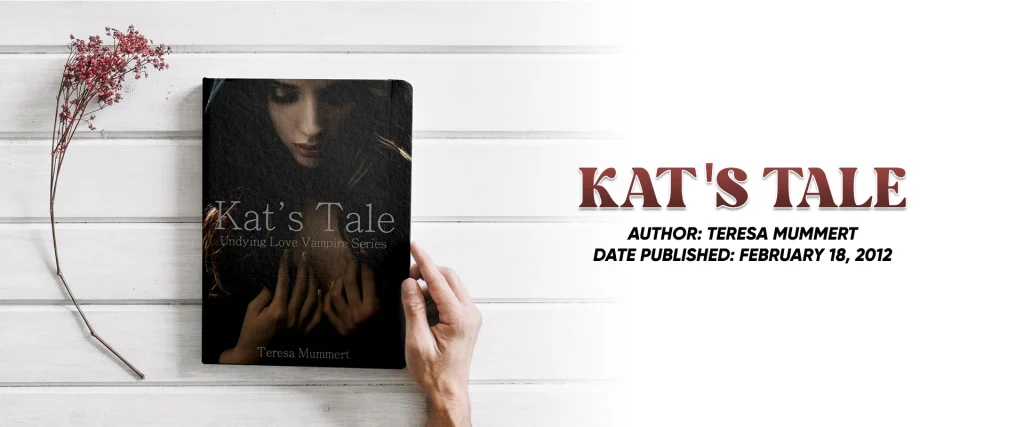
What is a Good Title for a Vampire Love Story?

Some of the good titles for vampire romance books are:

  • "Eternal Embrace"
  • "Bloodbound Hearts"
  • "Love in Vein"
  • "Crimson Romance"
  • "Immortal Desires"
  • "Darkened Passion"
  • "The Kiss of Night"
  • "Undying Love"
  • "Heartbeats of the Damned"
  • "Fangs and Forever"
  • "Sanguine Serenade"
  • "Vampire's Valentine"
  • "Twilight Temptations"
  • "The Immortal Bond"
  • "Moonlit Obsession"

Which is the Most Famous Vampire Book Ever Written?

One of the most famous vampire books ever written is Bram Stoker's "Dracula," published in 1897. The book has had a profound influence on the vampire genre and has been adapted into numerous films, TV shows, and other media over the years.

Conclusion

The world of vampire romance books is a rich genre where love and darkness intertwine to create stories that leave a lasting impression. If you’re a die-hard fan of the genre or a newcomer who wants to sink your teeth into something new, these blood-bound tales we provide are perfect for you to read. From the timeless classics to the modern ones, there are many vampire romance books for every reader’s taste.

We know that vampire romance books have stood the test of time for a reason. Therefore, as a book writing company, Authors Breeze helps you create compelling narratives. So, reach out to us for ebook writing services. We know how to bring your own vampire romance story to life.

Posts navigation

Older posts
Newer posts

Categories

  • Audio Book
  • Author Website
  • Blog Writing
  • Book Cover
  • Book Editing
  • Book Formatting
  • Book Marketing
  • Book Writing
  • Content Writing
  • Creative Exploration
  • eBooks
  • Fictional Writing
  • Ghost Writing
  • Novel
  • Proofreading
  • Publishing
Authors Breeze Home Logo

We create content that converts. Every asset aligns with your commercial goals, speaks directly to your audience and builds a conversation around your brand.

  • US OFFICE:
  • Address: 5101 Santa Monica Blvd # 8, Los Angeles, CA 90029, United States
  • Phone: +1 (855) 479-4213
  • UK OFFICE:
  • Address: 43 ELM PARK ROAD READING BERKSHIRE RG30 2TP
  • Phone: +44 204 586 1189

Services We Provide :

  • e-Book Cover
  • e-Book Marketing
  • e-Book Formatting
  • e-Book Writing
  • Book Video Trailer
  • Author Website
  • Article Writing
  • Ghost Writing
  • e-Book Editing
  • e-Book Publishing
  • e-Book Proofreading
  • Audio Book
  • Blog Writing
  • Website Content Writing

Company :

  • About Us
  • Testimonials
  • Contact Us
  • FAQ's

    Follow Us

Trust verified, protected by Copy Escape icon Visa, master, Discover Logo
  • © Authors Breeze 2026. All rights reserved.

  • |
  • Terms of Services
  • |
  • Privacy Policy

Disclaimer:
The services provided by Authors Breeze become clients' property once delivered. Authors Breeze will not hold any ownership rights once your work is successfully accepted by a publishing house.

X
Book
Authors Breeze BookPublishing AT 50% OFF
Contact No Incorrect

Signup Today to Claim Your Discount. Get Started before it’s too late!